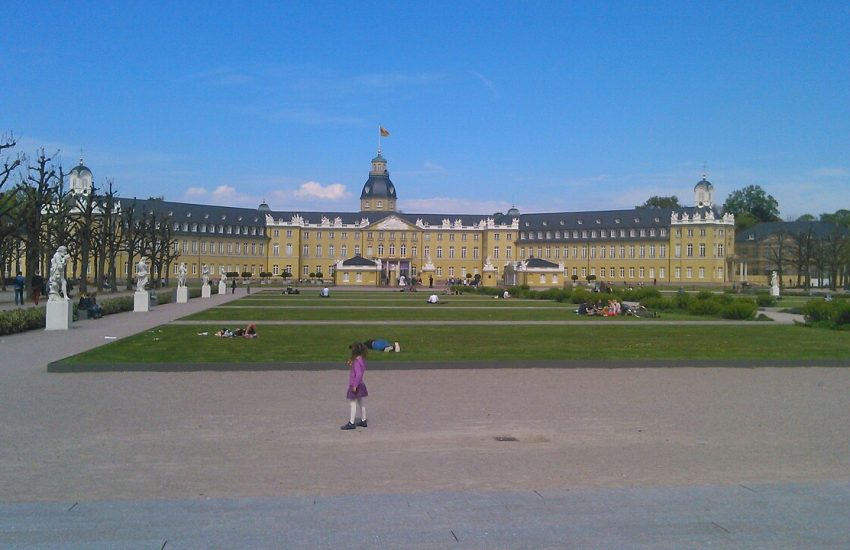
A few kilometres from Rastatt, hidden among the trees of a quiet park in the village of Forch, stands one of the most unusual palaces in Germany. Favorite Palace was built in the early eighteenth century as the summer retreat of Margravine Sibylla Augusta of Baden Baden, and it is often described as the oldest porcelain palace in Germany, a jewel box filled with treasures from Meissen, China and Japan.
From the outside, the palace looks almost rustic, its walls covered with a rough coating studded with small granite stones that glitter in the sun. Inside, however, it reveals a dazzling world of mirrors, porcelain, glass, inlaid stone and painted decoration, all gathered by a remarkable woman who ruled Baden Baden for nearly twenty years.
In this article we will explore Favorite from the margravine who created it to its astonishing interiors, its kitchen, its park and its hermitage, and we will finish with practical tips for your visit.
In This Article
- A Pleasure Palace in the Woods Near Rastatt
- Margravine Sibylla Augusta
- Johann Michael Ludwig Rohrer and the Architecture
- A Facade of Glittering Stone
- The Sala Terrena and the Grand Hall
- Germany Oldest Porcelain Palace
- The Mirror Cabinet and the Florentine Cabinet
- The Margravine in Disguise
- The Faience Kitchen
- The Landscape Park
- The Hermitage of the Margravine
- Favorite Palace on Video
- Visiting Favorite Palace Today
A Pleasure Palace in the Woods Near Rastatt
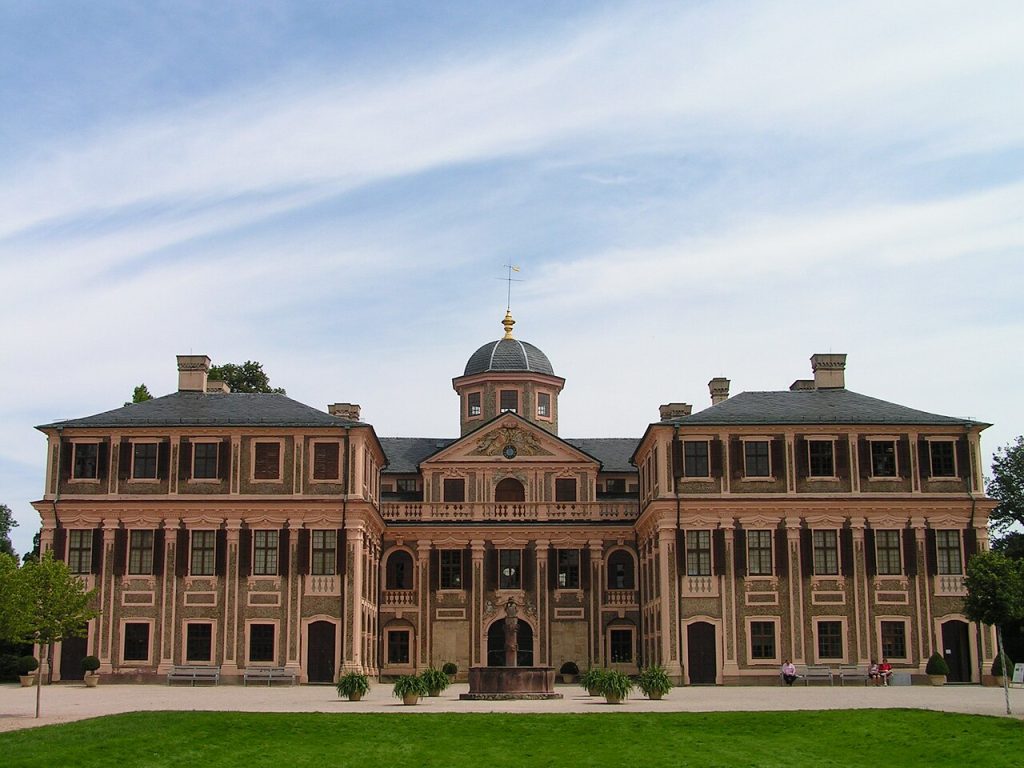
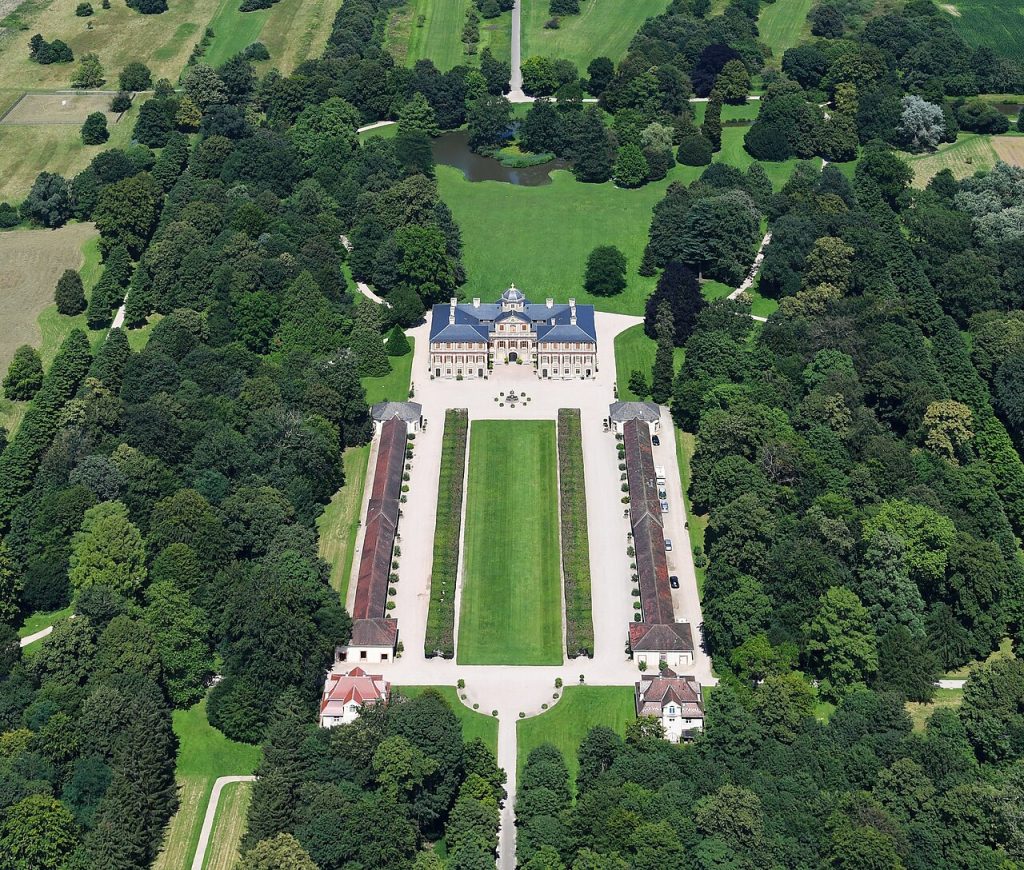
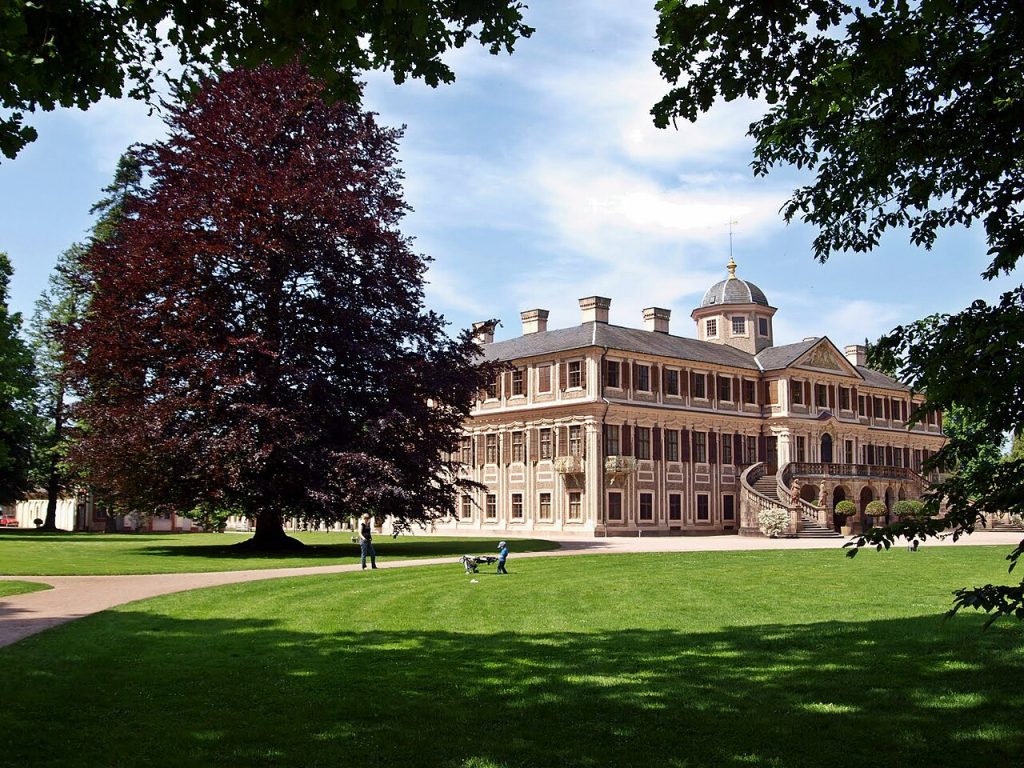
Favorite lies just outside Rastatt, in the village of Forch, at the edge of the Rhine plain where the first hills of the Black Forest begin to rise. You approach through a landscape park, and the palace appears between the trees, compact and elegant, with a grand double staircase leading up to its entrance.
At first sight, the palace looks surprisingly modest for a princely residence. It has none of the vast wings and courtyards of Rastatt Palace nearby. Instead it was conceived as a place of retreat, intimacy and personal pleasure, a summer house where the margravine could escape the formality of court life.
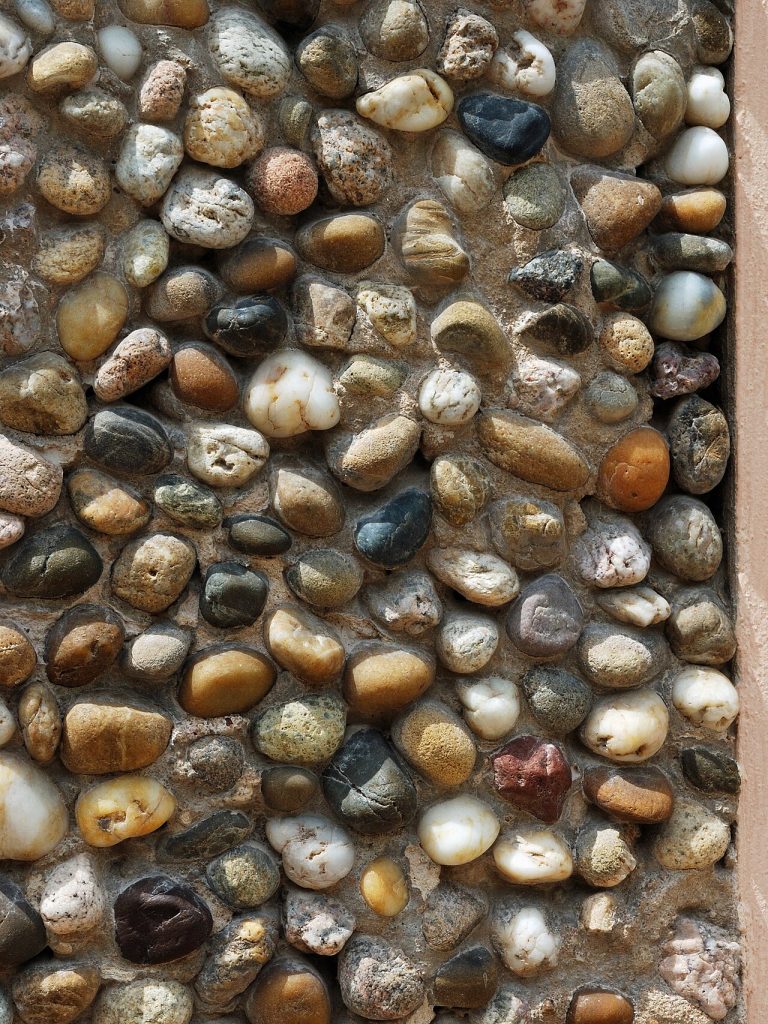
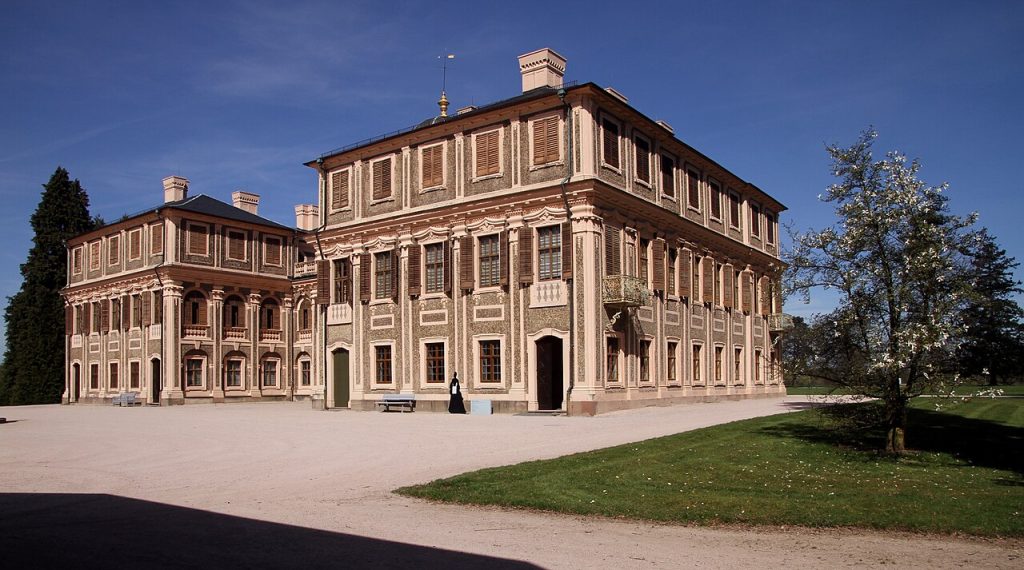
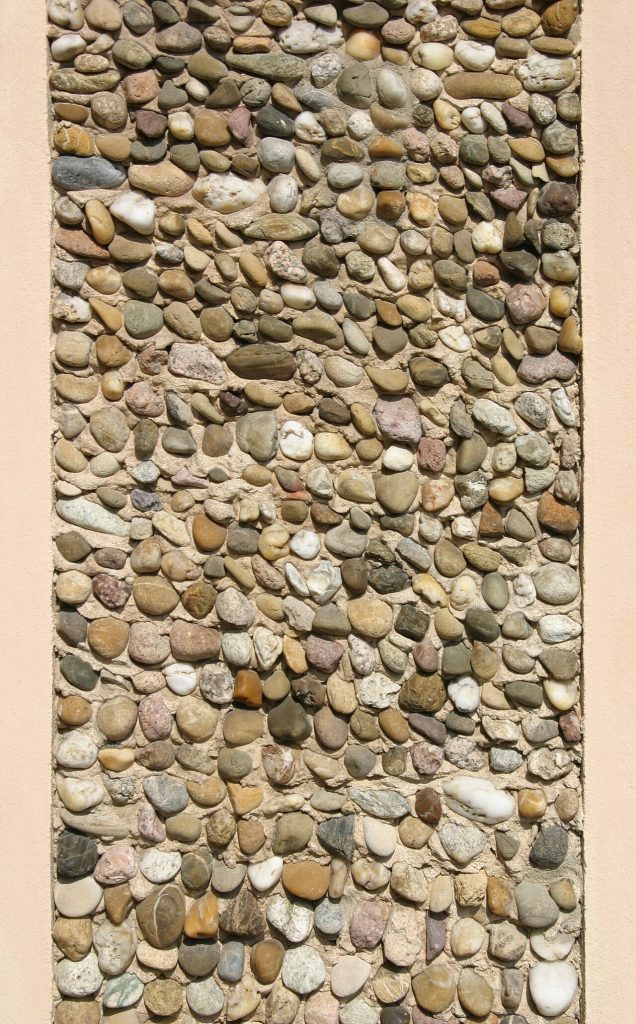
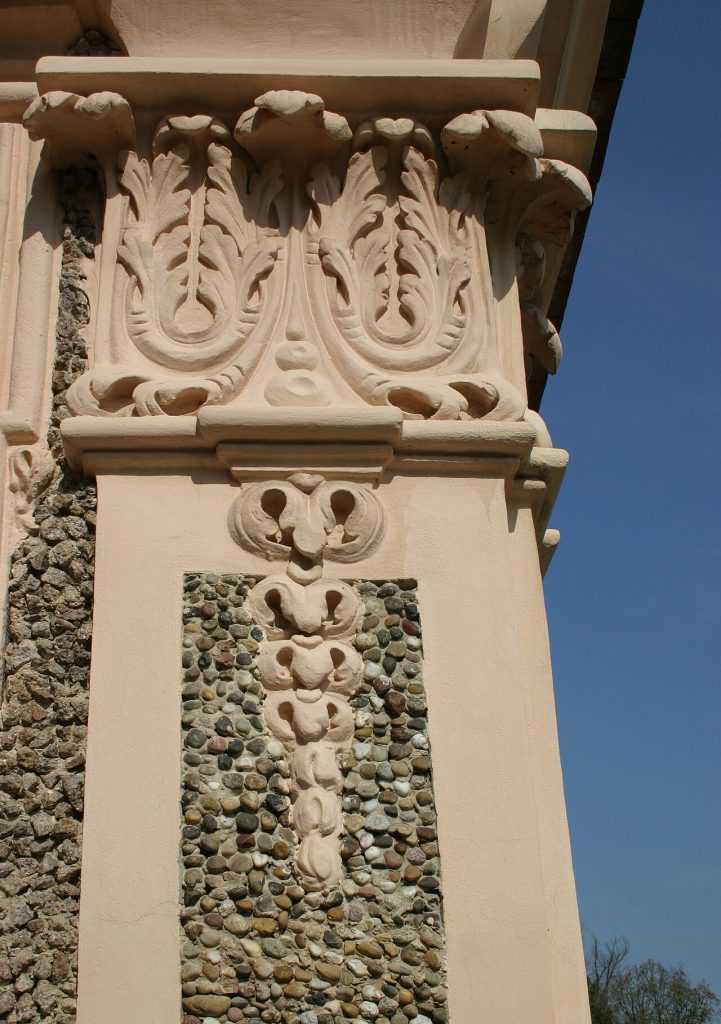
Its exterior is unusual. Instead of smooth plaster or stone, the walls are covered with a grey render into which countless small pieces of granite were pressed, giving the building a rough, sparkling texture that catches the light as the sun moves across the facades.
What makes Favorite special is the contrast between this sober, almost rugged shell and the extraordinary richness inside. Few palaces in Europe preserve their original eighteenth century interiors and collections so completely.
Visitors often describe the experience of stepping inside as like opening a precious box, each room revealing new surprises of colour, light and craftsmanship.
The village of Forch is quiet and green, and the walk from the car park through the park gives you time to leave the modern world behind before reaching the palace. The approach is part of the experience, preparing you for the intimate scale of the building.
Favorite is one of those places that reward slow visiting. The guided tours take you room by room, and each space has its own story, its own materials and its own surprises.
In every season Favorite has its own charm. Spring brings fresh green and blossom to the park, summer long evenings among the trees, autumn golden leaves around the grey walls, and winter a quiet, almost enchanted stillness.
Margravine Sibylla Augusta
The creator of Favorite was Sibylla Augusta, born in 1675 as a princess of Saxe Lauenburg. She grew up partly in Bohemia, on the family estates at Schlackenwerth, and inherited both wealth and a love of art from her family.
In 1690 she married Margrave Ludwig Wilhelm of Baden Baden, the celebrated general known as Turkish Louis. The couple built the great palace at Rastatt, and when Ludwig Wilhelm died in 1707, Sibylla Augusta became regent for her young sons.
For nearly two decades she governed the margraviate with energy and skill, rebuilding a land devastated by war, supporting the church and commissioning buildings across her territory. She was one of the most important female rulers of her time in Germany.
Favorite was her personal project, built between 1710 and 1730 as a summer residence where she could display her collections and enjoy a more private life with her family and close companions.
Her portrait appears throughout the palace, and her personality, devout, energetic, curious and fond of beautiful things, is present in every room.
Her Bohemian upbringing shaped her taste, and many craftsmen and artists from Bohemia worked for her in Baden Baden. The palace therefore reflects a cultural exchange between central Europe and the Upper Rhine.
She was also a devoted mother, and the palace included apartments for her sons, who grew up surrounded by the art and objects their mother collected.
After her regency ended in 1727, she retired increasingly to religious life, dividing her time between Favorite, Ettlingen and her devotions, until her death in 1733.
Sibylla Augusta also founded churches, schools and charitable institutions, and her influence on the cultural landscape of Baden is still visible today in Rastatt, Ettlingen and the surrounding villages.
Her marriage to Ludwig Wilhelm was by many accounts a happy one, and the couple shared a love of art, architecture and display that shaped both Rastatt and Favorite.
Johann Michael Ludwig Rohrer and the Architecture
The palace was designed by Johann Michael Ludwig Rohrer, the court architect of Baden Baden, who also built the palace church in Rastatt and other buildings for the margravine.
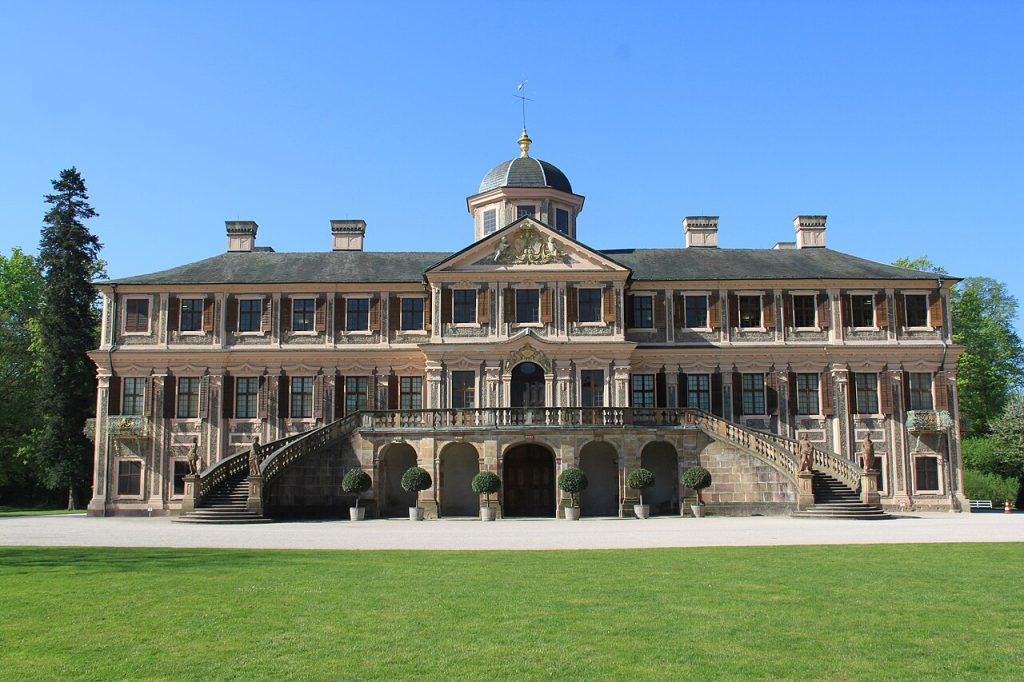
Rohrer created a compact, almost cubic building with a central hall, the Sala Terrena, on the ground floor and the main apartments above. A grand staircase on the garden side leads to the upper floor, giving the palace a dignified approach.
The layout is carefully planned around a central axis, with rooms arranged symmetrically on either side. This allowed the margravine to move easily between public and private spaces and to show her guests a sequence of increasingly precious rooms.
The unusual exterior render with embedded granite was a practical as well as decorative choice, protecting the walls while giving the building a distinctive and memorable appearance.
Rohrer’s design combines the influences of Bohemian and Austrian baroque, reflecting the margravine’s background and her connections with the Habsburg world.
The interior decoration was carried out by teams of stuccoists, painters and cabinetmakers, many from Bohemia and Italy, working under the close supervision of the margravine.
Rohrer’s careful planning ensured that every room had good light and pleasant views over the park, making the palace comfortable as well as beautiful.
Comparing Favorite with Rastatt Palace, you can see how Rohrer and the margravine adapted grand baroque ideas to a smaller, more personal building.
The palace was finished in stages, with decoration continuing for years after the main structure was complete, so that each room reflects a slightly different moment in the evolution of baroque taste.
A Facade of Glittering Stone
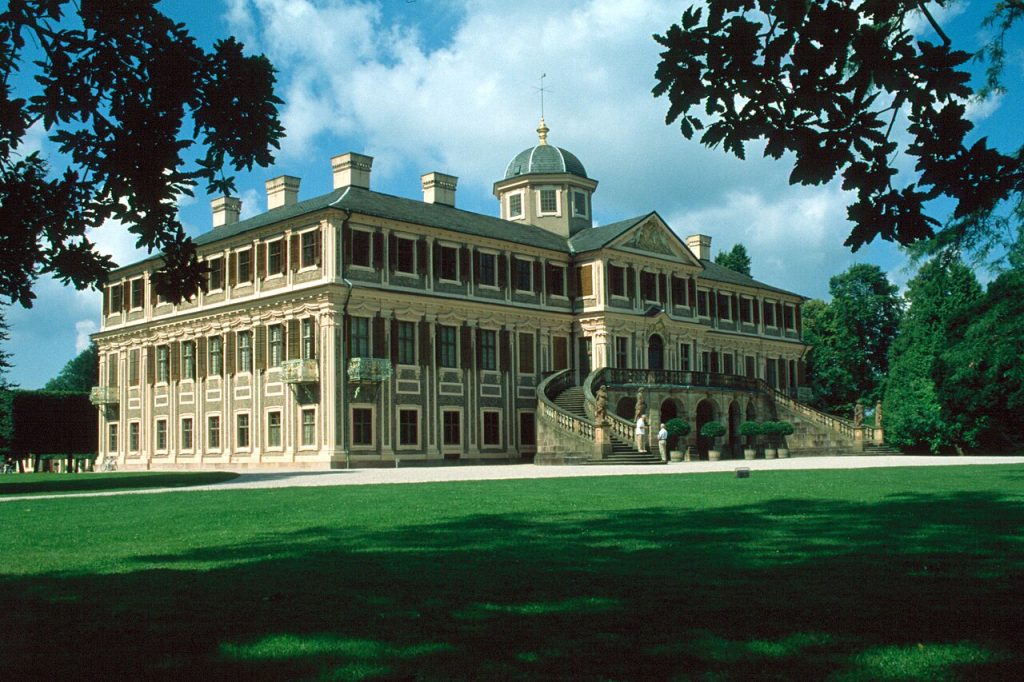
Take a closer look at the facades and you will see the thousands of small stones pressed into the grey render. In sunlight they sparkle like tiny jewels, creating a surface that changes with the light and the time of day.
The rough texture contrasts with the smooth window frames, cornices and decorative details, which are picked out in lighter colours. The overall effect is unusual and slightly mysterious, unlike any other palace in the region.
This exterior also prepares visitors for the theme of precious materials that dominates the interiors, where porcelain, glass, mirrors and stone are used in astonishing variety.
On the garden side, the double staircase and the balustrades frame the entrance, creating a sense of ceremony as you climb toward the main floor.
Walking around the palace, you can appreciate how its compact form fits into the park, surrounded by lawns and trees rather than formal parterres.
The granite stones are thought to have come from the nearby Black Forest, linking the building with its natural surroundings in a subtle but meaningful way.
Photographers love the facades in the low light of morning and evening, when the stones glitter most brightly and the shadows emphasise the texture of the walls.
The double staircase on the garden side is one of the most elegant features of the exterior, its curving flights inviting visitors upward to the main floor.
The Sala Terrena and the Grand Hall
On the ground floor lies the Sala Terrena, a cool, elegant hall that opens toward the garden. Its walls and floor are decorated with stucco marble and inlaid patterns, and in summer it provided a refreshing retreat from the heat.
Above it, the main hall of the upper floor is the heart of the palace, a richly decorated space with a painted ceiling, stucco ornament and fine furniture. It was used for receptions and gatherings, and from here doors lead to the apartments of the margravine and her sons.
The decoration of these halls combines baroque splendour with a sense of intimacy, as befits a summer residence rather than a state palace.
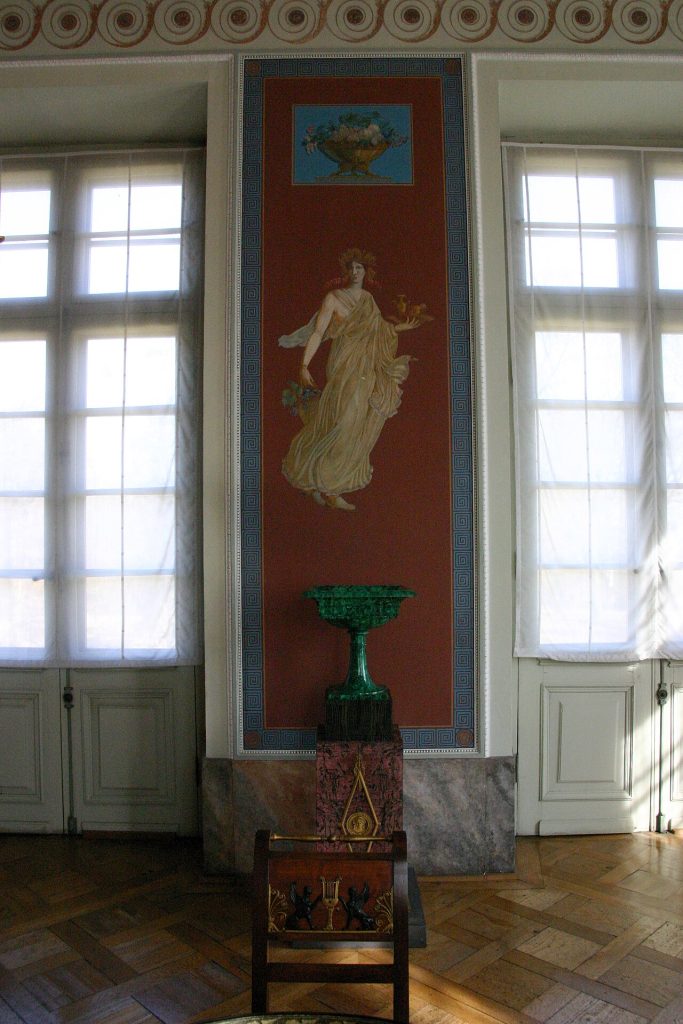
Light from the tall windows fills the rooms, bringing out the colours of the painted surfaces and the shine of polished floors.
Standing in the main hall, you can sense how the palace was designed to delight rather than overwhelm, a place for conversation, music and the enjoyment of beautiful objects.
The Sala Terrena also served as a garden room, where the margravine and her guests could sit with the doors open, enjoying the fresh air and the scent of the park.
Its floor, decorated with patterns in coloured stucco, shows the high level of craftsmanship found throughout the palace.
From the Sala Terrena, steps lead up to the main floor, where the most precious rooms of the palace await.
Concerts and small events are occasionally held in the halls, and the intimate scale of the rooms makes them ideal for chamber music.
Germany Oldest Porcelain Palace
Favorite is famous above all for its collections of porcelain and ceramics. Sibylla Augusta was a passionate collector, and she gathered Chinese and Japanese porcelain, early Meissen porcelain, faience and glass in quantities that astonished her contemporaries.
The collection includes some of the earliest pieces produced at Meissen, the first European manufactory to make true porcelain, as well as rare Asian works that came to Europe through the trade of the Dutch and other merchants.
Porcelain was displayed throughout the palace, on shelves, brackets, mantelpieces and tables, turning entire rooms into showcases of what contemporaries called white gold.
Today Favorite holds one of the most important porcelain collections in Germany, and much of it is still displayed in the rooms where the margravine placed it nearly three centuries ago.
For lovers of decorative arts, a visit to Favorite is an unforgettable experience, offering a rare chance to see an early eighteenth century collection in its original setting.
Among the treasures are figures, vases, plates and tea services, some in delicate blue and white, others decorated with brilliant colours and gold. Each piece reflects the fascination of the age with Asian art and the new European porcelain industry.
The collection also includes faience from Delft and other European centres, as well as fine glass from Bohemia, showing the breadth of the margravine’s interests.
The rooms are arranged so that porcelain forms part of the decoration itself, set on brackets and shelves as if the walls were made of precious objects.
Conservators work continuously to protect the delicate porcelain and the rooms in which it is displayed, controlling light, temperature and humidity to preserve the collection for future generations.
The Mirror Cabinet and the Florentine Cabinet
Among the most dazzling rooms is the Mirror Cabinet, whose walls are covered with mirrors framed in gilded wood and decorated with porcelain. The reflections multiply the objects endlessly, creating a shimmering world of light and colour.
Nearby is the Florentine Cabinet, decorated with panels of pietra dura, the Italian art of inlaying coloured stones to create pictures of flowers, birds and landscapes. These panels were among the most precious objects in any princely collection.
Other cabinets are decorated with painted wood, lacquer, embroidered textiles or glass, each room offering a different combination of materials and effects.
The variety is astonishing, and it reflects the margravine’s delight in rare materials and fine craftsmanship from across Europe and Asia.
Many visitors say that these small cabinets are the most memorable part of the palace, a concentration of beauty that is almost overwhelming.
Pietra dura was a speciality of Florentine workshops, where craftsmen cut and polished semi precious stones such as lapis lazuli, agate and jasper to create images of extraordinary delicacy.
Some cabinets also contain embroidered panels made by the margravine and her ladies, adding a personal touch to the decoration.
A further cabinet features walls covered with scenes painted on glass, another rare technique that adds to the sense of jewel like richness.
Taken together, the cabinets form a kind of encyclopedia of decorative arts, showing how many different materials and skills were brought together to delight the margravine and her guests.
The Margravine in Disguise
One of the most charming features of Favorite is a series of portraits showing Sibylla Augusta, her husband and members of her family in costume. They appear as Turks, shepherds, nuns, pilgrims and characters from distant lands, reflecting the baroque love of masquerade and role play.
These costume portraits were fashionable at court festivals, where nobles dressed up for masked balls and theatrical entertainments. At Favorite they form a playful gallery that reveals the lighter side of court life.
The portraits also reflect the margravine’s sense of humour and her enjoyment of games and festivities, a contrast to her reputation as a pious and serious ruler.
Looking at them, you can imagine the summer festivities at Favorite, with costumed guests moving through the rooms and gardens.
They are among the most photographed works in the palace and offer a delightful glimpse into the personality of its creator.
Some costume portraits show the margravine as a Turkish lady, a reference to her husband’s famous victories against the Ottomans and to the baroque fascination with the Orient.
Others show members of the family as peasants or pilgrims, a reminder that masquerades allowed nobles to step briefly outside the strict rules of court life.
The collection of costume portraits is considered unique in Germany, both for its size and for the insight it gives into court entertainment.
The Faience Kitchen
On the ground floor lies one of the most unusual rooms in the palace, the kitchen. Its walls are covered with faience tiles, and its shelves display rows of copper pots, pans and kitchen utensils, creating a picture of order and abundance.
The kitchen was not merely a working space but also a showpiece. The margravine enjoyed cooking and sometimes prepared meals herself for her guests, a playful reversal of roles that delighted her visitors.
The tiles, decorated with blue and white motifs, are both practical and beautiful, easy to clean and pleasing to the eye. The room shows how even utilitarian spaces could become works of art in a baroque palace.
Visitors often find the kitchen one of the most memorable rooms at Favorite, as it brings the daily life of the eighteenth century vividly to life.
Next to the kitchen are other service rooms, which help explain how the palace functioned during the summer months when the court was in residence.
The copper pots and pans gleam under the light, and many of them date from the eighteenth century, giving a vivid picture of the equipment used to prepare court meals.
Guides often tell stories of the margravine cooking for her guests, and the kitchen remains one of the favourite rooms for families and children.
The Landscape Park
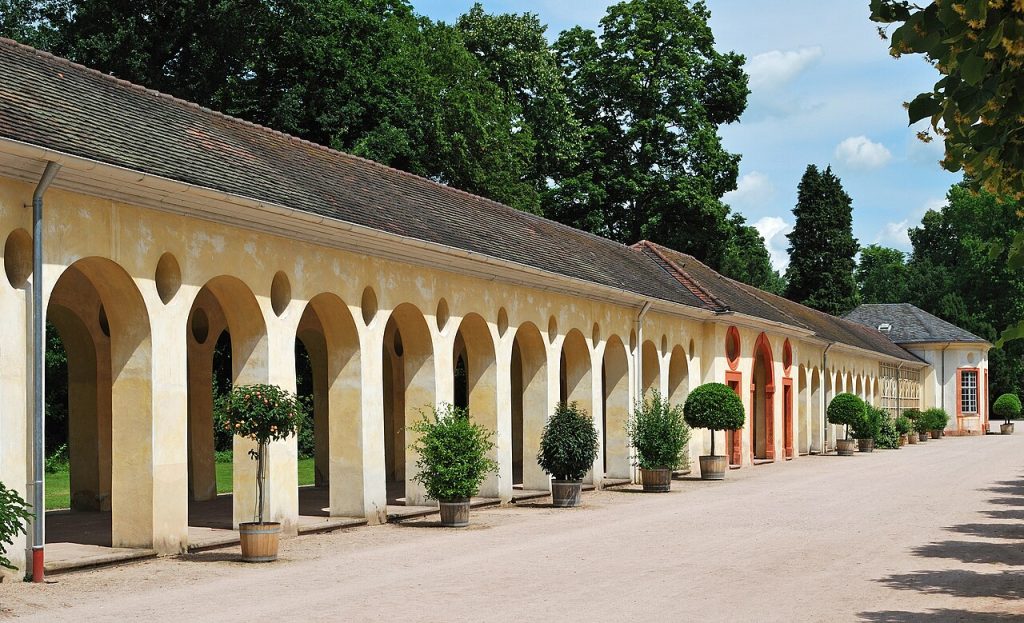
Around the palace stretches a large park, originally laid out as a baroque garden and later transformed into an English landscape park. Today it is a peaceful place of lawns, groves and winding paths.
Old trees shade the paths, and open meadows offer views back to the palace. In spring and summer the park is full of birdsong and wildflowers, and in autumn the colours of the leaves frame the grey walls of the palace beautifully.
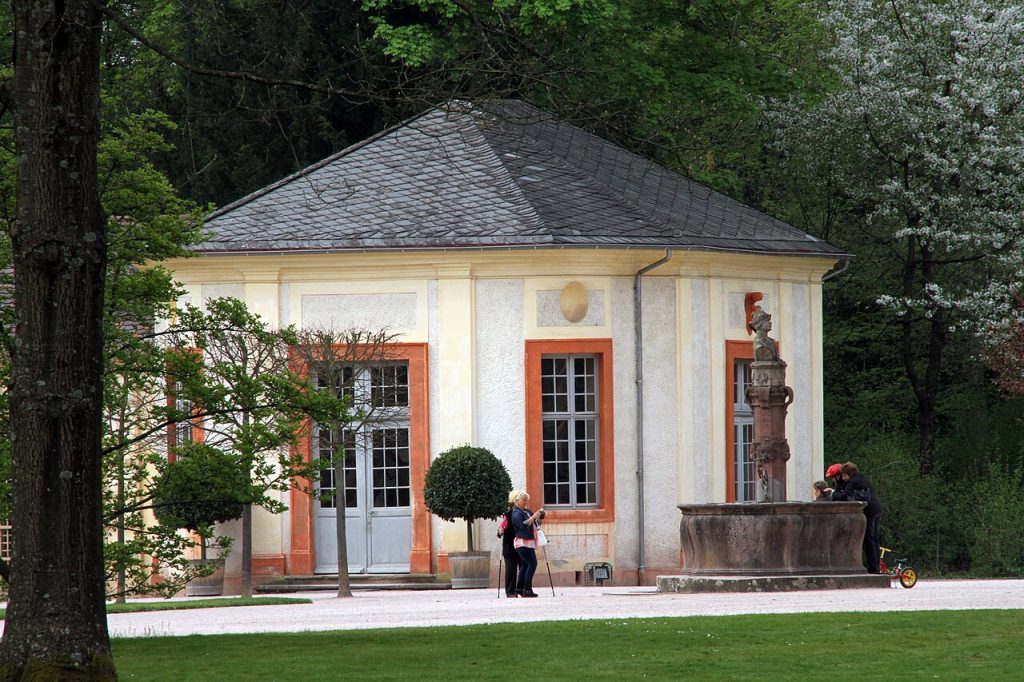
Small buildings scattered through the park, such as pavilions and service buildings, add interest to a walk and recall the life of the summer court.
The park is open to the public and makes a lovely setting for a picnic or a quiet stroll after visiting the palace.
Look out for the small orangery and other garden buildings, which once housed plants and served the needs of the summer court.
Benches along the paths invite you to rest and enjoy the quiet atmosphere, far from the bustle of modern life.
The park also has historic trees planted in the eighteenth and nineteenth centuries, some of which have grown to impressive size.
The Hermitage of the Margravine

Hidden in the park stands a small octagonal building, the Hermitage, built for Sibylla Augusta as a place of prayer and penance. Its plain exterior contrasts sharply with the luxury of the palace.
Inside, the margravine would withdraw during Lent and other times of devotion, living simply and praying. A chapel dedicated to Mary Magdalene expresses her deep religious faith.
The Hermitage reveals the other side of Sibylla Augusta’s personality, a woman who combined love of beauty with intense piety.
Visiting it after the splendour of the palace is a moving experience, and it helps you understand the complex character of the woman behind Favorite.
The interior of the Hermitage contains simple furnishings and religious images, including wax figures that recreate scenes from the life of Christ and the saints.
Its octagonal form and modest scale give it the feel of a woodland chapel, perfectly suited to quiet reflection.
The contrast between the luxury of the palace and the simplicity of the Hermitage is one of the most striking aspects of a visit to Favorite.
Favorite Palace on Video
For a look at the palace and its collections before your visit, the video below takes you through Favorite and its park.
Watch for the glittering facades, the porcelain rooms and the views of the park.
The video also captures the palace’s setting in the park and the unusual texture of its walls.
If the video inspires you, read on for practical tips on visiting.
Visiting Favorite Palace Today
Favorite Palace is managed by the State Palaces and Gardens of Baden Wurttemberg. The interiors can be visited on guided tours from spring to autumn, while the park is open all year.
The palace lies in Forch, a district of Rastatt, and is easy to reach by car or bus from Rastatt station. It is also a short drive from Baden Baden.
Plan at least two hours for the palace tour and a walk in the park, and combine your visit with Rastatt Palace and the palace church to see the full legacy of Sibylla Augusta.
Because the rooms are delicate and the collections precious, visitor numbers are limited, so it is wise to book tours in advance during busy periods.
There is a small cafe near the palace where you can rest after your tour, and the park offers plenty of space for a relaxing walk.
Whenever you visit, Favorite offers a unique and unforgettable experience, a glimpse into the private world of one of the most remarkable women of the German baroque.
Combined tickets for Favorite and Rastatt Palace are available and make it easy to explore both residences of Sibylla Augusta in a single day.
View the location on Google Maps
Palaces Nearby
If Favorite has enchanted you, Baden holds more remarkable palaces. Here are two more well worth adding to your journey:
- Rastatt Palace – the baroque residence of Turkish Louis and Sibylla Augusta, crowned by the Golden Man.
- Ettlingen Palace – the widow seat of Sibylla Augusta, famous for its chapel painted by Cosmas Damian Asam.
You May Like
Rastatt Palace and the Glory of Turkish Louis