On the tropical island of Sri Lanka, off the southern tip of India, live the Sinhalese, the great majority people of the nation and heirs to one of Asia’s oldest civilisations. An Indo-Aryan people and devout Buddhists, they built towering stupas and vast reservoirs more than two thousand years ago.
Theirs is a heritage of ancient royal cities and the classical dances of Kandy, of rice and curry and the lantern-lit festival of Vesak, all bound up with the Buddhist faith at the heart of their identity. To know the Sinhalese is to enter the long story of the island they have called home since antiquity.
Sri Lanka on Film
Contents
- Origins
- The Name
- The Language
- The Homeland
- The Old Way of Life
- Society and Community
- Religion and Belief
- Traditions
- Crafts
- Food
- Festivals
- History
- Today
Origins
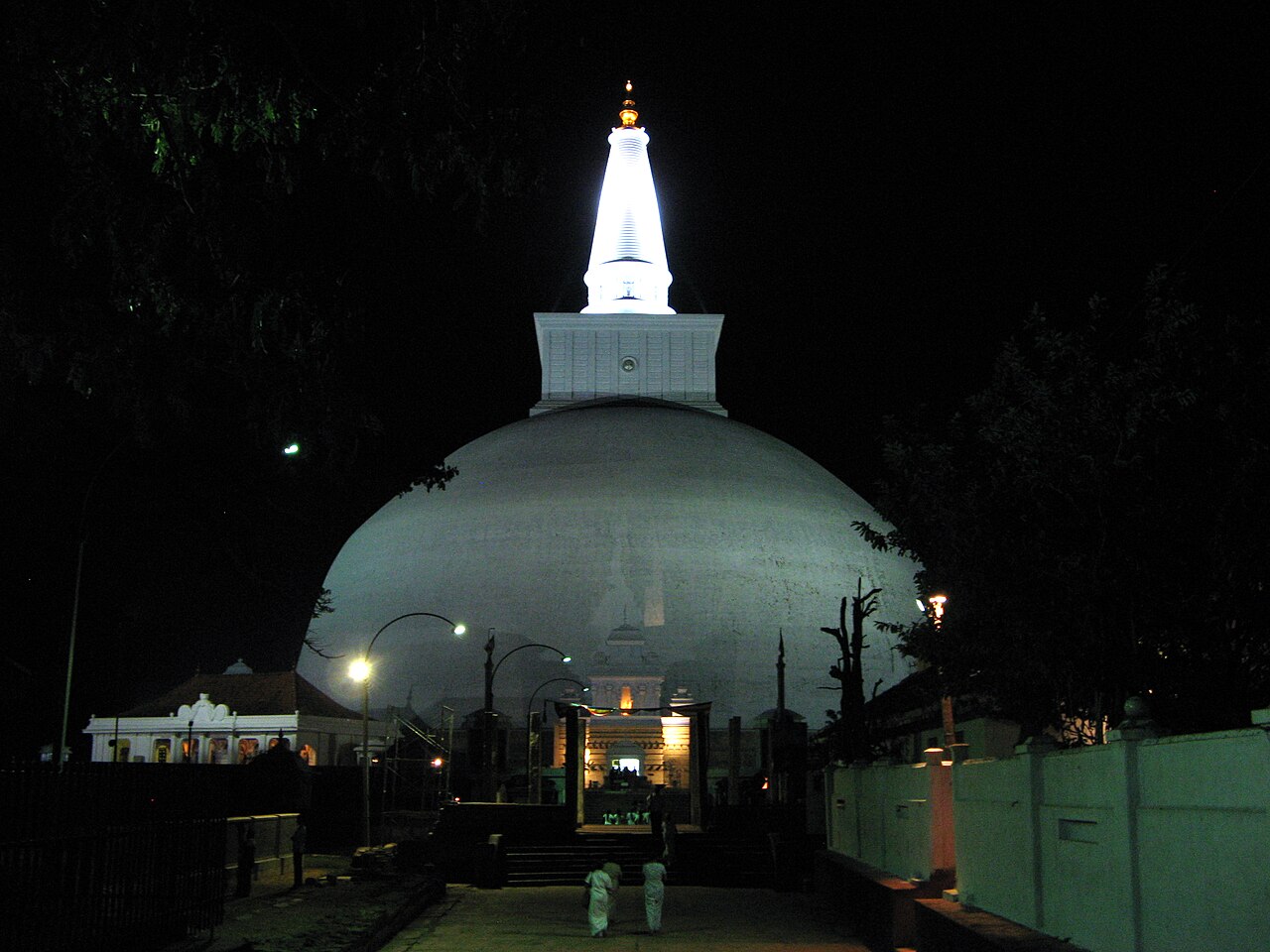
The Sinhalese are the largest people of Sri Lanka, the island nation off the southern tip of India, making up about three-quarters of its population. An Indo-Aryan people speaking the Sinhala language and overwhelmingly Buddhist in faith, they have shaped the culture and history of the island for more than two thousand years.
Tradition holds that the Sinhalese descend from settlers led by Prince Vijaya, who came to the island from northern India around the fifth century BC. Mingling with the earlier inhabitants, they founded one of Asia’s great early civilisations, centred on the sacred city of Anuradhapura, with its towering stupas and vast irrigation works.
The Name
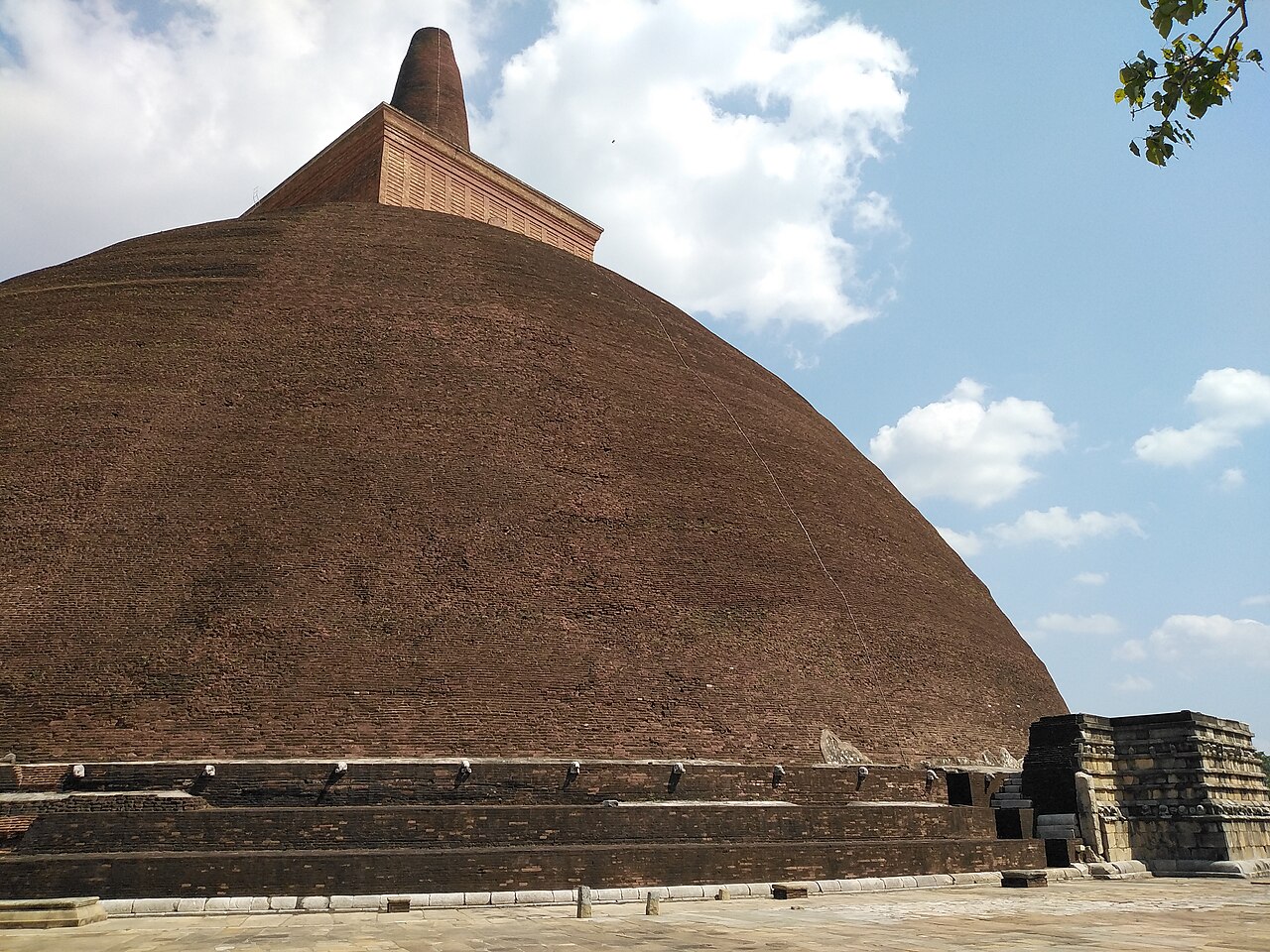
The name Sinhala is traditionally linked to the word for lion, and the lion is the great emblem of the Sinhalese people, appearing on the national flag of Sri Lanka. According to legend the people are the children of a lion, and they call themselves Sinhala and their language by the same name.
The island itself has borne many names through history, including Lanka, Serendib, and Ceylon, but for the Sinhalese it is above all their ancestral homeland, the land their kings and monks made a stronghold of Buddhist civilisation.
The Language

The Sinhalese speak Sinhala, an Indo-Aryan language brought from northern India and developed on the island over more than two millennia, quite distinct from the Dravidian Tamil spoken by the island’s other major community. Written in its own graceful rounded script, Sinhala has one of the oldest literary traditions in South Asia.
Enriched over the centuries by Pali, the sacred language of Theravada Buddhism, and by Sanskrit, Tamil, and later Portuguese, Dutch, and English, Sinhala carries a rich heritage of poetry, chronicle, and religious writing. The ancient chronicles, above all the Mahavamsa, preserve the long story of the Sinhalese people.
The Homeland

The Sinhalese homeland is the island of Sri Lanka, a tropical land of great variety, from the palm-fringed coasts and dry plains of the north and east to the lush, misty highlands at its heart. The Sinhalese are the majority across most of the island, especially in the south, west, and central hills.
The cool central highlands, famous for their tea, and the wet lowlands of the southwest form the heart of Sinhalese country, while the ancient dry-zone cities of the north testify to their early civilisation. Rivers, forests, and carefully engineered reservoirs shaped a landscape long worked by Sinhalese farmers.
The Old Way of Life
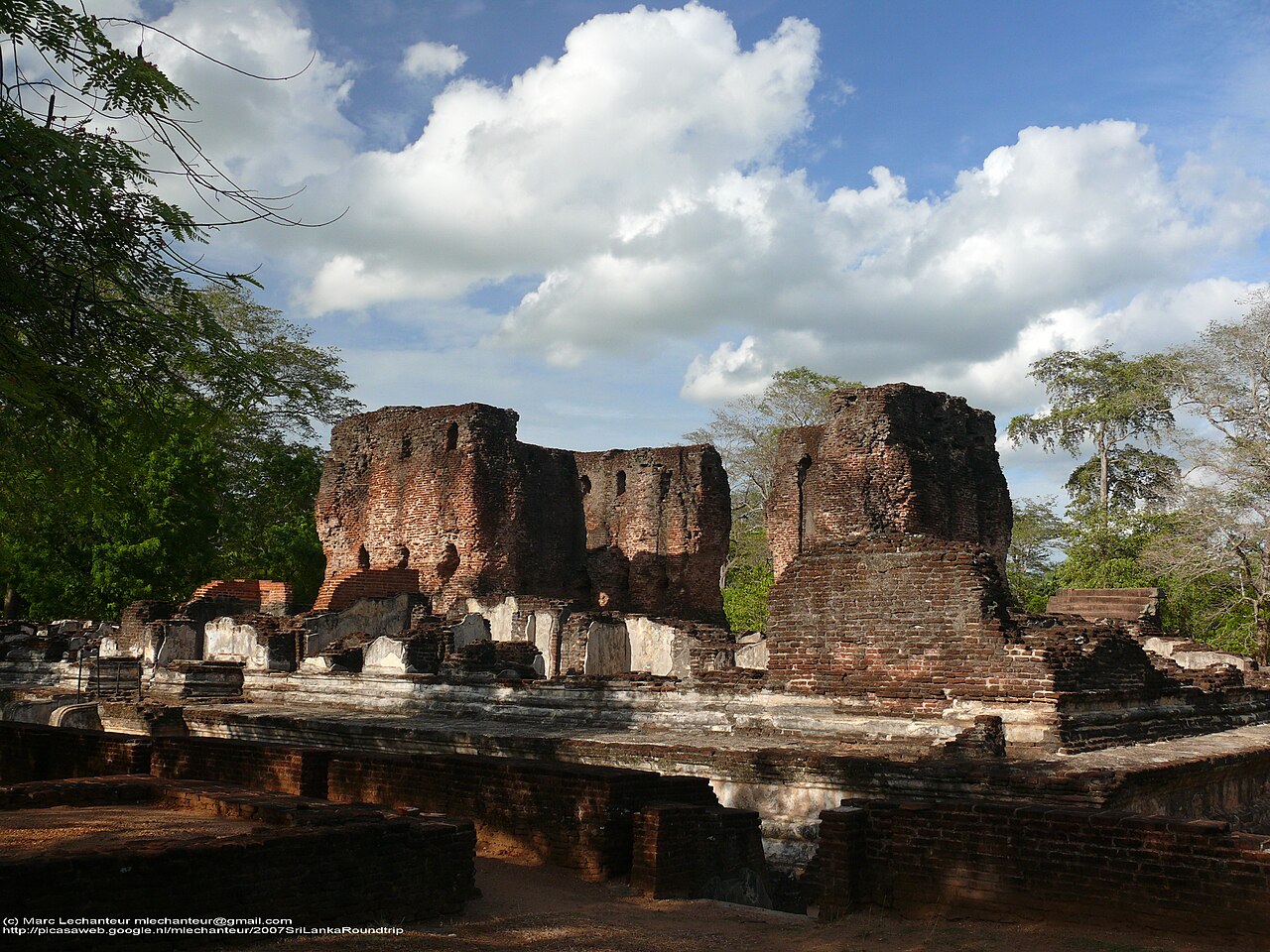
For most of their history the Sinhalese were farmers, above all growers of rice in the fertile lowlands and the irrigated dry zone. Their ancient kingdoms built one of the most sophisticated irrigation systems of the pre-modern world, a vast network of reservoirs and canals that turned the dry plains green.
Village life centred on the paddy field, the temple, and the tank, or reservoir, with society organised around agriculture and the Buddhist monastery. This settled, rice-growing, temple-centred way of life shaped Sinhalese culture for many centuries.
Society and Community
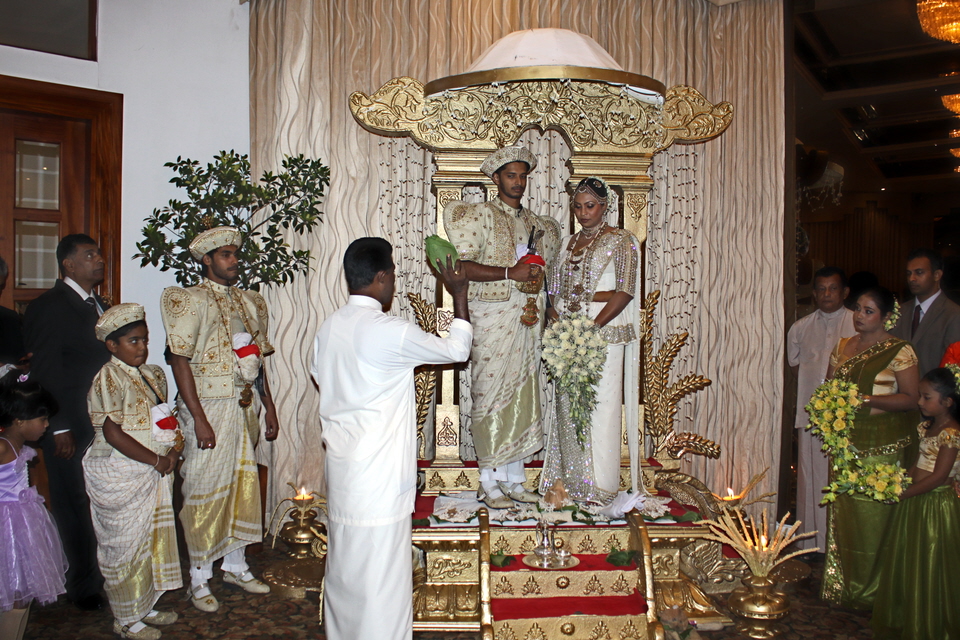
Sinhalese society has traditionally been organised around the village, the extended family, and a system of castes, though caste plays a less rigid role than in India. The Buddhist temple and its monks held a central place in community life, and kings were expected to protect and support the faith.
Marriage, with its elaborate customs centred on the decorated poruwa platform, and the ceremonies of the Buddhist life-cycle bind families and communities. Respect for elders, for the monastic order, and for tradition remains important in Sinhalese life.
Religion and Belief

The great majority of Sinhalese are Theravada Buddhists, and Sri Lanka is one of the oldest continuous homes of this form of Buddhism, introduced to the island in the third century BC. The faith is central to Sinhalese identity, and the island is dotted with temples, monasteries, and the great stupas of the ancient cities.
The Temple of the Sacred Tooth Relic in Kandy, said to hold a tooth of the Buddha, is the holiest shrine of the Sinhalese and a symbol of the nation. A minority of Sinhalese are Christians, but Buddhism remains at the heart of the people’s culture and history.
Traditions
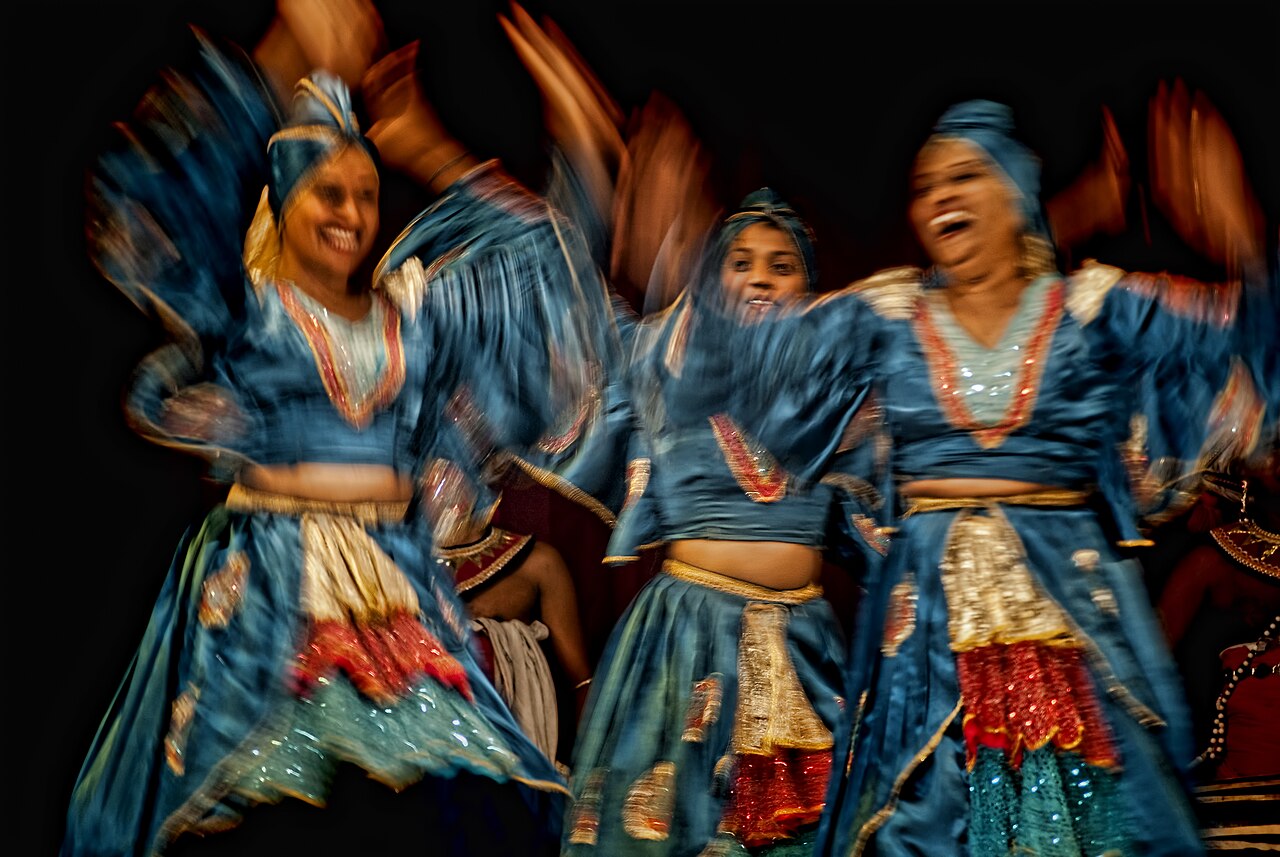
Sinhalese tradition is rich in dance, music, and ritual. The Kandyan dance, with its acrobatic movements, drumming, and elaborate silver costumes, is the classical dance of the highlands and a proud emblem of the people. Devil dances and healing rituals of the lowlands preserve older folk beliefs.
The Buddhist calendar, with its full-moon poya days and great processions, shapes the rhythm of Sinhalese life. The magnificent Esala Perahera of Kandy, a night-time parade of dancers, drummers, and caparisoned elephants, is among the most spectacular festivals in Asia.
Crafts

The Sinhalese have a long tradition of fine craftsmanship. The making of Kandyan silver and brass work, intricate wood carving, ivory work, and the writing of manuscripts on prepared palm leaves in the ola tradition were all highly developed arts, often patronised by kings and temples.
Colourful painted masks used in the dances and healing rituals of the southern coast, along with fine textiles, lacquerwork, and pottery, complete a rich material culture. Many of these crafts continue today as living traditions and as treasured heritage.
Food

Sinhalese cuisine is built around rice and curry, a spread of rice served with an array of curries of vegetables, lentils, fish, or meat, sambols, and pickles, fragrant with coconut, chilli, and spices. Coconut, in milk, oil, and grated form, is central to nearly every dish.
String hoppers, hoppers, and roti made from rice flour and coconut are favourite staples, and sweetmeats of jaggery, coconut, and rice mark festive occasions. Rich, spicy, and varied, Sinhalese food reflects the abundance of the tropical island.
Festivals

The greatest Sinhalese festivals follow the Buddhist calendar. Vesak, celebrating the birth, enlightenment, and passing of the Buddha, fills towns and villages with lanterns, lamps, and acts of charity. The Sinhala and Tamil New Year in April, marking the sun’s passage, is celebrated with games, feasting, and family rituals shared with the Tamil community.
Above all towers the Esala Perahera of Kandy, when the casket of the sacred tooth is paraded through the streets amid dancers, drummers, and richly decorated elephants. These festivals express the deep bond between the Sinhalese, their faith, and their history.
History
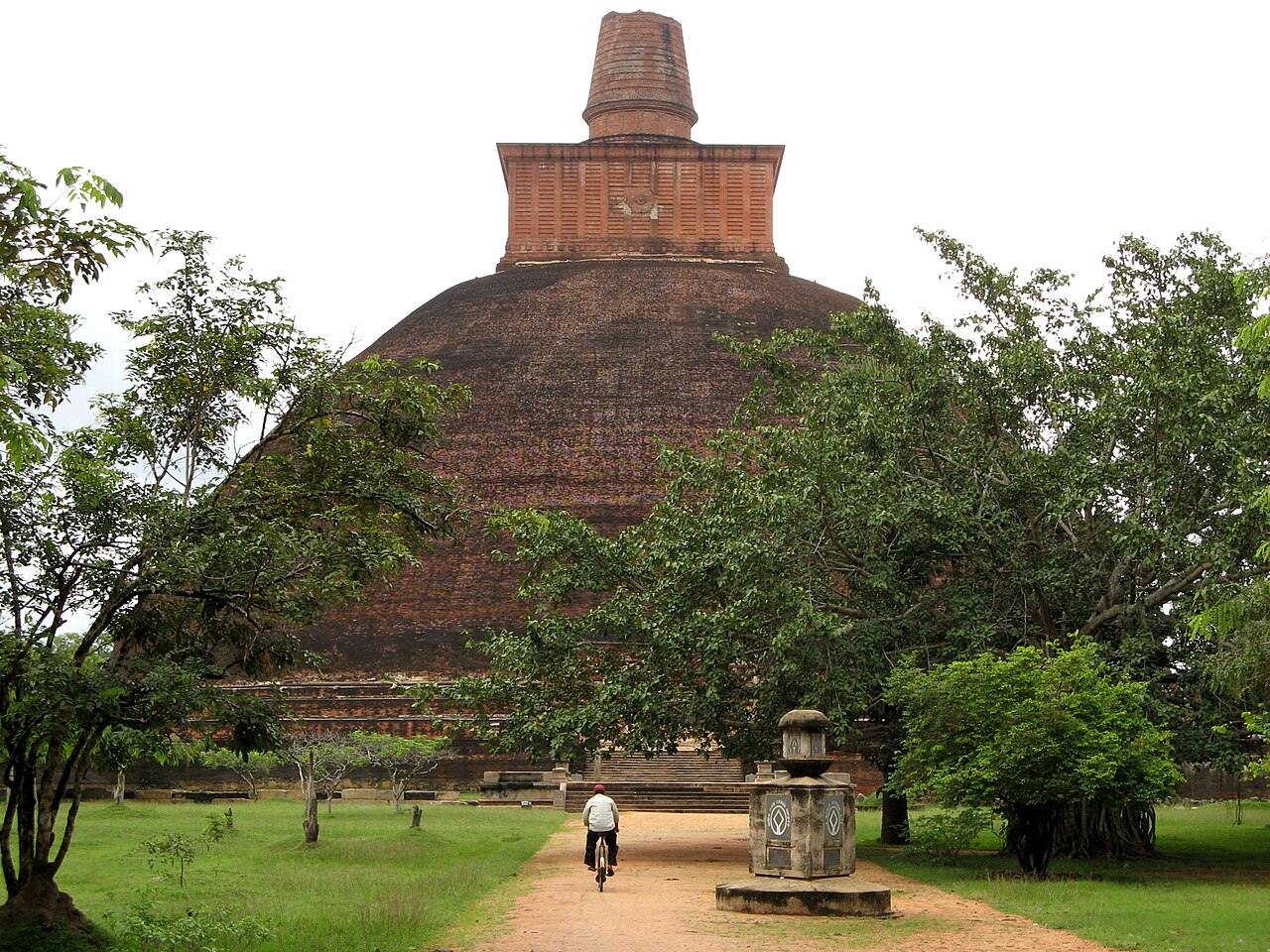
The Sinhalese built a great early civilisation centred on Anuradhapura and later Polonnaruwa, ruled by a long line of Buddhist kings and famed for its monumental architecture and irrigation. Over the centuries invasions from South India and internal division shifted the centre of power southward, and the kingdom of Kandy in the central highlands became the last stronghold of Sinhalese royalty.
From the sixteenth century the coastal areas fell successively to the Portuguese, the Dutch, and the British, and in 1815 the British finally conquered the Kandyan kingdom, bringing the whole island under colonial rule. Independence came in 1948, but the following decades were scarred by a long and bitter civil war between the state and Tamil separatists.
Today

Today the Sinhalese number around fifteen million, forming the great majority of the population of independent Sri Lanka. Since the end of the civil war in 2009 the country has worked to rebuild and reconcile, though tensions between communities have not wholly faded.
Modern Sinhalese live in a country that blends ancient Buddhist heritage with a developing economy built on tea, tourism, textiles, and the labour of its people abroad. Their language, their faith, their classical arts, and the memory of their ancient kingdoms continue to define one of South Asia’s most distinctive peoples.
Related Peoples of the Region
- The Bedouin
- The Omanis
- The Yazidis
- The Lurs
- The Lezgins
- The Kumyks
- The Kabardians
- The Karachay-Balkars
More Peoples of the World
You May Like

The Damara, an Ancient People of Namibia



One thought on “The Sinhalese, an Island People of Ancient Buddhist Sri Lanka”