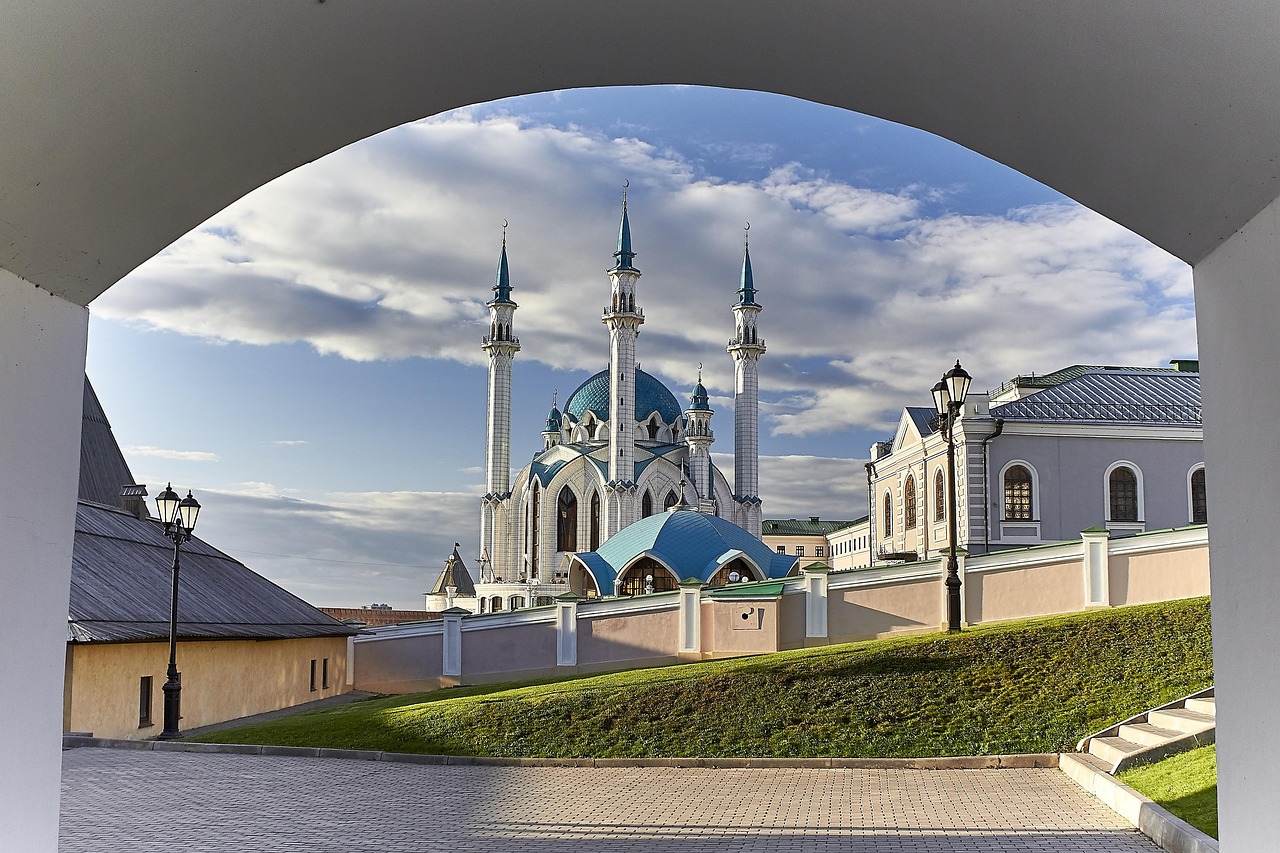
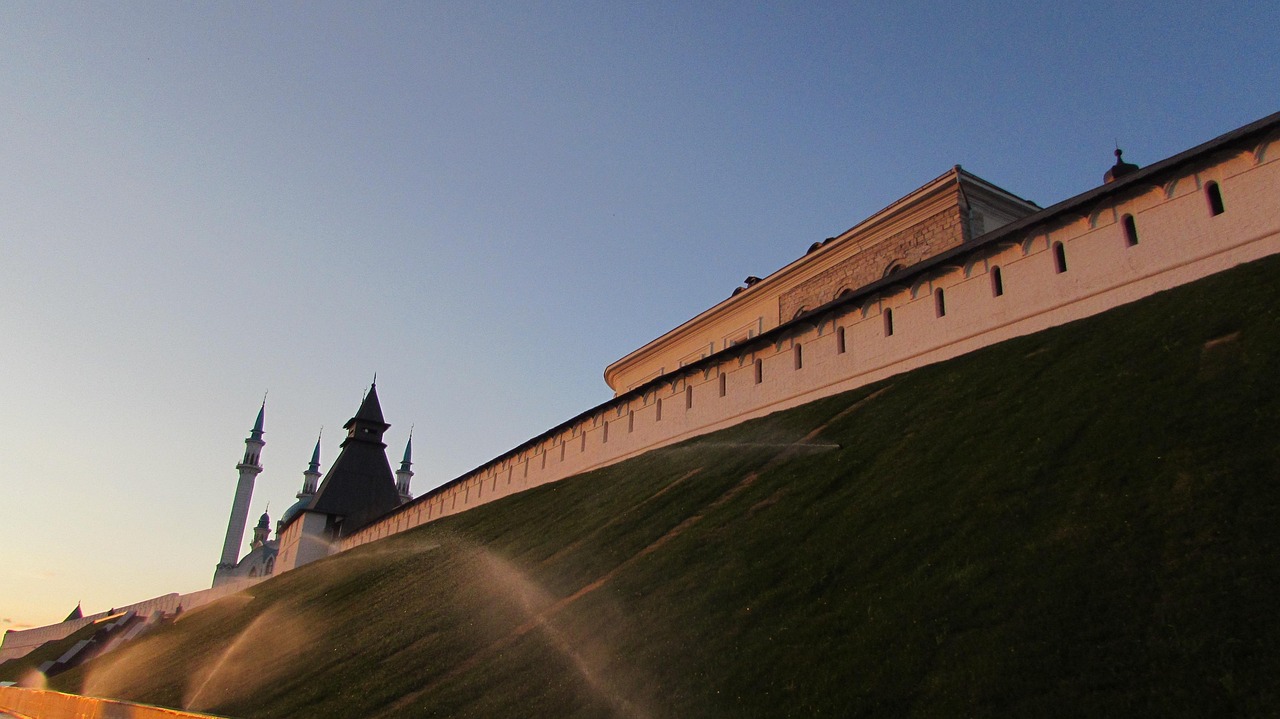
On the high left bank of the Volga, where the great river of Russia meets the mouth of the Kazanka, stand the white walls of the Kazan Kremlin, and within them, side by side, rise the domes of an Orthodox cathedral and the pale minarets of a great mosque. This single view captures the story of the Tatars, the largest of the many non-Russian peoples who live within the Russian Federation, a Turkic and Muslim nation that has lived for more than a thousand years at the meeting point of the forest and the steppe, of Europe and Asia, of Islam and Christendom.
The Tatars are heirs to a long and complicated history that runs through the medieval merchant state of Volga Bulgaria, the vast Mongol empire and its western wing the Golden Horde, the proud khanate of Kazan, and four centuries of life within the Russian state. Out of these layers they built a distinctive identity, a written literature, a tradition of learning and trade, and a homeland on the middle Volga that they hold to this day.
With this profile our survey turns from Central Asia into the peoples of Russia itself, beginning with the Tatars and following the familiar lines of the series: their origins on the Volga, the meaning of their name, the Kipchak Turkic language, the homeland of the middle Volga and the Kama, the way of life, the society and its merchants, religion and the tradition of learning, the arts and crafts, the food and dress, the long history under Russian rule, and the Tatars today.
- Origins, a People of the Middle Volga
- The Name and the Confusion of the Tatars
- Language, a Kipchak Turkic Tongue
- The Homeland of the Volga and the Kama
- A Way of Life Between Field and Market
- Society, Merchants and Mullahs
- Religion, Islam on the Volga
- Learning, the Book and the Jadid Reform
- Arts, Craft and the Ornament
- Food and Dress
- History Under the Russian State
- The Tatars Today
Origins, a People of the Middle Volga
The Volga Tatars are a Turkic people of the middle Volga and the lower Kama, formed over many centuries from the mingling of several older populations. Their deepest roots reach back to the Turkic and Finno-Ugric peoples who inhabited the forests and river valleys of the region, and above all to the state of Volga Bulgaria, a prosperous medieval realm of Turkic merchants and farmers that flourished at the confluence of the great rivers.
Volga Bulgaria adopted Islam in the tenth century, long before the Russian lands to the west accepted Christianity, and it became a wealthy centre of trade linking the fur forests of the north with the Islamic world to the south. When the Mongols swept westward in the thirteenth century, the Bulgar state was absorbed into the empire of the Golden Horde, and over the following centuries the settled Bulgar population mingled with the Kipchak Turkic tribes of the Horde to produce the people who would become the Tatars.
Out of the breakup of the Golden Horde emerged the Khanate of Kazan in the fifteenth century, a Muslim Turkic state centred on the middle Volga, and it was here that the Volga Tatar identity took its classic shape. The Tatars are thus a people formed at the meeting of the settled, mercantile, and Islamic heritage of the Bulgars with the steppe, nomadic, and Kipchak heritage of the Golden Horde.
This double inheritance, the town and the steppe, the merchant and the horseman, the mosque and the open plain, gave the Tatars a character distinct from both their forest-dwelling Finno-Ugric neighbours and the purely nomadic Turkic peoples further south, and it shaped a nation that would prove unusually skilled at trade, learning, and survival.
The Name and the Confusion of the Tatars
Few names in the history of Eurasia have caused as much confusion as the word Tatar. It began as the name of a particular Mongolic tribe of the eastern steppe, but during the Mongol conquests it spread across Europe as a general and often fearful label for the invaders from the east, sometimes reshaped in Western tongues into the sinister form Tartar, as though the horsemen came from the underworld itself.
Over the centuries the Russians and other Europeans applied the name loosely to many different Turkic and Mongolic peoples of the east, so that at various times Crimean Tatars, Volga Tatars, Siberian Tatars, and others were all lumped together under a single word, despite their differences of origin and history. The modern Volga Tatars came to accept and embrace the name as their own national designation, even though its origins lie far from the Volga.
Today the word most commonly refers to the Volga Tatars of Tatarstan and the surrounding regions, by far the largest group, though the Crimean Tatars of the Black Sea and the smaller Siberian and other Tatar communities remain distinct peoples with their own histories. The shared name is a legacy of the Mongol age and of the sweeping labels that outsiders once imposed on the peoples of the steppe.
That a people should carry a name born of a distant tribe and spread by conquest and fear, and yet make it their own proud national badge, is itself a lesson in how identities are forged. The Tatars took a word that Europe once whispered in dread and turned it into the name of a modern nation of scholars, merchants, and poets on the banks of the Volga.
Language, a Kipchak Turkic Tongue
The Tatar language belongs to the Kipchak branch of the Turkic family, the same broad group as Kazakh, Karakalpak, and the language of their close neighbours the Bashkirs, to which Tatar is especially close. It is the second most widely spoken Turkic language of Russia after none, and among the most vigorous of the minority languages of the Russian Federation.
Tatar carries a long literary tradition, one of the oldest and richest among the Turkic peoples of Russia. For centuries it was written in the Arabic script, the vehicle of a substantial religious and secular literature; under Soviet rule it was shifted first to a Latin alphabet and then to Cyrillic, in which it is chiefly written today, though debate over the script has continued into modern times.
The language is closely related to Bashkir, so much so that the two are largely mutually intelligible, and it belongs to the same Kipchak world as the languages of the Central Asian steppe, linking the Tatars to a vast family of Turkic peoples stretching from the Volga to the mountains of the Tian Shan. Yet Tatar has its own distinctive features, shaped by long contact with Finno-Ugric neighbours and with Russian.
Language stands at the very heart of Tatar identity, the vehicle of a celebrated poetry and prose, of newspapers and theatre, and of the reformist learning for which the Tatars became famous. The survival and vitality of the Tatar tongue, spoken by millions and taught in schools and universities, is one of the clearest marks of the endurance of the nation within the wider Russian world.
The Homeland of the Volga and the Kama
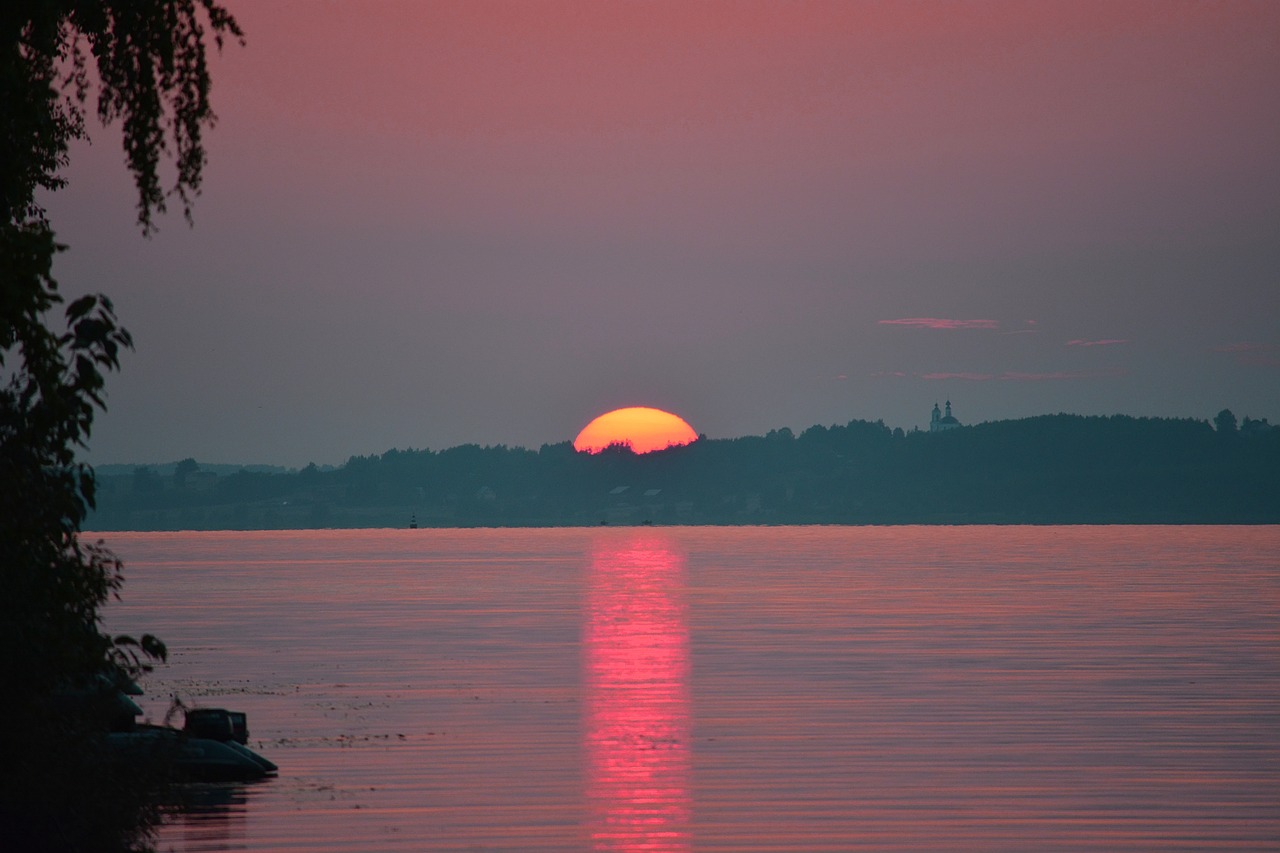
The heartland of the Volga Tatars is the region where the Volga, the greatest river of Europe, is joined by the Kama, its largest tributary, a land of gently rolling plains, mixed forest and meadow, and rich black earth along the river valleys. This is the historic territory of Volga Bulgaria and the Khanate of Kazan, and today the core of the Republic of Tatarstan within the Russian Federation.
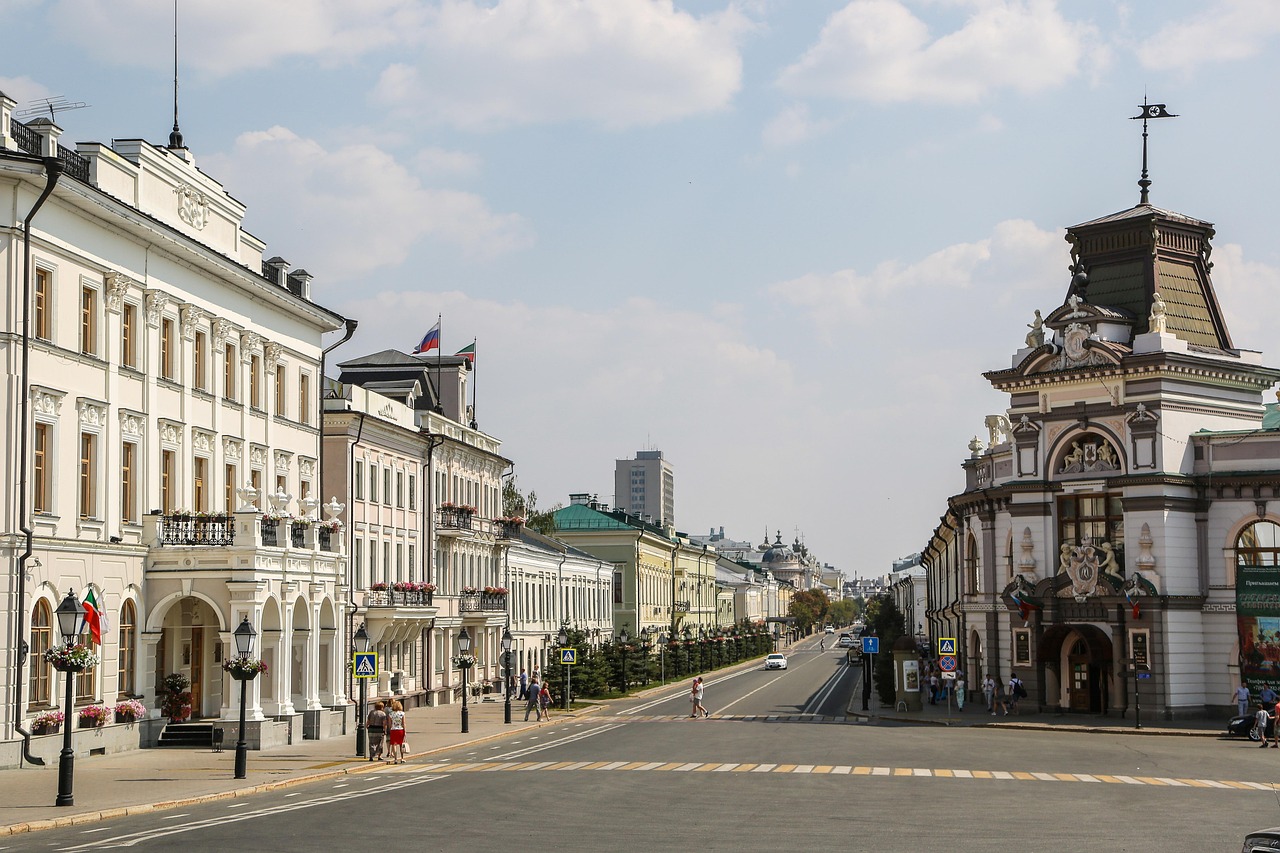
Tatarstan is one of the most populous and prosperous of Russia’s ethnic republics, its capital the ancient city of Kazan, a great centre of Tatar culture, learning, and industry on the left bank of the Volga. The republic sits at a strategic crossroads where the routes of the Volga trade meet the industrial regions of the Urals, and it has long been a meeting place of peoples and faiths.
Yet the Tatars are far from confined to Tatarstan. Over the centuries, and especially through their skill as traders and their movements under the Russian empire, Tatar communities spread across the whole of Russia and beyond, into the Urals, Siberia, Central Asia, and the great cities, so that today a large share of the Tatar people live outside their home republic, one of the most widely dispersed of the peoples of Russia.
The land of the middle Volga and the Kama, temperate, watered, and fertile, set at the meeting of forest and steppe and on the highway of the great river, shaped the Tatars as a people of the farm, the town, and the market, rooted in a rich homeland yet reaching outward along the trade routes to the wider world.
A Way of Life Between Field and Market
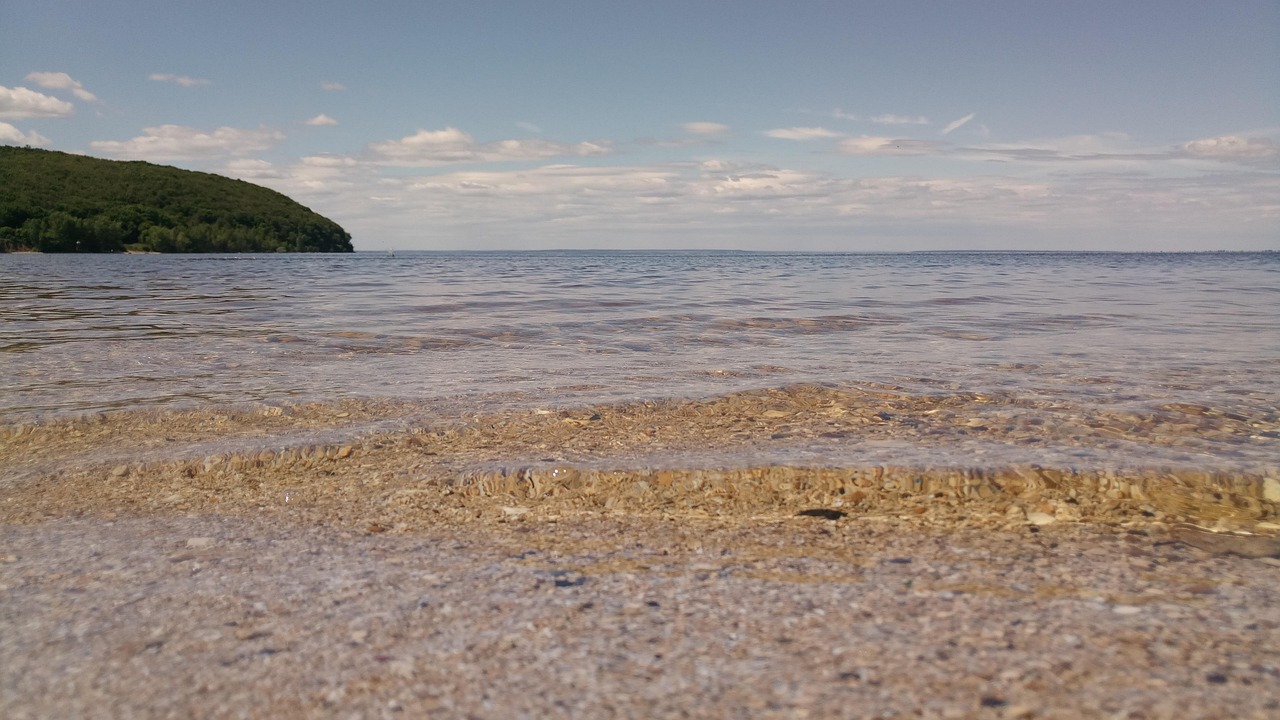
The Volga Tatars, unlike the nomadic Turkic peoples of the open steppe, were long a settled people of farms and towns. In the countryside they were farmers and stock-raisers, cultivating grain and tending livestock on the fertile lands of the Volga and Kama valleys, living in villages of timber houses often painted in bright colours and gathered around the village mosque.
Alongside farming, the Tatars became famous above all as traders and craftsmen. Their command of the Volga trade routes and their position between the Russian, Turkic, and Islamic worlds made them natural middlemen, and Tatar merchants carried goods across the whole of the Russian empire and into Central Asia, dealing in leather, cloth, tea, and countless other wares.
This combination of the settled farmer and the far-ranging merchant gave the Tatars a way of life distinct from both their nomadic Turkic cousins and their Finno-Ugric neighbours of the forest. The village and the market, the plough and the caravan, the mosque and the trading counter together shaped a people at once rooted in the land and connected to distant places.
The great fairs of the Volga, above all the famous market at Nizhny Novgorod downstream, drew Tatar traders in large numbers, and it was often through Tatar hands that the goods of Russia passed into the Muslim East and the wares of Central Asia flowed north. The Tatar merchant, fluent in Russian and in the Turkic tongues of the steppe, at home in both the Orthodox city and the Muslim caravanserai, became an indispensable link in the commerce of the empire.
The mercantile genius of the Tatars, honed over centuries at the crossroads of the Volga, made them one of the great trading peoples of Eurasia, and it carried Tatar communities, Tatar mosques, and the Tatar language far beyond the homeland, into the cities of Siberia and the steppes of Central Asia, wherever the routes of commerce led.
Society, Merchants and Mullahs
Tatar society was shaped by the town and the village rather than by the clan structures of the nomads, and its leading figures were the merchants and the religious scholars. The wealthy merchant families of Kazan and the other towns formed an influential elite, patrons of mosques, schools, and printing, and it was often their money that funded the religious and cultural life of the nation.
Alongside the merchants stood the mullahs and religious teachers, the guardians of Islam and of learning, who ran the mosques and the religious schools and gave the Tatar communities their spiritual leadership and much of their education. The alliance of the merchant and the mullah, wealth and learning, gave Tatar society a strong civic and religious framework.
In the villages, life centred on the extended family, the community, and the mosque, with the rhythms of the farming year and the observances of Islam ordering the calendar. The village mosque, often with its distinctive minaret, stood at the heart of communal life, and the imam was a figure of authority and respect.
Education went hand in hand with religion, for nearly every mosque maintained a school where boys, and in the reform era increasingly girls as well, learned to read the Quran and, later, the wider curriculum of modern subjects. This dense network of religious schools gave the Tatars levels of literacy remarkably high for their time and place, and it laid the foundation for the intellectual awakening that would make Kazan famous.
This society of merchants, scholars, farmers, and craftsmen, literate, religious, and commercially skilled, gave the Tatars a resilience and a cohesion that allowed them to preserve their identity through centuries of life within a Christian Russian state, and it made Kazan one of the great centres of Muslim life and learning in the whole of the Russian empire.
Religion, Islam on the Volga
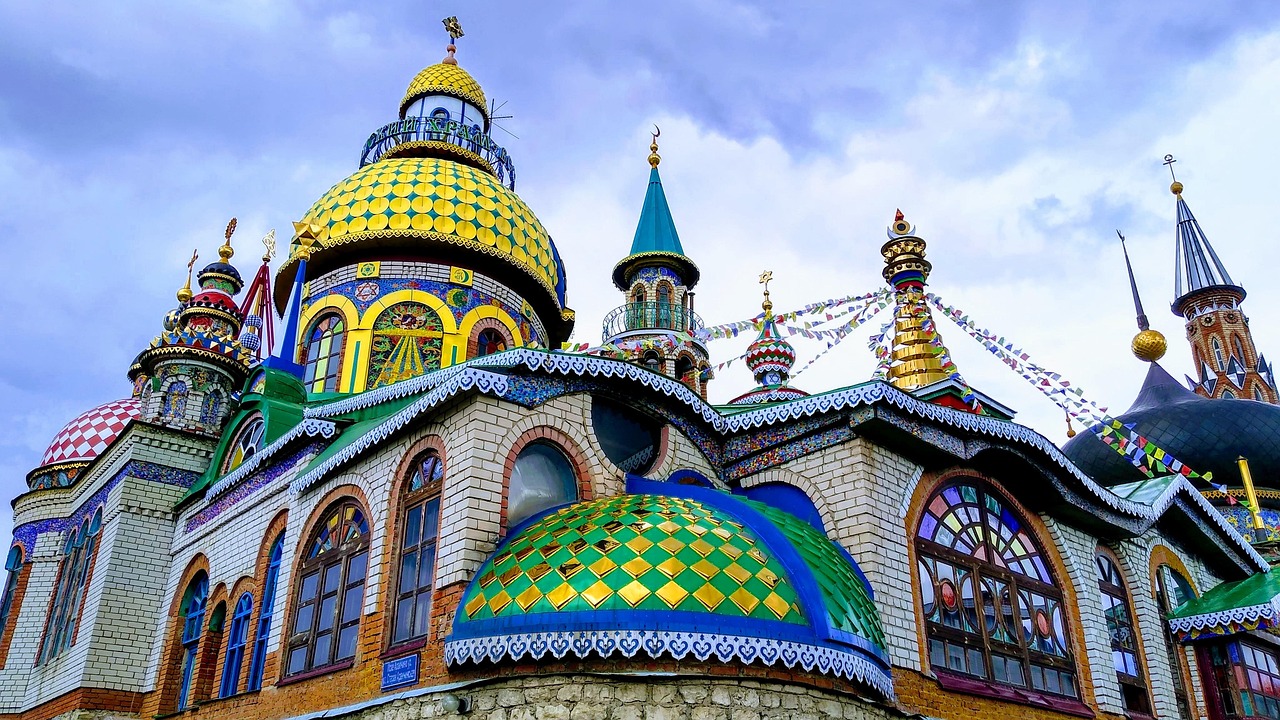
The Tatars are predominantly Sunni Muslims, and Islam lies at the very heart of their history and identity. Their ancestors in Volga Bulgaria embraced the faith in the tenth century, making the Volga Tatars heirs to one of the oldest Muslim traditions in the whole of what is now Russia, older by far than the Christianity of Moscow.
For centuries Kazan and the Volga region formed the northernmost great outpost of the Islamic world, a land of mosques, religious schools, and scholars set amid the forests and rivers of eastern Europe. After the Russian conquest, Islam endured through periods of pressure and toleration, and the Tatars remained faithful to their religion through all the changes of the Russian and Soviet centuries.
Tatar Islam has generally been marked by moderation, learning, and an openness to reform, and Kazan became a centre of Muslim scholarship whose influence reached across the Turkic and Islamic worlds. The great Kul Sharif mosque, destroyed at the conquest of Kazan and rebuilt in splendour in modern times within the Kremlin, stands as a symbol of the endurance and revival of Tatar Islam.
That the northernmost bastion of historic Islam should stand on the Volga, within the walls of a Russian kremlin and beside an Orthodox cathedral, is one of the striking images of Eurasia, a reminder that the Tatars have for a thousand years carried the faith of the south into the forests of the north, and held to it through conquest, pressure, and the long Soviet night.
Learning, the Book and the Jadid Reform
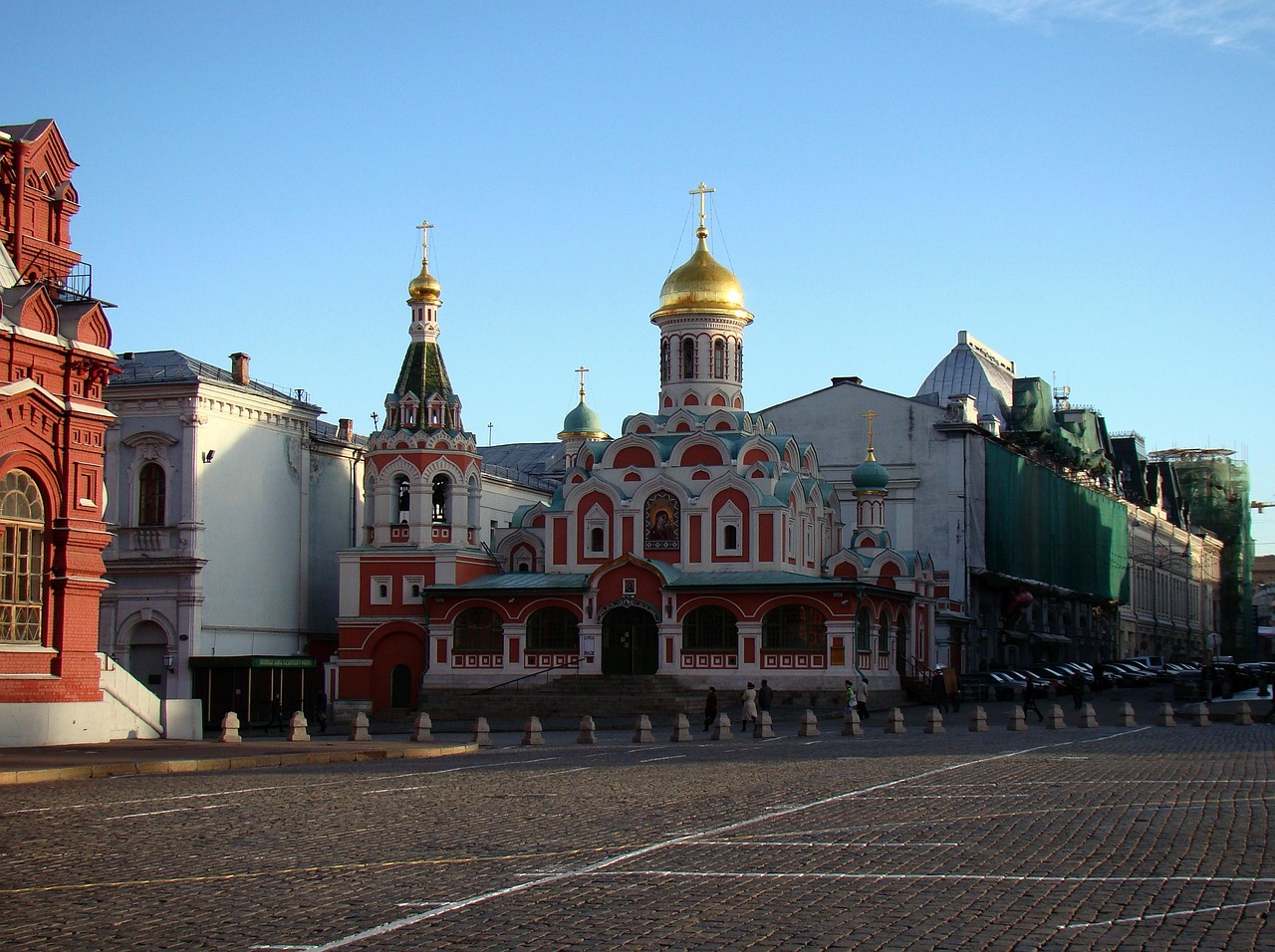
The Tatars are justly famous for their love of learning and for the reformist intellectual movement that made Kazan one of the great centres of Muslim thought in the modern age. From the religious schools of the villages and towns to the printing presses of Kazan, the Tatars built a culture in which the book, the newspaper, and the classroom held an honoured place.
In the late nineteenth and early twentieth centuries the Tatars gave rise to the Jadid movement, a reform of Muslim education and thought that sought to combine the heritage of Islam with modern science, new methods of teaching, and engagement with the wider world. The Jadid reformers, many of them Tatar, transformed schooling and stimulated a flowering of Tatar literature, journalism, and public life.
Kazan became a hub of Tatar and wider Muslim publishing, printing books and newspapers in Tatar and other Turkic languages that circulated across the Russian empire and beyond, carrying the reformist ideas of the Jadids to Muslim communities from the Crimea to Central Asia. The Tatars thus played a role in the intellectual awakening of the Turkic world far out of proportion to their numbers.
This tradition of learning and reform, of combining faith with modern knowledge and of prizing the printed word, is among the proudest elements of the Tatar heritage, and it gave the nation a reputation as one of the most educated and intellectually vigorous of the Muslim peoples of the Russian empire, a reputation that endures in the universities and cultural institutions of Kazan today.
Kazan University, founded in the early nineteenth century, became one of the great seats of learning in the Russian empire and a meeting point of Russian and Tatar intellectual life, while the presses of the city poured out books in Tatar and Arabic in numbers that made Kazan a publishing capital of the Muslim East. The reformers dreamed of a nation that would be at once faithfully Muslim and fully modern, and in the schools, newspapers, and theatres of Kazan they came remarkably close to building it.
Arts, Craft and the Ornament
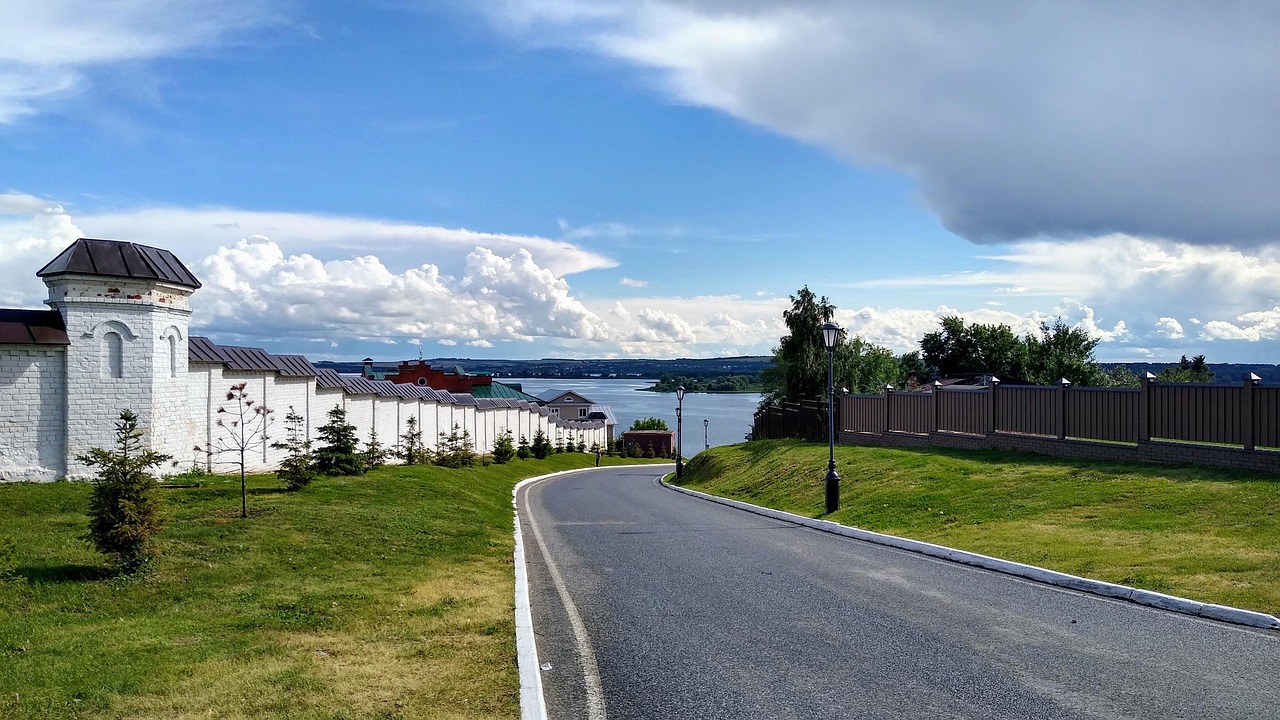
The decorative arts of the Tatars are rich in colour and ornament, drawing on the Islamic love of pattern and calligraphy blended with motifs inherited from the Turkic and Volga heritage. Tatar craftsmen were renowned for their leatherwork, above all the intricate mosaic leather boots and shoes stitched from pieces of coloured leather in bold geometric and floral designs.
Gold embroidery, the making of headdresses and ornaments, jewellery in silver and gold, and the decoration of the home with bright textiles and patterns all featured in Tatar material culture, expressing a taste for vivid colour and elaborate ornament. The calligraphy of the Arabic script, used to render verses of the Quran and lines of poetry, became a distinctive Tatar art form known as shamail.
Music and song hold an honoured place in Tatar culture, with a tradition of lyrical melodies, distinctive vocal styles, and instruments that reflect both the Turkic heritage and the wider musical world of the Volga. Tatar theatre and literature flourished especially from the reform era onward, and Kazan became a centre of Tatar cultural life in all its forms.
The Tatar arts, colourful, ornamental, and rooted in both the Islamic and the Turkic traditions, turned the goods of everyday life, the boots, the headdresses, the walls of the home, and the pages of the book, into objects of beauty, and they remain a cherished expression of the distinct identity of a people who have always prized craft, colour, and the written word.
The wooden architecture of the Tatar village, with its carved and brightly painted window frames and gates, and the ornamented minarets of the village mosques, carried the same love of pattern and colour into the built environment, so that a Tatar settlement could be recognised at a glance by the vividness of its houses and the slender form of its minaret rising above the timber roofs.
Food and Dress
Tatar cuisine is among the richest of the Volga region, famous for its pastries, its meat dishes, and its sweets. The most celebrated of all Tatar dishes is the chak-chak, a mound of fried dough pieces bound together with honey, served at weddings and festivals and regarded as a national symbol; alongside it stand savoury baked pies and pastries filled with meat, potato, and rice.
Meat, above all lamb and beef, prepared in accordance with Islamic custom, features strongly in the cuisine, along with hearty soups, noodle dishes, and dumplings that reflect both the Turkic heritage and the wider culinary world of eastern Europe. Tea, drunk strong and often with milk and sweets, holds a central place in Tatar hospitality, as throughout the Turkic world.
Traditional Tatar dress was marked by rich colour and ornament, with the women wearing embroidered dresses, velvet jackets, and the distinctive kalfak, a small ornamented cap, along with silver and gold jewellery, while the men wore the skullcap known as the tubetei, the embroidered cap that remains a recognisable emblem of Tatar identity.
The cuisine and dress of the Tatars express their long history as a settled, prosperous, and Muslim people of the Volga, drawing on the Turkic heritage, the customs of Islam, and the produce of a fertile land, and dishes such as chak-chak and garments such as the tubetei remain proud symbols of the nation both in Tatarstan and among the scattered Tatar communities across Russia and the world.
History Under the Russian State
The turning point in Tatar history came in 1552, when the armies of Ivan the Terrible stormed and captured the Khanate of Kazan, bringing the Volga Tatars under Russian rule and opening the whole Volga and the road to Siberia to Russian expansion. The fall of Kazan was a catastrophe for the Tatar state, and it was followed by destruction, conversion pressure, and the loss of the old ruling order.
Over the following centuries the Tatars lived as a Muslim people within an expanding Christian empire, subject at times to harsh pressure and forced conversion and at other times to relative toleration, especially after the reforms of Catherine the Great gave Islam a recognised place. Through it all the Tatars preserved their faith, their language, and their identity, and their merchants and scholars prospered and spread across the empire.
The reform era of the late nineteenth and early twentieth centuries brought a great flowering of Tatar national life, learning, and politics, cut short by the upheavals of revolution and the Soviet period. Under the Soviet Union a Tatar autonomous republic was created on the Volga, but religion was suppressed, the alphabet was changed twice, and national life was tightly controlled even as education and industry expanded.
With the collapse of the Soviet Union, Tatarstan asserted a large measure of autonomy within the new Russian Federation, and the Tatars experienced a revival of their language, religion, and culture, rebuilding mosques such as the great Kul Sharif and reclaiming a national history that had survived nearly four and a half centuries of life within the Russian state.
The Tatars Today
Today the Tatars are the largest minority people of the Russian Federation, numbering several million, with their homeland in the prosperous Republic of Tatarstan on the middle Volga and large communities scattered across Russia, Central Asia, and the wider world. Their capital Kazan is a thriving modern city, a centre of industry, sport, and learning, and a showcase of the coexistence of Tatar and Russian, Muslim and Orthodox.
Cultural life centres on the Tatar language, taught and published and performed in theatre, song, and literature; on the revived practice of Islam, with its rebuilt mosques and religious schools; and on the rich heritage of Tatar craft, cuisine, and festival, from the honeyed chak-chak to the summer festival of Sabantuy, the celebration of the plough that marks the end of the spring sowing and draws Tatars together across the world.
Sabantuy, with its wrestling matches, horse races, and the climbing of tall greased poles, its songs and its feasting, has become far more than a village harvest custom; it is now a national celebration that draws crowds in Kazan and is marked by Tatar communities from Moscow and St Petersburg to the cities of Central Asia and beyond, a joyful assertion of a shared identity that no distance or border has been able to dissolve.
The Tatars face the same pressures as other minority peoples within Russia, the dominance of the Russian language, the pull of the great cities, and the challenges to autonomy and to minority-language education, yet they remain one of the most vigorous and self-confident of the non-Russian nations, proud of a history that reaches back to Volga Bulgaria and the Golden Horde.
In the white walls of the Kazan Kremlin, where mosque and cathedral stand together above the Volga, in the honeyed sweetness of the chak-chak, in the ornamented leather boots and the embroidered cap, and in the living Tatar tongue spoken by millions, the Tatars continue to tell a story unlike any other in Russia, the story of a Turkic and Muslim people who built a merchant civilisation on the northern edge of the Islamic world and held to their faith and their name through a thousand years of forest, river, empire, and change.
This profile opens our survey of the many peoples of Russia, and from the Tatars of the Volga the series will move outward to their neighbours and kin, the Bashkirs, the Chuvash, the peoples of the Volga forests, the mountaineers of the Caucasus, the reindeer herders and horsemen of Siberia, and the Russians themselves, the many nations that share the largest country on earth.
You May Like
The Zaza, a Mountain People of Eastern Anatolia


One thought on “People of the Volga and the Golden Horde, the Story of the Tatars of Russia”