On the slopes of Mount Gerizim above the city of Nablus, and in the town of Holon by the sea, live the Samaritans, one of the smallest and most ancient peoples on earth, numbering only some eight hundred souls. They hold themselves to be the faithful remnant of ancient Israel, the tribes that never left the land.Keepers of their own version of the Torah in an ancient script, worshipping on Mount Gerizim rather than in Jerusalem, and still sacrificing the paschal lamb each Passover as in the days of old, the Samaritans have survived persecution and near-extinction. Poised delicately between Israelis and Palestinians, they guard one of the oldest religious traditions in the world.
The Samaritans on Film
Contents
- Origins
- The Name
- The Language
- The Homeland
- The Old Way of Life
- Society and Community
- Religion and Belief
- Traditions
- Crafts
- Food
- Festivals
- History
- Today
Origins
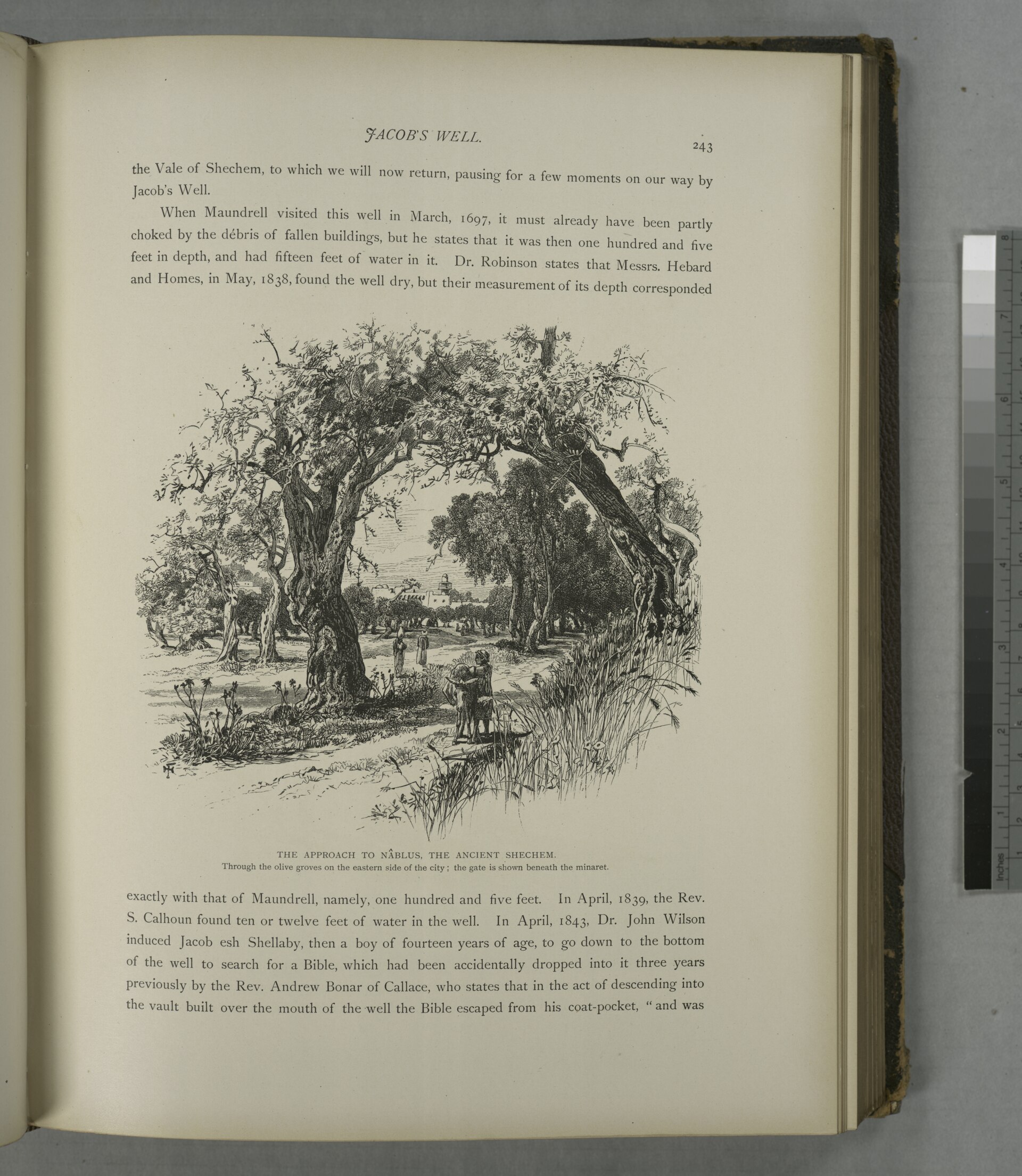
The Samaritans are one of the smallest and most ancient peoples in the world, an ethnoreligious community numbering only around eight hundred souls. They live in two communities: the village of Kiryat Luza on Mount Gerizim, above the city of Nablus in the West Bank, and the town of Holon near Tel Aviv in Israel.
The Samaritans regard themselves as descendants of the ancient Israelites, of the tribes of Ephraim and Manasseh together with the priestly tribe of Levi, who remained in the land after the Assyrian conquest of the northern Kingdom of Israel. Theirs is a heritage reaching back nearly three thousand years, preserved by a tiny community against extraordinary odds.
The Name

The people are known as Samaritans, a name derived from the ancient region of Samaria in the central highlands of the land of Israel; in their own tongue they call themselves the Shamerim, meaning the keepers or guardians, that is, of the true faith. They hold themselves to be the faithful remnant of ancient Israel.
The Samaritan world centres on Mount Gerizim, which they hold to be the holiest place on earth, and on the neighbouring city of Nablus, the biblical Shechem. Their second community, at Holon, links them to the Israeli society of the coast, and together the two settlements hold the whole of this ancient people.
The Language

The sacred and liturgical language of the Samaritans is Samaritan Hebrew, an ancient form of the language written in the Samaritan alphabet, a script descended from the old paleo-Hebrew writing and quite different from the square letters of Jewish Hebrew. Samaritan Aramaic also survives in their traditions.
In daily life the Samaritans of Nablus speak Arabic, while those of Holon speak Modern Hebrew, reflecting the two societies in which they live. But their prayers, their reading of the Torah and their ancient script remain in the Samaritan Hebrew that has been preserved among them for millennia.
The Homeland

The Samaritan homeland is Mount Gerizim and its surroundings in the highlands of Samaria, the central hill country of the land of Israel. The mountain rises above the ancient city of Shechem, now Nablus, in a landscape of terraced slopes, olive groves and stony hills.
For the Samaritans, Mount Gerizim is not merely a homeland but the chosen place of God, the site where they believe the sanctuary should stand, in place of Jerusalem. Their whole religious world is oriented toward this mountain, and the village on its slopes is the spiritual heart of the people.
The Old Way of Life

Historically the Samaritans lived as farmers, artisans and traders in the towns and villages of Samaria, above all in Shechem, integrated into the life of the region while keeping their distinct faith. In the modern era they have entered the professions, commerce and public life in both Nablus and Holon.
Their way of life has always been shaped by the strict observance of their religion, with its laws of Sabbath, purity and festival, which set the rhythm of the year. The small size of the community made every member precious, and the maintenance of the faith and the priesthood was the central concern of Samaritan life.
Society and Community

Samaritan society is a close-knit community bound by kinship, faith and a shared history of survival, led by a high priest who traces his line to the ancient priesthood. With so few members, the community is like a single extended family, and its cohesion has been essential to its endurance.
The Samaritans occupy a delicate position between Israelis and Palestinians, holding documents from both and maintaining good relations with each, a neutral people caught between two worlds. This careful balance, together with the leadership of the high priest and the elders, has helped the tiny community survive in a divided land.
Religion and Belief
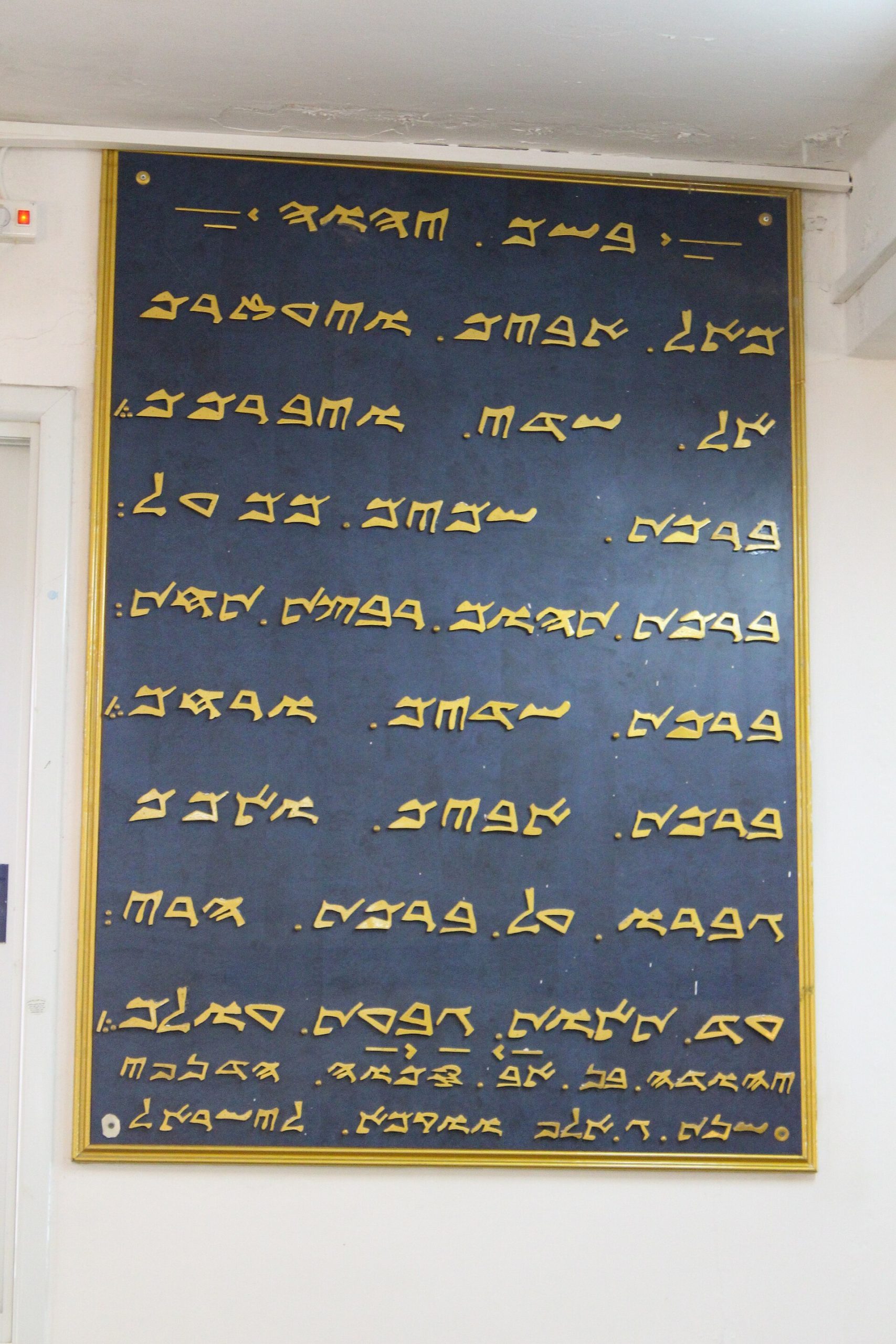
Samaritanism is a religion closely related to Judaism, based on the Torah, which the Samaritans preserve in their own version, the Samaritan Pentateuch. They observe the Sabbath, circumcision, the dietary laws and the festivals of the Torah with great strictness, but reject the later Jewish scriptures and traditions.
The central difference from Judaism is that the Samaritans hold Mount Gerizim, not Jerusalem, to be the place chosen by God for worship. Their faith is led by the high priest and centred on the Torah and the mountain, and it is the preservation of this ancient religion that defines the very existence of the people.
Traditions

Samaritan tradition is bound up with the festivals of the Torah, observed in ancient forms preserved nowhere else. Among their distinctive customs is the building of the sukkah for the Feast of Tabernacles with its ceiling made entirely of fruit, a striking and beautiful practice unique to the Samaritans.
Pilgrimage to Mount Gerizim marks the great festivals, when the whole community ascends the mountain to pray and celebrate. Through these traditions, unchanged over countless generations, the Samaritans maintain a living link to the religious world of ancient Israel.
Crafts

The Samaritans are keepers of an ancient scribal tradition, copying the Torah in the Samaritan script and preserving old manuscripts, including scrolls of great antiquity treasured by the community. The writing and adornment of the sacred texts is a revered craft passed down among them.
Beyond the scribal art, the Samaritans have maintained the making of the ritual objects and vestments of their worship, and the everyday crafts of their communities. But it is above all in the preservation of their script and their scriptures that the Samaritan genius for continuity is expressed.
Food
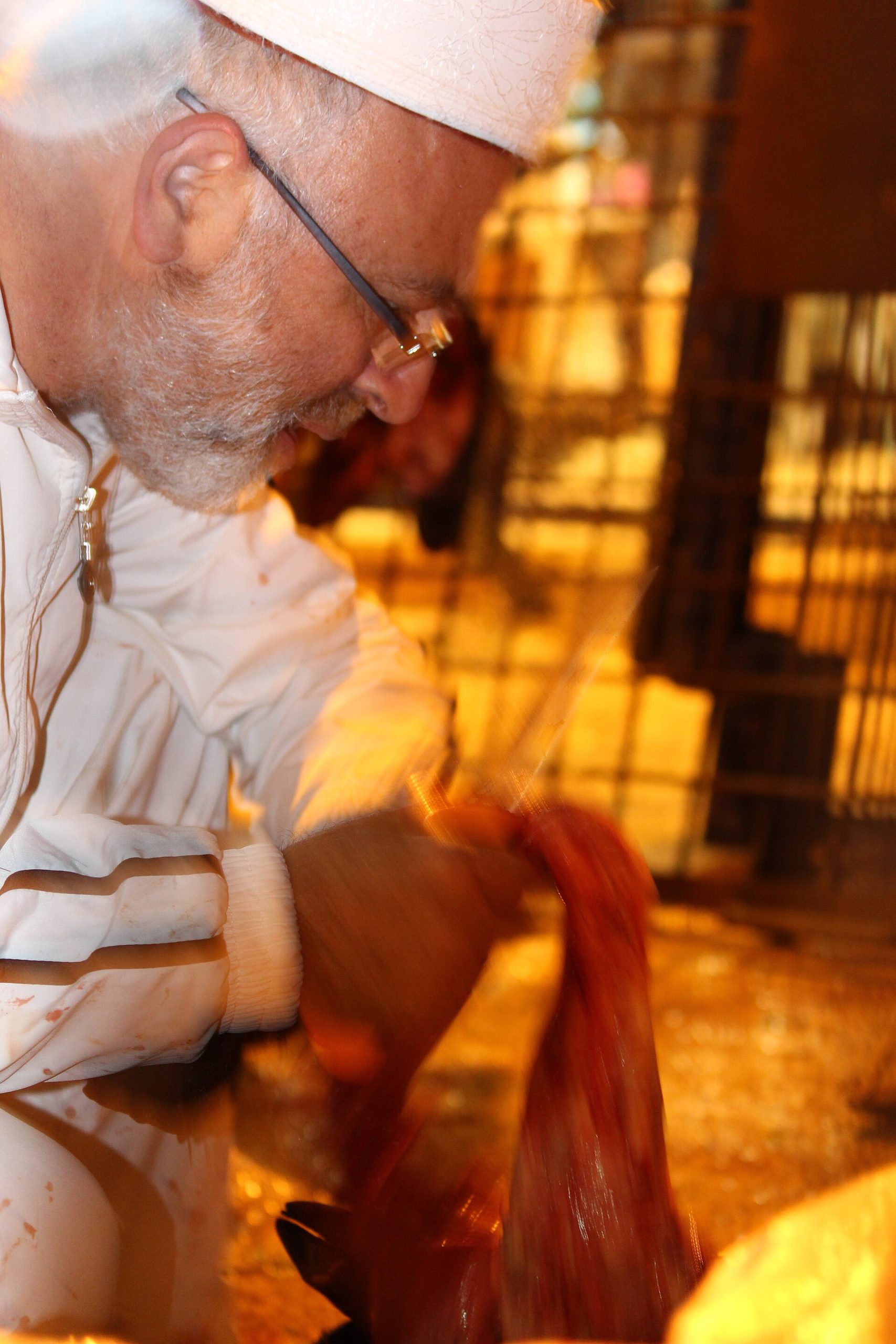
The food of the Samaritans follows the dietary laws of the Torah, observed strictly, and reaches its most dramatic expression at Passover. On that festival the community sacrifices lambs on Mount Gerizim in the ancient manner, roasting them whole in pits and eating them in haste that night, in the only such sacrifice still practised in the world.
Unleavened bread, or matzah, and bitter herbs accompany the paschal lamb, in obedience to the commandments of the Torah. In daily life the Samaritans share the wider foodways of the Arab and Israeli societies around them, within the bounds of their strict religious law.
Festivals
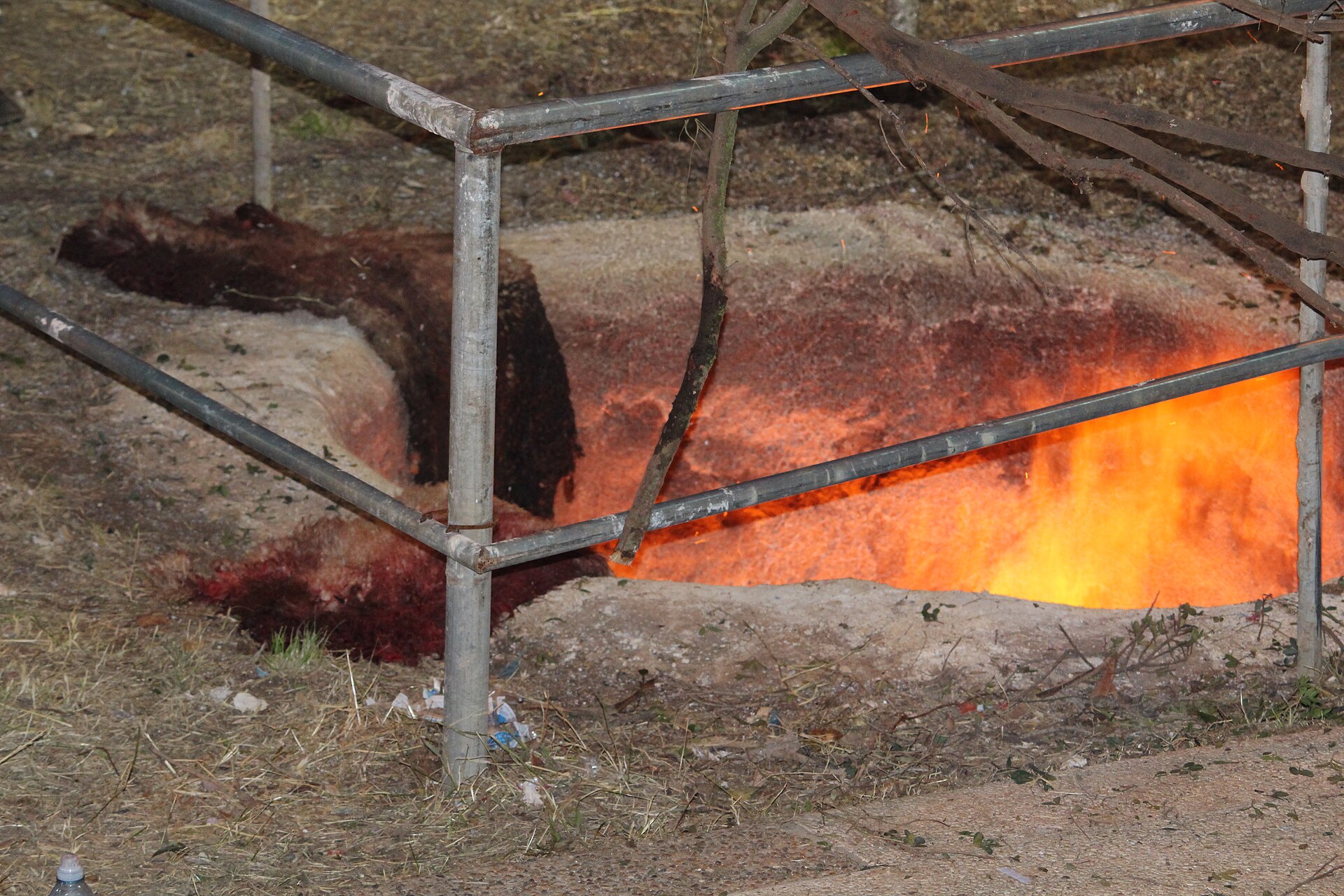
The Samaritan calendar is marked by the festivals of the Torah, celebrated on the community’s own reckoning: Passover with its sacrifice on Mount Gerizim, the Feast of Weeks, the Day of Atonement, and the Feast of Tabernacles with its fruit-hung sukkah. Three times a year the whole people make pilgrimage up the sacred mountain.
These festivals, observed in their ancient forms, are the great occasions of Samaritan life, drawing the scattered members of the community together in worship and celebration. Through them the Samaritans reaffirm their faith and their identity as the guardians of ancient Israel.
History

The Samaritans trace their history to the ancient Kingdom of Israel, and they endured through the ages as a distinct community in Samaria, at times numerous and prosperous, at times fiercely persecuted. Under Byzantine rule great revolts were crushed, and over the centuries war, conversion and hardship reduced their numbers drastically.
By the early twentieth century the Samaritans had dwindled to fewer than two hundred souls, on the very edge of extinction. Through determined effort, and the establishment of the second community at Holon, they slowly recovered, and today their numbers, though still small, have grown to around eight hundred.
Today

Today the Samaritans number some eight hundred people, divided between Kiryat Luza on Mount Gerizim and Holon near Tel Aviv, and they remain one of the smallest distinct peoples on earth. They live modern lives in Palestinian and Israeli society while faithfully maintaining their ancient religion and traditions.
The Samaritan Torah and script, the priesthood, the pilgrimage to Mount Gerizim and above all the Passover sacrifice continue to define this remarkable community. Guardians of one of the oldest continuous religious traditions in the world, the Samaritans carry the heritage of ancient Israel into the present against all odds.
Related Peoples of the Region
- The Bedouin, Nomads of the Arab Desert
- The Druze, a Mountain People of the Secret Faith
- People of the Carpet and the Golden Horse, the Story of the Turkmen
- The Kabardians, Circassian Horsemen of the North Caucasus
- People of the High Mountains, the Story of the Hazaras of Afghanistan
- Guardians of the Passes, the Story of the Pashtuns of Afghanistan and Pakistan
- People of the Arid Frontier, the Story of the Baloch
- The Marsh Arabs, People of the Mesopotamian Wetlands
More Peoples of the World
- A Fifth of Humanity, the Story of the Han Chinese
- How the Maori Sailed Across the Pacific to Reach New Zealand
- Zulu of the Green Hills and Their Kingdom Forged by Shaka
- The People Who Never Vanished, the Story of the Maya
- Long Before the Arabs Came, North Africa Belonged to the Amazigh
- The People Who Emerged Into This World, the Story of the Navajo
- Meet the Ainu, an Indigenous People at Japan’s Northern Edge
You May Like
The Damara, an Ancient People of Namibia