Across the parched and windswept quarter where Pakistan, Iran, and Afghanistan meet, in a land of black mountains, gravel deserts, and rare green valleys, lives a people who have made a home in one of the harshest corners of Asia. They are the Baloch, and their country, Balochistan, is a name that carries the sound of emptiness and endurance: a territory larger than many nations yet thinly peopled, rich in minerals and coastline yet long counted among the poorest and most neglected of regions. To know the Baloch is to understand how a people can be shaped by scarcity into a culture of fierce dignity.
The Baloch number perhaps ten to fifteen million, though no one can count them with confidence, scattered across a homeland cut by three international borders and stretched further by migration to the Gulf and beyond. They speak an Iranian language, follow a code of honor and hospitality that rivals any in the region, and carry a long memory of independence that has repeatedly set them against the states now claiming their land. Theirs is a story of survival at the margins, told in poetry, guarded by pride.
This is the story of the Baloch, part of our continuing series on the peoples of Asia and the wider world. To tell it we must cross the whole of their arid country: their origins and their long westward migration, the meaning of their name, the Balochi tongue and its verse, the divided homeland, the old life of herders and raiders, the tribal society and its chiefs, their faith, their poetry and music, their crafts, their food, their festivals, the centuries under khanates and empires, and the crossroads where they stand today. Here are the sections that follow:
- Origins: A Long Journey From the West
- The Name of the Baloch
- The Balochi Tongue
- A Homeland of Three Borders
- The Old Way of Life
- Chiefs, Tribes, and the Code of Honor
- Faith in the Desert
- Poetry, Ballads, and Music
- Crafts of Needle and Loom
- The Baloch Table
- Festivals and Gatherings
- Under Khanates and Empires
- The Baloch Today
Origins: A Long Journey From the West
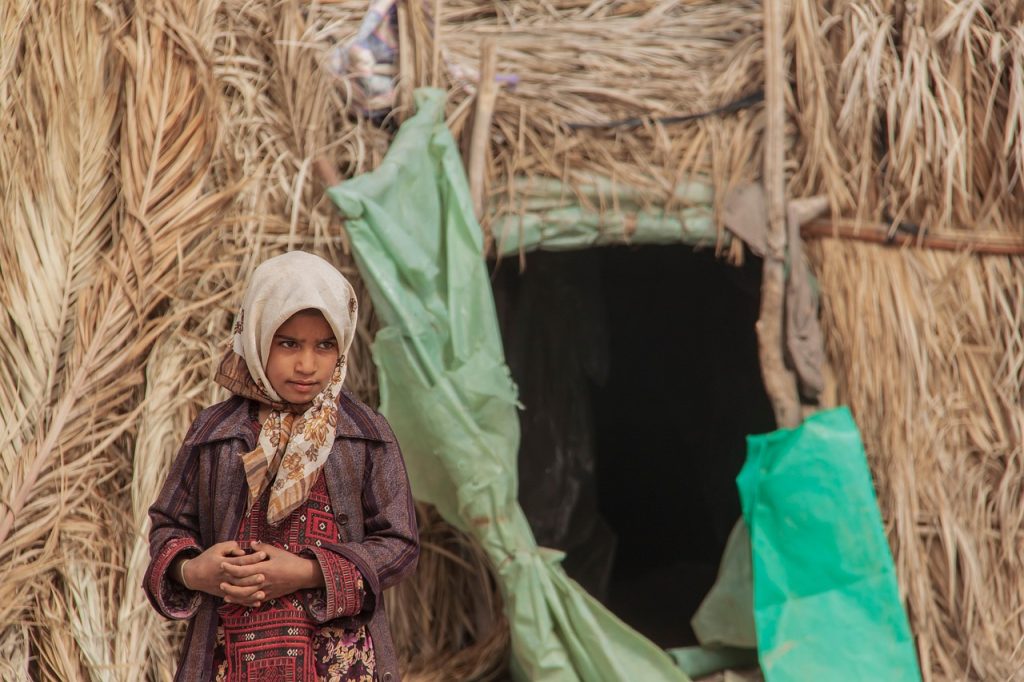
The Baloch belong to the Iranian family of peoples, and their language marks them as kin to the great community of Iranian tongues that spread across the plateaus of western and central Asia in antiquity. Their own traditions and the evidence of their language suggest that the ancestors of the Baloch did not originate in the deserts they now inhabit but migrated there over many centuries from the northwest, from the lands near the Caspian and the northern Iranian plateau, drifting slowly southeast toward the shores of the Arabian Sea.
This long migration is central to how scholars understand the Baloch, and it left traces in the language itself, which preserves features linking it to the northwestern Iranian tongues rather than to the languages of the region where the Baloch finally settled. The journey took generations, as pastoral communities moved with their herds in search of pasture and safety, pushed and pulled by the rise and fall of empires across the Iranian world. By the medieval period the Baloch had established themselves across the vast dry territory that still bears their name.
The Baloch tell their own origins through genealogy and legend, tracing their descent to distinguished forefathers and weaving their arrival into the great narratives of the Islamic world. In the traditional accounts, the Baloch are bound together by common ancestry and a shared journey, a story of a people who came from afar and made a homeland out of a wilderness. Whether taken as history or as founding myth, this narrative of migration and settlement is the frame within which the Baloch understand themselves.
What is certain is that the Baloch emerged as a distinct people at the meeting point of several worlds: the Iranian plateau to the west, the Indian subcontinent to the east, and the Arabian Sea to the south. Their culture absorbed influences from all of these while remaining rooted in an Iranian core, and their land became a corridor and a refuge, remote enough to preserve independence yet connected enough to trade and to fight with the great powers around them. Out of this crucible the Baloch identity was forged.
The Name of the Baloch
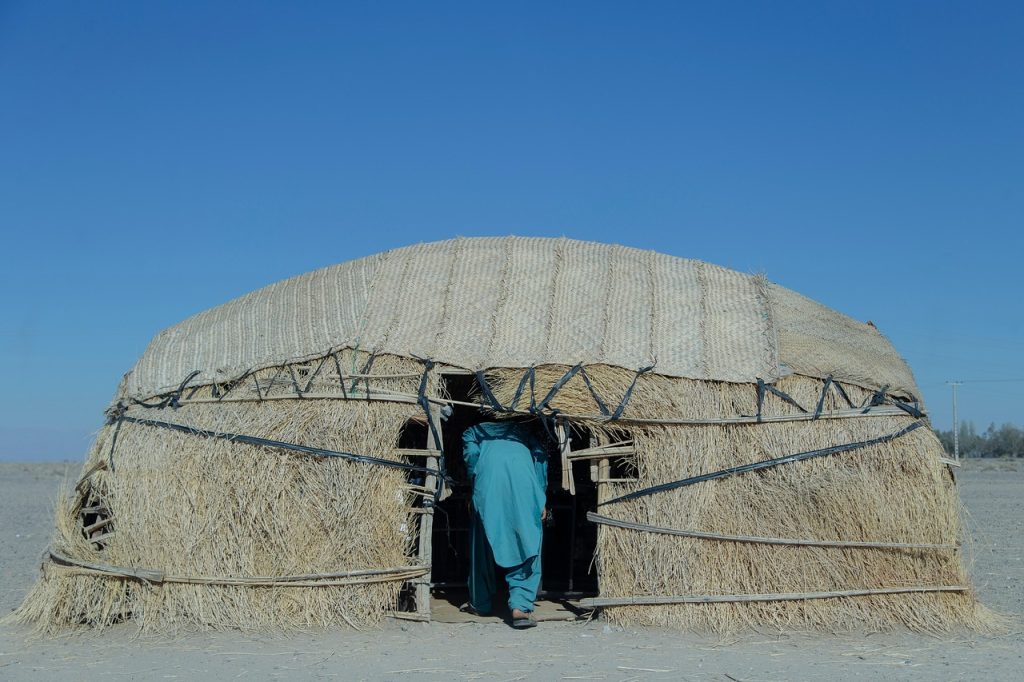
The people call themselves Baloch, and their land is Balochistan, the place of the Baloch. The origin of the name is debated, with various theories tracing it to older words and to the names of ancestors or regions, and no single explanation commands full agreement. What matters more than its etymology is what the name has come to mean: a marker of belonging to a people bound by language, by a code of conduct, and by a shared history of life on the margins of great empires.
To be Baloch has traditionally rested on descent, on speaking Balochi, and on living according to the customs and honor code of the community. Yet the Baloch world has always been more complex than a single ethnic line, incorporating groups of different origins who adopted the language and the way of life. Some communities within the Baloch fold speak related but distinct tongues, and the boundaries of Baloch identity have been drawn by culture and allegiance as much as by any strict genealogy.
The name also carries a strong political charge. For the Baloch, to name themselves is to assert a nationhood that the borders of three states have divided and that governments have at times sought to dissolve into larger identities. The insistence on being Baloch, on Balochistan as a single land despite its partition, is an act of cultural and political self-definition. The name is a flag as much as a label, raised against the pressures that would erase it.
Outsiders have often known the Baloch through stereotypes of desert warriors and rebels, and the imperial imagination cast them, like their Pashtun neighbors, as untamable hillmen of the frontier. But within the name lies a whole civilization of poetry, of intricate craft, of pastoral wisdom and codes of honor refined over centuries. The Baloch themselves hear in their name not a caricature but the sound of a proud and ancient people who have refused to disappear.
The Balochi Tongue

Balochi is a northwestern Iranian language, and it is the deepest root of Baloch identity, binding a people scattered across deserts and borders into a single cultural community. It is spoken in several dialects that vary from the western reaches near Iran to the eastern lands toward the Indus, differing in sound and vocabulary yet remaining broadly intelligible. Through this shared tongue the Baloch of distant valleys recognize one another as members of a single nation.
For much of its history Balochi was above all a spoken and sung language, its literature carried in the memories of poets and reciters rather than on the page. This oral tradition is extraordinarily rich, encompassing long heroic ballads that recount the deeds of ancestors and the great feuds and loves of the Baloch past, as well as shorter lyric forms. The professional reciters who preserved these ballads held an honored place, keepers of the collective memory of a people without a state to write their history.
Balochi has been written in the Arabic script, adapted for its sounds, and a modern literature has grown up alongside efforts to standardize the language and teach it. Yet Balochi has always lived under pressure from the dominant languages around it: Persian in Iran, Urdu in Pakistan, and the languages of administration and opportunity everywhere. Many Baloch grow up bilingual or trilingual, using Balochi at home and other tongues in school and work, a situation that both enriches and endangers the mother tongue.
In the modern era Baloch writers, broadcasters, and activists have worked to give the language a firmer footing, producing poetry, journalism, music, and now a lively digital presence. For a people whose political aspirations have often been thwarted, the language has become a vital vessel of identity, a way of asserting Baloch nationhood through culture when other avenues are closed. To keep Balochi alive is, for many, to keep the Baloch nation itself alive.
A Homeland of Three Borders
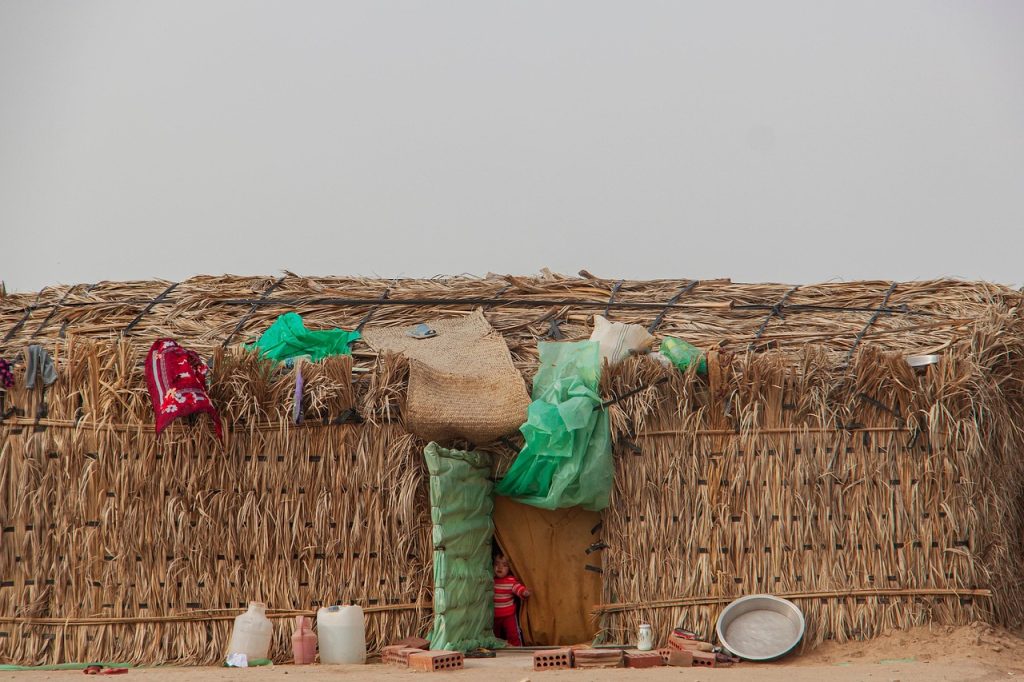
Balochistan is a vast and forbidding land, sprawling across the southeast of Iran, the southwest of Pakistan, and the south of Afghanistan, divided by borders that the Baloch never drew and largely do not accept. It is a country of extremes: black volcanic mountains, gravel plains, salt deserts, and a long coastline on the Arabian Sea, broken here and there by valleys where water allows life to flourish. Much of it is arid to the point of desolation, one of the driest and hottest inhabited regions on earth.
Yet this apparent emptiness conceals great wealth. Beneath the barren surface lie minerals, natural gas, and other resources, and the coastline offers strategic harbors coveted by powers far beyond the region. This combination of poverty on the surface and riches beneath has been a curse as much as a blessing for the Baloch, drawing the interest of states and companies while too often leaving the local people among the poorest and least developed of their countries. The land’s wealth has flowed outward, and the resentment this breeds runs deep.
The geography has shaped the Baloch as decisively as it shaped the Pashtuns. The vast distances and harsh terrain scattered the population into tribes and clans spread thinly across the land, each guarding its own pastures and wells. Mobility was essential, and the ability to survive in a landscape that offered little bred a culture of endurance, self-reliance, and a fierce attachment to the freedom of open country. Water, always scarce, was precious enough to fight over and to celebrate in poetry.
Across this divided and difficult homeland the Baloch maintain a powerful sense of belonging to a single land. A ballad sung in an Iranian Baloch village and one recited on the Pakistani side draw on the same tradition; the same longing for a united Balochistan echoes across the borders. The lines drawn by empires and inherited by modern states run through the territory of the Baloch, but they have never succeeded in running through the Baloch idea of themselves as one people of one land.
The Old Way of Life
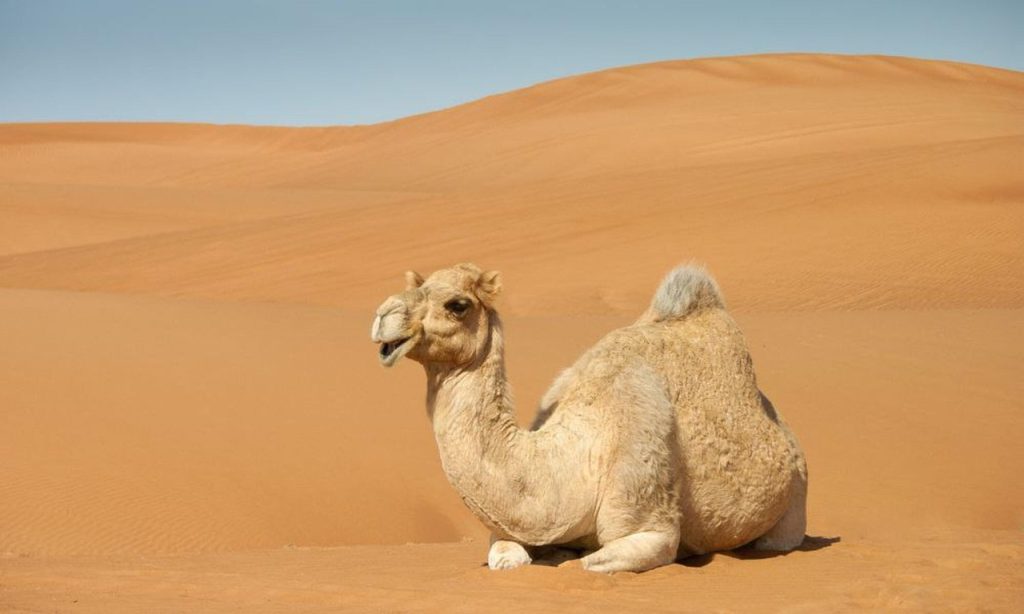
For most of their history the Baloch lived as pastoral nomads and semi-nomads, moving with herds of goats, sheep, and camels across the drylands in search of pasture and water. The camel was especially prized, a beast that could cross the deserts and carry both goods and people where other animals failed, and the herding life gave the Baloch their mobility, their wealth, and much of their culture. From the flocks came wool, milk, meat, and the material of trade.
Where water gathered, in oases and along seasonal rivers, the Baloch practiced agriculture, growing dates, grains, and fruit in the precious green pockets of a brown land. The date palm was a treasure, its fruit a staple and a symbol, sustaining communities through the long dry seasons. Around these settled points grew villages of mud-brick homes, small islands of cultivation in the vast pastoral sea, and the balance between the settled farmers and the moving herders structured Baloch life.
The Baloch were also famous, in the eyes of their neighbors and rulers, as raiders and caravan escorts, for their land straddled trade routes between the Iranian world and the Indian subcontinent. In a harsh environment where resources were scarce, raiding rival groups and levying tolls on passing caravans were part of the economy, bound up with honor and with the constant contest for scarce pasture and water. This reputation, half fearsome and half romantic, became fixed in the imperial imagination.
Life in this world demanded and rewarded toughness, loyalty to kin, and the ability to endure privation with dignity. The scarcity of the land bred a culture that prized generosity precisely because it was costly, and hospitality to a guest, even a stranger or an enemy, became one of the highest Baloch virtues. To share the little one had was a mark of honor, and the code that governed such matters was as vital to survival as any well or herd.
Chiefs, Tribes, and the Code of Honor
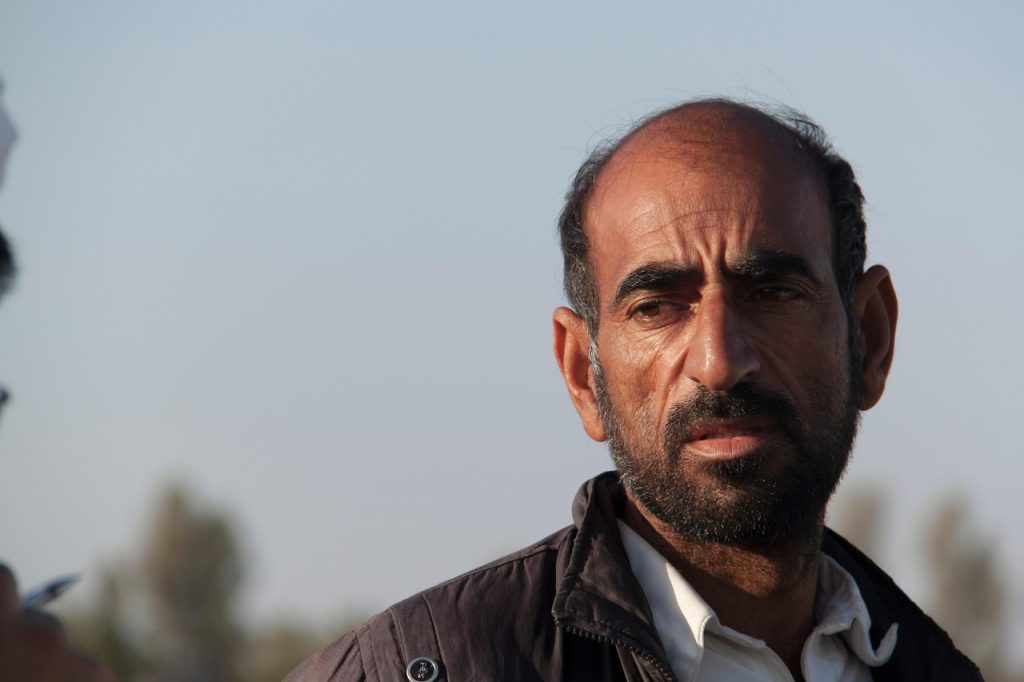
Baloch society is organized into tribes, each led by a chief, the sardar, whose authority rests on lineage, wealth, personal reputation, and the loyalty of his followers. Below the great chiefs stand the headmen of clans and the elders of families, forming a hierarchy of leadership that has traditionally governed the affairs of the Baloch in the absence of, or in tension with, any central state. This tribal structure has been the enduring framework of Baloch political life for centuries.
Binding this society is a code of honor and conduct that resembles the codes of other peoples of the region, centered on the ideals of hospitality, the protection of those who seek refuge, the defense of honor, and the obligations of revenge and reconciliation. To grant sanctuary to a fugitive, to feed and shelter a guest lavishly, to answer an insult to one’s honor, and to keep one’s word were the marks of a true Baloch, and failure in these matters brought lasting shame.
Disputes were traditionally settled by councils of elders and by the mediation of respected men, who worked to end feuds through the payment of compensation and the arrangement of reconciliation. As among neighboring peoples, the balance between the demand for revenge and the machinery of peacemaking was delicate, and a skilled mediator could halt a cycle of killing before it consumed generations. The authority of these councils rested on custom and consensus rather than on any written law.
This tribal and honor-bound order has shown remarkable resilience, surviving the coming of modern states that sought to replace it with their own administration. The sardars have at times been co-opted by governments and at times led resistance against them, and the tribal system has been both a source of Baloch strength and a target of those who would centralize control. Reformers within the community debate its future, but the tribe and the code remain deeply woven into what it means to be Baloch.
Faith in the Desert
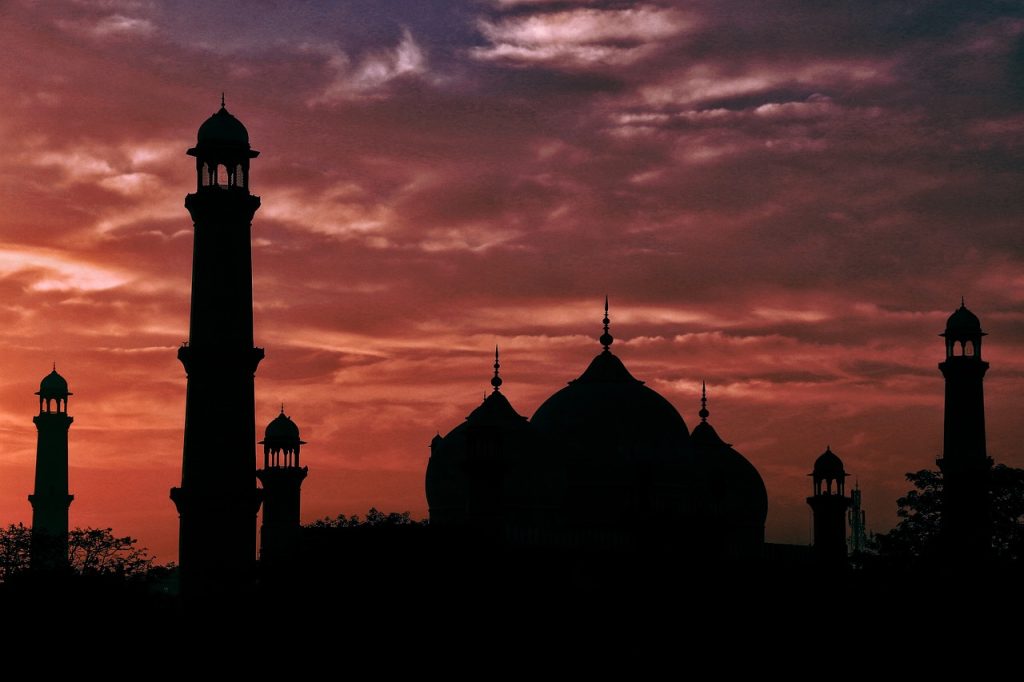
The great majority of the Baloch are Sunni Muslims, and Islam is a foundation of their identity, though as with other peoples of the region it is interwoven with custom and local tradition. The faith reached the Baloch over the centuries as it spread across the Iranian world, and it became inseparable from their sense of themselves. There are also communities of Baloch who follow other Islamic traditions, reflecting the varied religious history of the wider region.
Baloch Islam has long carried a devotional, popular character, with reverence for saints and the shrines associated with them forming an important strand of religious life. Pilgrims sought blessing and healing at these holy places, and the gatherings around them mixed devotion with music, poetry, and community. This popular piety coexisted with the more formal learning of religious scholars and the everyday observance of prayer, fasting, and the great feasts of the Islamic calendar.
As among their neighbors, the relationship between faith and the ancestral honor code has been intricate. In principle religion holds the higher authority, and the Baloch are proud of their Islamic heritage. In practice, custom and religion have long negotiated with one another, sometimes aligning and sometimes in tension, particularly where the demands of tribal honor met religious teachings on forgiveness, on justice, and on the treatment of the vulnerable. Much of Baloch moral life unfolds in this negotiation.
For the ordinary Baloch, faith is above all the frame of daily existence: the call to prayer across the desert stillness, the fast and the feast, the blessing of a marriage, the mourning of the dead, and the quiet endurance that religion lends to a life of hardship. In a land where survival is never guaranteed, the certainties of faith offer meaning and consolation, binding the community together and giving shape to the passage of the years.
Poetry, Ballads, and Music
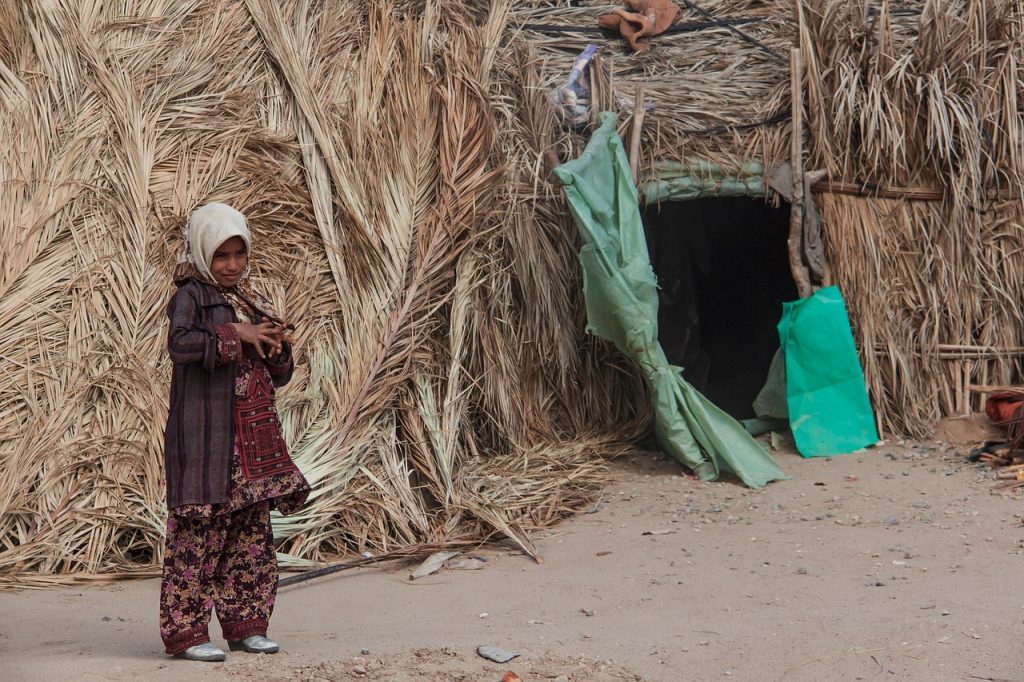
No art is more central to the Baloch than poetry, and no poetry more characteristic than the heroic ballad. In a society without a written history, the long narrative poems that recount the deeds of ancestors, the great feuds, the loves and betrayals of the Baloch past, served as the living memory of the nation. These epics, preserved and performed by professional reciters, could last for hours and held audiences spellbound, carrying the values and the history of the people in memorable verse.
Alongside the epics flourished shorter lyric forms, songs of love and longing, of the beauty of the beloved and the pain of separation, of the harshness and grandeur of the land. Baloch poetry is famous for its dignity and restraint, its imagery drawn from the desert, the mountains, and the pastoral life, and its deep entanglement with the code of honor that governed Baloch society. To compose or recite well was a mark of distinction, and poets held a place of real esteem.
Music gave this poetry its voice. Stringed instruments, flutes, and drums accompanied the reciters and enlivened the gatherings, weddings, and festivals of the Baloch. The music carries a distinctive character, plaintive and stirring, suited to the vast and lonely landscapes from which it comes. Certain instruments and melodies are tied to particular occasions and emotions, and the tradition of sung poetry remains a living art, adapting to new instruments and audiences while keeping its ancient soul.
Storytelling and proverb rounded out this oral culture, filling the long evenings with tales and wisdom passed from the old to the young. Through poem, ballad, song, and story, the Baloch built and preserved a vast literature in the air, sustained by memory and voice across a land too harsh and too divided for the easy circulation of books. In this literature the Baloch kept their history, their values, and their sense of themselves alive.
Crafts of Needle and Loom
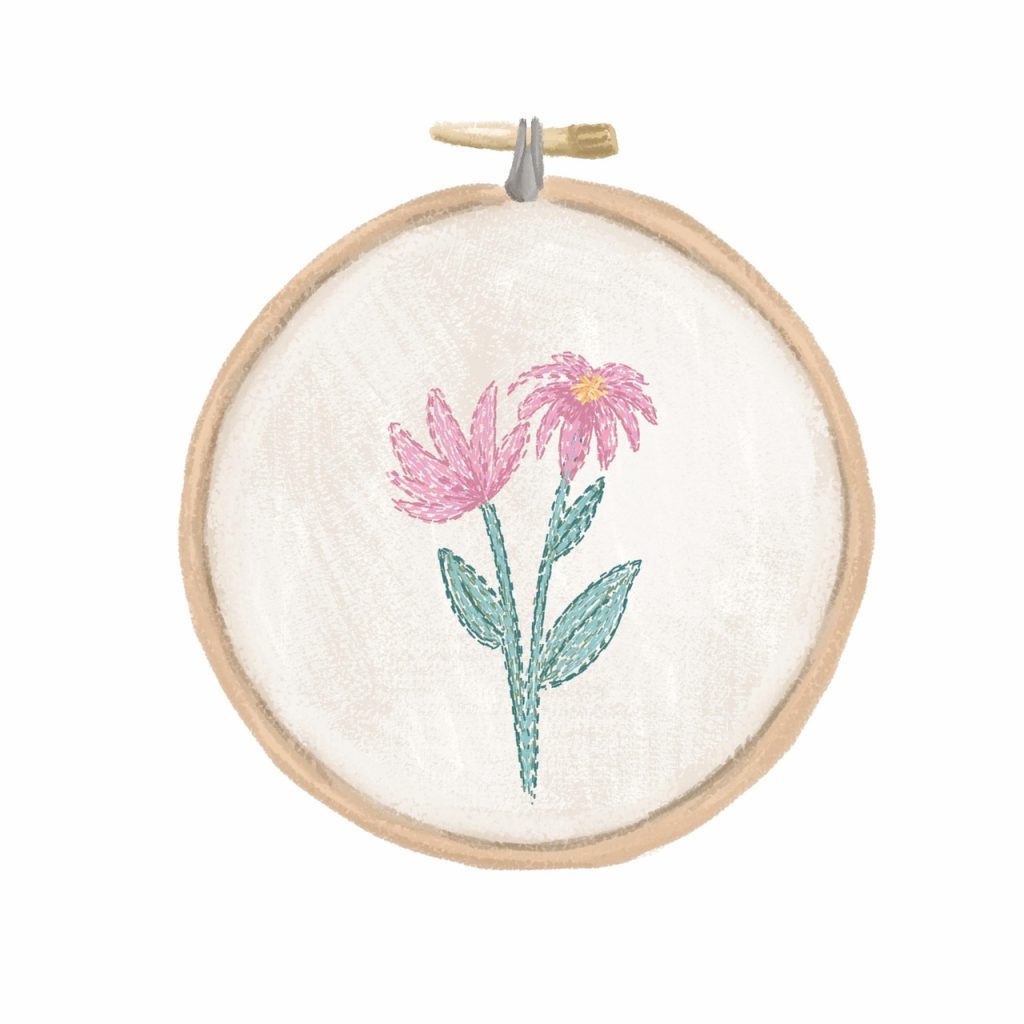
The most celebrated Baloch craft is embroidery, and Baloch needlework is renowned throughout the region for its density, its brilliant color, and its intricate geometric patterns. The traditional dress of Baloch women is a canvas for this art, the front panels and sleeves covered in painstaking stitchwork that can take months to complete and that marks the maker’s skill and the wearer’s status. Each region and community favors its own motifs, so that embroidery becomes a language of identity worn upon the body.
Weaving is another domain of Baloch skill, producing rugs, carpets, and the flat-woven textiles used for bags, tent bands, and floor coverings. Woven on simple looms, often by women during the pastoral life, these textiles carry bold tribal designs and serve both practical and decorative ends. A finely woven piece was an heirloom and a form of portable wealth, well suited to a mobile people who could not accumulate heavy possessions.
The Baloch also worked in leather, metal, and wood to meet the needs of a pastoral and often mobile existence, crafting the saddlery, tools, and containers that desert life demanded. Mirrorwork, the sewing of small mirrors into cloth, added glitter and, some believed, protection against the evil eye to garments and hangings. These crafts, passed down within families and communities, represented not only utility and beauty but the accumulated technical wisdom of generations.
Where the Baloch met the wider world, in the bazaars of their towns and in the markets of the cities where they traded and migrated, their crafts found buyers far beyond the community. Baloch embroidery and textiles came to be prized by collectors and travelers, and in the modern era they have become a source of income and of cultural pride, a way for Baloch artisans, especially women, to carry their heritage into new markets while sustaining their families.
The Baloch Table
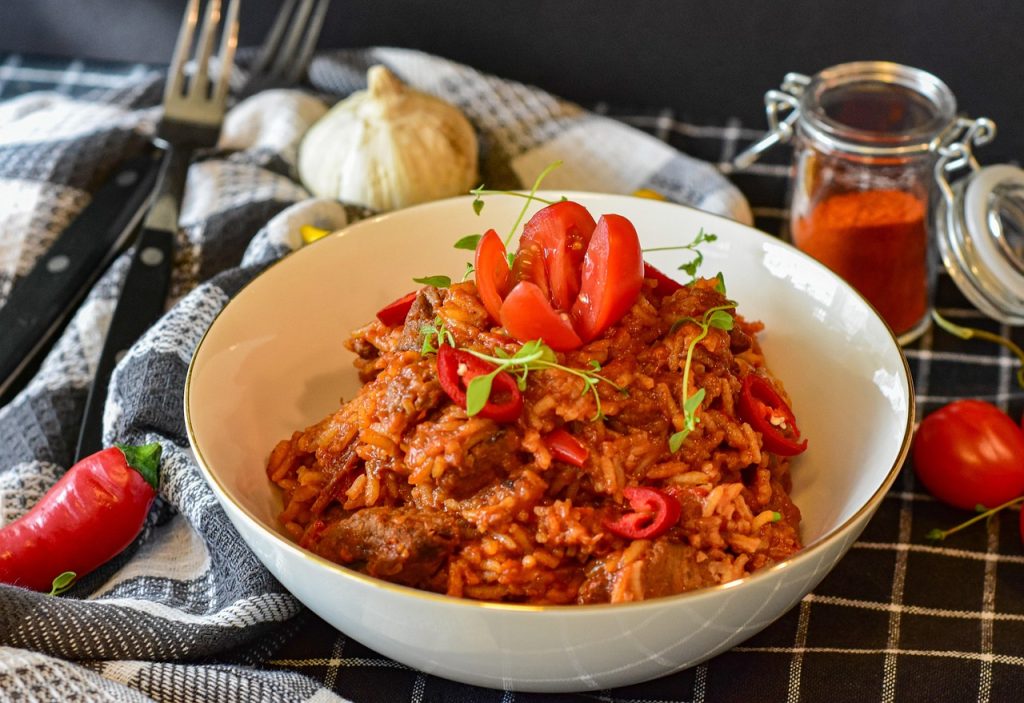
Baloch food reflects the pastoral life and the scarcity of the land, built around meat, bread, rice, and dates, and governed always by the imperative of hospitality. Meat, especially from the herds of goats and sheep, is the centerpiece of feasts, and the most celebrated Baloch dishes involve the slow cooking of meat until it is meltingly tender. One famous preparation buries seasoned meat in a pit with hot coals to cook slowly underground, a technique born of the desert and reserved for special occasions.
Bread and rice form the foundation of everyday meals, the bread baked fresh and used to scoop up whatever accompanies it, the rice served plain or enriched with meat and fat for guests and celebrations. Dishes tend toward simplicity, letting the quality of the meat and the freshness of the bread speak, though spices and dried limes lend depth to stews and rice. The cuisine is generous and filling, designed to honor guests and to sustain a hardworking people.
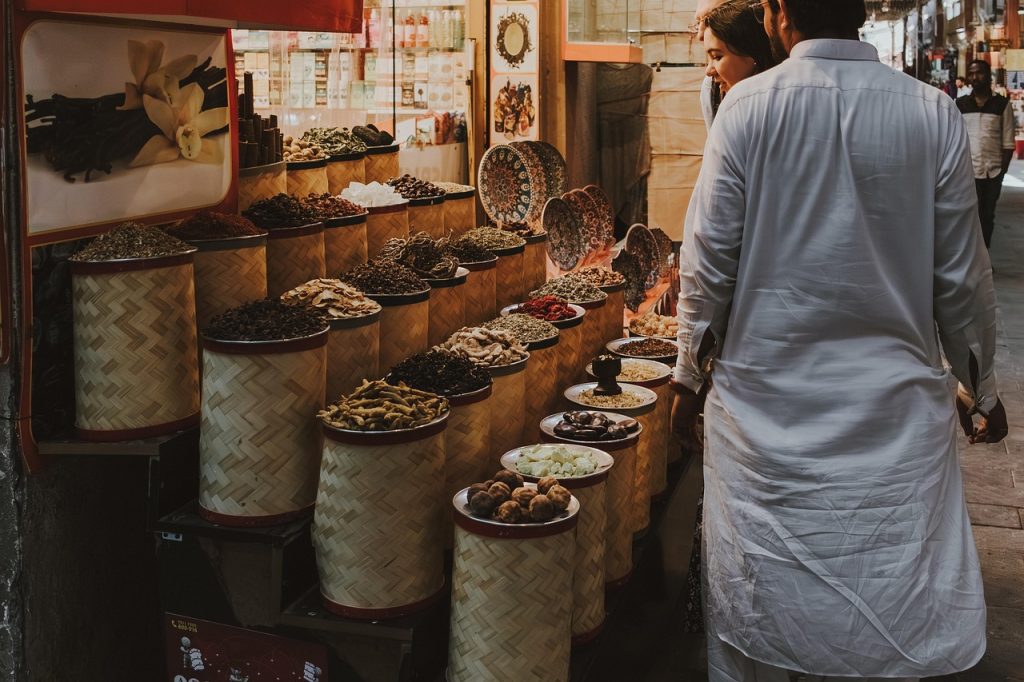
The date is the treasure of the Baloch table, the fruit of the precious palm groves that dot the oases, eaten fresh and dried, offered to guests, and traded through the markets. Dairy from the herds appears as yogurt, buttermilk, and clarified butter, and fruit from the irrigated valleys brightens the diet where water allows. In a land of scarcity, these products of pasture and oasis were both nourishment and symbols of the life that the Baloch had wrested from a hard country.
Tea presides over Baloch hospitality as it does across the region, poured for guests as the first gesture of welcome and shared endlessly in conversation. To arrive at a Baloch home is to be seated and served, for the code demands that a guest be honored above the household’s own comfort. Around the shared meal and the endless cups of tea, the bonds of kinship and alliance are affirmed, and the simple act of eating together becomes an expression of the deepest Baloch values.
Festivals and Gatherings
The festivals of the Baloch follow the Islamic calendar, and the two Eids are the high points of the year. The Eid that ends the month of fasting brings feasting, new clothes, and visits between households, a joyful release after weeks of discipline. The Eid of sacrifice centers on the slaughter of an animal and the sharing of its meat with kin, neighbors, and the poor, a ritual of generosity that binds the community and honors the ideal of giving that lies at the heart of Baloch culture.
Weddings are the grand social occasions of Baloch life, multi-day celebrations that draw together the extended family and the tribe. Music, sung poetry, feasting, and the display of embroidered finery turn a marriage into a public affirmation of alliance between families. For a society organized around kinship and honor, a wedding is a matter of collective importance, weaving lineages together and reaffirming the ties on which the whole social order depends.
Seasonal and religious gatherings punctuate the year, from the fairs that assemble around shrines to the markets that swell when herders and traders converge. In a land where great distances and harsh terrain kept communities apart for much of the year, these occasions were precious, mixing devotion, commerce, and pleasure and offering a rare chance to meet, to trade, to arrange marriages, and to renew the bonds of a scattered people. They were islands of sociability in a lonely landscape.
Above all, the arrival of a guest turns any day into an occasion for celebration, for hospitality is the perpetual festival of the Baloch. The best food is prepared, the finest textiles brought out, and the household mobilized to honor the visitor, whether a friend, a stranger, or even a former enemy seeking refuge. In this endless readiness to welcome, the Baloch express the value they hold above almost all others, and the year is marked as much by these small celebrations as by the calendar’s fixed feasts.
Under Khanates and Empires
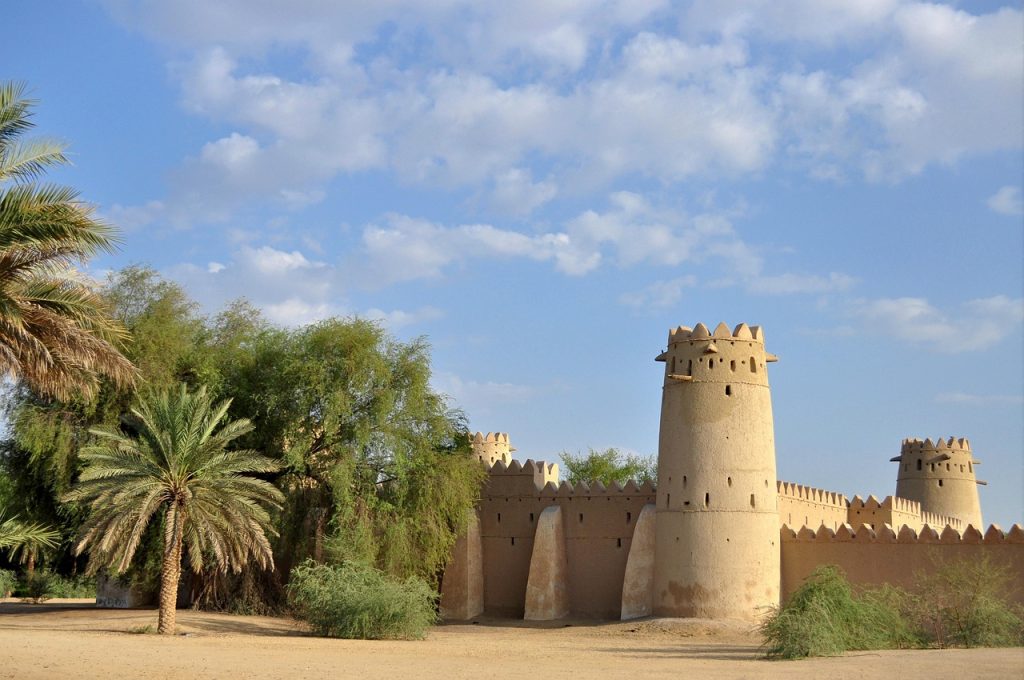
The history of the Baloch is a long contest between their tribal independence and the empires that sought to rule their land. Over the centuries the Baloch built their own centers of power, most notably a khanate that at its height united many of the tribes and governed a wide territory, giving the Baloch a memory of self-rule that later generations would cherish. This khanate negotiated, fought, and allied with the great powers around it, a Baloch polity in a world of empires.
From the west, the empires of the Iranian plateau pressed upon the Baloch, and from the east came the powers of the Indian subcontinent, while the tribes in their deserts and mountains bent before these forces without ever being wholly absorbed. The remoteness and harshness of the land were the Baloch’s greatest defenses, allowing them to preserve their autonomy where richer and more accessible peoples lost theirs. The Baloch learned to survive between mightier neighbors, playing them against one another when they could.
The nineteenth century brought the British, expanding from India, who drew borders across the Baloch land and incorporated part of it into their imperial system while leaving other parts under Iranian and Afghan control. The frontiers established in this era divided the Baloch among rival administrations and sowed the seeds of a grievance that would outlast the empire itself. The Baloch found their single homeland partitioned by lines drawn in distant capitals for the convenience of great powers.
The twentieth century and beyond saw the Baloch incorporated into the modern states of Pakistan and Iran, and their history since has been marked by tension and recurring conflict between Baloch aspirations for autonomy and the centralizing ambitions of these states. Struggles over resources, representation, and identity have repeatedly troubled the Baloch lands, and ordinary people have often borne the cost. Yet through every upheaval the deep structures of language, tribe, and code endured, carrying the Baloch identity forward.
The Baloch Today
Today the Baloch remain a people divided across three states, their millions split chiefly between Pakistan and Iran with communities in Afghanistan and a substantial diaspora in the Gulf, where many have long gone to work, and further afield in the wider world. Wherever they settle, the Baloch tend to carry their language, their dress, their food, and their code with them, sustaining a sense of nationhood that no border has managed to erase. The idea of Balochistan as one land endures in the imagination even where politics denies it.
The challenges facing the Baloch are formidable. Their homeland remains among the least developed of the regions to which it belongs, its resources often extracted for the benefit of distant centers while local communities struggle with poverty, and recurring political conflict has brought hardship and displacement. The old pastoral economy has been eroded, and many Baloch have moved to cities or abroad in search of work, straining the ties of tribe and family even as they carry Baloch culture into new places.
Yet Baloch culture shows a stubborn vitality. Balochi music, poetry, and language have found new life in recording, broadcasting, and the digital world, and a generation of Baloch writers, artists, and activists asserts an identity that is proud, modern, and determined to endure. Debates within the community over tradition and reform, over the role of the tribe and the rights of women, over how to preserve honor while shedding its cruelties, are lively and consequential, shaping what it will mean to be Baloch in the years to come.
For now the Baloch stand as one of the great enduring peoples of Asia’s arid heart, keepers of a proud language, a rich poetry, and an unbroken code of hospitality and honor in a land that has given them little but hardship. Their neighbors along the great river valleys to the east share this same corner of the world and yet carry a wholly different story, rooted in ancient cities and a sacred river, and it is to one such people that our journey turns next.