In the rugged heart of Afghanistan, amid some of the highest and most isolated mountains in the country, lives a people whose distinctive faces, faith, and history have made them at once unmistakable and, for much of the modern era, tragically vulnerable. They are the Hazaras, and their story is among the most poignant of all the peoples of Asia: a tale of a proud highland community that has endured persecution, dispossession, and massacre, yet has held onto its identity, its faith, and a fierce hunger for education and dignity that has carried its sons and daughters across the world.
The Hazaras number in the millions, forming one of the largest peoples of Afghanistan, with substantial communities across the border in Pakistan and Iran and a growing diaspora scattered by decades of war and flight. They speak a form of Persian, they are overwhelmingly Shia Muslims in a largely Sunni region, and their distinctive Central Asian features have marked them out, for better and far too often for worse, throughout their history. Theirs is a story of survival against long odds, told with quiet resilience.
This is the story of the Hazaras, part of our continuing series on the peoples of Asia and the wider world. To tell it we must climb into their high country and trace the whole of their experience: their debated origins, the meaning of their name, the Hazaragi tongue, the highland homeland, the old life of farmers and herders, the community and its councils, the Shia faith at the center of their identity, their poetry and music, their crafts, their food, their festivals, the harrowing history of persecution, and the crossroads where they stand today. Here are the sections that follow:
- Origins: A Debated Ancestry
- The Name of the Hazaras
- The Hazaragi Tongue
- The Highland Homeland
- The Old Way of Life
- Community, Councils, and Kinship
- Faith at the Heart of Identity
- Poetry, Music, and Memory
- Crafts of the Highlands
- The Hazara Table
- Festivals and Observances
- A History of Persecution
- The Hazaras Today
Origins: A Debated Ancestry
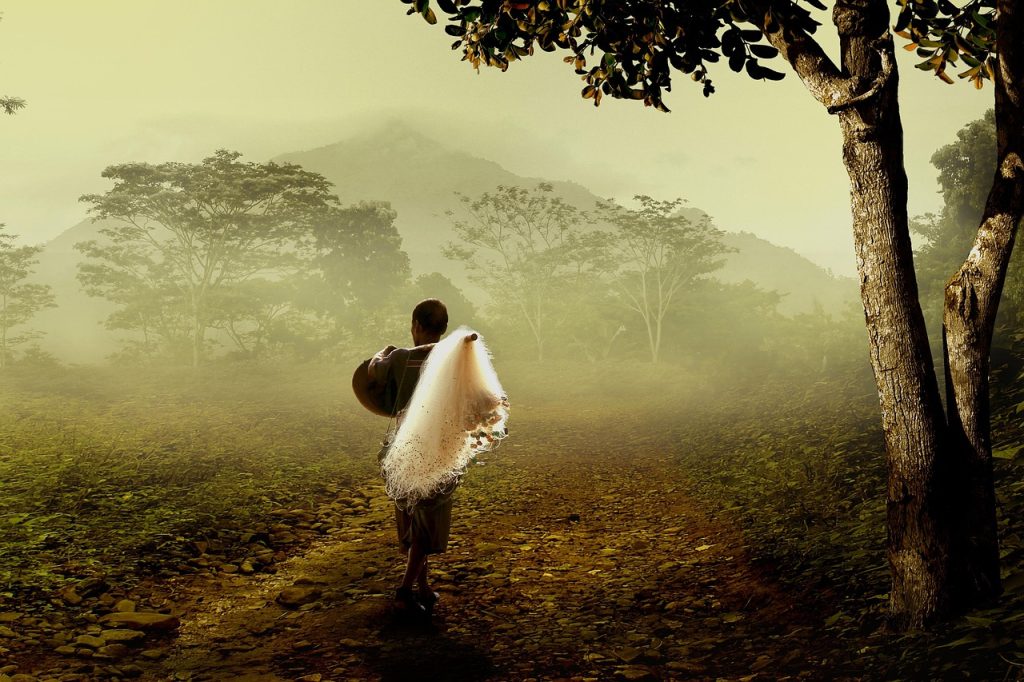
The origins of the Hazaras are among the most debated of any people in the region, and their distinctive appearance, with features that recall the peoples of Inner Asia, has fueled speculation for centuries. The most widespread theory holds that the Hazaras descend, at least in part, from Mongol and Turkic soldiers and settlers who came into the region during the great Mongol conquests and their aftermath, mingling with the local Iranian-speaking populations of the central highlands to form a new people.
This Mongol connection is supported by aspects of their appearance and by elements of their language, which preserves words of Mongolic and Turkic origin embedded in its Persian base. Yet scholars caution that the picture is complex, and the Hazaras are almost certainly a blend of many ancestries: the older inhabitants of the central mountains, layers of Turkic and Mongol newcomers, and other peoples who settled in this crossroads over the centuries. Their genetic and cultural heritage reflects the many currents that have flowed through Afghanistan.
The Hazaras themselves carry traditions that link them to this deep and mixed past, and the association with the great conquerors of Inner Asia has become part of their sense of identity, a proud claim of descent from formidable ancestors. Whether or not any simple line of descent can be traced, what matters is that the Hazaras emerged as a distinct people in the central highlands, marked off from their neighbors by appearance, by language, and above all, in time, by faith.
What is certain is that by the medieval and early modern periods the Hazaras were established as the dominant population of the central Afghan highlands, a region that came to bear their name. Isolated by the mountains and distinguished by their features and their faith, they developed a strong communal identity even as they were surrounded by more numerous and more powerful neighbors. This combination of distinctiveness and vulnerability would shape the whole of their subsequent history.
The Name of the Hazaras
The name Hazara is itself a subject of debate and interest. The most common explanation links it to the Persian word for a thousand, which may in turn translate a Mongol military term for a unit of a thousand soldiers, suggesting an origin in the military organization of the Mongol armies whose descendants are thought to have formed part of the people. If so, the very name of the Hazaras would carry the memory of the conquests that helped bring them into being.
Whatever its precise origin, the name came to designate the people of the central highlands of Afghanistan, and to be Hazara has meant to belong to this community defined by its homeland, its Persian dialect, its Central Asian features, and its Shia faith. These markers together set the Hazaras apart from their Pashtun, Tajik, and Uzbek neighbors, and the combination of them all made Hazara identity unusually distinct and, in a region prone to division, unusually exposed.
The name has also carried, at various times, a heavy burden of prejudice, for the Hazaras were long looked down upon by more powerful groups who exploited their distinctiveness to justify their oppression. To be marked as Hazara could mean to be relegated to the lowest and hardest labor, to be denied land and rights, and in the worst times to be targeted for violence. The name thus carries both the pride of a distinct people and the scars of the discrimination they have suffered.
In recent times the Hazaras have reclaimed their name with growing confidence, transforming it from a mark of stigma into a badge of identity and solidarity. A new generation, educated and connected, wears the name Hazara as a statement of belonging to a community that has endured and refused to be erased. The name, once used to demean, has become a rallying point for a people determined to claim their rightful place and to be recognized on their own terms.
The Hazaragi Tongue

The Hazaras speak Hazaragi, a dialect of Persian closely related to the Dari spoken across much of Afghanistan and to the Persian of Iran and Tajikistan. It is mutually intelligible with these related forms, so that a Hazara can converse with Persian speakers across the region, but it is marked by distinctive features of pronunciation and vocabulary, including a notable number of words borrowed from Mongolic and Turkic sources, a linguistic echo of the people’s mixed origins.
That the Hazaras speak Persian rather than a Mongolic or Turkic language is itself significant, for it suggests that whatever their ancestry, they adopted the dominant language of the region in which they settled, as so many peoples of Central Asia did. The Persian they speak links them to one of the great literary and cultural traditions of the world, and Hazaras share in the vast heritage of Persian poetry and learning even as their own dialect keeps its distinctive character.
For much of their history the Hazaras, like many mountain peoples, had limited access to formal education, and their language lived above all in speech, song, and oral tradition rather than on the page. This oral culture is rich, preserving the poetry, proverbs, and stories of the people, and the distinctive sound and idiom of Hazaragi is a cherished marker of identity, immediately recognizable and dear to those who speak it as the language of home and heart.
In the modern era, and especially in the diaspora, Hazaras have embraced education and literacy with remarkable determination, and Hazaragi and Persian now flourish in Hazara writing, media, and online expression. A people once largely excluded from schooling has produced writers, scholars, and journalists in abundance, and the language that once lived mainly in the mountains now travels the world. To sustain Hazaragi is, for its speakers, to keep alive the distinctive voice of a people who have refused to be silenced.
The Highland Homeland
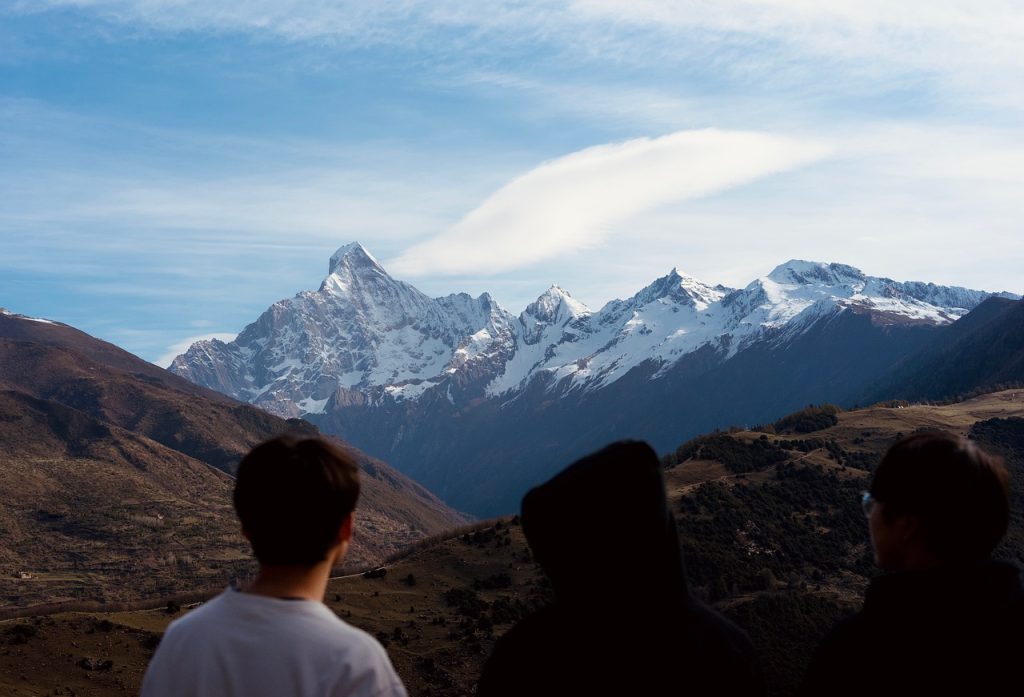
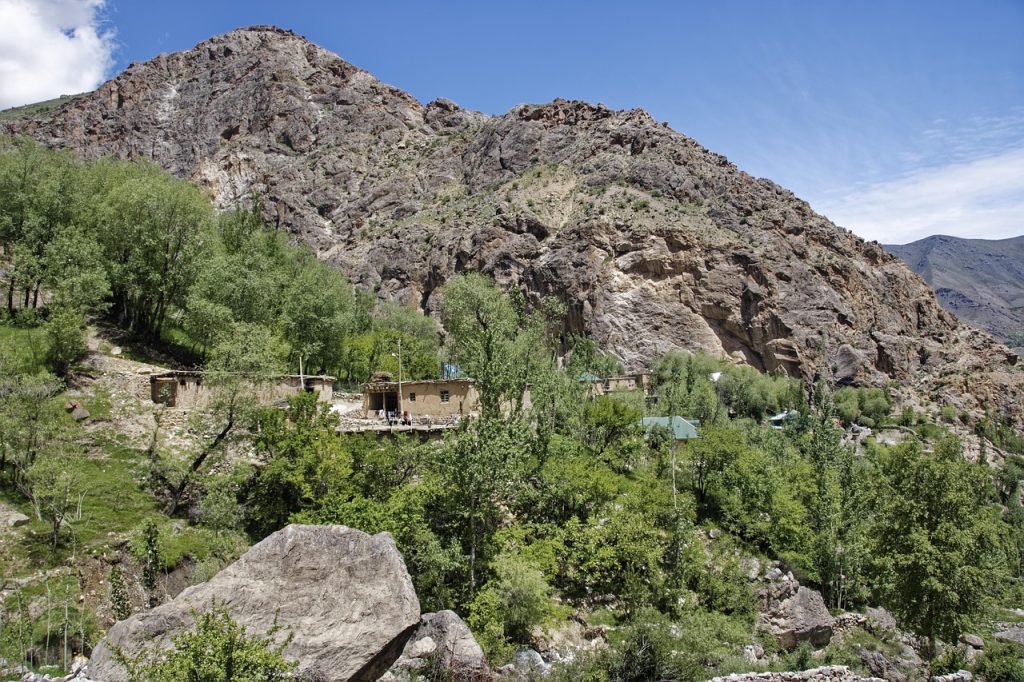
The heartland of the Hazaras is the Hazarajat, the great region of high mountains and valleys in the center of Afghanistan, some of the most elevated and isolated country in the whole of the region. Here, amid soaring peaks and deep valleys, the Hazaras built their communities, farming the thin soils of the high altitudes and grazing their flocks on the mountain pastures. The land is beautiful and severe, blanketed in snow for much of the year and demanding endurance from those who live in it.
This highland homeland shaped the Hazaras as decisively as the deserts shaped the Baloch or the river shaped the Sindhis. The isolation of the mountains preserved their distinct identity but also confined them to a hard and often poor existence, cut off from the more fertile lowlands and the centers of power. The altitude and the harsh winters limited agriculture and kept the population dispersed in scattered valleys, each a small world bound by kinship and the shared struggle against the elements.
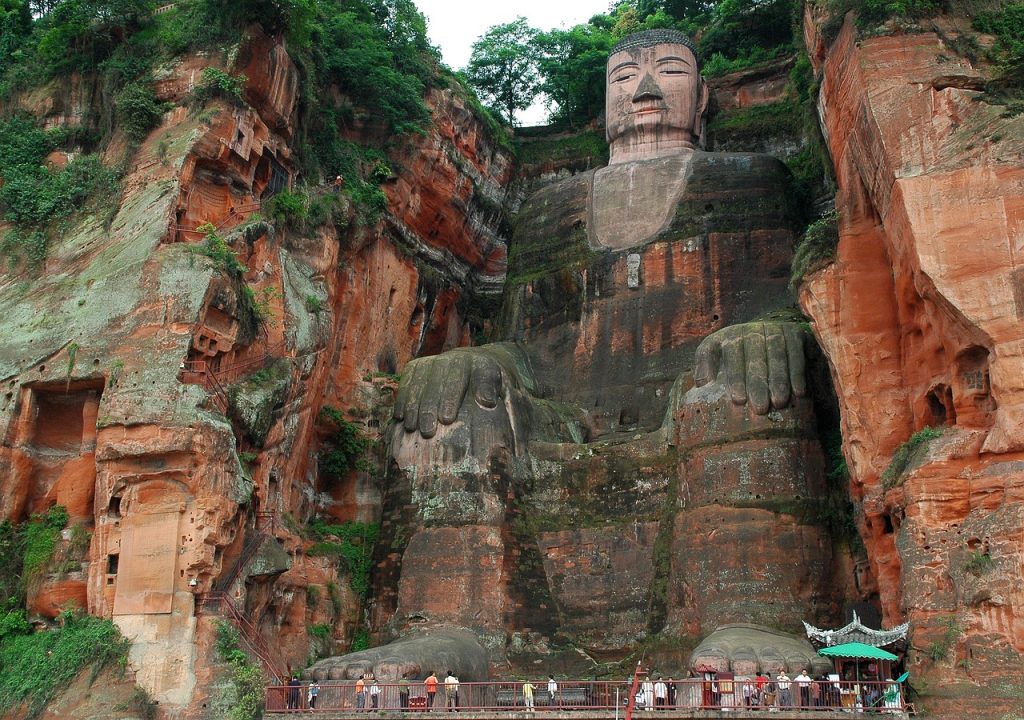
The Hazarajat also held one of the wonders of the ancient world, the great Buddhas carved into the cliffs of a highland valley in the centuries before Islam, a reminder that this region was once a center of Buddhist civilization along the routes between Central Asia and the subcontinent. Though the giant statues were destroyed in recent times, the empty niches in the cliffs remain a haunting monument to the deep and layered history of the Hazara homeland.
Beyond the Hazarajat, Hazaras came to live in the cities of Afghanistan, drawn by work and later driven by displacement, and large communities settled across the borders in the highlands of Pakistan and in Iran. Yet the mountains of central Afghanistan remain the spiritual home of the Hazaras, the landscape that formed them and to which their identity is bound. The high, snowbound valleys of the Hazarajat are the enduring heartland of a people forged by altitude and isolation.
The Old Way of Life

For most of their history the Hazaras lived by a combination of farming and herding suited to their high mountain environment. In the short growing season of the highlands they cultivated wheat, barley, and other hardy crops on terraced fields and valley floors, wringing a living from thin soils at altitudes where farming is a constant challenge. The agricultural year was brief and intense, framed by the long, harsh winters that locked the mountains in snow and ice.
Herding was equally central, with flocks of sheep and goats grazed on the high summer pastures and sheltered through the bitter winters. From the animals came wool for clothing and felt, milk for yogurt and cheese, and meat for the table, and the wool in particular fed the craft traditions of the highlands. The seasonal movement of flocks to the high pastures gave rhythm to the year, and the products of the herd were essential to survival in a land where little else could be grown.
Life in the Hazarajat was hard and often poor, and the isolation of the mountains meant that communities were largely self-sufficient, relying on their own labor and the solidarity of kin. This self-reliance bred a culture of endurance and hard work, and the Hazaras became known, in the harsh circumstances into which history forced many of them, as an industrious people willing to undertake the most difficult labor. The hardness of the land left its mark on the character of the people.
The dispossession of the Hazaras from much of their best land in the modern era pushed many into a different way of life, as laborers and workers in the cities and beyond, often at the bottom of the social order. This forced transformation, from independent highland farmers to an urban and migrant workforce, was one of the great disruptions of Hazara history, born of the persecution and land seizures that scarred the community. Yet the values of hard work and endurance carried over into these new and harder circumstances.
Community, Councils, and Kinship
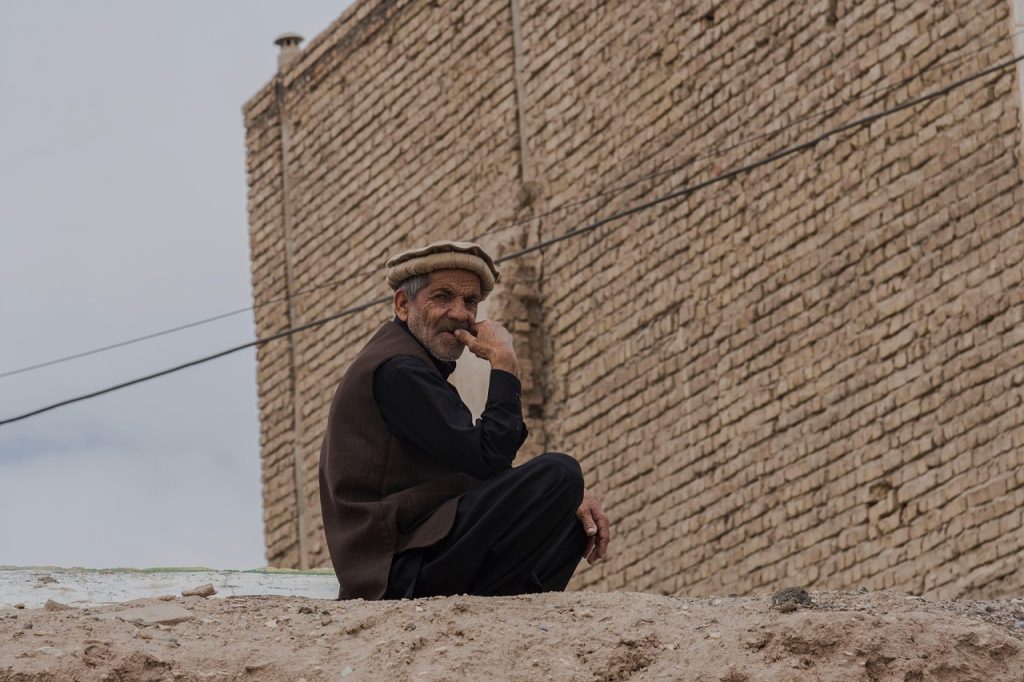
Hazara society was traditionally organized around kinship and community, with the extended family as its foundation and networks of clans and tribes providing wider structures of belonging. In the isolated valleys of the Hazarajat, communities were tightly knit, bound by ties of blood and marriage and by the shared necessity of cooperation in a harsh environment. Local leaders and councils of elders guided the affairs of the community, settling disputes and organizing collective life.
These councils of elders, deliberating to reach consensus on matters of importance, provided a form of local self-governance rooted in the community, and religious figures held a significant place alongside the secular elders, reflecting the deep importance of faith in Hazara life. The authority of these leaders rested on respect, wisdom, and the trust of the community rather than on formal power, and the intimate scale of highland society gave everyone a stake in its governance.
The values of Hazara society emphasized solidarity, mutual aid, and hospitality, qualities essential to survival in the demanding highlands. In a community that faced discrimination and hardship from without, internal cohesion and support were vital, and the bonds of kinship and neighborliness provided a network of security. Generosity to guests, care for the vulnerable, and loyalty to the community were prized virtues that helped the Hazaras endure through difficult times.
The experience of persecution and dispossession deeply affected Hazara society, breaking apart communities, scattering families, and forcing many into exile. Yet these same pressures also forged a powerful sense of collective identity and solidarity, a consciousness of shared suffering and shared destiny that bound the Hazaras together across distance and difference. In the modern era this solidarity has found new expression in political organization, community associations, and a diaspora that maintains strong ties to one another and to the homeland.
Faith at the Heart of Identity
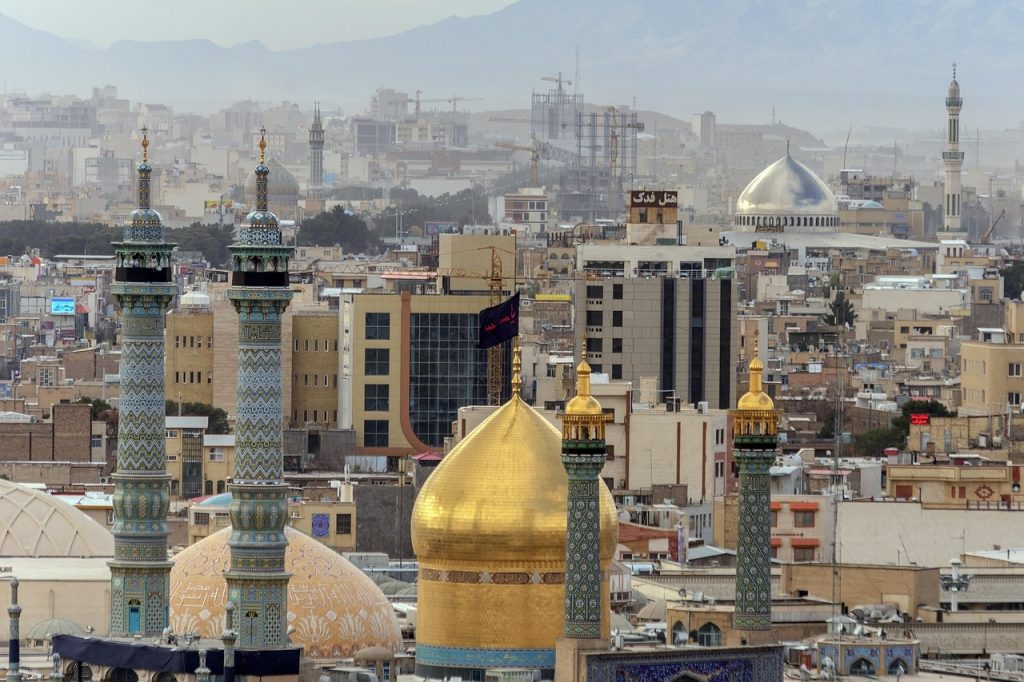
The great majority of Hazaras are Shia Muslims, and their faith is perhaps the single most important marker of their distinct identity in the largely Sunni landscape of Afghanistan and the surrounding region. This religious distinctiveness set the Hazaras apart from most of their neighbors and became, tragically, one of the pretexts for the persecution they suffered, as their faith was used by hostile powers to brand them as heretics and to justify violence against them.
Shia Islam is woven deeply into Hazara life, shaping the rhythms of the year, the rituals of the community, and the sense of belonging to a wider Shia world that extends across the region. The commemorations of the Shia calendar, above all the mourning rituals that recall the sufferings of the family of the Prophet, are observed with deep devotion and become powerful expressions of Hazara identity and of the community’s own experience of suffering and endurance, in which the ancient tragedies of their faith find a painful echo.
Religious scholars and leaders hold an important place in Hazara society, guiding the community in matters of faith and often in worldly affairs as well, and the mosque and the religious gathering are central institutions of Hazara life. The connection to the wider Shia world, including the great centers of Shia learning beyond Afghanistan, has linked the Hazaras to a broader community of faith and has been a source of support, education, and identity, especially for those in exile.
For the Hazaras, faith has been both a mark of vulnerability and a source of profound strength. The same religious distinctiveness that exposed them to persecution also gave them a powerful bond of solidarity and a framework of meaning through which to understand and endure their suffering. In the mourning rituals that recall ancient injustice, the Hazaras find not only devotion but a mirror of their own history, and their faith remains the beating heart of who they are.
Poetry, Music, and Memory
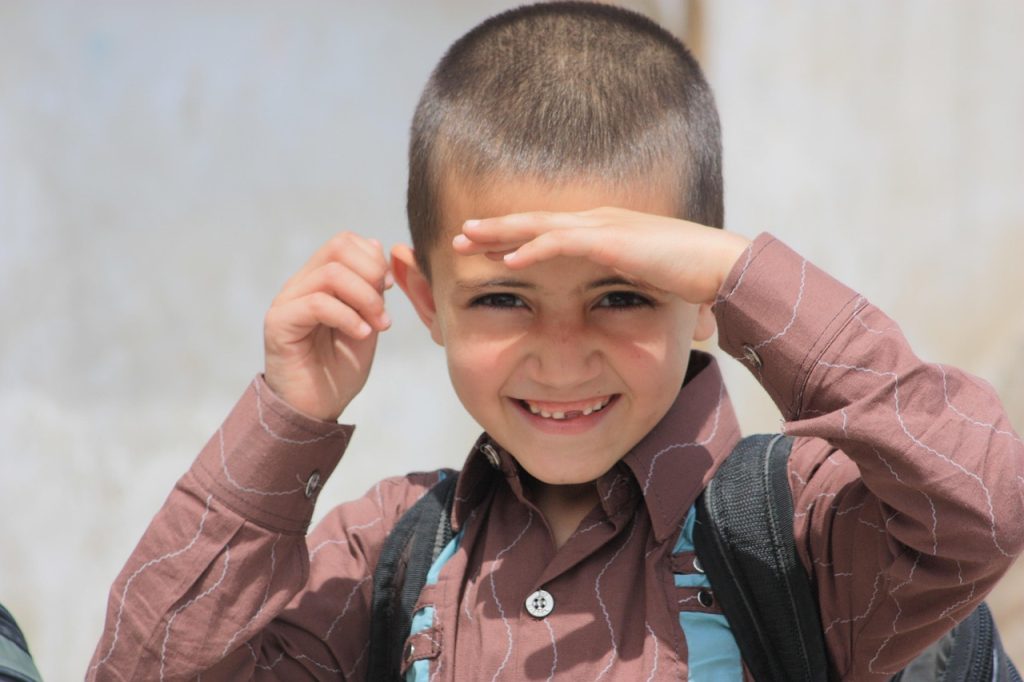
Like their neighbors, the Hazaras possess a rich oral culture in which poetry, song, and story carry the memory and values of the people. Hazara poetry, composed in their Persian dialect, draws on the great tradition of Persian verse while giving voice to the particular experiences of the Hazara people, including their suffering, their longing, and their hopes. In a community long denied formal education, this oral literature was the vessel of collective memory and feeling.
A distinctive Hazara song form, plaintive and moving, gives expression to the emotions of a people who have known much hardship, and these songs, of love and loss, of exile and longing for the homeland, are cherished across the community. Set to the accompaniment of traditional instruments, including a form of the lute characteristic of the region, this music carries the soul of the Hazaras, its melancholy beauty reflecting the experience of a people who have endured so much.
Storytelling and proverb fill out the oral tradition, preserving the wisdom, humor, and history of the Hazaras in memorable form, and the tales told through long mountain winters carried the values of the community to the young. Through poem, song, and story, the Hazaras built a literature in the air that sustained their identity through times when they had little else, a treasury of memory and feeling passed from voice to voice across the generations.
In the modern era, and especially in the diaspora, Hazara cultural expression has flowered in new forms, with music, literature, film, and art giving voice to the Hazara experience for a global audience. A people once excluded and silenced has produced artists and writers who tell the Hazara story with power and beauty, transforming the memory of suffering into works of enduring value. The oral tradition of the mountains lives on, and grows, in the new media of a connected world.
Crafts of the Highlands
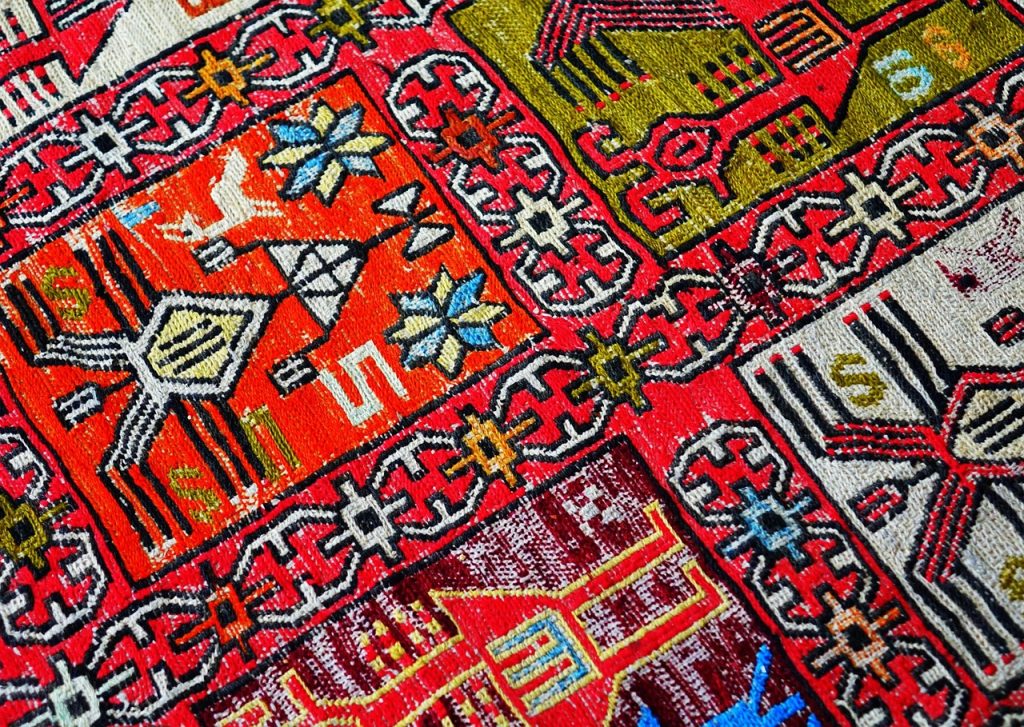
The crafts of the Hazaras reflect the resources and needs of their highland life, above all the wool of their flocks, which was worked into textiles, felt, and carpets. Hazara weaving and felt-making produced the warm coverings and garments essential to survival in the cold mountains, and the carpets and rugs of the region carry their own distinctive designs, the product of skilled hands working through the long winters when outdoor labor was impossible.
Embroidery and the decoration of clothing added color and artistry to Hazara material culture, and the traditional dress of the people, adapted to the harsh climate, was often adorned with careful needlework. As among other peoples of the region, dress carried meaning, marking identity and occasion, and the skill of the women who produced these textiles was a valued part of the community’s life. The crafts were both practical necessities and expressions of beauty and identity.
Working in wool, leather, and the other materials at hand, Hazara artisans produced the tools, containers, and goods needed for a self-sufficient highland existence. The isolation of the Hazarajat meant that communities had to meet many of their own needs, and this fostered a range of practical crafts passed down within families. The felt and wool products in particular were well suited to the mobile aspects of a herding life and to the demands of a cold and mountainous environment.
In the modern era and in the diaspora, Hazara crafts have found new appreciation and new markets, and the traditional arts of the highlands have become a means of preserving and expressing identity far from the homeland. Hazara carpets and textiles carry the designs and skills of the mountains into the wider world, and craft has become, for a displaced people, one more way of keeping the heritage of the Hazarajat alive and of sustaining families through honest work.
The Hazara Table

Hazara food reflects the highland environment and shares much with the broader cuisine of Afghanistan and Central Asia, built around bread, rice, meat, and the products of the herd. Hearty dishes suited to a cold climate predominate, with soups and stews warming the long winters and providing sustenance for hard mountain labor. Bread is a staple at every meal, and the food is generous and filling in keeping with the ideal of hospitality shared across the region.
A signature dish of the Hazaras and their neighbors is a kind of steamed dumpling, filled with vegetables or meat and topped with yogurt and sauce, a beloved food that requires skill and patience to prepare and that features at gatherings and celebrations. Rich soups thickened with grains and legumes, and dishes combining meat with vegetables and pulses, provide the warming, substantial fare that highland life demands. The cuisine makes the most of the limited ingredients that the mountains provide.
Dairy from the flocks runs through the diet, with yogurt, dried yogurt, and butter used in cooking and eaten alongside other dishes, and the products of the herd were essential to nutrition in a land where fresh vegetables were scarce for much of the year. Where the short season allowed, fruits and vegetables from the valleys added variety, and dried fruits and nuts, easy to store through the winter, were valued foods and offerings of hospitality.
Tea presides over Hazara hospitality as it does across the region, poured generously for guests as the first gesture of welcome and shared endlessly in conversation. The offering of food and tea to visitors is a matter of honor, and even in poverty the Hazaras have upheld the tradition of hospitality that binds the culture together. Around the shared meal, the bonds of family and community are affirmed, and the warmth of the welcome offsets the cold of the mountains.
Festivals and Observances
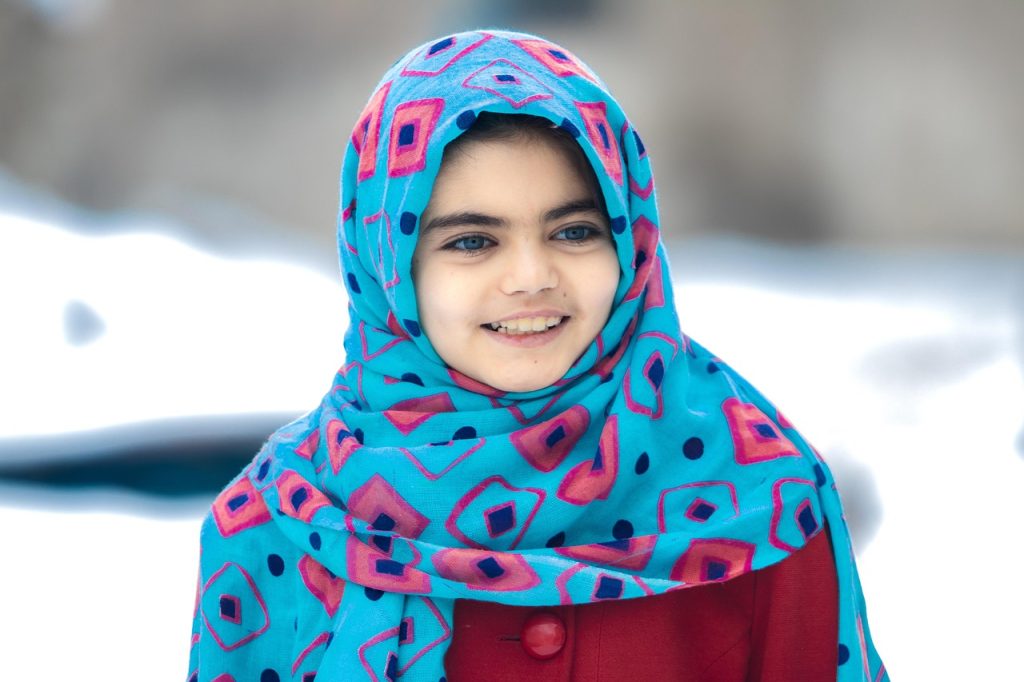
The festivals of the Hazaras combine the celebrations shared across the Persian-speaking world with the distinctive observances of their Shia faith. The great spring festival of the Persian new year, marking the renewal of the year with the coming of spring, is celebrated with joy across the Hazara world, bringing feasting, visiting, and the welcoming of the new season after the long winter. It is one of the brightest points in the calendar, a celebration of renewal and hope.
The religious observances of the Shia calendar are central to Hazara communal life, above all the solemn commemorations of mourning that recall the sufferings of the family of the Prophet. These observances, marked by gatherings, processions, and the recitation of the tragic events they commemorate, are occasions of deep devotion and communal solidarity, in which the Hazaras express their faith and, in the ancient story of injustice and endurance, find a reflection of their own history.
The two Eids of the Islamic calendar are also observed, bringing feasting and celebration, and the various rites of passage of Hazara life, births, marriages, and deaths, are marked with the customs of the community. Weddings in particular are joyful occasions that draw together the extended family and community, filled with music, feasting, and the celebration of the bonds that unite the community. These gatherings reaffirm the ties of kinship on which Hazara society rests.
Together, the festivals and observances of the Hazaras weave the rhythms of faith, season, and family life into the fabric of the year. In the celebration of spring’s renewal, in the solemn mourning of ancient tragedy, and in the joys of family occasions, the Hazaras express the fullness of their culture and the depth of their identity. Even in exile and hardship, these observances have bound the community together and carried the heritage of the Hazarajat into new lands.
A History of Persecution
The history of the Hazaras in the modern era is marked, above all, by persecution, and it is impossible to tell their story honestly without confronting the suffering they have endured. In the late nineteenth century a campaign of conquest and subjugation was directed against the Hazaras, resulting in massacres, enslavement, and the seizure of much of their land, a catastrophe that shattered their society, killed a large part of the population, and pushed many into exile and servitude. This trauma cast a long shadow over all that followed.
Dispossessed of their best lands and relegated to the margins of society, the Hazaras endured discrimination and hardship through much of the twentieth century, often confined to the poorest and most menial labor and denied the rights and opportunities enjoyed by more powerful groups. Their distinctive appearance and their Shia faith made them easy targets for prejudice, and the memory of the great persecution remained a defining wound in the consciousness of the people.
The wars that engulfed Afghanistan in the later twentieth century and beyond brought new suffering to the Hazaras, who were repeatedly targeted for violence on account of their faith and identity, enduring massacres and displacement in the conflicts that tore the country apart. Yet these same decades also saw the Hazaras organize, resist, and assert themselves, and periods of relative openness allowed them to make remarkable gains in education and public life, seizing every opportunity to advance.
Through all this suffering the Hazaras displayed extraordinary resilience, and their embrace of education in particular became a powerful response to persecution, a determination that knowledge and achievement would lift the community from the margins to which it had been consigned. The history of the Hazaras is thus not only a history of suffering but a history of survival and of the stubborn refusal of a people to be destroyed, a testament to human endurance in the face of cruelty.
The Hazaras Today
Today the Hazaras remain one of the largest peoples of Afghanistan, with major communities in the cities as well as the highland homeland, and substantial populations across the borders in Pakistan and Iran, along with a diaspora that has spread to Europe, Australia, North America, and beyond, driven by decades of war and persecution. Wherever they have settled, the Hazaras have shown a remarkable drive to educate their children, rebuild their lives, and sustain their identity far from the mountains.
The situation of the Hazaras remains precarious, for they continue to face threats to their security and their rights in a region where their faith and identity still expose them to danger, and periods of hope have too often been followed by renewed hardship. The community’s political consciousness and organization have grown, and Hazaras have pressed for recognition, representation, and protection, determined that the injustices of the past shall not simply be repeated. Their struggle for dignity and security continues.
Yet the achievements of the Hazaras in the modern era are striking. A people once excluded from education and confined to the lowest labor has produced scholars, professionals, artists, and leaders in abundance, and Hazara women in particular have made remarkable strides in education despite formidable obstacles. In the diaspora and at home, a vibrant Hazara culture flourishes, expressed in literature, music, film, and art, and a proud, connected, and determined community asserts its place in the world.
For now the Hazaras endure as a testament to resilience, keepers of a distinct identity and faith forged in the high mountains of Afghanistan and tempered by a history of suffering and survival. With their story we close this chapter on the peoples of the Afghan and Pakistani lands, that great meeting place of Central and South Asia. Beyond the eastern mountains lies another vast world of peoples, the many nations gathered within the borders of China, and it is toward them that our journey through the peoples of the world will turn next.
You May Like
The Zaza, a Mountain People of Eastern Anatolia


One thought on “People of the High Mountains, the Story of the Hazaras of Afghanistan”