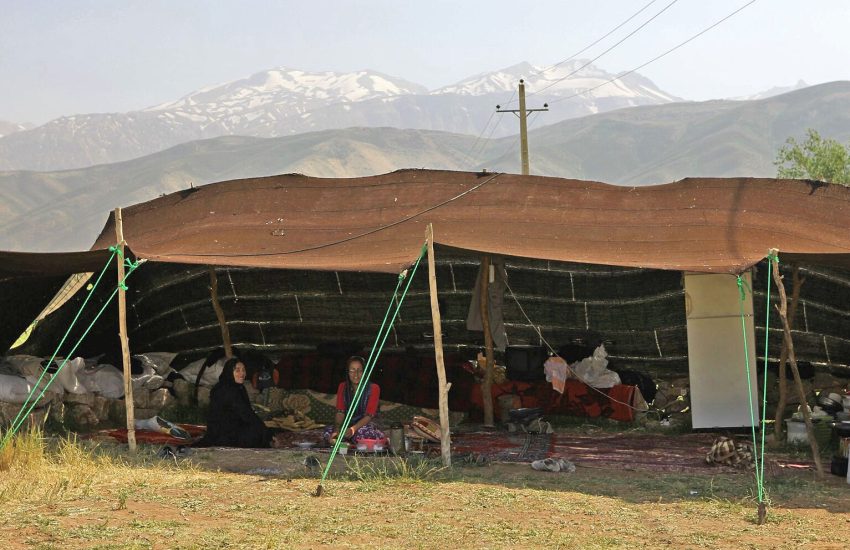
Across the mountains and plains of Fars in southern Iran move the Qashqai, one of the last great nomadic confederations of the Middle East. Turkic-speaking herders of sheep and goats, they drive their flocks each year between the high summer pastures of the Zagros and the warm winter lowlands toward the Gulf.Living in black goat-hair tents and united under their tribal khans, the Qashqai are famed above all for their carpets and bold gabbeh rugs, woven by women in wool from their own flocks. Though the modern state long sought to settle them, the Qashqai carry their proud pastoral heritage and their vivid culture into the present.
The Qashqai on Film
Contents
- Origins
- The Name
- The Language
- The Homeland
- The Old Way of Life
- Society and Community
- Religion and Belief
- Traditions
- Crafts
- Food
- Festivals
- History
- Today
Origins
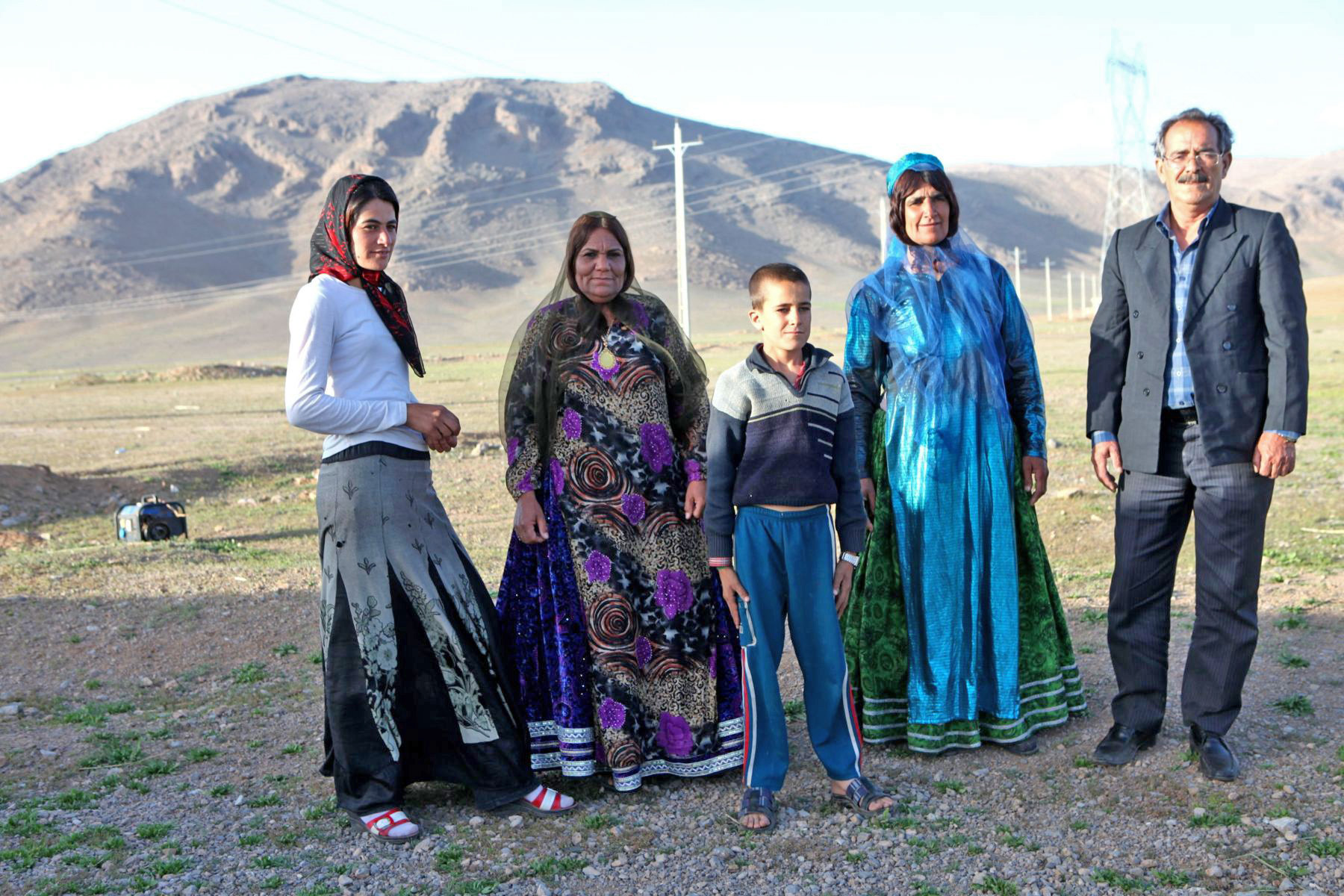
The Qashqai are a Turkic-speaking people of southern Iran, one of the great nomadic pastoral confederations of the Middle East. Their heartland is the province of Fars, around the city of Shiraz, across whose mountains and plains they have long driven their flocks between the highlands and the coast.
A confederation of many tribes, the Qashqai are thought to descend from Turkic peoples who moved into the region over the centuries, blending with the older population of the Zagros. They became famous as herders, warriors and weavers, a mobile people whose seasonal migrations were among the last great nomadic movements of the region.
The Name

The people are known as the Qashqai, a name applied to the whole confederation of tribes, which includes such groups as the Kashkuli, the Darrehshuri, the Shesh Boluki and the Farsimadan. Each tribe has its own identity within the larger Qashqai whole.
The Qashqai are concentrated in the province of Fars in southern Iran, with the great city of Shiraz at the heart of their country. Their migrations carry them from the high Zagros mountains in summer down to the warmer lowlands toward the Persian Gulf in winter, across a wide and varied territory.
The Language

The Qashqai speak Qashqai, a Turkic language of the Oghuz branch, closely related to Azerbaijani and to Turkish, distinct from the Persian spoken by most of their neighbours. Their language marks them as a Turkic island in a largely Persian-speaking region.
Rich in the poetry and song of a pastoral people, the Qashqai language carries the oral traditions of the tribes. Most Qashqai also speak Persian, the national language of Iran, but their own Turkic tongue remains a strong marker of Qashqai identity.
The Homeland

The Qashqai homeland spans a great range of country in the province of Fars, from the high summer pastures of the Zagros mountains, cool and green, to the warm lowland plains toward the Gulf where the flocks winter. Between these lay the long migration routes that defined Qashqai life.
This is a land of dramatic contrasts, of snow-capped peaks and hot plains, of rich spring meadows and dry summer lowlands. The Qashqai knew every stage of the route between them, and their whole way of life was shaped by the yearly journey across this varied and demanding landscape.
The Old Way of Life

The Qashqai were nomadic pastoralists, herding great flocks of sheep and goats, from which they drew meat, milk, wool and hides. Twice a year they undertook the kuch, the migration between summer and winter pastures, moving in long columns of people, animals and baggage across the mountains, one of the epic sights of pastoral Iran.
They lived in tents woven of black goat hair, easily struck and carried, and their wealth was measured in their flocks. This life of herding and migration, ordered by the seasons and the tribe, sustained the Qashqai for generations and gave their culture its distinctive character.
Society and Community
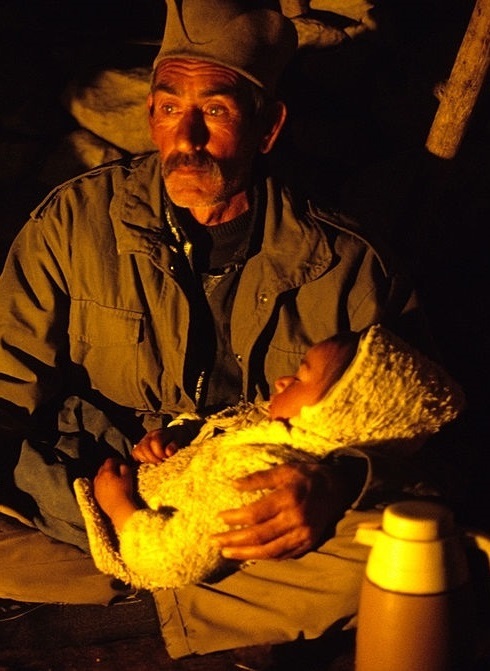
Qashqai society was organised as a confederation of tribes, each divided into clans and sub-clans, and historically united under a paramount chief, the Ilkhani, drawn from the leading Shahilu family. Beneath him the tribal khans led their people, and the confederation could field a formidable armed force.
This strong tribal organisation gave the Qashqai the cohesion to resist outside control and to play a significant role in the affairs of southern Iran. Loyalty to the tribe and its leaders, and the bonds of kinship and migration, held Qashqai society together across the wide distances of their country.
Religion and Belief

The Qashqai are Shia Muslims, sharing the faith of the great majority of Iranians, and the rhythms of the Shia religious calendar mark their year. The shrines and mosques of Fars, above all in Shiraz, hold an important place in their devotion.
As a mobile pastoral people, the Qashqai practised their faith in the setting of the tent and the migration as much as the mosque, and older customs and beliefs mingled with orthodox Islam. Religion, kinship and the tribe together formed the framework of Qashqai life.
Traditions
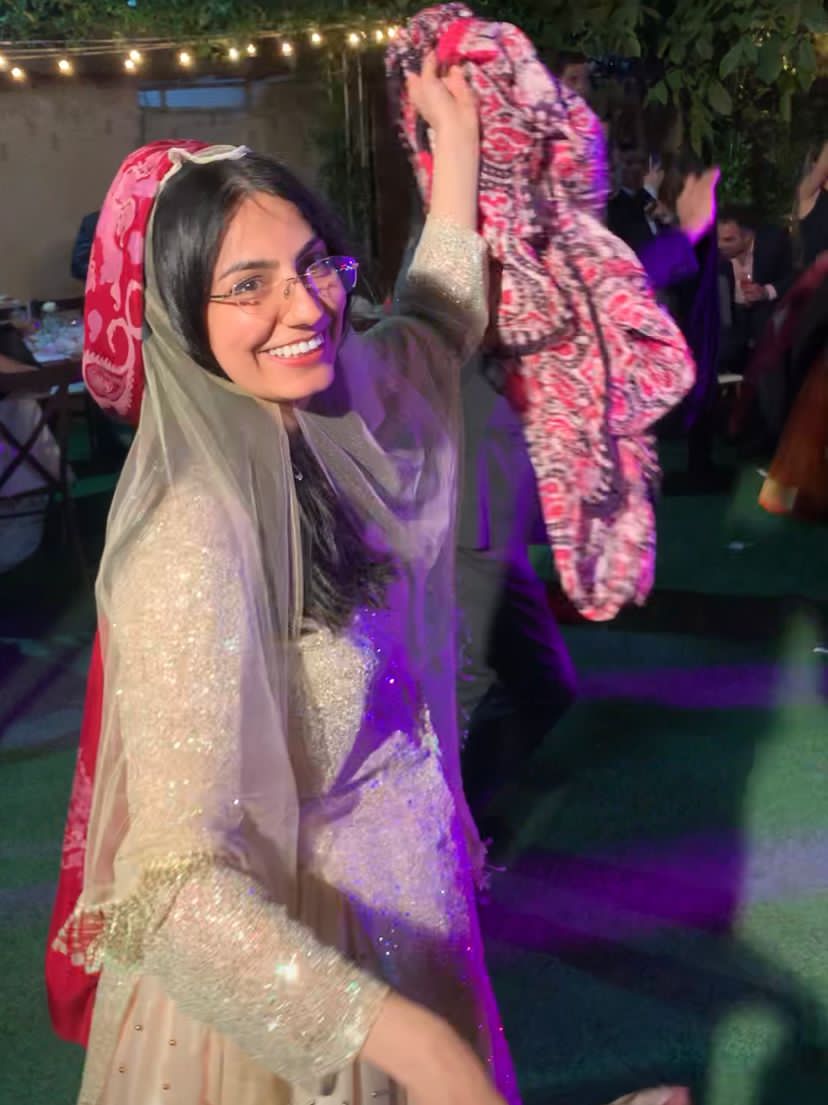
Qashqai tradition is rich in music, dance and celebration, above all at weddings, which are great occasions of festivity with dancing, music and the display of fine dress. The stick dance and the dancing of women in bright, layered costumes are among the striking sights of Qashqai celebration.
The colourful dress of the Qashqai women, with its layered skirts and ornaments, is itself a proud tradition, as are the songs and poetry of the tribes. Through music, dance and dress, and the ceremonies of the life cycle, the Qashqai express and sustain their vibrant culture.
Crafts
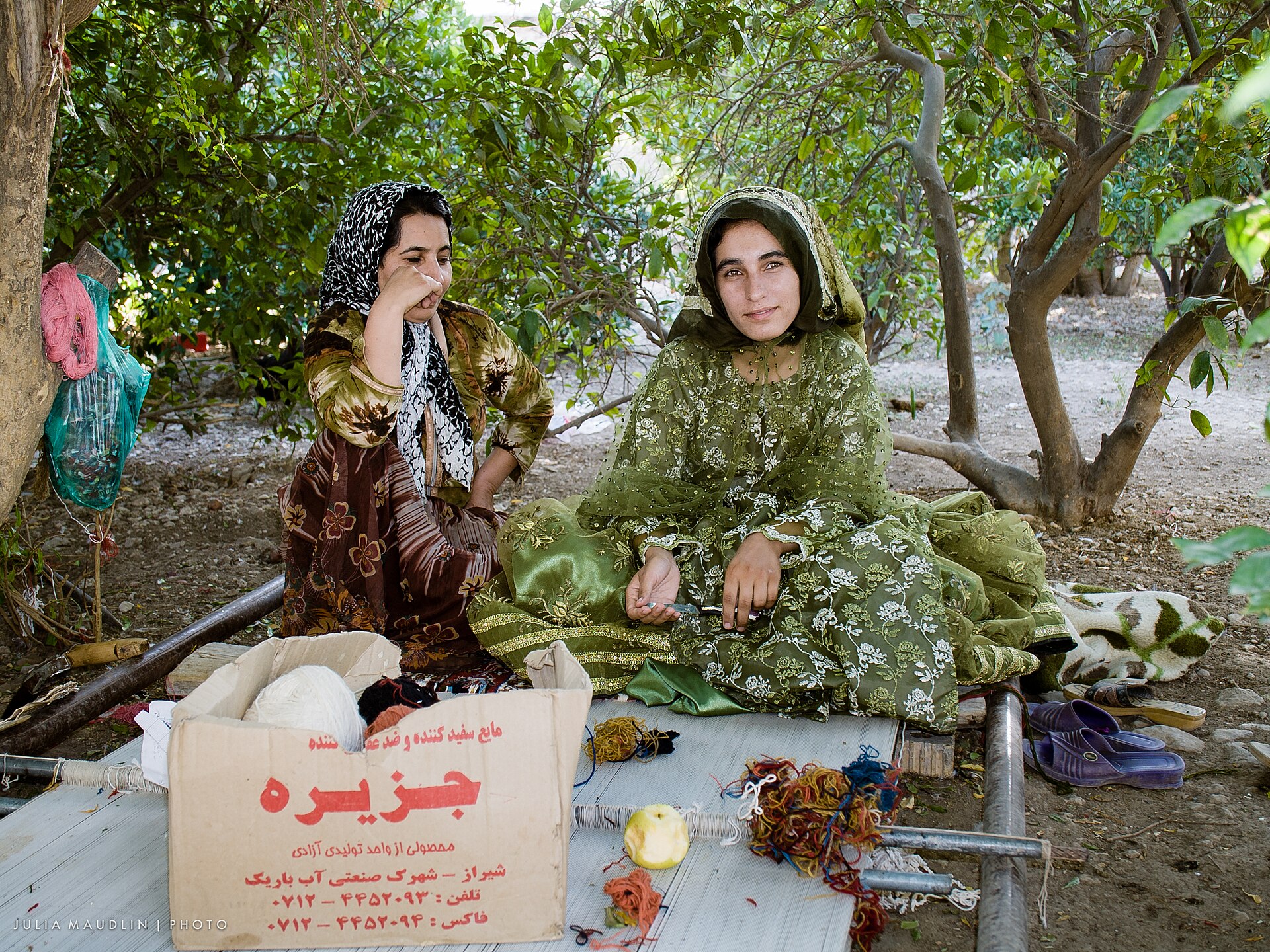
The Qashqai are among the most celebrated weavers in the world, and their pile carpets and the thick, boldly patterned rugs known as gabbeh are prized by collectors everywhere. Woven by women on portable looms, in wool from the tribe’s own flocks and coloured with natural dyes, they display striking tribal designs.
Qashqai weaving draws on a rich vocabulary of motifs, from stylised animals and flowers to bold geometric forms, each carrying the traditions of the tribe. This art, carried on through the migrations and passed from mother to daughter, is the supreme expression of Qashqai craftsmanship.
Food

The food of the Qashqai reflects their pastoral life, built on the products of the flock, milk, yoghurt, butter and cheese, together with meat, and on the bread baked fresh by the women over the fire. Rice, herbs and the produce obtained in trade round out the diet.
Bread and dairy were the mainstays of the migration, portable and nourishing, and the sharing of food, offered generously to guests, is central to Qashqai hospitality. This simple, hearty fare, drawn from the herd and the hearth, sustained the tribes on their long journeys.
Festivals
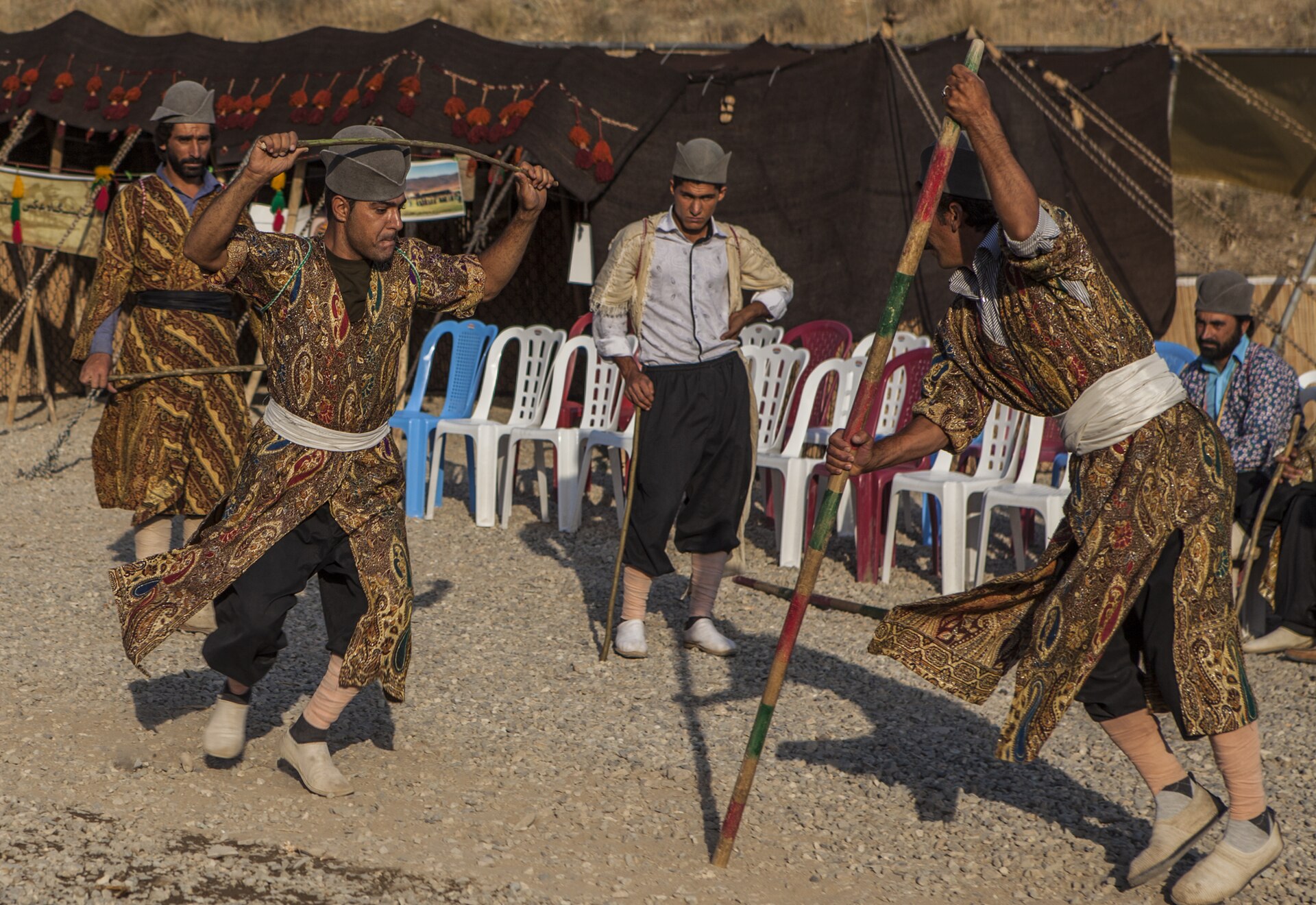
Qashqai communal life is marked by the celebrations of the life cycle, above all weddings, which bring the tribe together for days of music, dancing and feasting. These gatherings, held in the tents and pastures, are the great festive occasions of Qashqai life.
The rhythms of the migration itself, the gathering of the tribe for the journey and the arrival at the new pastures, also punctuated the year. Through these celebrations and the customs that surround them, the Qashqai reaffirm the bonds of family and tribe.
History

The Qashqai rose to prominence as a powerful tribal confederation in southern Iran, playing a significant role in the politics and conflicts of the region over the past few centuries. Their armed strength and organisation made them a force that governments in distant Tehran had to reckon with.
In the twentieth century, under Reza Shah, the Iranian state sought to force the nomads to settle and to break the power of the tribes, and the Qashqai suffered greatly, though they resisted and at times rose in revolt. The pressures of modernisation, land policy and settlement have since transformed their way of life, though the Qashqai identity has endured.
Today

Today many Qashqai have settled in villages and towns across Fars, while others continue, in reduced numbers, the seasonal migration that defined their ancestors. Modern life, education and the economy have drawn many away from the tents and the flocks, yet a strong sense of Qashqai identity remains.
The Qashqai language, the famous carpets and gabbeh, the colourful dress and the memory of the great migrations continue to anchor the identity of the people. One of the last of the great nomadic confederations of Iran, the Qashqai carry a proud pastoral heritage into the modern age.
Related Peoples of the Region
- People of the Carpet and the Golden Horse, the Story of the Turkmen
- The Kabardians, Circassian Horsemen of the North Caucasus
- People of the High Mountains, the Story of the Hazaras of Afghanistan
- Guardians of the Passes, the Story of the Pashtuns of Afghanistan and Pakistan
- People of the Arid Frontier, the Story of the Baloch
- The Marsh Arabs, People of the Mesopotamian Wetlands
- The Samaritans, the Ancient Keepers of Mount Gerizim
- The Mandaeans, the Last of the Ancient Gnostics
More Peoples of the World
- A Fifth of Humanity, the Story of the Han Chinese
- How the Maori Sailed Across the Pacific to Reach New Zealand
- Zulu of the Green Hills and Their Kingdom Forged by Shaka
- The People Who Never Vanished, the Story of the Maya
- Long Before the Arabs Came, North Africa Belonged to the Amazigh
- The People Who Emerged Into This World, the Story of the Navajo
- Meet the Ainu, an Indigenous People at Japan’s Northern Edge
You May Like
The Zaza, a Mountain People of Eastern Anatolia