In the Uele basin of the northeastern Congo, on the northern edge of the great rainforest, live the Mangbetu, a people famed for one of the most refined court cultures in Central Africa. Speakers of a Central Sudanic language, they built in the nineteenth century a kingdom whose art and elegance astonished the first Europeans to reach it.The Mangbetu are remembered for the graceful elongated heads and fanned coiffures of their elite, echoed in the human-headed harps and pots that made their art world-famous, and for the court of King Munza described by the explorer Schweinfurth. Though their kingdom is long gone, the Mangbetu carry a distinguished heritage into the modern Congo.
The Mangbetu on Film
Contents
- Origins
- The Name
- The Language
- The Homeland
- The Old Way of Life
- Society and Community
- Religion and Belief
- Traditions
- Crafts
- Food
- Festivals
- History
- Today
Origins

The Mangbetu are a people of the northeastern Democratic Republic of the Congo, living in the Uele river region around the town of Isiro. They speak a Central Sudanic language, which sets them apart from the Bantu peoples to their south and the Ubangian-speaking Zande to their north, marking them as a distinct element in the mosaic of the region.
In the early nineteenth century a ruling group welded together many local peoples into the Mangbetu kingdom, so that, as with the neighbouring Zande, Mangbetu identity became partly a matter of political allegiance. Under their kings the Mangbetu built a centralised state famous for the sophistication of its court.
The Name

The name Mangbetu refers both to the people and to their language, though the kingdom gathered many groups of different origins under Mangbetu rule and speech. The people became widely known in Europe through the accounts of nineteenth-century explorers, who were struck by their art and their courtly refinement.
The Mangbetu heartland lies in the Uele basin of the northeastern Congo, with the town of Isiro, once called Paulis, at its centre. Here the kingdom flourished, and here the Mangbetu remain concentrated today within the wider Congolese nation.
The Language
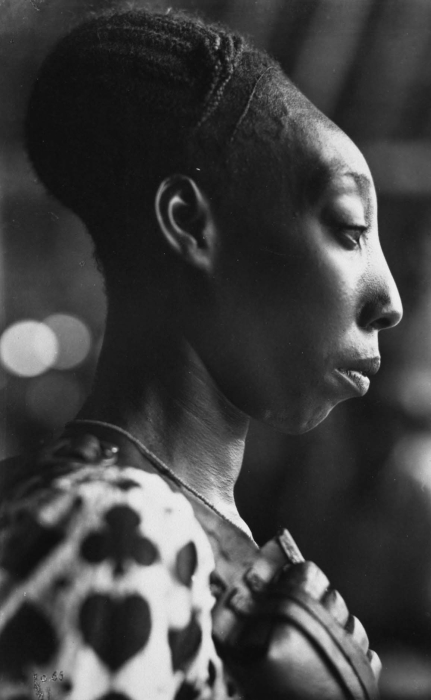
The Mangbetu speak Mangbetu, a Central Sudanic language, a family whose presence this far south is unusual and points to ancient migrations from the north. The language spread with the kingdom, adopted by the varied peoples brought under Mangbetu authority.
Rich in the vocabulary of court and craft, Mangbetu carried the oral traditions and praise of the kingdom. Today the people also use Lingala, Swahili and French, the languages of the wider Congo, but Mangbetu remains a marker of their distinct identity in the northeast.
The Homeland
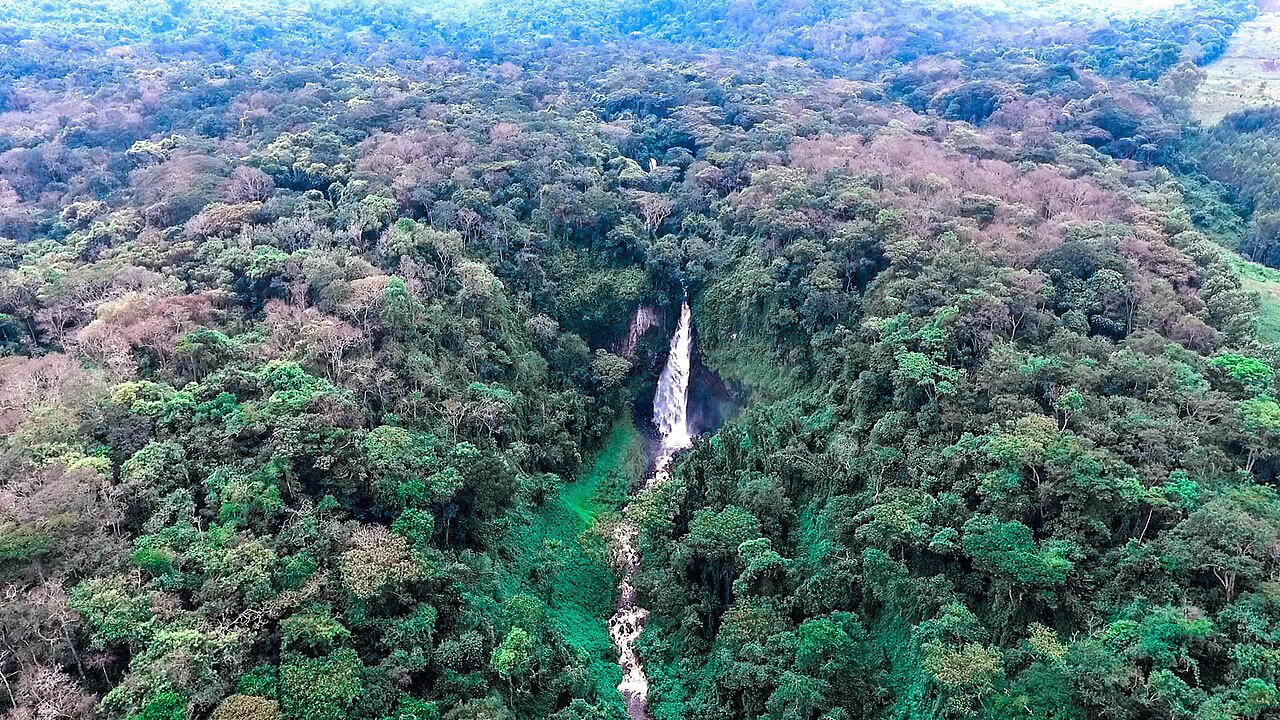
The Mangbetu homeland is a country of rainforest and wooded savanna in the Uele basin, on the northern fringe of the great Congo forest. Rivers thread the land, and the fertile soils and abundant game supported both farming and a wealthy court.
This position, between the deep forest to the south and the savanna to the north, gave the Mangbetu access to the products of both worlds, from forest ivory and game to the crops of the open country. Their location also placed them on the routes by which traders and explorers reached the interior.
The Old Way of Life
The Mangbetu were farmers of the forest edge, cultivating bananas, plantains, oil palm, cassava and other crops, and supplementing their diet with hunting and fishing. The productive land sustained a dense population and freed the elite for the arts and administration of the court.
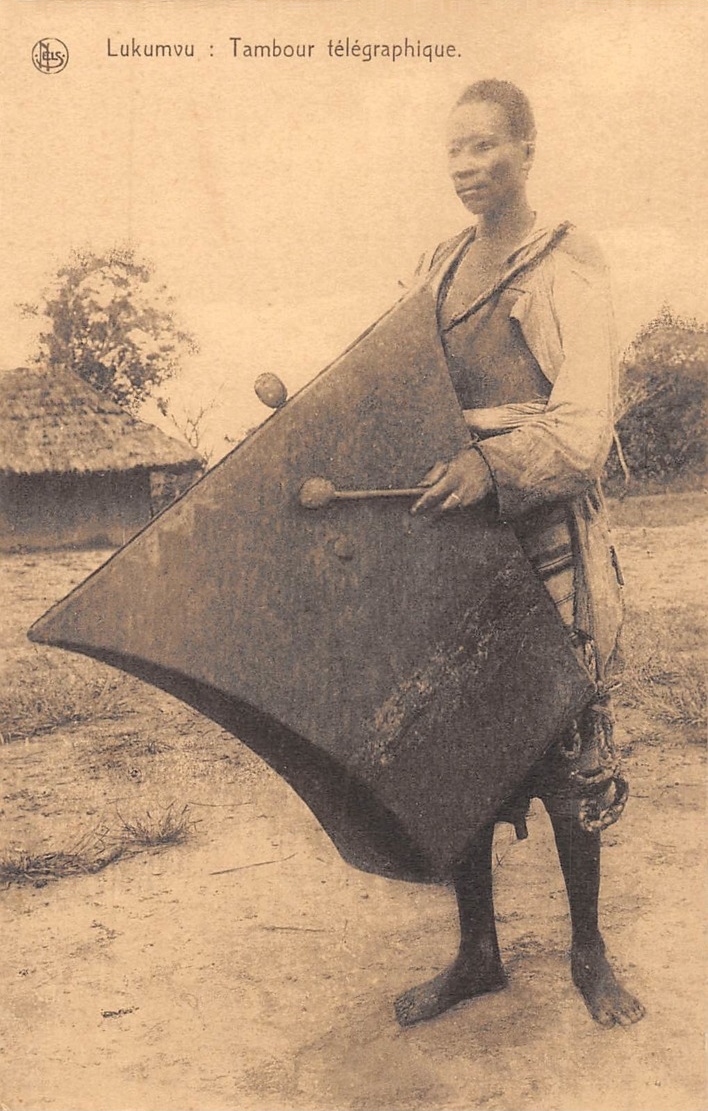
Ivory, iron and craft goods flowed through the kingdom, and the great slit drums of the Mangbetu carried messages across the forest. Above the farming villages stood the structures of the state, sustained by the tribute and labour owed to the kings and nobles.
Society and Community
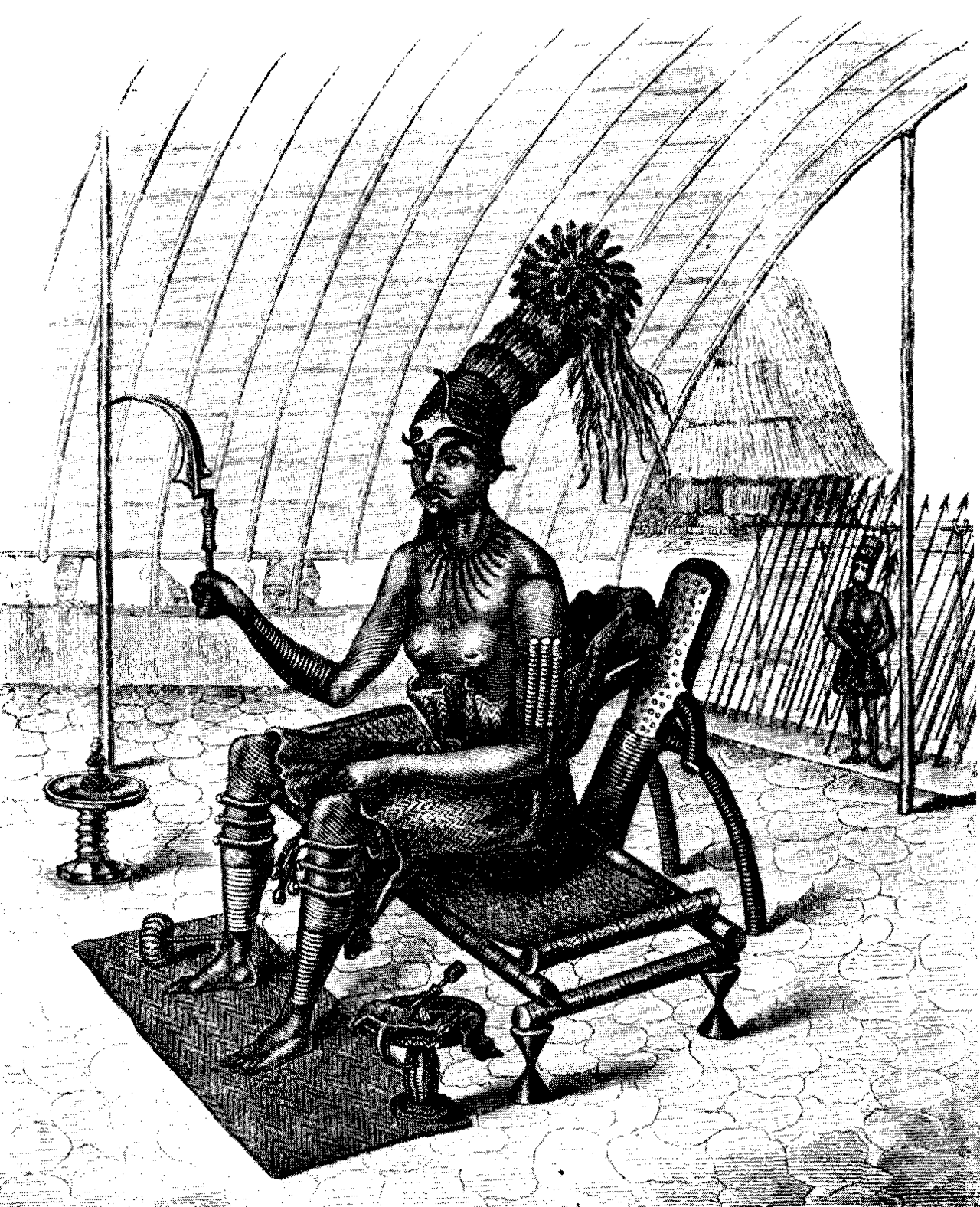
Mangbetu society was organised as a kingdom under a king and an aristocracy who ruled over subject peoples of varied origin. The court was a centre of power, wealth and art, and the king surrounded himself with musicians, craftsmen and a large retinue that impressed the first European visitors.
The greatest of the kings known to the outside world was Munza, whose court the explorer Georg Schweinfurth visited in 1870 and described in vivid detail, marvelling at its architecture, its music and its refinement. Beneath the aristocracy, commoners farmed the land and owed service to their rulers.
Religion and Belief
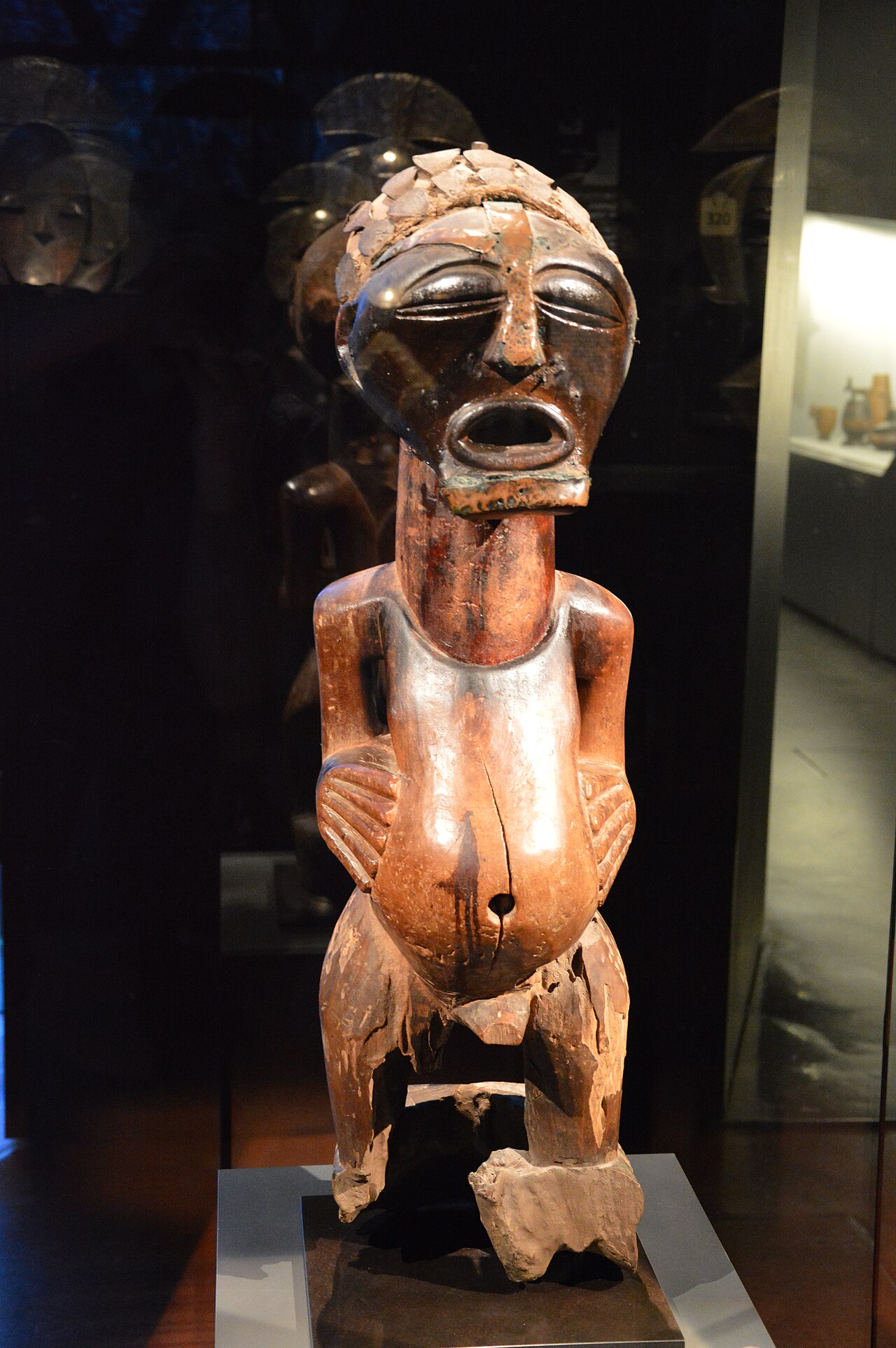
Traditional Mangbetu religion centred on ancestral spirits and on ritual specialists who mediated with the unseen world, healed the sick and protected the community. Carved figures and charms played a part in these practices, and the court itself had a sacred dimension bound up with the person of the king.
From the colonial period Christianity spread through the region, and many Mangbetu are now Christian. Older beliefs in spirits and in the power of ritual objects have not disappeared, however, and continue to shape ideas of health, fortune and misfortune.
Traditions
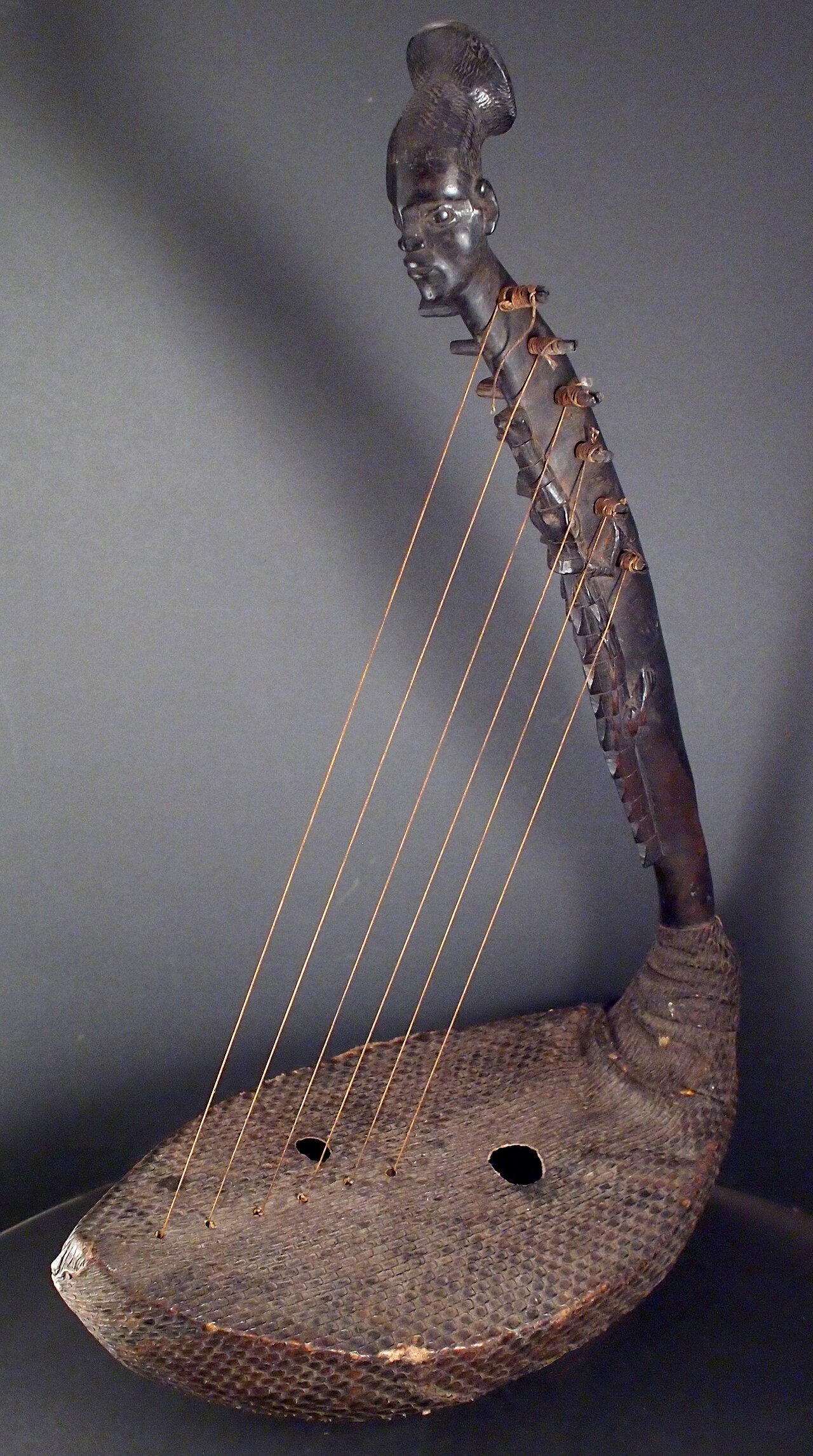
The Mangbetu are celebrated for their art and their court culture, above all for a distinctive aesthetic of the elongated head. Infants of the elite had their heads gently bound to produce a graceful, tapered shape, which was then crowned with a fanned halo of hair over a basketry frame, a look echoed in Mangbetu sculpture.
Music and dance were central to court life, performed on harps, drums and horns, and the great ceremonies of the kingdom drew crowds of performers. Through these traditions of art, adornment and music the Mangbetu expressed the refinement for which they became famous.
Crafts

Mangbetu craftsmanship is among the most admired in Central Africa, especially the anthropomorphic art in which harps, pots, boxes and knife handles are surmounted by heads showing the elongated form and coiffure of the elite. These objects, made both for the court and, later, for outside collectors, are prized in museums worldwide.
The Mangbetu were also fine metalworkers, forging the sickle-shaped prestige knives and other blades for which they were known, and they produced pottery, basketry and carved wood of high quality. This artistry, tied to the wealth of the court, gave Mangbetu craft its distinctive elegance.
Food
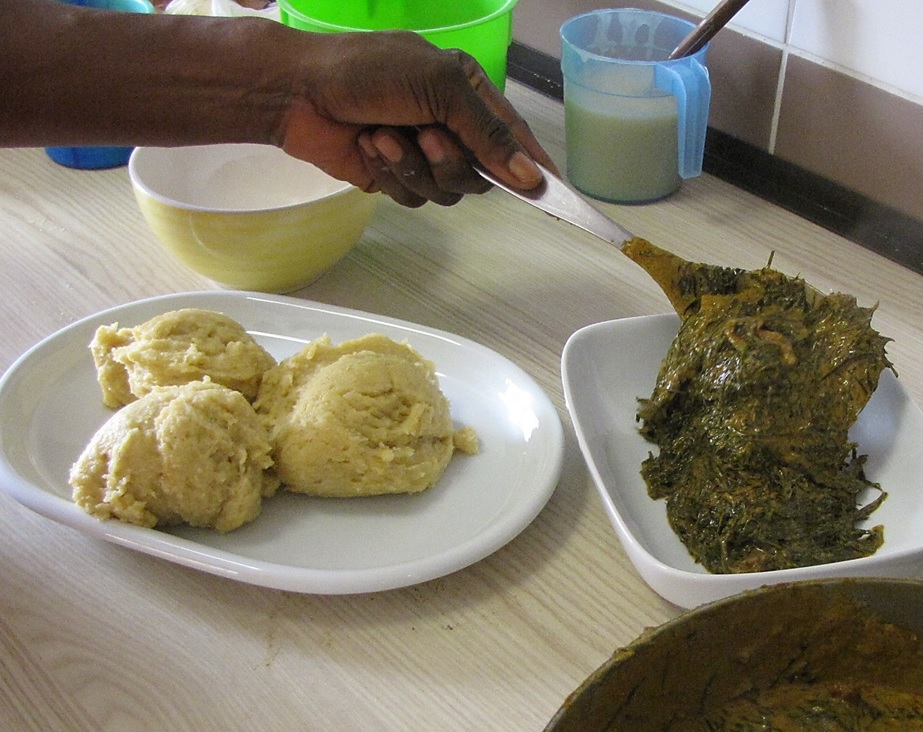
The Mangbetu table is built on bananas and plantains, cassava and oil palm, prepared as porridges, doughs and stews and eaten with sauces and relishes. A dish such as fumbwa, a sauce of wild greens, served with fufu is typical of the wider Congo of which the Mangbetu are part.
Hunting and fishing add game and fish to the diet, and the produce of the forest and savanna enriches the everyday fare. Palm wine and locally brewed drinks accompany celebrations, and shared meals remain central to Mangbetu hospitality.
Festivals

The great occasions of Mangbetu life were once the ceremonies of the court, at which music, dance and the display of art and regalia celebrated the power of the king. Even after the fall of the kingdom, music and dance have remained central to Mangbetu celebration.
Today the Mangbetu share in the festive and religious life of the Congo, from church celebrations to community gatherings, while sustaining their own songs, dances and customs. These occasions reaffirm community bonds and carry the traditions of the Mangbetu to new generations.
History

The Mangbetu kingdom arose in the early nineteenth century, unified by the ruler Nabiembali, and reached its height under kings such as Munza, whose court dazzled the explorer Schweinfurth in 1870. The kingdom controlled the trade of the Uele region and cultivated an art and court culture of remarkable sophistication.
In the later nineteenth century the Mangbetu were caught between Arab slave and ivory traders from the east and the advance of colonial powers, and their kingdom was drawn into the Congo Free State and then Belgian Congo. Their courts lost their power, but the fame of Mangbetu art carried their name around the world.
Today
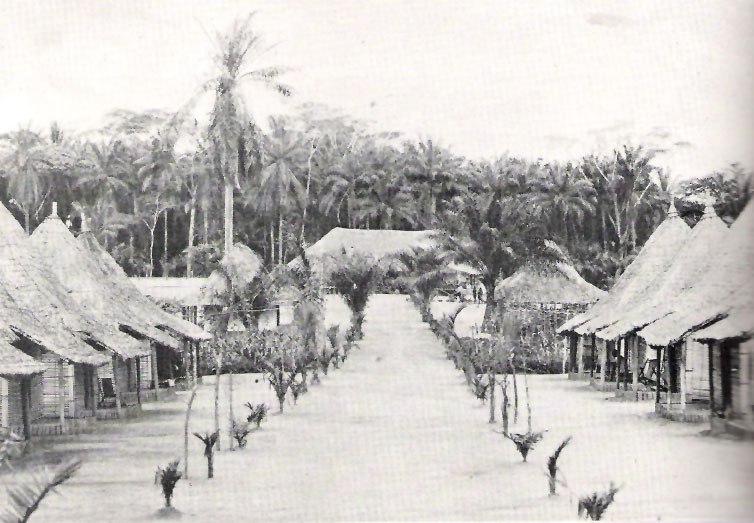
Today the Mangbetu live in the northeastern Congo around Isiro and the Uele region, most of them farmers within the modern Congolese state. The kingdom is long gone, and the old practice of head-shaping has faded, but the memory of the courts and the fame of Mangbetu art endure.
Like their neighbours, the Mangbetu have suffered from the instability that has afflicted the eastern Congo, yet they preserve their language, music and traditions. Heirs to one of the most refined court cultures of Central Africa, the Mangbetu carry a distinguished heritage into the present day.
Related Peoples of the Region
- The Mbundu, the People of Ndongo and Queen Njinga
- The Lunda, Empire Builders of Central Africa
- The Teke, the Plateau Kingdom of the Congo
- The Bamileke, the Grassfields People of Cameroon
- The Bamum, the Kingdom of Foumban and Sultan Njoya
- The Duala, the Coastal Traders of the Wouri
- The Baka, Forest People of Central Africa
- The Azande, the Kingdom of the Nile-Congo Divide
More Peoples of the World
- A Fifth of Humanity, the Story of the Han Chinese
- How the Maori Sailed Across the Pacific to Reach New Zealand
- Zulu of the Green Hills and Their Kingdom Forged by Shaka
- The People Who Never Vanished, the Story of the Maya
- Long Before the Arabs Came, North Africa Belonged to the Amazigh
- The People Who Emerged Into This World, the Story of the Navajo
- Meet the Ainu, an Indigenous People at Japan’s Northern Edge
You May Like

The Damara, an Ancient People of Namibia



