On the sandy plateaus north of Brazzaville, where the Congo River widens into the great lake of Malebo Pool, live the Teke, one of the oldest peoples of Central Africa. Their kingdom of Tio, ruled by the sacred Makoko, once commanded the trade between the interior and the Atlantic coast.Farmers and traders, sculptors of striking wooden figures and dancers of the flat circular Kidumu mask, the Teke left their mark on the history of the region. It was their king who in 1880 signed the treaty with de Brazza that gave the Congolese capital its name and opened the region to French rule.
The Teke on Film
Contents
- Origins
- The Name
- The Language
- The Homeland
- The Old Way of Life
- Society and Community
- Religion and Belief
- Traditions
- Crafts
- Food
- Festivals
- History
- Today
Origins
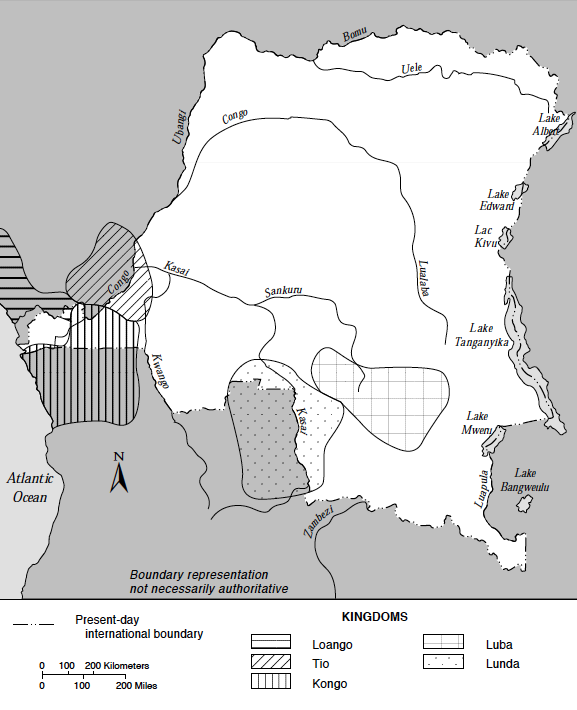
The Teke, also called the Bateke or Tio, are a Bantu people of Central Africa spread across the Republic of the Congo, the western Democratic Republic of the Congo and parts of Gabon. Their heartland is the great plateau north of Brazzaville that still bears their name, the Plateaux des Téké.
They are among the oldest established peoples of the region, and their kingdom, the Tio or Anziku state, was one of the earliest to arise in Central Africa. From their command of the plateau and of the Congo River at Malebo Pool, the Teke built a realm that controlled the trade between the interior and the coast.
The Name
The people are known variously as the Teke, Bateke or Tio, names that reflect both their own usage and that of their neighbours. Their kingdom was often called the Anziku or Tyo kingdom in early accounts, and its ruler bore the title Makoko, a name that would enter history through his dealings with the French.
The Teke homeland lies around and to the north of Brazzaville, the Congolese capital, which grew on the site where the Teke king received the French explorer de Brazza. Their communities extend across the borders into the Democratic Republic of the Congo and Gabon.
The Language
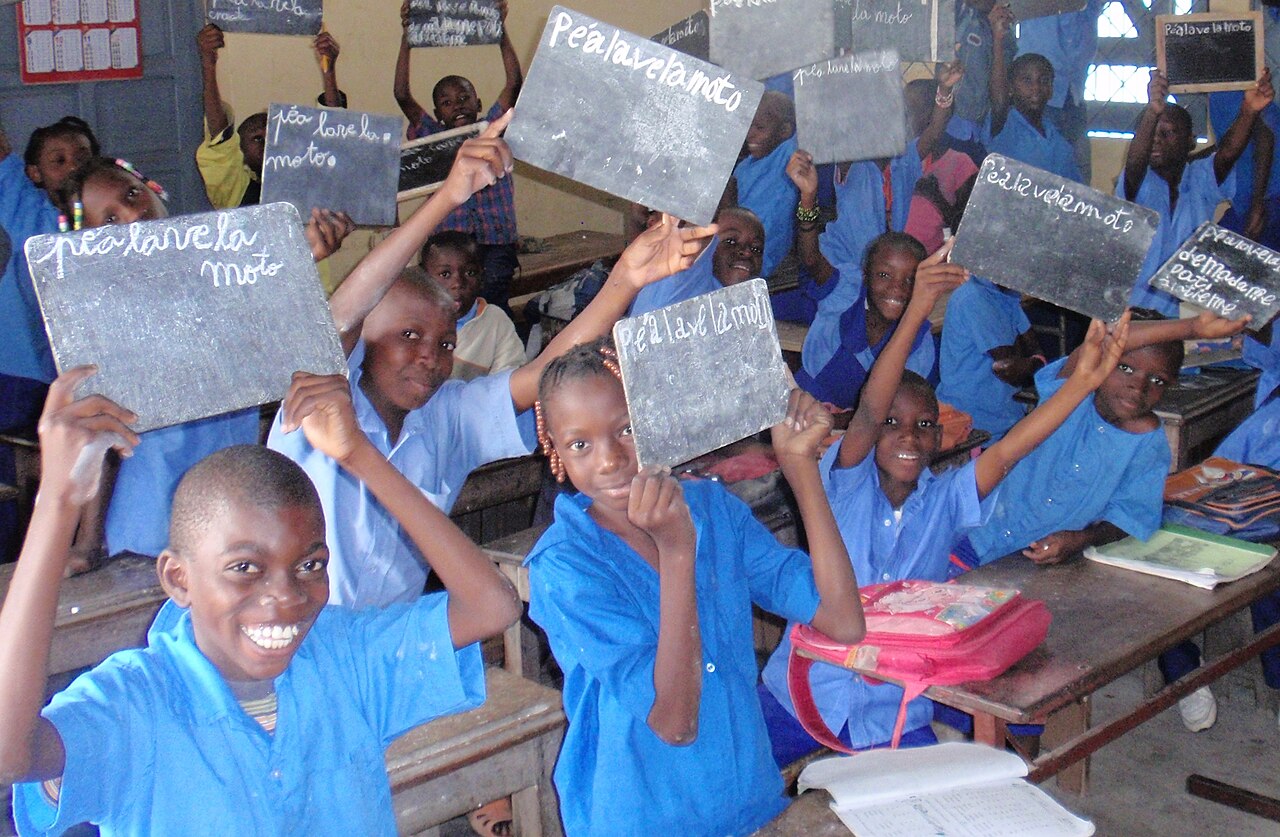
The Teke speak Kiteke, or Teke, a cluster of closely related Bantu languages and dialects spoken across their scattered communities. The variety of dialects reflects the wide spread of the Teke and the many local groups that make up the whole.
Living in French-speaking countries, the Teke use French for schooling, administration and wider communication, and in the towns Lingala and other national languages are also common. Kiteke nonetheless remains the language of home and tradition on the plateau.
The Homeland

The Teke homeland is the high plateau of central Congo, a country of open grassland and wooded valleys rising north of the Congo River. Its sandy soils and savanna vegetation shaped a way of life built on farming, hunting and trade rather than on the dense forest that lies to the north.
At the southern edge of this country the Congo River widens into the great lake known as Malebo Pool, a natural halt on the river where goods were transferred between the navigable upper river and the routes to the coast. Control of this crossing gave the Teke a commanding place in the commerce of the region.
The Old Way of Life

The Teke were farmers of the plateau, cultivating cassava as their staple along with maize, groundnuts and other crops, and supplementing their diet with hunting and fishing. The savanna environment favoured a mixed economy, and Teke villages combined cultivation with the pursuit of game.
Above this base the Teke were renowned traders. Their position at Malebo Pool made them middlemen in the long-distance commerce that linked the Atlantic coast with the interior, dealing in raffia cloth, copper, ivory and other goods. This trade brought wealth and influence to the Teke chiefs and kingdom.
Society and Community

Teke society was organised as a kingdom under the Makoko, a sacred ruler whose authority rested as much on ritual as on political power. Beneath him a hierarchy of lords and local chiefs governed districts and villages, each holding rights over land and people and linked to the king by ties of tribute and allegiance.
Central to Teke political and religious life were the nkobi, sacred baskets containing relics and charms that embodied the power of chieftaincy. Possession of these objects legitimised authority, and their guardianship bound the holders of office into the sacred order of the kingdom.
Religion and Belief

Traditional Teke religion recognised a high god together with a world of spirits, the nkira, associated with places, natural forces and ancestors. Ritual specialists and chiefs mediated with these powers, and carved figures and charms, including the well-known Teke power figures studded with magical substances, were used for protection, healing and success.
Christianity spread among the Teke under French rule, and many are now Christian, both Catholic and Protestant. Older beliefs in the nkira and in the power of ritual objects have not disappeared, however, and continue to shape ideas of health, fortune and authority.
Traditions
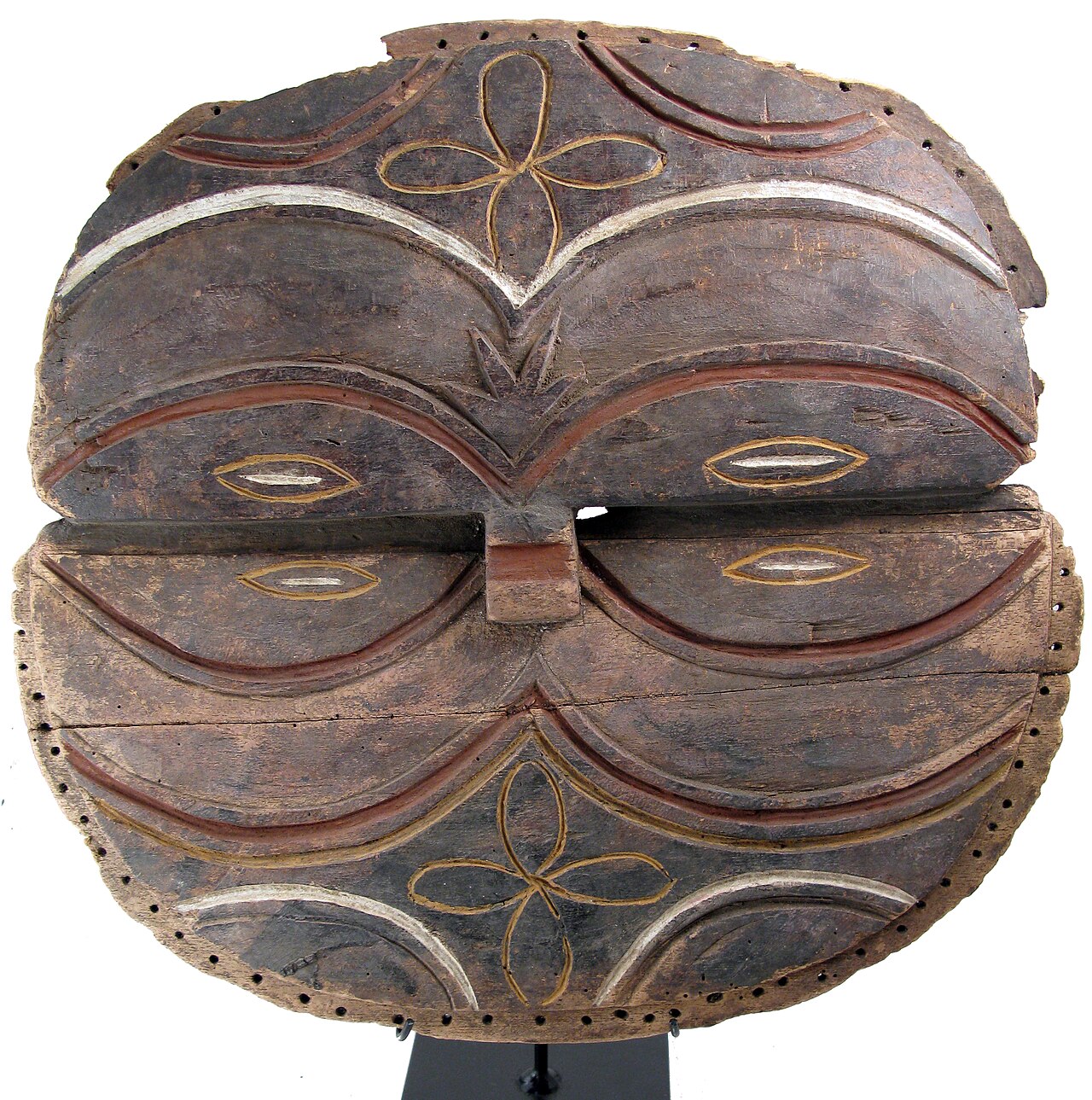
A celebrated Teke tradition is the Kidumu masquerade, in which a dancer wears a flat circular mask painted with bold geometric designs and performs acrobatic dances at funerals and important ceremonies. The mask, among the most distinctive in Central Africa, embodies spiritual forces and marks moments of communal significance.
Music, dance and oral tradition accompany the rites of the life cycle and the ceremonies of chieftaincy. Through these performances, and through the transmission of history and custom by word of mouth, the Teke sustain the identity of a people with deep roots in the plateau.
Crafts

The Teke are noted sculptors, and their carved wooden figures, often with finely striated faces and cavities filled with magical materials, are prized examples of Central African art. These figures served ritual and protective purposes and are held in museums and collections around the world.
Beyond figure carving, the Teke made masks, staffs and regalia of office, and worked with raffia to produce the woven cloth that once served as both clothing and currency in regional trade. Ironworking and other crafts supplied the tools and ornaments of daily life.
Food

Cassava is the foundation of the Teke diet, prepared as flour, dough or the leaf-wrapped loaves cooked and eaten across the Congo, and served with sauces and relishes. Maize, groundnuts and vegetables round out the everyday fare of the plateau.
Hunting and fishing add game and fish to the table, and wild plants are gathered in season. Palm wine and locally brewed drinks accompany celebrations, and shared meals remain central to Teke hospitality and community life.
Festivals

Teke communal life is marked by ceremonies tied to the rites of the life cycle, to chieftaincy and to the farming year, occasions on which music, dance and the appearance of masks bring communities together. Funerals of important figures in particular call forth the great masquerades.
The Teke also share in the wider festive life of the Congo, including traditional games and dances such as nzango, enjoyed at gatherings and celebrations. These events reaffirm community bonds and pass the customs of the Teke to new generations.
History
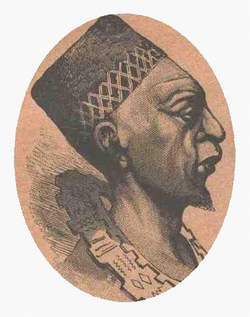
The Teke kingdom of Tio was among the most important states of Central Africa, controlling the trade of Malebo Pool and the plateau for centuries. Its greatest moment on the world stage came in 1880, when the Makoko, King Iloo I, signed a treaty with the French explorer Pierre Savorgnan de Brazza, placing his lands under French protection.
That treaty opened the way for French colonisation of the region and led to the founding of Brazzaville, named for the explorer, on the Teke side of the river. Under colonial and then independent rule the Teke kingdom lost its former power, though the Makoko and other chiefs retained their sacred and ceremonial standing.
Today
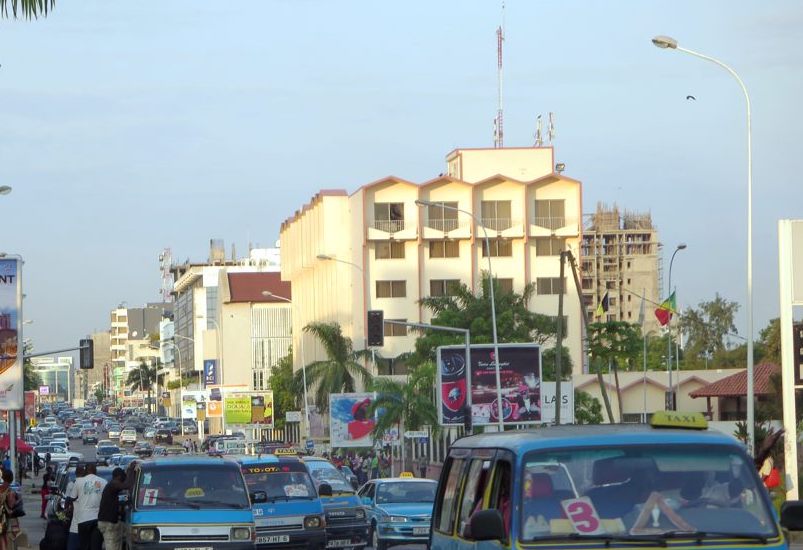
Today the Teke live across the Republic of the Congo, the Democratic Republic of the Congo and Gabon, many still farming the plateau while others have moved into Brazzaville and other cities. The capital that grew from the Makoko’s treaty now lies at the centre of Teke country, drawing many into urban life.
Teke chiefs, the Kidumu masquerade and the traditions of the plateau continue to express a distinct identity within the modern Congolese nations. Heirs to one of the oldest kingdoms of Central Africa, the Teke carry a long history into the present day.
Related Peoples of the Region
- The Lozi, the Floodplain Kingdom of the Zambezi
- The Bemba, the Largest People of Zambia
- The Chewa, the Masked Dancers of Malawi
- The Ngoni, the Nguni Migrants of Central Africa
- The Makua, the Largest People of Mozambique
- The Ovimbundu, the Highland Traders of Angola
- The Mbundu, the People of Ndongo and Queen Njinga
- The Lunda, Empire Builders of Central Africa
More Peoples of the World
- A Fifth of Humanity, the Story of the Han Chinese
- How the Maori Sailed Across the Pacific to Reach New Zealand
- Zulu of the Green Hills and Their Kingdom Forged by Shaka
- The People Who Never Vanished, the Story of the Maya
- Long Before the Arabs Came, North Africa Belonged to the Amazigh
- The People Who Emerged Into This World, the Story of the Navajo
- Meet the Ainu, an Indigenous People at Japan’s Northern Edge
You May Like
The Damara, an Ancient People of Namibia


One thought on “The Teke, the Plateau Kingdom of the Congo”