The Chewa, also called Nyanja, are the largest ethnic group in Malawi and a major people of eastern Zambia, Mozambique and Zimbabwe. Numbering many millions, they are a Bantu people of the country around Lake Malawi, and their language, Chichewa, is the national language of Malawi and a lingua franca of the region.Descended from the peoples of the old Maravi kingdom, which gave Malawi its name, the matrilineal Chewa are famous above all for the Gule Wamkulu, the great masked dance of the Nyau secret society, recognised as a treasured heritage of humanity. This article traces their origins, language, homeland, farming life and the customs that continue to define them.
The Chewa on Film
Contents
- Origins
- The Name
- The Language
- The Homeland
- The Old Way of Life
- Society and Community
- Religion and Belief
- Traditions
- Crafts
- Food
- Festivals
- History
- Today
Origins

The Chewa, also called Nyanja, are the largest ethnic group in Malawi and a major people of eastern Zambia, Mozambique and Zimbabwe. Numbering many millions, they are a Bantu people of the country around Lake Malawi and the central African plateau, and their language, Chichewa, is the national language of Malawi and a lingua franca of the region.
The Chewa descend from the peoples of the old Maravi kingdom, which flourished around Lake Malawi from the sixteenth century and gave the country of Malawi its name. Matrilineal farmers of maize and millet, and famous above all for the great masked dance of the Gule Wamkulu and the Nyau secret society, the Chewa are one of the central peoples of the region.
The Name

The people are called the Chewa, or, in a name shared with related groups, the Nyanja, meaning people of the lake. They are the core of a wider group of related peoples, including the Nyanja, the Mang’anja and others, who share the language and much of the culture.
Their identity is bound up with the Maravi heritage, with the country of Lake Malawi, and above all with the Nyau society and the Gule Wamkulu. The name Chewa denotes the largest people of Malawi and a major people of the region, whose language, spread through the country and beyond, is spoken far beyond their own numbers.
The Language
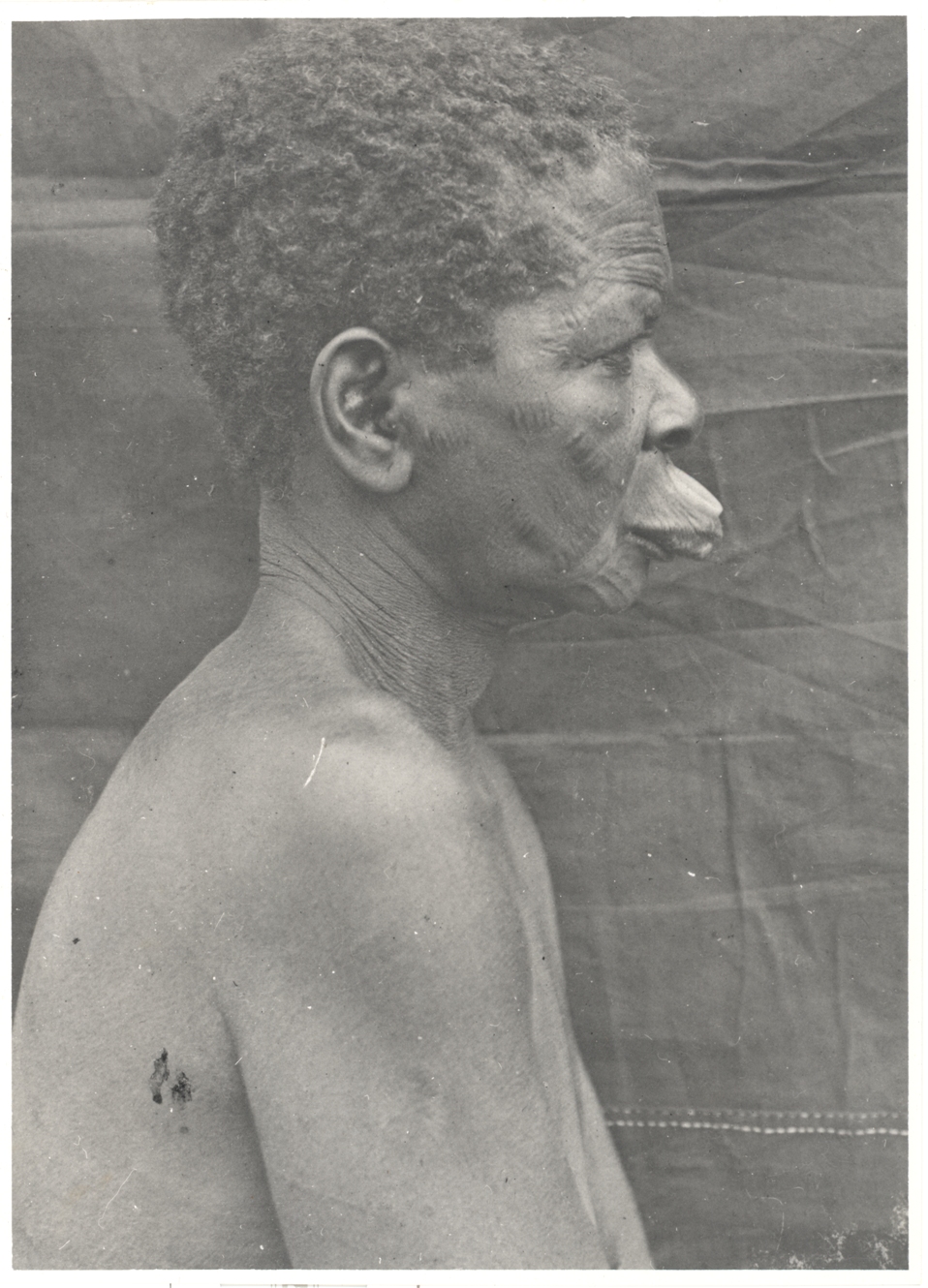
The Chewa speak Chichewa, also called Chinyanja, a Bantu language of the Niger-Congo family, and one of the most important languages of central-southern Africa. It is the national language of Malawi, spoken across the country and in eastern Zambia, Mozambique and Zimbabwe, and serves as a lingua franca for many peoples.
Rich in the proverbs, songs and lore of the Nyau and the traditions of the people, Chichewa is vigorous in daily life, in the churches and in the media. English is the other official language of Malawi, but Chichewa is the everyday language of the Chewa and of much of the region, and a central marker of their identity.
The Homeland
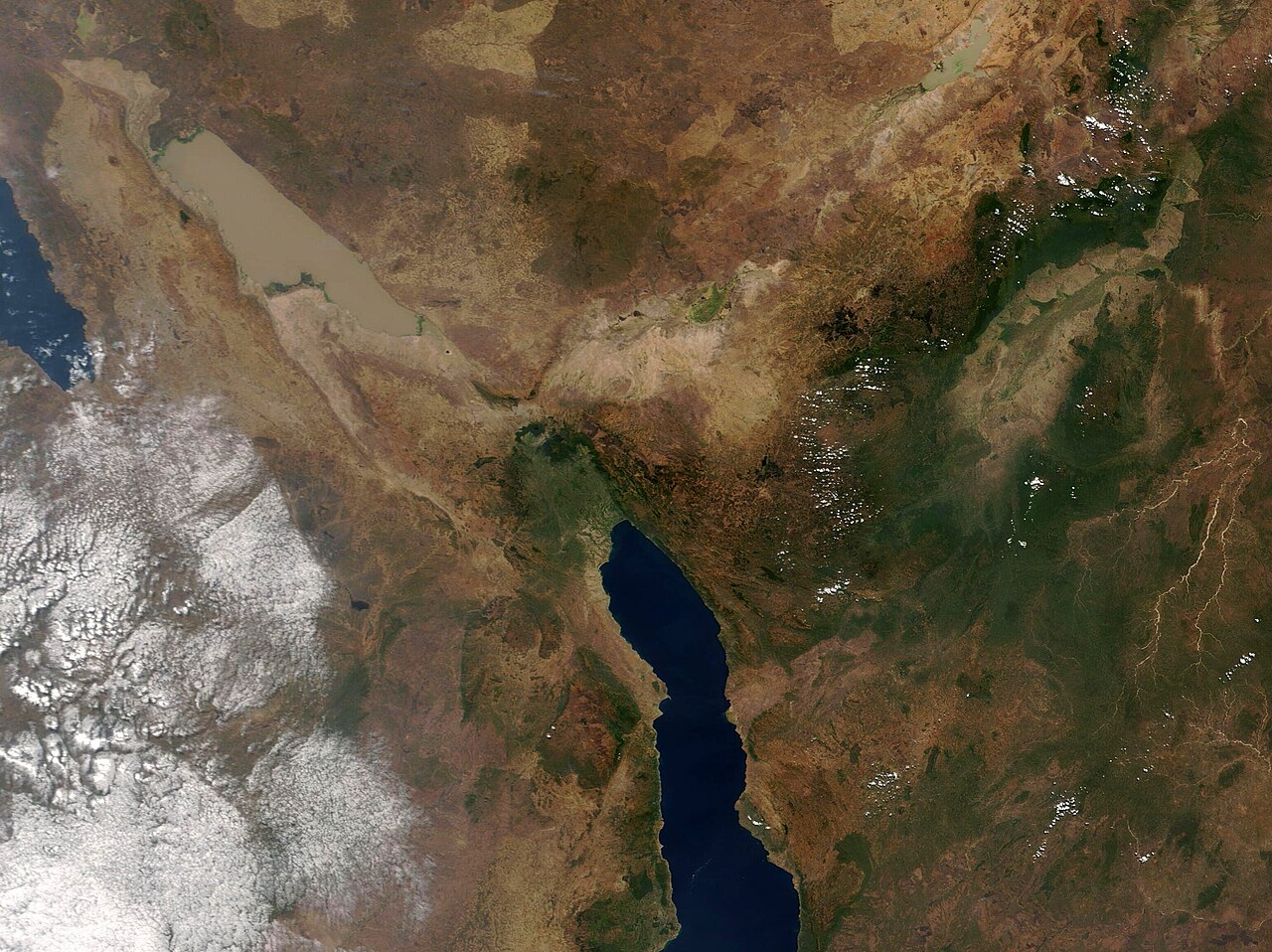
The Chewa homeland is the country around Lake Malawi and the central plateau, spread across Malawi and into eastern Zambia, Mozambique and Zimbabwe. It is a land of the great lake, wooded plateau, hills and river valleys, with a single rainy season, well suited to the farming of maize and other crops.
Lake Malawi, one of the great lakes of Africa, gives the region its character and its name for the people, the Nyanja, people of the lake, and provides fish and a livelihood for those on its shores. The plateau and the lakeshore, densely populated and intensively farmed, are the heart of the Chewa world, centred in Malawi on the capital, Lilongwe, and the central region.
The Old Way of Life
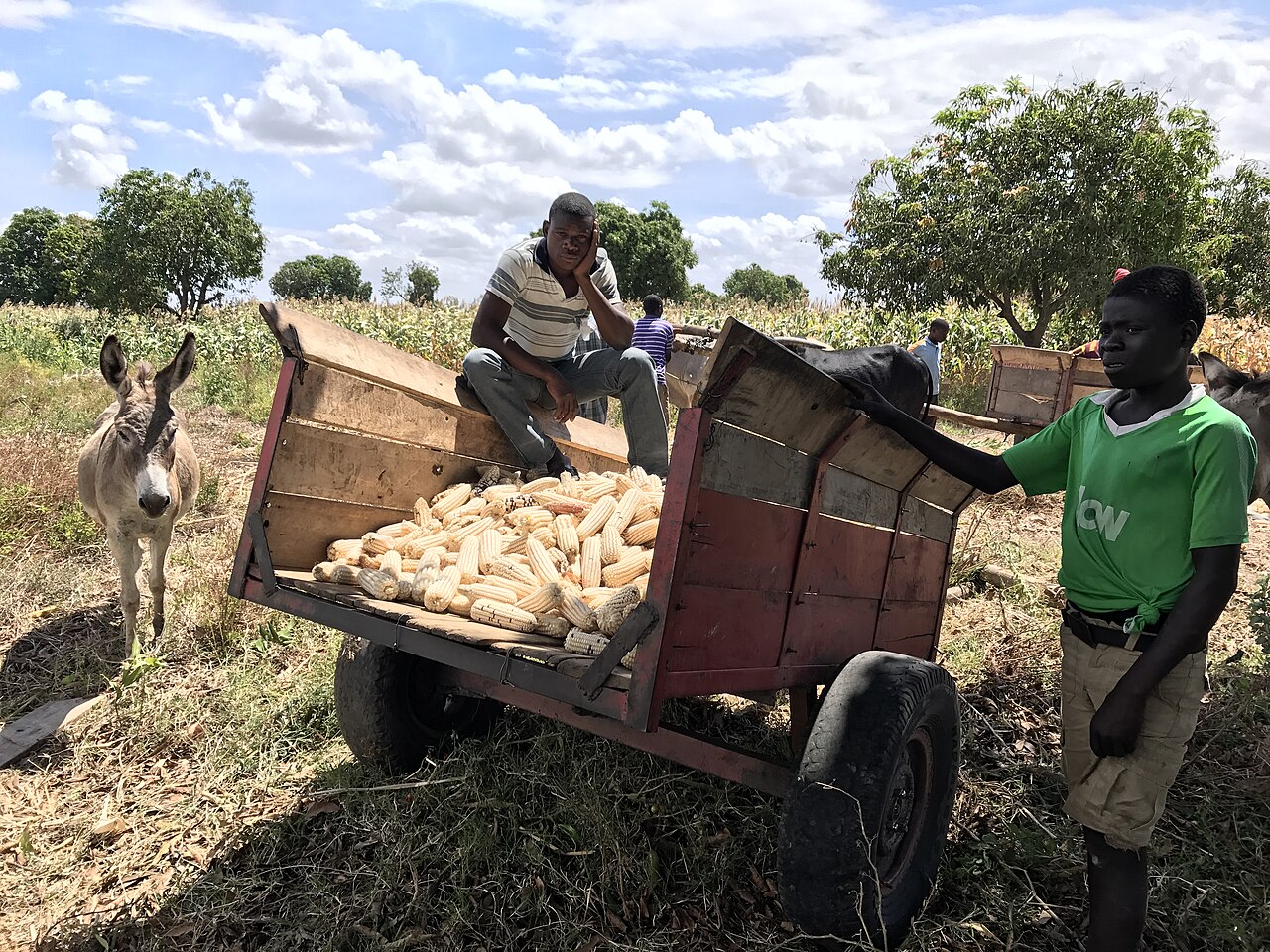
The Chewa are farmers, and maize is the foundation of their agriculture and their diet, grown across the plateau and the lakeshore, together with millet, sorghum, cassava, groundnuts, beans and a range of other crops. Along Lake Malawi and the rivers, fishing is important, and fish is a valued part of the diet.
Farming was traditionally organised around the matrilineage and the village, with the fertile soils of the plateau and the lakeshore supporting a dense population. Tobacco and other cash crops were added in the colonial and modern periods, and Malawi became a major tobacco producer. Farming, above all of maize, supplemented by fishing and cash crops, sustained the Chewa and remains the basis of life for most.
Society and Community
Chewa society is matrilineal, with descent, inheritance and residence traced through the mother’s line, so that a man traditionally went to live with his wife’s people, and the maternal uncle held authority over his sister’s children. Village headmen and chiefs, and, at the summit, the paramount chief the Kalonga, ordered the political life, a legacy of the Maravi kingdom.
The great institution of Chewa social and ritual life is the Nyau, the secret society of the men, into which they are initiated and which controls the masked dances and the mysteries of the Gule Wamkulu. The matrilineage, the village and the Nyau together ordered society, and marriage, kinship and the customs of the matrilineage and the Nyau governed the life of the Chewa.
Religion and Belief

Traditional Chewa religion recognised a creator, Chiuta or Chauta, associated with the sky and the rain, and honoured the ancestors, and it was bound up above all with the Nyau society and its masked spirits, which represent the dead, the ancestors and the spirit world. The Gule Wamkulu, the great dance, brought these spirits among the living at funerals and ceremonies.
The Nyau and its masks mediated between the community and the world of the dead and the spirits, and the rituals of the ancestors and the rain sought the wellbeing of the people and the land. Christianity spread widely among the Chewa from the colonial period, and most are now Christian, but the Nyau and the Gule Wamkulu remain powerful, often coexisting, sometimes in tension, with the church.
Traditions
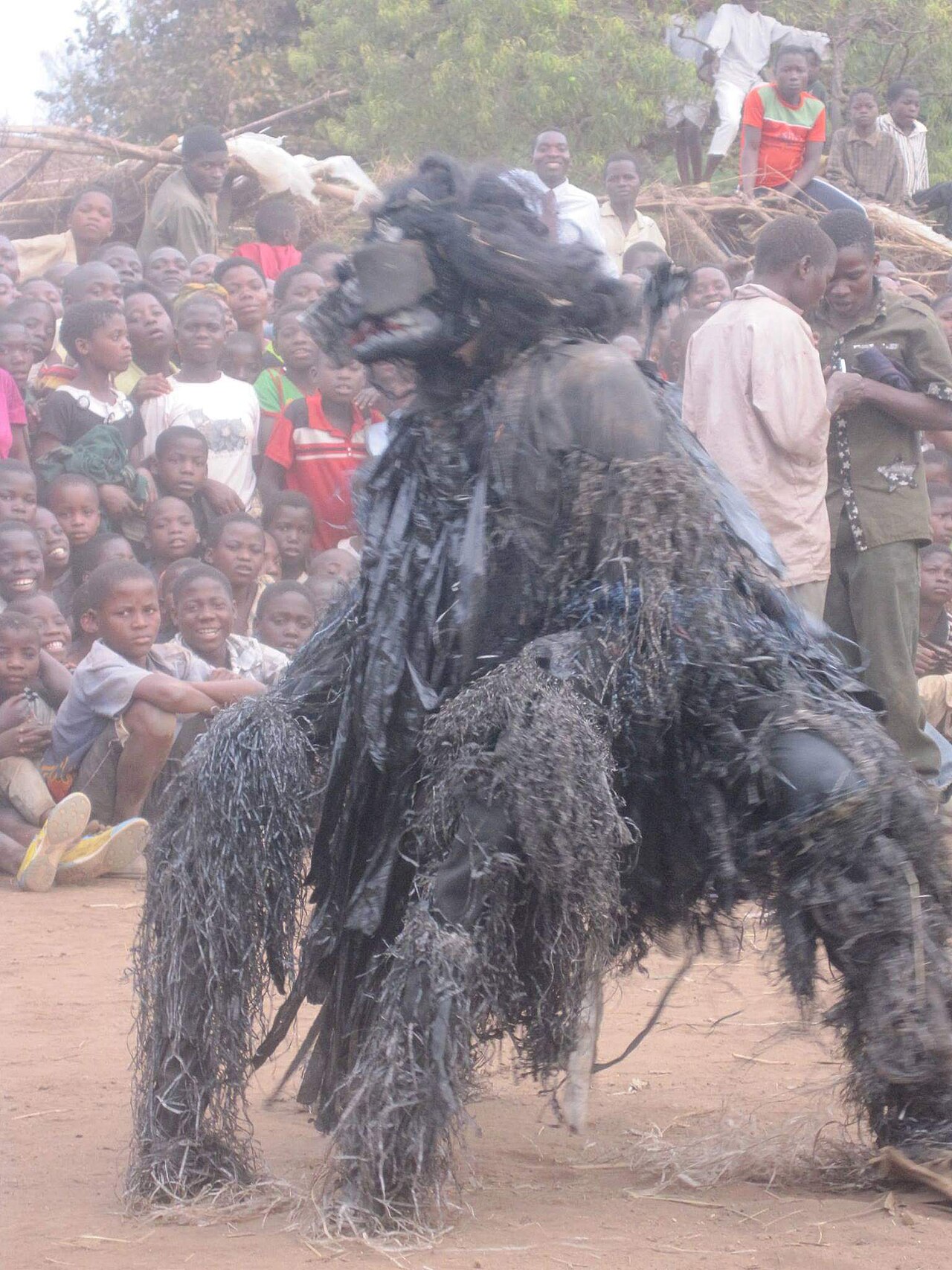
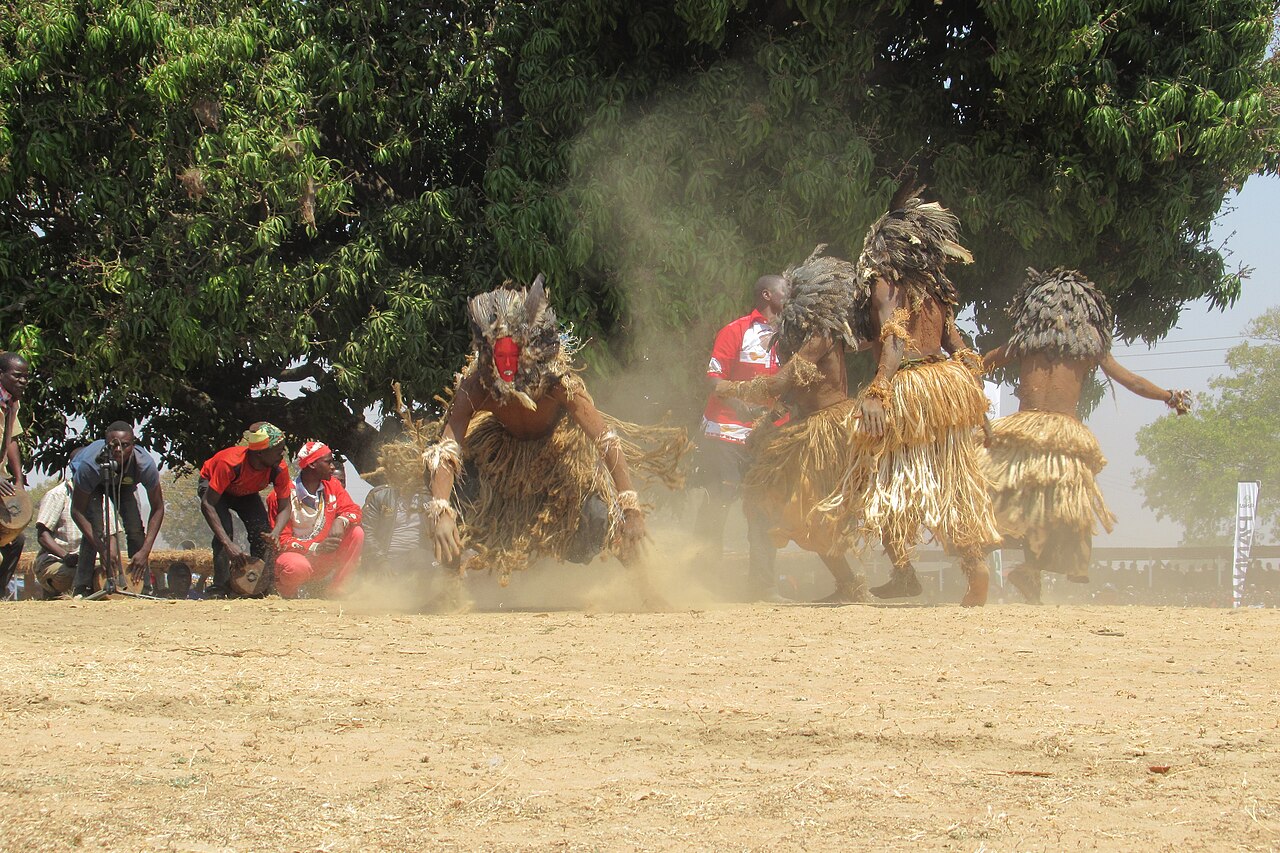
The great tradition of the Chewa is the Gule Wamkulu, the great dance, performed by masked and costumed members of the Nyau society, who represent spirits, ancestors, wild animals and a whole cast of characters, and who appear at funerals, at the end of the initiation of boys and girls, and at other ceremonies. Recognised as a treasured cultural heritage of humanity, the Gule Wamkulu is among the most remarkable masked traditions in Africa.
The masks and costumes, the drumming and the dance, and the secret knowledge of the Nyau, are central to Chewa culture. The ceremonies of the life cycle, above all funerals and initiations, and the customs of the matrilineage order the ritual life of the people. Music, drumming and the masked dance give Chewa tradition its unmistakable power and mystery.
Crafts

Chewa craftsmanship is bound up above all with the Nyau and the Gule Wamkulu. The making of the masks and costumes of the masked dancers, carved from wood or made of cloth, feathers, fibre and other materials to represent the many characters of the dance, is a specialised and secret art of great importance and inventiveness.
Beyond the masks, the Chewa make pottery, weave baskets and mats, and work wood and iron for the tools, vessels and household goods of daily life. Along the lake, the building of canoes and the making of nets and traps for fishing were valued crafts. The making of the drums for the dances, and the masks of the Nyau above all, reflect the ritual and artistic richness of the Chewa.
Food

The staple food of the Chewa is nsima, the stiff porridge made from maize flour, eaten at the heart of nearly every meal with relishes and stews of vegetables, beans, groundnuts, meat or, above all, fish. The porridge is rolled by hand and dipped into the accompanying relish, and a meal without nsima is scarcely considered a meal at all.
Fish from Lake Malawi and the rivers, especially the small fish and the prized chambo, is a central part of the diet, and vegetables, pulses and the leaves of various plants provide the relishes. Maize, groundnuts and the produce of the gardens fill out the food. Drawn above all from maize and fish, Chewa cooking reflects the farming and lakeshore life of the people.
Festivals

Festive life among the Chewa is dominated by the Gule Wamkulu and the ceremonies of the Nyau. Funerals, in particular, are great occasions, at which the masked spirits of the Nyau appear to dance, and the end of the initiation of the young and other ceremonies also bring out the Gule Wamkulu. These masked dances are the high points of Chewa ritual and festivity.
The ceremonies of the chiefs, above all the great Kulamba gathering at which the Chewa honour their paramount chief, and weddings and the rites of passage, bring communities together for music, dance and feasting. Today Christian festivals and national holidays join the older ceremonies, but the Gule Wamkulu and the ceremonies of the Nyau and the chiefs remain the unmistakable heart of Chewa festivity.
History

The Chewa descend from the peoples of the Maravi kingdom, which was founded around Lake Malawi from the sixteenth century by migrants said to have come from the Luba-Lunda world of the Congo, and which at its height controlled a wide territory and traded ivory and iron to the coast. The name Maravi survives in the modern name of Malawi.
After the decline of the Maravi kingdom, the Chewa suffered from the raids of the Ngoni and the Yao and the depredations of the slave trade in the nineteenth century, before coming under British colonial rule as the protectorate of Nyasaland. Through the colonial period and after independence in 1964, the Chewa became the dominant people of Malawi, and Chichewa was made the national language, giving them a central place in the nation.
Today

Today the Chewa are the largest people of Malawi and a major people of Zambia, Mozambique and Zimbabwe, numbering many millions, and prominent in the farming, politics and national life of Malawi above all. Maize farming and fishing continue as the basis of life, alongside the growing of tobacco and other crops and work in the towns.
The Gule Wamkulu and the Nyau society endure, celebrated as a treasured heritage, and the great Kulamba ceremony gathers the Chewa to honour their chief. Chichewa, the national language, is central to the life of Malawi. Proud of their Maravi heritage, their language and above all their masked dance, the Chewa carry their rich and distinctive culture into the modern life of the region.
Related Peoples of the Region
- The Tsonga, the Shangaan of the Southeastern Lowveld
- The Herero, the Cattle Herders of Namibia
- The Ovambo, the Largest People of Namibia
- The Nama, the Khoekhoe Herders of the Dry South
- The San, the First People of Southern Africa
- The Himba, the Ochre People of the Kunene
- The Lozi, the Floodplain Kingdom of the Zambezi
- The Bemba, the Largest People of Zambia
More Peoples of the World
- A Fifth of Humanity, the Story of the Han Chinese
- How the Maori Sailed Across the Pacific to Reach New Zealand
- Zulu of the Green Hills and Their Kingdom Forged by Shaka
- The People Who Never Vanished, the Story of the Maya
- Long Before the Arabs Came, North Africa Belonged to the Amazigh
- The People Who Emerged Into This World, the Story of the Navajo
- Meet the Ainu, an Indigenous People at Japan’s Northern Edge
You May Like

The Damara, an Ancient People of Namibia



