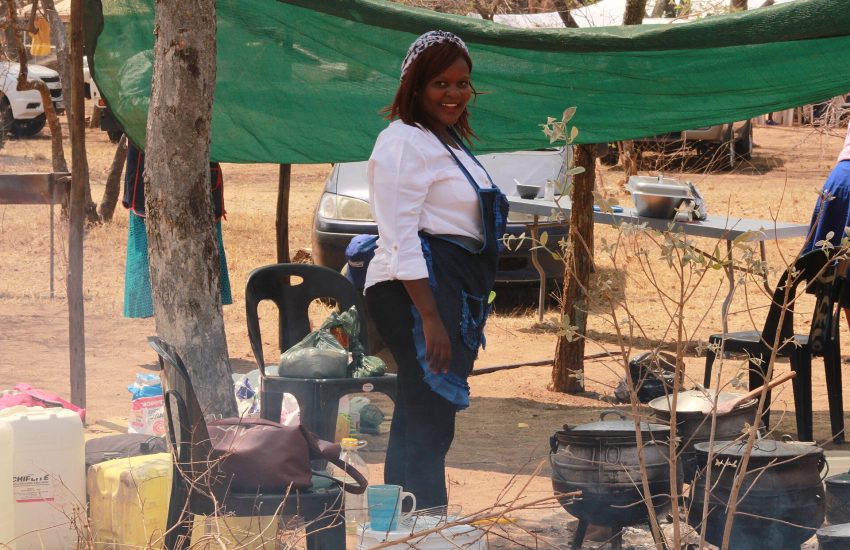
The Lozi, also called the Barotse, are a Bantu people of the upper Zambezi in western Zambia, the people of the historic kingdom of Barotseland, with communities also in Namibia, Angola and Zimbabwe. Numbering some millions, they are farmers, herders and fishers of the great Zambezi floodplain, famous for their kingdom, their king the Litunga, and the spectacular Kuomboka ceremony.A nation forged over centuries in the floodplain, and speaking the Sotho-derived Silozi brought by nineteenth-century Kololo conquerors, the Lozi built one of the notable kingdoms of central Africa, finely adapted to the annual flooding of the Zambezi. This article traces their origins, language, homeland, floodplain life and the customs that continue to define them.
The Lozi on Film
Contents
- Origins
- The Name
- The Language
- The Homeland
- The Old Way of Life
- Society and Community
- Religion and Belief
- Traditions
- Crafts
- Food
- Festivals
- History
- Today
Origins

The Lozi, also called the Barotse or Rozi, are a Bantu people of the upper Zambezi in western Zambia, the people of the historic kingdom of Barotseland, with communities also in Namibia, Angola and Zimbabwe. Numbering some millions, they are farmers, herders and fishers of the great Zambezi floodplain, famous for their kingdom, their king the Litunga, and the spectacular Kuomboka ceremony.
The Lozi are not a single original people but a nation forged over centuries in the Barotse floodplain, blending the older inhabitants with the Kololo, a Sotho people who conquered the region in the nineteenth century and gave the Lozi their language. Organised under a powerful king and adapted to the annual flooding of the Zambezi, the Lozi built one of the notable kingdoms of central Africa.
The Name

The people call themselves the Lozi, or Malozi, and are also known as the Barotse or Rozi, and their king is the Litunga. Their kingdom and homeland are called Barotseland, or Bulozi, the land of the Lozi, in the floodplain of the upper Zambezi.
Their identity is bound up with the floodplain, with their king and his court, and with the great Kuomboka ceremony. The name Lozi, or Barotse, denotes a people proud of their kingdom, their adaptation to the flooding Zambezi and their distinctive institutions, one of the historic nations of the upper Zambezi.
The Language
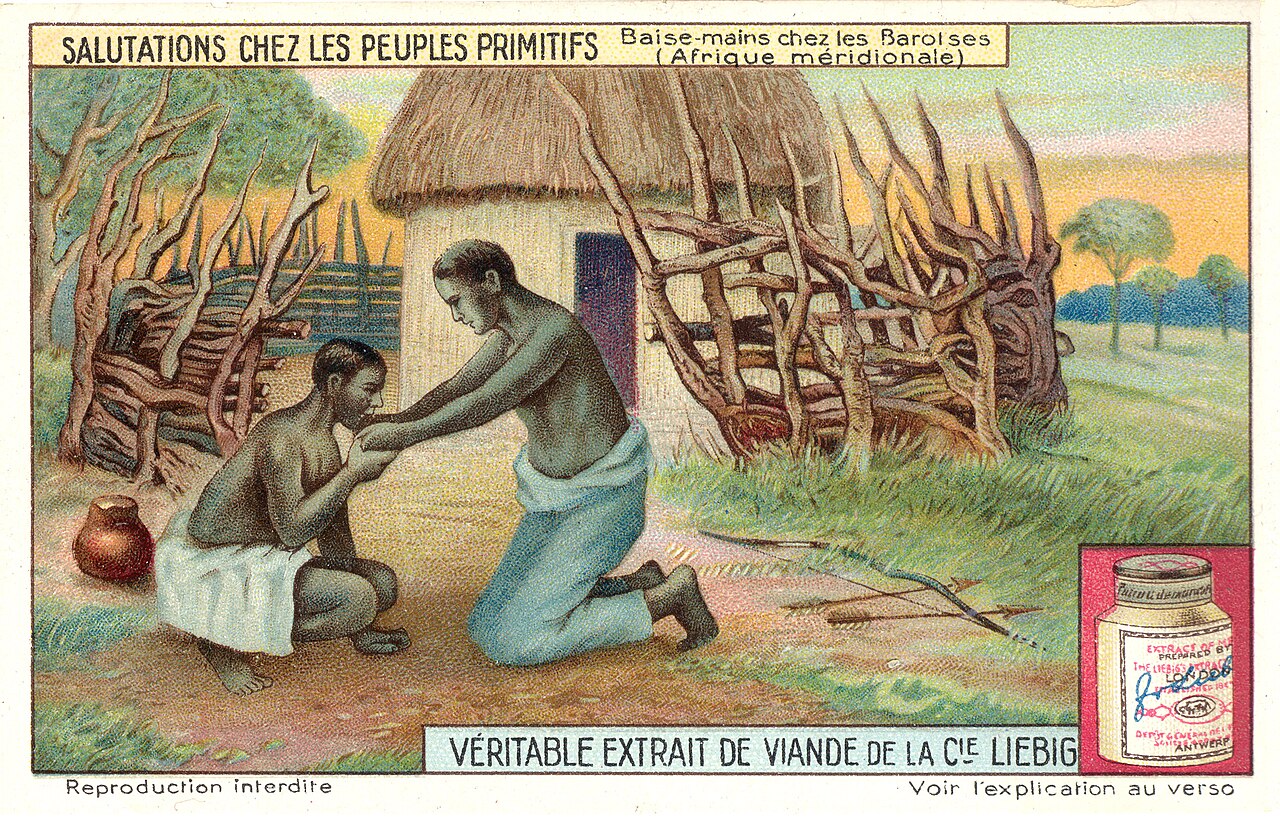
The Lozi speak Silozi, a Bantu language of the Sotho-Tswana group, which is unusual for the region, for it was brought by the Kololo, a Sotho people from the south who conquered Barotseland in the nineteenth century. When the Lozi overthrew the Kololo, they kept the language, which had become the tongue of the kingdom.
Silozi is now the language of the Lozi and a lingua franca of western Zambia. Rich in the traditions of the kingdom and the floodplain, it remains vigorous in daily life. English is the official language of Zambia, but Silozi is the everyday language of Barotseland and a central marker of Lozi identity, a legacy of the kingdom’s turbulent history.
The Homeland

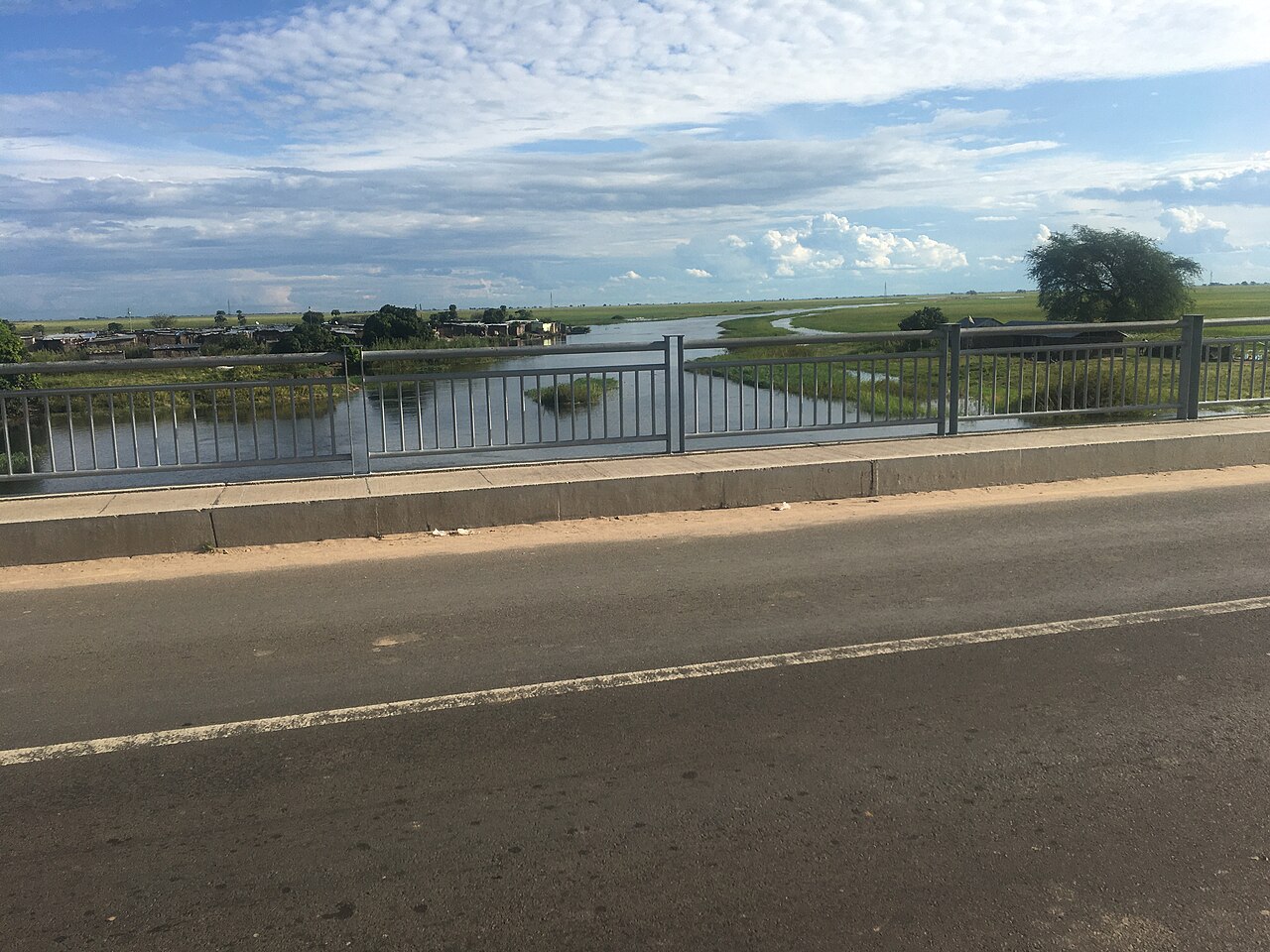
The Lozi homeland is the floodplain of the upper Zambezi in western Zambia, a vast, flat grassland that is flooded each year when the river rises, turning the plain into a shallow lake, and then drying out as the waters recede. This annual flood is the central fact of Lozi life, shaping their farming, their settlement and their institutions.
In the dry season the people live and farm on the fertile floodplain; when the flood comes, they move with their king and their cattle to higher ground at the margins, returning as the waters fall. Centred on the capital at Lealui in the plain and the town of Mongu on its edge, the Barotse floodplain, with its rhythm of flood and drought, is the heart of the Lozi world.
The Old Way of Life

The Lozi are farmers, herders and fishers, and their whole economy is adapted to the rhythm of the Zambezi flood. On the fertile floodplain they cultivate maize, millet, sorghum and other crops in the rich soil left by the receding waters, and they graze large herds of cattle on the plain, moving them to higher ground when the flood comes.
Fishing in the river, the channels and the floodwaters is of great importance, and fish is a central part of the diet. The Lozi built an elaborate system of canals, mounds and drainage to manage the flood and to farm and travel across the plain. This sophisticated adaptation to the flooding Zambezi, combining flood-recession farming, cattle-keeping and fishing, supported the population and the kingdom of the Lozi.
Society and Community

Lozi society is a kingdom, ruled by the Litunga, the king, whose court, councils and elaborate hierarchy of indunas, or headmen, govern the nation. The kingship is central to Lozi life, and the Litunga rules from the capital on the floodplain, with a second, southern capital and a queen, the Mulena Mukwae, who governs part of the realm.
Below the king lies a complex system of ranks, councils and territorial divisions, and the many mounds of the floodplain, each with its village and its place in the order of the kingdom. The councils of indunas advise the king and administer the realm. Marriage, kinship and the customs of the kingdom order social life, in one of the most elaborately organised states of central Africa.
Religion and Belief
Traditional Lozi religion recognised a creator, Nyambe, and honoured the ancestors, above all the royal ancestors, whose graves, tended on the mounds and islands of the floodplain, were places of great sanctity and the focus of ritual. The kingship had a sacred character, and the Litunga stood at the centre of the religious as well as the political life of the nation.
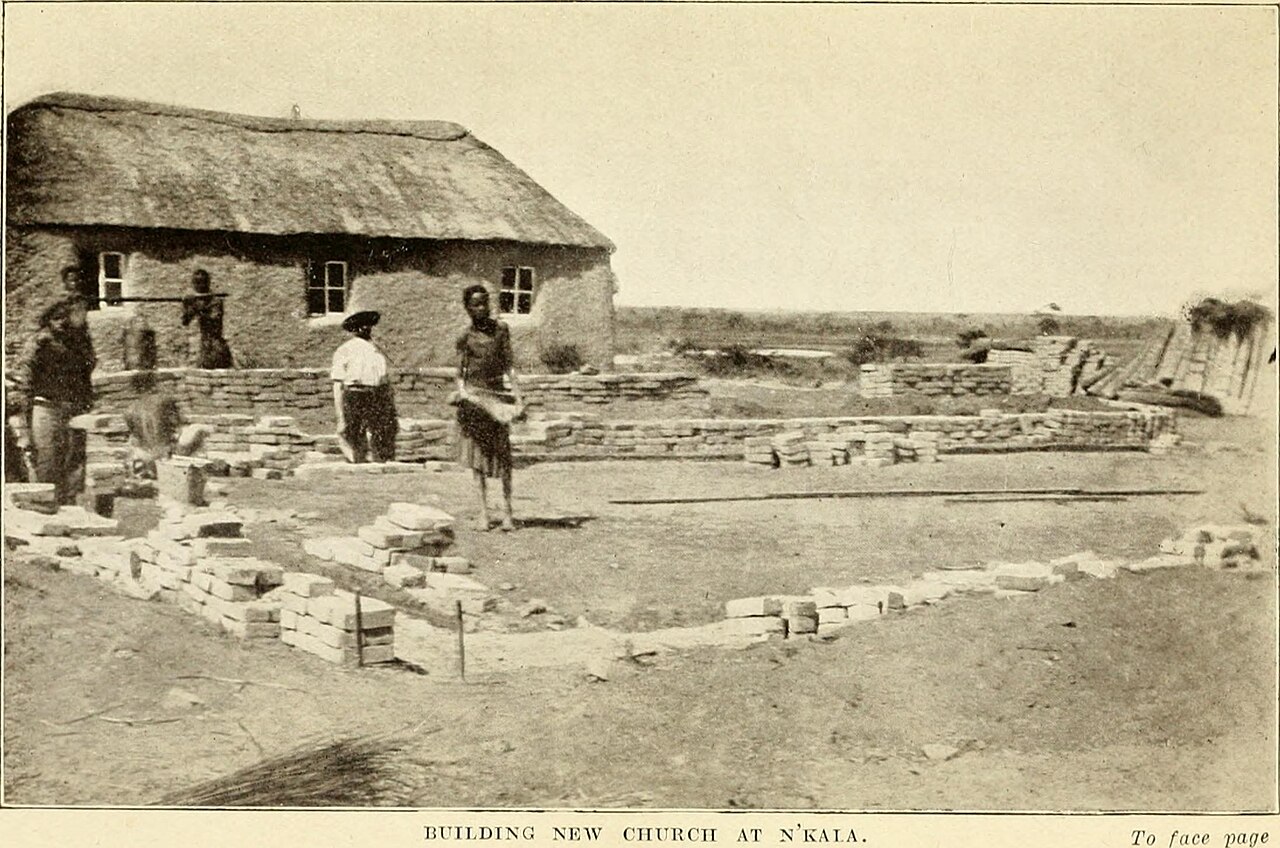
Ritual and the veneration of the royal graves sought the wellbeing of the kingdom and the land. From the mid-nineteenth century Christian missions, above all the Paris Evangelical Mission, established themselves in Barotseland, and today most Lozi are Christian, but the reverence for the royal ancestors and the sacred character of the kingship remain important in Lozi life.
Traditions

The great tradition of the Lozi is the Kuomboka, the ceremony held each year when the rising flood forces the Litunga to move from his capital on the plain to his dry-season residence on higher ground. The king travels in a great black-and-white royal barge, the Nalikwanda, paddled by scores of men and topped by a huge model elephant, in a spectacular procession of boats, drums and song that draws crowds from far and wide.
The Kuomboka, one of the most famous ceremonies in Africa, expresses the unity of the kingdom and its adaptation to the flood. The ceremonies of the royal court and the royal ancestors, the rites of passage, and the customs of the floodplain order the ritual life of the people. Music, drumming, the royal barges and the movement with the flood give Lozi tradition its unmistakable splendour.
Crafts
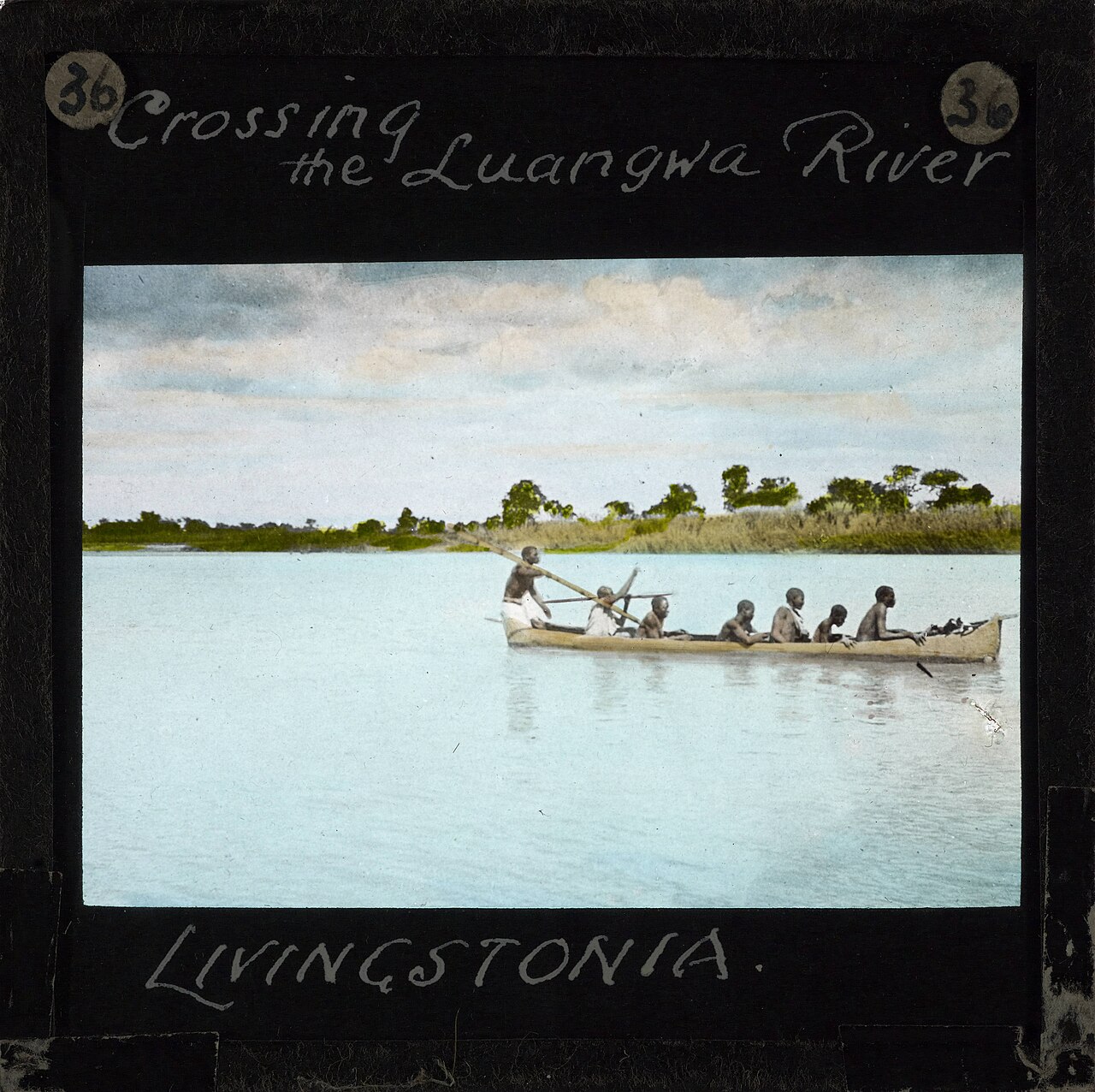
Lozi craftsmanship is shaped by the floodplain and the flood. The building of canoes and the great royal barges, hollowed and shaped for the waters of the Zambezi, was a vital and celebrated craft, essential to travel, fishing and the ceremonies of the kingdom. The making of paddles, nets and fishing gear was equally important.
The Lozi are also known for their basketry and mats, woven from the reeds and grasses of the plain, and for woodcarving, pottery and the regalia of the royal court. The making of the drums and the objects of the Kuomboka and the kingship called for special skill. These crafts, from canoe-building to basketry and the royal regalia, reflect the riverine and courtly life of the Lozi.
Food
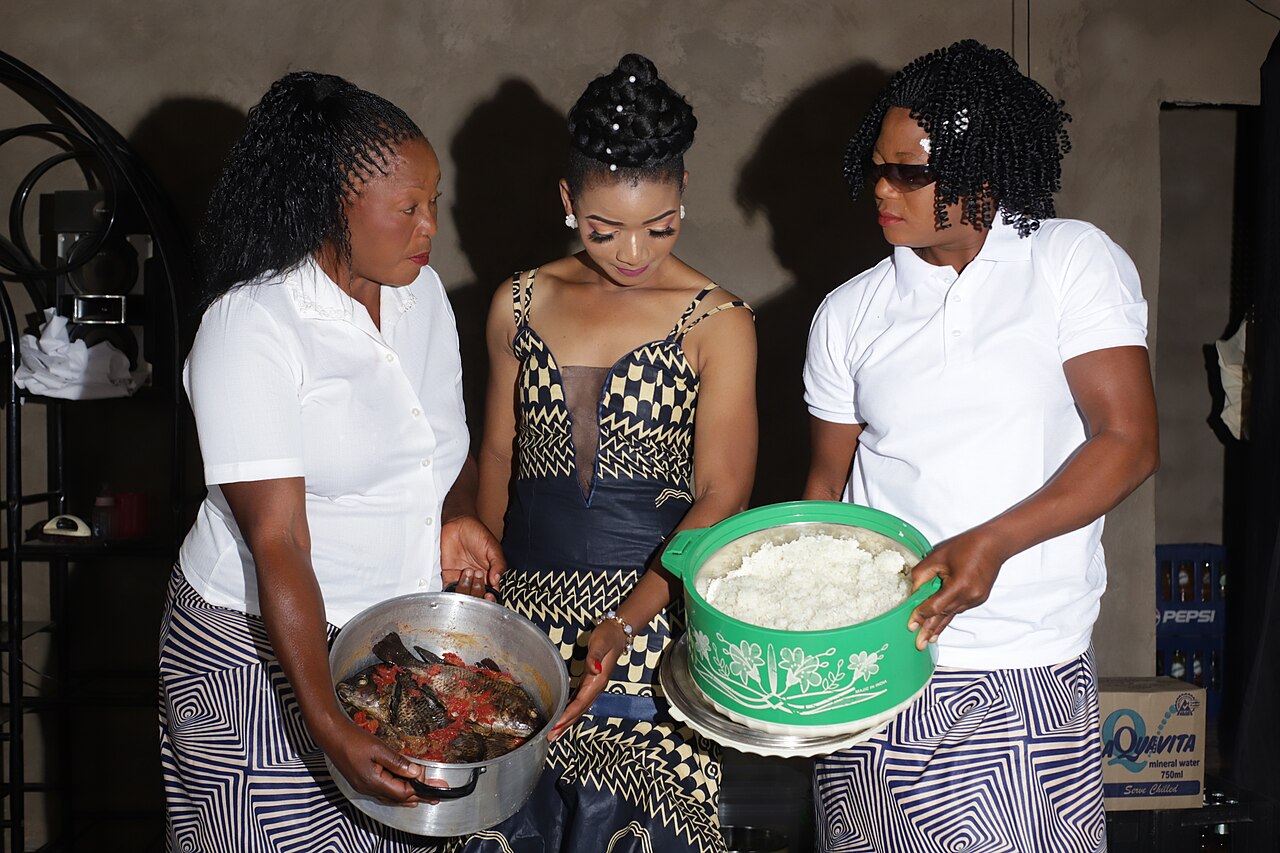
The staple food of the Lozi is nshima, the stiff maize or millet porridge eaten across the region, accompanied by relishes and stews of vegetables, meat or, above all, fish, which is central to the diet of a people of the floodplain. The abundance of fish from the river and the floodwaters gives Lozi cooking its distinctive character.
Maize, millet, sorghum, cassava and the vegetables grown on the fertile floodplain, and milk and meat from the cattle, fill out the diet. The rhythm of the flood shapes the food, with fish especially abundant at certain seasons. Drawn from the grain, cattle and fish of the floodplain, Lozi cooking reflects the riverine life of the people and the abundance of the Zambezi.
Festivals

Festive life among the Lozi is crowned by the Kuomboka, the great ceremony of the royal migration with the flood, which is the high point of the year and one of the most celebrated festivals in Africa, drawing crowds to see the royal barge and its procession. The Kufuluhela, the return to the plain as the waters fall, is a corresponding ceremony.
The ceremonies of the royal court and the royal ancestors, weddings and the rites of passage also bring the people together for music, dance and feasting. Drumming, song and the royal barges give these occasions their splendour. Today Christian festivals and national holidays join the older ceremonies, but the Kuomboka, with its royal barge and its movement with the flood, remains the unmistakable heart of Lozi festivity.
History
The Lozi kingdom was founded on the upper Zambezi some centuries ago, and by the eighteenth century it was a powerful state under its Litunga, controlling the floodplain and its trade. In the 1830s the kingdom was conquered by the Kololo, a Sotho people fleeing the upheavals of the south, who ruled for a generation and left the Lozi their Silozi language before being overthrown.
In the late nineteenth century, under the great king Lewanika, the Lozi accepted British protection, and Barotseland became a protected kingdom within Northern Rhodesia, retaining a large measure of autonomy. At Zambian independence in 1964 Barotseland was incorporated into the new nation, though disputes over its status and autonomy have continued, and the Lozi have preserved their kingship and their institutions.
Today

Today the Lozi number some millions in western Zambia, with communities in neighbouring countries, and remain proud of their kingdom, their Litunga and their traditions. Farming, cattle-keeping and fishing continue in the Barotse floodplain, adapted as ever to the rhythm of the flood, alongside work in the towns and the growth of Mongu.
The Litunga and the institutions of Barotseland endure, and the Kuomboka ceremony is celebrated each year with great splendour, drawing visitors from around the world. Disputes over the autonomy of Barotseland within Zambia continue, but the Lozi have kept their kingship, their language and their distinctive way of life. Proud of their floodplain, their king and their great ceremony, the Lozi carry their heritage into modern Zambia.
Related Peoples of the Region
- The Sahrawi, the People of the Western Sahara
- The Venda, the People of the Sacred Lakes of Limpopo
- The Tsonga, the Shangaan of the Southeastern Lowveld
- The Herero, the Cattle Herders of Namibia
- The Ovambo, the Largest People of Namibia
- The Nama, the Khoekhoe Herders of the Dry South
- The San, the First People of Southern Africa
- The Himba, the Ochre People of the Kunene
More Peoples of the World
- A Fifth of Humanity, the Story of the Han Chinese
- How the Maori Sailed Across the Pacific to Reach New Zealand
- Zulu of the Green Hills and Their Kingdom Forged by Shaka
- The People Who Never Vanished, the Story of the Maya
- Long Before the Arabs Came, North Africa Belonged to the Amazigh
- The People Who Emerged Into This World, the Story of the Navajo
- Meet the Ainu, an Indigenous People at Japan’s Northern Edge
You May Like
The Damara, an Ancient People of Namibia