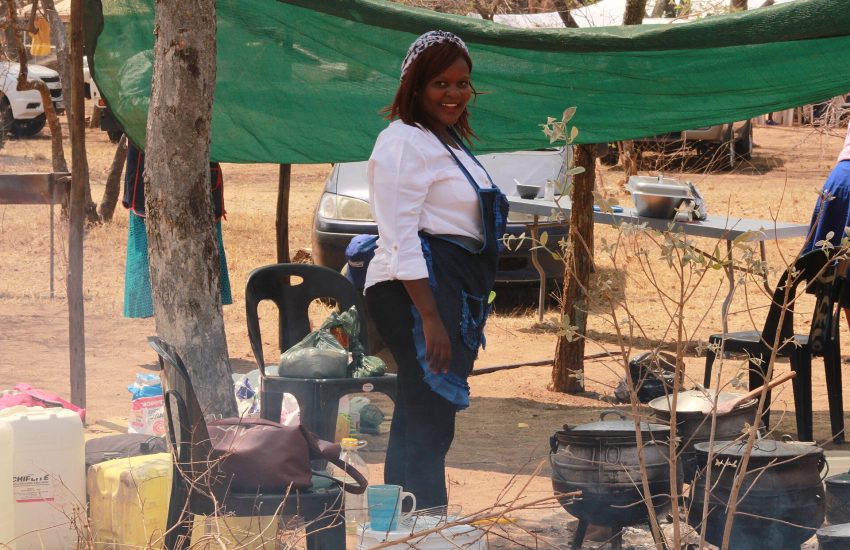
Across the temperate central highlands of Angola live the Ovimbundu, the largest people of the nation and heirs to a cluster of kingdoms whose caravans once carried trade across the breadth of west-central Africa. Farmers of maize on the fertile plateau, they built a society that joined the plough to the merchant`s road.From the royal capitals of Bailundo and Bié their traders climbed to and from the Atlantic port of Benguela, dealing in wax, ivory and rubber. Colonial conquest and a long civil war later fell heavily on the highlands, yet through Umbundu speech, Christian faith and a proud oral tradition the Ovimbundu have kept their identity intact.
The Ovimbundu on Film
Contents
- Origins
- The Name
- The Language
- The Homeland
- The Old Way of Life
- Society and Community
- Religion and Belief
- Traditions
- Crafts
- Food
- Festivals
- History
- Today
Origins

The Ovimbundu are the largest ethnic group in Angola, making up roughly a third of the nation and dominating the central highlands, the planalto, around the cities of Huambo, Bié and the interior of Benguela. They are a Bantu people whose forebears settled these fertile uplands centuries ago, building a cluster of kingdoms that would become the most populous in the region.
Their society coalesced on the high plateau between the great rivers of central Angola, a temperate and well-watered country ideal for farming. From this base the Ovimbundu grew into a network of some twenty states, and later into the famed traders whose caravans crossed the breadth of the continent’s western half.
The Name

The name Ovimbundu is the plural form referring to the people; a single person is an Ocimbundu, and their language is Umbundu. The term should not be confused with the Ambundu or Mbundu of the Luanda region, a distinct though neighbouring people whose language is Kimbundu.
The Ovimbundu heartland centres on Huambo, the largest city of the highlands, together with Bié and the towns of the interior. These places grew from the old royal capitals and colonial settlements into the modern hubs of a people who remain overwhelmingly rooted in the central plateau.
The Language
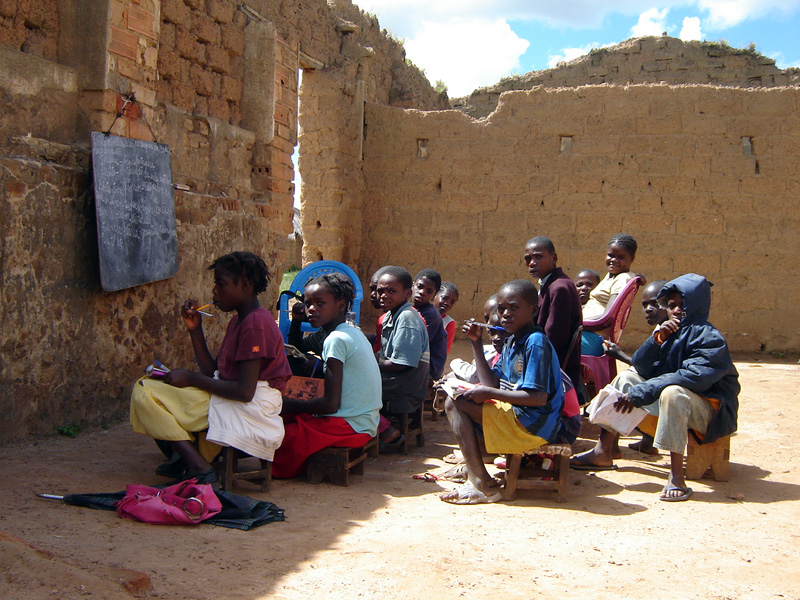
The Ovimbundu speak Umbundu, a Bantu language that is, after Portuguese, the most widely spoken tongue in Angola, with millions of speakers concentrated in the central highlands. It has a rich oral tradition of proverbs, tales and praise-poetry that carried the history and wisdom of the kingdoms.
Portuguese, the national language, is used in schooling, administration and the towns, and most Ovimbundu today are bilingual. Umbundu nonetheless remains the language of home, market and countryside, and its wide use once made it a lingua franca along the trade routes of the interior.
The Homeland

The Ovimbundu homeland is the central highland plateau of Angola, a region of rolling grasslands, wooded hills and fertile valleys lying at over a thousand metres above the sea. Its temperate climate and reliable rains made it one of the most productive farming zones in the country and allowed dense populations to flourish.
This upland position also gave the Ovimbundu a commanding place between the Atlantic ports and the far interior. The old caravan routes climbed from the coast at Benguela up onto the plateau and then struck eastward, so that the Ovimbundu sat astride the paths of a vast long-distance trade.
The Old Way of Life

The Ovimbundu were, and remain, primarily farmers, cultivating maize as their great staple along with beans, sorghum, cassava and vegetables. Maize, brought from the Americas across the Atlantic trade, became so central to their economy that its cultivation shaped the whole rhythm of highland life.
Yet the Ovimbundu were equally renowned as traders. From the eighteenth century their caravans became the chief carriers of commerce between the coast and the interior, dealing in wax, ivory, rubber and, in the darker chapters of the era, enslaved people. This blend of farming and long-distance trade defined the old Ovimbundu way of life.
Society and Community

Traditional Ovimbundu society was organised into a series of kingdoms, each ruled from a royal capital, the ombala, by a king or paramount chief, the soma or soba, supported by councils of elders and officials. Beneath the kings, lesser chiefs governed districts and villages, and the whole was bound together by ties of kinship and tribute.
Descent was traced through both the mother’s and the father’s lines, giving Ovimbundu kinship a flexible, double character. Age, wealth in cattle and success in trade all conferred status, and the merchant who led a great caravan could rise high in the esteem of his community.
Religion and Belief

The older religion of the Ovimbundu centred on a supreme creator, Suku, and on the veneration of ancestral spirits who watched over the living and were honoured at family and royal shrines. Diviners and healers mediated between people and the spirit world, and ritual accompanied farming, trade and the great events of the life cycle.
From the nineteenth century Christian missions, both Catholic and Protestant, worked intensively in the highlands, and today the great majority of Ovimbundu are Christian. Protestant churches in particular struck deep roots, shaping education and community life, while older beliefs in ancestors and healers persist alongside them.
Traditions

Ovimbundu tradition is rich in oral literature, with a celebrated body of folktales, proverbs and historical narratives that once formed the education of the young. Storytelling, riddles and praise-poetry entertained and instructed, preserving the memory of the kingdoms and the exploits of great traders and chiefs.
Music and dance mark weddings, funerals and communal celebrations, and initiation ceremonies traditionally guided boys and girls into adulthood. These customs, carried through generations, continue to express the distinct identity of the Ovimbundu even amid the changes of modern Angola.
Crafts
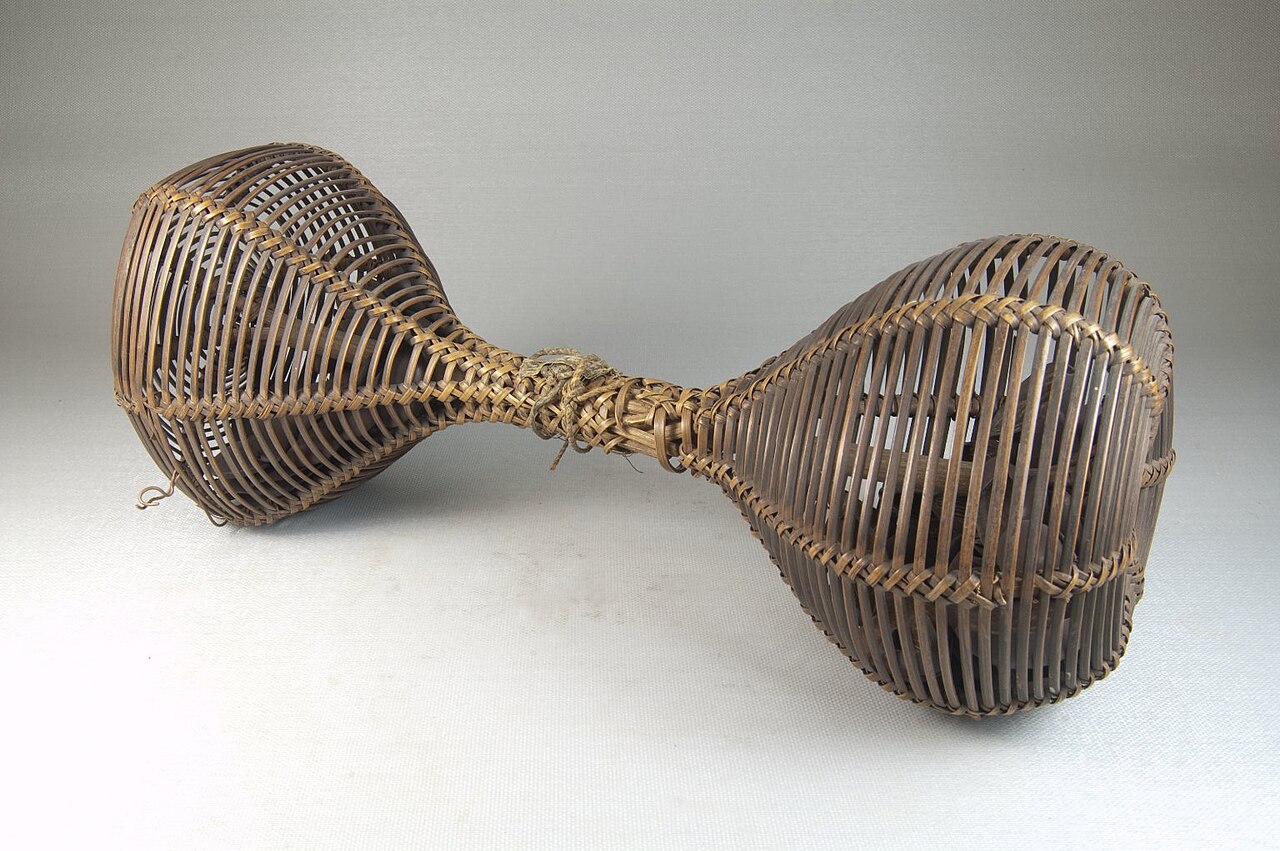
The Ovimbundu are noted craftworkers, especially in basketry, weaving fine baskets and containers whose tight patterns are prized both for use and for their beauty. They also work wood, producing stools, figures and household objects, and in earlier times were skilled ironworkers supplying tools and weapons.
Craft skills were closely tied to the trading economy, as caravans carried both raw materials and finished goods across the interior. The blend of utility and artistry in Ovimbundu crafts reflects a people long accustomed to producing for exchange as well as for their own needs.
Food

Maize is the foundation of the Ovimbundu table, ground and cooked into a stiff porridge that anchors nearly every meal, much like the funge and pirão eaten across Angola. It is served with relishes of beans, greens, groundnuts and, when available, meat or fish.
Stews such as moamba, made with palm oil and vegetables, enrich the diet on special occasions, and locally brewed maize and sorghum beers accompany celebrations. Shared meals and hospitality remain central to Ovimbundu social life, as they have been for generations.
Festivals

Ovimbundu communal life is punctuated by festivals tied to the farming year, to the rites of the life cycle and, in earlier times, to the ceremonies of the royal courts. Harvests, weddings and initiations draw communities together for music, dance and feasting.
These gatherings reaffirm kinship, honour the ancestors and pass tradition to the young. In modern Angola, cultural festivals and church celebrations alike provide occasions for the Ovimbundu to express and renew their strong sense of shared identity.
History
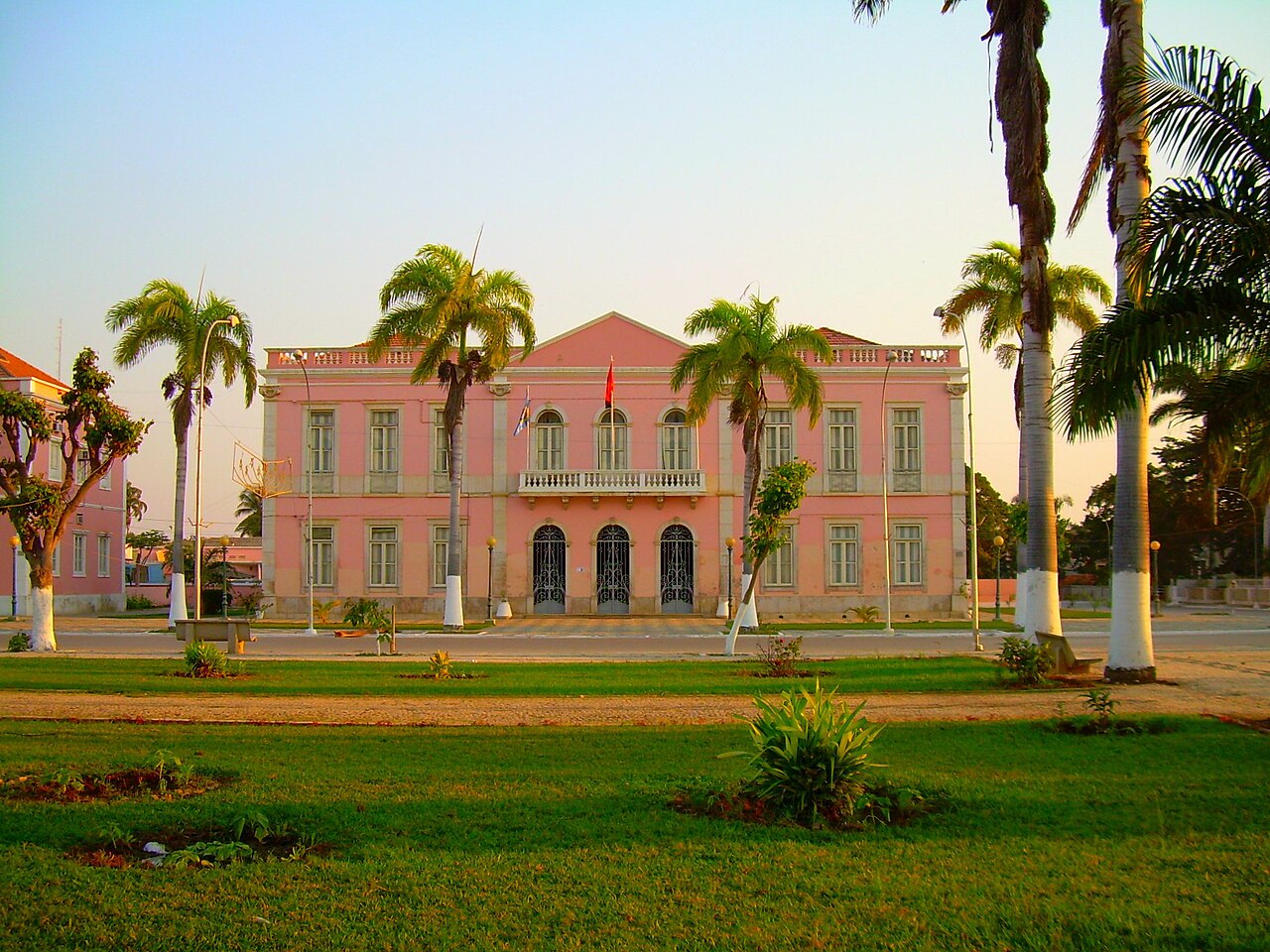
From the seventeenth century the Ovimbundu built a cluster of highland kingdoms, among them Bailundo, Bié, Wambu and Ciyaka, which by the eighteenth and nineteenth centuries dominated the long-distance trade of west-central Africa. Their caravans linked the Atlantic port of Benguela with the far interior, dealing in ivory, wax, rubber and enslaved people.
The collapse of the rubber trade and the imposition of Portuguese colonial rule in the early twentieth century broke the power of the old kingdoms and drew the Ovimbundu into a plantation and labour economy. In the long civil war that followed independence in 1975, the central highlands became a stronghold of the UNITA movement, and the Ovimbundu bore much of the suffering of those decades before peace returned in 2002.
Today

Today the Ovimbundu remain the largest people of Angola and the demographic heart of the central highlands. Most still live by farming, but the cities of Huambo, Bié and Benguela have grown into busy centres of trade, transport and administration, and many Ovimbundu have moved into towns across the country.
Decades of war left deep scars on the plateau, yet reconstruction has steadily advanced, and Umbundu language, Christian faith and highland tradition continue to define Ovimbundu identity. Inheritors of a great tradition of farming and trade, the Ovimbundu look to a more settled future in a rebuilding Angola.
Related Peoples of the Region
- The Nama, the Khoekhoe Herders of the Dry South
- The San, the First People of Southern Africa
- The Himba, the Ochre People of the Kunene
- The Lozi, the Floodplain Kingdom of the Zambezi
- The Bemba, the Largest People of Zambia
- The Chewa, the Masked Dancers of Malawi
- The Ngoni, the Nguni Migrants of Central Africa
- The Makua, the Largest People of Mozambique
More Peoples of the World
- A Fifth of Humanity, the Story of the Han Chinese
- How the Maori Sailed Across the Pacific to Reach New Zealand
- Zulu of the Green Hills and Their Kingdom Forged by Shaka
- The People Who Never Vanished, the Story of the Maya
- Long Before the Arabs Came, North Africa Belonged to the Amazigh
- The People Who Emerged Into This World, the Story of the Navajo
- Meet the Ainu, an Indigenous People at Japan’s Northern Edge
You May Like
The Damara, an Ancient People of Namibia