Along the Atlantic coast of Angola and up the valley of the Kwanza River live the Mbundu, the country`s second-largest people and the first Angolans to meet the ships of Portugal. From their Kingdom of Ndongo, whose ruler was called the ngola, came the very name of Angola.Their history is marked by the seventeenth-century wars of Queen Njinga, who resisted the Portuguese for decades, and by the Atlantic slave trade that carried countless Mbundu to Brazil, leaving Kimbundu words scattered across the Americas. Today, centred on the great city of Luanda, the Mbundu remain one of the driving forces of Angolan life.
The Mbundu on Film
Contents
- Origins
- The Name
- The Language
- The Homeland
- The Old Way of Life
- Society and Community
- Religion and Belief
- Traditions
- Crafts
- Food
- Festivals
- History
- Today
Origins
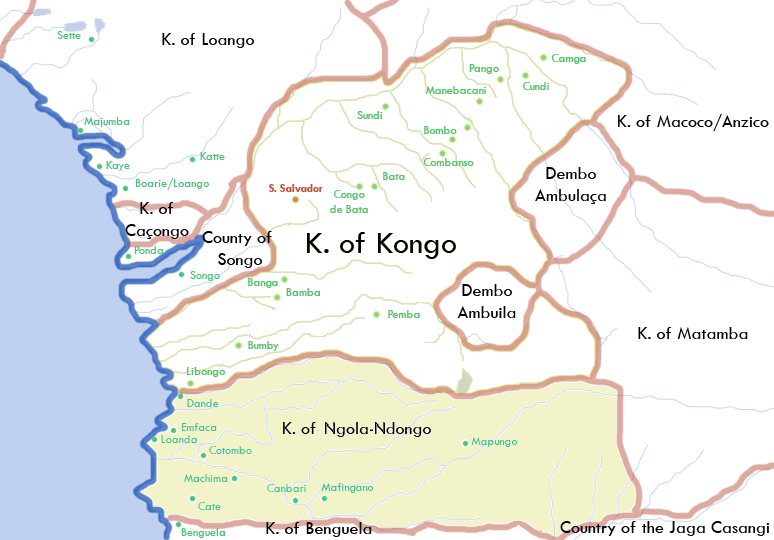
The Mbundu, also called the Ambundu to distinguish them from the Ovimbundu of the highlands, are the second-largest people of Angola. They occupy a broad band of country running from the Atlantic coast around Luanda inland to Malanje, and they speak Kimbundu, a Bantu language distinct from the Umbundu of the central plateau.
Their history is bound up with the Kingdom of Ndongo, whose ruler bore the title ngola, a word from which the name of Angola itself is derived. From this and neighbouring states the Mbundu emerged as one of the first African peoples to meet the Portuguese on the Atlantic coast, with consequences that would shape their story for centuries.
The Name

The people call themselves Ambundu, and their language Kimbundu; the singular form for a person is Mumbundu. English usage often shortens the name to Mbundu, which must be kept separate from the similar-sounding Ovimbundu, a wholly different people to the south.
The Mbundu heartland reaches from the capital, Luanda, on the coast, up the valley of the Kwanza River to the interior towns of Malanje and beyond. Luanda, founded by the Portuguese in the sixteenth century, grew within Mbundu country and remains at the centre of their world.
The Language

The Mbundu speak Kimbundu, one of the principal Bantu languages of Angola, with several million speakers across the north-central provinces. It was among the first Angolan languages written down by European missionaries, and it developed a substantial body of religious and literary texts.
Through the Atlantic slave trade, Kimbundu words travelled across the ocean and left their mark on Brazilian Portuguese and on the speech of the African diaspora. In Angola today Portuguese dominates in the towns and schools, but Kimbundu remains widely spoken in homes and markets and is a strong marker of Mbundu identity.
The Homeland

The Mbundu homeland stretches from the humid Atlantic coast, through the valley of the Kwanza River, to the wooded highlands around Malanje. It is a varied country of coastal plain, river valley and interior plateau, and among its landmarks are the dramatic black rock formations of Pungo Andongo and the great Kalandula Falls.
This position between the sea and the interior made the Mbundu lands a natural meeting point of peoples and trade. The Kwanza River offered a route inland, and the coast drew the ships of the Atlantic world, so that the Mbundu found themselves at the frontier where Africa and Europe first met on this shore.
The Old Way of Life
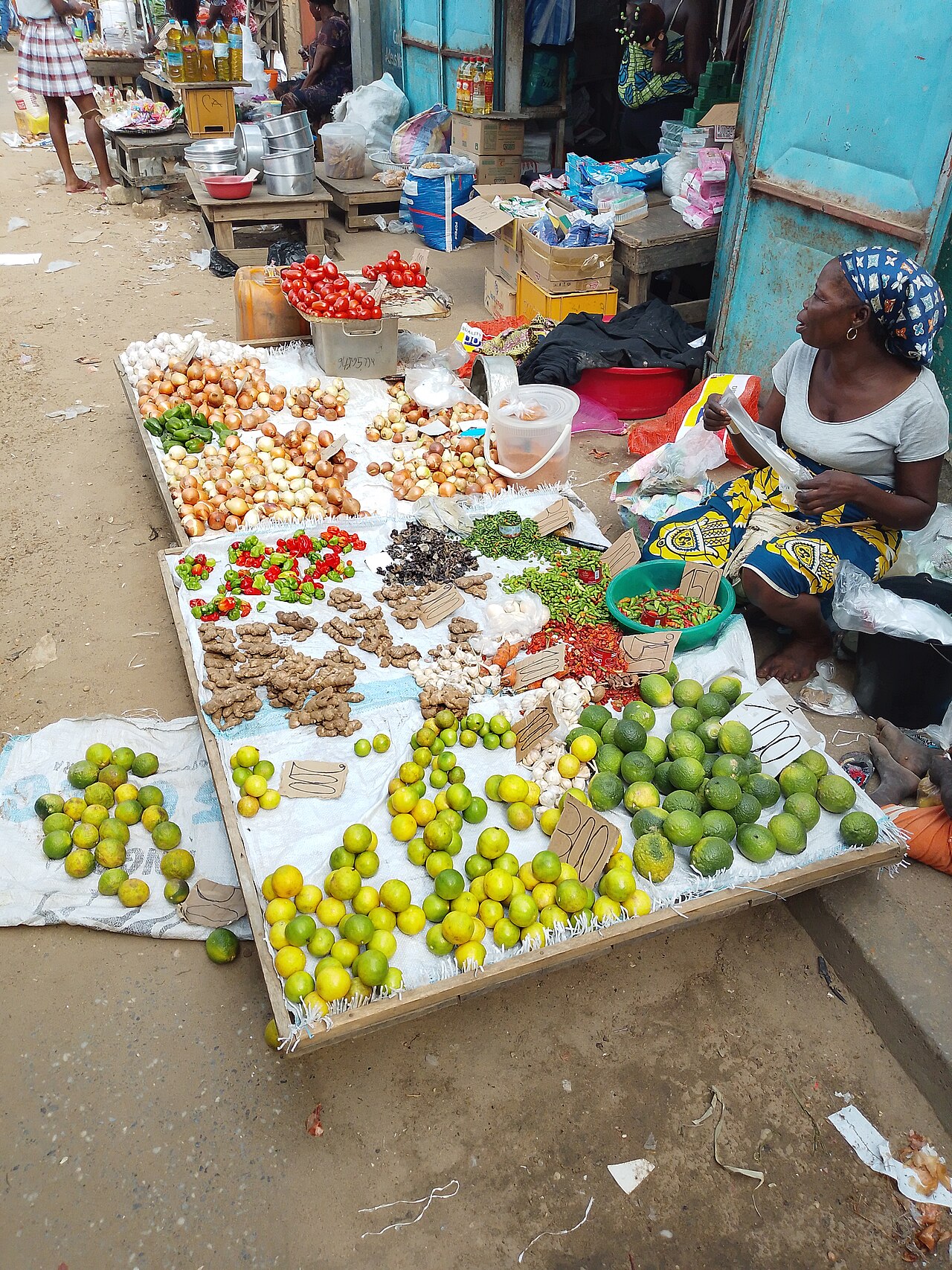
The Mbundu have long been farmers, cultivating cassava, maize, millet, beans and, near the coast, palm products, with cassava serving as the great staple. Fishing added to the diet along the shore and rivers, and the varied landscape supported a mixed economy of farming, fishing and trade.
From an early date the Mbundu were drawn into the commerce of the Atlantic, exchanging goods with the Portuguese and acting as intermediaries between the coast and the interior. This trade brought wealth to some but also the devastation of the slave traffic, which fell with particular weight on the Mbundu lands.
Society and Community

Mbundu society was organised into kingdoms and chiefdoms, of which Ndongo and Matamba were the greatest, ruled by kings and supported by nobles, officials and councils. Descent and inheritance were traced in important respects through the mother’s line, and kinship bound together the villages that made up each state.
The most celebrated figure of Mbundu history is Queen Njinga Mbandi, who ruled Ndongo and Matamba in the seventeenth century and led a decades-long resistance to Portuguese expansion. Her diplomacy and defiance made her a symbol of Mbundu and, later, of Angolan national identity.
Religion and Belief

The older Mbundu religion honoured a creator god together with ancestral spirits and nature powers, approached through diviners and ritual specialists who healed the sick and interpreted misfortune. Ancestors were believed to remain active among their descendants, and shrines and ceremonies maintained the bond between the living and the dead.
Because the Mbundu were among the first Angolans to encounter the Portuguese, Christianity reached them early, and Catholic and later Protestant churches struck deep roots. Today most Mbundu are Christian, though older beliefs and practices survive alongside the churches, and new religious movements have also found followers.
Traditions
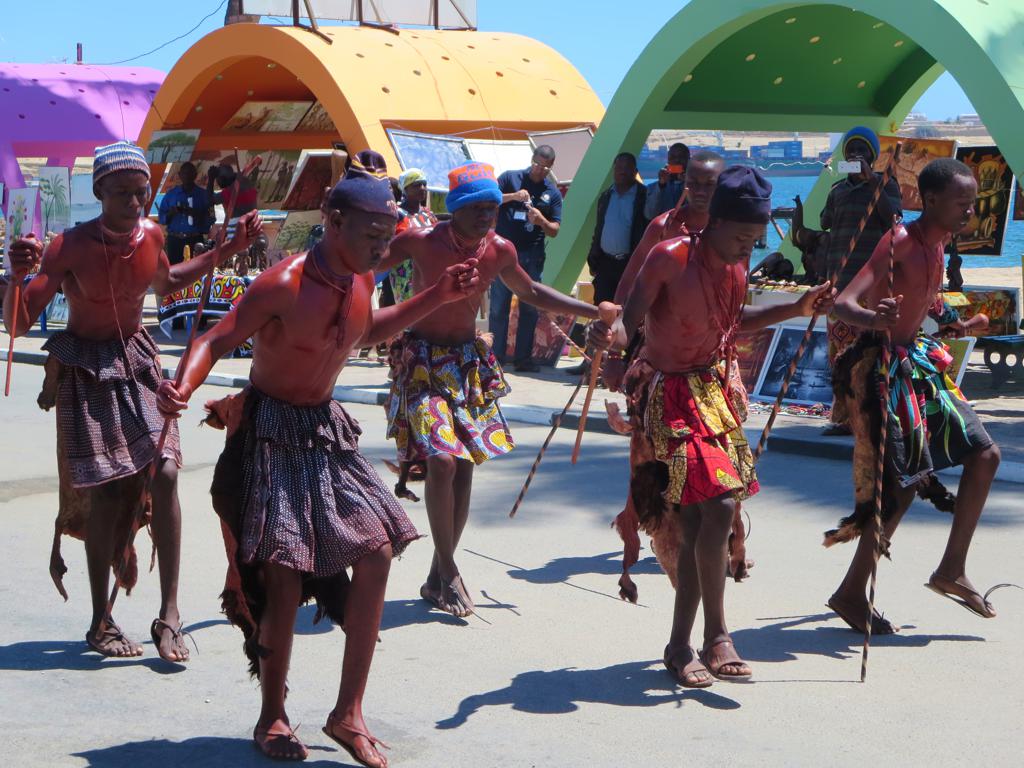
Mbundu tradition is rich in music, dance and oral storytelling, with proverbs and tales carrying the history and values of the community. The rhythms of the Mbundu coast fed into the popular music of modern Angola, and dance remains central to celebration and ceremony.
Rites marking birth, initiation, marriage and death structure the life cycle, and communal festivals bring villages together. Through these customs, and through the memory of figures such as Queen Njinga, the Mbundu sustain a strong sense of their distinct heritage.
Crafts

Mbundu craftworkers produce carvings, musical instruments, pottery, basketry and ironwork, blending utility with artistry. Instruments such as the thumb piano and various drums accompany music and dance, while carved figures and objects served both household and ritual purposes.
Much Mbundu craft was tied to the wider economy of the region, with goods exchanged along the trade routes between coast and interior. The tradition of skilled making continues today, both for local use and for a growing interest in Angolan art and culture.
Food
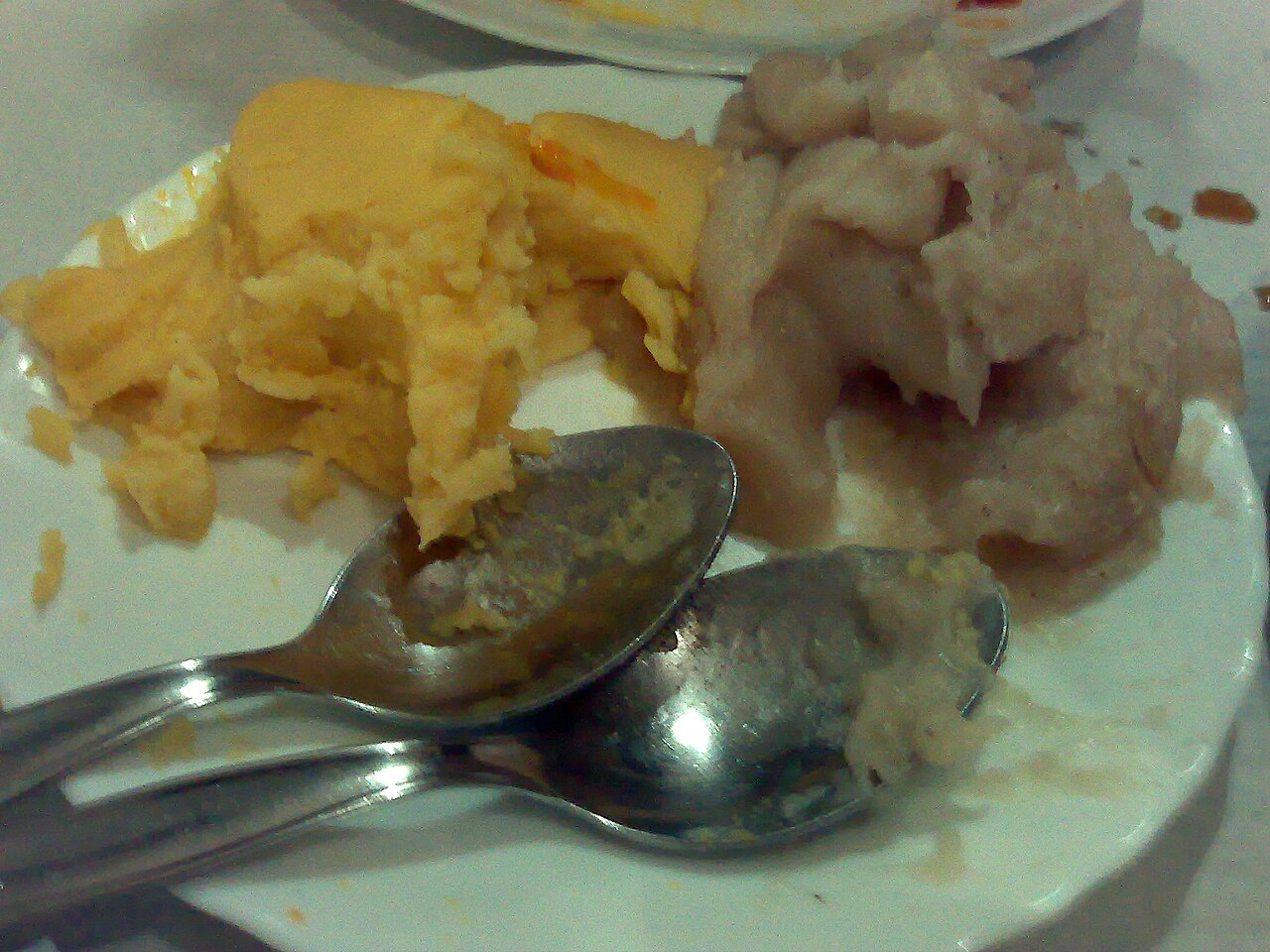
The Mbundu table is built on funge, a thick porridge made from cassava or maize flour, eaten with stews and relishes of vegetables, beans, fish or meat. Along the coast fish and seafood are abundant, and dishes such as calulu, made with dried fish and greens, are widely enjoyed.
Moamba, a rich stew of chicken or fish cooked with palm oil, is among the best-known dishes of the region, often regarded as a national dish of Angola. Palm wine and locally brewed drinks accompany celebrations, and shared meals remain central to Mbundu hospitality.
Festivals

The Mbundu share fully in the festive life of Angola, above all the carnival of Luanda, a vibrant celebration of music, dance and costume with deep roots in the culture of the coast. Groups from the city’s neighbourhoods parade and compete, drawing on Kimbundu tradition and Atlantic influences alike.
Alongside the carnival, festivals tied to the farming year, to religious feasts and to the rites of the life cycle mark the Mbundu calendar. These occasions gather families and communities and pass the traditions of the Mbundu to new generations.
History

From the late fifteenth century the Mbundu kingdoms of Ndongo and Matamba stood at the frontier of Portuguese expansion in west-central Africa. The Portuguese founded Luanda in 1576 and pressed inland, and the ensuing wars, above all the long resistance led by Queen Njinga in the seventeenth century, dominated Mbundu history for generations.
The Atlantic slave trade fell heavily on the Mbundu lands, and vast numbers were carried across the ocean, especially to Brazil, leaving a lasting Kimbundu imprint on the Americas. Under colonial rule Luanda and its Mbundu hinterland became a centre of assimilation and, in the twentieth century, of the nationalist movement that led Angola to independence in 1975.
Today

Today the Mbundu are among the most numerous and influential peoples of Angola, concentrated in and around the capital, Luanda, and the provinces of the north-central interior. The rapid growth of Luanda into a major African metropolis has drawn many Mbundu into urban life, trade and government.
Kimbundu language, Christian faith and the memory of Ndongo and Queen Njinga continue to anchor Mbundu identity in a fast-changing country. Positioned where Angola first met the wider Atlantic world, the Mbundu carry a long and eventful history into the life of the modern nation.
Related Peoples of the Region
- The San, the First People of Southern Africa
- The Himba, the Ochre People of the Kunene
- The Lozi, the Floodplain Kingdom of the Zambezi
- The Bemba, the Largest People of Zambia
- The Chewa, the Masked Dancers of Malawi
- The Ngoni, the Nguni Migrants of Central Africa
- The Makua, the Largest People of Mozambique
- The Ovimbundu, the Highland Traders of Angola
More Peoples of the World
- A Fifth of Humanity, the Story of the Han Chinese
- How the Maori Sailed Across the Pacific to Reach New Zealand
- Zulu of the Green Hills and Their Kingdom Forged by Shaka
- The People Who Never Vanished, the Story of the Maya
- Long Before the Arabs Came, North Africa Belonged to the Amazigh
- The People Who Emerged Into This World, the Story of the Navajo
- Meet the Ainu, an Indigenous People at Japan’s Northern Edge
You May Like

The Tumbuka, the Highland People of Northern Malawi


