From the savanna between the Congo and Zambezi rivers rose one of the great empires of pre-colonial Africa, that of the Lunda. Under their ruler the Mwant Yav, and through a remarkable political system of positional succession and perpetual kinship, they built a state that spanned much of Central Africa.Their kingship, tradition holds, was born when the Luba hunter-prince Chibinda Ilunga married the Lunda queen Rweej. From that union spread a model of government carried across the region, from the court of the Mwant Yav in the Congo to the kingdom of Kazembe in Zambia, whose Mutomboko ceremony still celebrates the Lunda past.
The Lunda on Film
Contents
- Origins
- The Name
- The Language
- The Homeland
- The Old Way of Life
- Society and Community
- Religion and Belief
- Traditions
- Crafts
- Food
- Festivals
- History
- Today
Origins

The Lunda are a Bantu people of Central Africa whose name recalls one of the great empires of the pre-colonial continent. Their heartland lay in the savanna of the upper Kasai, in what is now the southern Democratic Republic of the Congo, from where their influence spread west into Angola and east into Zambia.
Lunda tradition tells that their kingship was founded when Chibinda Ilunga, a hunter-prince from the neighbouring Luba, married the Lunda queen Rweej and introduced the arts of Luba statecraft. From this union grew a centralised monarchy under the title Mwant Yav, which over the following centuries built an empire spanning much of Central Africa.
The Name

The people are known as the Lunda, and their language, in its central form, as Ruund or Chiluunda. The name applies both to the core group in the Congo and to a wider family of Lunda-linked peoples spread by the expansion of the empire, including the Kazembe Lunda of the Luapula valley in Zambia.
The Lunda homeland today straddles three countries, and the towns of Katanga, such as Lubumbashi and Kolwezi, lie within or near their sphere. This spread across modern borders reflects the reach of an empire whose authority once extended far beyond a single people.
The Language

The central Lunda speak Ruund, a Bantu language, while related groups speak closely connected tongues across the Congo, Angola and Zambia. The language carried the political vocabulary of the empire, and titles and ceremonial speech preserved the memory of its institutions.
Today the Lunda live within states where Swahili, Lingala, French, Portuguese and English serve as languages of administration and wider communication, depending on the country. Ruund and its sister languages nonetheless remain the tongues of home and tradition across the Lunda lands.
The Homeland
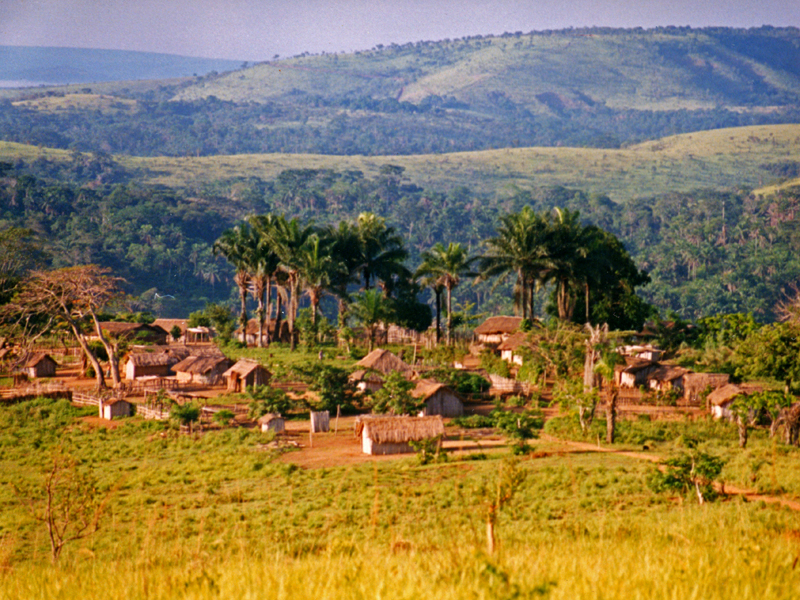
The Lunda homeland is a country of open savanna and gallery forest, drained by the headwaters of the Kasai and other great rivers of the Congo basin. It is a well-watered land of grassland and woodland, suited to farming and once rich in the game that the founding hunters pursued.
Straddling the watershed between the Congo and the Zambezi, the Lunda country sat at a crossroads of trade routes linking the Atlantic and Indian Ocean coasts. This central position gave the empire access to copper, salt and ivory, and made it a hub of long-distance commerce across the continent.
The Old Way of Life

The Lunda were farmers of cassava, maize, millet and other crops, supplemented by hunting, fishing and the gathering of wild foods. Cassava, adopted from the Atlantic trade, became the staple, and the farming village formed the basic unit of Lunda life beneath the structures of the state.
Above this agricultural base rose an economy of tribute and trade. The Mwant Yav and his officials drew wealth from subject provinces, and Lunda merchants and their partners carried copper, salt, ivory and enslaved people along the routes that linked the empire to both coasts.
Society and Community
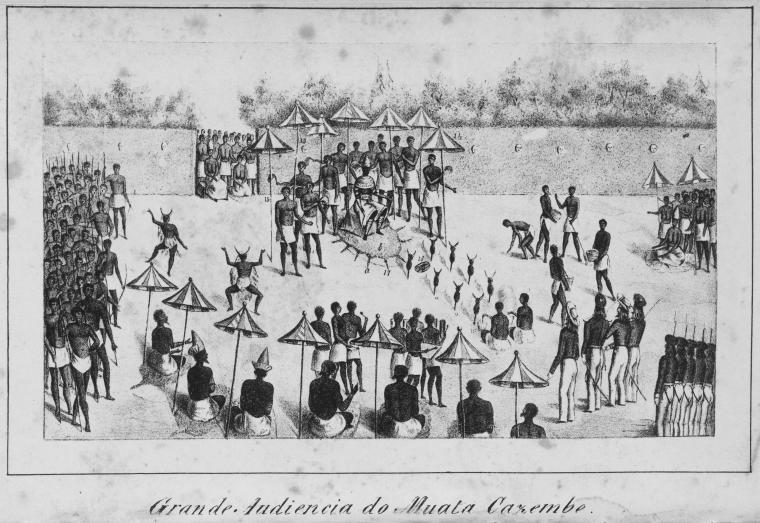
The Lunda built one of the most sophisticated political systems in pre-colonial Africa, ruled by the Mwant Yav from a royal capital and governed through a hierarchy of titled officials. Two principles gave the system its strength: positional succession, by which an heir took on the name and identity of his predecessor, and perpetual kinship, which fixed the relationships between offices across generations.
This framework allowed the Lunda to incorporate conquered peoples and distant provinces into a durable structure without depending on a single dynasty of individuals. The model proved so effective that it was carried by Lunda expansion to neighbouring peoples, spreading Lunda styles of kingship across Central Africa.
Religion and Belief

Traditional Lunda religion centred on a creator god together with ancestral and nature spirits, approached through diviners, healers and the ritual authority of chiefs. The Mwant Yav himself held a sacred character, and royal rituals bound the well-being of the land to the person of the king.
From the nineteenth century Christian missions spread through the Congo, Angola and Zambia, and today many Lunda are Christian. Older beliefs in ancestors and ritual specialists persist alongside the churches, and traditional ceremonies continue to mark the great events of communal and royal life.
Traditions
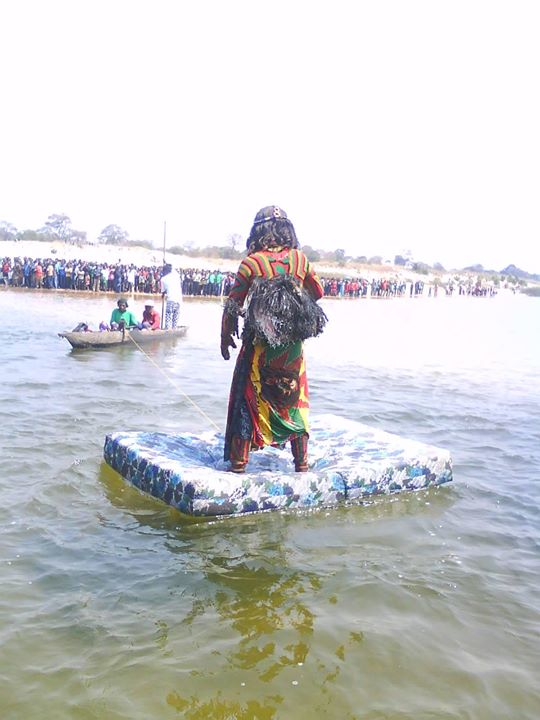
Lunda tradition is expressed in music, dance and the ceremonies of initiation that guide the young into adulthood. In the wider region, masked dancers known as makishi appear at the close of the boys’ initiation, embodying ancestral spirits in performances of great power and artistry.
Oral tradition preserved the history of the empire, the deeds of the Mwant Yav and the founding story of Chibinda Ilunga, recited by specialists at court and community gatherings. Through these songs, dances and stories the Lunda kept alive the memory of their imperial past.
Crafts
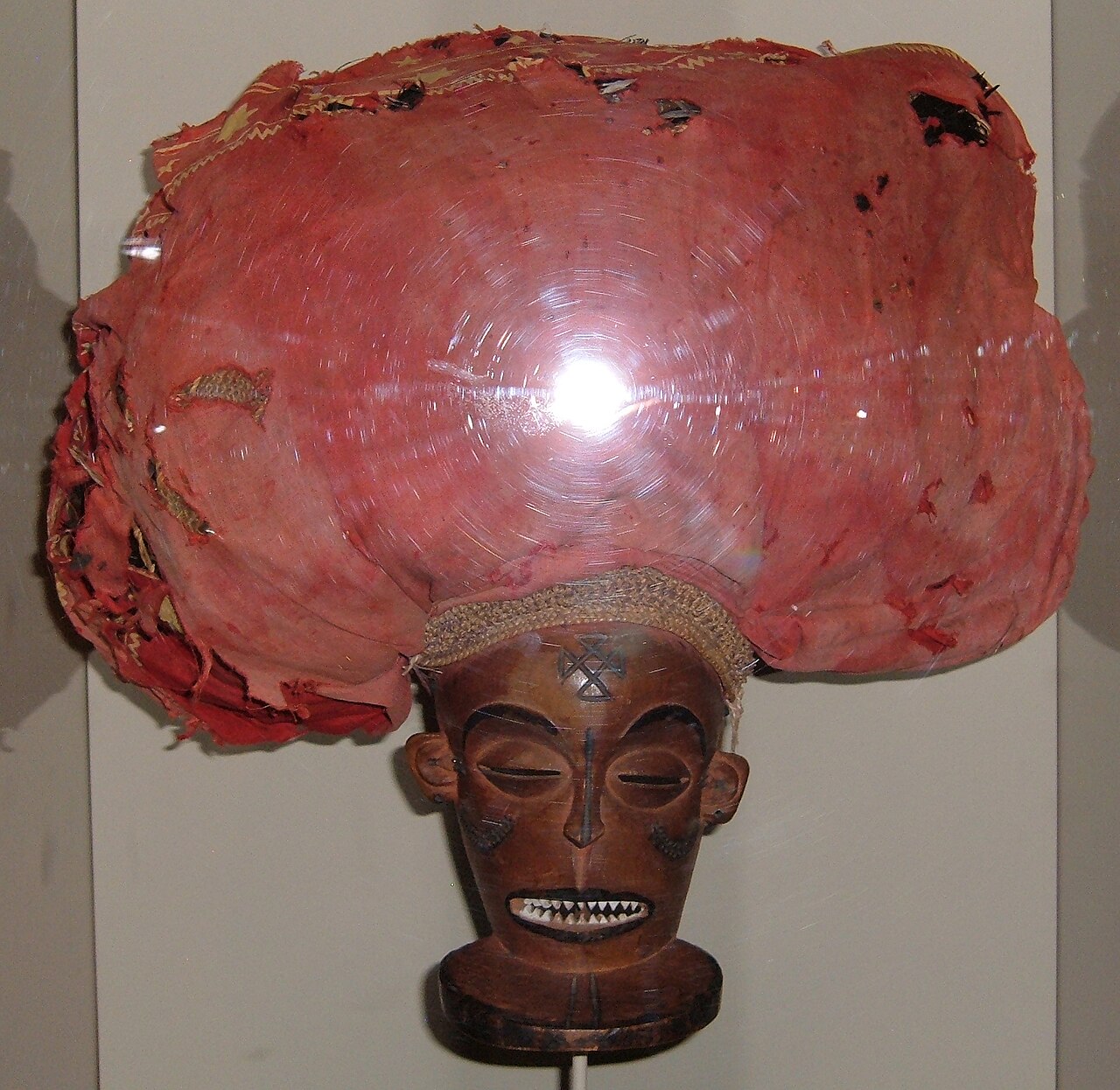
The Lunda and their neighbours share in the rich craft tradition of the Kasai and Katanga, known especially for masks, carved figures and regalia of chieftaincy. Fine masks, associated with initiation and with the courts, are among the most celebrated products of the region.
Beyond carving, Lunda artisans worked iron and copper, wove baskets and mats, and made the ornaments and insignia that marked rank and office. Metalworking held particular importance in a land rich in copper, and fine ironwork and copperwork were signs of both wealth and status.
Food
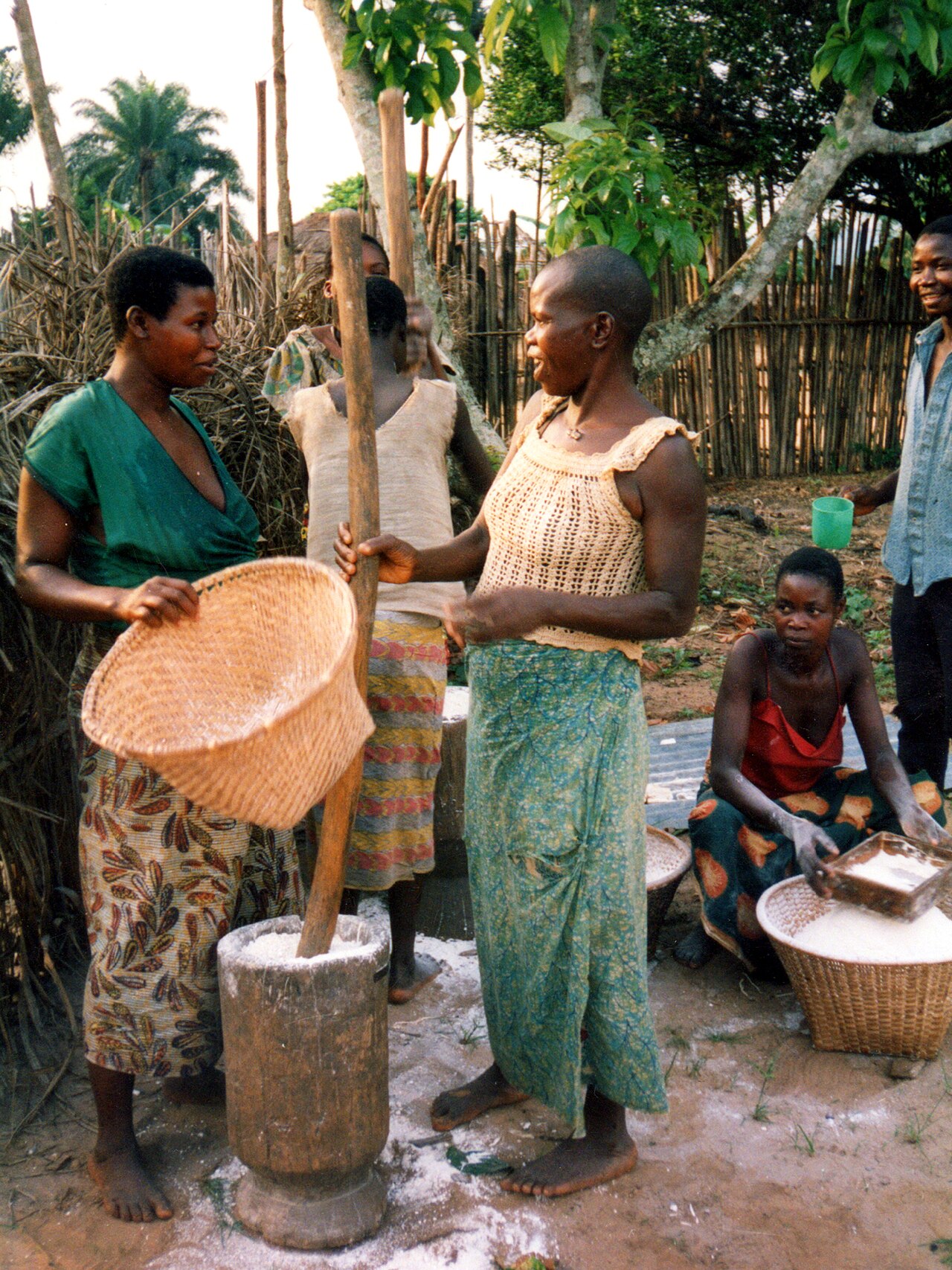
The Lunda table is built on fufu, a thick dough of pounded cassava or maize, eaten with sauces and relishes of vegetables, cassava leaves, fish or meat. Cassava in its many forms is the mainstay, guarding against hunger and anchoring nearly every meal.
Hunting and fishing add game and fish to the diet, and wild fruits and mushrooms are gathered in season. Palm wine and locally brewed beers accompany celebrations, and communal eating remains central to Lunda hospitality and social life.
Festivals

Among the most striking Lunda festivals is the Mutomboko ceremony of the Kazembe Lunda in Zambia, a grand annual celebration in which the paramount chief re-enacts the triumphs of his forebears with dancing, drumming and ritual. It draws together the eastern Lunda in a vivid display of their heritage.
Across the Lunda lands, festivals tied to initiation, to the farming year and to the royal calendar bring communities together for music, dance and feasting. Such gatherings honour the ancestors, affirm the authority of chiefs and pass tradition to the young.
History
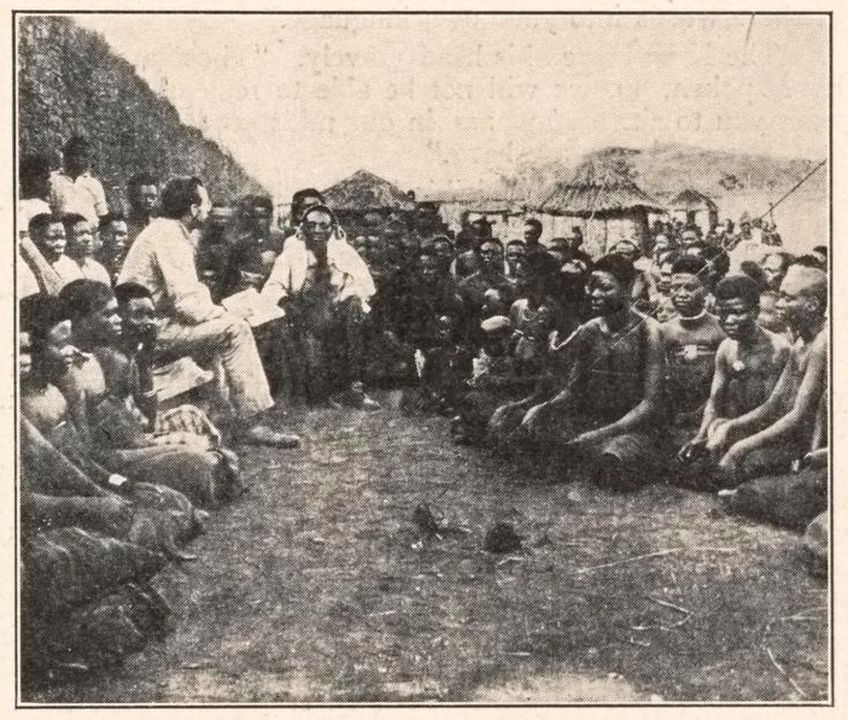
The Lunda Empire arose in the seventeenth century and reached its height in the eighteenth and nineteenth, dominating the savanna between the Congo and Zambezi rivers under the Mwant Yav. Its offshoot in the east, the kingdom of Kazembe on the Luapula, controlled the trade of the region and impressed the Portuguese and Arab travellers who reached it.
In the later nineteenth century the empire was weakened by the expansion of the Chokwe and by the pressures of the ivory and slave trades, and it was finally broken up by the colonial partition of Central Africa. Divided among the Congo, Angola and Zambia, the Lunda nonetheless preserved their chiefs and the memory of their imperial history.
Today
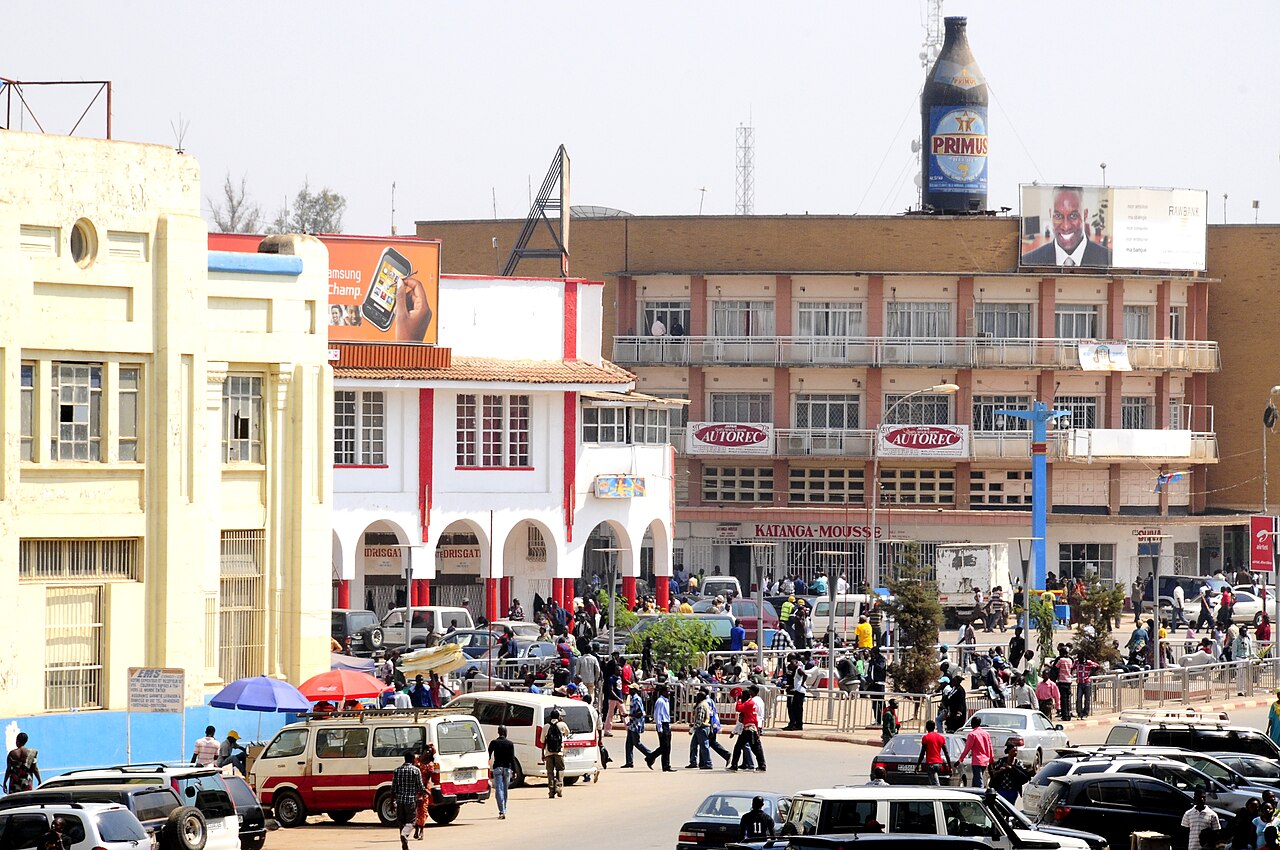
Today the Lunda live across the Democratic Republic of the Congo, Angola and Zambia, most of them farmers, though the mining towns of Katanga have drawn many into wage work and urban life. Their chiefs, including the Mwant Yav and the Mwata Kazembe, remain respected figures who preside over tradition and ceremony.
The Lunda carry the memory of one of Africa’s great empires into the modern age, sustained by language, chieftaincy and festivals such as the Mutomboko. Spread across three nations yet bound by a shared past, they remain a proud example of Central Africa’s deep political heritage.
Related Peoples of the Region
- The Himba, the Ochre People of the Kunene
- The Lozi, the Floodplain Kingdom of the Zambezi
- The Bemba, the Largest People of Zambia
- The Chewa, the Masked Dancers of Malawi
- The Ngoni, the Nguni Migrants of Central Africa
- The Makua, the Largest People of Mozambique
- The Ovimbundu, the Highland Traders of Angola
- The Mbundu, the People of Ndongo and Queen Njinga
More Peoples of the World
- A Fifth of Humanity, the Story of the Han Chinese
- How the Maori Sailed Across the Pacific to Reach New Zealand
- Zulu of the Green Hills and Their Kingdom Forged by Shaka
- The People Who Never Vanished, the Story of the Maya
- Long Before the Arabs Came, North Africa Belonged to the Amazigh
- The People Who Emerged Into This World, the Story of the Navajo
- Meet the Ainu, an Indigenous People at Japan’s Northern Edge
You May Like

The Damara, an Ancient People of Namibia



