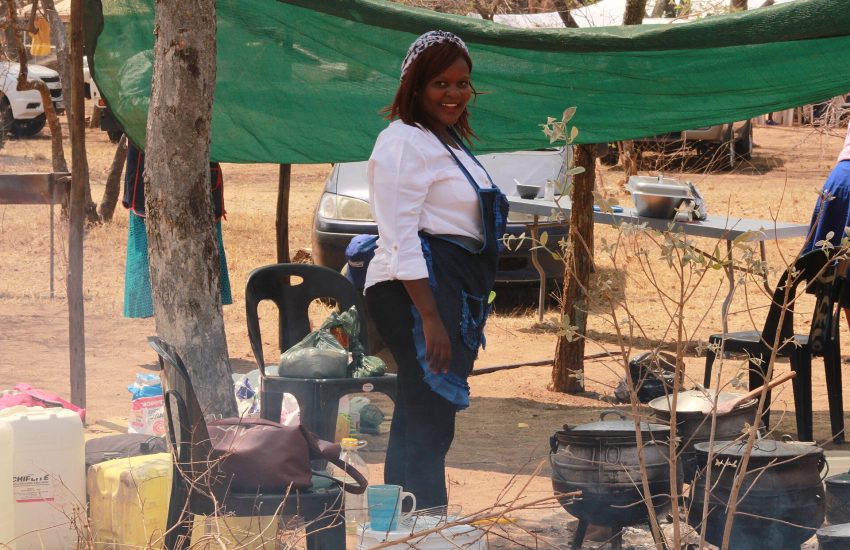
On the high plateaus of northern Malawi and eastern Zambia, between Lake Malawi and the Luangwa, live the Tumbuka, the dominant people of Malawi`s north. Farmers and herders of the cool uplands, they were once united by the Chikulamayembe dynasty and its trade in ivory.Conquered in the nineteenth century by the Ngoni yet giving those conquerors their language, and later shaped by the schooling of the Livingstonia mission, the Tumbuka became prominent in Malawi`s educated class. Their healing dance, the vimbuza, honoured by UNESCO, and their annual Gonapamuhanya festival keep a resilient identity alive.
The Tumbuka on Film
Contents
- Origins
- The Name
- The Language
- The Homeland
- The Old Way of Life
- Society and Community
- Religion and Belief
- Traditions
- Crafts
- Food
- Festivals
- History
- Today
Origins
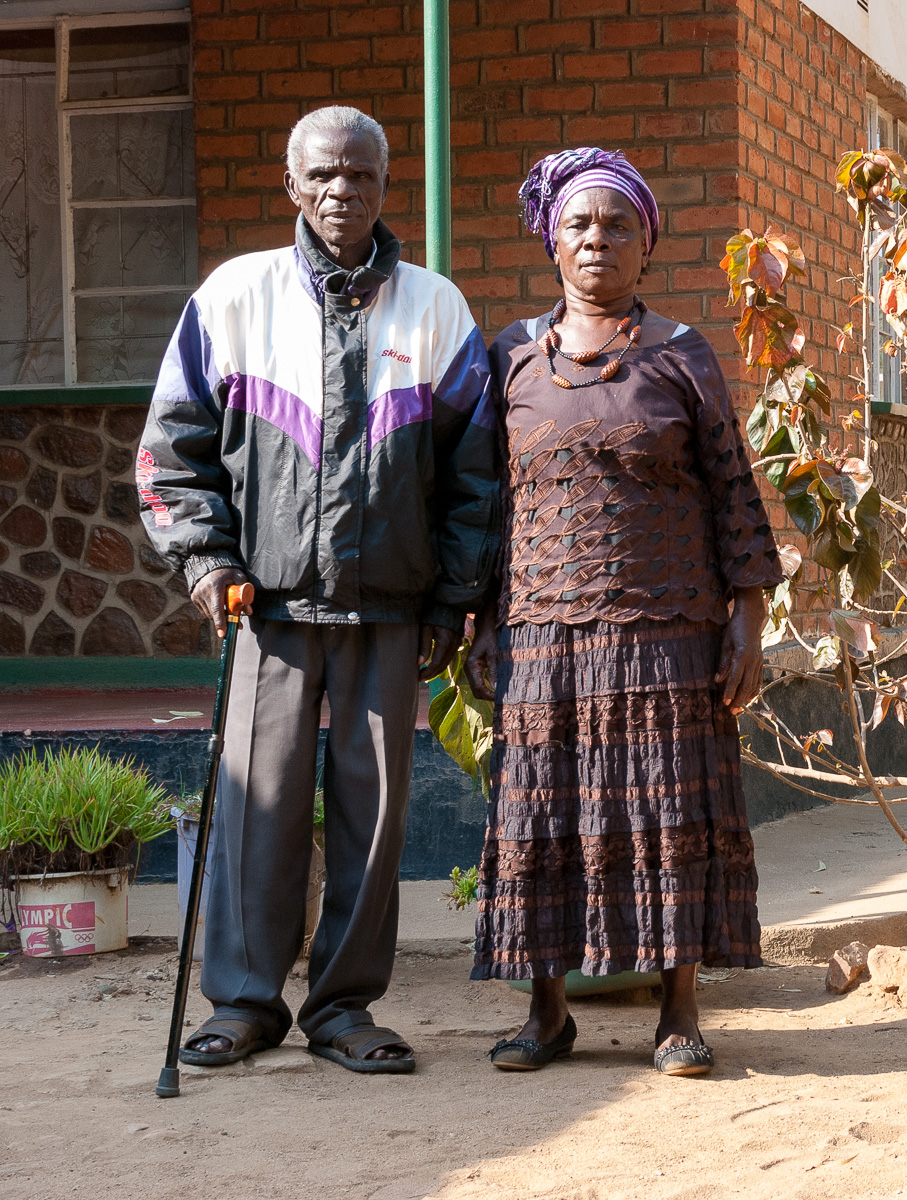
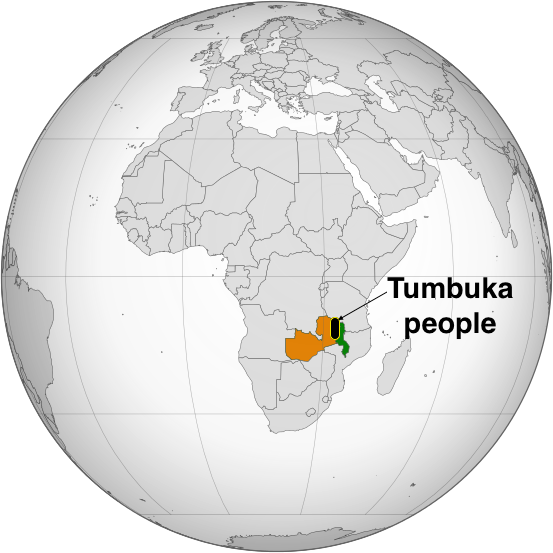
The Tumbuka are a Bantu people of northern Malawi and eastern Zambia, concentrated in the districts of Rumphi and Mzimba and across the border around Lundazi. They occupy the plateaus and valleys between Lake Malawi and the Luangwa, a country of highland grassland and wooded hills.
In earlier times the Tumbuka lived in loosely organised chiefdoms until, around the eighteenth century, an immigrant trader remembered as Mlowoka founded the Chikulamayembe dynasty and drew them into a more unified state built on the ivory trade. This kingdom gave the Tumbuka a focus of identity that survived later upheavals.
The Name

The people are known as the Tumbuka, and their language as ChiTumbuka. The name covers a number of related groups gathered under the Chikulamayembe and united by a common speech, and it is used both by the people themselves and by their neighbours.
The Tumbuka heartland lies in the Northern Region of Malawi, with the town of Rumphi and the city of Mzuzu at its heart, extending westward into the Zambian districts along the border. This upland country, long somewhat remote, nurtured a strong regional identity.
The Language
The Tumbuka speak ChiTumbuka, one of the major languages of Malawi and the principal tongue of the Northern Region, where it serves as a lingua franca among several peoples. It is also spoken widely in the neighbouring parts of Zambia.
The language was written down and promoted by Scottish missionaries at Livingstonia, who produced a literature and used it in schools, giving ChiTumbuka an early written form. Though Chichewa and English dominate in national life, ChiTumbuka remains vigorous and is a strong marker of northern identity.
The Homeland

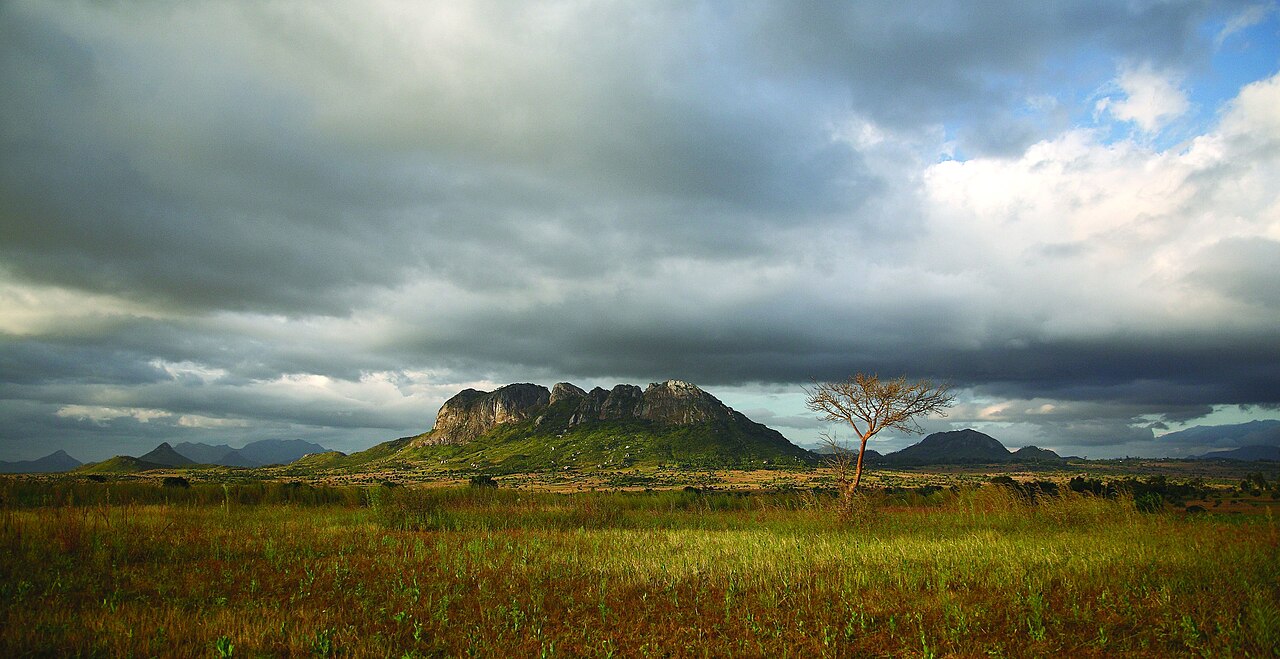
The Tumbuka homeland is a country of high plateaus and grassland, including the great Nyika plateau, together with the valleys that fall toward Lake Malawi and the Luangwa. The cool uplands and their miombo woodland shape a landscape well suited to farming and cattle.
This highland position, set back from the lakeshore and the main trade routes, long gave the Tumbuka a measure of isolation. It was into these uplands that the ivory traders came from the east, and here too that the Ngoni later descended, drawn by the wealth of the well-watered country.
The Old Way of Life
The Tumbuka are farmers and herders, cultivating maize, cassava, millet, beans and other crops on the plateau and keeping cattle where the grassland allows. Farming follows the rhythm of the rains, and the household and village form the basic units of Tumbuka life.
In earlier centuries the Tumbuka were drawn into the long-distance ivory trade that linked the interior with the Indian Ocean coast, and it was this trade that underpinned the rise of the Chikulamayembe state. Farming, herding and trade together sustained the Tumbuka economy.
Society and Community
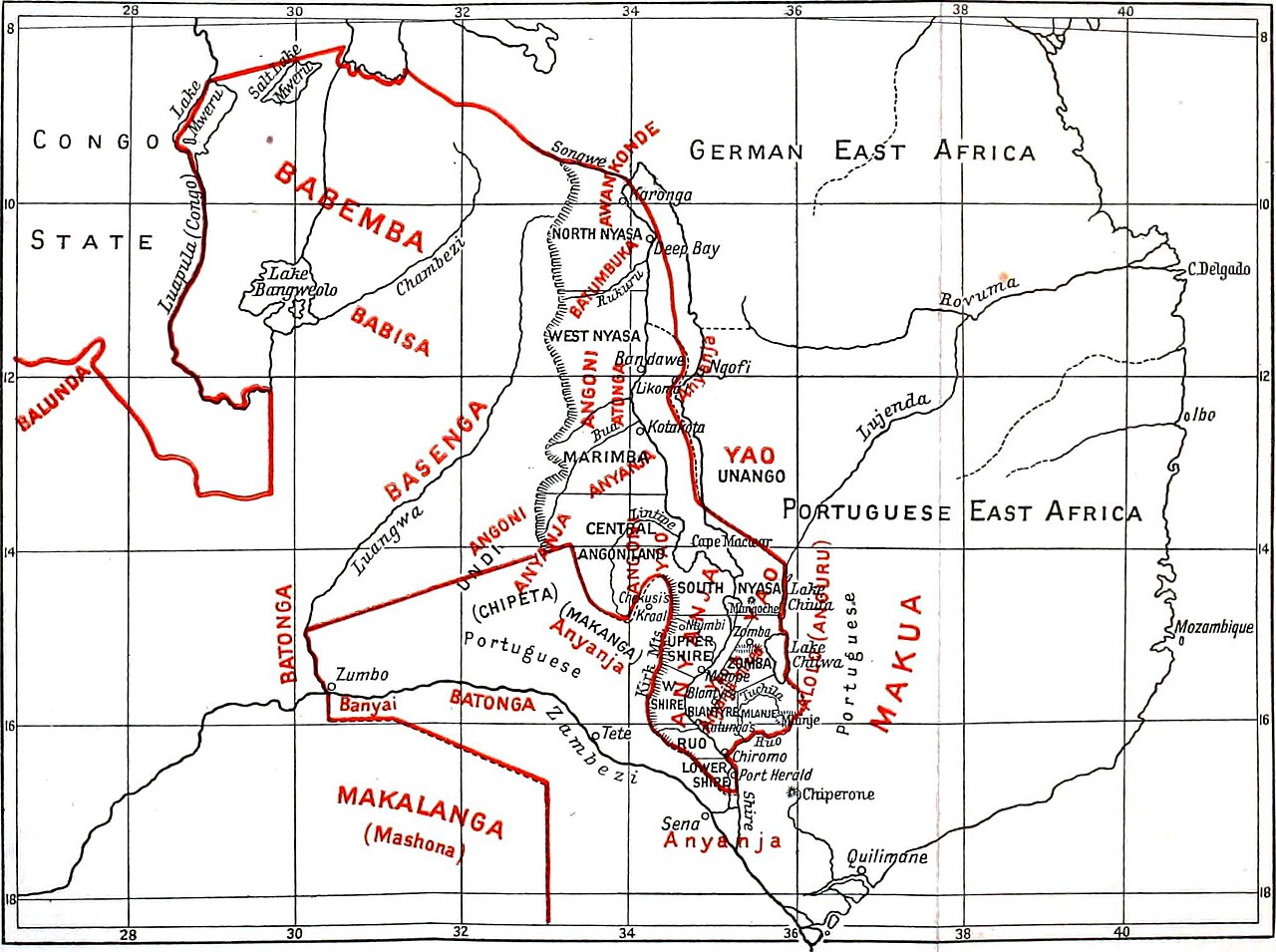
Tumbuka society was organised around chiefs, with the Chikulamayembe as the paramount ruler of the core group, supported by lesser chiefs and headmen. Descent and inheritance are traced chiefly through the father’s line, distinguishing the Tumbuka from some of their matrilineal neighbours to the south.
The nineteenth century brought a profound disruption when the Ngoni, migrants from the south, conquered much of the Tumbuka country and absorbed many of its people. So thoroughly did the two mix that many who identify as Ngoni in Mzimba today speak Tumbuka, a testament to the resilience of Tumbuka language and culture even under conquest.
Religion and Belief

Traditional Tumbuka religion recognised a creator god together with ancestral spirits who watched over the living, approached through ritual and through healers who dealt with sickness and misfortune. The vimbuza, a dance of spirit possession and healing, expressed this world of spirits and remains a living tradition.
From 1875 the Free Church of Scotland established the Livingstonia mission in Tumbuka country, and Christianity spread widely, so that most Tumbuka are now Christian. The mission also brought schooling, and older beliefs in ancestors and healing coexist with strong church membership.
Traditions

The most celebrated Tumbuka tradition is the vimbuza, a healing dance in which those afflicted by certain spirits are treated through drumming, song and possession dance in a ritual that may last through the night. Recognised by UNESCO as a masterpiece of intangible heritage, the vimbuza remains widely practised in northern Malawi.
Beyond healing, music, dance and oral storytelling mark the occasions of Tumbuka life, from weddings to funerals. Through these traditions, and through the memory of the Chikulamayembe, the Tumbuka sustain their distinctive identity.
Crafts

Tumbuka craftwork serves the needs of highland farming life, including basketry, mat-weaving, pottery and ironwork, together with the carving of household objects. The weaving of cane and fibre reaches a striking height in the suspension bridges built across the rivers of the region.
Women contribute pottery and the working of grain, while smiths and carvers supply tools, implements and ornaments. Much of this craft is practical, but skill and artistry are valued, and fine work is a mark of pride within the community.
Food
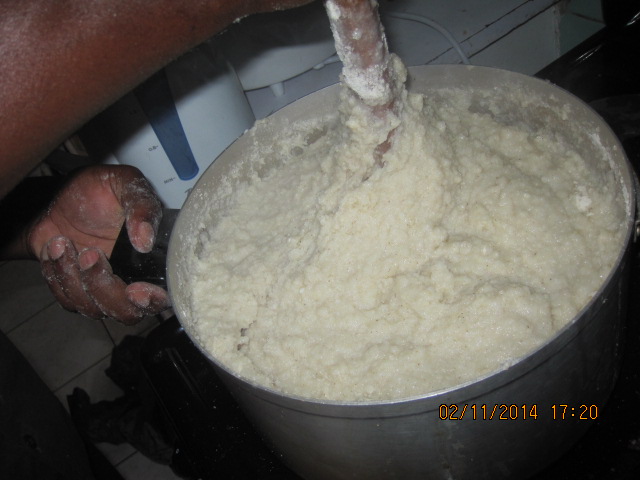
The staple of the Tumbuka table is nsima, a thick porridge of maize flour eaten with the hands and dipped into relishes of vegetables, beans, fish or meat. It is shared across Malawi, and no meal is considered complete without it.
Cassava, millet and a variety of vegetables round out the diet, and the fish of Lake Malawi are enjoyed where they can be obtained. Cattle provide milk and, on ceremonial occasions, meat, while locally brewed beers accompany celebrations and communal gatherings.
Festivals
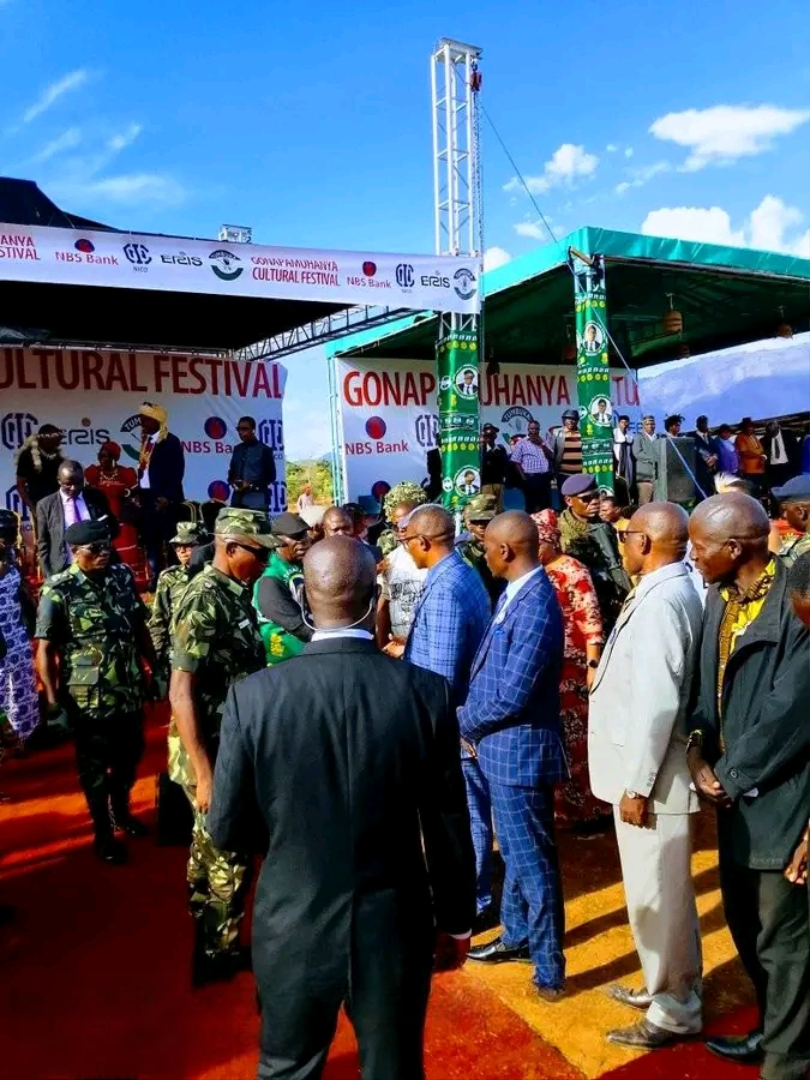
The great festival of the Tumbuka is the Gonapamuhanya, held each year at Bolero in Rumphi to honour the Chikulamayembe and celebrate Tumbuka heritage. It gathers the people for speeches, music, dance and the display of tradition, and reaffirms the bond between the paramount chief and his people.
Alongside the Gonapamuhanya, the vimbuza and the ceremonies of the life cycle punctuate the Tumbuka year. For a people whose modern identity has been shaped by both conquest and mission, such festivals are an important means of asserting and renewing their heritage.
History
The Tumbuka rose to prominence with the Chikulamayembe state, built on the ivory trade from around the eighteenth century. In 1855 and after, the Ngoni under the successors of Zwangendaba conquered much of the Tumbuka country, absorbing many of its people and disrupting the old order.
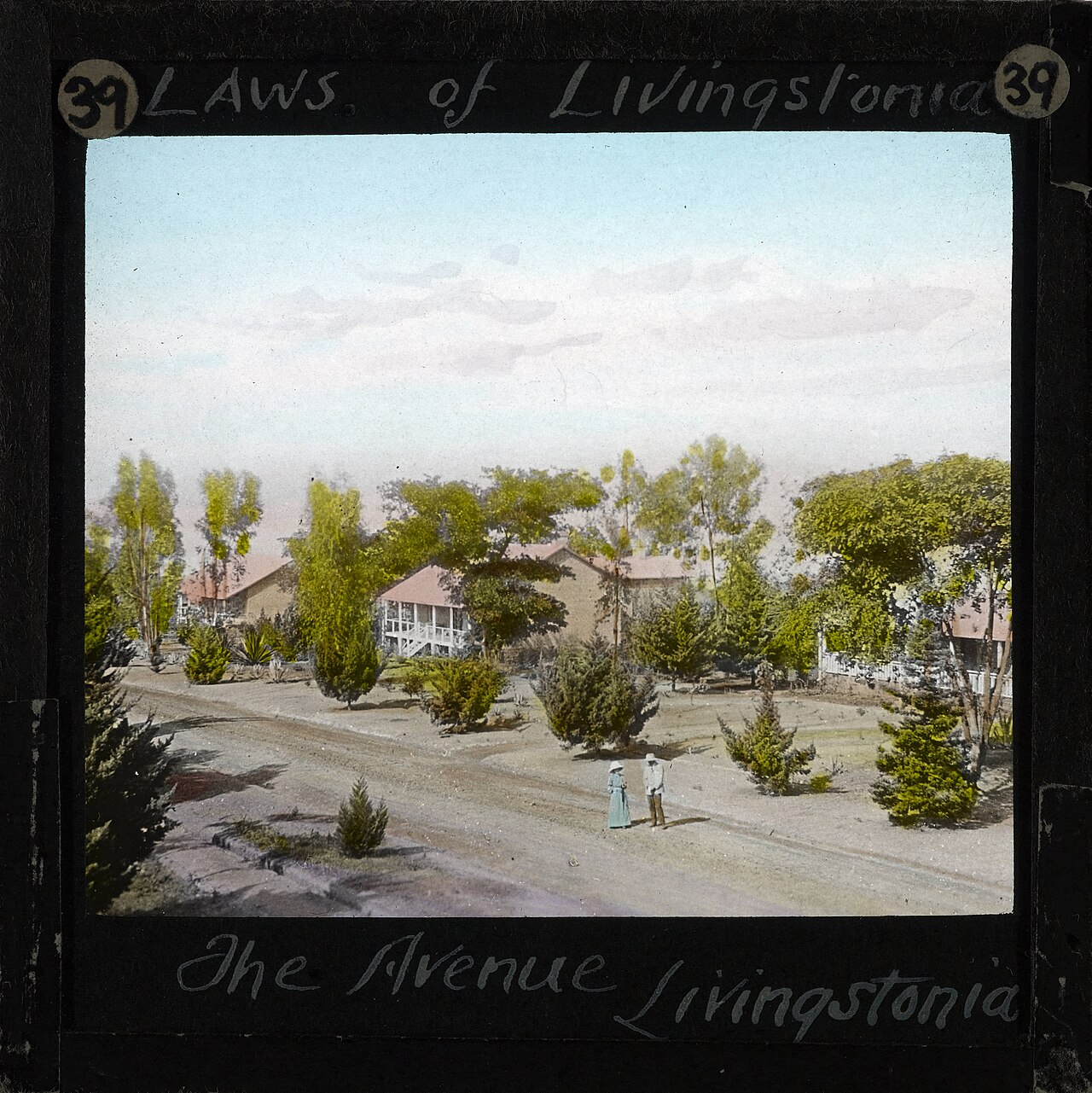
From 1875 the Livingstonia mission of the Free Church of Scotland brought Christianity and, above all, education to the region, and the Tumbuka became prominent in the educated class of colonial Nyasaland and in the early nationalism that led to Malawian independence in 1964. This legacy of learning long shaped the place of the Tumbuka in national life.
Today

Today the Tumbuka are the dominant people of northern Malawi and a significant community in eastern Zambia, most of them farmers, though the city of Mzuzu has grown into a regional hub drawing many into trade, education and administration. ChiTumbuka remains the common language of the north.
The Chikulamayembe still presides as paramount chief, the Gonapamuhanya festival gathers the people each year, and the vimbuza endures as a living tradition. Shaped by kingdom, conquest and mission alike, the Tumbuka carry a resilient identity into modern Malawi and Zambia.
Related Peoples of the Region
- The Lunda, Empire Builders of Central Africa
- The Teke, the Plateau Kingdom of the Congo
- The Bamileke, the Grassfields People of Cameroon
- The Bamum, the Kingdom of Foumban and Sultan Njoya
- The Duala, the Coastal Traders of the Wouri
- The Baka, Forest People of Central Africa
- The Azande, the Kingdom of the Nile-Congo Divide
- The Mangbetu, the Court Artists of the Congo
More Peoples of the World
- A Fifth of Humanity, the Story of the Han Chinese
- How the Maori Sailed Across the Pacific to Reach New Zealand
- Zulu of the Green Hills and Their Kingdom Forged by Shaka
- The People Who Never Vanished, the Story of the Maya
- Long Before the Arabs Came, North Africa Belonged to the Amazigh
- The People Who Emerged Into This World, the Story of the Navajo
- Meet the Ainu, an Indigenous People at Japan’s Northern Edge
You May Like
The Damara, an Ancient People of Namibia