Along the dry south coast of Papua New Guinea, in villages built out over the sea, live the Motu, an Austronesian people of traders and seafarers. From a land too dry for reliable gardens, they turned to the ocean, and their women’s clay pots became the wealth that carried them far along the coast.Each year the Motu set out on the Hiri, sailing westward in great multi-hulled lakatoi canoes to trade their pots for sago, a voyage of months celebrated today in the Hiri Moale festival. Their capital homeland became Port Moresby, and their language gave Papua New Guinea one of its national tongues; the Motu carry a proud maritime heritage into the modern nation.
The Motu on Film
Contents
- Origins
- The Name
- The Language
- The Homeland
- The Old Way of Life
- Society and Community
- Religion and Belief
- Traditions
- Crafts
- Food
- Festivals
- History
- Today
Origins

The Motu are an Austronesian people of the south-central coast of Papua New Guinea, living in a string of coastal villages around the site of the modern capital, Port Moresby. Seafarers, fishers and traders, they are best known for the Hiri, the great trading voyages that once carried them hundreds of miles along the coast in fleets of sailing canoes.
Speakers of an Oceanic language, the Motu are kin to the wider Austronesian world of the Pacific, though they have long lived alongside and intermarried with the Papuan-speaking Koitabu of the same coast. Their villages, built out over the sea on stilts, look out onto the waters that were the highway of their trade.
The Name
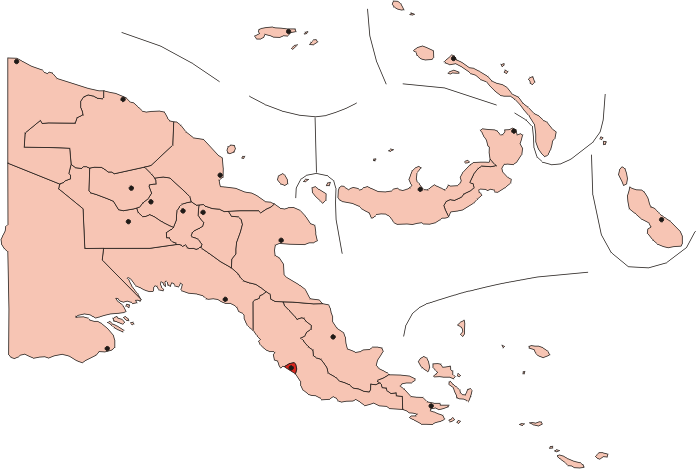
The people are known as the Motu, and their language also as Motu. From it grew a simplified form, Hiri Motu or Police Motu, which spread far beyond the Motu themselves to become a lingua franca and one of the official languages of Papua New Guinea.
The Motu homeland lies along the coast of the Central Province and the National Capital District, and the great village of Hanuabada, beside Port Moresby, is among the most famous of their settlements. The growth of Port Moresby into the national capital took place on and around the traditional lands of the Motu.
The Language
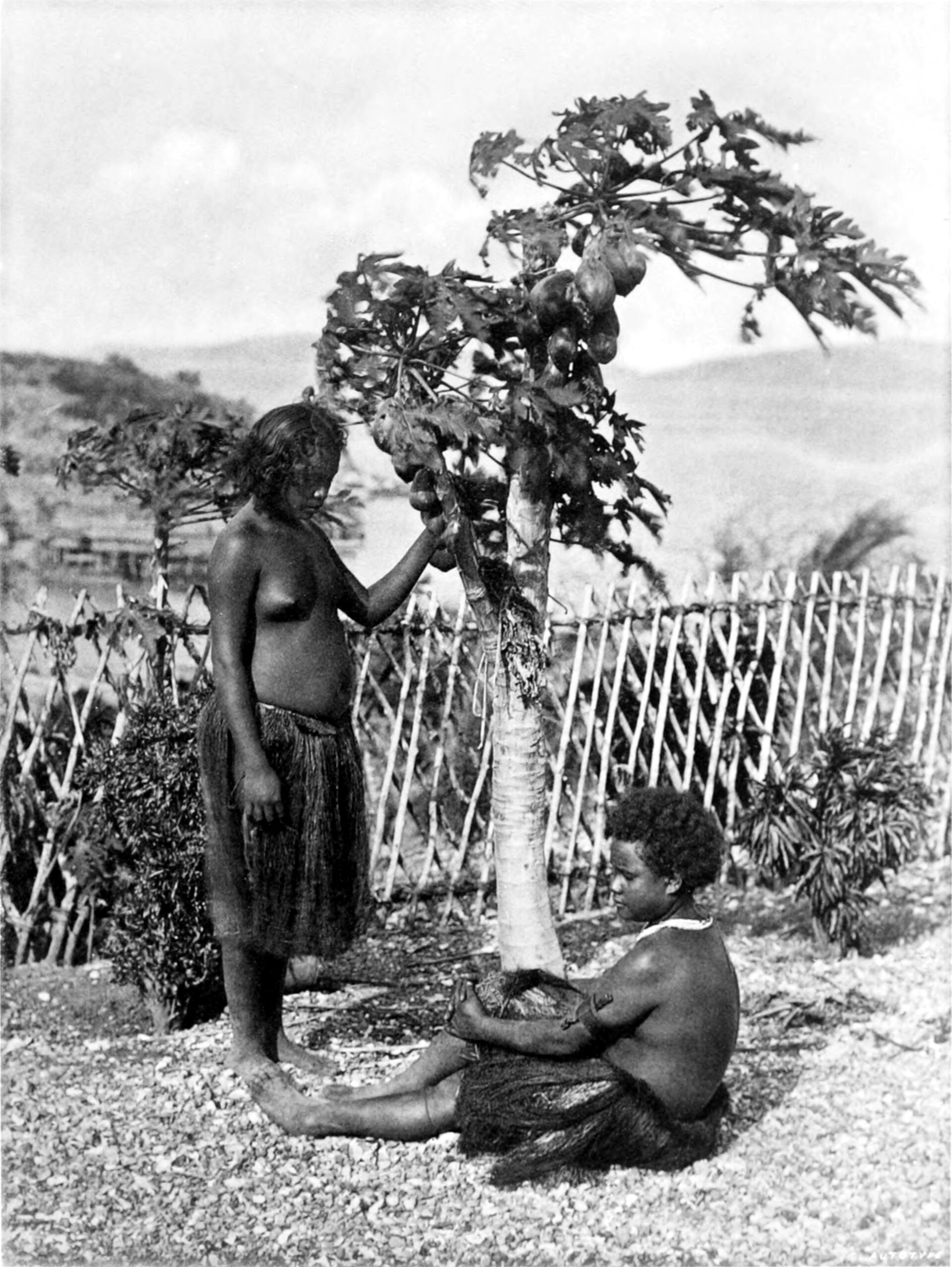
The Motu language belongs to the Oceanic branch of the Austronesian family, related to the languages of much of the island Pacific. It was among the first languages of the New Guinea coast to be studied and written down by missionaries.
From Motu developed Hiri Motu, a simplified trade and administrative language once used by police and officials across the territory, which became widely spoken and gained official status in Papua New Guinea. Though English and Tok Pisin now dominate national life, the Motu language remains central to the identity of the people.
The Homeland

The Motu homeland is the dry south-central coast of Papua New Guinea, a country of savanna-clad hills, mangrove shores and fine harbours, drier than much of the island. This relative dryness limited farming and made the sea and trade all the more important to Motu life.
Their villages were built out over the shallow coastal waters on posts, with houses linked by walkways, looking out onto the sea. This coastal, maritime setting shaped a people oriented toward the ocean, and the harbours of their country later drew the colonial town that became Port Moresby.
The Old Way of Life
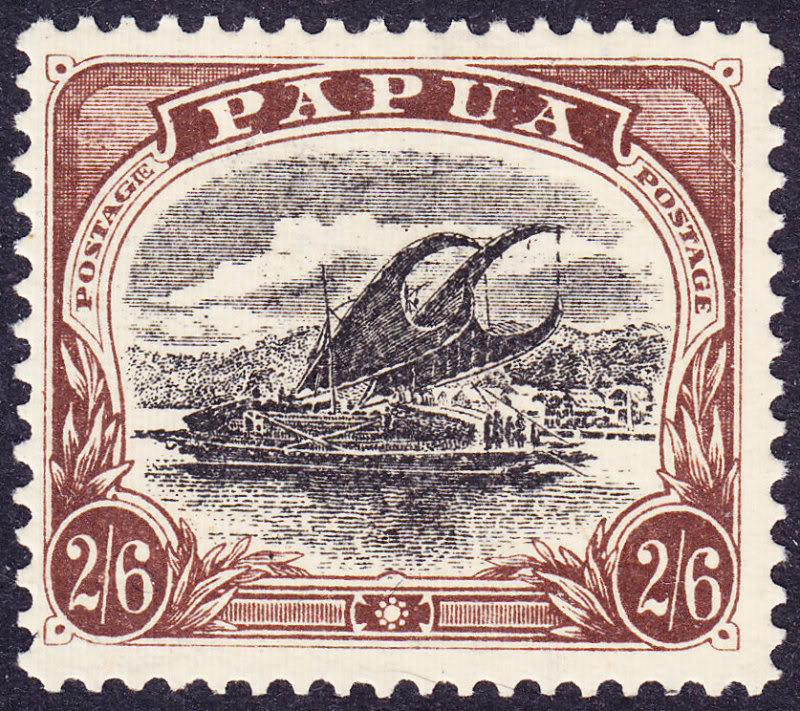
Because their dry coast yielded uncertain harvests, the Motu depended heavily on fishing and, above all, on trade. Motu women were expert potters, and the clay pots they made, together with shell ornaments, were the great trade goods of the people.
Each year, at the end of the dry season, Motu men set out on the Hiri, sailing westward in the lakatoi, large canoes of several hulls lashed together beneath crab-claw sails, to the Gulf of Papua. There they exchanged their pots and valuables for sago and for the great logs from which new canoe hulls were made, returning months later on the changing winds.
Society and Community

Motu society was organised into villages of related clans, led by chiefs and elders, and bound to the neighbouring Koitabu people by alliance and intermarriage. The organisation of the Hiri expeditions, with their captains, crews and elaborate preparations, was a central feature of Motu social life.
Trade, wealth in pots and shell valuables, and success on the Hiri brought standing among the Motu. The close relationship with the land-oriented Koitabu, who provided access to gardens and hunting grounds, complemented the sea-oriented life of the Motu in a partnership of coast and hinterland.
Religion and Belief

Traditional Motu religion centred on ancestral spirits and the powers of the sea, honoured through ritual, especially in connection with the perilous Hiri voyages, whose safe outcome depended on proper observance. Taboos and ceremonies surrounded the building of the lakatoi and the departure and return of the fleet.
The Motu were among the first peoples of New Guinea to receive Christian missionaries, when the London Missionary Society established itself at Port Moresby in the 1870s, and they became strongly Christian. Today the great majority are Christian, and the church is central to Motu community life.
Traditions

The central tradition of the Motu was the Hiri itself, and its memory is honoured today in the annual Hiri Moale festival, held at Port Moresby around the time of national independence. The festival re-enacts the trading voyages, with lakatoi canoes, dancing, singing and the crowning of a Hiri queen.
Song, dance and the elaborate tattooing once worn by Motu women, marking beauty and status, were further expressions of Motu tradition. Through the Hiri Moale festival and these customs, the Motu celebrate and keep alive the heritage of their seafaring past.
Crafts
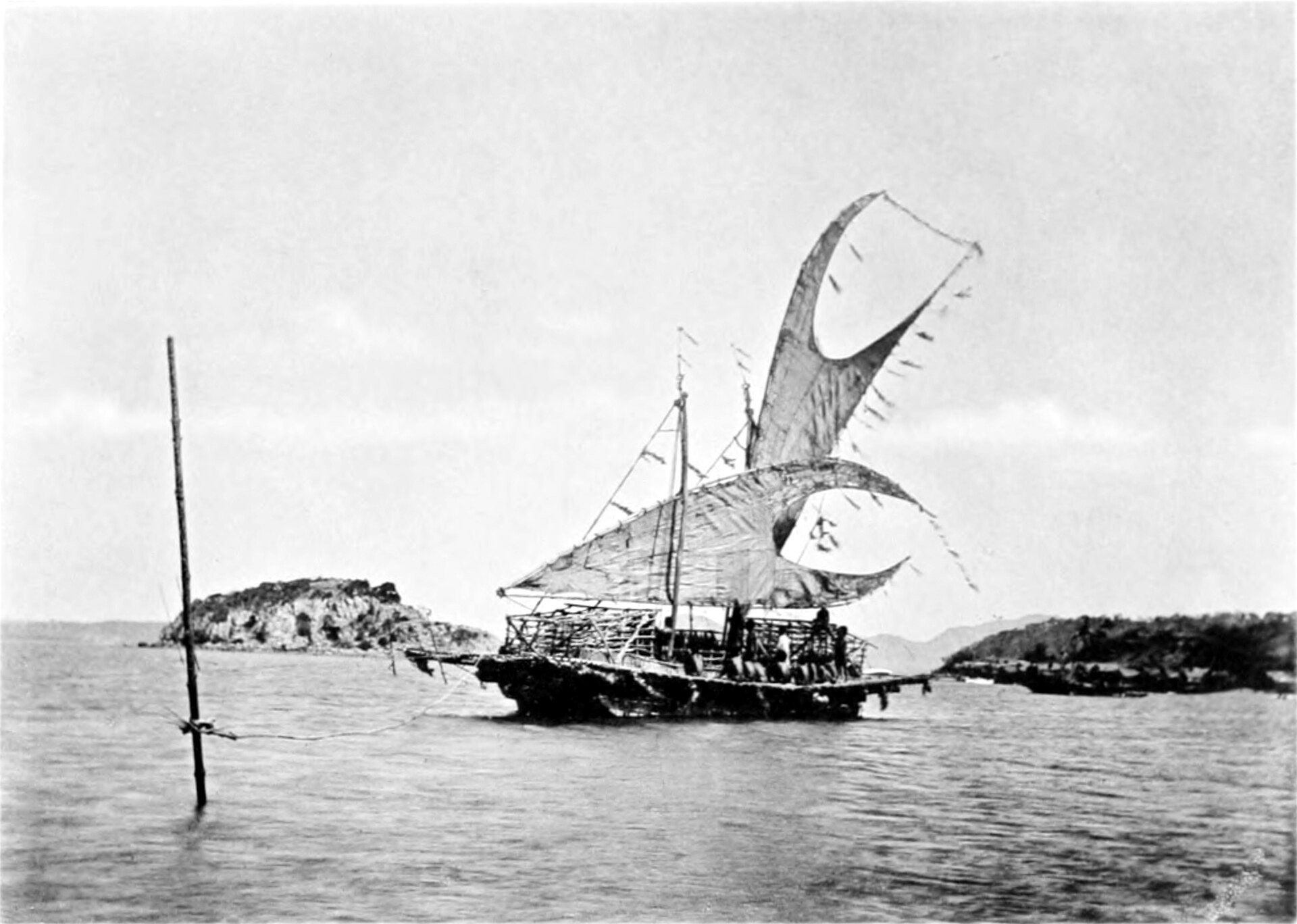
The signature craft of the Motu was pottery, made by the women who shaped and fired the clay pots that were the mainstay of the Hiri trade. These pots, produced in great numbers, were carried west to be exchanged for sago, and pottery was thus at the very heart of the Motu economy.
The Motu also built the lakatoi and other canoes, wove sails and made the shell ornaments and other valuables of trade and ceremony. This craftwork, above all the making of pots for exchange, reflected a people whose life and prosperity were built on trade across the sea.
Food

The Motu diet came from the sea and, through trade, from the gardens of others. Fish and other seafood were the mainstay, taken from the coastal waters, while sago, obtained on the Hiri in exchange for pots, was a vital staple in a land too dry for reliable gardens.
Coconuts, bananas and such garden produce as the dry coast and their Koitabu partners could provide rounded out the diet. Food, especially the sago won through trade, was central to Motu life, and its sharing marked the feasts and ceremonies of the people.
Festivals

The great festival of the Motu today is the Hiri Moale, celebrated at Port Moresby around Papua New Guinea’s independence anniversary, which revives the spirit of the Hiri trading voyages. Lakatoi canoes, traditional dancing, singing and the choosing of a Hiri Hanenamo, or Hiri queen, draw crowds each year.
Alongside the Hiri Moale, the Motu share in the wider festive and church life of Papua New Guinea. These celebrations honour the seafaring heritage of the Motu and bring their communities together in pride and remembrance.
History

The Motu had traded and voyaged along the New Guinea coast for centuries when Europeans arrived, and from the 1870s missionaries and then colonial officials established themselves at Port Moresby in the heart of Motu country. In 1884 Britain declared a protectorate over the region, later British New Guinea and then the Territory of Papua.
Port Moresby grew into the administrative capital, and the Motu, at the centre of colonial and later national life, saw their lands transformed by the growth of the city. Papua New Guinea gained independence in 1975, with the Motu homeland as its capital, and the great Hiri voyages, ended by the changes of the modern era, passed into celebrated memory.
Today
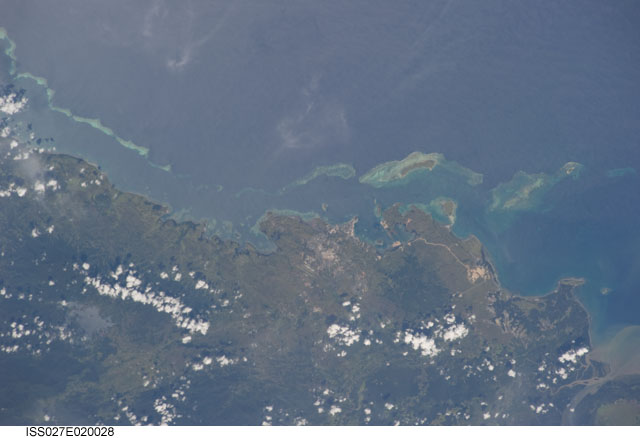
Today the Motu live in their coastal villages and throughout the sprawling city of Port Moresby, the national capital that rose in their homeland. Many have entered fully into the life of modern Papua New Guinea, in government, business and the professions, while their villages remain centres of Motu identity.
The Motu language and its offspring Hiri Motu, the Christian faith, and above all the Hiri Moale festival and the memory of the lakatoi continue to anchor Motu identity. Seafaring traders of the New Guinea coast, the Motu carry a proud maritime heritage into the modern nation whose capital stands on their shores.
Related Peoples of the Region
- Huli Wigmen of the Papua New Guinea Highlands and Their World of Gardens and Ceremony
- Trobriand Islanders of Milne Bay and Their Sea-Spanning World of Yams and the Kula
- Yapese People of the Stone Money Isles and Their Custom That Outranked Empires
- Ni-Vanuatu People of the South Pacific and Their World of Kastom and the Land Dive
- Tuvaluans of the Nine Atolls and Their Nation That Refuses to Sink
- iTaukei People of Fiji and Their Island World of Chiefs, Kava, and Custom
- The Torres Strait Islanders, Seafarers Between Two Lands
- The Solomon Islanders, People of the Coral Sea
More Peoples of the World
- A Fifth of Humanity, the Story of the Han Chinese
- How the Maori Sailed Across the Pacific to Reach New Zealand
- Zulu of the Green Hills and Their Kingdom Forged by Shaka
- The People Who Never Vanished, the Story of the Maya
- Long Before the Arabs Came, North Africa Belonged to the Amazigh
- The People Who Emerged Into This World, the Story of the Navajo
- Meet the Ainu, an Indigenous People at Japan’s Northern Edge
You May Like
The Damara, an Ancient People of Namibia