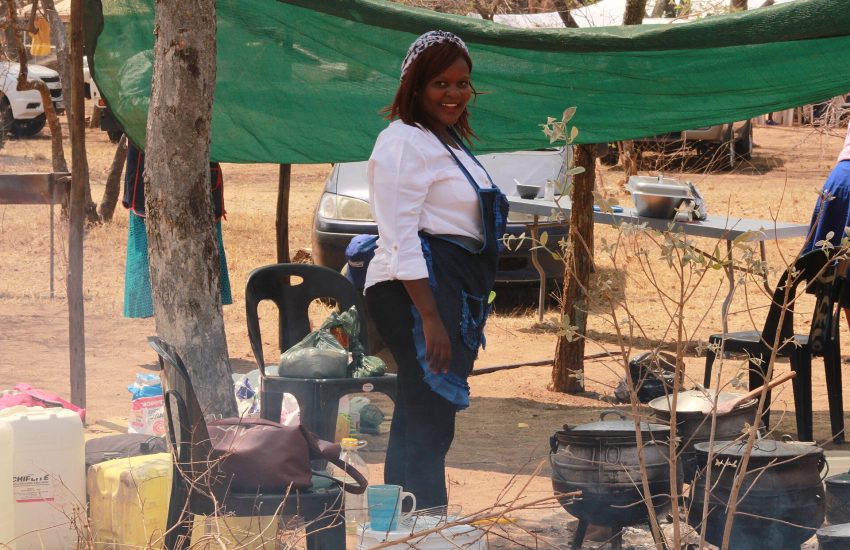
Scattered across the warm seas east of New Guinea lie the Solomon Islands, a Melanesian nation of rugged, forested islands and coral lagoons. Home to some seventy languages, their people are gardeners and fishers bound together by custom, the wantok network of kin, and the strings of shell money that seal every bond.Famed for the interlocking melodies of their bamboo panpipes and for the black carvings inlaid with gleaming nautilus shell, the Solomon Islanders saw their homeland become a pivotal battlefield of the Second World War at Guadalcanal. Independent since 1978, they carry an extraordinarily diverse island heritage into the modern Pacific.
The Solomon Islanders on Film
Contents
- Origins
- The Name
- The Language
- The Homeland
- The Old Way of Life
- Society and Community
- Religion and Belief
- Traditions
- Crafts
- Food
- Festivals
- History
- Today
Origins
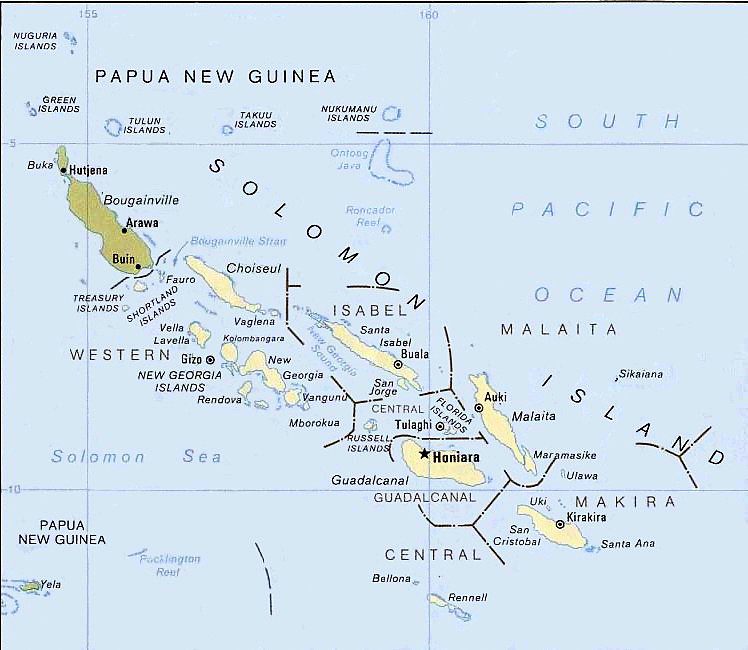
The Solomon Islands are a sovereign nation of the southwestern Pacific, a scattered archipelago of large volcanic islands and countless smaller ones lying to the east of Papua New Guinea. Their people are overwhelmingly Melanesian, akin to the peoples of New Guinea and Vanuatu, with small Polynesian communities on outlying islands.
People have lived in these islands for tens of thousands of years, with later Austronesian voyagers arriving some three thousand years ago and bringing the Lapita culture. Over the centuries the islands developed into one of the most culturally and linguistically diverse regions on earth, a mosaic of communities each rooted in its own island and valley.
The Name
The people are known collectively as Solomon Islanders, after the archipelago, which was named by a Spanish explorer who imagined it a source of the biblical King Solomon’s gold. In practice, Islanders identify above all with their own island, language group and village.
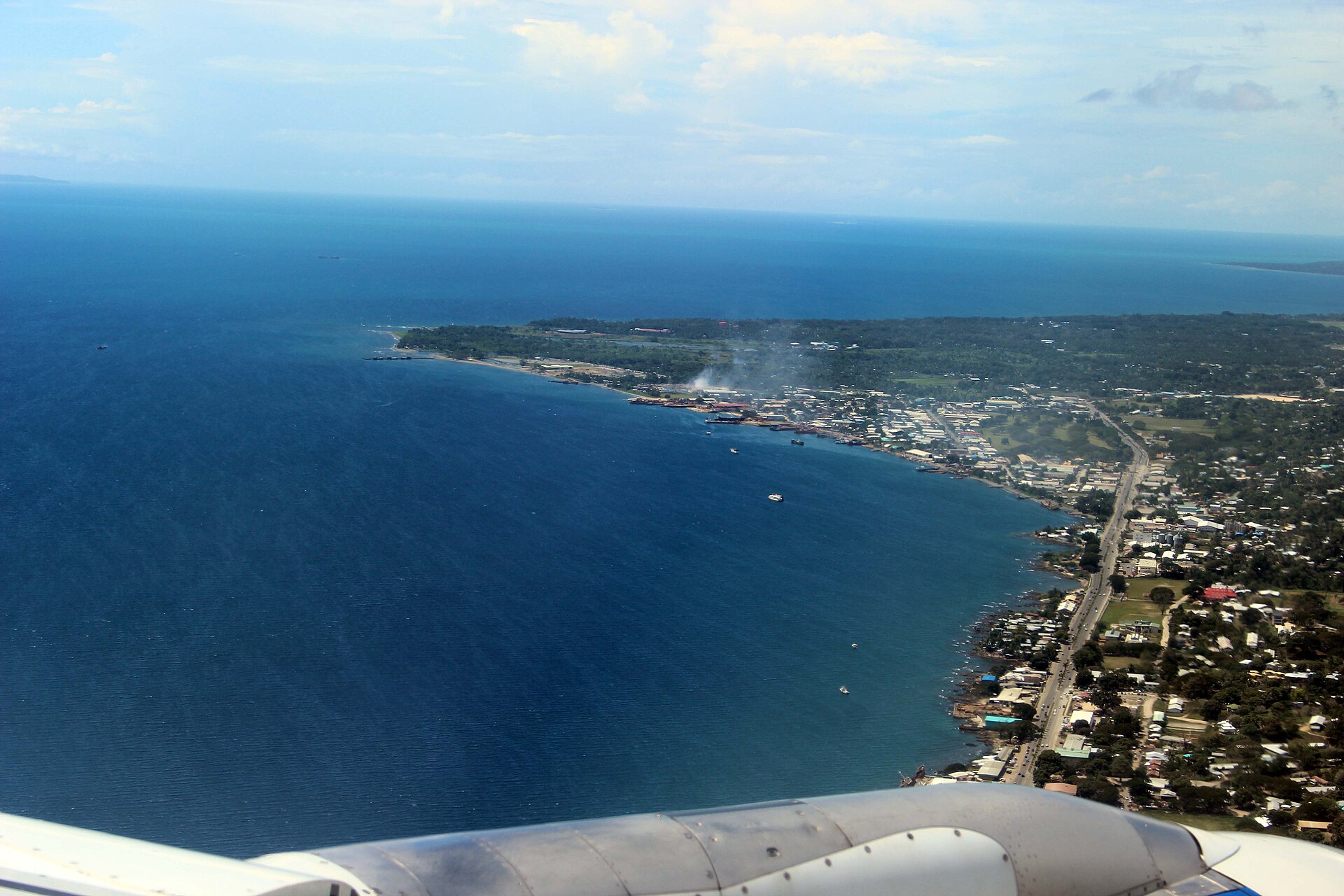
The nation’s capital is Honiara, on the island of Guadalcanal, which serves as the political and commercial centre of the country. Other major islands include Malaita, the most populous, together with Santa Isabel, Makira, Choiseul and the New Georgia group.
The Language

The Solomon Islands are among the most linguistically diverse nations on earth, with some seventy or more distinct languages spoken across the archipelago, most of them Austronesian but a few unrelated to any other. This astonishing diversity reflects the long, separate development of each island community.
To bridge these many tongues, Solomon Islands Pijin, an English-based creole, serves as the everyday lingua franca across the nation, while English is the official language of government and schooling. The wealth of local languages nonetheless remains central to the identity of each community.
The Homeland

The Solomon Islands homeland is a country of rugged, forested islands, coral reefs and lagoons in the warm western Pacific. Volcanic peaks rise from the larger islands, mangroves fringe the coasts, and the surrounding seas teem with fish and other life.
This is a tropical world of high rainfall and dense rainforest, where communities cluster along the coasts and in the fertile valleys. The sea and the reef, the garden and the forest together provided all that the Islanders needed, and their life has always been closely bound to this rich island environment.
The Old Way of Life
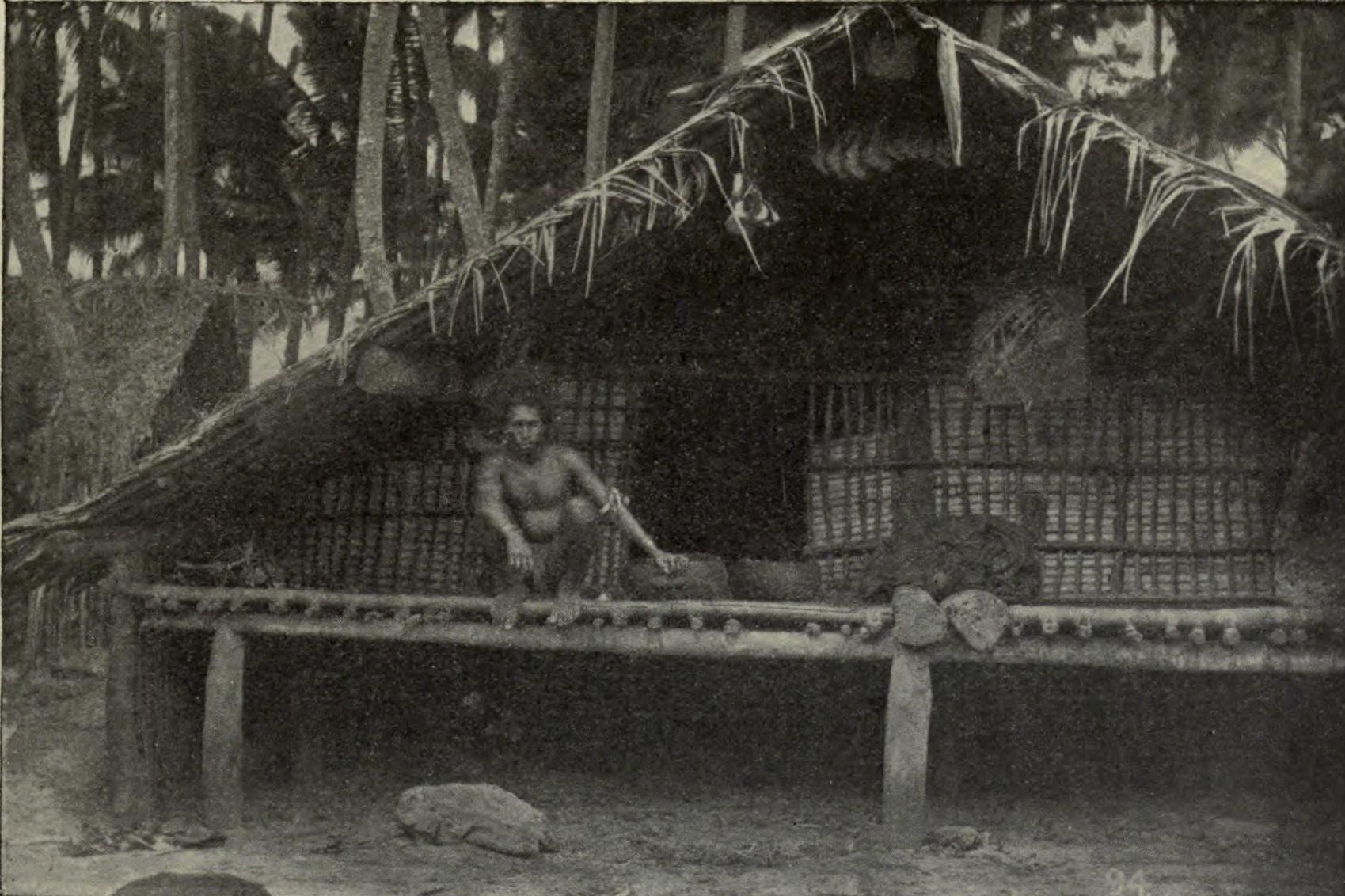
Solomon Islanders traditionally live by subsistence gardening and fishing. In their gardens they grow taro, yam, sweet potato, cassava, banana and coconut, and from the sea and reef they take fish, shellfish and other creatures, in a way of life largely self-sufficient in food.
Canoes carried people and goods between the islands and out to the fishing grounds, and trade linked communities across the archipelago. This life of garden and sea, ordered by custom and kinship, remains the foundation of village life for most Solomon Islanders today.
Society and Community
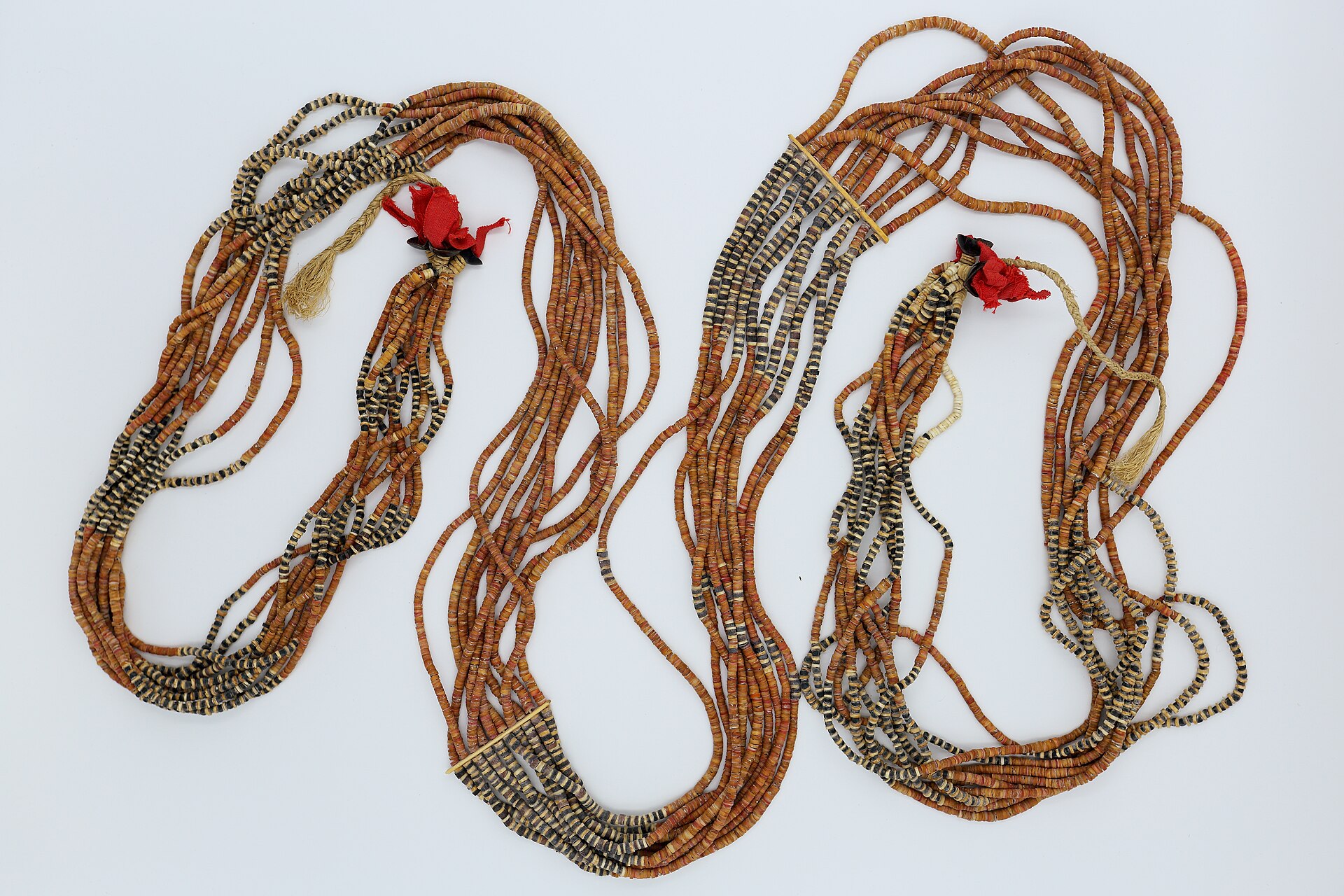
Solomon Islands society is built on the village, the clan and the wantok, the network of those who speak the same language and owe one another mutual support. Custom, known as kastom, governs land, exchange and proper conduct, and elders and chiefs hold authority through respect and tradition.
Wealth and social bonds were long expressed through shell money, especially on Malaita, where strings of carefully made shell discs are used in bridewealth, compensation and exchange. The wantok system and kastom continue to shape social life, binding people together in webs of obligation and belonging.
Religion and Belief

Traditional Solomon Islands religion centred on ancestors and spirits, honoured through ritual, sacred sites and the skill of priests and healers, with the spirits of the dead playing a central role in the fortunes of the living. Sacred shrines and the veneration of ancestral spirits were at the heart of village life.
From the nineteenth century Christianity spread through the islands, and today the great majority of Solomon Islanders are Christian, belonging to the Church of Melanesia, the Catholic Church and various Protestant denominations. Christianity blends with enduring respect for kastom and the ancestors in the spiritual life of the islands.
Traditions
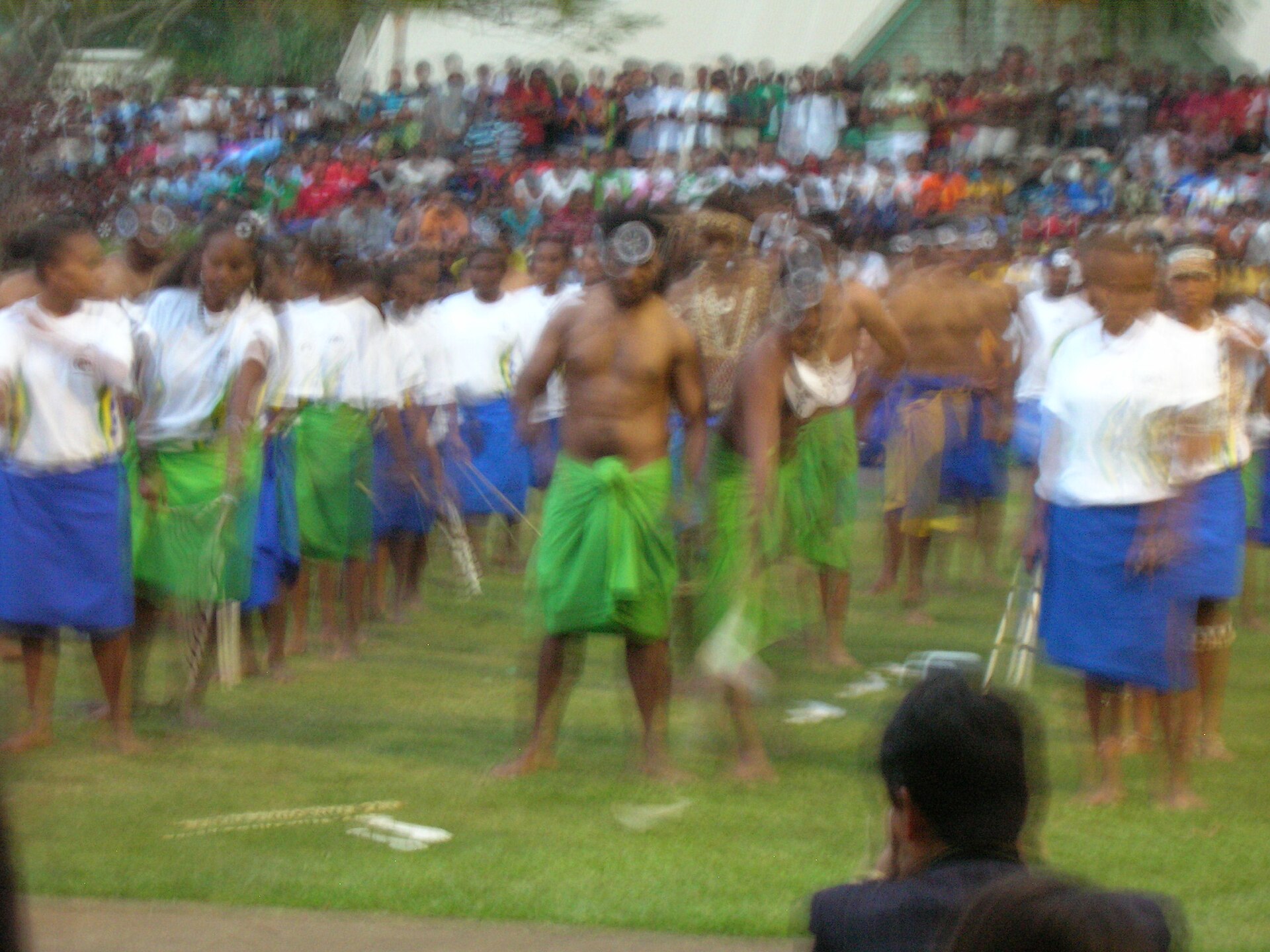
The Solomon Islands are celebrated for their music and dance, above all the bamboo panpipe ensembles of Malaita and the Are’are people, whose interlocking melodies have won admiration around the world. Dance, drumming and song accompany festivals and ceremonies across the islands.
The carving of canoes, bowls and figures, and the making of shell and feather valuables, are further expressions of island tradition, tied to ceremony and exchange. Through music, dance and craft, Solomon Islanders sustain the rich and varied heritage of their many communities.
Crafts
Solomon Islands craftwork is renowned, especially the woodcarving of the western islands, where black wood is inlaid with the gleaming shell of the nautilus to make bowls, figures and the nguzunguzu, the guardian figurehead once fixed to the prow of war and voyaging canoes. These inlaid carvings are among the finest arts of the Pacific.
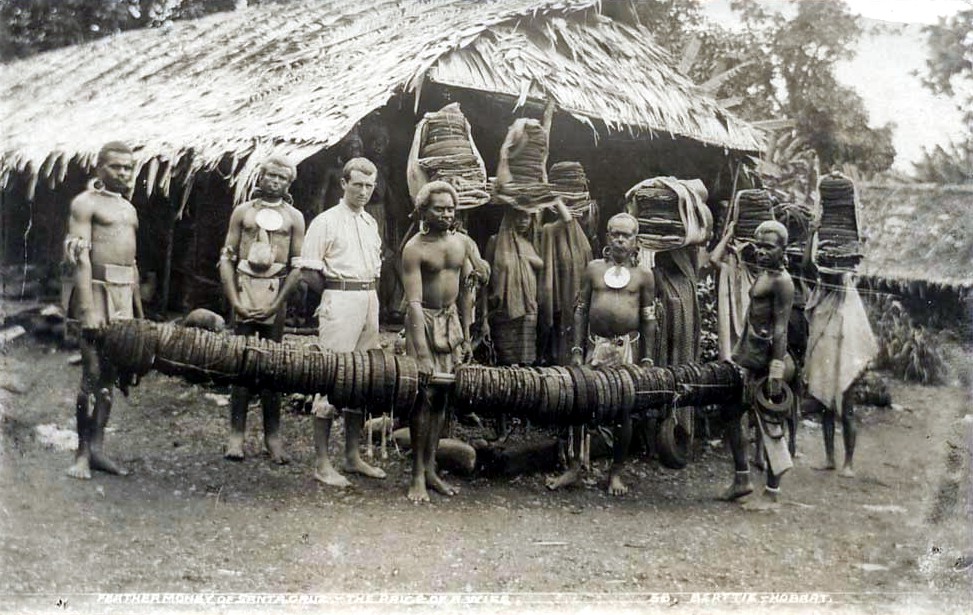
The Islanders also make shell money, feather money, woven mats and baskets, and the ornaments of shell and feather worn in dance. This craftwork, drawn from the sea and forest and bound up with ceremony and exchange, is a proud mark of island identity.
Food

The food of the Solomon Islands comes from the garden, the reef and the forest. Root crops such as taro, yam, sweet potato and cassava form the staple, cooked with coconut and served with fish, shellfish and, on special occasions, pork. Fruits, nuts and the ever-present betel nut round out daily life.
Food is cooked in earth ovens and shared at feasts that mark weddings, funerals and other important occasions, expressing the values of generosity and community. These foods, drawn from land and sea, remain central to the life and hospitality of the islands.
Festivals
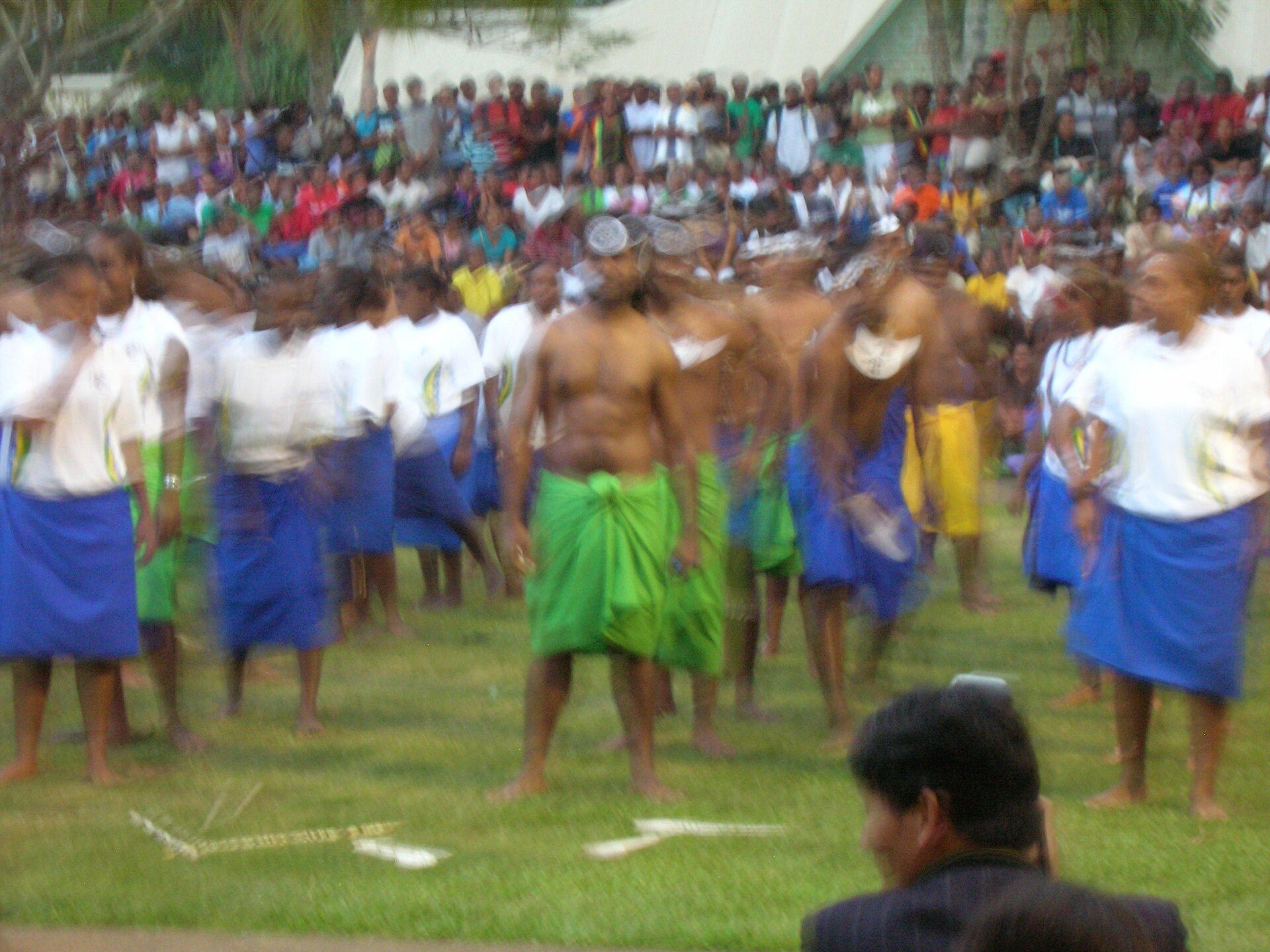
Solomon Islands communal life is marked by feasts and festivals tied to the rites of the life cycle, to custom and to the Christian calendar. Weddings, funerals and other great occasions bring communities together for feasting, dancing, panpipe music and the exchange of shell valuables.
National and cultural festivals also gather Islanders from across the archipelago to celebrate their diverse heritage in dance and song. Through these gatherings, from village feasts to national celebrations, Solomon Islanders affirm the bonds of kinship and the richness of their many cultures.
History
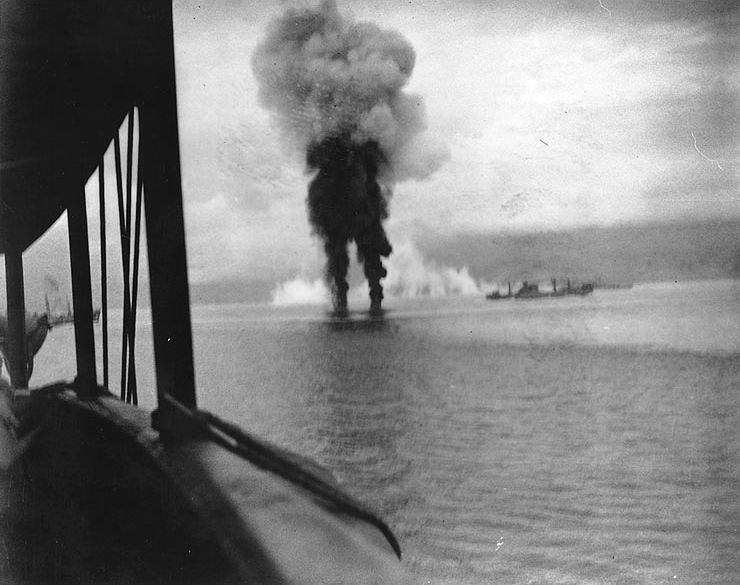
Settled for tens of thousands of years and shaped by later Austronesian voyagers, the Solomon Islands were drawn into the wider world through traders, missionaries and the notorious labour trade of the nineteenth century. In 1893 Britain declared a protectorate over the islands.
During the Second World War the islands, above all Guadalcanal, became the scene of one of the fiercest campaigns of the Pacific, a turning point in the war against Japan. The Solomons gained independence in 1978, and though the nation endured a period of ethnic tension around the turn of the century, it has since worked to rebuild peace and unity.
Today

Today the Solomon Islands are an independent nation of some hundreds of thousands of people, most of them living in villages by gardening and fishing, with a growing population in Honiara and other towns. The country faces the challenges of development, governance and the pressures of a changing climate on its low-lying communities.
The many languages and the unifying Pijin, the wantok system and kastom, Christianity, panpipe music and the famous inlaid carvings continue to define Solomon Islands life. A Melanesian nation of extraordinary diversity, the Solomon Islanders carry their island heritage into the modern Pacific world.
Related Peoples of the Region
- Asmat People of the Papua Swamps and Their Sacred Art of Woodcarving
- Huli Wigmen of the Papua New Guinea Highlands and Their World of Gardens and Ceremony
- Trobriand Islanders of Milne Bay and Their Sea-Spanning World of Yams and the Kula
- Yapese People of the Stone Money Isles and Their Custom That Outranked Empires
- Ni-Vanuatu People of the South Pacific and Their World of Kastom and the Land Dive
- Tuvaluans of the Nine Atolls and Their Nation That Refuses to Sink
- iTaukei People of Fiji and Their Island World of Chiefs, Kava, and Custom
- The Torres Strait Islanders, Seafarers Between Two Lands
More Peoples of the World
- A Fifth of Humanity, the Story of the Han Chinese
- How the Maori Sailed Across the Pacific to Reach New Zealand
- Zulu of the Green Hills and Their Kingdom Forged by Shaka
- The People Who Never Vanished, the Story of the Maya
- Long Before the Arabs Came, North Africa Belonged to the Amazigh
- The People Who Emerged Into This World, the Story of the Navajo
- Meet the Ainu, an Indigenous People at Japan’s Northern Edge
You May Like
The Damara, an Ancient People of Namibia