Almost everyone reading this is holding, or sitting beside, a smartphone. We keep them in our pockets, press them against our heads, and stare at them last thing at night. So it is no surprise that one of the most common health questions people type into a search bar is some version of: is my phone hurting me? The honest answer is more nuanced than either the scare stories or the dismissive reassurances suggest. This article walks through what science actually says about mobile phones and your health, covering radiation and cancer fears, sleep, mental wellbeing, posture, and the one risk that is genuinely deadly but rarely talked about in these terms.
Table of Contents
- The Question Everyone Asks
- Phone Radiation: What It Is and Isn’t
- The Cancer Question and What Big Studies Found
- Why “Possibly Carcinogenic” Confuses People
- Phones, Blue Light, and Sleep
- The Mind: Attention, Mood, and Habits
- Your Neck, Your Eyes, Your Thumbs
- The Real Danger Hiding in Plain Sight
- What the Evidence Suggests You Do
- What We Still Don’t Know
- Closing Thoughts
The Question Everyone Asks
Worry about mobile phones and health is almost as old as the devices themselves. For years the dominant fear has been radiation and brain tumours, fueled by alarming headlines and the simple discomfort of holding a transmitting device against your skull. More recently the anxiety has shifted toward what phones do to our sleep, our focus, and our children’s mental health. Both sets of worries deserve a careful, evidence-based look rather than a shrug or a panic.
The useful thing about this topic is that it has been studied intensely for decades, involving millions of people across many countries. That means we are not guessing in the dark. We have large, long-running investigations to draw on, and while no science is ever perfectly settled, the overall picture is clearer than most people realize. The trick is separating the risks that the evidence actually supports from the ones that sound frightening but have not held up.
Phone Radiation: What It Is and Isn’t
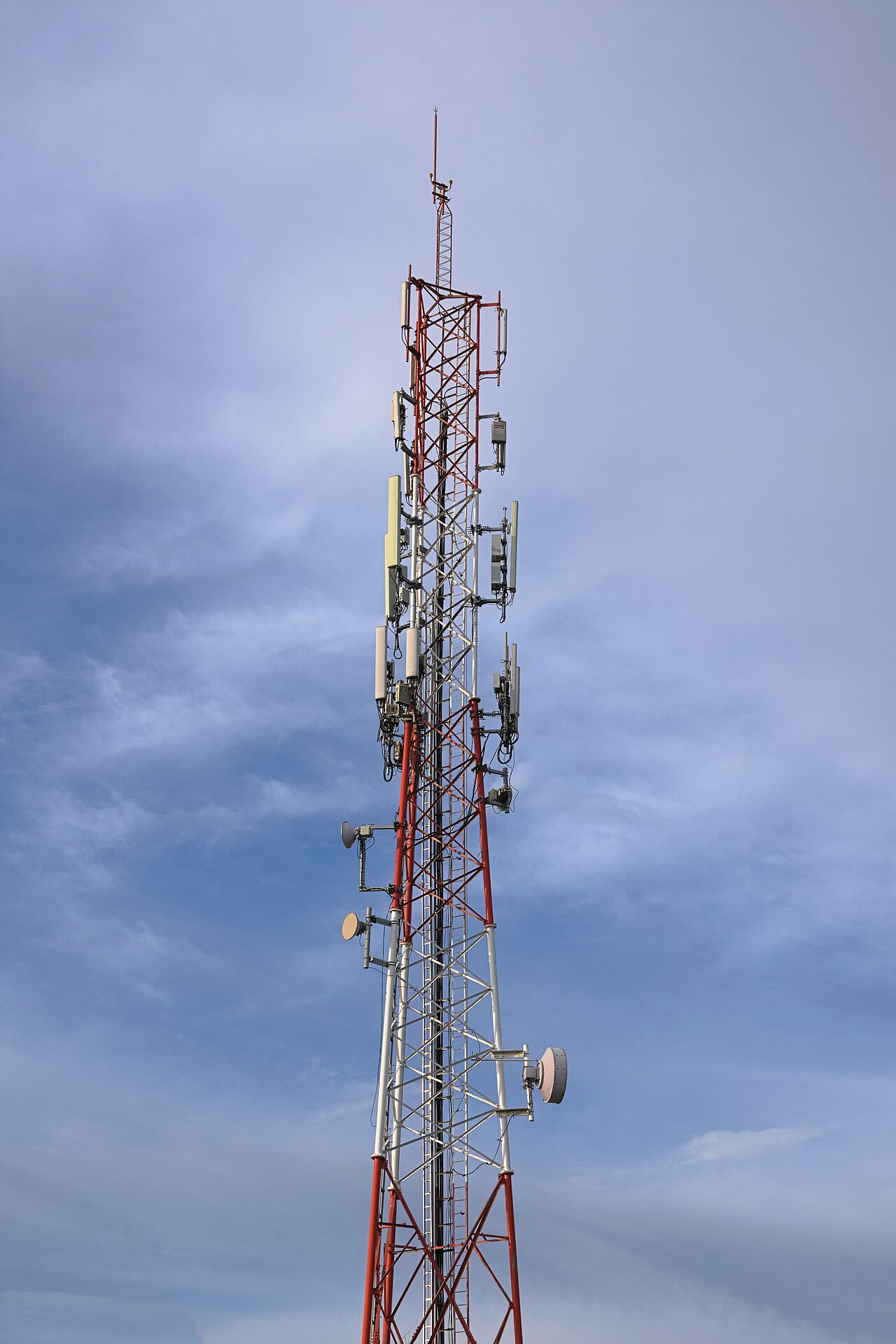
To understand the cancer debate, you first have to understand what kind of radiation a phone emits, because the word “radiation” does a lot of unfair scaremongering. There are two broad families. Ionizing radiation, like X-rays and the rays from radioactive materials, carries enough energy to knock electrons off atoms and damage DNA directly. That is the kind that genuinely causes cancer. Mobile phones emit the other kind: non-ionizing radiofrequency energy, which is far weaker and does not have enough energy to break chemical bonds in your DNA.
The main proven biological effect of radiofrequency energy at high levels is heating, the same principle a microwave oven uses, though phones operate at vastly lower power. Safety limits set by health authorities are designed specifically to keep any heating well below harmful levels. This is the crucial scientific distinction at the heart of the whole debate: phone radiation is physically incapable of damaging DNA the way ionizing radiation does. That does not automatically end the conversation, because researchers still investigate whether subtler, non-heating effects might exist, but it does mean the simplest version of the fear, that phones zap your DNA like an X-ray, is not how the physics works.
The Cancer Question and What Big Studies Found
Physics aside, the real test is whether people who use phones heavily actually get more brain tumours. This has been studied directly, and the results are reassuring overall. One of the largest efforts was the international INTERPHONE study, published in the International Journal of Epidemiology in 2010, which pooled data from thirteen countries to compare phone use between people with brain tumours and people without. Its headline finding was that, overall, mobile phone use was not associated with an increased risk of the main types of brain tumour.
An even cleaner kind of evidence came from Denmark, where researchers linked phone subscription records to cancer registries to follow hundreds of thousands of people over many years. The update of that Danish cohort study, published in the BMJ in 2011, found no increased risk of brain tumours among long-term mobile phone subscribers. Studies that track whole populations like this are valuable because they do not rely on people remembering how much they used their phones, a weakness that can distort case-control studies.
There is also a powerful real-world check on all of this. Mobile phone use exploded from near zero to near universal over a couple of decades. If phones were causing brain cancer in any substantial way, we would expect to see brain tumour rates climbing in step. Large national cancer registries have generally not shown such a surge, which is exactly what you would hope to see if the risk is very small or nonexistent. None of this proves a perfect zero, especially for the heaviest users over the longest timescales, but the weight of evidence points away from a meaningful cancer link.
Why “Possibly Carcinogenic” Confuses People
Here is where a lot of public confusion comes from. In 2011 the International Agency for Research on Cancer, the cancer arm of the World Health Organization, classified radiofrequency electromagnetic fields as “possibly carcinogenic to humans,” a decision summarized that year in The Lancet Oncology. That phrase sounds alarming, and headlines treated it as a smoking gun. But the classification means something narrower and more technical than people assume.
That category, often labeled group 2B, is used when there is some limited evidence that cannot be entirely dismissed but is far from conclusive. It is a statement about the strength of evidence, not the size of any risk. The same broad category has historically included things as ordinary as pickled vegetables and aloe vera extract. In other words, “possibly carcinogenic” is a flag for “we should keep studying this,” not a declaration that phones definitely cause cancer. Understanding this distinction defuses a great deal of unnecessary fear. The cautious scientific posture is to keep researching while recognizing that the strongest, largest studies have not found a clear danger.
Phones, Blue Light, and Sleep
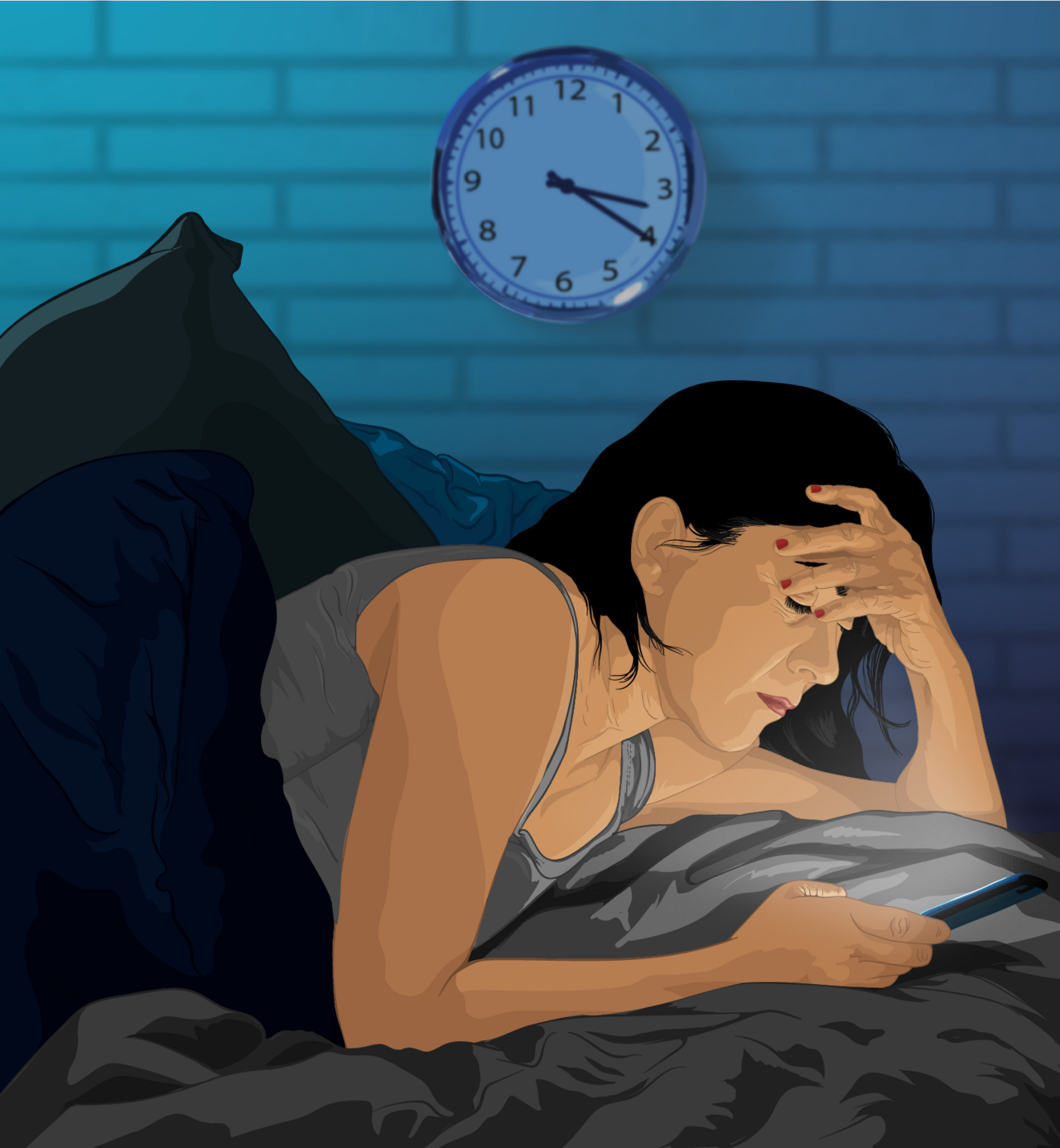
If the cancer fear is largely overblown, the sleep concern is much better supported, and it is probably where phones affect most people’s health day to day. Screens emit light rich in the blue part of the spectrum, and that kind of light is especially good at suppressing melatonin, the hormone that signals to your body that it is time to sleep. Use a bright screen late at night and you are, in effect, telling your brain it is still daytime.
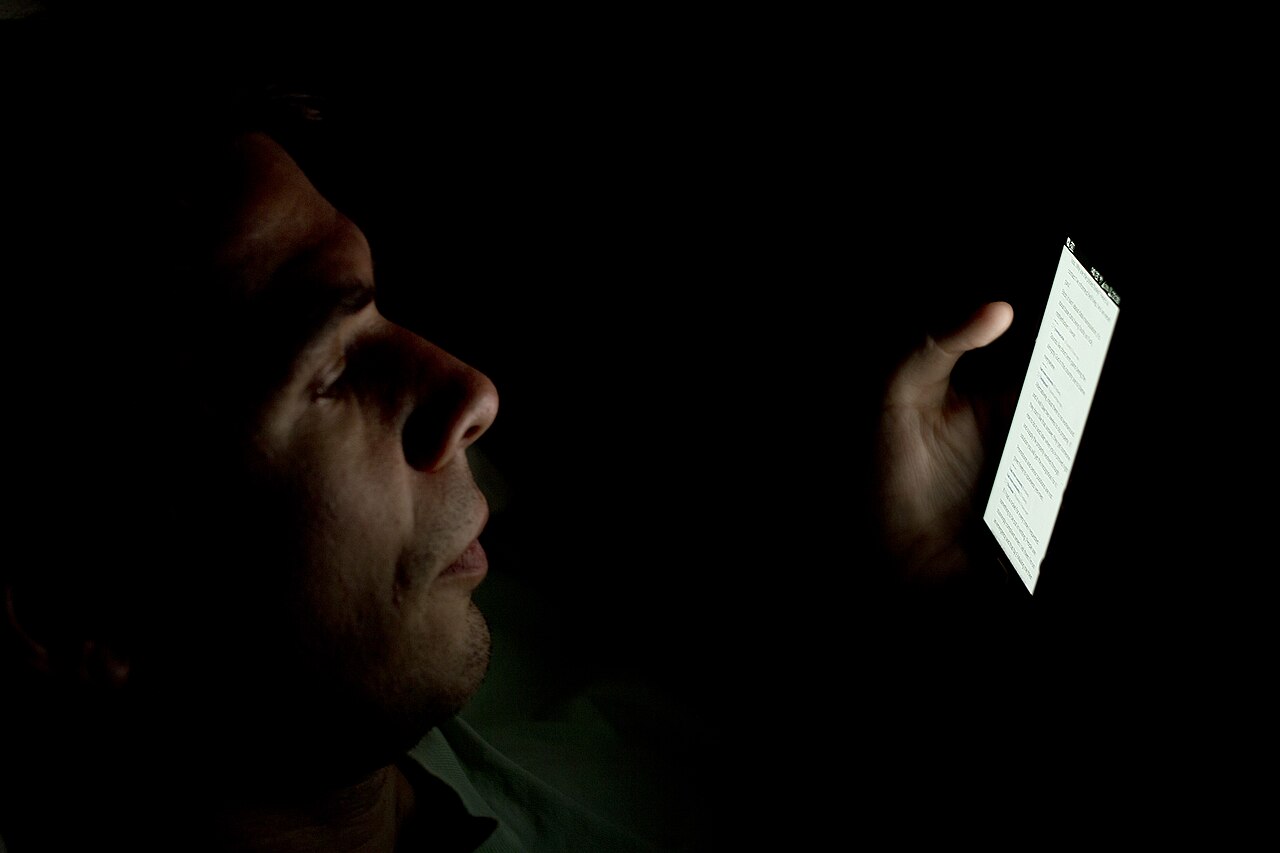
A carefully controlled experiment published in the Proceedings of the National Academy of Sciences in 2015 compared people reading on a light-emitting device before bed with people reading a printed book. Those using the glowing screen took longer to fall asleep, had less of the restorative deep sleep, secreted less melatonin, and felt groggier the next morning. While that study used e-readers, the same principle applies to phones, and the effect is compounded by the fact that phones are not passive. They buzz, they notify, and they pull you into stimulating content right when you should be winding down.
This is one area where small behavior changes genuinely pay off. Dimming the screen, using night modes that cut blue light, and above all not scrolling in bed can meaningfully improve sleep. The mental stimulation of engaging content may matter as much as the light itself, so the goal is to give your brain a clear signal that the day is over.
The Mind: Attention, Mood, and Habits
Beyond sleep, there is growing interest in how constant phone use shapes attention and mood. This is a genuinely active and unsettled area of research, and it deserves honesty about its limits. Many studies find associations between heavy use, particularly of social media, and outcomes like anxiety, low mood, and fragmented attention, especially among adolescents. But association is not the same as causation, and it is often hard to tell whether phones cause distress or whether people already feeling distressed reach for their phones more.
What seems clearer is that phones are masterfully engineered to capture attention, using notifications, infinite feeds, and small rewards that keep us checking. This can fragment focus and make sustained concentration harder, an effect many people recognize in themselves. The picture is not uniformly negative; phones also connect people, provide support, and offer information. The emerging consensus leans toward how and why you use a phone mattering more than raw screen time, with passive, comparison-heavy scrolling looking more troubling than active, social, or purposeful use. This is a field to watch rather than to draw firm conclusions from just yet.
Your Neck, Your Eyes, Your Thumbs
Some of the most tangible effects of phones are also the most mundane. Spend hours hunched over a small screen and your neck pays for it. The forward-head posture people adopt while looking down at a phone places real strain on the neck and upper spine, a complaint common enough to have earned the nickname “text neck.” It is rarely dangerous, but it can cause genuine, nagging pain and stiffness.
Eyes feel it too. Staring at a screen tends to reduce how often we blink, which can leave eyes dry and tired, part of what is loosely called digital eye strain. There is also active scientific discussion about whether the surge in nearsightedness among young people is linked to time spent focusing on close-up screens rather than looking into the distance, though time spent indoors overall is likely a major factor. And repetitive thumb and hand motions from heavy typing and scrolling can aggravate strain in some people. None of these are catastrophic, but together they make a case for taking breaks, holding the phone higher, and looking up and into the distance regularly.
The Real Danger Hiding in Plain Sight
Here is the irony of the whole phone-and-health conversation. People spend enormous worry on radiation, which the evidence suggests is a small or nonexistent risk, while underplaying the one phone-related danger that is proven, large, and lethal: using a phone while driving. The distraction of a phone behind the wheel kills people, full stop.
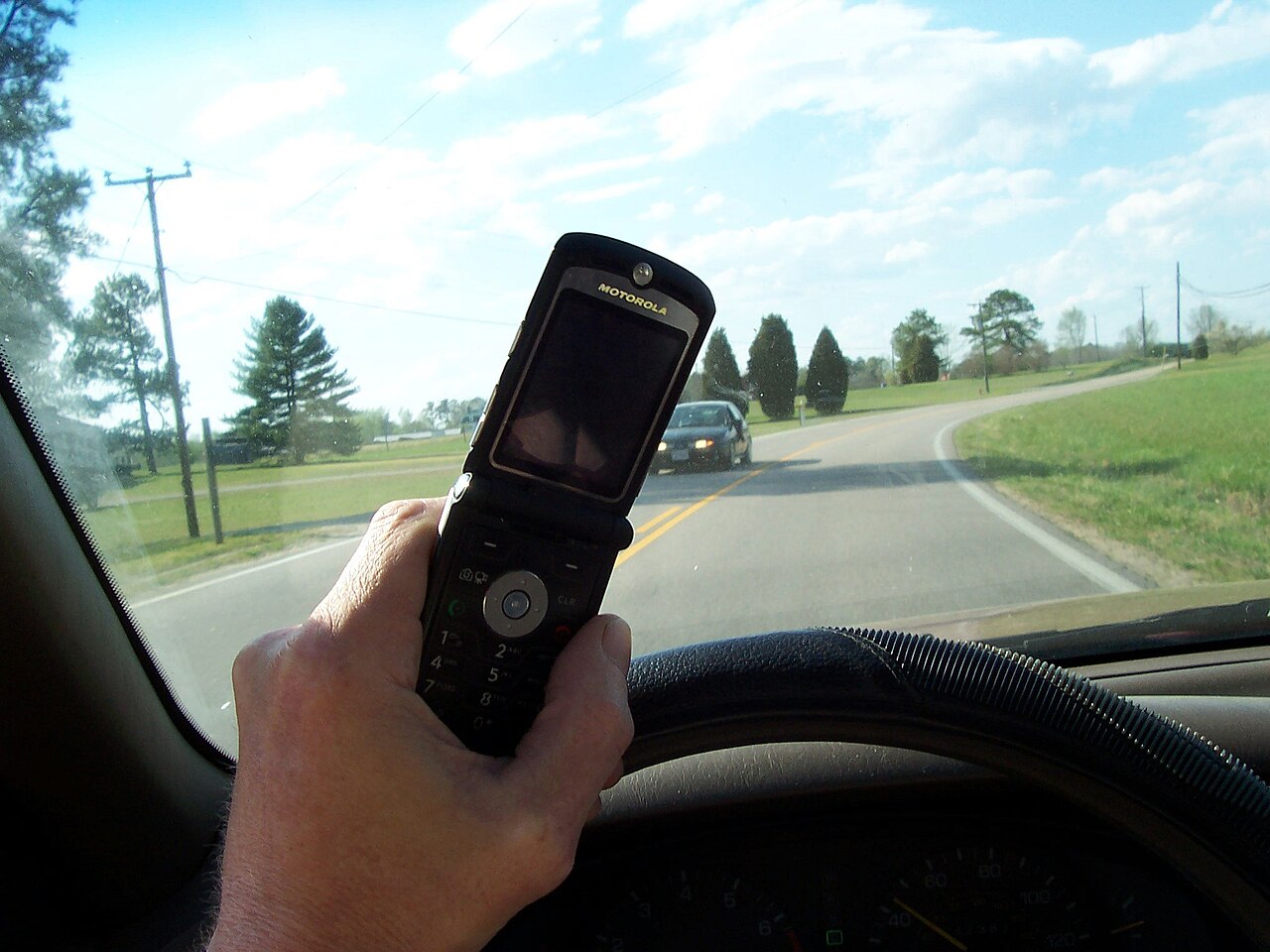
This is not new knowledge. A landmark study in the New England Journal of Medicine back in 1997 found that using a cellular phone while driving was associated with a sharply increased risk of a collision, comparable in magnitude to driving while over the legal alcohol limit. Crucially, hands-free kits did not eliminate the danger, because the core problem is cognitive: your attention, not just your hands, is taken off the road. Texting makes it dramatically worse, since it removes your eyes from the road as well.
If you take only one health message from this entire article, let it be this. The radiation that frightens people is, on the evidence, far less dangerous than the everyday act of glancing at a screen at fifty miles an hour. Putting the phone away while driving is the single most important thing anyone can do to make their phone use genuinely safer.
What the Evidence Suggests You Do
Pulling this together, the science points to a sensible, unpanicked approach rather than fear or denial. On radiation, the reassuring body of evidence means there is little reason to lose sleep, though anyone who wants extra caution can easily reduce exposure by using speakerphone or a headset and keeping the phone away from the body, which costs nothing and harms nothing. The point is that this is a matter of personal preference, not an urgent health necessity.
On the better-established effects, the wins are practical. Keep screens out of the bedroom or at least dim them and avoid stimulating content before sleep. Be mindful of how phone use makes you feel, favoring connection over passive scrolling. Take breaks to rest your neck and eyes, and hold the device in a way that does not bend your spine. And treat using a phone while driving as the serious hazard it is. These are modest changes, but they target the risks the evidence actually supports rather than the ones that merely sound scary.
What We Still Don’t Know
Science is never truly finished, and a few honest uncertainties remain. The longest-term effects of very heavy use over many decades are still being tracked, simply because the technology has not existed long enough to study lifetimes of exposure. The mental health effects, especially on young people growing up with phones from childhood, are an urgent and genuinely open question that researchers are working hard to untangle. And as networks and devices evolve, scientists continue to monitor whether anything changes, even though the underlying physics of non-ionizing energy stays the same.
What should reassure people is that this is one of the most heavily scrutinized consumer technologies in history. Far from ignoring the question, scientists have studied phones and health relentlessly, which is precisely why we can speak with some confidence about where the real risks lie and where the fears have outrun the evidence. The open questions are worth pursuing, but they do not overturn the broad and reassuring picture that the largest studies have painted.
Closing Thoughts
So, is your phone hurting you? Mostly not in the way the scariest headlines claim. The radiation that drives so much worry has not held up as a meaningful cancer risk across decades of large studies, while the device’s real effects on health are the quieter ones: stolen sleep from late-night screens, frayed attention, a sore neck, and, most seriously, the deadly distraction it becomes behind the wheel. The smartest response is neither fear nor denial but proportion, putting your concern where the evidence actually points. Used thoughtfully, a phone is a remarkable tool. The healthiest relationship with it comes not from fearing invisible rays but from managing the very visible habits that surround it. For more, explore our coverage of health, sleep, and public health.