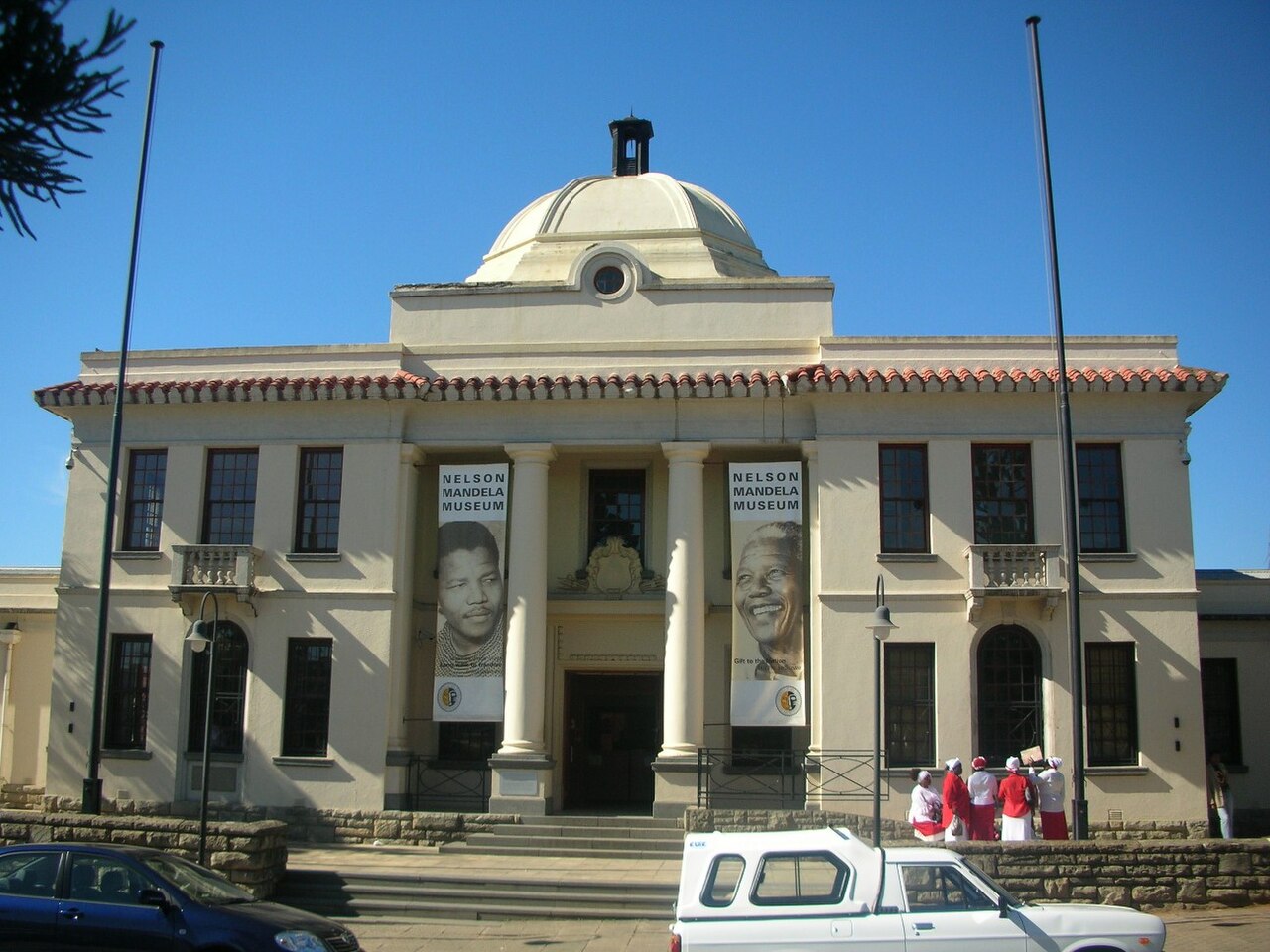
On the green hills and along the wild coast of the southeastern corner of Africa, in what is now the Eastern Cape of South Africa, lives one of the great peoples of the south. They are the Xhosa, the southernmost of the Nguni nations, a people of cattle-herders and grain-farmers whose land reaches from the Indian Ocean up into the mountains, and who have given the world some of its most famous figures, above all Nelson Mandela, the son of a Xhosa chiefly house who became the father of a free South Africa. Numerous, proud, and deeply cultured, the Xhosa are the second-largest people of the country.
This is the story of the Xhosa and the world of chiefs and cattle they built on the southeastern frontier. It is a story of the clicking tongue borrowed from the Khoisan, of the great initiation that makes a boy a man, of the ancestors and the diviner who throws the bones, of the red blanket and the beadwork and the deep choral song, and of maize porridge, samp and beans, and sorghum beer. It is also a story of a century of frontier wars, of the tragedy of the great cattle-killing, and of the sons of the Eastern Cape who led the fight against apartheid to victory, told by a people at the heart of South Africas history.
Contents
- The People of the Eastern Cape
- Xhosa, amaXhosa, and the Clicking Tongue
- IsiXhosa, the Language of the Clicks
- The Green Hills of the Transkei and the Cape
- Chiefs, Clans, and the Cattle of the Xhosa
- The Homestead, the Clan, and the Bonds of the People
- The Ancestors, the Diviners, and the Coming of the Word
- The Blanket, the Beads, and the Rite of Manhood
- Beadworkers, Potters, and the Weavers of the Cape
- Maize, the Beast, and the Beer of the Xhosa
- The Initiation, the Feasts, and the Dances
- From the Cattle-Killing to the Fall of Apartheid
- The Xhosa in the New South Africa
The People of the Eastern Cape
On the green hills and along the wild coast of the southeastern corner of Africa, in what is now the Eastern Cape of South Africa, lives one of the great peoples of the south. They are the Xhosa, the southernmost of the Nguni nations, a people of cattle-herders and grain-farmers whose land reaches from the Indian Ocean up into the mountains, and who have given the world some of its most famous figures, above all Nelson Mandela, the son of a Xhosa chiefly house who became the father of a free South Africa. Numerous, proud, and deeply cultured, the Xhosa are the second-largest people of the country.
The Xhosa are a Bantu people of the Nguni branch, close kin to the Zulu, the Swazi, and the Ndebele, with whom they share the deep bonds of a common language family and culture, and they are the Nguni who pressed furthest south, settling the country between the great Zulu lands to the north and the Cape to the west, where they met the older Khoisan peoples of the region and borrowed from them the famous click sounds of their tongue.
Their story is one of a people who built a world of chiefdoms and cattle on the southeastern frontier, who fought a century of wars against the advancing Europeans, who suffered a self-inflicted catastrophe in the great cattle-killing, and who rose through the long struggle against apartheid to stand at the very centre of the birth of a free nation. To understand the Xhosa is to understand a proud people of the Eastern Cape, at the heart of the modern history of South Africa.
Xhosa, amaXhosa, and the Clicking Tongue
The people call themselves the amaXhosa, the people of Xhosa, a single person being an umXhosa, and their language isiXhosa, all built with the prefixes of the Nguni tongue on the name Xhosa, which tradition traces to an early ancestor and chief. The name belonged first to a founding lineage and spread to embrace the many chiefdoms of the southeastern Nguni, so that the Xhosa are in truth a cluster of related peoples, the Xhosa proper, the Thembu, the Mpondo, the Bomvana, and others, gathered under the wider name and the common language.
The Xhosa are the southernmost of the Nguni and close kin to the Zulu, the Swazi, and the Ndebele, and one of the most distinctive marks of their identity is the set of click consonants in their language, the sounds written with the letters c, q, and x, which they borrowed in ancient times from the Khoisan peoples among whom they settled, so that the very name Xhosa begins with a click. This borrowing is a sign of the long contact and mingling of the Xhosa with the older peoples of the Cape.
Beneath the wider name lie the many chiefdoms and clans, each with its own name, its own praises, and its own place in the nation, and the great chiefly houses, above all the house of the paramount and the royal Thembu house from which Nelson Mandela sprang, carry the deepest prestige. In the name amaXhosa, the many peoples of the southeastern hills and coast recognise their common language, their clicking tongue, and their shared belonging to one of the great nations of the south.
IsiXhosa, the Language of the Clicks
The Xhosa speak isiXhosa, a Bantu language of the Nguni group, closely related to Zulu and one of the most widely spoken languages of South Africa, the second most common home language in the country and one of its eleven official tongues. Its most famous feature is the set of click consonants, three distinct clicks written with the letters c, q, and x, borrowed in ancient times from the Khoisan peoples of the region, which give isiXhosa its extraordinary and distinctive sound and which even open the name of the people themselves.
IsiXhosa carries a deep oral heritage, above all the tradition of praise-poetry, the izibongo, the soaring praises composed and recited for chiefs, ancestors, and great people, performed by the praise-singer, the imbongi, whose art of rolling, cascading verse is one of the glories of the culture. The proverbs, the folktales, and the songs of the Xhosa fill out a rich literature of the spoken word, and the language is famous too for the great songs of its choral tradition.
With the coming of the missionaries the language was reduced to writing, and isiXhosa developed one of the earliest written literatures of any African language, with newspapers, poetry, and prose that nurtured a distinguished tradition of Xhosa authors and thinkers, and it remains a language of learning, of the press, and of a vibrant popular culture. In its clicks, its praises, and its literature, isiXhosa is one of the great languages of Africa and a proud vehicle of the Xhosa people.
The Green Hills of the Transkei and the Cape
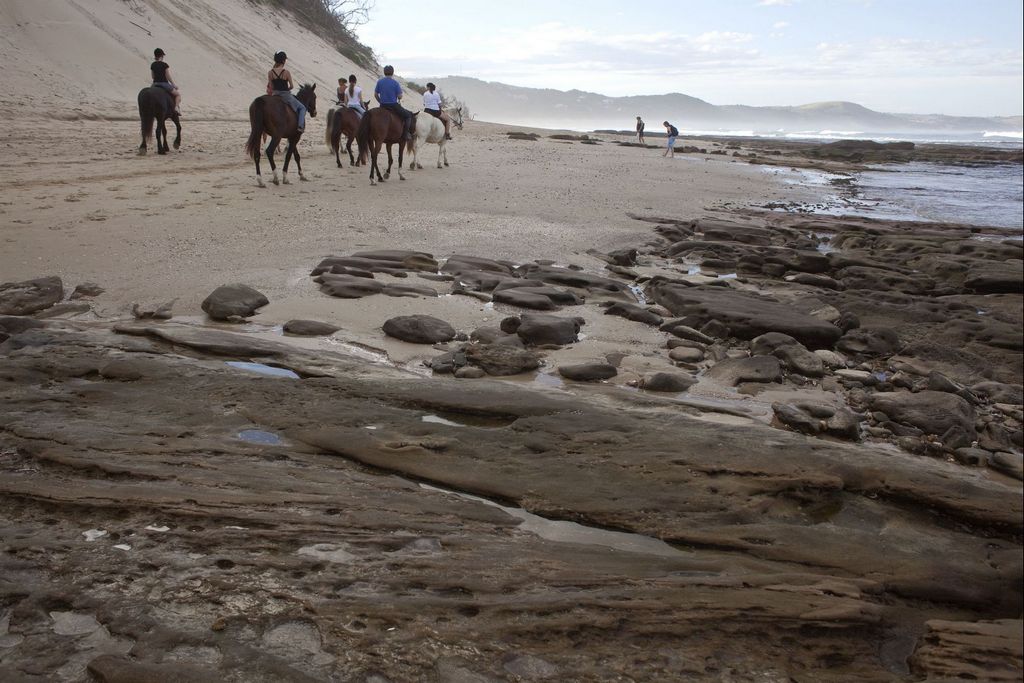
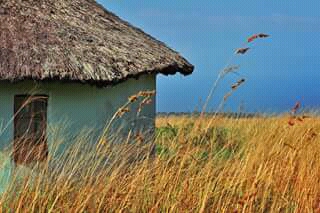
The Xhosa homeland is the Eastern Cape of South Africa, a beautiful and varied country of green rolling hills, deep river valleys, and a wild and dramatic coast on the Indian Ocean, reaching from the sea inland to the mountains and the edge of the dry Karoo. The heart of it is the region long known as the Transkei and the Ciskei, the country of the great rivers, above all the Kei from which those names come, a land of grassy hills dotted with the round thatched houses, the rondavels, of the people and grazed by their cattle.
This is a well-watered country of summer rains, its sweet grasslands ideal for the cattle that were the foundation of Xhosa wealth and life, and its valleys suited to the growing of maize, sorghum, and the other crops of the fields. The green hills, the winding rivers, and the famous Wild Coast, where the land falls in cliffs and beaches to the pounding ocean, make the Eastern Cape one of the loveliest regions of the country, and it is a homeland deeply loved by the Xhosa who sprang from it.
To the west the green country gives way to the dry scrub of the Karoo, and it was along this southwestern frontier that the Xhosa met the advancing Europeans in a century of border wars over the land and the cattle. The scattered homesteads on the grassy hills, each with its cattle and its fields, rising and falling across the valleys toward the sea and the mountains, are the classic landscape of the Xhosa, and on this fertile and beautiful country they built their chiefdoms and their nation.
Chiefs, Clans, and the Cattle of the Xhosa
The old Xhosa world was ordered not by a single centralised kingdom like that of the Zulu but by a looser system of chiefdoms, each under a hereditary chief drawn from the royal clans, bound together by a shared language, culture, and the loose seniority of the great chiefly houses. The chief was the father and judge of his people, the guardian of the land, and the leader in war, and he ruled with the counsel of his advisers and the assembly of the men, the imbizo, where matters of the chiefdom were debated in the open, for the Xhosa prized discussion and the eloquence of the speaker.
Cattle were the foundation of this world, the measure of a mans wealth and standing, the currency of bride-wealth, the food of ceremony, and the link with the ancestors, and no possession was more valued or more central to Xhosa life than the herd. The chiefdoms rose and split as royal sons founded their own houses and moved to new land, so that the Xhosa spread across the southeastern country in a patchwork of related chiefdoms, and the seniority of the great houses gave a rough order to the whole without ever forming a single state.
Beneath the chiefs lay the homesteads and the clans, the ordinary Xhosa living by their cattle and their fields and bound to their chiefs by loyalty and custom, and the men gathered in the assembly and the young passed through the regiments and the initiations that marked the stages of life. Authority rested on birth, on cattle, on age, and on the respect of the people, and the whole society was ordered around the herd, the homestead, and the chief. In the chiefdom, the cattle, and the assembly, the old Xhosa world was built.
The Homestead, the Clan, and the Bonds of the People
Xhosa society was built on the homestead, the umzi, the settlement of a man, his wife or wives, and their children and dependants, its round thatched houses set on the green hillside near the fields and the cattle, and on the cattle byre that stood as the sacred centre of the home, the place of the ancestors and the store of the familys wealth. As among the Zulu and the other Nguni, cattle were the very heart of life, the measure of standing and the currency of marriage, and the byre linked the living to the dead.
Descent was reckoned through the father, and every Xhosa belonged to a clan tracing descent from a common ancestor and marked by its own praise-name, the isiduko, by which a person was greeted and honoured, and the knowledge of ones clan and its praises was a matter of deep pride and identity. Marriage, sealed by the transfer of cattle as bride-wealth, the lobola, from the family of the groom to that of the bride, joined lineages and was the foundation of the family, and the clan governed whom one might marry and to whom one owed the bonds of kinship.
Age and initiation ordered the passage of life, above all the great initiation of the young men into manhood, and the assembly of the men, the courtesy shown to elders and chiefs, and the bonds of the clan and the homestead structured daily life. Respect for the ancestors, for the elders, and for the chief, the honouring of the cattle, and the eloquence prized in the assembly were the values of the people. In the homestead, the cattle, the clan, and the rite of manhood, the Xhosa wove a strong and dignified society.
The Ancestors, the Diviners, and the Coming of the Word
The traditional religion of the Xhosa centred on a supreme creator, uThixo or uQamata, the distant maker of all things, and above all on the ancestors, the amathongo or izinyanya, the spirits of the departed dead of the family and the lineage, who remained an ever-present power in the life of the living, watching over their descendants, blessing them with health, cattle, and children, and requiring to be honoured with sacrifice and ritual. The bond with the ancestors, focused on the cattle byre and expressed above all in the ritual slaughter of the beast, was the very heart of Xhosa religion.
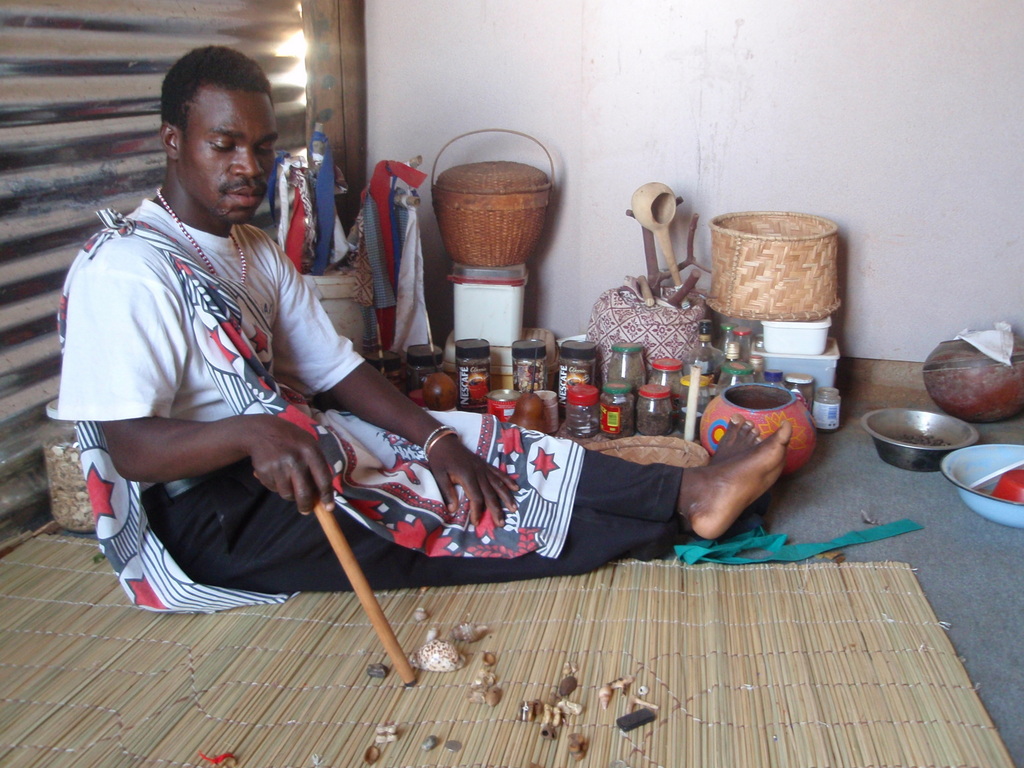
The mediators with the unseen world were the diviners and the healers, and above all the igqirha, the diviner called to the vocation by the ancestors through illness and dream and trained through a long and arduous initiation, who could divine the causes of misfortune, throw the bones, and speak the will of the dead, while the herbalist commanded the knowledge of the medicines of the veld. Belief in the ancestors, in the danger of witchcraft, and in the powers of the unseen ran through the whole of life.
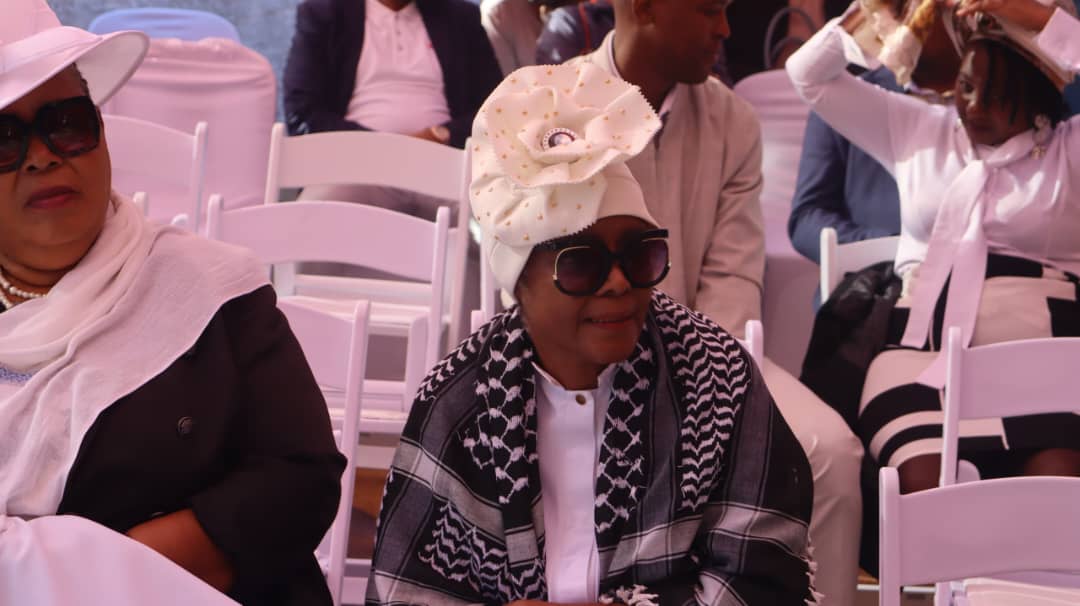
In the nineteenth century Christianity came to the Xhosa with great force, carried by missionaries and by the mission schools that educated so many of the Xhosa elite, and today the great majority of the Xhosa are Christians, often in churches that weave the new faith together with the reverence for the ancestors. Yet the old religion has never disappeared, and the diviner still throws the bones, the beast is still slaughtered for the ancestors, and the two worlds live together in the religious life of the Xhosa.
The Blanket, the Beads, and the Rite of Manhood
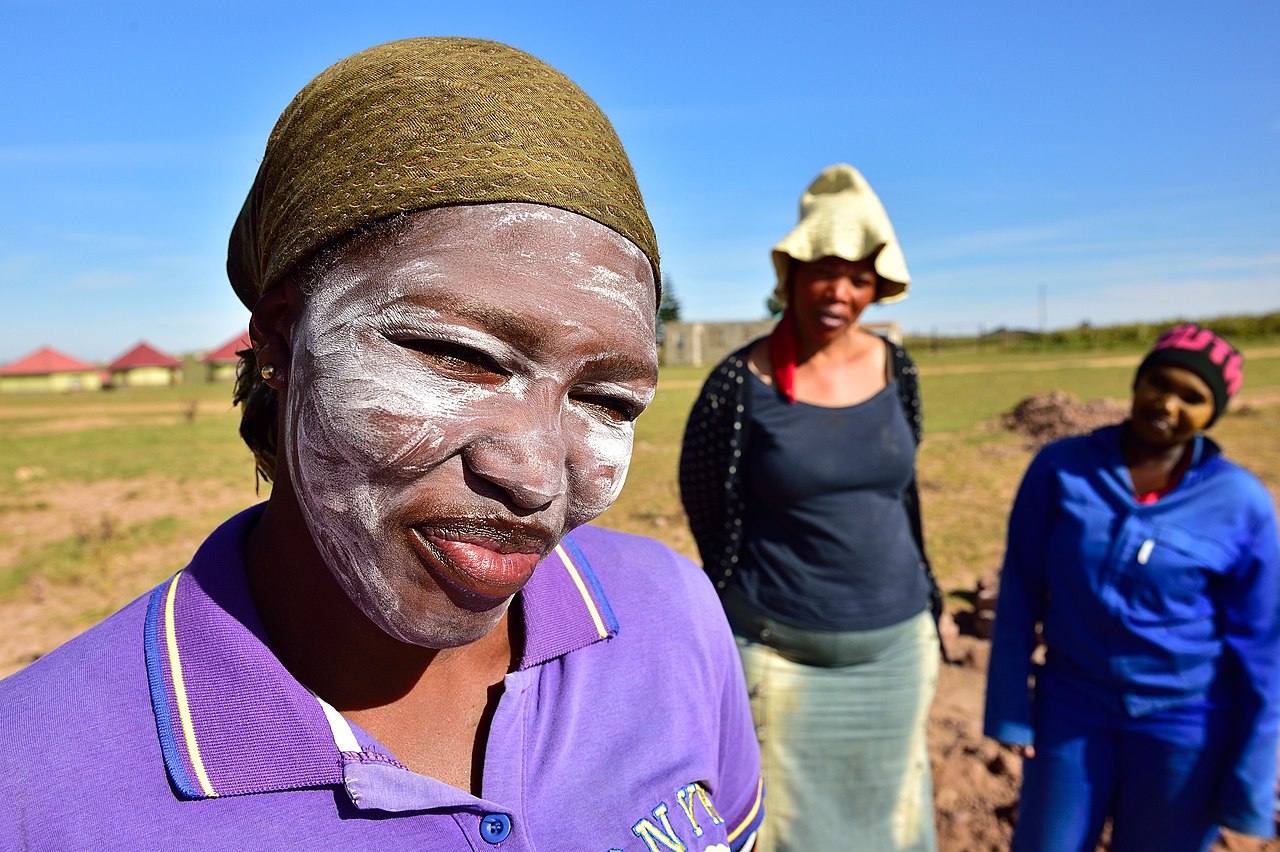
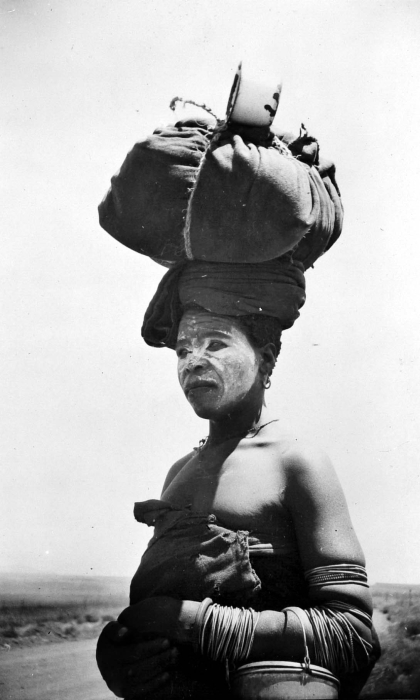
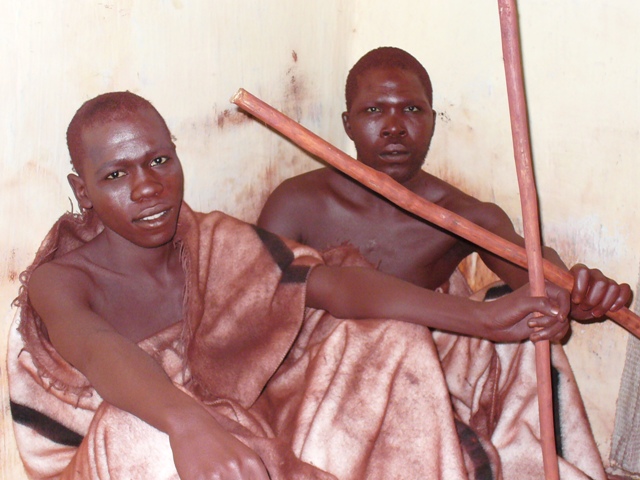
The most distinctive of Xhosa traditions is the great initiation of young men into manhood, the ulwaluko, in which the youths are secluded in a bush lodge, circumcised, taught the knowledge and the duties of adulthood, and, at their emergence, painted with white clay and then clothed anew as men, the amakrwala, the new initiates, who leave behind the ways of boyhood forever. This rite of passage is the central and most cherished of Xhosa customs, and the man who has not passed through it is not counted a full member of the community.
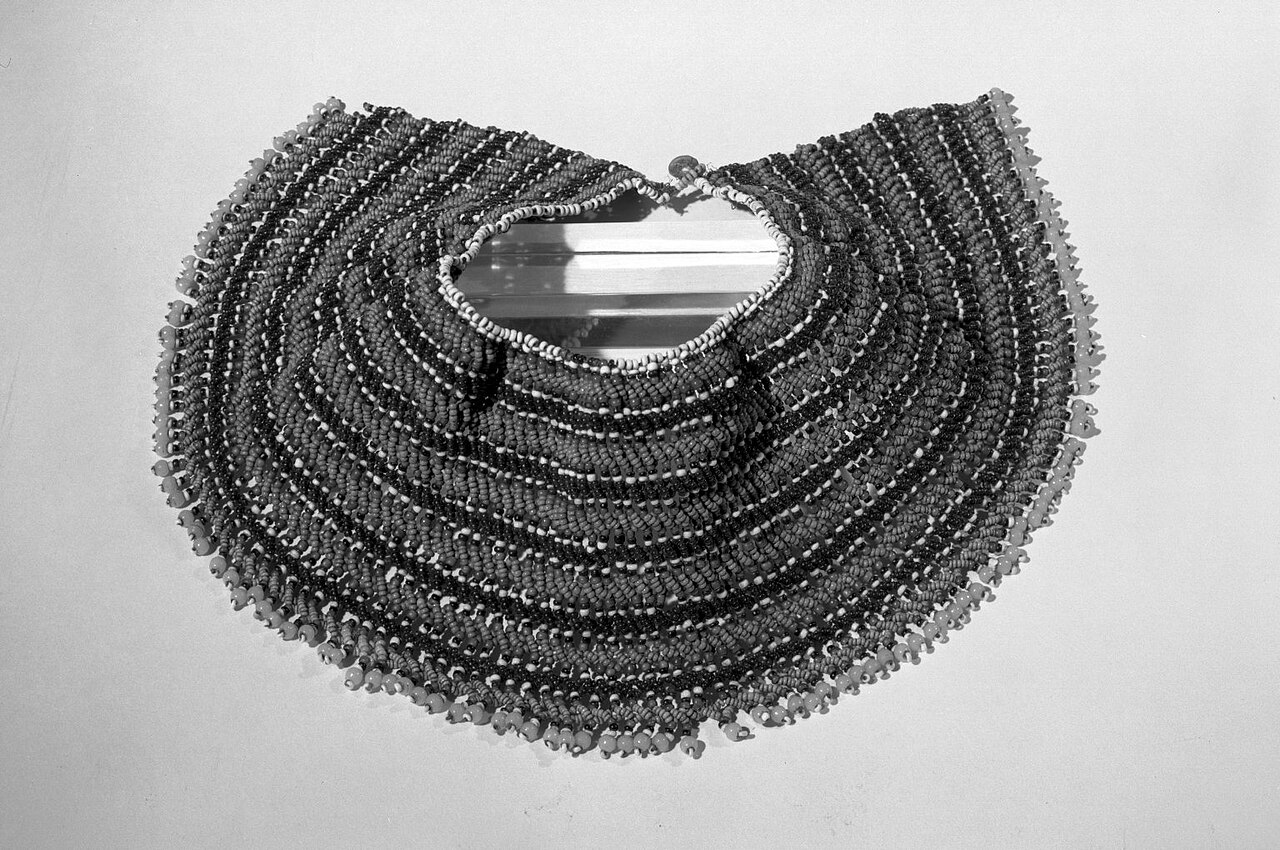
The Xhosa are famous for their dress and their beadwork, and above all for the use of colour, the ochre-red blankets and cloths dyed with the red clay that gave them the old name of the red people, worn draped about the body, and the intricate beadwork of the women, worked into necklaces, collars, and panels whose colours and patterns carry meaning. The long-stemmed pipe smoked by the women, the elaborate headdresses of the married, and the white clay of the initiate are all part of the vivid visual world of the Xhosa.
Music and the praise-poem fill the ceremonial life of the people, and the Xhosa are renowned for their singing, above all the deep and glorious choral tradition and the songs of work, worship, and celebration, and for the izibongo, the soaring praises of the imbongi. The dances of the people, the courtesies of a ceremonious society, and the marking of every passage of life with its proper custom carry the values of the nation. In the rite of manhood, the red blanket, and the song, the Xhosa keep their vivid traditions.
Beadworkers, Potters, and the Weavers of the Cape
The crafts of the Xhosa are famous for their beadwork above all, the art in which the women work tiny glass beads into ornaments of striking colour and pattern, the necklaces, collars, aprons, and panels whose designs and hues carry a language of meaning and mark the stages and statuses of life. This beadwork, worn to adorn the body at every ceremony, is one of the most admired of African decorative traditions and a proud expression of Xhosa identity, and the older ornaments of shell, brass, and bead are treasured heirlooms.
The women were the potters, shaping and firing the rounded clay vessels of the household, above all the pots and the great vessels in which the sorghum beer of the ancestors was brewed and served, and they wove the grasses and reeds of the veld into the mats and baskets of daily use. The dyeing of the blankets and cloths with the red ochre that gave the people their old name, and the sewing and adorning of the garments of ceremony, were arts of the household in which colour and pattern were prized.
The men worked hides into the karosses and the garments of skin, tanned and cut and sewn, and carved the wooden vessels, the milk-pails, the spoons, the staffs, and the smoking-pipes of the people, while the smiths forged the blades of the spears and the tools and ornaments of iron and brass. Many of these crafts belonged to particular skills and to the women or men who practised them, and the finest served the chiefs and the great occasions. In beadwork, pot, blanket, and carved staff, the crafts of the Xhosa adorned and equipped a dignified people.
Maize, the Beast, and the Beer of the Xhosa
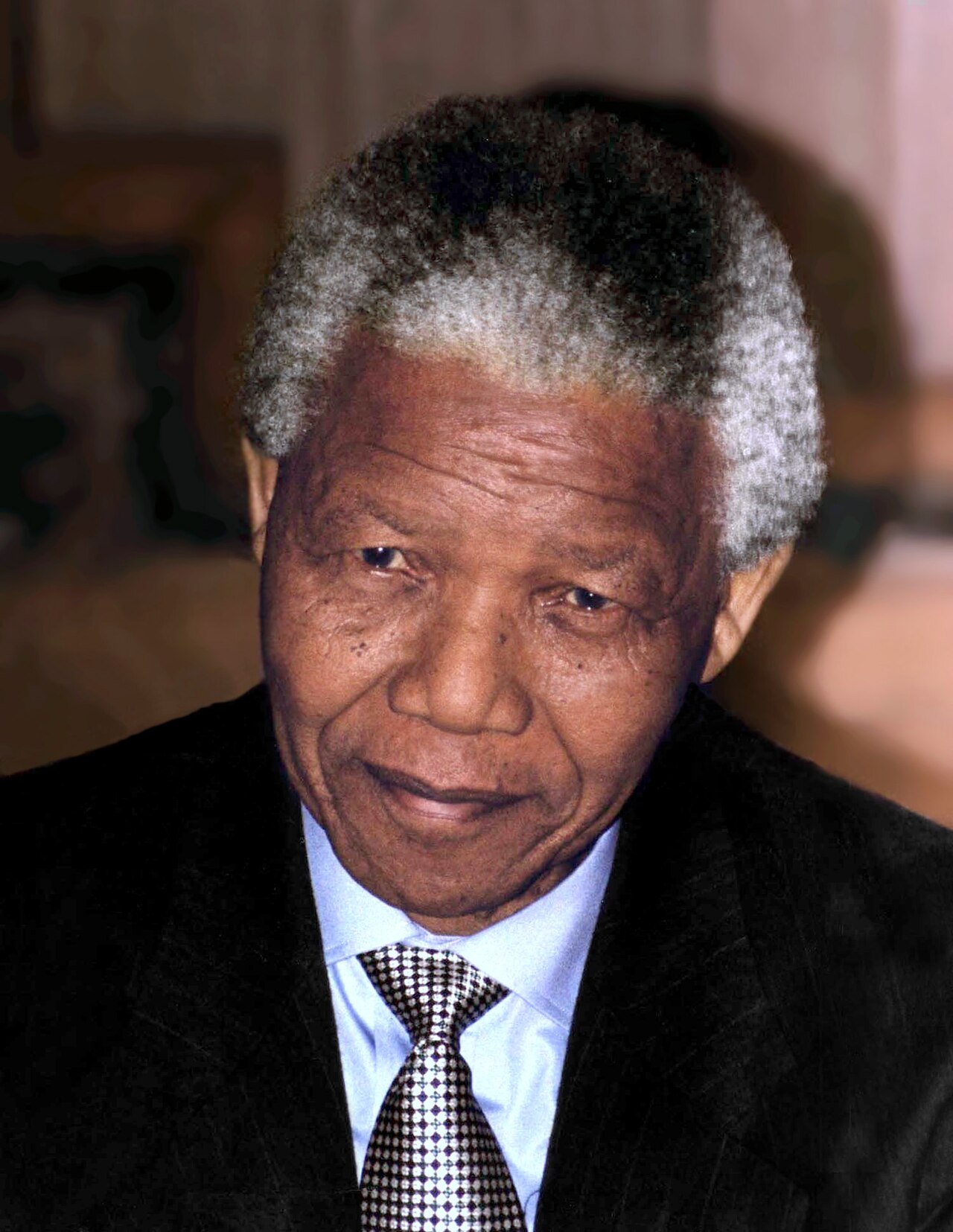
The food of the Xhosa is the food of a people of the cattle and the grain field, and its foundation is maize, the grain that became the great staple, ground and boiled into the stiff porridge, the pap, that is the daily bread of the people, along with the older grains of sorghum and millet that filled the same place before maize and that remain important for the brewing of beer. A beloved dish is umngqusho, the hearty mixture of samp, the coarsely ground maize, and beans boiled together, a dish so cherished that it was famously the favourite food of Nelson Mandela.
Cattle stood at the centre of Xhosa life, but the beast was wealth and sacred substance far more than everyday food, slaughtered chiefly for ceremony and the honouring of the ancestors, when the meat was shared according to careful custom, while in daily life it was the thick sour milk, the amasi, curdled in the gourd or the calabash, that gave the herd its place at the table, poured over the porridge and hedged about with rule and taboo.
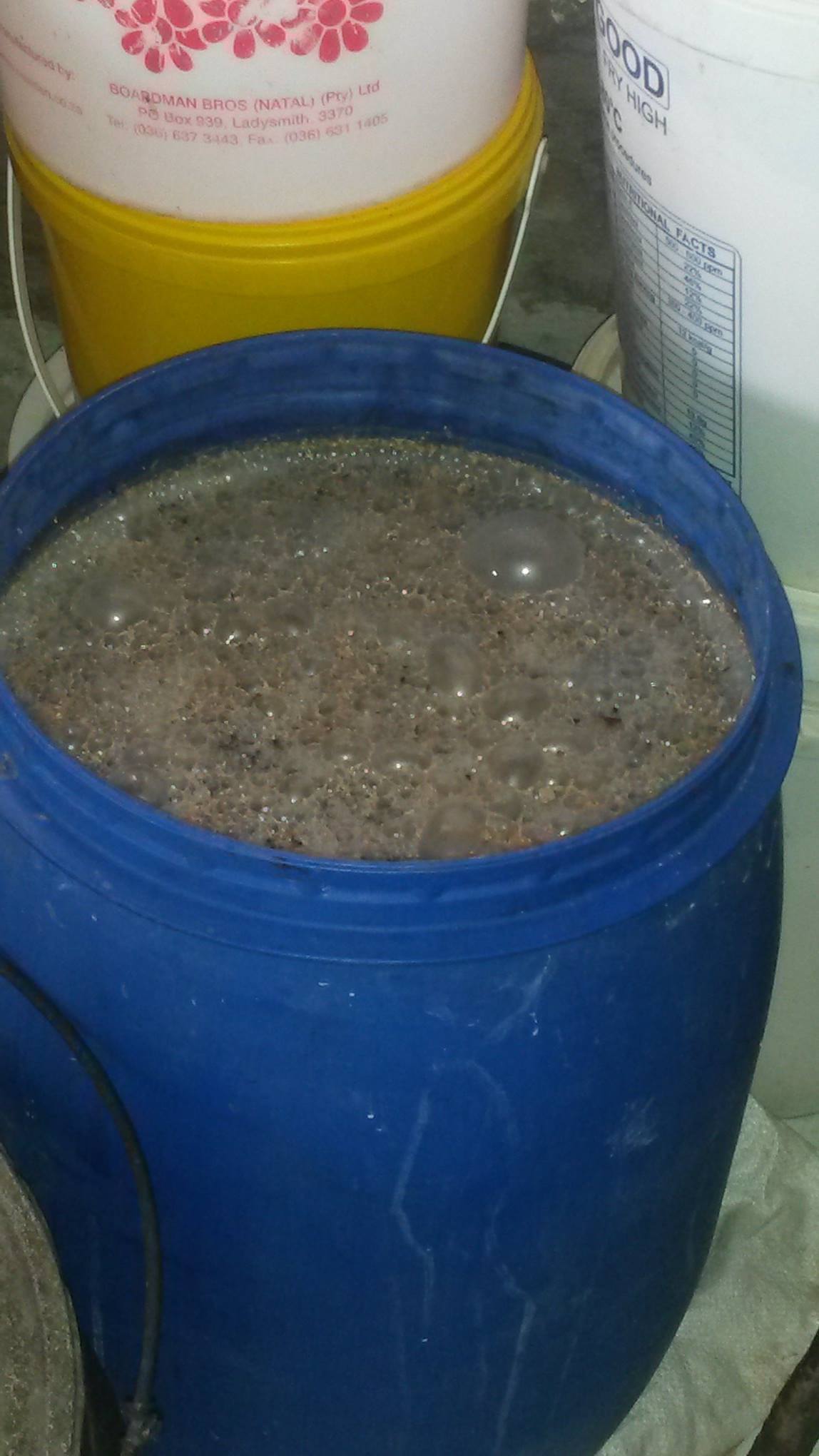
Around the maize and the milk the Xhosa grew pumpkins, beans, and the greens that are cooked as a relish, and gathered the wild plants and fruits of the veld, and the great drink of the people was the traditional sorghum beer, umqombothi, thick, mildly alcoholic, and nourishing, brewed by the women and drunk at every gathering and offered to the ancestors as both a food and a sacrament. In maize porridge, samp and beans, sour milk, and sorghum beer, the food of the Xhosa is the taste of the cattle country of the Eastern Cape.
The Initiation, the Feasts, and the Dances
The great ceremonial occasions of the Xhosa are the rites of passage that mark the stages of life, and above all the initiation of the young men into manhood, the ulwaluko, whose season is a time of deep importance to the whole community, when the youths are secluded, taught, circumcised, and at last brought back as men, the amakrwala, to be welcomed home with feasting, gifts, and celebration. The homecoming of the initiates is a joyful festival of the family and the community, and the whole rite is surrounded by ritual and by the slaughter of the beast for the ancestors.
The other passages of life, the birth and naming of children, the coming of age of girls, the great weddings that join lineages and set the cattle of the bride-wealth flowing, and the funerals that honour the dead and send them to join the ancestors, are all marked by their own rituals of the homestead, with the sacrifice of cattle, the brewing of beer, feasting, song, and dance. The ancestors are honoured through the imbeleko and the other rites that bind the living to the dead.
Music and dance fill these gatherings, for the Xhosa are famous singers, and the deep choral harmonies, the songs of celebration, and the dances of the people accompany every feast, while the imbongi raises the praises of the great. With the coming of Christianity the Xhosa added the feasts of the church to their calendar. Through the initiation, the rites of the homestead, and the feasts of family and faith, the Xhosa mark the passages of life and honour the ancestors who watch over them.
From the Cattle-Killing to the Fall of Apartheid
The history of the Xhosa on the southeastern frontier of the Cape was shaped above all by a century of wars against the advancing Europeans, for the Xhosa were the first great Bantu people the Dutch and then the British settlers met as they pushed eastward, and from the late eighteenth century a long succession of frontier wars, nine in all, were fought over the land and the cattle of the border country, a bitter and prolonged resistance in which the Xhosa were slowly pushed back and their chiefdoms broken by the weight of European arms.
The most tragic episode of Xhosa history was the great cattle-killing of 1856 and 1857, when, in a time of despair and under the influence of the prophecies of a young girl named Nongqawuse, who foretold that the ancestors would rise and drive out the Europeans if the people destroyed their cattle and their crops, the Xhosa in their thousands slaughtered their herds and burned their grain, only to face a catastrophic famine in which vast numbers died or were driven to seek work in the colony, a self-inflicted disaster that broke the back of Xhosa independence.
Under colonial rule and then apartheid the Xhosa, like all black South Africans, suffered dispossession and oppression, yet the mission schools of the Eastern Cape educated a remarkable elite, and the Xhosa gave the liberation struggle many of its greatest leaders, above all Nelson Mandela and Walter Sisulu and Oliver Tambo, sons of the Xhosa country who led the fight against apartheid to victory. From the frontier wars and the cattle-killing to the triumph of freedom in 1994, the Xhosa have stood at the heart of South Africas history.
The Xhosa in the New South Africa
Today the Xhosa are the second-largest people of South Africa, numbering many millions and concentrated in their historic homeland of the Eastern Cape, though found in great numbers in the cities of the whole country, above all in Cape Town and Johannesburg, where they came as workers and settlers over the generations. The isiXhosa language is among the most widely spoken in the country, and the Xhosa have given the nation an extraordinary share of its leaders, thinkers, and artists, from Nelson Mandela to a host of others who shaped the free South Africa.
The modern history of the Xhosa is inseparable from the great struggle against apartheid and the birth of democracy in 1994, in which the sons and daughters of the Eastern Cape played a leading and often decisive part, and the Xhosa remain central to the political and cultural life of the new nation. The pressures of poverty, of unemployment, and of the long legacy of dispossession bear heavily on the people, above all in the rural Eastern Cape, yet their pride, their culture, and their prominence carry them forward.
Through all the changes of the modern age the culture of the Xhosa endures with vigour. The isiXhosa language thrives, the initiation of the young men is still kept as the great rite of manhood, the beadwork is still worked and worn, the diviners still serve the ancestors, and the deep choral songs still rise, and the memory of a proud history of resistance and of the leaders who won freedom remains a deep source of pride. Heirs to the frontier chiefdoms and to the makers of a free nation, the Xhosa carry their heritage into the heart of modern South Africa.
Related Peoples of the Region
- Zulu of the Green Hills and Their Kingdom Forged by Shaka
- Basotho of the Mountain Kingdom and the Nation Moshoeshoe Forged
- Shona of the Zimbabwe Plateau and Their Cities of Stone
- Ndebele of the Highveld and Their Painted Homes
- Tswana of the Kalahari Plateau and the Kgotla
- Swazi of Eswatini and the Kingdom of the Two Rulers
More Peoples of the World
You May Like
The Zaza, a Mountain People of Eastern Anatolia


13 thoughts on “Xhosa of the Eastern Cape and Their Clicking Tongue and Rite of Manhood”