On the wooded savannas and among the lakes of the southern Congo, in the heart of the African continent, there arose one of the great empires of the interior, a state whose sacred kingship and whose brilliant art made it famous far beyond its borders. Its people were the Luba, or Baluba, a Bantu nation of the savanna whose empire dominated a broad swathe of the southeastern Congo, and whose model of divine kingship spread its influence across a great region of central Africa. Among the peoples of the Congo interior, the Luba built one of the most enduring and sophisticated states.
This is the story of the Luba and the savanna empire they built. It is a story of the bulopwe, the sacred royal blood that made a king a being apart, of the Mbudye society that guarded the memory of the kings with ingenious beaded memory boards called lukasa, of serene carved figures counted among the masterpieces of world art, of the copper that enriched the kingdom, and of the cassava and maize that feed the people. It is a story of a divine kingship so compelling it spread across central Africa, told by one of the great peoples of the Congo.
Contents
- The People of a Great Savanna Empire
- Luba, Baluba, and the Speakers of Kiluba
- Kiluba, a Language of the Southern Savanna
- The Savannas and Lakes of Katanga
- The Sacred Kingship and the Empire of the Luba
- Kings, Lineages, and the Bonds of the Luba
- The Spirits, the Ancestors, and the Sacred Blood of Kings
- The Carved Figure, the Lukasa, and the Ways of the Court
- Carvers, Smiths, and the Coppersmiths of the South
- Cassava, Maize, and the Table of the Savanna
- The Investiture, the Mbudye, and the Feasts of the Kingdom
- From the Founding Kings to the Modern Congo
- The Luba in the Heart of the Congo
The People of a Great Savanna Empire
On the wooded savannas and among the lakes of the southern Congo, in the heart of the African continent, there arose one of the great empires of the interior, a state whose sacred kingship and whose brilliant art made it famous far beyond its borders. Its people were the Luba, or Baluba, a Bantu nation of the savanna whose empire dominated a broad swathe of what is now the southeastern Democratic Republic of the Congo, and whose model of divine kingship spread its influence across a great region of central Africa. Among the peoples of the Congo interior, the Luba built one of the most enduring and sophisticated states.
The Luba are a Bantu people, part of the vast family whose ancestors spread across much of Africa, and they settled the fertile savanna and lake country of the region long known as Katanga and Kasai, where the grassland, the gallery forests, the rivers, and the rich resources of the land supported a dense population. From this base, around a heartland of lakes and marshes, they built the Luba Empire, gathering peoples and provinces under a sacred king and a sophisticated system of government.
Their story is one of a savanna empire built on sacred kingship, trade, and a remarkable political culture, of a people whose carved figures and whose ingenious memory devices are treasures of world art, and who in the modern age have stood among the major peoples of the vast Congo. To understand the Luba is to understand one of the great state-building traditions of the African interior, a civilisation of divine kings and master artists in the heart of the continent.

Luba, Baluba, and the Speakers of Kiluba
The people call themselves the Baluba, the people of Luba, a single person being a Muluba, and their language Kiluba or Tshiluba according to the region, all built with the Bantu prefixes on the root Luba. The name belongs to a people spread across the southern Congo, and it is tied to the memory of the great empire that once gathered them, so that to be Luba is to claim descent from, or belonging to, one of the famous states of the interior.
The Luba are in fact a broad grouping of related peoples rather than a single tightly bounded tribe, for the empire and its cultural influence drew in and shaped many communities, and the name covers a number of related groups spread across a wide region, above all the Luba of the Katanga heartland and the larger Luba of Kasai to the west, who each developed their own character and dialect. Beneath the shared name lie many clans, lineages, and local identities, bound by the common language, the common heritage, and the memory of the kingdom.
This breadth reflects the reach of the Luba model of kingship and culture, which spread far beyond the original heartland and shaped the political traditions of many neighbouring peoples, so that the Luba name and the Luba way of sacred kingship became a kind of template across the region. In the name Baluba, a great and widespread people of the southern Congo recognise their common origin in one of the classic empires of central Africa.
Kiluba, a Language of the Southern Savanna
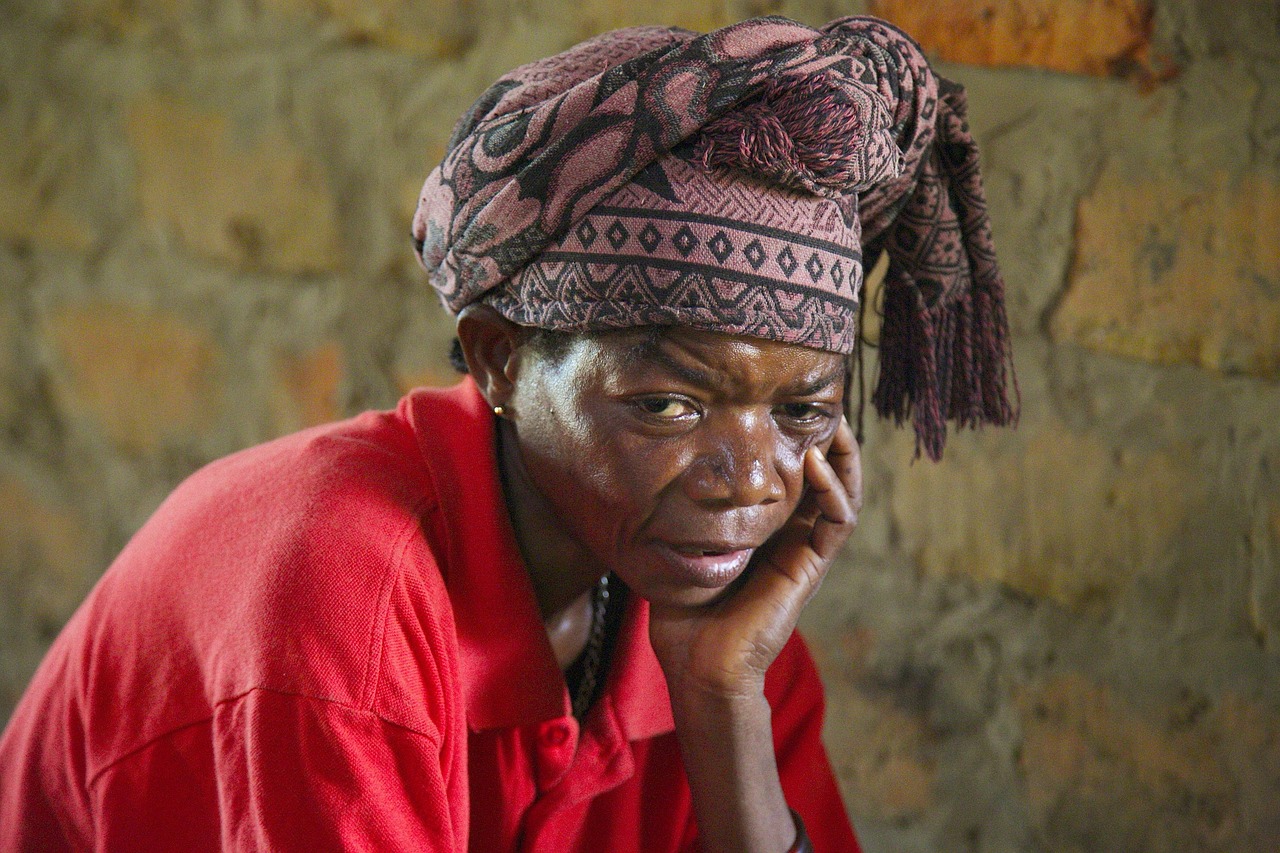
The Luba speak a Bantu language of the Niger-Congo family, known as Kiluba among the Luba of Katanga and as Tshiluba among the larger Luba group of Kasai, closely related tongues that are among the important languages of the southern Congo. Tshiluba in particular is spoken by many millions and serves as one of the major national languages of the Democratic Republic of the Congo, a common tongue across a broad region and a strong marker of Luba identity. As Bantu languages they are built on the system of noun-classes characteristic of that great family.
For most of their history the Luba languages lived in the spoken word, in a rich oral culture of proverbs, tales, songs, and above all the elaborate oral traditions of the kingdom, the histories and genealogies of the kings preserved and recited by the specialists of memory. This body of royal tradition, the remembered history of the empire and its rulers, was a treasure guarded by the members of the sacred societies, and its preservation was aided by remarkable memory devices carved and beaded for the purpose.
With the coming of the missionaries the languages were written down and acquired a place in schooling, the churches, and print, and Tshiluba developed a written literature and a role in the wider life of the Congo. Today the Luba languages flourish in daily life, in music, and in media across the southern Congo, carrying the proverbs, songs, and memory of a great people. In their spoken richness and their guarded royal traditions, the languages of the Luba are the living voice of the savanna empire.

The Savannas and Lakes of Katanga
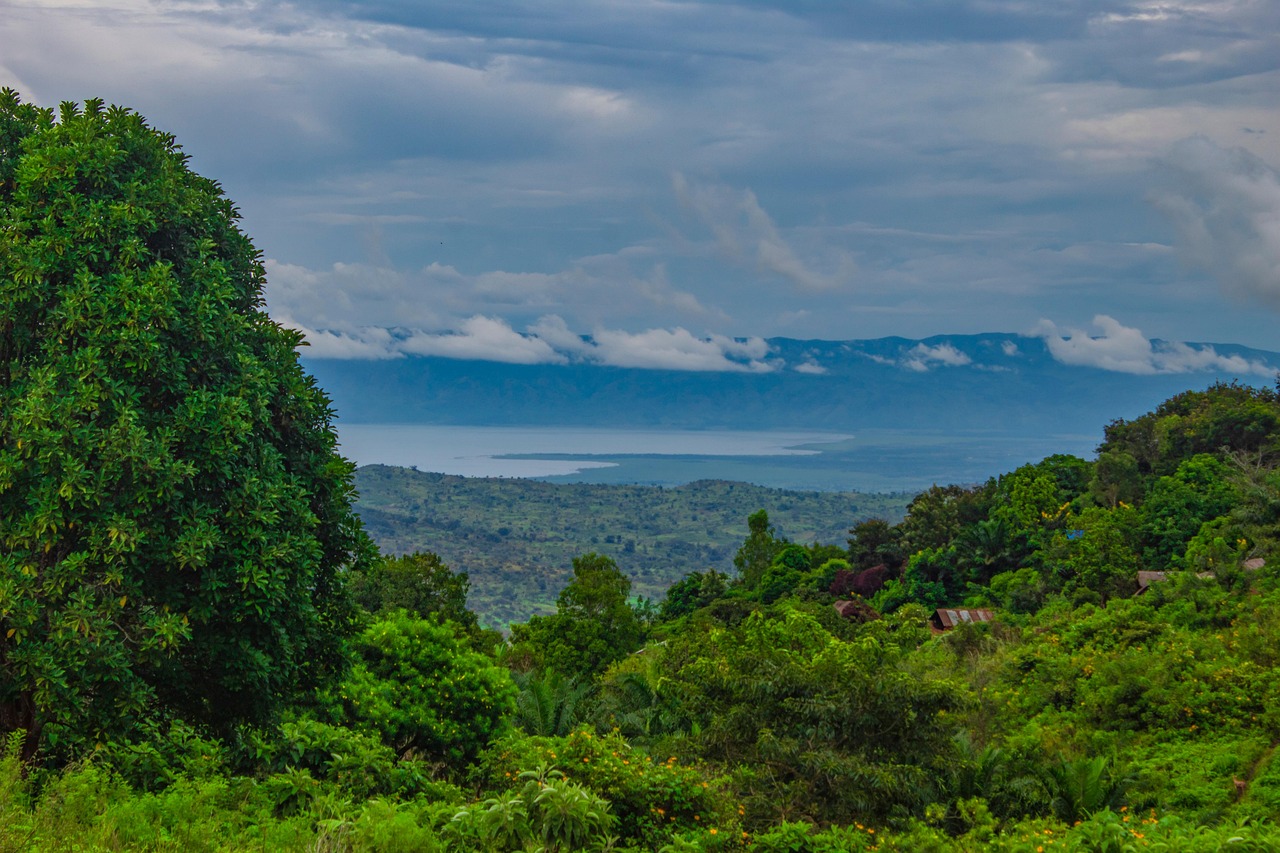
The Luba homeland is the broad savanna and lake country of the southern Democratic Republic of the Congo, in the regions long known as Katanga and Kasai, a land of wooded grassland, gallery forests along the rivers, and, at its historic heart, a country of lakes and marshes around which the empire first took shape. It is a high, healthy country of the interior plateau, cooler and more open than the deep rainforest to the north, its savannas broken by belts of forest along the many rivers that water the land.
The heartland of the old empire lay in the marshy lake district of the upper Congo tributaries, a region whose fish, whose fertile margins, and whose defensible position favoured the rise of a dense population and a centralised state. Around this core spread the wider Luba country, a land of farming villages set amid the savanna, where the people cultivated their fields, herded some livestock, fished the rivers and lakes, and hunted the game of the grassland and the woods.
The region is also one of the great mineral zones of Africa, for the southern savanna holds some of the richest deposits of copper on earth, and the working and trading of copper, prized for ornament and as a currency, was an ancient source of wealth and a spur to the trade that helped build the empire. On this open, well-watered, and mineral-rich savanna, cooler and higher than the forests around it, the Luba built their kingdom in the heart of the continent.
The Sacred Kingship and the Empire of the Luba
The old Luba world was a sophisticated empire built on the idea of sacred kingship, on the belief that the king possessed a special quality, the bulopwe, a sacred royal blood or power that made him the rightful ruler and the link between his people and the spirit world. This principle of divine kingship, transmitted through the royal line, was the very foundation of the state, and it was so compelling that it spread far beyond the Luba themselves, becoming a model of legitimate rule across a great region of central Africa.
The empire was governed through the sacred king and a structure of chiefs, court officials, and provincial rulers, many of them tied to the crown by kinship, appointment, or the granting of the royal blood, and by a remarkable political culture that balanced the power of the king with a network of titled dignitaries and sacred associations. The kingdom drew its wealth from farming, from the copper and salt of the region, and from the trade that crossed the savanna, and its influence radiated outward through diplomacy, marriage, and the prestige of its model of kingship.
Guarding the traditions and the legitimacy of the state was a sacred association, the Mbudye, the keepers of the royal history and the custodians of the principles of kingship, who preserved the remembered genealogies and deeds of the kings and who used ingenious carved and beaded memory boards to aid the recitation of the past. Through the sacred king, the titled chiefs, and the guardians of memory, the Luba built one of the most subtle and enduring states of the African interior.
Kings, Lineages, and the Bonds of the Luba
Luba society was bound together by lineage, by the kingdom, and by the sacred associations, woven into a subtle and layered order. Descent and kinship structured daily life, tying people into lineages and clans that held land, arranged marriages, and formed the framework of village life, while above the villages rose the hierarchy of chiefs and titled dignitaries who governed in the name of the sacred king. The granting of titles and of a share in the royal legitimacy bound the powerful to the crown and gave the state its reach.
The village, a cluster of households set amid the fields of the savanna, was the basic unit of life, under a headman and grouped into the chiefdoms and provinces of the wider realm. Within this order a person rose through birth, through the favour of the king and chiefs, through wealth, and through membership of the prestigious associations, and society was marked by distinctions of rank between the royal and noble lineages, the free commoners who farmed the land, and those held in servitude. Marriage joined lineages and, sealed by bride-wealth, was the foundation of the family.
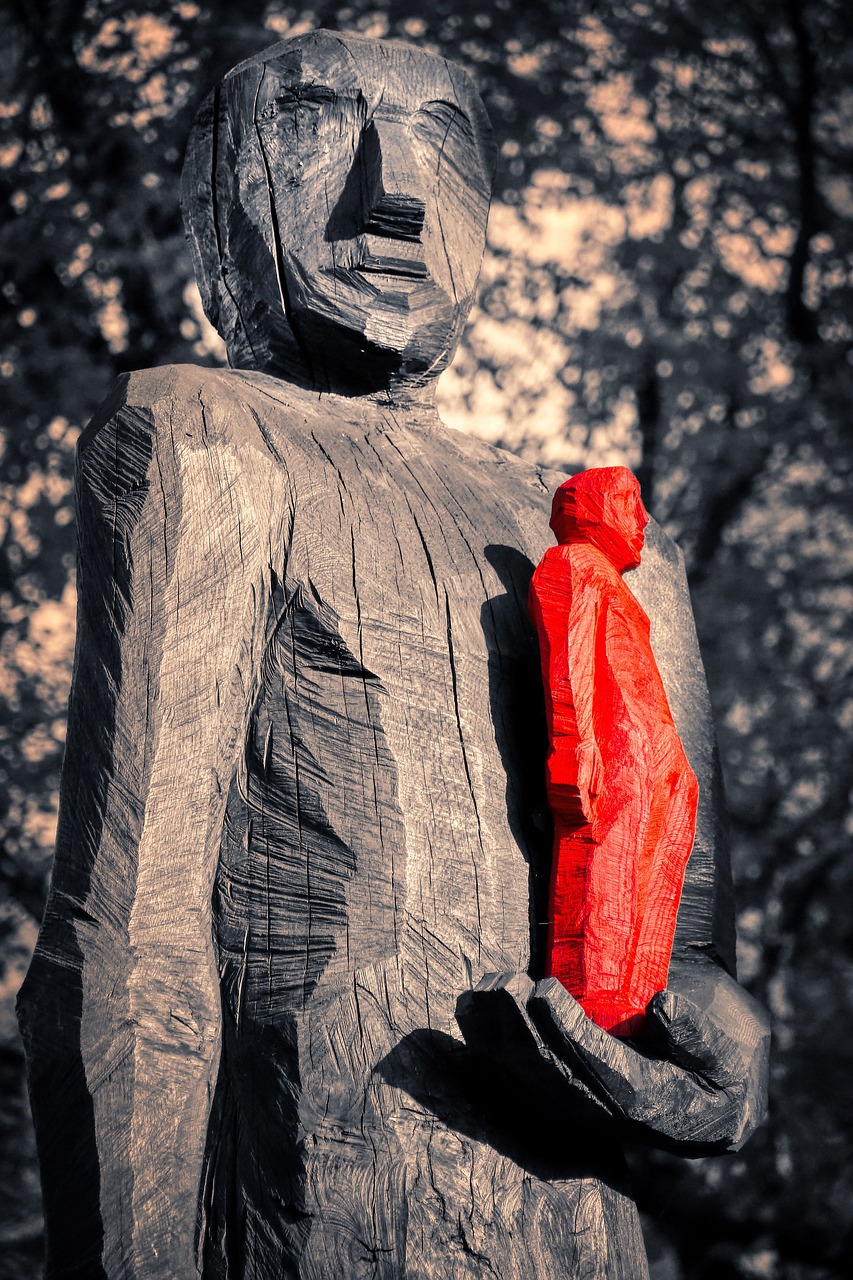
A striking feature of Luba society was the honoured place it gave to women in the symbolism of kingship, for the sacred power of the king was often thought to be held and guarded by women, and the carved figures of the Luba are famously dominated by images of women who embody and protect the royal spirit. Respect for the king, the chiefs, the elders, and the ancestors, the bonds of lineage and village, and the prestige of the sacred associations ordered the whole. In lineage, kingdom, and association, the Luba wove a rich society.

The Spirits, the Ancestors, and the Sacred Blood of Kings
The traditional religion of the Luba centred on a supreme creator God, distant and majestic, and on a rich world of spirits and, above all, ancestors, whose presence and power pervaded the life of the people and the legitimacy of the kingdom. Central to Luba belief was the sacred quality of kingship itself, the bulopwe, the royal blood or spirit that made the king a being apart, a living link to the founding ancestors and the spirit world, so that religion and kingship were bound together at the very root of the culture.
The spirits of the departed kings held a special power, and their memory and their shrines were tended with great care, for the dead rulers remained a living force whose blessing sustained the realm. Diviners and ritual specialists mediated between the people and the spirit world, reading the causes of misfortune and prescribing the rites and the power objects that could restore health and order, and the great sacred associations, above all the Mbudye, guarded the religious principles of kingship along with the royal history.
The carved figures for which the Luba are famous were themselves deeply religious objects, images of the ancestors and the guardians of the royal spirit, and the seats, staffs, bowls, and headrests of the kings and chiefs were sacred regalia charged with the power of the office. With the coming of the missionaries many Luba became Christians, and Christianity is now the faith of the great majority, yet the old reverence for the ancestors, the sacred power of kingship, and the spirits of the land has never wholly disappeared beneath the new faith.
The Carved Figure, the Lukasa, and the Ways of the Court
The traditions of the Luba are bound up above all with the arts and the regalia of sacred kingship, and the Luba are counted among the greatest sculptors of Africa. Their carved figures, dominated by serene and powerful images of women who hold and guard the royal spirit, their elaborately carved stools and staffs of office, their bowl-bearing figures and their ceremonial weapons, are treasures admired throughout the world, and the possession and display of these regalia proclaimed the sacred authority of the king and the chiefs.
The most ingenious of all Luba traditions is the lukasa, the memory board, a carved and beaded wooden object studded with beads, pins, and shells in patterns that served as a mnemonic device for the keepers of the royal history, the members of the Mbudye society, who read in its beads and its carved forms the genealogies, the migrations, the sacred places, and the deeds of the kings. This remarkable device, a kind of tactile and visual text for an oral civilisation, is one of the most extraordinary achievements of African memory culture.
Music, dance, and the ceremonies of the court and the associations filled the life of the people, and the initiations into the sacred societies, the investiture of chiefs, and the great gatherings of the kingdom were marked by drumming, singing, masked dance, and the display of the regalia. Dress and ornament, the fine cloth, the beads, the copper and ivory, marked rank and occasion. In carved figure, memory board, and the ceremony of kingship, the Luba kept the traditions of their empire.

Carvers, Smiths, and the Coppersmiths of the South
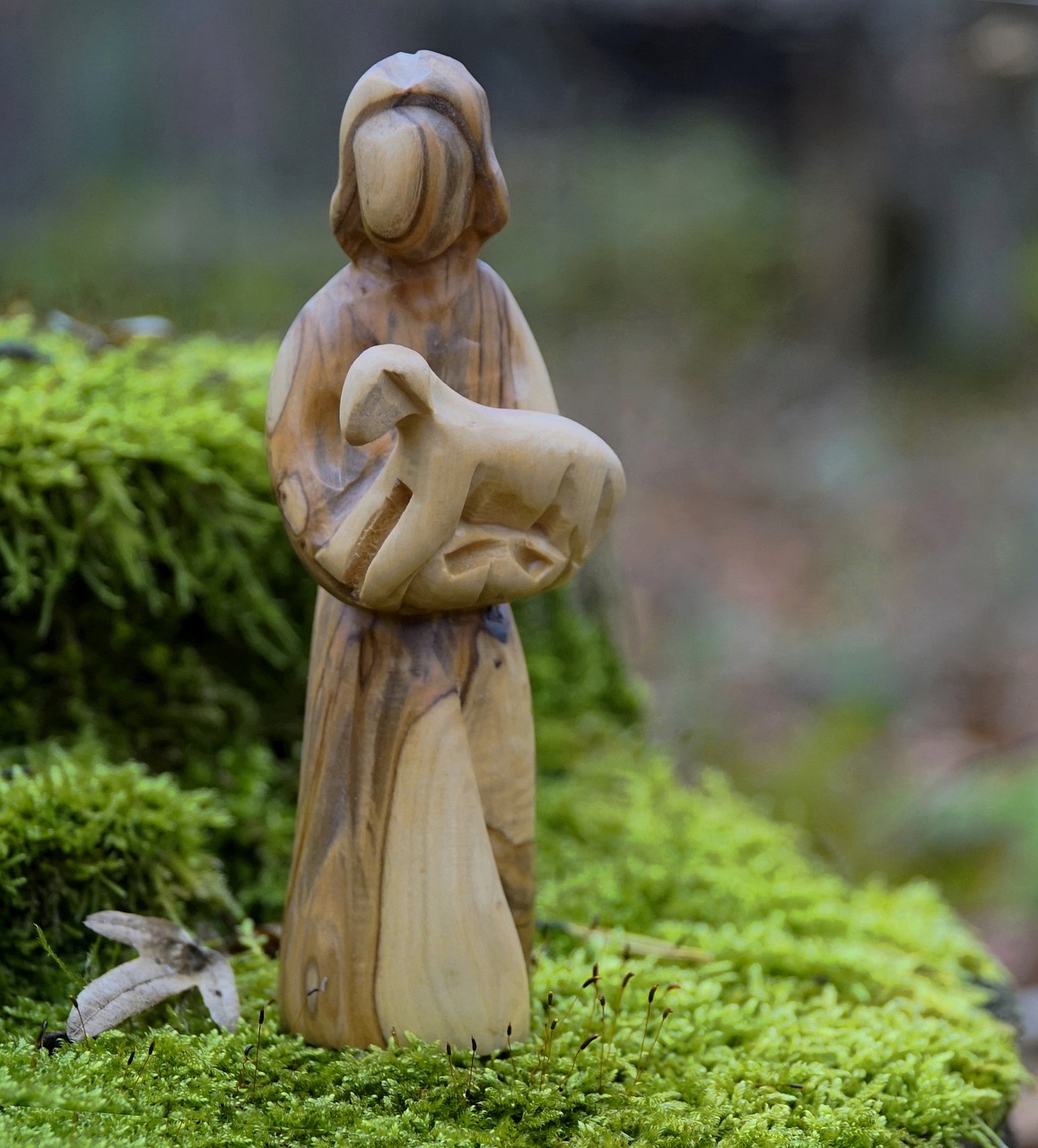
The crafts of the Luba are among the glories of African art, and the carvers hold pride of place, for the Luba sculptors produced the serene and powerful figures, the elaborately worked stools and staffs of office, the bowl-bearing figures, the headrests, and the ceremonial objects that served the sacred kingship and that are counted among the masterpieces of world sculpture. Working local woods with skill and a distinctive grace, the carvers embodied in their images the beliefs, the authority, and the beauty of their civilisation, and their art influenced the sculpture of many neighbouring peoples.
The metalworkers of the Luba country were masters of an ancient craft, above all the working of the copper for which the region is so rich, cast and hammered into the ornaments, the ceremonial objects, and the cross-shaped ingots that served as currency and as a store of wealth across a great area of central Africa. The blacksmiths forged the hoes, weapons, and tools of iron on which farming and war depended, and their command of fire and metal carried a sacred association with the power of kingship itself.
The women were the potters, shaping the clay vessels of the household and the finely decorated pots of ceremony, and other artisans wove mats and baskets, worked in beads and ivory, and made the many products of the savanna and the forest. Many of these crafts, above all the carving and the smithing, were the work of honoured specialists whose skills served the courts and the shrines. In carved figure, worked copper, and forged iron, the crafts of the Luba adorned and sustained a great empire.
Cassava, Maize, and the Table of the Savanna
The food of the Luba is the food of the savanna and the river, built on the staple crops of the region and enriched by the fish of the lakes and the game of the grassland. In the modern era cassava and maize, both brought by the Atlantic trade, became the great staples, the cassava pounded into flour and cooked into the thick, dense paste eaten across the region, and the maize ground and cooked in the same way, both served with sauces and stews and forming the daily foundation of the meal.
Around these staples the Luba grew a variety of crops on the savanna and in the forest margins, the older grains such as millet and sorghum, along with beans, groundnuts, and a range of vegetables and greens, and they gathered the wild fruits, mushrooms, and the edible caterpillars and grubs that are prized delicacies of the region. From the lakes and rivers of the heartland came fish, fresh, smoked, and dried, a vital source of protein and a valued item of trade, and from the savanna came the game of the hunt.
Meat from goats, chickens, and the hunt graced the feasts and the days of ceremony, and palm wine and the beer brewed from grain flowed at celebrations and in the daily sociability of the people. The sharing of a meal of cassava or maize paste with a rich sauce of fish, greens, or meat expressed the deep Luba values of hospitality and family. In cassava and maize, with the fish of the lakes and the game of the savanna, the food of the Luba is the taste of the southern grasslands.

The Investiture, the Mbudye, and the Feasts of the Kingdom
The grandest ceremonies of the old Luba world were those of the sacred kingship, above all the investiture of a new king or chief, an elaborate and solemn ritual in which the ruler was invested with the sacred emblems and the royal blood, the bulopwe, that made him a being apart, and confirmed in his role as the link between his people, the ancestors, and the spirit world. These investitures, surrounded by the rites of the sacred associations, the display of the regalia, and days of ceremony, bound the kingdom to its ruler and renewed the legitimacy of the state.
The initiations and gatherings of the sacred associations, above all the Mbudye that guarded the royal history and the principles of kingship, were great occasions of ritual, teaching, and secret knowledge, at which the memory boards were read and the traditions of the empire passed on, and at which new members were brought into the mysteries of the society. The rites of the ancestors and the ceremonies conducted by the ritual specialists filled the religious calendar of the people.
The passages of family life, births, initiations, marriages, and above all funerals, were great occasions that gathered kin and community with drumming, singing, masked dance, and feasting, and the funerals of kings and chiefs were events of the highest importance. With the coming of Christianity the Luba added the feasts of the church to their calendar. Through the investiture of kings, the rites of the Mbudye, and the ceremonies of family and faith, the Luba marked the passages of life and the greatness of their kingdom.

From the Founding Kings to the Modern Congo
The history of the Luba Empire is told in the great oral tradition of the kingdom, which recounts how, in a founding epic, a cruel early ruler was overthrown and a new and just kingship established by a hero-king, giving rise to the sacred principle of the bulopwe and the line of kings who built the empire. From a heartland in the lake country of the upper Congo tributaries, probably from around the fifteenth or sixteenth century, the Luba kings extended their rule and their influence over a broad region of the southern savanna, building one of the great states of the interior.
At its height the empire dominated a wide territory and, more importantly, spread its model of sacred kingship far beyond its own borders, so that neighbouring peoples and kingdoms adopted the Luba principles of legitimate rule, and the prestige of the Luba way of kingship radiated across central Africa. The empire grew rich on farming, on the copper and salt of the region, and on the long-distance trade that crossed the savanna, linking the interior to distant markets, and its political culture and its art reached a remarkable sophistication.
In the nineteenth century the empire was weakened by internal divisions and by the disruptions of the long-distance trade, above all the violent trade in ivory and enslaved people driven by outsiders reaching into the interior, and it fell at last under the colonial rule of the Belgians, who incorporated the Luba lands into the Congo. In the upheavals of the modern Congo the Luba have remained a major people, and from the founding epic of the sacred kings to the modern nation, they have carried the memory of one of Africas great empires.

The Luba in the Heart of the Congo
Today the Luba are among the largest and most widespread peoples of the Democratic Republic of the Congo, found above all in the southern regions of Katanga and the Kasais that were the heart of their old world, and in great numbers in the cities, for the Luba have migrated widely across the vast country in search of work, education, and opportunity. Prominent in the mining regions, in trade, in the professions, and in the political life of the Congo, they are one of the major peoples of a nation of enormous size and diversity.
The modern history of the Luba has been bound up with the turbulent history of the Congo, and they have known the upheavals, the conflicts, and the hardships that have troubled that vast and mineral-rich country, from the struggles that followed independence to the wars and instability of recent decades, above all in the contested and resource-rich regions of the south and east that are part of their homeland. Their prominence and their spread across the country have placed them at the centre of the nations life and its struggles.
Through all these changes the deep culture of the Luba endures. The Luba languages, and Tshiluba above all, are spoken by many millions and are among the great languages of the Congo, the carved art of the Luba is treasured across the world as among the finest of Africa, and the memory of the empire and its sacred kings remains a source of pride. Heirs to one of the great state-building traditions of the African interior, the Luba carry their rich heritage into the modern life of the vast Congo.
Related Peoples of the Region
- Kongo of the Lower River and Their Kingdom That Wrote to the Pope
- Kuba of the Kasai and Their Kingdom Where Everything Became Art
- Fang of the Equatorial Forest and Their Guardian Figures That Changed Modern Art
- Mongo of the Congo Rainforest and Their Epic of the Hero Lianja
- Chokwe of the Angolan Woodlands and Their Masks and Chairs of Carved Wonder
More Peoples of the World
You May Like
The Zaza, a Mountain People of Eastern Anatolia


6 thoughts on “Luba of the Southern Savanna and Their Empire of Sacred Kings and Memory Boards”