In the heart of the Congo, in the land between the great rivers Kasai and Sankuru where the forest meets the savanna, there flourished a kingdom so devoted to art and ornament that almost every object of daily life was made a thing of beauty. Its people were the Kuba, a Bantu nation famous throughout the world for their sumptuous raffia textiles, their elaborate beaded masks, and their carved portrait statues of kings, an artistic tradition so rich that the Kuba have been called a kingdom of artists. Among all the peoples of the Congo, none is more celebrated for the profusion and quality of its art.
This is the story of the Kuba and the kingdom of beauty they built between the rivers. It is a story of the nyim, the sacred king in his costume of beads and cowries, balanced by one of the most elaborate systems of councils and titles in Africa, of the culture-hero Woot from whom the people spring, of the velvety cut-pile cloth called Kasai velvet and the dazzling royal masks, and of a love of named geometric pattern that adorned every cup, box, and wall. It is the story of a remote kingdom of artists in the heart of the Congo.
Contents
- The People of a Kingdom of Artists
- Kuba, Bushoong, and the Children of Woot
- Bushoong, the Tongue of the Court
- The Land Between the Kasai and the Sankuru
- The Nyim, the Council, and the Kingdom of the Kuba
- Titles, Clans, and the Bonds of the Kingdom
- Woot, the Spirits, and the Powers of Nature
- The Raffia Cloth, the Masks, and the Art of the Kuba
- Weavers, Carvers, and the Masters of Pattern
- Cassava, the Palm, and the Table of the Forest Edge
- The Royal Rites, the Masks, and the Feasts
- From the Founding of the Kingdom to the Modern Congo
- The Kuba in the Heart of the Congo
The People of a Kingdom of Artists
In the heart of the Congo, in the land between the great rivers Kasai and Sankuru where the forest meets the savanna, there flourished a kingdom so devoted to art and ornament that almost every object of daily life was made a thing of beauty. Its people were the Kuba, a Bantu nation famous throughout the world for their sumptuous raffia textiles, their elaborate masks, and their carved portrait statues of kings, an artistic tradition of such richness that the Kuba have been called a kingdom of artists. Among the many peoples of the Congo, none is more celebrated for the sheer profusion and quality of its art.
The Kuba are in fact not a single tribe but a kingdom, a federation of some eighteen or more related peoples gathered under a single king and a dominant group, the Bushoong, whose ruler was the king of all the Kuba. Settled in the fertile land between the rivers, a country of forest, savanna, and rich soils, they built a centralised and prosperous kingdom that grew wealthy on farming, trade, and the tribute of its provinces, and that channelled its wealth into an extraordinary flowering of the arts.
Their story is one of a kingdom built by a legendary founder, ordered by a sacred king and an elaborate hierarchy of titles, and dedicated to a love of pattern and ornament unmatched in Africa. To understand the Kuba is to understand a civilisation in which art, kingship, and identity were woven together as intricately as the geometric designs of their famous cloth, a kingdom of artists in the heart of the continent.
Kuba, Bushoong, and the Children of Woot
The name Kuba was given to the people by their neighbours, and it is by this name that the kingdom is known to the world, though the ruling and dominant group within it call themselves the Bushoong, the people of the throwing knife, whose king is the king of all the Kuba. The kingdom is a federation, and beneath the name Kuba are gathered many related peoples, the Bushoong at the centre, and around them groups such as the Ngeende, the Bulaang, the Bieeng, the Pyaang, and many others, each with its own identity beneath the shared crown.
The Kuba trace their origins to a legendary founder-hero, Woot, the first man and culture-hero, and to a founding king who is said to have led the people to their land between the rivers and established the kingdom, its titles, and its arts. This shared origin story, centred on the founding of the kingdom and the deeds of the early kings, gives the many peoples of the federation a common identity as Kuba, subjects of one throne and heirs of one founding.
Beneath the many constituent groups lies the unity of the kingdom, bound by the sacred king, the shared institutions of the court, the common love of art, and the memory of the founding. The name Kuba thus stands for a whole civilisation gathered under a single crown, and in it the many peoples between the Kasai and the Sankuru recognise their belonging to one of the great artistic kingdoms of Africa.
Bushoong, the Tongue of the Court
The dominant language of the Kuba kingdom is Bushoong, the tongue of the ruling group and the court, a Bantu language of the Niger-Congo family, and within the federation a number of related languages and dialects are spoken by the various constituent peoples, all belonging to the same Bantu stock. Bushoong served as the language of the king, the court, and the administration, and as a common tongue that helped bind the many peoples of the kingdom together, and it carried the rich oral culture of the Kuba.
The oral traditions of the Kuba are extraordinarily rich, above all the histories and genealogies of the kings, preserved and recited at the court, which recount the founding of the kingdom, the deeds of the rulers, and the origins of the titles and the arts. The Kuba kept a remarkably detailed memory of their royal succession, a king-list reaching back many generations, and this deep historical consciousness, unusual in its precision, has allowed the reconstruction of the kingdoms past in remarkable detail.
The love of pattern and naming that pervades Kuba culture extends to the language, for the Kuba gave names to their countless geometric designs, so that each pattern woven into the cloth or carved into the wood had its own name and identity, a whole vocabulary of ornament. In its royal traditions, its precise historical memory, and its named patterns, the Bushoong language and its kindred carry the distinctive genius of the Kuba for order, memory, and art.
The Land Between the Kasai and the Sankuru
The Kuba homeland lies in the south-central Congo, in the fertile land between the great rivers Kasai and Sankuru and their many tributaries, a country where the equatorial rainforest to the north gives way to wooded savanna to the south, so that the Kuba dwell in a rich mosaic of forest, gallery woodland, and grassland. This meeting of forest and savanna gave the people a varied and generous environment, with the crops of the field, the products of the forest, and the fish of the many rivers all within reach.
The rivers that bound and cross the kingdom were its highways and its defences, and the land between them, watered and fertile, supported a dense population and a prosperous farming economy that underpinned the wealth of the kingdom. The forests supplied the raffia palm whose fibres were woven into the famous cloth, along with timber, game, and the fruits and produce of the wild, while the savanna and the cleared land gave the fields of the farmers.
This was a well-favoured country, neither the deep and difficult rainforest of the central basin nor the open dry savanna, but a fertile borderland rich in the resources of both, and its position between the rivers gave the kingdom both security and access to trade. The capital of the kingdom lay in this country, a true town that was the seat of the king and the centre of the arts. On this fertile land between the great rivers, the Kuba built their kingdom of artists.
The Nyim, the Council, and the Kingdom of the Kuba
The old Kuba world was a centralised and remarkably sophisticated kingdom, crowned by the nyim, the sacred king drawn from the royal Bushoong lineage, who ruled from his capital as a semi-divine figure hedged about with elaborate ceremony and taboo. The nyim was the embodiment of the kingdom and the guardian of its prosperity, and his person, his regalia, and above all the magnificent beaded and cowrie-covered royal costume proclaimed the majesty of the throne, while carved portrait statues, the ndop, preserved the memory and the spirit of each king.
Yet the power of the nyim was famously balanced by one of the most elaborate systems of councils and titled officials in all of Africa, for the Kuba kingdom was governed through a great hierarchy of title-holders and a council that could check the king, judge disputes, and even, in principle, hold the ruler to account. Hundreds of titles, each with its duties, its insignia, and its place in the order of the court, structured the government, and the balancing of the king against the councils gave the kingdom a subtle and durable constitution.
The kingdom was a federation of provinces and peoples, each with its own chiefs and its own place beneath the crown, and it drew its wealth from the farming of its fertile land, from trade, and from the tribute of its constituent groups. The capital was a centre of government and of art, its craftsmen serving the court, and the whole apparatus of kingship, council, and title channelled the wealth and the energy of the kingdom into order and ornament. In the nyim, the councils, and the titles, the Kuba built a kingdom of rare sophistication.
Titles, Clans, and the Bonds of the Kingdom
Kuba society was ordered by an extraordinary profusion of titles and by the bonds of clan and lineage, woven into a hierarchy of remarkable complexity. Above the ordinary people rose a great structure of title-holders, men who held one of the hundreds of ranked positions of the kingdom, each with its insignia, its duties, and its dignity, so that the pursuit and holding of titles was a central preoccupation of ambitious men and a chief ordering principle of society. This dense hierarchy of honours channelled ambition into the service of the kingdom and the display of art.
Descent among the Kuba was reckoned largely through the mother, in the matrilineal fashion common in the region, so that a person belonged to the clan of their mother and inherited position and property through the maternal line, giving the mothers brother a special importance. The clans, spread across the kingdom, tied the people into a web of kinship, and the village, a cluster of households often laid out with care and adorned in the Kuba love of order, was the setting of daily life.
The values of Kuba society joined the love of art and ornament to the pursuit of title and the respect for the king and the clan, and a persons standing was displayed in their titles, their dress, and the beauty of their possessions, for even everyday objects were made with care and pattern. Marriage joined lineages, the ceremonies of life gathered the kin, and the whole society was suffused with the distinctive Kuba passion for design. In title, clan, and the love of beauty, the Kuba wove a rich and intricate society.
Woot, the Spirits, and the Powers of Nature
The traditional religion of the Kuba centred on a creator God and, above all, on the culture-hero and ancestor Woot, the legendary first man from whom the people trace their origin and their kingship, whose deeds in the founding time shaped the world and the order of the kingdom. Woot stands at the meeting of ancestor, hero, and divine founder, and the myths of his doings, his journeys, and his relations with the first people carry the deepest religious meaning of the Kuba, tying the kingship and the people to the sacred time of the beginning.
Alongside this founding tradition the Kuba honoured a world of nature spirits and ancestral powers that inhabited the forest, the water, and the land, and that governed the fortunes of the people, and ritual specialists and diviners mediated with these powers, reading the causes of misfortune and providing the charms and rites that could restore health and order. The masks of the Kuba, worn in the great masquerades, embodied spirits and the figures of the founding myth, above all the royal masks that represented Woot and the first king and queen.
The sacred kingship itself carried a deep religious charge, for the nyim was a semi-divine figure whose well-being was bound to the prosperity of the kingdom, and the ancestors of the royal line remained a living power. With the coming of the missionaries many Kuba became Christians, and Christianity is now widespread, yet the reverence for Woot, the nature spirits, and the sacred kingship, and the religious meaning woven into the masks and the art, have never wholly faded beneath the new faith.
The Raffia Cloth, the Masks, and the Art of the Kuba
The supreme tradition of the Kuba is their art, and above all the raffia cloth for which they are famous throughout the world, the embroidered and appliqued textiles whose intricate geometric patterns, worked in the soft fibres of the raffia palm, cover a bewildering variety of named designs. The most celebrated is the cut-pile cloth, often called Kasai velvet, in which the embroidered threads are clipped to create a soft, velvety surface of geometric pattern, a fabric of such beauty and labour that it served as ceremonial dress, as currency, and as a treasured heirloom.
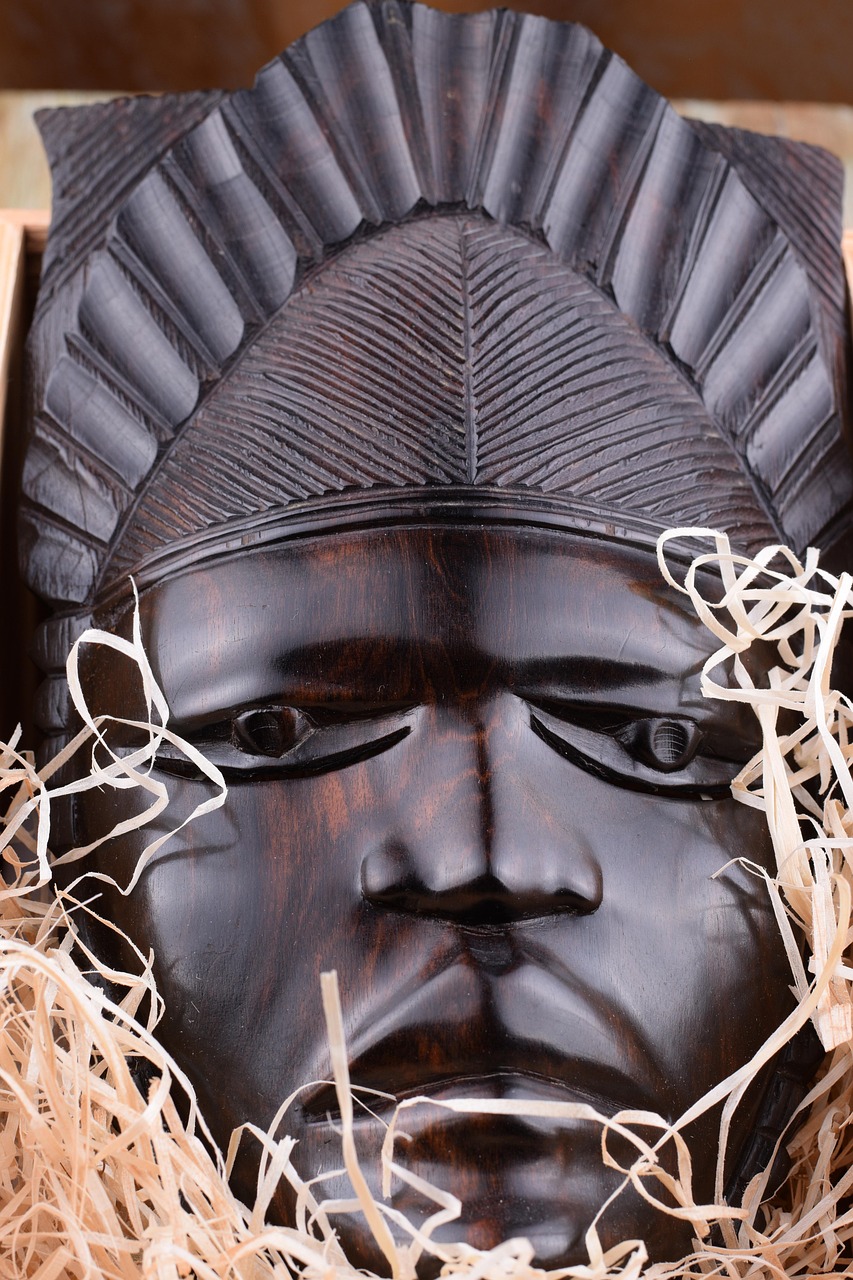
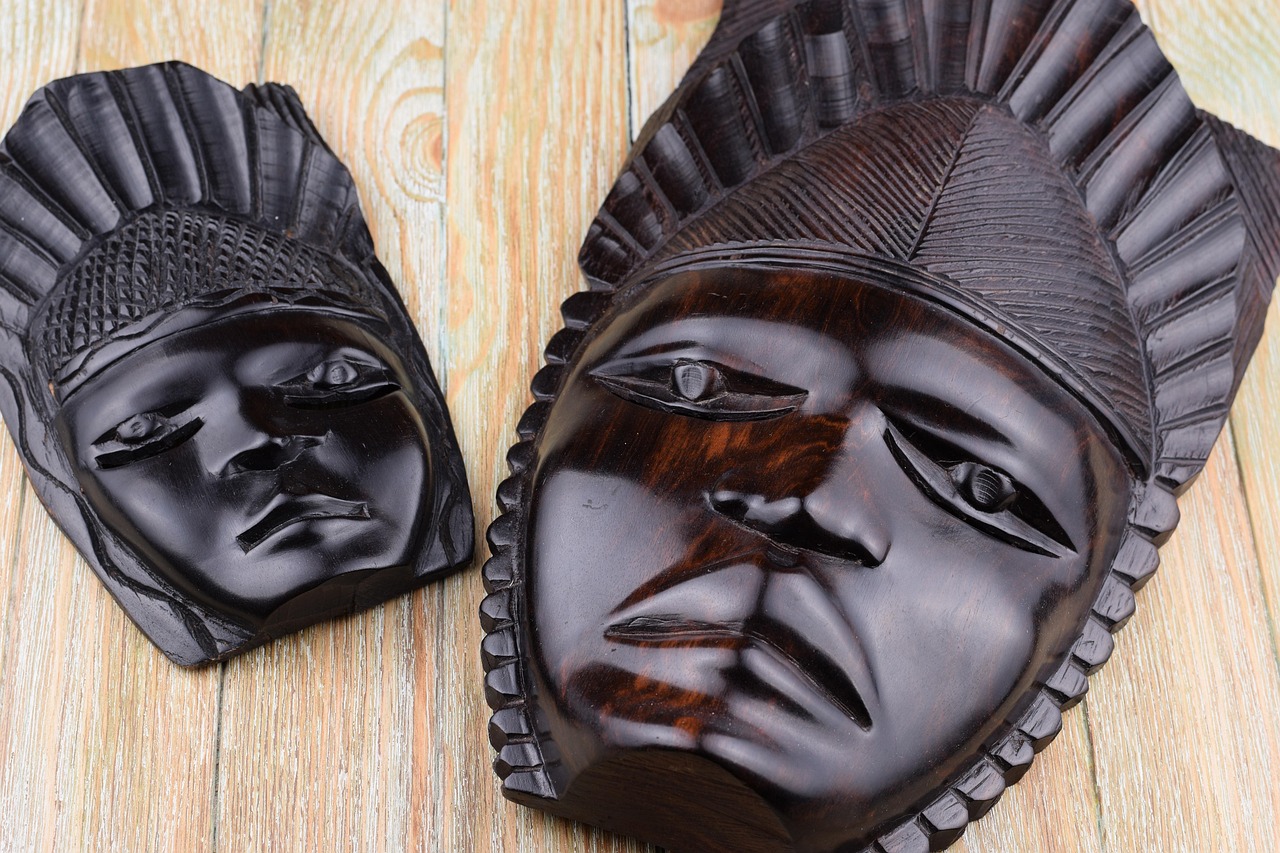
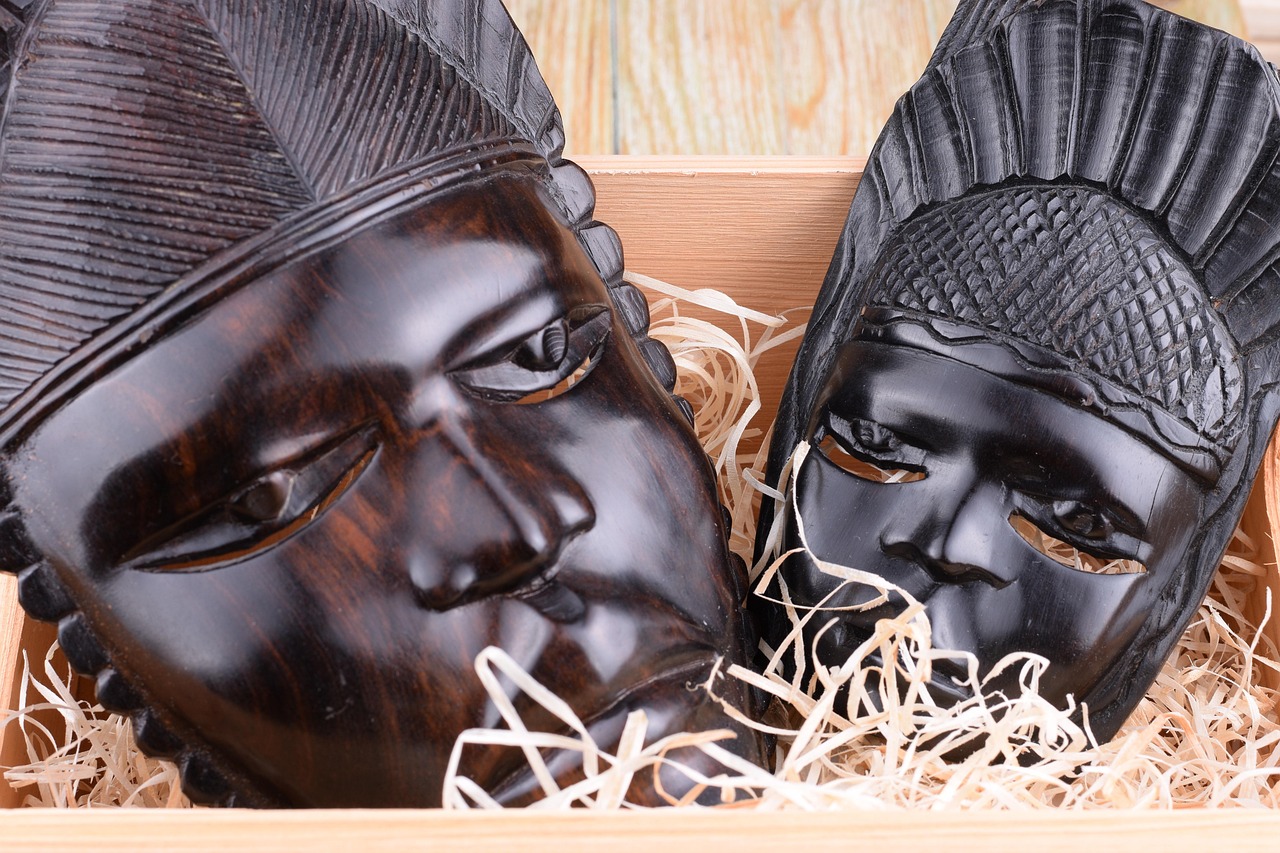
The masks of the Kuba are another glory of their tradition, worn in the great masquerades that accompanied the rites of the court, the initiations, and the funerals, and the three great royal masks, representing the founding king, his sister-wife, and a rival, are covered in beads, cowrie shells, and raffia in a dazzling display of pattern and colour. The masquerades, in which the masked figures danced the myths of the founding and the powers of the spirit world, were among the most spectacular of Kuba ceremonies.
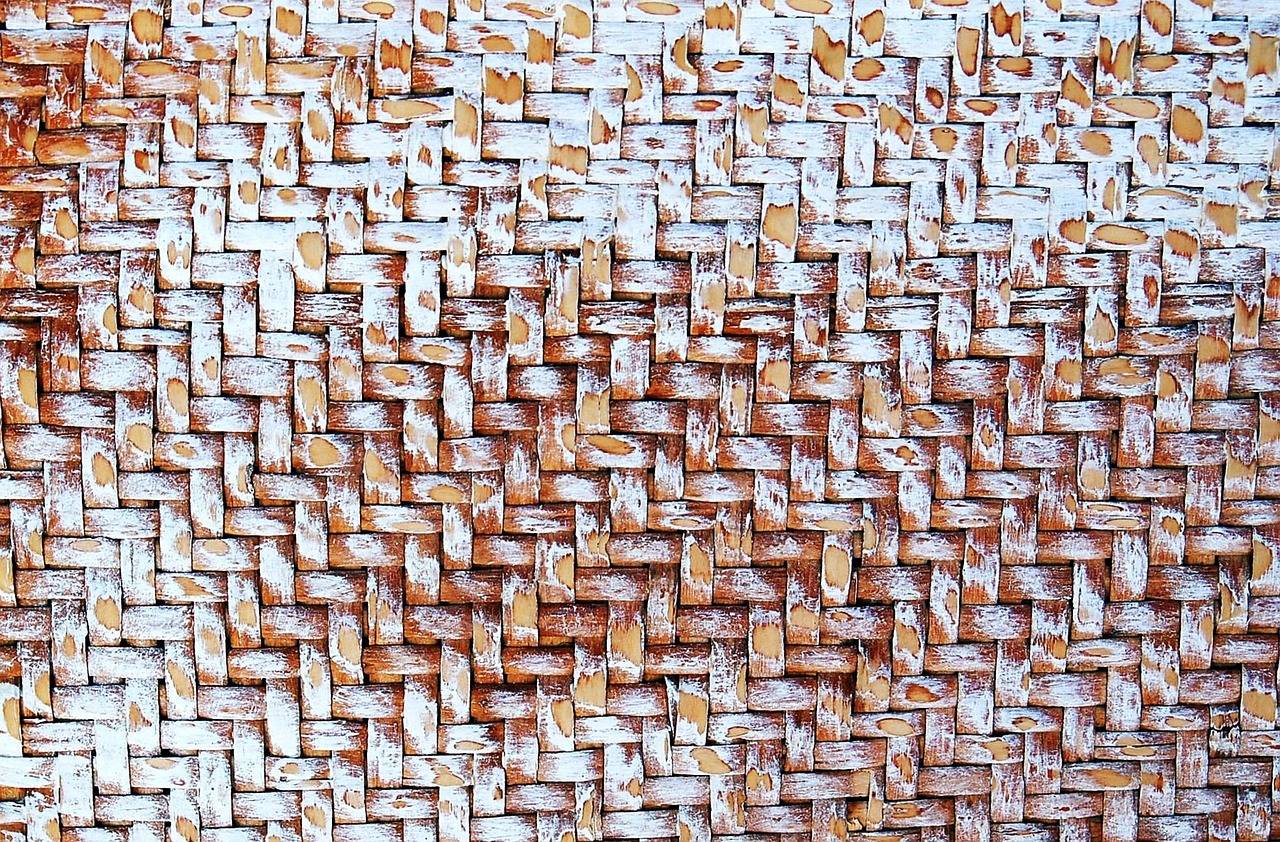
The love of pattern and ornament ran through every corner of Kuba life, for the people adorned not only their cloth and their masks but their cups, their boxes, their pipes, their walls, and their very bodies with the endless geometric designs to which they gave names, so that the whole material world of the Kuba was a canvas for their genius for design. In raffia cloth, beaded mask, and named pattern, the Kuba expressed a devotion to art unmatched in Africa.

Weavers, Carvers, and the Masters of Pattern
The crafts of the Kuba are the very heart of their fame, and none more than the weaving and embroidering of raffia cloth. The making of a single piece was a long and communal labour, for the men wove the plain raffia panels on their looms, and the women then embroidered them with the intricate geometric patterns and, for the finest cloth, worked the cut-pile that gives the velvety surface, clipping each stitched thread by hand. The result, a textile of extraordinary richness and pattern, was the supreme craft of the kingdom, prized as dress, as wealth, and as art.
Woodcarving was a craft of equal distinction, for the Kuba carvers produced the ndop, the serene carved portrait statues of the kings, each with the emblem of its ruler, among the masterpieces of African sculpture, along with the elaborately carved and patterned cups, boxes, drums, headrests, and the countless objects of daily and ceremonial life, every surface adorned with the named geometric designs. The carving of the masks, built up with wood, beads, cowries, and raffia, was another great art.
Beadwork, the working of cowrie shells, the smithing of iron and the fine metalwork of ornament, and the shaping of pottery all flourished in the kingdom, and even the humblest object was made with an eye to pattern and beauty. The craftsmen served the court and the title-holders, and their skill sustained the reputation of the kingdom as a place of art. In raffia cloth, carved statue, and patterned object, the crafts of the Kuba made a whole kingdom into a work of art.
Cassava, the Palm, and the Table of the Forest Edge
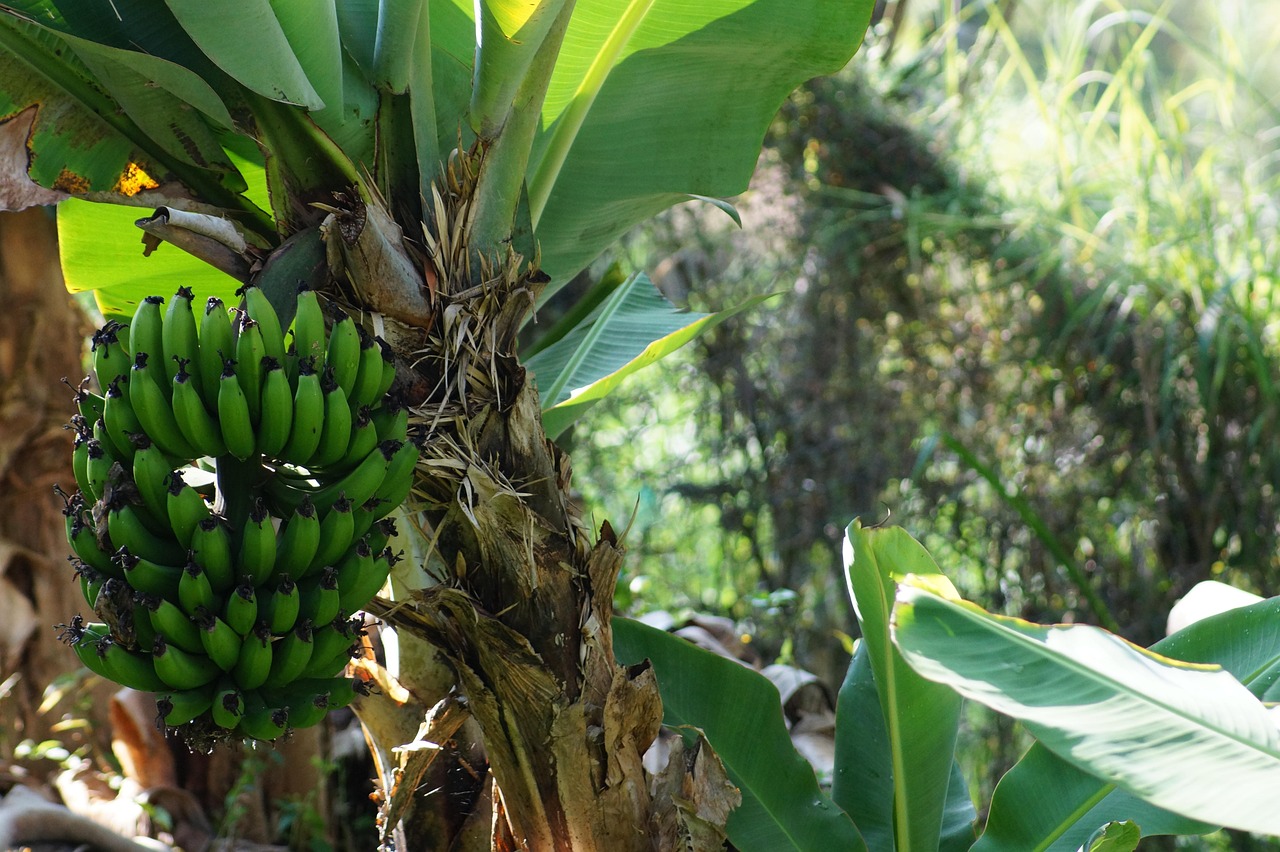
The food of the Kuba is the food of the forest edge and the savanna, built on the staple crops of the region and enriched by the produce of the woodland and the rivers. Cassava became the great staple, its root pounded into flour and cooked into the thick, dense paste eaten across the Congo, along with maize and, in the forest margins, the plantain and banana, all served with sauces and stews and forming the daily foundation of the meal. These filling staples, drawn from the fertile land between the rivers, fed the population of the kingdom.
The oil palm was a treasure of the country, giving both the red palm oil that colours and enriches the cooking and the sap tapped for palm wine, and around the staples the Kuba grew beans, groundnuts, and a range of vegetables and greens, and gathered the mushrooms, wild fruits, and the edible caterpillars and grubs that are prized delicacies of the forest. From the many rivers came fish, fresh, smoked, and dried, a vital source of protein and an item of trade, and from the forest and savanna came the game of the hunt.
Meat from goats, chickens, and the hunt graced the feasts and the days of ceremony, and palm wine flowed at celebrations and in the daily sociability of the people. The sharing of a meal of cassava paste with a rich sauce of fish, greens, or meat expressed the deep Kuba values of hospitality, and even the vessels and cups from which the food and drink were served were adorned with the patterns of the kingdom. In cassava, palm, and the produce of the forest edge, the food of the Kuba is the taste of the land between the rivers.
The Royal Rites, the Masks, and the Feasts
The grandest ceremonies of the Kuba were those of the sacred kingship, above all the accession and the great public appearances of the nyim, when the king emerged in the magnificent beaded and cowrie-covered royal costume, so heavy and so encrusted with ornament that he could barely move, a living embodiment of the wealth and majesty of the kingdom. These royal displays, surrounded by the title-holders in their insignia and by the drumming and dance of the court, were spectacles of pattern and splendour unmatched in the region.
The masquerades were the most dramatic of Kuba festivals, performances in which the great carved and beaded masks came to life in dance, embodying the founding king and queen, the culture-hero Woot, and the spirits of the wild, and enacting the myths of the founding and the powers of the unseen world. The masks appeared at the rites of the court, at the initiations of young men into the knowledge and secrets of the society, and at the funerals of the great, and their dancing was among the most spectacular ceremonies of the kingdom.
The passages of family life, births, initiations, marriages, and above all funerals, gathered kin and community with drumming, singing, dance, and feasting, and the display of the fine cloth and the treasured possessions. With the coming of Christianity the Kuba added the feasts of the church to their calendar. Through the royal appearances, the masquerades, and the ceremonies of family and faith, the Kuba marked the passages of life and the glory of their kingdom of art.
From the Founding of the Kingdom to the Modern Congo
The Kuba kingdom took shape, according to its own richly preserved traditions, in the seventeenth century, when a founder-king named Shyaam a-Mbul, remembered as a wise and clever ruler who had travelled and gathered knowledge abroad, is said to have united the peoples between the rivers, established the institutions, the titles, and the arts of the kingdom, and set the pattern of Kuba civilisation. From this founding the kingdom grew into a prosperous and centralised state, its detailed king-list preserving the memory of the rulers who followed across the centuries.
The kingdom flourished in relative isolation and security in its land between the rivers, growing wealthy on farming, on the trade in its famous cloth and other goods, and on the tribute of its provinces, and channelling its prosperity into the extraordinary flowering of the arts for which it is famous. It was one of the last of the great African kingdoms to be reached by Europeans, its remoteness preserving its independence and its traditions well into the colonial era, so that the Kuba entered the modern record with their kingship and their arts remarkably intact.
With the coming of the Belgians the kingdom was brought under colonial rule, though the monarchy was preserved, and the disruptions of the colonial and post-colonial Congo, the upheavals, the conflicts, and the pressures of the modern economy, bore upon the Kuba as upon their neighbours. Yet the kingship endured, the nyim reigning still as a revered figure, and the arts survived. From the founding of Shyaam to the modern Congo, the Kuba have carried the memory and much of the reality of their kingdom of artists.

The Kuba in the Heart of the Congo
Today the Kuba live in their historic homeland in the Kasai region of the central Democratic Republic of the Congo, where the kingdom endures as a cherished cultural institution and the nyim still reigns as a revered figure, the guardian of the traditions and the arts of his people. Though shorn of political power, the kingship remains a living symbol of Kuba identity, and the elaborate titles, the court ceremonies, and above all the artistic traditions of the kingdom survive amid the changes of the modern Congo.
The modern history of the Kuba has been bound up with the turbulent history of their vast country, and they have known the hardships, the conflicts, and the economic pressures that have troubled the Congo, and the disruptions of war and instability have at times fallen heavily on the Kasai. Many Kuba have moved to the cities in search of work and education, and the pressures of the modern economy and the market for their art have both threatened and, in some measure, sustained the old crafts.
Through all these changes the artistic genius of the Kuba endures and is celebrated across the world, for their raffia textiles, their masks, and their carved statues are treasured in the great museums and have influenced modern artists and designers far beyond Africa, and the making of the famous cloth continues in the homeland. The kingship survives, the patterns are still woven and named, and the pride in a kingdom of art remains strong. Heirs to one of Africas most artistic kingdoms, the Kuba carry their heritage of beauty into the modern Congo.
Related Peoples of the Region
- Kongo of the Lower River and Their Kingdom That Wrote to the Pope
- Luba of the Southern Savanna and Their Empire of Sacred Kings and Memory Boards
- Fang of the Equatorial Forest and Their Guardian Figures That Changed Modern Art
- Mongo of the Congo Rainforest and Their Epic of the Hero Lianja
- Chokwe of the Angolan Woodlands and Their Masks and Chairs of Carved Wonder
More Peoples of the World
You May Like
The Zaza, a Mountain People of Eastern Anatolia


2 thoughts on “Kuba of the Kasai and Their Kingdom Where Everything Became Art”