On the green and fertile hills that rise above the northern shore of Lake Victoria, the great inland sea at the heart of Africa, lives a people whose kingdom was among the most powerful and sophisticated the continent produced. They are the Baganda, the people of Buganda, a Bantu nation of banana-farmers and courtiers whose centralised kingdom, ruled by a king called the Kabaka, astonished the first Europeans to reach it with the order, the ceremony, and the reach of its government. In a region of many small societies, the Baganda built a true and enduring state.
This is the story of the Baganda and the kingdom they built on the hills above the lake. It is a story of the Kabaka and his hierarchy of appointed chiefs, of the clans with their totems and their hereditary duties, of the god Katonda and the spirits called balubaale, of the soft russet bark cloth beaten from the fig tree and the royal drums that proclaimed the king, and of the matoke banana that fed a kingdom. It is also a story of colonial favour, of a monarchy abolished and restored, told by a people at the very storm-centre of Uganda.
Contents
- The People of the Great Lake Kingdom
- Baganda, Buganda, and the Speakers of Luganda
- Luganda, the Tongue of the Kingdom
- The Green Hills Above Lake Victoria
- The Kabaka, the Chiefs, and the Kingdom of Buganda
- Clans, Chiefs, and the Bonds of the Kingdom
- The Balubaale, the Ancestors, and the Faiths of Buganda
- The Bark Cloth, the Royal Drums, and the Ways of the Court
- Barkcloth Makers, Smiths, and the Weavers of Buganda
- Matoke, the Banana, and the Table of the Kingdom
- The Coronation, the Clan Rites, and the Feasts of Buganda
- From the Founding of the Kingdom to Modern Uganda
- The Baganda in the Uganda of the Present
The People of the Great Lake Kingdom
On the green and fertile hills that rise above the northern shore of Lake Victoria, the great inland sea at the heart of Africa, lives a people whose kingdom was among the most powerful and sophisticated that the continent produced. They are the Baganda, the people of Buganda, a Bantu nation of banana-farmers and courtiers whose centralised kingdom, ruled by a king called the Kabaka, astonished the first Europeans who reached it with the order, the ceremony, and the reach of its government. In a region of many small societies, the Baganda built a true and enduring state.
The Baganda are a Bantu people, part of the vast family whose ancestors spread across much of Africa, and they settled the well-watered hills north of Lake Victoria, where the reliable rains and rich soils allowed a dense population to live on the banana groves that clothed the land. Unlike many of their neighbours, they gathered themselves under a single crown, building over the centuries a kingdom of provinces, chiefs, roads, and a capital, one of the most centralised political systems in pre-colonial Africa.
Their story is one of a kingdom grown great on the banana and the lake, ordered under a powerful king and an elaborate hierarchy of chiefs, and drawn in the colonial age into a special and fateful relationship with the British, who made Buganda the cornerstone of their Uganda. To understand the Baganda is to understand one of Africas great kingdoms, a state whose king still reigns and whose people remain at the centre of the modern Ugandan nation.

Baganda, Buganda, and the Speakers of Luganda
The names of this people and their world are built from a single root with the prefixes of the Bantu tongue. The kingdom is Buganda, the land itself; the people are the Baganda, and a single person is a Muganda; their language is Luganda, and their customs and way of life are Kiganda. This elegant family of names, all turning on the root ganda, expresses the deep unity of a people, a land, a language, and a kingdom bound together into a single identity, one of the most tightly integrated in Africa.
From this kingdom the name spread to the whole country, for when the British made Buganda the heart of their protectorate, they extended a form of its name, Uganda, to the entire territory they assembled around it, so that a modern nation of many peoples bears a version of the Baganda name. This is a mark of the central place that Buganda held, the largest and most powerful of the kingdoms that the British found in the region, and the model on which they built their rule.
Within the kingdom the people were bound together not only by the crown and the language but by the clans, the totemic groups to which every Muganda belongs, which cut across the kingdom and tie the people into a single web of kinship. The name Baganda thus gathers a people who are one in language, one in custom, one under the Kabaka, and bound together by the clans, one of the most cohesive of all the great peoples of Africa.
Luganda, the Tongue of the Kingdom
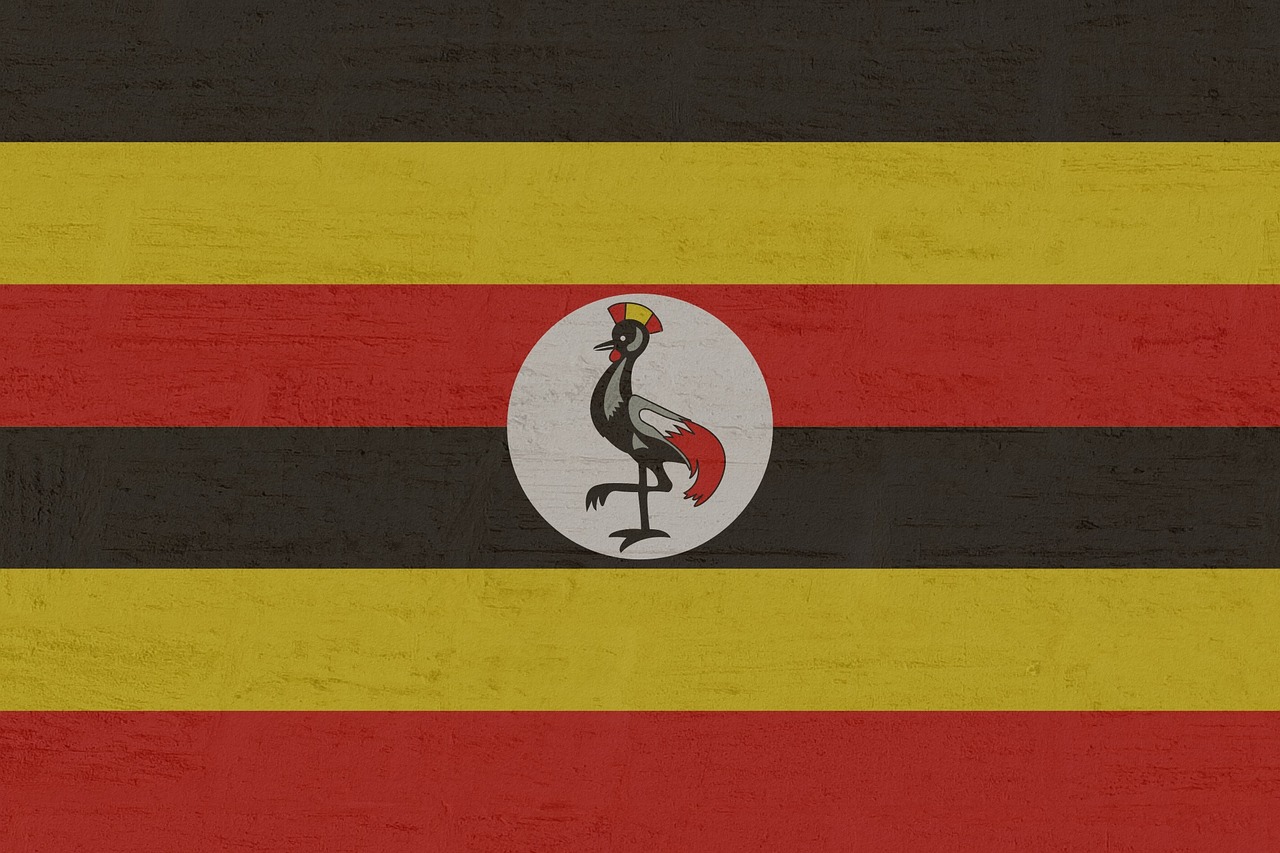
The Baganda speak Luganda, a Bantu language of the Niger-Congo family and one of the most widely spoken languages of Uganda, the mother tongue of the countrys largest ethnic group and a common language of trade and daily life across much of the south, above all in and around the capital, Kampala, which grew up on the hills of Buganda. As a Bantu language it is built on the system of noun-classes and the melodic tonal patterns characteristic of that great family, and it is rich in the elaborate courtesies and honorifics befitting a people of an old and ceremonious kingdom.
Luganda has long been a written language, reduced to writing by the missionaries in the nineteenth century, and it developed an early written literature of religious works, histories, and grammars, for the Baganda took quickly and eagerly to reading and writing. The language carries a deep oral heritage as well, of proverbs famous for their wit and wisdom, of folktales and riddles, and of the praise and history of the kingdom and its kings, and the art of speaking well, laced with proverb and allusion, is greatly admired.
Today Luganda flourishes in print, in a lively popular music, in radio and television, and in the daily life of millions, spoken alongside English, the official language, and Swahili. It remains a powerful marker of Baganda identity and a language of real weight in the life of Uganda, carried by the largest and most influential of the countrys peoples. In its proverbs, its courtesies, and its literature, Luganda is the living voice of the kingdom on the hills.
The Green Hills Above Lake Victoria
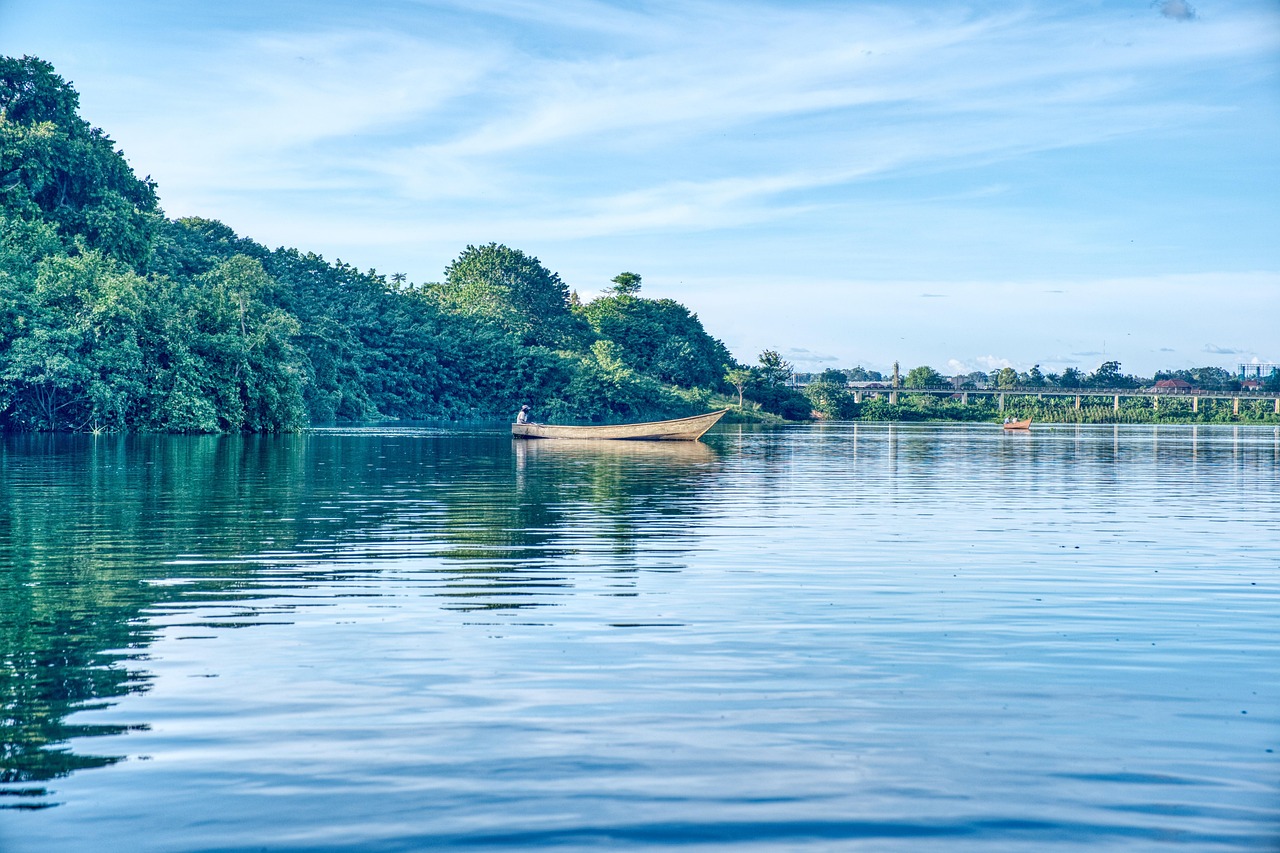
The Baganda homeland is the belt of green, well-watered country along the northern and northwestern shores of Lake Victoria, the vast inland sea that is the largest lake in Africa and one of the largest in the world. It is a land of gently rolling hills and broad valleys, of red fertile soils and a warm, moist climate with rain in two seasons that keeps the country green through much of the year, ideal for the banana groves that clothe the hills and feed the dense population that this rich land supports.
The lake itself was central to the life and power of Buganda, giving fish, a highway for canoes, and a natural boundary, and the kingdom built a fleet of great war-canoes that carried its power across the waters and along the shores. The many islands of the lake, the papyrus swamps of the shores, and the rivers and streams that water the hills all shaped a land of abundance, and the reliable rains meant that the Baganda, unlike peoples of drier lands, rarely faced the threat of drought and famine that stalked their neighbours.
This fertility and security allowed the Baganda to build one of the densest populations and one of the most developed societies in the region, for the banana, once planted, yielded food year round with relatively little labour, freeing people for the service of the kingdom, for craft, trade, and war. The hills, each often the seat of a chief, were the building blocks of the kingdom, and the capital moved among them with the reign of each king. Green, fertile, and blessed by the great lake, the homeland made the greatness of Buganda possible.

The Kabaka, the Chiefs, and the Kingdom of Buganda
The old Baganda world was a true and centralised kingdom, one of the most developed in pre-colonial Africa, crowned by the Kabaka, the king, whose power over his people was vast. Unlike many African monarchs hedged about by hereditary nobles, the Kabaka of Buganda ruled through a hierarchy of appointed chiefs whom he could raise and dismiss at will, so that ambitious men rose by royal favour and merit rather than by birth alone. This gave the crown a remarkable reach and a flexibility that made Buganda a formidable and expanding power.
Beneath the Kabaka spread an elaborate structure of government, the great chiefs who governed the provinces, the lesser chiefs of the counties and the hills, and the officers of the royal court, the palace, and the army, all bound in service to the king. A network of roads radiated from the capital, messengers carried the royal commands, and a great enclosure on a chosen hill housed the Kabaka, his court, and the machinery of the state. Visitors marvelled at the order, the ceremony, and the discipline of this African court.
The kingdom was also structured by the clans, the totemic groups to which every Muganda belonged and which held hereditary duties and offices at the court, so that the appointive power of the king was balanced by the ancient rights of the clans. The queen mother and the royal sister held offices of great importance, and the royal drums and regalia embodied the mystical authority of the crown. In the Kabaka, the chiefs, and the clans, Buganda built a kingdom of striking sophistication and strength.
Clans, Chiefs, and the Bonds of the Kingdom
Baganda society was bound together by two great structures, the kingdom with its chiefs and the clans with their kinship, woven into a single fabric. Every Muganda belongs to a clan, a totemic group tracing descent through the father from a common ancestor and marked by its totem animal or plant, and the clans, spread across the whole kingdom, tie the people into a web of kinship that cuts across the divisions of place and chieftaincy. Each clan held its own lands, its own hereditary offices at the royal court, and its own duties in the service of the Kabaka.
Within this framework a man rose in the world through service and favour, for the kingdom offered a path of advancement to the able and the loyal, from the pages who served at court through the ranks of the chiefs to the highest offices of the state. Boys of good family were sent to serve as pages in the households of chiefs and the palace, learning the ways of the court and building the connections that could raise them, so that Baganda society was, for its age, remarkably open to talent and ambition.
The family and the household formed the base of the social order, a man with his wife or wives, his children, and his dependants on his portion of the hills, tied by clanship to a wider kin and by chieftaincy to the kingdom. Respect for the Kabaka, for chiefs, and for elders, the courtesies of a ceremonious people, and the bonds of clan and service ordered daily life. In clan and kingdom, service and kinship, the Baganda built a cohesive and dynamic society.
The Balubaale, the Ancestors, and the Faiths of Buganda
The traditional religion of the Baganda centred on a supreme creator, Katonda, the maker of all things, and on a host of lesser gods and spirits called the balubaale, powerful beings who governed particular realms of life, the lake, war, health, fertility, and the harvest, and who were served at shrines by their priests and mediums. In times of need the people turned to these gods through their mediums, who fell into trance and spoke the will of the balubaale, and the greatest of the gods, such as the god of the lake and the god of war, commanded shrines of national importance to the whole kingdom.
Alongside the balubaale stood the deep veneration of the ancestors, the spirits of the dead who watched over their descendants and their clans, and above all the reverence surrounding the departed kings, whose jawbones were preserved in special shrines where their spirits could still be consulted, so that the dead Kabakas remained a living power in the kingdom. This bond between the living king, the royal ancestors, and the gods gave the monarchy a sacred dimension and tied religion closely to the state.
In the nineteenth century Buganda became a meeting point of the world religions, as Muslim traders from the coast and then Christian missionaries, both Protestant and Catholic, came to the court and won converts, sometimes amid fierce and bloody rivalry. Today the great majority of the Baganda are Christians, with a substantial Muslim minority, and the memory of the young converts martyred for their new faith is honoured. Yet beneath the world religions the older reverence for Katonda, the balubaale, and the ancestors has never wholly disappeared.

The Bark Cloth, the Royal Drums, and the Ways of the Court
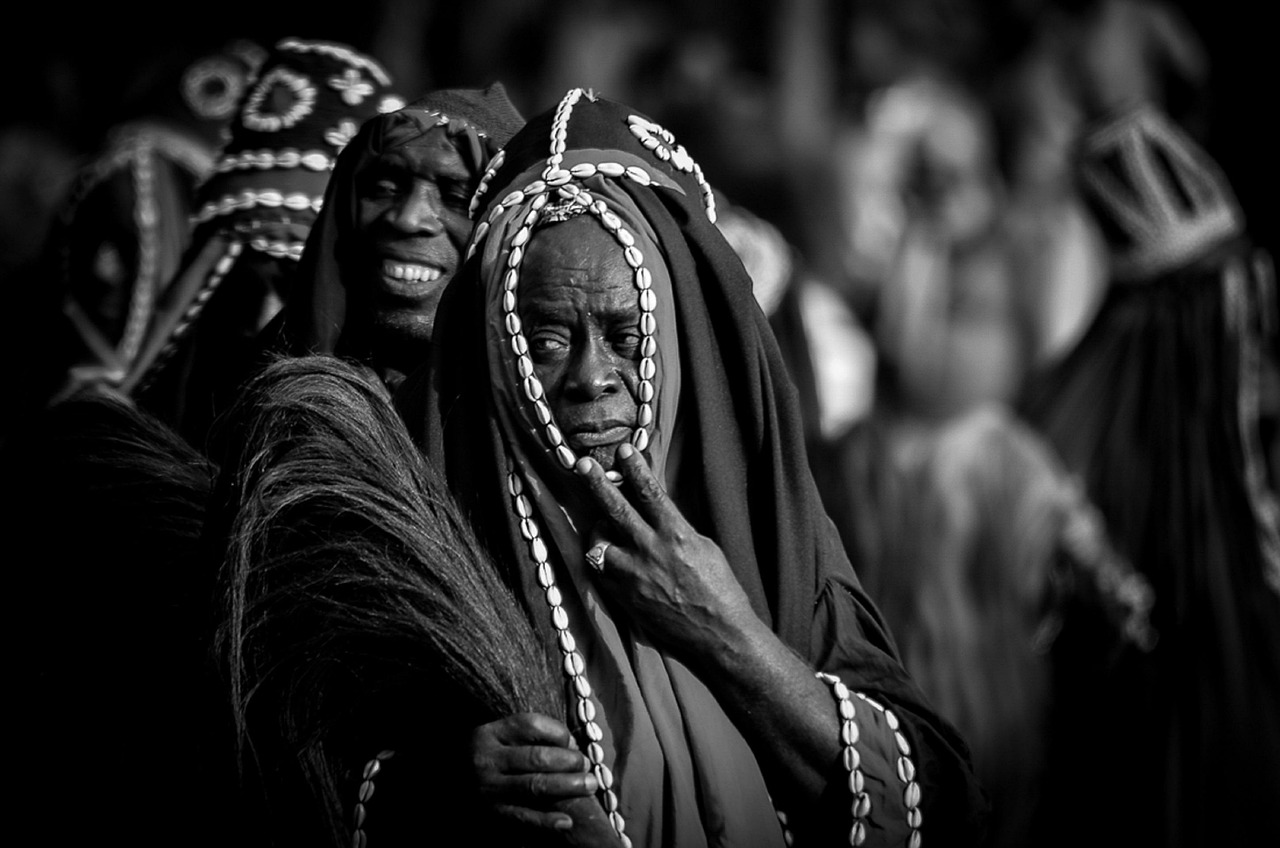
One of the most distinctive of all Baganda traditions is the making and wearing of bark cloth, the soft, russet-brown fabric beaten from the inner bark of the mutuba fig tree in a craft so old and so fine that it has been honoured as a treasure of human heritage. Once the everyday dress of the people and still worn on ceremonial and mournful occasions, bark cloth clothed the kingdom before the coming of woven cotton, and its making, by the long and skilful beating of the bark into a wide, supple sheet, is a proud craft of the Baganda.
The drum stands at the very heart of Baganda tradition, above all the royal drums, the sacred instruments that embodied the authority of the Kabaka and whose particular rhythms proclaimed the king, summoned the people, and marked the great occasions of the kingdom. Music and dance filled the life of the court and the people, and the energetic dances of the Baganda, with their rapid movement of the hips to the driving beat of the drums, are famous throughout the region, performed at every celebration.
Dress, courtesy, and the elaborate etiquette of a ceremonious people carry their own weight in Baganda tradition. The kneeling of women and the crouching of men in greeting, the formal and flowery courtesies of speech, the fine dress of festival, from bark cloth to the graceful gomesi gown of the women and the kanzu robe of the men, all express the manners of a courtly society. In bark cloth, royal drum, and elaborate courtesy, the Baganda keep the traditions of their kingdom.
Barkcloth Makers, Smiths, and the Weavers of Buganda
The most celebrated craft of the Baganda is the making of bark cloth, the beating of the inner bark of the mutuba tree into the soft, wide sheets of russet fabric that clothed the kingdom. The craftsman strips the bark, works it patiently with wooden mallets grooved to soften and spread the fibre, and produces a cloth of remarkable size and suppleness, a craft of such antiquity and skill that it has been recognised as a masterpiece of human cultural heritage. Bark cloth remains a proud emblem of Baganda identity, used still in ceremony and mourning.
The blacksmiths held an honoured place, forging the hoes on which the banana-farming economy depended, along with the spears, knives, and tools of daily life, and their command of iron carried the usual aura of power and secret skill. The kingdom also supported specialist crafts in the service of the court, the makers of the royal regalia, the drums, and the fine goods that adorned the palace and proclaimed the majesty of the Kabaka.
The women and artisans of Buganda wove mats and baskets from the fibres of the palm and the banana, coiling and plaiting them in patterns of real beauty, and worked in pottery, in wood, and in the many products of the banana plant, whose leaves, fibres, and stems served a hundred domestic uses. The building of the great thatched houses, above all the enormous domed reed palaces of the Kabaka, was itself a monumental craft. In bark cloth, iron, mat, and palace, the crafts of the Baganda served both the household and the kingdom.

Matoke, the Banana, and the Table of the Kingdom
The food of the Baganda is built above all on the banana, and specifically on the green cooking banana called matoke, which is the great staple of the kingdom and the very centre of the diet. Peeled, wrapped in banana leaves, and steamed until soft, then often mashed, matoke is eaten at nearly every meal, served with sauces and stews, and to the Baganda it is so much the essence of food that the word for it can stand for a meal itself. The banana groves that clothe the hills yield this staple year round, the foundation of the kingdoms prosperity.
Around the matoke the Baganda built a rich cuisine of sauces and accompaniments, the groundnut sauce, the beans and peas, the greens, and the meat and chicken and fish from the lake that graced the tables of the well-to-do and the feasts of celebration. A special delicacy is luwombo, a stew of meat, chicken, or fish steamed in banana leaves, a dish of the court now served at weddings and great occasions, and the smoked and dried fish of Lake Victoria added their savour to the pot.
Other foods filled out the diet, the sweet potatoes, cassava, and yams, the millet grown as an older grain, and the fruits of a fertile land, while the banana yielded not only food but the juice fermented into the beer that flowed at celebrations. The sharing of a meal of matoke and its sauces expressed the deep Baganda values of hospitality and family, and the great feasts of the kingdom, heaped with steaming banana and rich stews, displayed the abundance of the land. In matoke above all, the food of the Baganda is the taste of Buganda itself.

The Coronation, the Clan Rites, and the Feasts of Buganda
The grandest ceremonies of the Baganda were those of the kingdom and the crown, above all the coronation of a new Kabaka, an elaborate ritual in which the king was invested with the sacred regalia, the drums, and the authority of his ancestors amid days of ceremony that bound the whole kingdom to its new sovereign. The installation of the great chiefs, the ceremonies of the royal court, and the rituals surrounding the sacred royal drums marked the rhythm of the public life of the kingdom with pageantry and solemnity.
The clans too had their ceremonies, the gatherings at which clan business was conducted, the installation of clan heads, and above all the rites of the family and the life cycle. The birth and naming of children, the introduction ceremony at which a bride formally presents her betrothed to her family, a grand and cherished occasion of Baganda life, the weddings, and the last funeral rites that end the long period of mourning, all draw kin and clan together in feasting, drumming, and celebration, and remain vital today.
With the coming of Christianity and Islam the Baganda added the great feasts of the world religions to their calendar, Christmas and Easter for the Christian majority and the Muslim festivals for the minority, kept with worship and the gathering of families. The Baganda martyrs, the young converts put to death at the royal court, are honoured each year in a great pilgrimage that draws vast crowds. Through the rites of the kingdom, the clan, and the faith, the Baganda mark the passages of life and the greatness of Buganda.

From the Founding of the Kingdom to Modern Uganda
The kingdom of Buganda arose on the shores of Lake Victoria some centuries ago, growing from a small chiefdom into the dominant power of the region as its kings, the Kabakas, extended their rule over neighbouring lands and built the centralised state that so impressed later visitors. By the nineteenth century Buganda was a formidable kingdom with a strong monarchy, a disciplined system of chiefs, a fleet of war-canoes on the lake, and a reach that made it the greatest power of the northern lake region, trading for guns and cloth with the Arab merchants who reached its court from the coast.
The arrival of Muslim traders and then Christian missionaries in the later nineteenth century brought new faiths and new rivalries to the court, and the kingdom was convulsed by religious wars among the Muslim, Protestant, and Catholic factions before the British established their control. The British made Buganda the foundation of their protectorate of Uganda, and by a special agreement in 1900 they confirmed the kingdom, its Kabaka, and its chiefs in a privileged position, using Buganda to help administer the wider territory, which deepened both its prominence and the resentment of others.
At independence in 1962 the Kabaka became the first president of Uganda, but the special status of the kingdom soon clashed with the central government, and in 1966 the monarchy was attacked and abolished, the Kabaka driven into exile, and the autonomy of Buganda destroyed. Only in 1993 was the kingdom restored as a cultural institution, its Kabaka enthroned once more, though without political power. Through greatness, colonial favour, abolition, and restoration, the Baganda have remained at the storm-centre of the history of Uganda.
The Baganda in the Uganda of the Present
Today the Baganda are the largest ethnic group in Uganda and one of the most prominent and prosperous, occupying the central region around the capital, Kampala, which is built upon the very hills of their kingdom. Enterprising, well-educated, and long favoured by history, they are strongly represented in business, the professions, and the cultural life of the nation, and Luganda is heard everywhere in the bustling capital. The kingdom of Buganda, restored in 1993, endures as a revered cultural institution, and the Kabaka commands deep loyalty and affection as the symbol of Baganda identity.
The relationship between the kingdom and the central state remains a delicate and sometimes tense one, for the Baganda cherish their monarchy and their distinct identity while living within a national government that guards its authority, and questions of land, of the powers of the kingdom, and of the place of Buganda in Uganda are live and sometimes contentious. The abolition and restoration of the kingdom left a legacy of caution, and the Baganda navigate with care their double loyalty to the Kabaka and to the nation.
Through all these changes the deep culture of the Baganda flourishes. The Luganda language thrives, the royal drums still sound at the ceremonies of the kingdom, the making of bark cloth is honoured as a treasure of humanity, and matoke still steams on every table. The introduction ceremonies, the clan gatherings, and the loyalty to the Kabaka bind the people together as one. Heirs to one of Africas great kingdoms, the Baganda carry their proud heritage into the heart of the modern Ugandan nation.

Related Peoples of the Region
- Amhara of the Ethiopian Highlands and Their Empire That Never Bowed
- Oromo of the Ethiopian Highlands and Their Ancient Democracy of the Generations
- Somali of the Horn of Africa and Their Nation Bound by Word and Faith
- Maasai of the East African Plains and Their Cattle Given by the Sky God
- Swahili of the East African Coast and Their Civilisation Made by the Ocean
- Kikuyu of Mount Kenya and Their Land Given by God to the Children of Mumbi
- Luo of Lake Victoria and Their Nilotic Journey Down the Nile to the Great Water
- Tigrayans of the Northern Highlands and Their Ancient Empire of Axum
More Peoples of the World
You May Like
The Zaza, a Mountain People of Eastern Anatolia


One thought on “Baganda of the Great Lake and Their Kingdom on the Hills of Buganda”