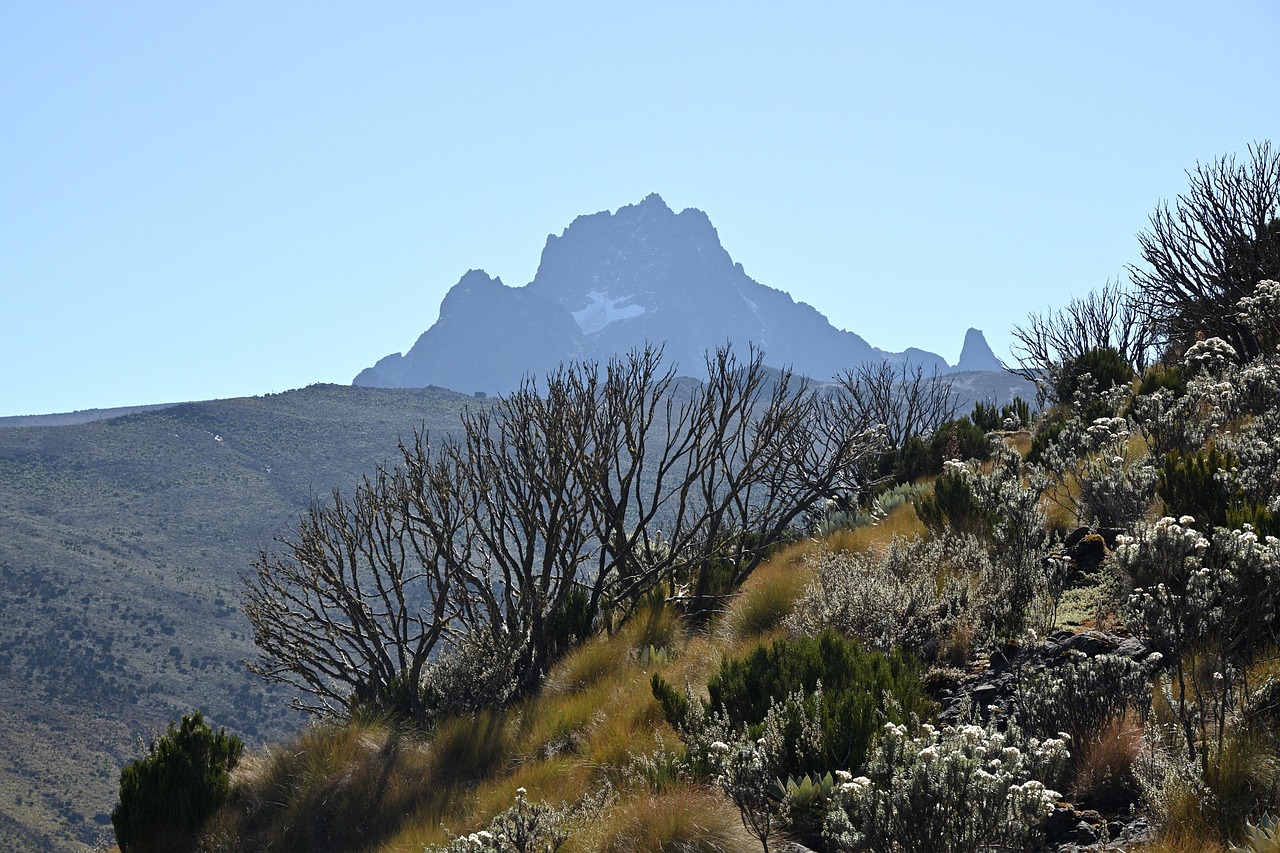
On the green and well-watered highlands that rise toward the snow-capped peak of Mount Kenya, in the very heart of the country that takes its name from that mountain, lives the largest of all the peoples of Kenya. They are the Kikuyu, a Bantu people of farmers whose fertile ridges, whose industry and enterprise, and whose central role in the making of modern Kenya have given them a place of great importance in East Africa. Settled cultivators in a land of herders, they built a prosperous civilisation on the slopes of the sacred mountain.
This is the story of the Kikuyu and the highland world they built. It is a story of Gikuyu and Mumbi, the first parents to whom God gave the land, and of the nine clans sprung from their nine daughters, of Ngai who dwelt upon the peak of Mount Kenya and the sacred fig tree beneath which the people prayed, of the age-sets and the ceremonial handing over of power, and of the githeri and the kiondo and the ridges of rich red earth. It is also a story of land lost to settlers and the great Mau Mau struggle, told by a people at the very heart of Kenya.
Contents
- The People of the Mountain of Brightness
- Kikuyu, Gikuyu, and the Children of Mumbi
- Gikuyu, the Tongue of the Highlands
- The Fertile Highlands Around Mount Kenya
- Ridges, Clans, and the Rule of the Age-Sets
- The Nine Clans and the Bonds of the Mbari
- Ngai on the Mountain and the Sacred Fig
- Initiation, the Dance, and the Ways of the Ridge
- Potters, Smiths, and the Weavers of the Kiondo
- Githeri, the Banana, and the Bounty of the Farm
- Initiation, Harvest, and the Great Rites of Passage
- From Mumbi to the Mau Mau and Independence
- The Kikuyu at the Heart of Modern Kenya
The People of the Mountain of Brightness
On the green and well-watered highlands that rise toward the snow-capped peak of Mount Kenya, in the very heart of the country that takes its name from that mountain, lives the largest of all the peoples of Kenya. They are the Kikuyu, a Bantu people of farmers whose fertile ridges and valleys, whose industry and enterprise, and whose central role in the making of modern Kenya have given them a place of great importance in East Africa. Settled agriculturalists in a land of herders and hunters, they built a prosperous civilisation on the slopes of the great mountain.
The Kikuyu are a Bantu people, part of the vast family whose ancestors spread across much of Africa in ancient times, and they settled the highlands around Mount Kenya many centuries ago, clearing the forest for their farms and building a dense population on the rich volcanic soils. Unlike their pastoral neighbours the Maasai, with whom they traded and sometimes fought, the Kikuyu were people of the hoe and the ridge, tied to their land with a deep and abiding attachment.
Their story is one of a farming people who prospered on the mountain, ordered their society through clans and age-sets without any king, revered a God who dwelt on the peak, and then, in the colonial age, lost much of their best land to European settlers and rose in the great rebellion that helped bring Kenya to independence. To understand the Kikuyu is to understand a people bound to their highland home and standing at the very centre of their nations modern history.
Kanuri, Beriberi, and the Name of the Bornu People
The people call themselves Kanuri, a name bound up with the ancient land of Kanem from which their earliest empire took its name, the country to the northeast of Lake Chad where their kingdom first arose. When the centre of the empire shifted west of the lake to the province of Bornu, the people carried their identity with them, and the names Kanem and Bornu came to mark the two great phases of a single long story. To be Kanuri was to belong to the nation of that enduring realm.
To their Hausa neighbours to the west the Kanuri were long known by another name, Beriberi, a term still sometimes heard for the Kanuri communities scattered through the Hausa lands and beyond. Within the Kanuri world itself there are related groups and branches, the Manga, the Mober, and others, each with its own local identity beneath the shared name, along with closely connected peoples such as the Kanembu of the eastern lake who represent the older stock of the original homeland.
Across the centuries the name Kanuri came to stand for one of the great Muslim peoples of the central Sudan, famous for the antiquity of their faith, the power of their kings, and the reach of their trade. Divided today among four modern nations, the Kanuri still answer to the single name that ties them to the thousand-year empire of the lake, a name that carries the memory of one of the most durable states in the history of Africa.
Gikuyu, the Tongue of the Highlands
The Kikuyu speak Gikuyu, a Bantu language of the Niger-Congo family, closely related to the tongues of their highland neighbours the Embu and Meru, with whom they share much of their culture. It is one of the most widely spoken languages of Kenya, the mother tongue of the countrys largest ethnic group, and it is heard across the central highlands and in the great city of Nairobi that grew up at the southern edge of the Kikuyu country. As a Bantu language it carries the grammar and structure of that great family, rich in the noun-classes and the tonal patterns of its kind.
For most of their history the Kikuyu passed their language and their knowledge entirely by word of mouth, in a rich oral culture of stories, proverbs, riddles, and songs through which the wisdom of the elders, the history of the clans, and the values of the people were handed down. The proverbs of the Kikuyu are famous for their shrewdness and their moral force, and the ability to speak well, to argue a case and to weave in the sayings of the ancestors, was a valued and respected art.
With the coming of the missionaries the language was reduced to writing, and Gikuyu became one of the first Kenyan languages with a written literature, including translations of the scriptures and, in time, the novels and writings of Kikuyu authors, among them one of Africas most celebrated writers, who chose to write in his mother tongue. Today Gikuyu flourishes in print, radio, music, and daily life, spoken alongside the national languages Swahili and English, the living voice of the people of the mountain.
The Fertile Highlands Around Mount Kenya
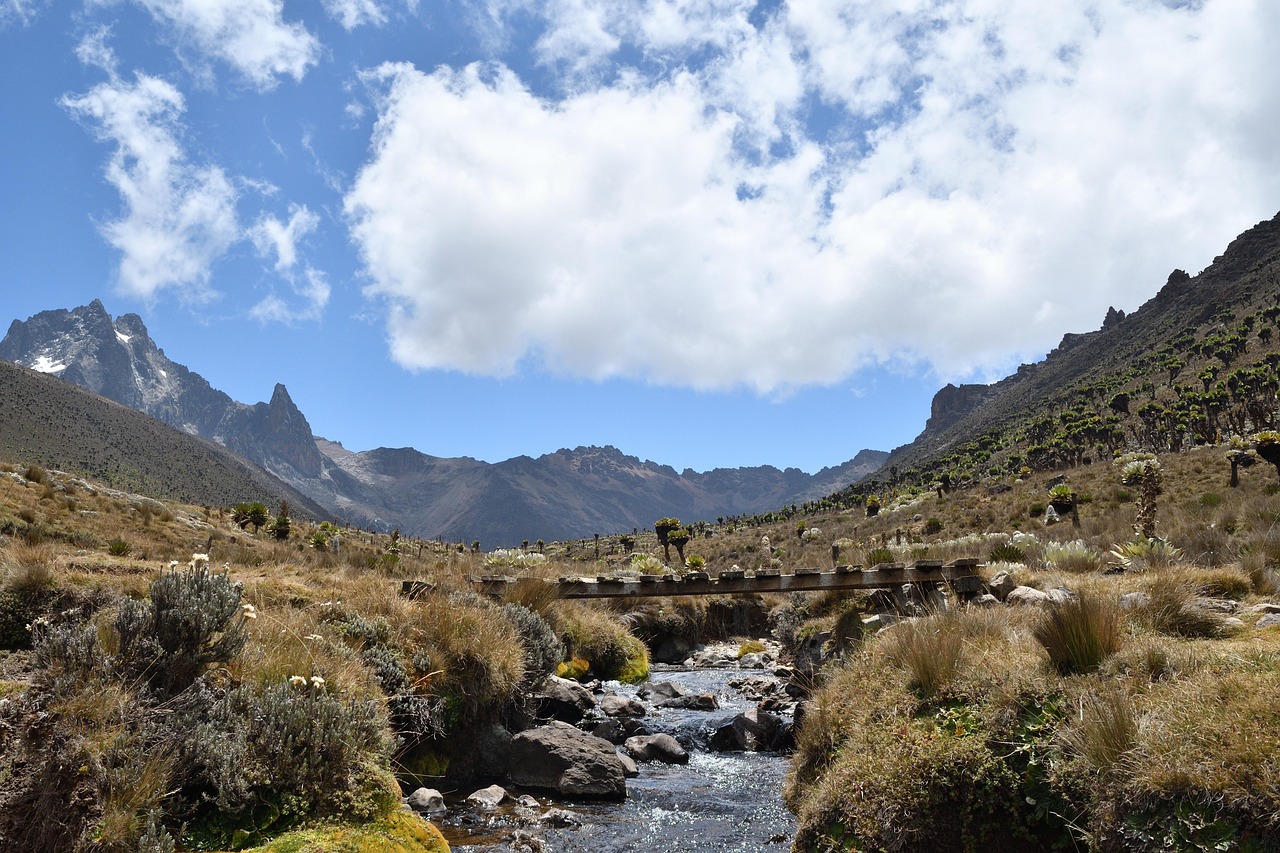
The Kikuyu homeland is the fertile highland country that spreads across the south and west of Mount Kenya, in the central highlands of the country, a land of rolling ridges, deep valleys, and rich red volcanic soils blessed with reliable rain. This is some of the best farming land in all of East Africa, cool and green at altitude, watered by the streams that run down from the mountain and the forest, and it supported a dense population of farmers who terraced the ridges and cultivated the valleys with great care and industry.
The land is arranged, in the classic Kikuyu pattern, into long ridges separated by the valleys of the streams, and it was along these ridges that the people built their homesteads and their farms, each ridge a little world of its own. Above the settled country rose the great forest and, beyond it, the moorland and the bare rock and ice of Mount Kenya itself, the sacred peak the Kikuyu called the mountain of brightness or of mystery, the dwelling place of God. The mountain dominated their world, physically and spiritually, the source of the rivers and the throne of the divine.
This was a rich and productive homeland, and the Kikuyu made the most of it, growing a great variety of crops on the fertile slopes and building one of the densest and most prosperous farming societies in the region. The very richness of the land, however, made it coveted by the European settlers who came in the colonial age and seized much of the best of it for their own farms, a loss that lay at the root of the great struggle to come. Fertile, cool, and dominated by the sacred mountain, the highland home shaped the whole life of the Kikuyu.
Ridges, Clans, and the Rule of the Age-Sets
The old Kikuyu world was ordered without kings or chiefs, governed instead through the clan, the family, and above all the system of age-sets and councils of elders. The people lived not in villages but in scattered homesteads spread along the ridges, each family on its own land, and authority rested with the elders who had risen through the grades of age to the councils that governed the affairs of the ridge and the region. It was a republican and egalitarian order in which power came with age, wisdom, and the respect of the community.
Central to this system was the passage of the generations through the age-sets, and the great institution of the handing over of power, the ituika, in which, at intervals said to be about a generation apart, the ruling generation ceremonially passed authority to the generation coming up behind it. This periodic transfer of power between the generations, marked by great ceremony, gave the Kikuyu a way of renewing their leadership and preventing any group from holding authority forever, a striking feature of their political life.
Land was held through the family and the sub-clan, the mbari, the group of kin descended from a common ancestor who together held rights over a stretch of the ridge, and the acquisition and holding of land was a central concern of Kikuyu life. Enterprising men cleared forest, bought land, and built up their holdings and their families, and a man of many wives, many children, much land, and many goats was a man of standing. In clan, mbari, and age-set, the Kikuyu built an ordered and industrious society on the ridges of the mountain.

The Nine Clans and the Bonds of the Mbari
Kikuyu society is built on descent, and every Kikuyu belongs to one of the nine clans that trace their origin to the nine daughters of Mumbi, the great matriarch of the founding legend. These clans, spread across the whole of the Kikuyu country, give a person a place in the wider nation and a set of kin beyond their immediate family, and they structure identity and belonging across the ridges and regions. The tracing of descent from the daughters of Mumbi gives the whole people the sense of being one great family.
Within the clan the key unit was the mbari, the sub-clan or lineage descended from a more recent common ancestor, which held land in common and formed the practical framework of daily life, of landholding, of mutual aid, and of the settling of disputes. The family homestead, with a man, his wives, and their children and their fields and animals, was the heart of the mbari, and the accumulation of land, wives, children, and livestock was the path to standing and influence in the community.
The values of Kikuyu society were those of an industrious farming people, hard work, thrift, enterprise, and the careful management of land and family, together with respect for the elders, hospitality, and the bonds of kinship and neighbourhood. Age brought authority, and the councils of elders governed through discussion and consensus, their word backed by the moral weight of custom and the sanctions of the community. In clan, mbari, and the respect for age, the Kikuyu wove a resilient and enterprising society rooted in the land.

Ngai on the Mountain and the Sacred Fig
At the centre of traditional Kikuyu religion stood Ngai, also called Mwene Nyaga, the one supreme God, the creator and giver of all things, who was believed to dwell upon the peak of Mount Kenya, the mountain of brightness. Ngai was a distant and majestic God, not troubled with the small affairs of every day, but turned to in the great matters of life and in times of need, in drought, sickness, and crisis, through prayer and sacrifice. When the Kikuyu prayed they faced the sacred mountain, the throne of God, and built their homes and buried their dead with orientation toward it.
The great place of worship and sacrifice was the mugumo, the sacred fig tree, beneath whose spreading branches the elders gathered to offer the prayers and sacrifices of the community to Ngai. Certain of these great trees were holy, and it was under the mugumo that the people sought God in the crises of the community, sacrificing a goat and pouring out prayers for rain, for health, and for peace. The fig tree, rooted in the earth and reaching toward the sky, stood as the meeting place of the people and their God.
Alongside the worship of Ngai stood the deep veneration of the ancestors, the spirits of the dead who watched over their descendants and had to be remembered and honoured, and the belief in the moral order that God upheld. With the coming of the missionaries in the colonial age, many Kikuyu became Christians, and Christianity is now the faith of the great majority, yet the old reverence for the sacred mountain and the mugumo has never wholly faded, and the memory of Ngai on the peak remains woven into the identity of the people.

Initiation, the Dance, and the Ways of the Ridge
The great tradition that shaped every Kikuyu life was initiation, the ceremony that carried boys and girls from childhood into adulthood and full membership of the community. Initiation, which included circumcision for the boys, was the pivotal event of a young persons life, surrounded by teaching, ritual, seclusion, and celebration, and it bound those initiated together into an age-set that would move through life as companions. To be initiated was to become a true Kikuyu, ready for marriage, for responsibility, and for a voice in the affairs of the ridge.
Music, song, and dance ran through the life of the people, from the songs of work in the fields and the lullabies of the home to the great dances of celebration and initiation, performed to the rhythm of drums and the movement of massed dancers. Songs carried praise and satire, history and instruction, and the composing and singing of them was a valued art. In the colonial age, song even became a vehicle of protest and of the nationalist struggle, carrying messages the rulers could not easily suppress.
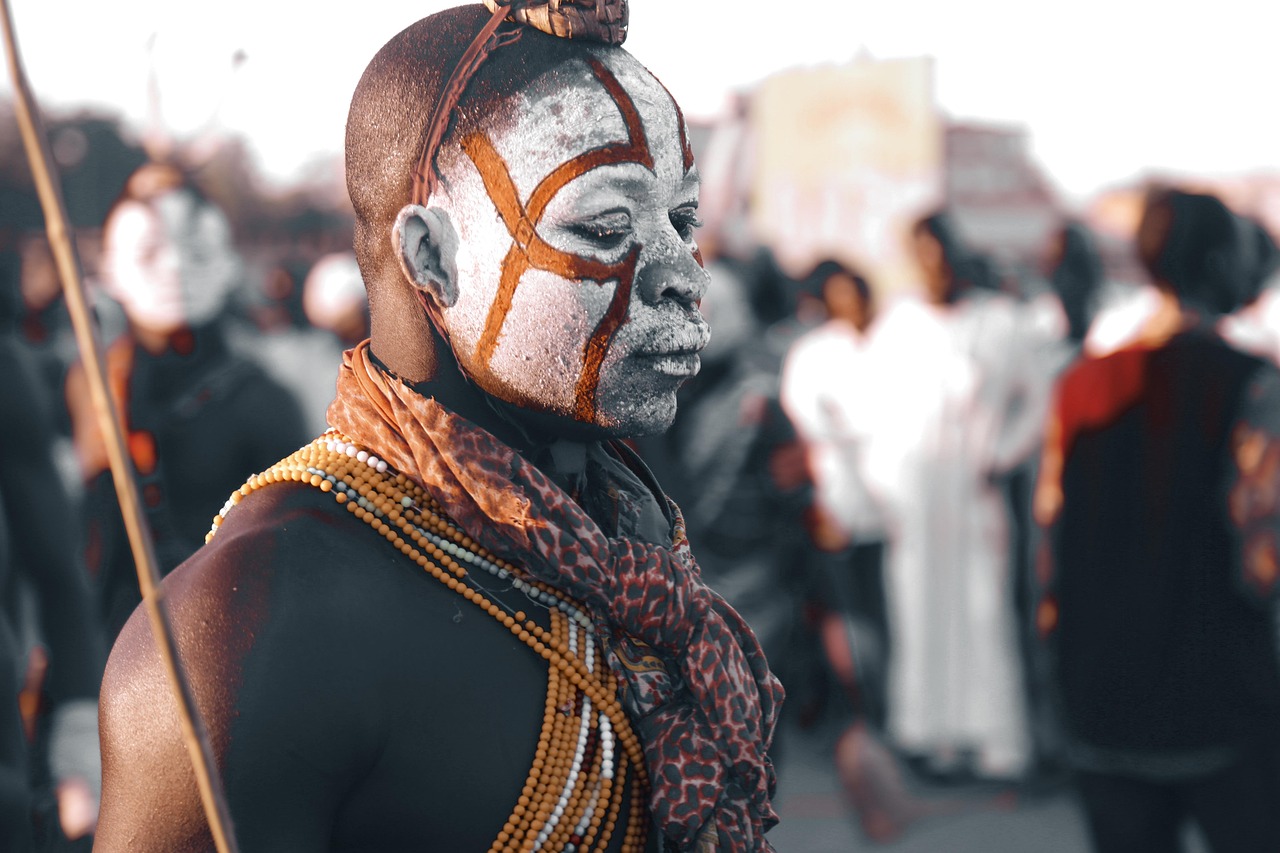
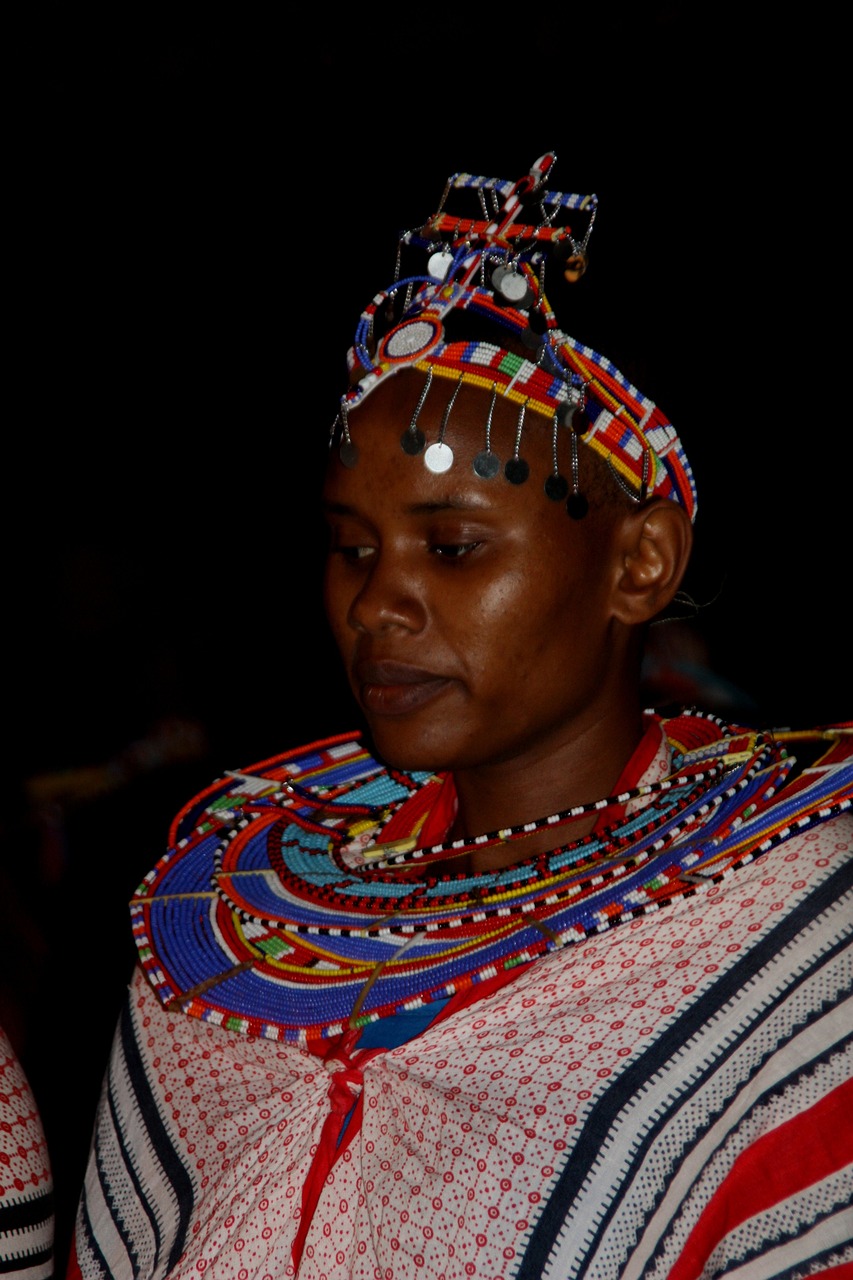
Dress, ornament, and the marking of the body carried their own meaning, and for celebration and dance the Kikuyu adorned themselves with beads, with ornaments of iron and copper, and with the fine garments and decorations of festival. The elaborate courtesies of greeting and hospitality, the respect shown to elders, and the customs surrounding marriage, with its exchange of bride-wealth binding families together, all expressed the values of the people. In initiation, song, and the customs of the ridge, the Kikuyu kept the traditions of their highland world.

Potters, Smiths, and the Weavers of the Kiondo
The crafts of the Kikuyu served the needs of a settled farming people, and among the most celebrated is the making of the kiondo, the woven bag or basket fashioned by the women from the fibres of plants and, in later times, from sisal, strong, beautiful, and endlessly useful. The kiondo, carried on the back with a strap across the forehead, bore the produce of the fields and the goods of the market, and the weaving of these bags, in their patterns and colours, was a widespread and admired womens craft that has become known well beyond the Kikuyu country.
The blacksmiths held an honoured and slightly awesome place, working iron into the hoes and knives and the weapons on which farming and defence depended, and their command of fire and metal tied them in belief to a world of power and secret knowledge. The making of the iron hoe, the essential tool of the farming people, was a craft of real importance, and the smiths supplied the ornaments of iron and copper that adorned the people at celebration.
The potters, most often women, shaped the clay vessels for cooking, storage, and the carrying of water, and other artisans worked in leather, in wood, and in the making of the gourds and calabashes used for milk and drink. Many of these crafts belonged to particular families and were handed down as an inheritance. Together, in kiondo, hoe, and pot, the crafts of the Kikuyu equipped and adorned an industrious people who lived by the land.

Githeri, the Banana, and the Bounty of the Farm
The food of the Kikuyu is the food of a rich farming country, built on the abundance of crops that grow on the fertile highland soils. The great traditional staple dishes bring together the produce of the farm, above all githeri, the hearty mixture of maize and beans boiled together that is the everyday food of the people, and irio, a thick and satisfying mash of green peas, maize, potatoes, and greens pounded together. These filling, wholesome dishes, made from the crops of the ridge, are the heart of the Kikuyu table.
The farms yielded a great variety of foods, the maize and beans that formed the staples, the many kinds of banana and plantain, the sweet potatoes, yams, and arrowroot, the pumpkins and gourds, and the green leafy vegetables that the Kikuyu prize. Millet and sorghum were grown as older grains, and the arrival of new crops such as maize and the potato enriched the diet further. Bananas in particular grew in abundance on the moist slopes and were eaten in many forms.
Meat, above all from goats and sheep, was reserved for celebration, for the guest, and for sacrifice, and the herds were a store of wealth as much as a source of food. Milk from the cattle and goats, honey gathered from the forest and used to brew the honey beer of the elders, and the produce of the garden completed the diet. The sharing of food expressed the deep Kikuyu values of hospitality and community, and the communal meal of githeri or irio remains a beloved centre of family life to this day.

Initiation, Harvest, and the Great Rites of Passage
The great ceremonial occasions of the traditional Kikuyu were the rites of passage that marked the stages of life, and none was more important than initiation, the passage from childhood to adulthood. The season of initiation was a time of great gathering and celebration, when whole groups of young people were prepared, taught, secluded, and then brought back into the community as adults amid feasting, singing, and dancing, and the age-set formed at initiation would celebrate together for the rest of their lives. Marriage, with its negotiations and its exchange of bride-wealth, was likewise a great social occasion joining families.
The rhythm of the farming year brought its own ceremonies, the prayers and sacrifices for rain offered at the sacred fig tree in time of drought, the thanksgiving for the harvest, and the rituals to bless the planting and protect the crops. In these gatherings the elders led the community in prayer to Ngai on the mountain, and the well-being of the people was renewed. The great ituika, the ceremonial handing over of power from one generation to the next, was the grandest political festival of all, a rare and momentous occasion.
Today the Kikuyu, mostly Christian, keep the great festivals of the church, Christmas and Easter above all, celebrated with worship and with the gathering of families and the sharing of feasts. Weddings remain grand occasions blending old customs with the new, and the ceremonies of family life still draw kin and neighbours together in celebration. Through the rites of initiation and marriage, the prayers of the farming year, and the feasts of the faith, the Kikuyu mark the passages of life and renew the bonds of community.

From Mumbi to the Mau Mau and Independence
The Kikuyu trace their beginning to Gikuyu and Mumbi, the first parents to whom Ngai gave the land around Mount Kenya, and from their nine daughters sprang the nine clans of the nation. Settling the highlands many centuries ago, the Kikuyu cleared the forest, built up their farms along the ridges, and grew into a numerous and prosperous people, trading with their Maasai and other neighbours and steadily expanding the frontier of their cultivation across the fertile land of the mountain.
The coming of the British at the end of the nineteenth century transformed the Kikuyu world, for the colonisers seized much of the best highland land for European settlers, confining the people to reserves and drawing them into the colonial economy as labourers on the very lands they had lost. This loss of land, together with the pressures of colonial rule, bred a deep grievance that made the Kikuyu the heart of the growing nationalist movement, and Kikuyu thinkers and leaders, among them the man who would become Kenyas first president, stood at the forefront of the demand for rights and freedom.
In the 1950s this grievance erupted in the Mau Mau rebellion, a largely Kikuyu uprising against colonial rule and the loss of the land, met by the British with a brutal counter-insurgency of detention camps and villages that inflicted terrible suffering. Though the rebellion was crushed, it shook the foundations of colonial rule and hastened the coming of independence, achieved in 1963 with the Kikuyu leader Jomo Kenyatta as the first president. From the land of Mumbi to the freedom of the nation, the Kikuyu stood at the centre of Kenyas history.

The Kikuyu at the Heart of Modern Kenya
Today the Kikuyu are the largest ethnic group in Kenya and one of the most prominent, playing a central role in the economic and political life of the nation. Enterprising and hard-working by long tradition, they are prominent in farming, in business and trade, and in the professions, and the great city of Nairobi, which grew up at the edge of their country, is home to a vast Kikuyu population. Kikuyu leaders have held the highest offices of the land, and the people remain a powerful force in the affairs of the country.
The move from the ridges to the city and beyond has reshaped Kikuyu life, as millions have left the ancestral farms for Nairobi and the towns, for business and employment, and for the wider world of the diaspora, even as the highland farms remain the treasured heartland and the place of belonging. The pressures of land shortage in the densely settled highlands, the demands of a modern economy, and the tensions of national politics all bear upon the people, yet their industry and enterprise continue to carry them forward.
Through all this change the deep identity of the Kikuyu endures. The Gikuyu language flourishes in music, media, and daily life, the memory of Mumbi and the nine clans still gives the sense of one great family, and the sacred mountain still stands over the land as it did when the people prayed to Ngai upon its peak. Rooted in the fertile highlands yet at the forefront of the modern nation, the Kikuyu carry their industrious heritage into the heart of Kenyas present and future.

Related Peoples of the Region
- Amhara of the Ethiopian Highlands and Their Empire That Never Bowed
- Oromo of the Ethiopian Highlands and Their Ancient Democracy of the Generations
- Somali of the Horn of Africa and Their Nation Bound by Word and Faith
- Maasai of the East African Plains and Their Cattle Given by the Sky God
- Swahili of the East African Coast and Their Civilisation Made by the Ocean
- Baganda of the Great Lake and Their Kingdom on the Hills of Buganda
- Luo of Lake Victoria and Their Nilotic Journey Down the Nile to the Great Water
- Tigrayans of the Northern Highlands and Their Ancient Empire of Axum
More Peoples of the World
You May Like
The Zaza, a Mountain People of Eastern Anatolia


2 thoughts on “Kikuyu of Mount Kenya and Their Land Given by God to the Children of Mumbi”