High on the great plateau of the Horn of Africa, on a roof of cool mountains lifted far above the deserts and savannas around it, lives one of the most historic peoples of the continent. They are the Amhara, the highland Christians of Ethiopia, heirs to an ancient civilisation of emperors, monks, and scribes that traced its royal line, in its own telling, all the way back to King Solomon and the Queen of Sheba. Alone among the peoples of Africa, they kept a Christian empire independent through the entire age of European conquest.
This is the story of the Amhara and the highland world they built. It is a story of an ancient Semitic language written in its own beautiful script, of one of the oldest Christian churches on earth, of the rock-hewn churches of Lalibela and the castles of Gondar, of the coffee ceremony and the shoulder-dance and the great white-robed processions of Timkat. From the ancient kingdom of Axum to the modern Ethiopian nation, the Amhara have carried a proud identity of faith, kingship, and independence across sixteen centuries of history.
Contents
- A People of the Roof of Africa
- Amhara, Abyssinia, and the Naming of a Highland People
- Amharic, the Language of the Kings
- The High Plateau of the Ethiopian Highlands
- Emperors, Nobles, and the Land of the Gult
- Nobles, Priests, and the Bonds of the Highland Village
- The Ancient Orthodox Faith of Ethiopia
- The Cross, the Coffee, and the Dance of the Highlands
- Weavers, Silversmiths, and the Scribes of the Church
- Injera, the Fast, and the Ceremony of Coffee
- Timkat, Meskel, and the Great Days of the Church
- From Axum to the Fall of the Solomonic Throne
- The Amhara of Modern Ethiopia
A People of the Roof of Africa
High on the great plateau of the Horn of Africa, on a roof of mountains that rises far above the deserts and savannas around it, lives one of the most historic peoples of the continent. They are the Amhara, the highland Christians of Ethiopia, heirs to an ancient civilisation of emperors, monks, and scribes that traced its line, in its own telling, all the way back to King Solomon and the Queen of Sheba. For centuries their language was the tongue of the court and their kings the rulers of an empire that alone among African states kept its independence through the age of European conquest.
The Amhara are a people of the plough and the mountain, farmers of the cool high plateau who raised their grain and their cattle in a landscape utterly unlike the tropical lowlands that most of the world pictures when it thinks of Africa. Here the air is thin and clear, the nights are cold, and the great churches and monasteries stand on crags and in gorges that have sheltered the faith for well over a thousand years. It is a homeland that shaped a proud and enduring identity.
Their story is bound up with the story of Ethiopia itself, for the Amhara long stood at the political and religious heart of the Ethiopian state. Speakers of a Semitic language, followers of one of the oldest Christian churches on earth, and bearers of a written tradition reaching back to antiquity, they built a civilisation that is one of the great and distinctive achievements of Africa. To understand the Amhara is to understand the highland empire that resisted the world and kept its ancient faith intact.

Amhara, Abyssinia, and the Naming of a Highland People
The name Amhara comes from Amhara, one of the historic provinces of the central Ethiopian highlands, whose people and language rose to dominate the empire and lent their name to the wider group. To be Amhara came to mean far more than birth in that one region, for it signified belonging to the highland Christian civilisation, speaking its language, and sharing in its faith and its way of life. Over the centuries many people of different origins were absorbed into the Amhara through language, religion, and the culture of the state.
To the outside world the land of the Amhara and their kin was long known by another name, Abyssinia, a term derived through Arabic from the ancient people called the Habesha. The Habesha identity embraces both the Amhara and their close relatives the Tigrayans to the north, the two great Semitic-speaking Christian peoples of the highlands who together formed the core of historic Ethiopia. The name Abyssinia carried across the world the fame of a Christian kingdom set improbably in the heart of Africa.
Within the Amhara themselves there are regional identities tied to the old provinces, Gojjam, Gondar, Wollo, Shewa, and others, each with its own character and local pride beneath the shared name and language. Yet all were bound together by Amharic, by the Orthodox faith, and by loyalty to the emperor, and it is this common inheritance that the name Amhara carries. Today it belongs to one of the largest peoples of Ethiopia, a nation whose identity was long inseparable from the state itself.

Amharic, the Language of the Kings
The Amhara speak Amharic, a Semitic language of the same broad family as Arabic and Hebrew, brought to Africa in ancient times and rooted ever since in the Ethiopian highlands. For centuries it was the language of the imperial court, and it remains the working language of the Ethiopian state, spoken as a first or second tongue by many millions and serving as the common speech that binds together a country of great linguistic diversity. It is one of the most widely spoken Semitic languages in the world, second only to Arabic.
Amharic is written in its own distinctive script, the Ethiopic or Geez syllabary, a beautiful writing system in which each character stands for a consonant and a vowel together. This script descends from the ancient writing of the kingdom of Axum and is shared with the old liturgical language Geez, the Latin of the Ethiopian church, which is still used in worship though no longer spoken in daily life. The possession of an ancient indigenous script sets the Amhara apart and testifies to the antiquity of their literate civilisation.
The language carries a rich literature, both the religious writings of the church, copied by hand for centuries onto parchment, and a lively tradition of poetry, proverb, and the celebrated art of wax and gold, in which words carry a plain surface meaning and a hidden deeper one. To master this play of double meaning is a prized accomplishment, a mark of the learning and subtlety that the Amhara admire. In its script, its literature, and its ancient roots, Amharic is one of the treasures of African civilisation.

The High Plateau of the Ethiopian Highlands
The Amhara homeland is the great central plateau of the Ethiopian highlands, a vast tableland lifted high above the surrounding lowlands and cut by tremendous gorges, above all the canyon of the Blue Nile as it begins its long journey to the sea. This is some of the highest inhabited country in Africa, a land of cool air and broad grain fields, of flat-topped mountains called ambas that served as natural fortresses, and of dramatic escarpments where the plateau falls away thousands of feet to the deserts below.
The altitude gives this land a climate found almost nowhere else in tropical Africa. On the high plateau the days are mild and the nights are cold, frost can whiten the ground, and the crops are those of a temperate country, wheat, barley, and the tiny native grain called teff, rather than the yams and cassava of the hot lowlands. The Amhara divided their country by height into the cold heights, the temperate middle lands where most people lived, and the hot lowlands, each with its own crops and its own character.
Rain comes in a great summer season that greens the plateau and swells the rivers, followed by a long dry season of clear skies. The Blue Nile and its many tributaries carve the highlands into a maze of ridges and valleys, and this rugged terrain, hard to cross and easy to defend, helped the highland kingdom preserve its independence against every invader. On this high, cool, and broken land the Amhara built their villages, their churches, and their fields, a people of the mountains in the heart of Africa.

Emperors, Nobles, and the Land of the Gult
The old Amhara world was ordered by one of the most elaborate monarchies in African history, crowned by the emperor, the Negus Negast or King of Kings, who ruled in the name of an ancient Christian tradition. The emperors claimed descent from the union of King Solomon and the Queen of Sheba, and this Solomonic legend gave the throne a sacred aura that bound church and crown together. Around the emperor revolved a court of great nobles, provincial governors, and churchmen, and a hierarchy of titles that ranked the mighty of the realm.
Power over the land lay at the heart of this system through the institution known as gult, the right granted by the crown to nobles and to the church to collect the produce and labour of the peasants who worked a given territory. The great lords held their lands and their followings in return for service and loyalty to the emperor, and they could raise armies from among their peasants. Beneath this aristocracy the ordinary farmers held their fields through complex customary rights and owed a share of their harvest and their toil to those set above them.
For long stretches of history the empire had no fixed capital, and the emperor moved with a vast mobile camp through his domains, feeding his court and army from the land as he went, until the founding of Gondar in the seventeenth century gave the throne a permanent seat with its famous stone castles. Whether roving with the imperial camp or ruling from the castles of Gondar, the emperors presided over a proud feudal order in which land, arms, faith, and loyalty were woven into a single hierarchy crowned by the sacred throne.

Nobles, Priests, and the Bonds of the Highland Village
Amhara society was shaped by the union of church, crown, and land, and its ranks reflected that order. At the summit stood the nobility, the great and lesser lords who held gult rights, governed provinces, and led in war, their status marked by title, by land, and by nearness to the emperor. The clergy formed a vast and powerful estate of their own, from the humble parish priests to the learned monks and the great churchmen, and the church held enormous lands and commanded deep reverence throughout the highland world.
The great mass of the people were the farmers of the plateau, tied to the land they worked and to the lords and churches that claimed its produce. Their world turned on the plough, the ox, and the grain harvest, on the parish church and the round of fasts and feasts, and on the obligations that bound them to those above them. Beneath the free peasantry there were also despised and marginal groups, the craftsmen such as smiths and weavers and tanners who were often held in a certain suspicion, and people held in servitude.
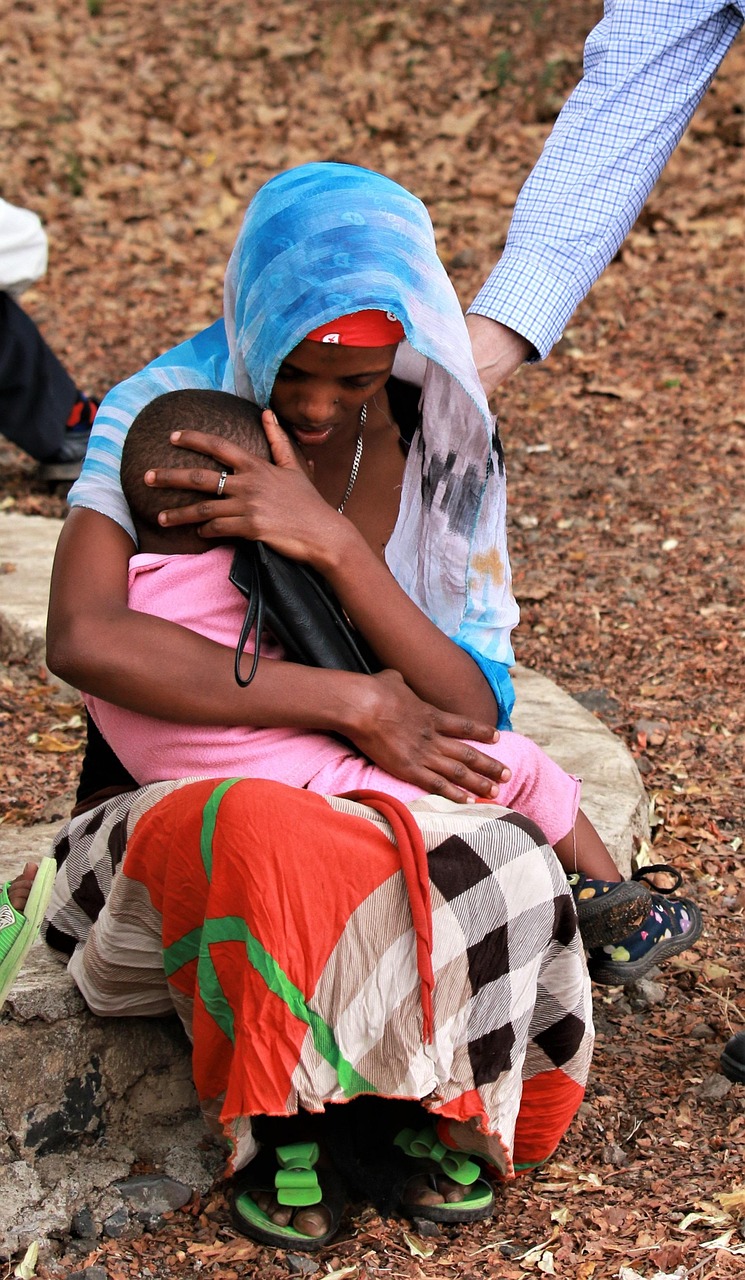
Binding this society together were the church, the language, and the dense ties of family and locality. Marriage, godparenthood, and the associations of the parish wove neighbours into networks of mutual obligation, and the burial societies and cooperative labour groups helped families meet the great expenses and tasks of life. Elders and priests commanded respect, hospitality was a sacred duty, and the whole social order was sanctified by a faith that reached into every corner of daily life, from the blessing of the fields to the naming of a child.
The Ancient Orthodox Faith of Ethiopia
At the very centre of Amhara identity stands the Ethiopian Orthodox Church, one of the oldest Christian churches in the world, which traces its founding to the fourth century when the kingdom of Axum embraced the faith. For some sixteen hundred years Christianity has been the soul of the highland civilisation, and the Amhara have been among its most devoted bearers. Their church, tied historically to the Coptic Church of Egypt yet deeply its own, preserves ancient rites, an ancient scripture, and an ancient calendar that set the rhythm of highland life.
The faith is lived with a rigour and richness that astonish outsiders. The Amhara keep a great many fasting days, abstaining from all animal foods through long stretches of the year, and their churches, many of them round and painted within with vivid images of saints and angels, fill with worshippers who pray, chant, and prostrate themselves in devotion. The clergy are numerous and their learning ancient, the deacons and priests trained in the Geez scriptures and the chant, and the monasteries scattered across the highlands are storehouses of manuscripts and holiness.
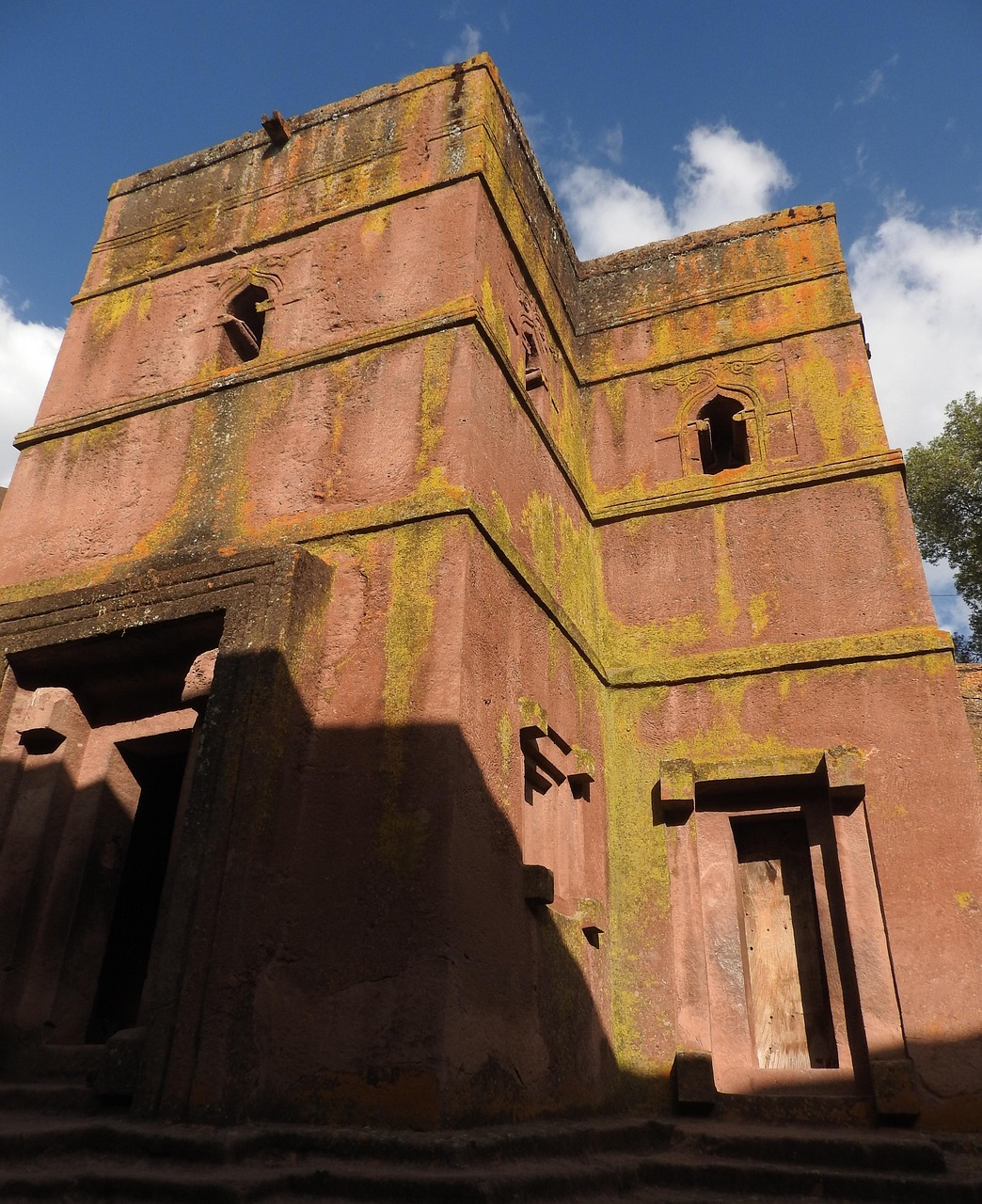
The most wondrous monuments of this faith are the rock-hewn churches of Lalibela, eleven great churches carved downward out of the living red rock in the twelfth and thirteenth centuries, a new Jerusalem in the mountains of Africa. Together with the ancient stelae of Axum and the island monasteries of the highland lakes, they testify to the depth and antiquity of Amhara Christianity. To this day the Ark of the Covenant is believed to rest in a chapel at Axum, guarded by a single monk, the holiest object of a people for whom faith and identity are one.
The Cross, the Coffee, and the Dance of the Highlands
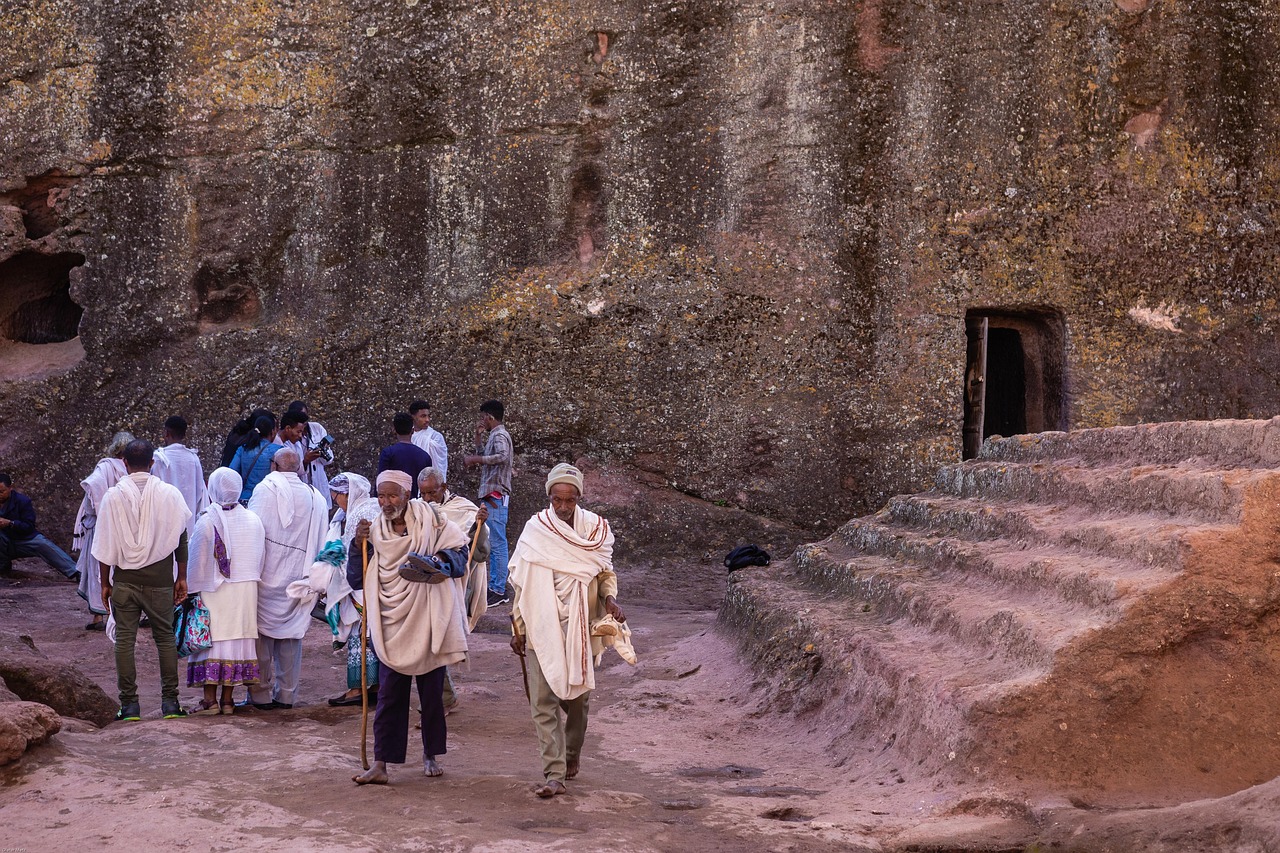
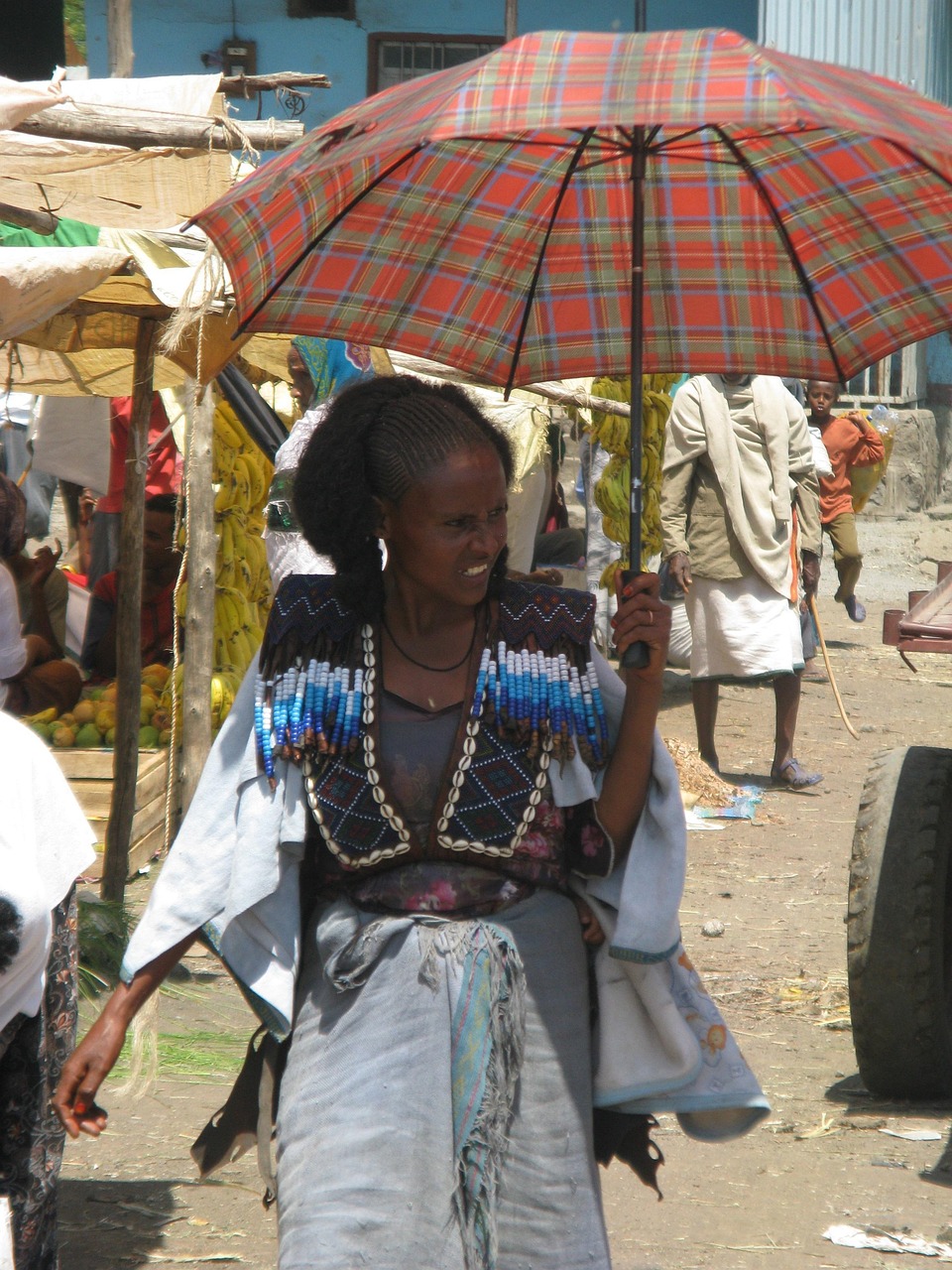
The traditions of the Amhara are steeped in the culture of the church and the highland court. The cross is everywhere, worn about the neck, carried in the hand of the priest, raised in procession, and worked in silver and gold into the elaborate designs for which Ethiopian craftsmen are famous. White is the colour of purity and of the faith, and for church and festival the Amhara dress in the shamma, a length of fine white cotton worn as a wrap or shawl, often bordered with a woven band of bright colour, so that a gathering at a church becomes a sea of white.
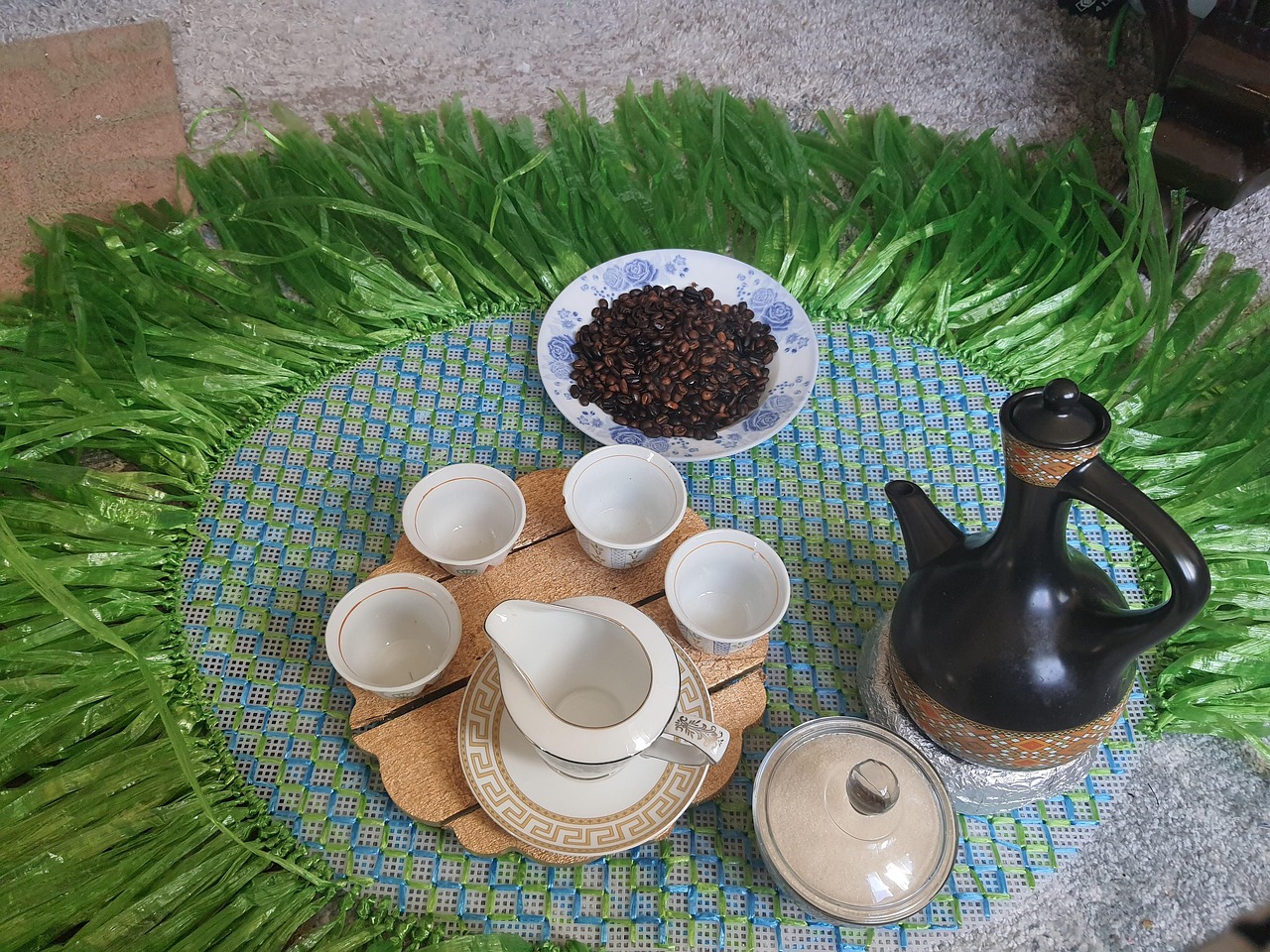
The ceremony of coffee is one of the most cherished of all Amhara customs, a slow and gracious ritual that binds the household and welcomes the guest. Green beans are roasted over coals, ground, and brewed in a rounded clay pot, and the coffee is poured in three successive rounds amid the scent of burning incense, an occasion for conversation, hospitality, and the quiet renewal of social bonds. To share coffee in this way is to honour a guest and to affirm the ties of neighbourhood and family.
Music and dance carry their own strong traditions, from the sacred chant of the church, said to have been composed by a saint of Axum, to the vigorous shoulder-dance called eskista, in which dancers roll and shake their shoulders and chest to the beat of the drum in a display of skill and joy. Weddings, feasts, and festivals ring with singing, with the sound of the one-stringed masinko and the lyre, and with the ululation of the women. In cross and coffee, white cloth and shoulder-dance, the Amhara keep alive the distinctive customs of their highland world.

Weavers, Silversmiths, and the Scribes of the Church
The crafts of the Amhara are bound up above all with the church and the court. The scribes and painters of the monasteries produced the illuminated manuscripts that are among the glories of Ethiopian art, copying the scriptures by hand onto parchment and adorning them with vivid images of saints, angels, and biblical scenes in a distinctive bold and colourful style. The painting of icons and the decoration of church walls carried this same art into every parish, so that the humblest highland church might blaze with images of the holy.
The silversmiths and metalworkers are renowned for their crosses, worked in silver and gold into an endless variety of intricate designs, each region and often each craftsman producing their own patterns. Hand crosses for the priests, neck crosses for the faithful, and great processional crosses for the church display a mastery of fine metalwork, and the same skill produces the jewellery and ornaments prized by the highland people. This tradition of Christian metal art reaches back through the centuries and remains alive today.
Weaving is a widespread craft, producing the fine white cotton of the shamma and the bright woven borders that adorn it, while other artisans work in leather, in horn, and in basketry, coiling the grass baskets and the great food-baskets used across the highlands. Many of these crafts were the work of particular groups who, though their skills were essential, were often held at a certain social distance. Together the arts of the scribe, the smith, and the weaver clothed, adorned, and sanctified the Amhara world.

Injera, the Fast, and the Ceremony of Coffee
The food of the Amhara centres on injera, a large, soft, slightly sour flatbread made from the tiny highland grain called teff, fermented for a few days and then cooked on a round griddle into a spongy pancake. Injera serves as both plate and utensil, spread out beneath a variety of stews and torn off in pieces to scoop them up, so that the whole meal is shared from a common platter. Upon it are set the wot, the richly spiced stews of meat, chicken, lentils, and vegetables, coloured and fired with the famous berbere spice blend.
The rhythm of the table is shaped by the fasts of the church, which forbid all animal foods for much of the year and have given Ethiopia one of the great vegetarian cuisines of the world. On fasting days the injera is heaped with lentil, chickpea, and vegetable stews, while on days of feasting the Amhara delight in meat, above all in the raw beef that is a prized delicacy, and in the great chicken stew called doro wot that crowns celebrations and holidays.
No account of Amhara food would be complete without coffee, for Ethiopia is the ancient homeland of the coffee plant, and the coffee ceremony is the heart of hospitality. Honey too is treasured, both as food and as the base of tej, the fermented honey wine that graces feasts, and the flat sourdough bread and the spiced stews are washed down with tej or with the local beer. In its injera, its fasting stews, and its coffee, the Amhara table is one of the most distinctive in all of Africa.
Timkat, Meskel, and the Great Days of the Church
The festivals of the Amhara are above all the great feasts of the Orthodox church, celebrated with a splendour and devotion that fill the highlands. The greatest is Timkat, the feast of Epiphany, which commemorates the baptism of Christ. On its eve the priests carry the tabot, the sacred replica of the Ark of the Covenant kept in every church, in solemn procession under embroidered umbrellas to a pool or stream, and the next morning the waters are blessed and the faithful renew their baptism amid singing, drumming, and rejoicing in one of the most spectacular religious celebrations on earth.
Meskel, the feast of the finding of the True Cross, is another of the year great days, marked by the raising and burning of a great bonfire crowned with yellow daisies, around which the people gather to sing and celebrate as the flames leap into the highland night. The birth of Christ, kept on the Ethiopian Christmas, and the long fast and joyous feast of Easter are likewise central to the year, each surrounded by its own customs of prayer, procession, and feasting after the fast.
Beyond the calendar of the church, the passages of family life, baptisms, weddings, and funerals, are great occasions that gather kin and neighbours with feasting, music, and the sharing of food and drink. Each parish also keeps the feast of its own patron saint, when the community comes together in celebration. Through this rich and crowded calendar of fasts and festivals, the Amhara year is bound tightly to the faith, and the great days of the church renew the bonds of devotion and community across the highlands.

From Axum to the Fall of the Solomonic Throne
The roots of the Amhara reach back to the ancient kingdom of Axum, a great trading power of the early centuries after Christ whose ships crossed the Red Sea, whose kings raised towering carved stelae, and who around the fourth century made Christianity the religion of the state. From this Axumite root grew the Christian highland civilisation, and though Axum declined, its faith, its script, and its memory of greatness passed to the kingdoms that followed and to the people who would become the Amhara.
In the medieval centuries the Solomonic dynasty arose, claiming descent from Solomon and Sheba and ruling a Christian empire of the highlands that fought long wars against the Muslim states of the lowlands and against the incursions of others, weathering a great sixteenth-century invasion that nearly destroyed it. The founding of Gondar in the seventeenth century brought a brilliant age of castle-building and church art, followed by a time of division when the emperors became figureheads and the great lords ruled in their own right, before the throne was restored in the nineteenth century.
Modern Ethiopia was forged by the emperors of the nineteenth and twentieth centuries, above all Menelik the Second, who expanded the empire and famously defeated an invading Italian army at Adwa in 1896, keeping Ethiopia independent when all the rest of Africa fell under colonial rule, and Haile Selassie, the last of the Solomonic line. The Amhara stood at the centre of this imperial state until the revolution of 1974 swept away the monarchy. That long history of empire, faith, and independence remains the proud inheritance of the Amhara.
The Amhara of Modern Ethiopia
Today the Amhara are one of the largest peoples of Ethiopia, numbering many millions and forming a central part of a populous and fast-changing nation. Amharic remains the working language of the federal government and a common tongue across the country, and the Orthodox faith to which most Amhara belong is still one of the great pillars of Ethiopian life. Their historic cities, Gondar with its castles, Lalibela with its rock churches, and the ancient Axum, draw pilgrims and travellers from around the world to the heartland of the highland civilisation.
The modern era has brought great change and no small turmoil to the Amhara. The fall of the monarchy in 1974 and the revolution that followed ended the old order in which the Amhara nobility and the imperial state were dominant, and the later reorganisation of Ethiopia along ethnic lines transformed their place in the nation. In recent years the highlands have been troubled by conflict and hardship, and the Amhara, like their neighbours, have known the suffering of war and displacement even as the country pursues rapid development.
Yet the deep inheritance of the Amhara endures. The ancient church still keeps its fasts and festivals, the coffee ceremony still welcomes the guest, the fields of teff still ripple across the plateau, and the manuscripts, crosses, and chants of a civilisation sixteen centuries old are still living things. Bearers of one of the oldest Christian traditions on earth and of an empire that alone kept its freedom through the colonial age, the Amhara carry a proud and ancient identity into the challenges of the modern Ethiopian nation.
Related Peoples of the Region
- Oromo of the Ethiopian Highlands and Their Ancient Democracy of the Generations
- Somali of the Horn of Africa and Their Nation Bound by Word and Faith
- Maasai of the East African Plains and Their Cattle Given by the Sky God
- Swahili of the East African Coast and Their Civilisation Made by the Ocean
- Kikuyu of Mount Kenya and Their Land Given by God to the Children of Mumbi
- Baganda of the Great Lake and Their Kingdom on the Hills of Buganda
- Luo of Lake Victoria and Their Nilotic Journey Down the Nile to the Great Water
- Tigrayans of the Northern Highlands and Their Ancient Empire of Axum
More Peoples of the World
You May Like
The Zaza, a Mountain People of Eastern Anatolia


8 thoughts on “Amhara of the Ethiopian Highlands and Their Empire That Never Bowed”