Some buildings look as though they have stepped straight out of a storybook, and Moszna Castle is surely one of them. With its forest of slender towers and turrets piercing the sky, its fairy-tale silhouette rising above the gardens of a quiet Polish village, it is the kind of place that makes you rub your eyes and look again. If you have ever imagined the castle at the heart of a fairy tale, it probably looked a little like this.
Tucked away in the countryside of Upper Silesia, Moszna is one of the most astonishing and photogenic castles in all of Poland, and yet it remains surprisingly little known beyond the region. Those who do make the journey are rewarded with a building of extraordinary romance and eccentricity, a sprawling confection of different styles that somehow comes together into one unforgettable whole.
In this article we are going to explore the full story of Moszna Castle, from its origins and its wealthy industrial owners to the fire that reshaped it and its remarkable collection of towers. You will discover its beautiful gardens, its colourful legends, and its life today as a hotel and cultural centre, along with everything you need to plan a visit. Prepare to be charmed, because few castles anywhere are quite as enchanting as this one.
In This Article
- A Castle Like No Other
- Origins in the Silesian Countryside
- The Family Behind the Fantasy
- The Fire That Changed Everything
- Three Styles in One
- A Forest of Towers
- Inside the Castle
- Gardens and Parkland
- A Tradition of Fine Horses
- Legends and Mysteries
- The Castle Reborn
- See Moszna for Yourself
- Visiting Moszna Castle Today
A Castle Like No Other

Nothing quite prepares you for your first sight of Moszna Castle. As you approach through the village and the trees part, the building reveals itself in all its improbable glory, a vast and rambling structure bristling with towers, turrets, spires, and gables in a riot of architectural invention. It looks less like a single planned building and more like a dream assembled over time, which in a sense is exactly what it is.
The sheer scale of the place is striking. Moszna is enormous, spreading its many wings across the landscape with a confidence that borders on the theatrical. Yet for all its size, it never feels heavy or forbidding. The delicacy of its decoration, the rhythm of its countless towers, and the warmth of its setting give it a lightness that is utterly captivating.
It is this combination of grandeur and fantasy that makes Moszna so special. Many castles impress through sheer power or age, but Moszna charms through imagination and exuberance. It is a building that seems designed to delight, a romantic vision made solid, and it rewards the visitor with surprises from every angle and in every detail.
Visitors often describe the experience of arriving at Moszna as stepping into a fairy tale, and the comparison is hard to resist. The building has the exuberant, slightly impossible quality of a castle imagined by a child or conjured by an illustrator, every roofline crowded with detail, every wing sprouting its own crop of towers. It is architecture as pure enchantment.
Part of the appeal is that Moszna does not take itself too seriously. Where some great houses aim for austere dignity, this one aims for delight, and it achieves it effortlessly. You cannot help but smile at the sheer generosity of the design, the way it heaps tower upon tower and flourish upon flourish, as though the builders simply could not bear to stop.
Approaching at different times of day transforms the experience entirely. In the soft light of early morning the castle can seem to float above a veil of mist, while the golden light of evening sets its pale walls aglow and throws its many towers into dramatic relief. However you first encounter it, the sight is one you are unlikely ever to forget.
Origins in the Silesian Countryside

The story of Moszna stretches back centuries, though the castle you see today is largely the product of a much later age. A manor or residence stood on this site for a long time, serving the various noble families who held these lands in the rich agricultural countryside of Silesia, a region with a long and complex history at the crossroads of central Europe.
The oldest surviving part of the present castle is its central section, built in the baroque style and dating from an earlier period than the fantastical wings that now flank it. This central palace was already a handsome and substantial residence, a fitting seat for the owners of a large and prosperous estate in this fertile corner of the continent.
But it was in the later nineteenth and early twentieth centuries that Moszna was transformed into the extraordinary building we know today. The arrival of immense new wealth, and the ambition of a remarkable family, would turn a fine country house into one of the most spectacular and eccentric castles in Europe.
Silesia itself is a region whose borders and rulers have shifted many times over the centuries, passing between different crowns and states and absorbing a rich mixture of cultural influences along the way. This complex heritage is part of what makes the region so fascinating, and buildings like Moszna carry within them the layered history of this much-contested and deeply characterful corner of Europe.
The Family Behind the Fantasy

The driving force behind Moszna’s transformation was the Tiele-Winckler family, industrial magnates who had grown enormously wealthy from the coal and industry of Silesia. This was a region at the heart of the industrial boom of the age, and fortunes made in mining and manufacturing allowed families like the Tiele-Wincklers to live on a scale that rivalled the old aristocracy.
With their vast resources, the family set about turning Moszna into a residence worthy of their status, a showcase of their wealth and taste. They had the means to indulge in the grandest architectural ambitions, and the castle became the expression of their desire to create something magnificent, a family seat that would announce their arrival among the great households of the land.
The castle thus belongs to a fascinating moment in history, when newly made industrial money reshaped the landscape of Europe and expressed itself in buildings of astonishing ambition. Moszna is a monument to that gilded age of industry, a place where the fortunes of coal and steel were transformed into towers and turrets and romantic fantasy.
The industrial boom that created the family’s wealth transformed Silesia from a quiet agricultural region into one of the great workshops of Europe, its landscape dotted with mines and factories. The families who rode this wave of prosperity became fabulously rich, and they often sought to express their new status through grand building projects, acquiring estates and raising residences to rival those of ancient noble houses.
In this context Moszna makes perfect sense. It is the castle of a family determined to show that industrial wealth could buy not just comfort but true magnificence, a residence that would place them among the most important households of the region. The castle is, in effect, a declaration in stone of the power and ambition of the industrial age.
The Fire That Changed Everything

A dramatic turning point in the castle’s history came with a devastating fire toward the end of the nineteenth century. The blaze caused serious damage to the building, destroying parts of the structure and forcing the family to confront the question of what to do with their stricken residence. It was a moment of crisis that would ultimately give rise to the castle’s greatest glories.
Rather than simply repair the damage, the family seized the opportunity to expand and transform Moszna on a grand scale. In the aftermath of the fire, ambitious new wings were added, dramatically enlarging the castle and giving it the fantastical character that defines it today. What might have been a disaster became instead the catalyst for a spectacular reinvention.
It is a striking reminder of how the history of great buildings is often shaped by accident and misfortune as much as by careful planning. Had the fire never happened, Moszna might have remained a handsome but unremarkable baroque palace. Instead, out of the ashes rose one of the most remarkable castles in Europe, its disaster transformed into triumph.
The decision to rebuild so ambitiously reflected both the family’s confidence and the optimistic spirit of the age, a time when wealth seemed boundless and the future full of promise. In expanding the castle rather than merely restoring it, the owners created something that far outshone what had been lost, turning a moment of destruction into the foundation of an enduring legend.
Three Styles in One
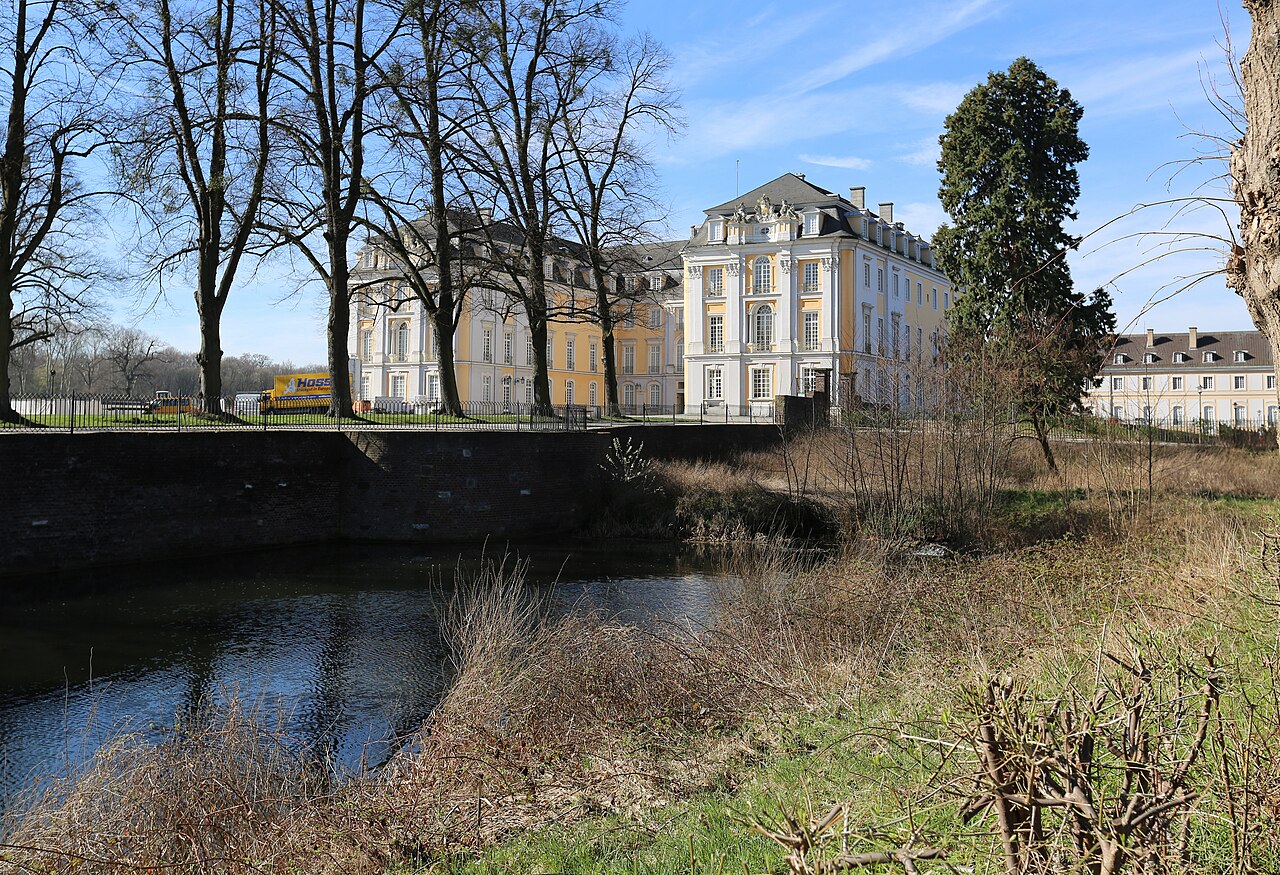
One of the most fascinating things about Moszna is that it is really three buildings in one, each in a different architectural style. At its heart sits the original baroque palace, dignified and symmetrical. To one side stretches a wing in the neo-Gothic style, all pointed arches and soaring verticals, while to the other side extends a wing in the neo-Renaissance manner, with its own distinct character.
In the hands of a less confident designer, this mixture might have produced an awkward muddle. At Moszna, somehow, it works. The different styles flow into one another across the long facade, unified by the overall rhythm and the abundance of towers, so that the eye reads the whole as a single, if gloriously varied, composition. It is eclecticism at its most exuberant and most successful.
This stylistic variety reflects the taste of the age in which the castle was expanded, a time that delighted in historical styles and loved to combine them in romantic and picturesque ways. Moszna is a textbook example of this spirit, a building that wears its influences openly and revels in the freedom to borrow from the past in pursuit of beauty and drama.
The neo-Gothic wing in particular lends the castle much of its fairy-tale drama, with its vertical emphasis and its pointed, soaring forms that reach toward the sky. The neo-Renaissance wing, by contrast, offers a slightly calmer and more horizontal counterpoint, while the baroque centre anchors the whole with its older, more restrained dignity.
Moving along the facade, you can trace this architectural conversation between the ages, each section speaking in its own historical voice yet all contributing to a single harmonious effect. It is a masterclass in the romantic eclecticism that the era loved, and it gives Moszna an endlessly fascinating richness that rewards close and repeated looking.
A Forest of Towers

If Moszna is famous for one thing above all, it is its towers. The castle is said to bristle with an astonishing number of them, dozens upon dozens of towers, turrets, spires, and pinnacles rising from its roofs in a profusion that is almost dizzying to behold. It is this forest of towers that gives the building its unmistakable fairy-tale silhouette.
The towers come in every shape and size, from slender turrets to more substantial structures, each adding to the sense of fantasy and movement. Seen against a dramatic sky, or lit up in the evening, they create a skyline of extraordinary romance, the kind of outline that seems to belong to legend rather than reality. They are the signature of the castle, and the first thing every visitor remembers.
Alongside its towers, the castle is also famed for its vast number of rooms, a count that runs into the hundreds and speaks to the sheer size of the building. Together, the towers and rooms give a sense of a structure of almost limitless extent, a rambling palace of endless corridors and surprising spaces, exactly the kind of place where a good story might unfold.
The exact number of towers has become part of the castle’s legend, a figure quoted with pride and repeated by every guide. Whatever the precise count, the overall impression is one of glorious excess, a building that seems to have decided that if one tower is good, then dozens must be better. The result is a skyline of unmatched romance.
Seen from a distance, this crowd of towers gives the castle an almost organic quality, as though it had grown rather than been built, sprouting spires and turrets like a strange and beautiful plant. It is this quality, more than any other, that fixes Moszna in the memory and that has made it one of the most photographed buildings in the region.
Inside the Castle
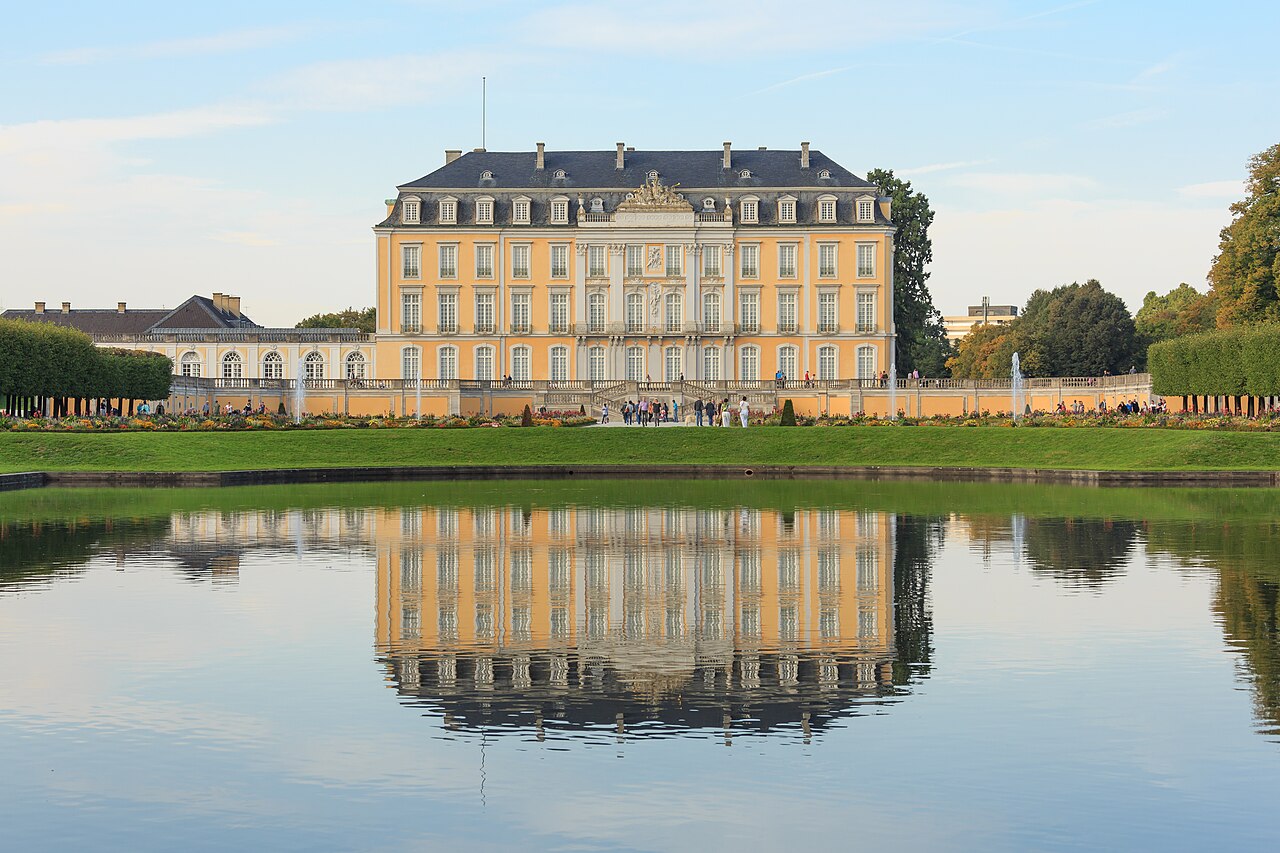
Step inside Moszna and you enter a world of grand halls, elegant chambers, and the faded romance of a vanished age of luxury. The interiors were created to match the ambition of the exterior, with fine rooms designed for the comfortable and splendid life of a wealthy family and for the entertainment of their many guests.
Over the course of its eventful history, the castle has served many purposes, and its interiors have been adapted and changed accordingly. Yet the grandeur of the great spaces survives, and wandering through them you can still sense the atmosphere of the castle in its heyday, when it was the glittering seat of one of the richest families in the region.
Today parts of the castle are open to visitors, who can explore the historic rooms and admire the decoration and the sense of scale. Moving from wing to wing, you appreciate the full variety of the building, from the dignity of the older baroque sections to the romantic flourishes of the later additions, each with its own distinct mood and character.
The variety of uses the castle has seen over the past century means that its interiors tell a story not just of aristocratic luxury but of the dramatic changes that swept through this part of Europe. Each chapter left its mark, and part of the interest of exploring the building lies in sensing these different layers of history beneath the surviving grandeur.
Gardens and Parkland

Moszna is set within beautiful grounds that are an essential part of its charm. The castle is surrounded by an extensive park in the English landscape style, with sweeping lawns, fine old trees, and winding paths that offer ever-changing views of the fantastical building rising among the greenery. The setting frames the castle perfectly, enhancing its romance at every turn.
The grounds are especially famous for their flowering shrubs, above all the azaleas and rhododendrons that burst into glorious colour in the spring. When these are in bloom, the park becomes a riot of pinks, purples, and reds, and the sight of the many-towered castle framed by the flowers is one of the most beautiful spectacles the region has to offer.
Walking in the park is one of the great pleasures of a visit to Moszna. The paths lead you around the castle and through the trees, revealing new perspectives and allowing you to appreciate the full extent of the building and its harmonious relationship with the landscape. It is a place made for unhurried strolling and for quiet contemplation of a truly extraordinary scene.
The park has matured over many decades into a landscape of real beauty, its trees now grand and venerable, its vistas carefully composed to show the castle to best advantage. Generations of gardeners have tended these grounds, shaping them into a worthy setting for the extraordinary building at their heart, and the care shows in every carefully framed view.
Beyond the ornamental displays, the grounds offer peaceful corners and quiet walks where visitors can escape the crowds and enjoy the setting at their own pace. In every season the park has its own character, from the floral explosion of spring to the golden tones of autumn and the stark beauty of the bare trees in winter, each offering a different way to experience the castle.
A Tradition of Fine Horses

Beyond its architecture and gardens, Moszna has long been associated with the breeding of fine horses, a tradition that adds another dimension to the life of the estate. The surrounding lands have been home to a respected stud, where beautiful horses have been raised, continuing a connection between the castle and the equestrian world that stretches back many years.
The presence of horses gives the estate a living, working character alongside its role as a historic monument. For visitors, the chance to see these animals and to learn about the breeding tradition is an appealing extra, a reminder that great country estates were always centres of rural life and activity as well as places of luxury and display.
This equestrian heritage fits naturally with the romantic spirit of the place. There is something fitting about a fairy-tale castle that is also home to fine horses, as though the whole estate were designed to embody an idealised vision of aristocratic country life, complete with every element that such a vision requires.
The breeding of Arabian and other fine horses in this region has a long and distinguished pedigree, and the studs of Silesia have contributed animals admired well beyond Poland. For enthusiasts, the connection gives Moszna an added attraction, linking the romance of the castle to the grace and beauty of the horses raised in its shadow.
Legends and Mysteries
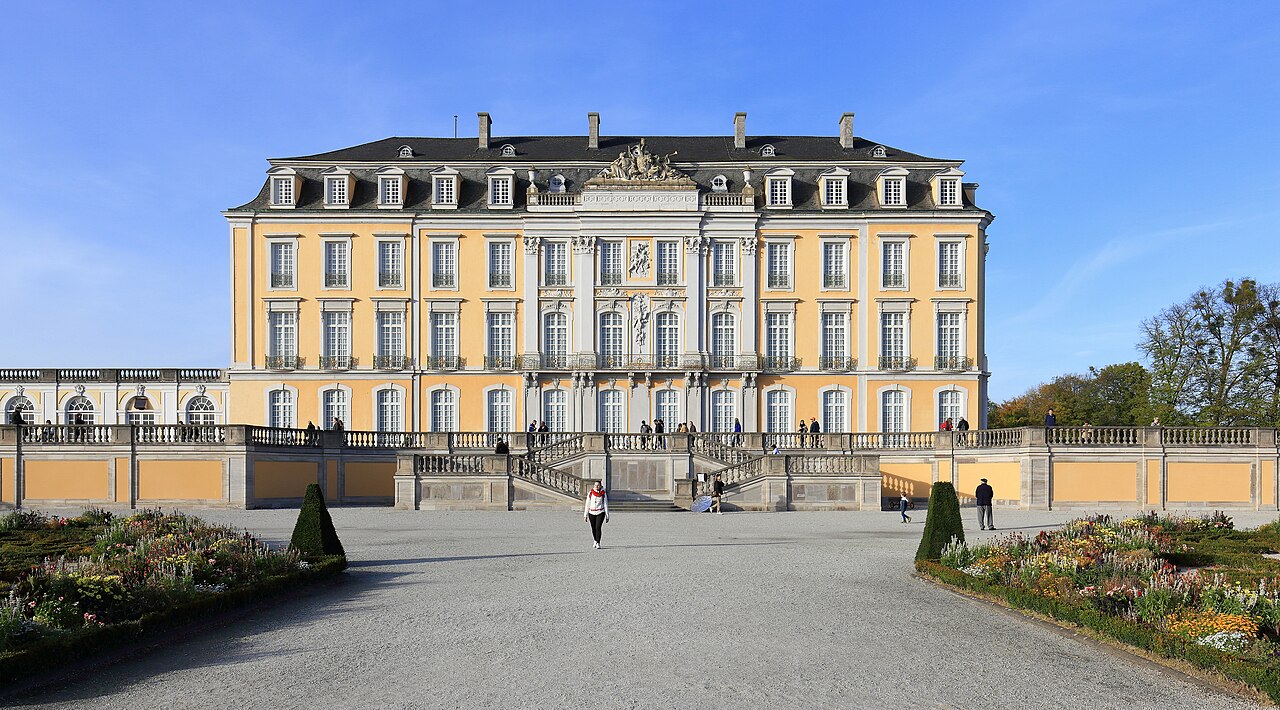
A castle as atmospheric as Moszna could hardly fail to attract legends, and indeed the building has its share of stories and mysteries. Like many old and romantic houses, it is said to be home to tales of ghosts and apparitions, the kind of spectral stories that gather around grand buildings with long and eventful histories.
During works at the castle, discoveries have from time to time added to its air of mystery, fuelling speculation and storytelling among those who love the place. Such finds and legends are part of what gives Moszna its particular character, lending the fantastical building an extra layer of intrigue that delights visitors and locals alike.
Whether or not one believes in such things, the stories are part of the fabric of the castle, woven into its identity over the years. They add to the sense that Moszna is a place apart, a building where the ordinary rules seem suspended and where history, imagination, and a touch of the uncanny all mingle beneath the forest of towers.
Every great castle needs its stories, and Moszna has gathered a fine collection over the years, passed down and embellished with each retelling. They are part of the pleasure of a visit, giving the imagination something to feed on as you wander the corridors and gaze up at the towers, wondering what secrets such a building might hold.
The Castle Reborn

After the upheavals of the twentieth century, which saw the castle pass out of the hands of its original owners and serve a variety of institutional uses, Moszna has in recent times found a new and fitting role. The building has been restored and reborn as a hotel and cultural centre, opening its doors to guests who can now experience its romance at first hand.
This new life has been the saving of the castle, giving it a purpose and the resources needed for its care and upkeep. Rather than standing empty or falling into decay, Moszna is alive with visitors, events, and activity, its grand rooms once again filled with people enjoying its beauty, much as its original owners intended, if in a very different way.
For travellers, this means the rare chance not only to visit a fairy-tale castle but to stay in one. Spending a night within these many-towered walls, waking to views of the park and the gardens, is an experience of pure romance, and it has helped to spread the fame of Moszna to a wider audience of enchanted guests.
The transformation of Moszna into a welcoming destination has also been a boon for the surrounding community, bringing visitors and attention to a part of Poland that richly deserves both. The castle has become a source of local pride and a driver of tourism, its fame spreading steadily as more and more travellers discover the fairy-tale building hidden in the Silesian countryside.
See Moszna for Yourself

The magic of Moszna, with its countless towers and its sprawling, fantastical form, is something that really has to be seen to be appreciated. Photographs capture its beauty, but they struggle to convey the full scale of the building or the way it reveals itself as you move around it. To get a true sense of this remarkable castle, it helps to see it in motion.
The video below takes you to Moszna and its gardens, giving you a feel for the extraordinary silhouette, the abundance of towers, and the beauty of the setting that no single image can fully capture. Watch how the many turrets crowd the skyline, and notice the way the different wings come together into one astonishing whole.
Consider it an introduction to the enchantment that awaits. There is no real substitute for standing before the castle in person and taking in its improbable splendour, but a few minutes of film will give you a taste of why Moszna has captured the imagination of all who encounter it.
Visiting Moszna Castle Today

Moszna Castle lies in the countryside of the Opole region of Upper Silesia, in the south of Poland, within reach of the regional city of Opole and not far from the larger centres of the area. Reaching it is part of the adventure, taking you into the pretty rural landscape where the castle sits among its gardens, far from the bustle of the city. You will find its exact location on the map below.
Visitors can explore the historic rooms of the castle, wander the extensive park, and, in the right season, enjoy the spectacular display of flowering azaleas and rhododendrons. Because the castle now operates as a hotel and cultural centre, there is often a lively programme of events, and the chance to enjoy refreshments or even stay overnight adds to the appeal of a visit.
To make the most of your trip, try to allow plenty of time for both the building and the grounds, and consider timing your visit for the spring if you wish to catch the gardens at their most glorious. Check current opening arrangements before you go, as access to parts of the castle may vary depending on events and the season.
When you finally stand before Moszna, gazing up at its impossible forest of towers rising against the sky, you will understand why this castle has such a hold on the imagination. It is a place of pure romance and fantasy, a fairy tale made real in the quiet Silesian countryside, and one of the most delightful surprises that Poland has to offer.
The surrounding region of Opole is itself worth exploring, a pleasant and often overlooked part of Poland with its own distinctive character, history, and landscape. Combining a visit to Moszna with a wider tour of the area makes for a rewarding trip, and the castle serves as a magnificent highlight around which to build a journey through this corner of Silesia.
However you choose to experience it, Moszna rewards curiosity and a willingness to look closely. The more time you spend with the building, the more its details reveal themselves, and the more you come to appreciate the imagination and ambition that created it. It is a place that gives generously to those who take the time to explore it properly.
View the location on Google Maps
Palaces Nearby
If Moszna has captured your imagination, Poland has more architectural treasures in store. Here are two more magnificent residences well worth adding to your journey:
- Pszczyna Castle – an elegant palace of the Princes of Pless, famed for its beautifully preserved interiors and hall of mirrors.
- Kornik Castle – a romantic neo-Gothic castle on a moat, home to a great national library and a magnificent arboretum.
You May Like
Konopiste the Bohemian Castle of a Doomed Archduke


One thought on “Moszna Castle the Fairy Tale of a Hundred Towers”