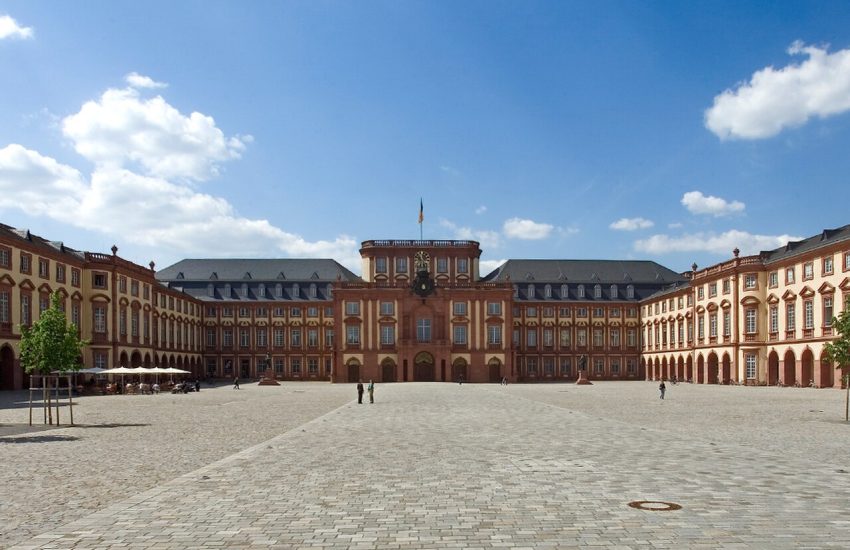
Some castles are famous for their architecture, others for their gardens, but Konopiste is famous above all for the man who lived there and the role he played in one of the great turning points of modern history. This elegant chateau in the Bohemian countryside was the beloved home of Archduke Franz Ferdinand, the heir to the Austro-Hungarian throne whose assassination would plunge the world into the First World War.
Yet to think of Konopiste only as a prelude to catastrophe is to miss its extraordinary richness. This is one of the most fascinating castles in the Czech Republic, a place crammed with astonishing collections, surrounded by beautiful gardens, and preserved almost exactly as its famous owner left it. Few historic houses offer such a vivid and intimate glimpse into a vanished aristocratic world.
In this article we are going to explore the whole story of Konopiste, from its medieval origins to its transformation by the archduke, from its remarkable collections of trophies and treasures to its lovely rose garden and its park. You will find everything you need to plan a visit along the way. Come along, because Konopiste is a place where beauty, history, and tragedy are woven together in the most compelling way.
In This Article
- A Chateau in the Woods
- Medieval Origins
- The Archduke’s Beloved Home
- A Castle of Modern Comforts
- A Passion for the Hunt
- The Saint George Collection
- A Magnificent Armoury
- Inside a Vanished World
- The Rose Garden
- The Great Park
- The Shadow of History
- See Konopiste for Yourself
- Visiting Konopiste Today
A Chateau in the Woods

Set amid wooded hills and parkland in the heart of Bohemia, Konopiste makes a striking first impression. The castle rises above its surroundings with an air of dignified elegance, its pale walls and rounded towers speaking of long centuries of history, while the beautifully kept grounds that surround it lend the whole scene a sense of peace and refinement.
It is a substantial castle, grand without being overwhelming, and its setting is a large part of its charm. Approached through the park, with glimpses of the building appearing between the trees, it feels like a place apart, a retreat from the world where a great nobleman might live surrounded by beauty and devote himself to his passions.
This sense of a private paradise is exactly what the castle’s most famous owner intended. Konopiste was his cherished home, the place he loved above all others, and he poured enormous energy and resources into making it perfect. That devotion is still palpable today, and it gives the castle a warmth and personality that many grander residences lack.
Each season lends the castle a different mood, from the fresh greens of spring and the deep shade of summer to the golden foliage of autumn and the quiet starkness of winter. Regular visitors come to know these changing faces of Konopiste, and photographers in particular prize the way the building sits so beautifully within its ever-shifting natural frame.
Medieval Origins

The history of Konopiste reaches back to the end of the thirteenth century, when a mighty Gothic castle was raised on this spot. Its design was inspired by the fortified castles of France, with powerful round towers and strong defences, making it one of the most formidable strongholds in the region during the turbulent centuries of the Middle Ages.
Over the long years that followed, the castle changed hands many times and underwent numerous transformations, as successive owners adapted it to their needs and to the tastes of their times. The stern medieval fortress was gradually softened, its defensive character giving way to greater comfort and elegance as the dangers of earlier ages receded.
By the time the castle passed into the hands of the archduke who would make it famous, it had already lived many lives and accumulated centuries of history. Beneath the elegant residence of the modern era, the old fortress still endures, its medieval bones giving Konopiste a depth and solidity that its later refinements only enhance.
The original builders modelled Konopiste on the strong fortified castles then being raised in France, a sign of the international currents of ideas that flowed across medieval Europe. Its powerful towers and thick walls made it a place of real strength, capable of withstanding the sieges and conflicts that were a constant threat in those dangerous centuries.
The Archduke’s Beloved Home

In the late nineteenth century, Konopiste was acquired by Archduke Franz Ferdinand of Austria-Este, the man who would become heir to the vast Austro-Hungarian Empire. He fell in love with the castle and made it his principal residence, lavishing attention and money on it to create a home that would meet his exacting standards and reflect his many interests.
Franz Ferdinand was a complex and determined figure, serious, private, and devoted to his family. At Konopiste he found the refuge he craved, a place where he could live according to his own wishes, pursue his passions, and enjoy the company of his wife and children away from the stifling formality of the imperial court in Vienna, where he often felt out of place.
His transformation of the castle was thorough and ambitious. He modernised it with the latest comforts and technology of the age, while filling it with the vast collections that remain its greatest treasures. Konopiste as we see it today is very much his creation, a monument to the tastes, passions, and private world of one of history’s most consequential figures.
Franz Ferdinand’s choice of Konopiste as his home was also a quiet statement of independence. Often at odds with the rigid etiquette and the court intrigues of Vienna, he preferred to spend his time here in Bohemia, where he could live as he wished and raise his children in a more relaxed and loving atmosphere than the imperial capital allowed.
His marriage was itself a source of friction at court, for his wife came from a family the emperor did not consider equal to the Habsburgs, and their union was long opposed. At Konopiste, however, the couple could live together in happiness and dignity, and the castle became the heart of a family life that meant everything to the archduke.
The story of the archduke and his family gives Konopiste an emotional resonance that few castles can match. This was not just a grand residence but a true home, filled with love and shaped by the personality of a man whose life would end in a way that changed the world, and that knowledge colours every room and every view.
A Castle of Modern Comforts

For all its medieval origins, the Konopiste of Franz Ferdinand was a thoroughly modern residence, equipped with conveniences that were remarkable for their time. The archduke was keenly interested in the latest technology, and he saw to it that his castle enjoyed comforts that many grander palaces still lacked, making it a surprisingly advanced home for its era.
The castle was fitted with modern systems for heating, lighting, and water, and even boasted an elevator and other ingenious devices to ease the business of daily life. This blend of ancient walls and up-to-date convenience reflected the archduke’s practical, forward-looking character, a man who valued both the romance of history and the benefits of progress.
This commitment to modern comfort reminds us that Konopiste was not a museum but a living home, inhabited by a family who wanted it to be both beautiful and practical. The thoughtful improvements the archduke made allowed him and his loved ones to live in real comfort amid the historic splendour, creating a home that was as functional as it was magnificent.
These innovations were not merely about luxury but reflected the archduke’s genuine interest in technical matters and efficient management. He ran his estates with care and attention, and the modernisation of his castle was of a piece with his practical, methodical approach to life, a side of his character that is sometimes overlooked amid the drama of his historical role.
A Passion for the Hunt
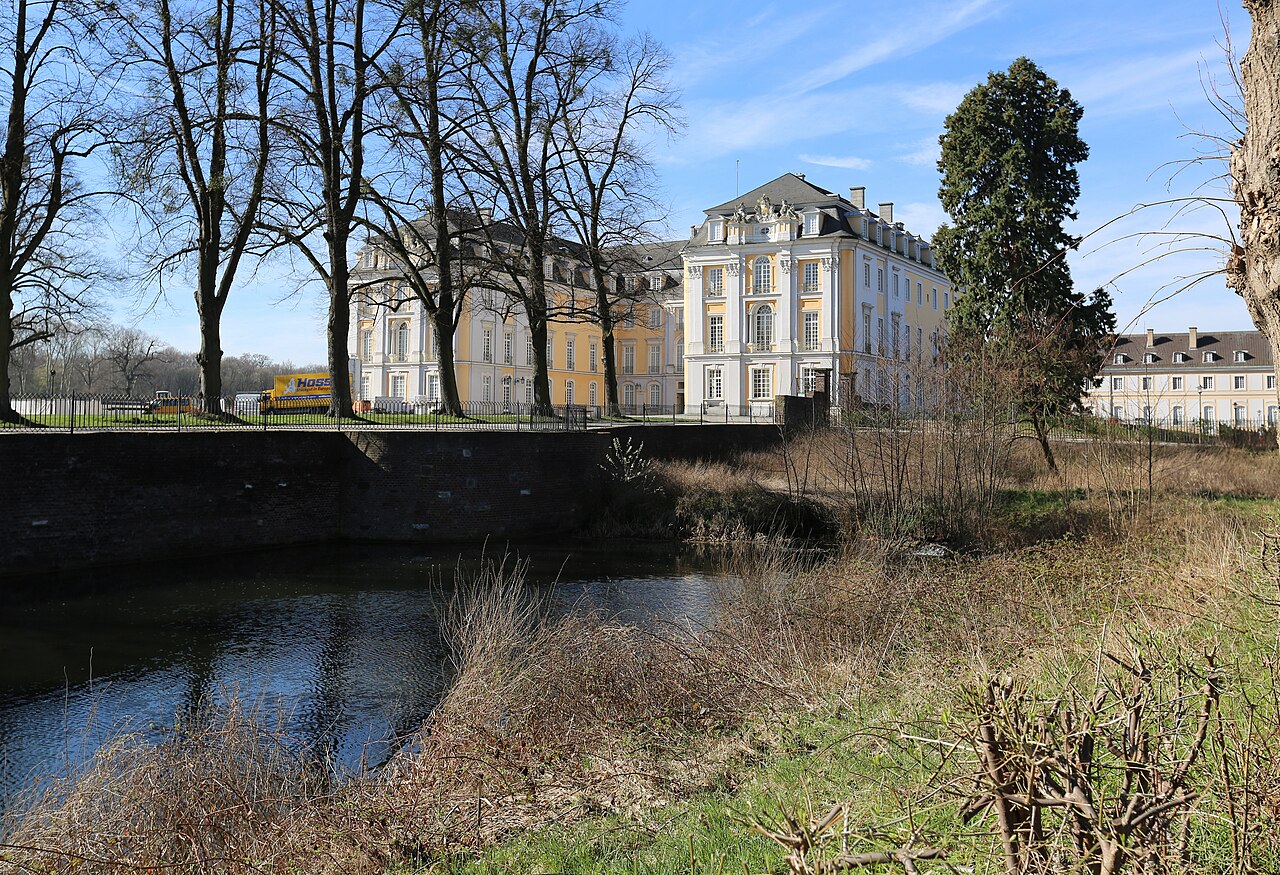
Of all Franz Ferdinand’s passions, none was more consuming than hunting, and the evidence of it fills Konopiste to an almost overwhelming degree. The archduke was a hunter on an epic scale, and the castle houses one of the largest and most astonishing collections of hunting trophies to be found anywhere in Europe, a display that leaves visitors amazed and sometimes disquieted.
The corridors and rooms are lined with countless mounted antlers, horns, and other trophies, arranged in dense and elaborate displays that cover the walls from floor to ceiling. The sheer quantity is staggering, a testament to the archduke’s relentless pursuit of game across his estates and on his travels, and to an attitude toward hunting that belonged firmly to his age.
To modern eyes the scale of the collection can be startling, even troubling, but it offers a vivid and honest window into the world of the old aristocracy, for whom hunting was a central ritual of life. Whatever one makes of it, the trophy collection at Konopiste is unforgettable, and it reveals the character of its owner as clearly as anything in the castle.
The numbers associated with the archduke’s hunting are almost beyond belief, running into the hundreds of thousands of animals over the course of his life. Hunting was, for him and for many of his class, not merely a pastime but a defining activity, bound up with ideas of nobility, skill, and the mastery of nature that were central to the aristocratic self-image of the age.
The way the trophies are displayed is itself a kind of art, the antlers and horns arranged in sweeping, symmetrical patterns that turn whole walls into dense tapestries of bone. Whatever one feels about the hunting that produced them, the displays are undeniably striking, and they remain one of the most talked-about features of any visit to the castle.
The Saint George Collection

Alongside his passion for hunting, Franz Ferdinand nursed another, very different obsession, a fascination with Saint George, the dragon-slaying warrior saint. Over the years he amassed an enormous collection of artworks and objects depicting the saint, gathering thousands of items in what became one of the most remarkable themed collections in the world.
The Saint George collection ranges across paintings, sculptures, and decorative objects of every kind, united by their shared subject. The archduke pursued these treasures with the same determination he brought to everything, and the result is a collection of extraordinary depth, a unique assembly devoted to a single figure that reflects both his piety and his collector’s zeal.
Displayed within the castle, the collection offers a fascinating glimpse into the mind of its creator, revealing a man drawn to the ideals of chivalry, courage, and faith embodied by the warrior saint. It is one of the most distinctive features of Konopiste, a collection unlike any other and a window into the private enthusiasms of a complex and driven man.
The archduke’s devotion to Saint George was unusual in its intensity, and the collection he built is thought to be among the largest of its kind ever assembled by a single person. It reveals a romantic and idealistic streak in his character, an attraction to the old virtues of knighthood and Christian heroism that sat somewhat at odds with the modern world he was destined to help govern.
Each object in the collection, however humble or grand, was chosen because it depicted the saint and his famous struggle with the dragon, that timeless image of good triumphing over evil. Gathered together, these countless representations create a powerful cumulative effect, and they offer a fascinating insight into the inner life and imagination of their collector.
Scholars and visitors alike continue to marvel at the scope of the collection, which offers rich material for the study of how a single religious and chivalric theme was treated by artists across many centuries and cultures. It is a reminder that great collections can be built around the most unexpected of subjects, driven by the particular passions of their creators.
A Magnificent Armoury
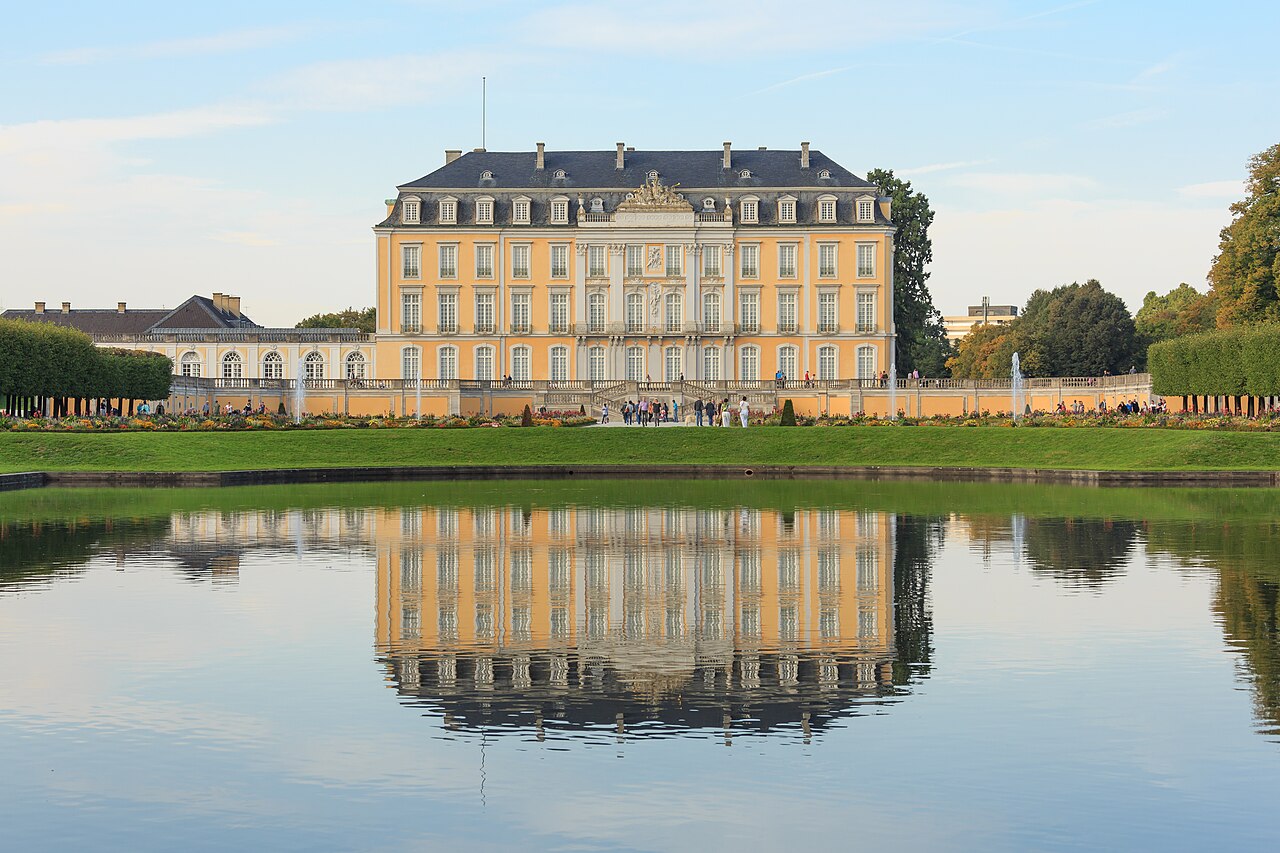
Konopiste is also home to one of the finest collections of historic arms and armour in Europe, a dazzling array of weapons gathered by the archduke and his predecessors. From gleaming suits of armour to swords, firearms, and all manner of weaponry, the armoury is a treasure house for anyone fascinated by the martial arts of the past.
The collection is remarkable both for its quality and its quantity, encompassing superb examples of the armourer’s craft from across the centuries. Many pieces are of great beauty as well as historical importance, richly decorated works that were as much about display and status as about war, reflecting the artistry that went into the finest arms of earlier ages.
For visitors, the armoury is one of the highlights of a tour of the castle, a chance to marvel at the craftsmanship and to imagine the world of knights and warriors from which these objects came. Together with the hunting trophies and the Saint George collection, it completes the picture of Konopiste as a castle of extraordinary and varied riches.
Collections of this kind were a source of great pride to noble families, who saw in them a link to the martial traditions of their ancestors and a symbol of their enduring status. The armoury at Konopiste reflects generations of such collecting, brought together and enhanced under the archduke into one of the most impressive arrays of its kind to survive.
Inside a Vanished World

The interiors of Konopiste are among its greatest attractions, preserved with remarkable completeness as they were in the time of Franz Ferdinand. Walking through the rooms, you step directly into the private world of the archduke and his family, surrounded by their furnishings, their possessions, and the atmosphere of their daily life.
The rooms range from grand formal spaces to intimate family quarters, each richly furnished and full of personal touches that bring the inhabitants vividly to life. This authenticity is deeply moving, for it allows us to glimpse not just the wealth and status of the family but their humanity, their tastes, and the ordinary rhythms of their existence.
Because the castle was preserved so carefully after the dramatic events that overtook its owner, it offers an unusually direct and poignant connection to the past. To tour these interiors is to feel the presence of a family whose story was cut tragically short, and to understand something of the world that vanished forever in the catastrophe their fate helped to unleash.
The thoughtful preservation of the interiors means that even small details survive, from the arrangement of furniture to personal objects that speak of the family’s daily life. This attention to authenticity transforms a tour of the castle into something more than sightseeing, offering a genuine encounter with the past and with the people who once lived here.
The Rose Garden

Away from the sombre splendour of the trophy-lined halls, Konopiste offers a very different kind of beauty in its celebrated rose garden. This elegant formal garden, with its geometric beds, statues, and greenhouse, was a particular delight of the family, a place of colour, fragrance, and tranquillity that provided a gentle counterpoint to the grandeur of the castle.
The garden is adorned with fine sculptures and planted to provide a succession of beauty through the seasons, with the roses themselves the crowning glory. In the warmer months, when the blooms are at their height, it becomes a place of enchantment, a fragrant retreat where the romance of the castle finds its softest and most charming expression.
Strolling in the rose garden is one of the great pleasures of a visit to Konopiste. It reveals another side of the archduke and his family, their love of beauty and of the natural world, and it offers a peaceful interlude amid the richness of the castle. The combination of formal elegance and natural beauty makes it one of the loveliest gardens of its kind in the region.
The greenhouse attached to the garden allowed the cultivation of tender and exotic plants, extending the range of what could be grown and adding to the richness of the display. Such features were a mark of a great garden in the period, combining the pleasures of beauty with the fashionable interest in horticulture and the gathering of rare and interesting species.
The Great Park
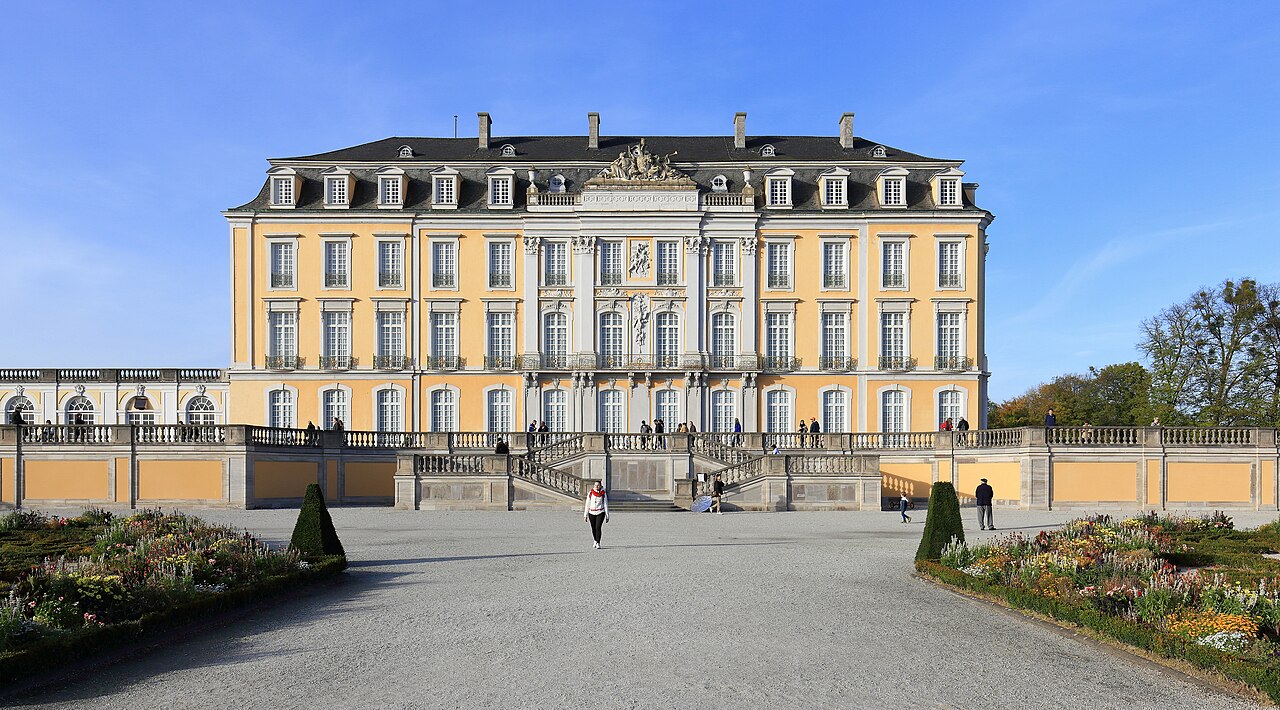
Beyond the rose garden, Konopiste is set within an extensive landscaped park, a beautiful expanse of woodland, lawns, and water that surrounds the castle and extends its beauty out into the countryside. The park was shaped with care to provide a worthy setting for the residence and a place for leisurely enjoyment of nature.
The grounds are home to a variety of wildlife, and the deer that roam the park are a reminder of the castle’s long association with hunting and the natural world. Winding paths lead the visitor through the trees and around the water, offering lovely views of the castle and tranquil corners in which to pause and enjoy the peaceful surroundings.
A walk in the park is an essential part of the Konopiste experience, allowing you to appreciate the castle in its full landscape setting. The combination of the grand building, the formal rose garden, and the extensive natural parkland creates a rich and varied environment, a place that rewards unhurried exploration in every season of the year.
Over the years the grounds have matured into a landscape of considerable beauty, with venerable trees and carefully composed views that reward the walker at every turn. The park also served a practical purpose as a hunting ground and a place to keep game, linking it directly to the archduke’s great passion and to the trophies that fill the castle within.
The Shadow of History

It is impossible to visit Konopiste without reflecting on the momentous events connected to its owner. In the summer of nineteen fourteen, Archduke Franz Ferdinand and his wife were assassinated during a visit to Sarajevo, an act that set in motion the chain of events leading to the outbreak of the First World War, a catastrophe that would reshape the world.
The couple had spent their last peaceful days at their beloved Konopiste before setting out on the fateful journey from which they would never return. This gives the castle a profound historical poignancy, for its rooms and gardens were the cherished home of a man whose death marked the end of one age and the beginning of a terrible new one.
Visiting Konopiste today, surrounded by the possessions and passions of the archduke, one feels the weight of this history keenly. The castle stands as a kind of memorial to a vanished world and to the family whose story ended in tragedy, a beautiful and melancholy reminder of how the fate of individuals and the fate of nations can be bound together.
The preservation of Konopiste as it was in the archduke’s day was in part a consequence of the dramatic events that followed his death and the fall of the empire he was meant to inherit. The castle passed into public ownership, and its contents were kept largely intact, so that it stands today as a remarkably complete record of a particular moment in history, frozen just before the great catastrophe.
For many visitors, this layer of history is what makes Konopiste so unforgettable. To walk through the rooms where the archduke and his family spent their last happy days, knowing what was to come, is a powerful and moving experience, one that connects the intimate world of a single family to the vast and tragic sweep of twentieth-century history.
See Konopiste for Yourself

The richness of Konopiste, from its elegant exterior to its astonishing collections and lovely gardens, is something that truly comes alive when you see the castle in motion. Photographs capture individual aspects, but they struggle to convey the full experience of the place, the sweep of the park, and the atmosphere of the interiors. To get a real sense of it, it helps to see it on film.
The video below takes you to the castle and its grounds, giving you a feel for the beauty of the building, the scale of its setting, and the character of a residence shaped by one of history’s most significant figures. Watch for the rounded towers, the rose garden, and the sense of a grand home preserved as it once was.
Think of it as a preview of the pleasures and reflections that await. There is no real substitute for walking through these history-laden rooms in person and strolling in the gardens the archduke loved, but a few minutes of film will help you appreciate why Konopiste is so treasured by all who visit it.
Visiting Konopiste Today

Konopiste lies in the countryside of Central Bohemia, near the town of Benesov and within easy reach of Prague, which makes it one of the most popular and rewarding day trips from the Czech capital. The pleasant journey out into the Bohemian landscape is part of the appeal, leading you to the castle amid its wooded park. You will find its exact location on the map below.
Visitors can tour the interiors on guided visits, which take in the preserved rooms, the hunting trophies, the Saint George collection, and the armoury, bringing the history of the castle and its famous owner vividly to life. The rose garden and the extensive park are open for exploration, and together they make for a full and varied day out.
To make the most of your trip, allow plenty of time for both the castle and the grounds, and check the arrangements for guided tours before you go, as these may need to be booked and run to set times. Combining your visit with time in Prague or the surrounding region makes for an excellent introduction to the rich heritage of Bohemia.
When you stand before Konopiste at last, surrounded by the park the archduke loved and the collections he so passionately gathered, you will understand why this castle holds such a special place among the great houses of the Czech Republic. It is a place of beauty and fascination shadowed by tragedy, an unforgettable window into a world that vanished in the storm of the twentieth century.
The ease of reaching Konopiste from Prague makes it an ideal excursion for anyone visiting the Czech capital, offering a complete change of scene within a short journey. The contrast between the bustling city and the peaceful, history-laden castle in its park makes for a richly rewarding day, and few day trips from Prague are more worthwhile.
Whenever you choose to visit, a little advance planning will help you make the most of the experience, from securing a place on a guided tour to allowing time to wander the rose garden and the wider park at a leisurely pace. Konopiste is a place that rewards the unhurried visitor, giving generously to those who take the time to absorb its many layers of history and beauty.
View the location on Google Maps
Palaces Nearby
If Konopiste has captured your interest, the Czech lands hold still more treasures. Here are two more remarkable residences well worth adding to your journey:
- Hluboka Castle – a dazzling white neo-Gothic palace in southern Bohemia, inspired by Windsor Castle.
- Kromeriz Chateau – a UNESCO baroque residence of the archbishops of Olomouc, famed for its magnificent gardens.
You May Like
Kornik Castle a Romantic Treasury of the Polish Nation