On the high, rugged plateau of the far northern Ethiopian and Eritrean highlands, in the very country where the ancient civilisation of the Horn first arose, lives a people who are the direct heirs of one of Africas oldest kingdoms. They are the Tigrayans, the Semitic-speaking, Orthodox Christian highlanders of the north, whose homeland cradled the empire of Axum and whose towering carved stelae and rock-hewn churches testify to a civilisation of astonishing antiquity. Kin to the Amhara within the ancient Habesha world, they are the people of the deep northern root.
This is the story of the Tigrayans and the ancient highland world they founded. It is a story of Axum, the great trading empire that raised the stelae and first brought Christianity to the highlands, of Tigrinya, the living heir of the sacred language Geez, of the rock-hewn churches carved into the cliffs and the towering obelisks of the north, and of the injera and the coffee ceremony of the Habesha table. It is also a story of grievance, revolution, famine, and a devastating modern war, told by a proud people who guard the oldest layer of the civilisation of the Horn.
Contents
- The People of the Ancient Northern Highlands
- Tigrayans, Tigrinya, and the Habesha of the North
- Tigrinya, the Heir of Ancient Geez
- The Rugged Highlands of Tigray and Eritrea
- Axum, the Nobles, and the Land of the Highland Farmers
- The Village, the Church, and the Bonds of the Highlands
- The Ancient Orthodox Faith and the Rock Churches
- The Cross, the Coffee, and the Ways of the North
- Weavers, Masons, and the Scribes of the Church
- Injera, the Fast, and the Highland Table
- Timkat, Meskel, and the Days of the Church
- From the Empire of Axum to the Modern Struggle
- The Tigrayans of Ethiopia and Eritrea
The People of the Ancient Northern Highlands
On the high, rugged plateau of the far northern Ethiopian and Eritrean highlands, in the very country where the ancient civilisation of the Horn first arose, lives a people who are the direct heirs of one of Africas oldest kingdoms. They are the Tigrayans, the Semitic-speaking, Orthodox Christian highlanders of the north, whose homeland cradled the empire of Axum and whose towering carved stelae and rock-hewn churches testify to a civilisation of great antiquity. In the region they share with their kin the Amhara, the Tigrayans are the people of the ancient north.
The Tigrayans are, like the Amhara, a people of the Habesha, the Semitic-speaking Christian highlanders long known to the world as the Abyssinians, and their language and their faith reach back to the very roots of highland civilisation. Their heartland lies in the Tigray region of northern Ethiopia and, across the modern border, among the closely related Tigrinya-speakers of the Eritrean highlands, so that the people straddle a frontier drawn in the modern age through the middle of an ancient homeland.
Their story is one of deep antiquity and hard modern struggle, of a people who were the founders of the Axumite civilisation, the first bearers of Christianity in the highlands, and the guardians of some of the oldest churches on earth, and who in recent times have known revolution, war, and terrible suffering. To understand the Tigrayans is to understand the ancient northern root of the whole highland civilisation of the Horn of Africa.

Tigrayans, Tigrinya, and the Habesha of the North
The people take their name from Tigray, the historic northern region that is their heartland, and they call themselves and their language by names built on the same root, so that the Tigrayans are the people of Tigray and Tigrinya is their tongue. Across the border in Eritrea the closely related highlanders who speak the same language are usually called the Tigrinya, after the language itself, and together the Tigrayans of Ethiopia and the Tigrinya of Eritrea form a single people divided by a modern frontier.
Like their kin the Amhara, the Tigrayans belong to the wider identity of the Habesha, the Semitic-speaking Christian highlanders whom the outside world long called Abyssinians, a name derived through Arabic from the ancient people called the Habesha. This shared Habesha identity binds the Tigrayans and the Amhara as the two great Christian highland peoples at the historic core of Ethiopia, kin in language, faith, and civilisation even where their histories and their fortunes have diverged.
Within the Tigrayan world there are the usual distinctions of region and locality, and the people are conscious both of their unity as speakers of Tigrinya and heirs of Axum and of the border that now separates the Ethiopian Tigrayans from the Eritrean Tigrinya. The name Tigrayan, carried by the people of the ancient northern highlands, marks them as the founders and guardians of the oldest layer of highland civilisation, a proud and distinct people of the Horn.
Tigrinya, the Heir of Ancient Geez
The Tigrayans speak Tigrinya, a Semitic language of the same family as Arabic and Hebrew and, closer to home, as the Amharic of their southern neighbours, and it is one of the two great Semitic languages of the highlands. Tigrinya is spoken by millions of people across the Tigray region of Ethiopia and the highlands of Eritrea, where it is one of the main languages of the country, and it is a strong and defining marker of Tigrayan identity, carrying the speech of a people whose literate civilisation is among the oldest in Africa.
Tigrinya is the direct heir of Geez, the ancient language of the kingdom of Axum, which is no longer spoken in daily life but survives as the sacred, liturgical language of the Ethiopian and Eritrean Orthodox churches, the Latin of the highland faith. Tigrinya, spoken in the very heartland where Geez once flourished, is its closest living descendant, and like Geez and Amharic it is written in the beautiful Ethiopic script, the ancient syllabary in which each character stands for a consonant and a vowel together.
This possession of an ancient tongue descended from the language of Axum, written in an indigenous script of great antiquity, ties the Tigrayans directly to the deepest roots of highland civilisation. The language carries a rich religious and oral literature, and today it flourishes in print, in media, and in daily life on both sides of the border. In its descent from Geez and its ancient script, Tigrinya is one of the living treasures of the northern highlands.

The Rugged Highlands of Tigray and Eritrea
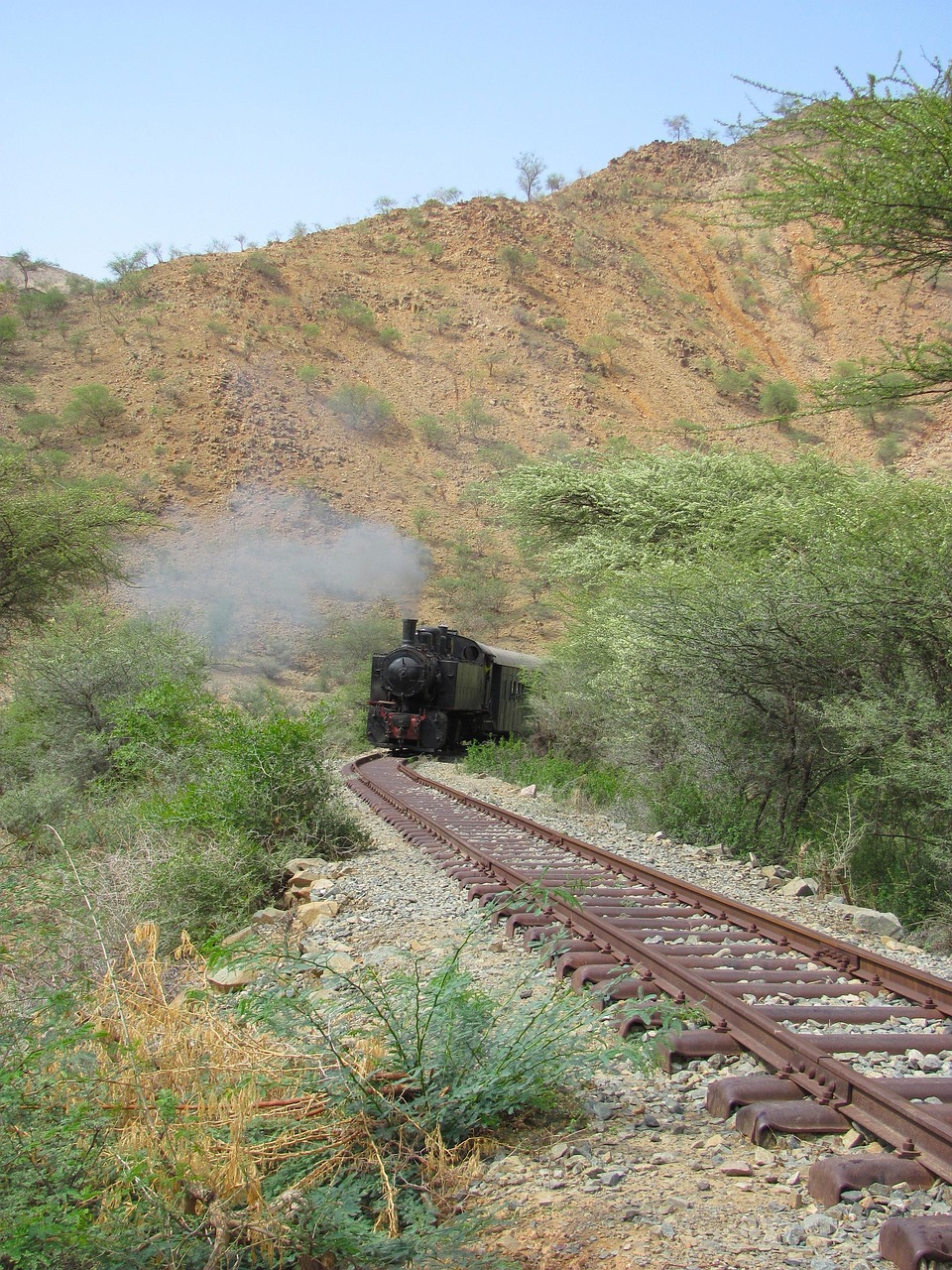
The Tigrayan homeland is the high, dry, and rugged plateau of the far northern Ethiopian highlands and the adjoining highlands of Eritrea, a country of steep escarpments, flat-topped mountains, deep gorges, and stony fields lifted high above the surrounding lowlands. It is a harsher and more arid land than the greener highlands of the Amhara to the south, its soils thinner and its rains less certain, and the Tigrayan farmer has always had to wrest a living from a demanding country through terracing, careful cultivation, and hard work on the mountain slopes.
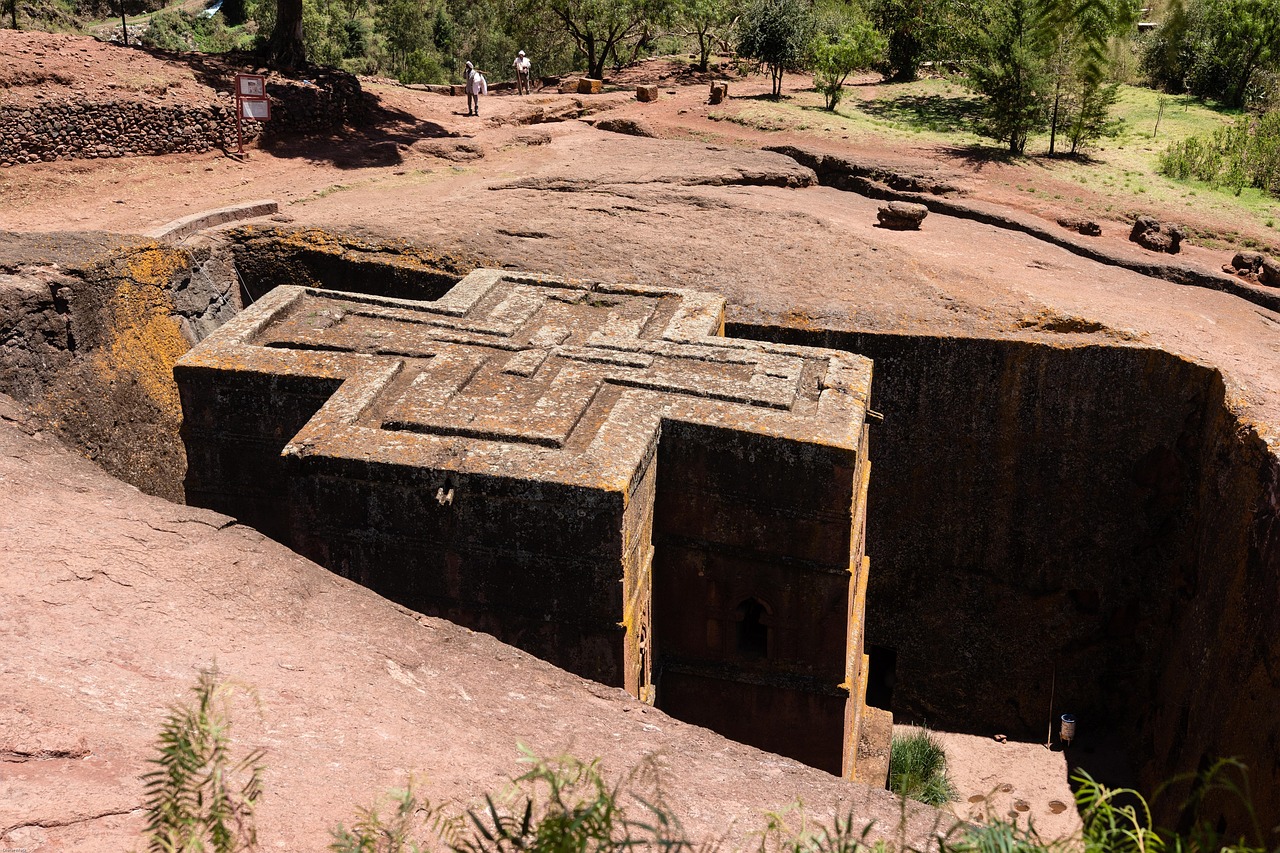
The dramatic landscape of Tigray, with its sheer cliffs and its pinnacles of rock, is famous for the astonishing rock-hewn churches carved into the cliffs and mountaintops, some of them reached only by perilous climbs, and for the ancient ruins of Axum with its towering stelae. The land rises and falls in ridges and valleys, and the villages of stone cling to the hillsides amid the terraced fields, while the great escarpment falls away eastward to the searing depression of the Afar lowlands far below.
This is a land of two seasons, the long dry spell and the vital summer rains, and the uncertainty of those rains has made drought and famine an ancient and terrible enemy of the Tigrayan people, who have suffered some of the worst famines in the modern history of Africa. Yet on this hard and beautiful highland, the Tigrayans built an ancient civilisation of stone churches, terraced fields, and mountain villages, wresting an enduring life from the rugged country of the north.
Axum, the Nobles, and the Land of the Highland Farmers
The old Tigrayan world was rooted in the most ancient stratum of highland civilisation, for it was in their country that the kingdom of Axum arose, one of the great trading powers of the ancient world, whose kings raised the towering carved stelae that still stand and who around the fourth century made Christianity the religion of the state. When Axum declined, its heartland remained the Tigrayan country, and the people kept the faith, the script, and the memory of that ancient greatness as the founders of the whole highland tradition.
Through the medieval and later centuries the Tigrayan highlands were part of the Christian empire of Ethiopia, sometimes at its centre and sometimes at its northern edge, ruled by hereditary nobles and princes who governed the mountain provinces in the name of the emperor, and at times a Tigrayan lord rose to the imperial throne itself. The society was one of noble lords and, above all, of free farmers, for the typical Tigrayan was a peasant cultivator holding his own land through the customary rights of his lineage and community, tied to the church and the village.
Land in the Tigrayan highlands was held largely through the ancient system by which members of a descent group shared rights to the land of their ancestors, giving the free farmer a strong attachment to his fields and a measure of independence. The church held great lands and authority, the nobles led in war and governance, and the mass of the people were the hardy peasant farmers of the terraced slopes. In Axum, the noble, and the free highland farmer, the old Tigrayan world was built.

The Village, the Church, and the Bonds of the Highlands
Tigrayan society was built on the village, the church, and the free peasant household, and its heart was the community of farmers holding their land through the ancient rights of descent and lineage. The typical Tigrayan was a cultivator working his own terraced fields on the mountain slopes, tied to his village, his kin, and his parish church, and the social order rested less on a great gulf between lord and serf than on a body of free farmers among whom the nobles and the clergy held their places of authority and honour.
The Orthodox church stood at the very centre of the community, and the parish, its priests, and its round of fasts and festivals ordered the life of the village as much as any secular authority. The clergy were numerous and honoured, drawn from the community itself, and the church held lands, taught the faith and the sacred language, and sanctified every stage of life. Marriage, godparenthood, cooperative labour, and the burial societies of the parish wove the villagers into dense networks of mutual obligation and support.
Above the free farmers stood the hereditary nobility, the lords and princes who governed the provinces and led in war, their status marked by land, by title, and by descent, and among the people were also the artisans, the smiths, weavers, and potters, who though essential were often held at a certain social distance. Respect for elders, for priests, and for the customs of the community, hospitality, and the bonds of kinship and parish ordered daily life. In village, church, and free household, the Tigrayans built a resilient highland society.

The Ancient Orthodox Faith and the Rock Churches
At the centre of Tigrayan identity stands the ancient Orthodox faith, for it was in the Tigrayan heartland, in the kingdom of Axum, that Christianity first came to the highlands in the fourth century, making this one of the oldest Christian lands on earth. The Tigrayans are among the most devoted bearers of the Ethiopian and Eritrean Orthodox tradition, and their country is filled with churches and monasteries of the deepest antiquity, served by a numerous clergy steeped in the sacred language Geez and the ancient chant and scripture of the faith.
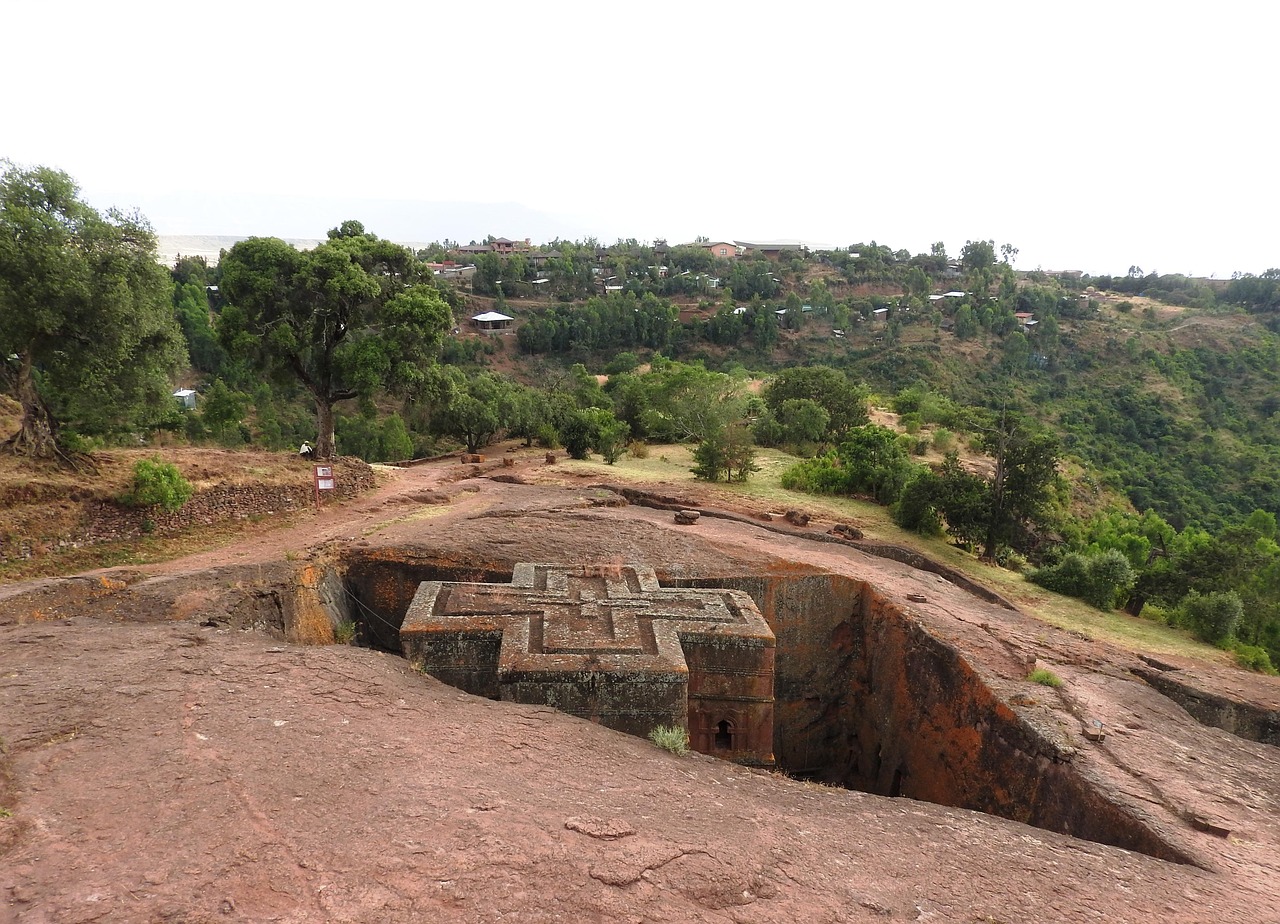
The most wondrous monuments of Tigrayan Christianity are the rock-hewn churches, carved into the cliffs, the pinnacles, and the mountaintops of the region, some of them among the oldest churches in the country and reached only by steep and frightening climbs up the bare rock. These churches, hidden and defended by the very difficulty of reaching them, preserve ancient paintings, manuscripts, and traditions, and they testify to a faith of extraordinary depth and endurance rooted in the northern highlands.
The faith orders the whole of Tigrayan life, with its many fasting days on which no animal food is taken, its round of great festivals, its veneration of the saints and the ancient Ark tradition centred on Axum, where the holiest object of the whole church is believed to rest. The great cathedral of Axum, held to house the Ark of the Covenant, makes the Tigrayan heartland the spiritual centre of the entire highland church. In its ancient churches and its living devotion, the Orthodox faith is the soul of the Tigrayan people.
The Cross, the Coffee, and the Ways of the North
The traditions of the Tigrayans are steeped in the ancient culture of the highland church, which they share in its essentials with their Amhara kin while keeping their own distinct forms. The cross is everywhere, worn about the neck, carried by the priest, and worked in silver into the intricate designs for which highland craftsmen are famous, and the white cotton garment, worn draped for church and festival, clothes the people in the colour of purity, so that a gathering at a church becomes a sea of white against the stone.
The coffee ceremony, shared across the highlands and the Horn, is a cherished tradition of hospitality and sociability, in which the beans are roasted, ground, and brewed in a rounded clay pot and the coffee poured in three successive rounds amid the scent of incense, an occasion for conversation and the renewal of bonds. Music and dance carry their own strong traditions, from the sacred chant of the church to the distinctive shoulder-dance of the highlands, in which the dancers move their shoulders and chest to the beat in a display of skill and joy.
Dress, courtesy, and the customs of a proud highland people fill out the tradition, the white shamma cloth, the fine embroidered garments of festival, the elaborate courtesies of greeting and hospitality, and the deep respect shown to elders and priests. Weddings, with their feasting, singing, and dancing, and the great occasions of the church and the family, gather the community in celebration. In cross, coffee, and shoulder-dance, the Tigrayans keep the ancient traditions of the northern highlands.

Weavers, Masons, and the Scribes of the Church
The crafts of the Tigrayans are bound up, like those of their Amhara kin, with the church and the household, and among the oldest and most remarkable is the art of building in stone, for the Tigrayan highlands are a land of stone architecture reaching back to the dressed masonry of Axum and living on in the stone houses and the astonishing rock-hewn churches carved from the living cliff. The masons and church-builders of the highlands practised an ancient craft, and the hewing of a church from the solid rock was among the most extraordinary feats of the whole civilisation.
The scribes and painters of the monasteries produced the illuminated manuscripts and the vivid religious paintings that adorn the ancient churches, copying the scriptures by hand onto parchment in the sacred script and painting the walls and panels with the bold, colourful images of saints and angels in the distinctive highland style. The silversmiths worked the crosses, in an endless variety of intricate designs, and the jewellery prized by the people, carrying on a tradition of fine Christian metalwork of great age.
Weaving is a widespread craft, producing the fine white cotton of the shamma and the woven borders that adorn it, and other artisans work in leather, in basketry, and in pottery, coiling the grass baskets and shaping the clay vessels of the household. Many of these crafts were the work of particular groups who, though their skills were essential, were often held at a certain social distance. In stone church, painted manuscript, silver cross, and woven cloth, the crafts of the Tigrayans adorned and sanctified an ancient world.
Injera, the Fast, and the Highland Table
The food of the Tigrayans is the highland cuisine of injera and wot that they share, with their own variations, with the wider Habesha world. Injera, the large, soft, slightly sour flatbread fermented from grain and cooked on a round griddle, serves as both plate and utensil, spread beneath the stews and torn to scoop them up, so that the meal is shared from a common platter. In the drier Tigrayan highlands the injera is often made from local grains such as barley, wheat, sorghum, and the tiny teff, and upon it are set the spiced stews of lentils, vegetables, and meat.
The rhythm of the table is shaped by the many fasts of the Orthodox church, which forbid all animal foods for much of the year, so that the Tigrayans, like the Amhara, developed a rich array of lentil, chickpea, and vegetable stews for the fasting days, fired with the berbere spice blend, while meat crowns the days of feasting. A dish especially associated with the north is the hearty stew and bread eaten together, and the shared platter of injera and stews remains the centre of the family meal.
Coffee, native to the highlands of the region, is the heart of hospitality, prepared in the slow and gracious ceremony that welcomes the guest, and the honey and the fermented drinks of the highlands grace the feasts. In the drier and harder country of the north the margin against hunger was always thinner than in the south, and the memory of famine lies heavy on the people, making the abundance of the feast all the more treasured. In injera, fasting stew, and coffee, the Tigrayan table is one of the ancient cuisines of the Horn.
Timkat, Meskel, and the Days of the Church
The festivals of the Tigrayans are the great feasts of the Orthodox church, celebrated with the same devotion and splendour that mark the whole highland world. The greatest is Timkat, the feast of Epiphany commemorating the baptism of Christ, when the priests carry the sacred tabot, the replica of the Ark, in solemn procession under embroidered umbrellas to a pool or stream, and the next day the waters are blessed and the faithful renew their baptism amid singing, drumming, and rejoicing in one of the most spectacular of all religious celebrations.
Meskel, the feast of the finding of the True Cross, is another of the great days, marked by the raising and burning of a bonfire crowned with yellow daisies, around which the people gather to sing and celebrate as the flames leap into the highland night. The Ethiopian and Eritrean Christmas and the long fast and joyous feast of Easter are central to the year, each surrounded by its own customs of prayer, procession, and feasting, and every parish keeps the feast of its own patron saint with special devotion.
Beyond the calendar of the church, the passages of family life, baptisms, weddings, and funerals, are great occasions that gather kin and neighbours with feasting, music, and the sharing of food and drink, and the great pilgrimages to Axum and the ancient monasteries draw the faithful from across the highlands. Through this rich and crowded calendar of fasts and festivals, the Tigrayan year is bound tightly to the ancient faith, and the great days of the church renew the bonds of devotion and community across the northern highlands.

From the Empire of Axum to the Modern Struggle
The history of the Tigrayans reaches back to the very dawn of highland civilisation, to the kingdom of Axum that arose in their country in the early centuries after Christ, a great trading power whose ships crossed the Red Sea, whose kings raised the towering carved stelae that still stand in the Tigrayan heartland, and who around the fourth century made Christianity the faith of the state. From this Axumite root grew the whole Christian civilisation of the highlands, and the Tigrayans remained its northern guardians as the centre of the empire shifted southward over the centuries.
Through the medieval and modern eras the Tigrayan highlands were part of the Christian empire of Ethiopia, and Tigrayan lords played a great part in its affairs, one of them ruling as emperor in the nineteenth century, the famous Yohannes who fought to defend the country against invaders. Yet the Tigrayans often felt themselves marginalised within an empire whose power came to rest with the Amhara, and this sense of grievance would shape their modern history, as would the drawing of the colonial border that placed the Eritrean Tigrinya under Italian rule.
The twentieth century brought revolution, war, and terrible famine to the Tigrayan country, and a powerful Tigrayan movement rose in armed struggle that eventually came to lead the whole Ethiopian state for a generation, before falling from power and, in recent years, suffering a devastating war in the Tigray region that brought immense death and hardship. From the glory of Axum to the tragedies of the present, the Tigrayans have carried the ancient northern heritage through a long and often painful history.
The Tigrayans of Ethiopia and Eritrea
Today the Tigrayans are divided by an international border between the Tigray region of northern Ethiopia and the highlands of Eritrea, where their close kin the Tigrinya form the largest group of the country. In Ethiopia the Tigrayans, though a minority of the population, played a leading role in the state for decades after the fall of the old government, before losing power and then enduring, in the years around 2020, a catastrophic war in their region that brought famine, mass suffering, and death on a terrible scale, one of the gravest humanitarian disasters of recent times.
In Eritrea the Tigrinya-speaking highlanders are the dominant people of a nation that won its independence after a long armed struggle, and though they share language, faith, and ancestry with the Tigrayans of Ethiopia, the modern border and the bitter history between the two states have divided the single people into separate national destinies. On both sides the highlanders carry the ancient Habesha heritage of Orthodox faith, Semitic language, and descent from Axum.
Through war, famine, and division, the deep culture of the Tigrayans endures. The ancient churches still stand and the faith is still kept, the Tigrinya language and the Ethiopic script still carry the heritage of Geez, the coffee ceremony still welcomes the guest, and the stelae of Axum still rise over the heartland as they have for two thousand years. Bearers of the oldest layer of highland civilisation, the Tigrayans carry their ancient and resilient identity through one of the hardest chapters of their long history.
Related Peoples of the Region
- Amhara of the Ethiopian Highlands and Their Empire That Never Bowed
- Oromo of the Ethiopian Highlands and Their Ancient Democracy of the Generations
- Somali of the Horn of Africa and Their Nation Bound by Word and Faith
- Maasai of the East African Plains and Their Cattle Given by the Sky God
- Swahili of the East African Coast and Their Civilisation Made by the Ocean
- Kikuyu of Mount Kenya and Their Land Given by God to the Children of Mumbi
- Baganda of the Great Lake and Their Kingdom on the Hills of Buganda
- Luo of Lake Victoria and Their Nilotic Journey Down the Nile to the Great Water
More Peoples of the World
You May Like
The Zaza, a Mountain People of Eastern Anatolia


One thought on “Tigrayans of the Northern Highlands and Their Ancient Empire of Axum”