Now we begin looking at the B vitamins one by one, starting with the very first: vitamin B1, better known as thiamine. It holds a special place in history, because it was the first B vitamin ever discovered — and the discovery solved the mystery of a disease that had puzzled doctors for centuries. Thiamine is small, water-soluble, and needed only in tiny amounts, yet without it the body cannot properly turn food into energy.
What Thiamine Does
Thiamine’s main role is to help convert the carbohydrates you eat into energy. It acts as a coenzyme in the reactions that break down glucose, which means tissues that burn a lot of fuel — especially the brain, nerves, and heart — depend on a steady supply. Its key jobs include:
- Energy release: helping turn carbohydrates into usable energy in every cell.
- Nerve function: supporting the healthy working of the nervous system.
- Heart and muscle: helping the heart and muscles work as they should.
The Disease That Revealed Thiamine
The story of thiamine is tied to a condition called beriberi, which causes nerve damage, weakness, and heart problems. It became widespread in regions that relied heavily on polished white rice — because the milling process that turns brown rice white strips away the thiamine-rich outer layers. When researchers realized that something removed from the rice was the cause, the idea of an essential dietary factor — a vitamin — was born. It is a powerful reminder that how we process food can change its vitamin content dramatically.
Where to Find Thiamine
Thiamine is found in a wide range of foods, with some of the best sources being:
- Whole grains and fortified breakfast cereals and breads.
- Pork, one of the richest natural sources.
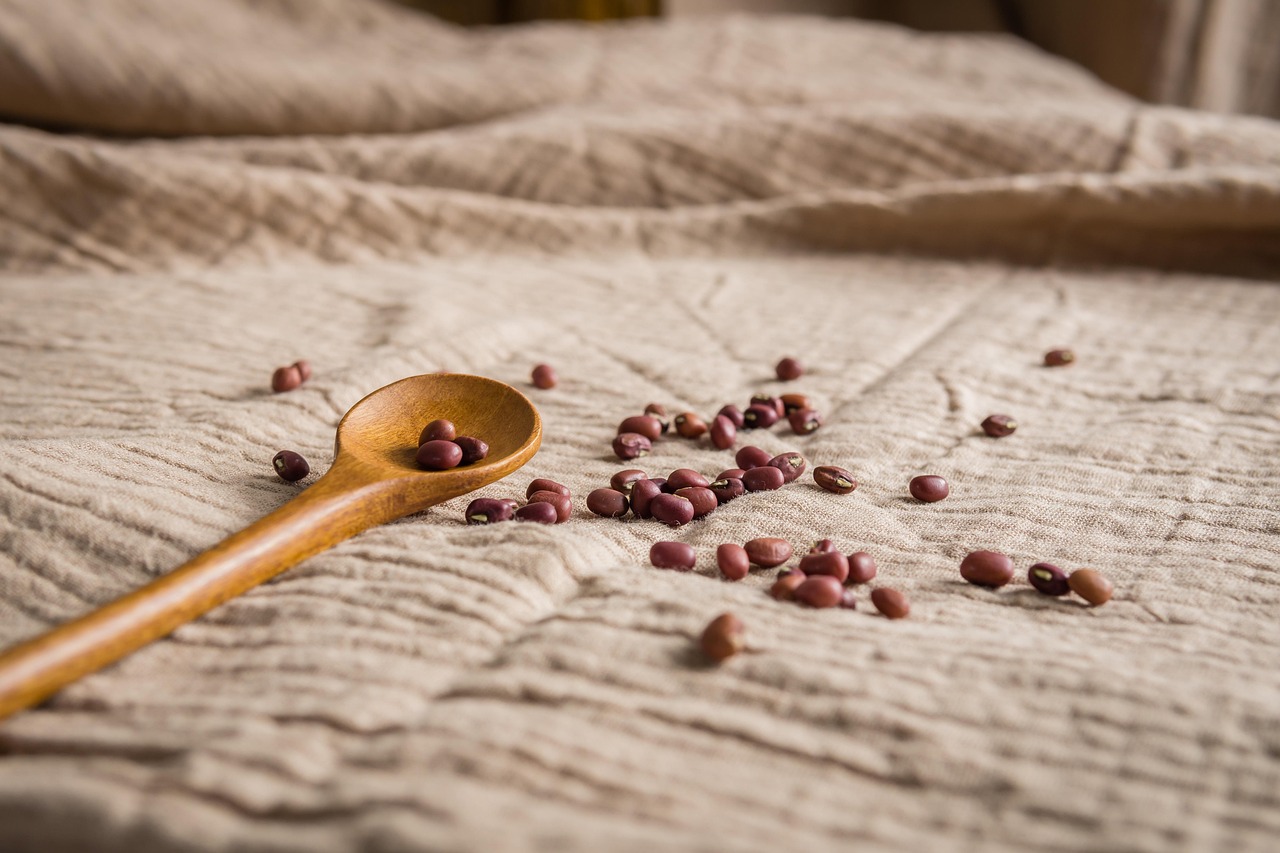
- Legumes such as beans and lentils.
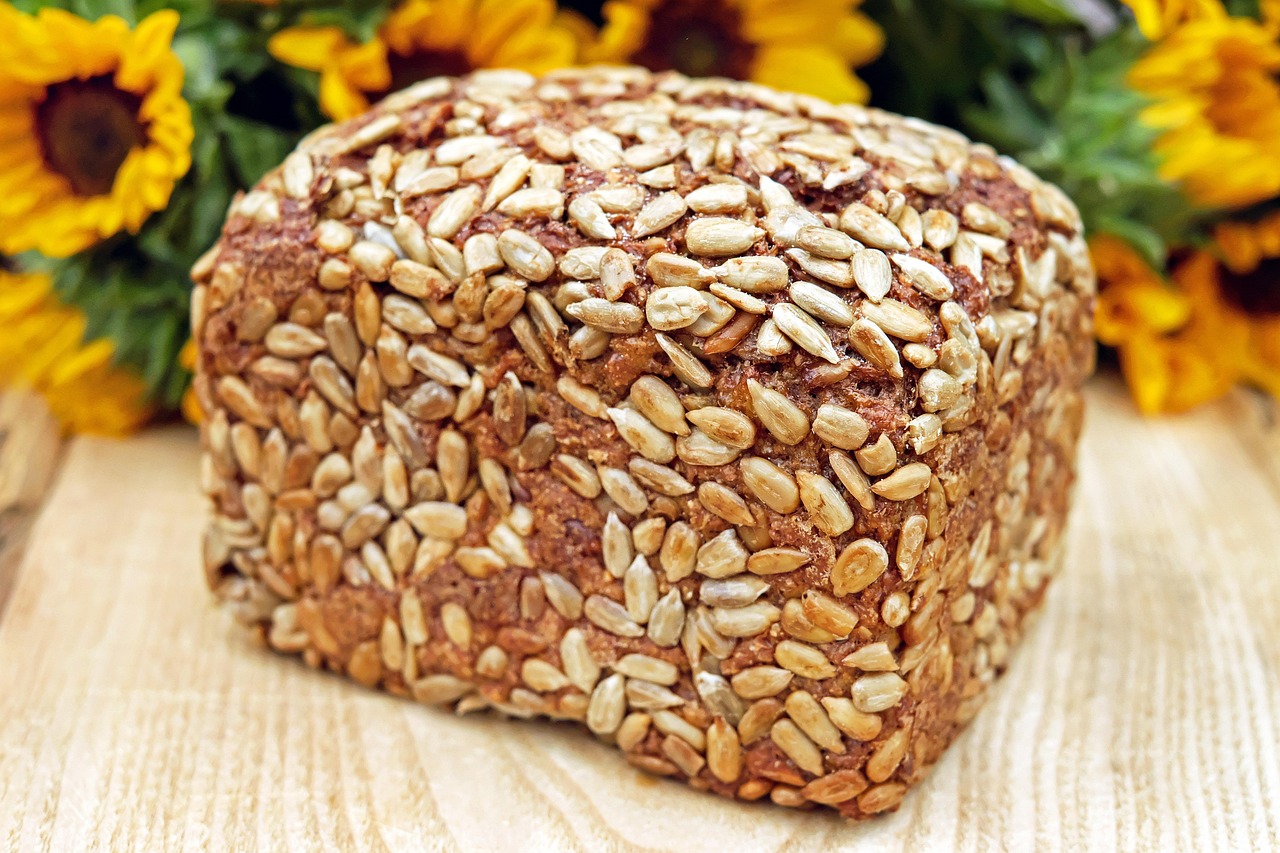
- Nuts and seeds, especially sunflower seeds.
- Brown rice and other minimally processed grains.
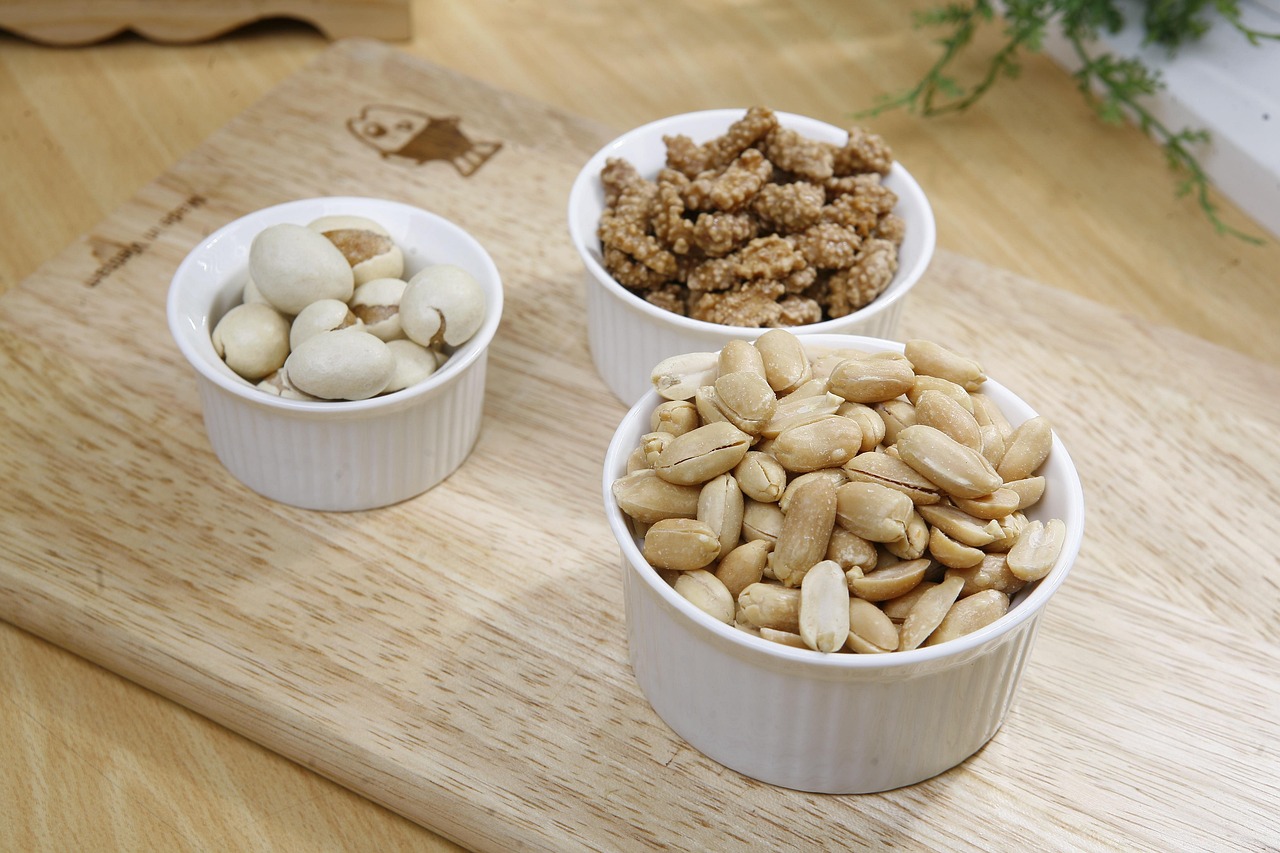
Because thiamine sits in the outer layers of grains, choosing whole or fortified grains over heavily refined ones is one of the easiest ways to get enough. It is also water-soluble and sensitive to heat, so it can leach into cooking water — using that liquid in soups and stews helps keep what would otherwise be lost.
Who Might Run Short
Most people eating a varied diet get plenty of thiamine. Shortfalls are more likely in those who rely heavily on refined carbohydrates, and thiamine deficiency is also strongly linked to heavy, long-term alcohol use, which interferes with how the body absorbs and uses it. As always, a diet built around whole grains, legumes, and a mix of fresh foods provides a reliable supply.

Next in the series we look at vitamin B2, riboflavin — another energy-releasing B vitamin with a starring role in keeping skin and eyes healthy.
This article is intended as general nutritional information and is not a substitute for personalized advice from a doctor or registered dietitian.