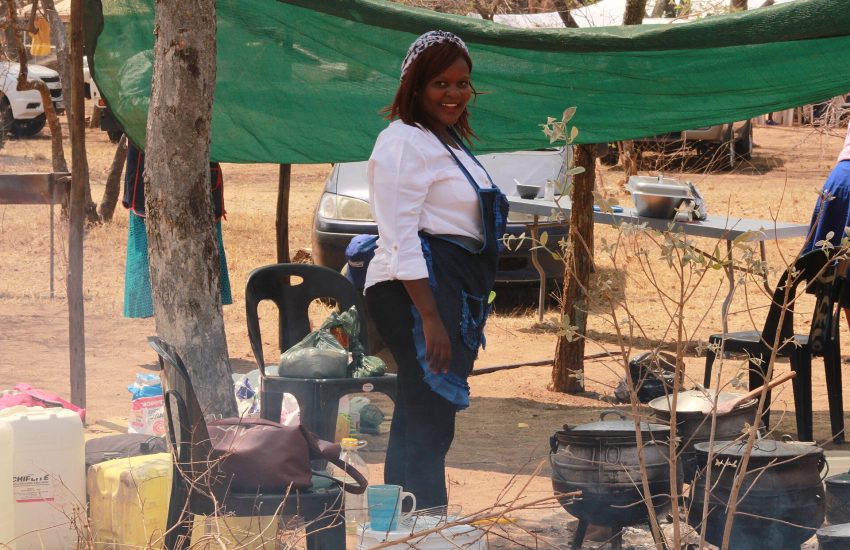
High in the mist-wrapped mountains of northwestern Guatemala lives a Maya people whose name is little known beyond Central America yet whose way of life reaches back thousands of years. The Chuj have made their home in some of the highest and most rugged country in the region, weaving a distinct identity from maize fields, sacred peaks, and a language all their own. Though they share the highlands with several related Maya groups, the Chuj stand apart, a people shaped by their particular corner of the Sierra de los Cuchumatanes.
This is a portrait of who the Chuj are, where they came from, and how they live today. From the meaning of their name and the roots of their language to their farming, faith, crafts, and festivals, the story of the Chuj is one of endurance and quiet strength. It is the story of a community that has weathered conquest, upheaval, and modern change while holding fast to the traditions and the homeland that make it unmistakably itself.
Contents
- Origins and Early Roots of a Cuchumatanes People
- What the Name Chuj Means and Where It Comes From
- The Chuj Language and Its Place Among Maya Tongues
- The Highland Homeland in the Sierra de los Cuchumatanes
- Farming, Maize and the Old Way of Life
- Community, Kinship and Social Life
- Faith, Ritual and the Sacred Landscape
- Traditional Dress and Enduring Customs
- Weaving and the Crafts of Highland Hands
- Maize, Beans and the Chuj Table
- Festivals, Markets and the Rhythm of the Year
- Conquest, Survival and a Turbulent Past
- The Chuj People in the World Today
Origins and Early Roots of a Cuchumatanes People
The Chuj are a Maya people whose deepest roots reach far back into the mountainous northwest of what is now Guatemala. Long before European ships appeared off the Caribbean coast, their ancestors had already settled the high country where cloud forest gives way to steep valleys and cold ridges. Archaeological and linguistic evidence places the early Chuj within the broad Maya cultural world that flourished across the region for thousands of years, sharing farming techniques, calendars, and religious ideas with neighboring groups while slowly developing a distinct identity of their own.
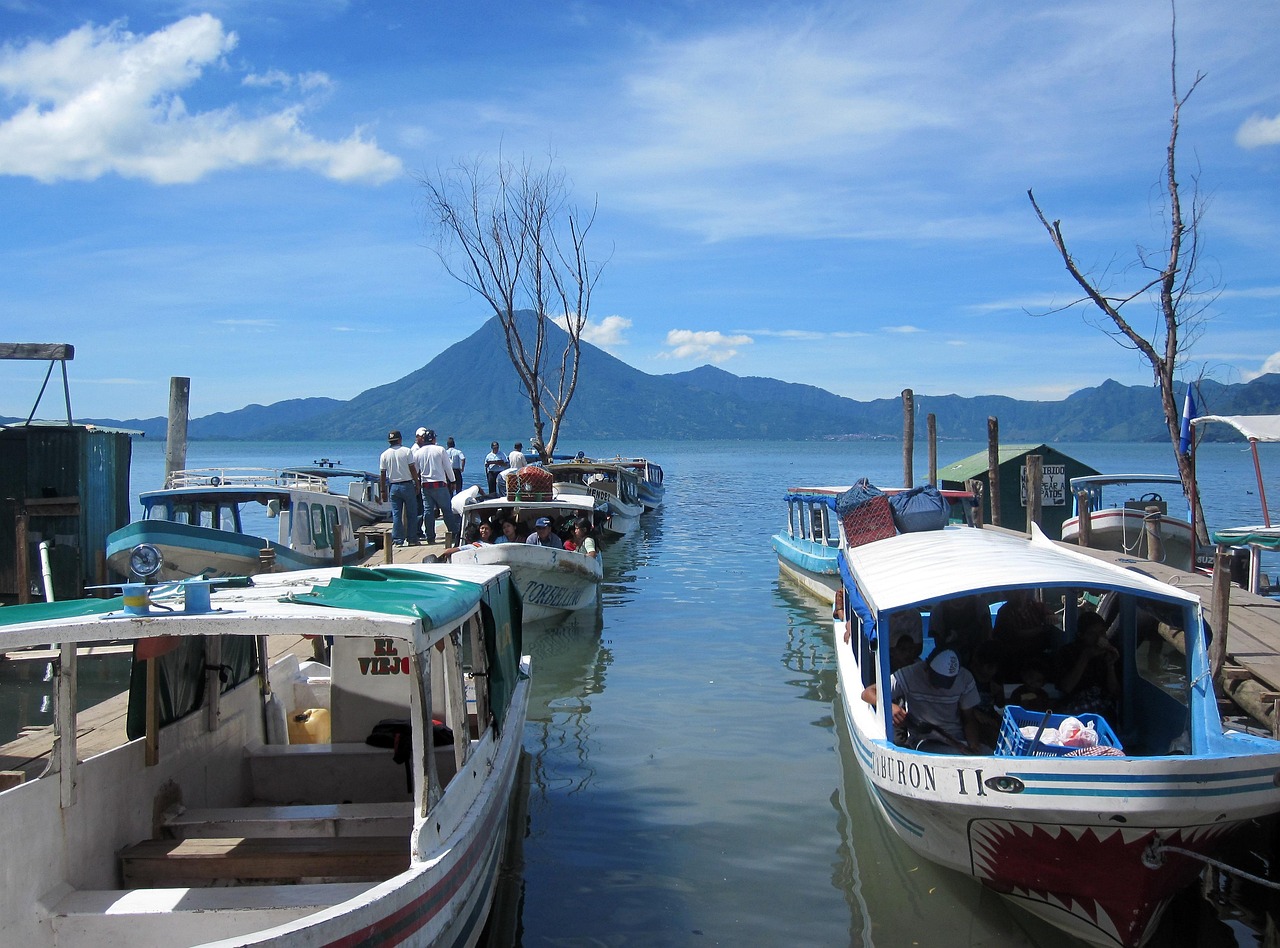
What set the early Chuj apart was not a sudden migration but a gradual settling into one of the harshest and most beautiful corners of the Maya highlands. The land demanded adaptation, and generations of families learned to read its rains, its frosts, and its short growing seasons. Villages grew up around springs and fertile pockets of soil, and kinship ties bound scattered hamlets into a loose but resilient web of communities.
By the time written records begin, the Chuj were already recognizable as a people with their own tongue and their own attachment to particular mountains and rivers. Their origin, in that sense, is inseparable from the terrain itself. To understand where the Chuj came from is to understand how a community can be shaped, over centuries, by the very slopes and valleys it chose to call home.
Scholars who study the Maya past often point to the Chuj as an example of how a people can maintain continuity across vast stretches of time. The tools change, the crops are supplemented, and new neighbors arrive, yet the thread of language and belief runs unbroken. In this sense the origins of the Chuj are not a single moment but an ongoing story, retold each time a family plants maize on a familiar slope or gathers to remember those who came before.
What the Name Chuj Means and Where It Comes From
The word Chuj refers at once to a people and to the language they speak, and like many ethnic names in the Americas its exact origin is debated. In everyday use it names the community that lives in a cluster of highland municipalities, but the term has traveled through colonial documents, church registers, and modern maps, picking up different spellings and shades of meaning along the way.
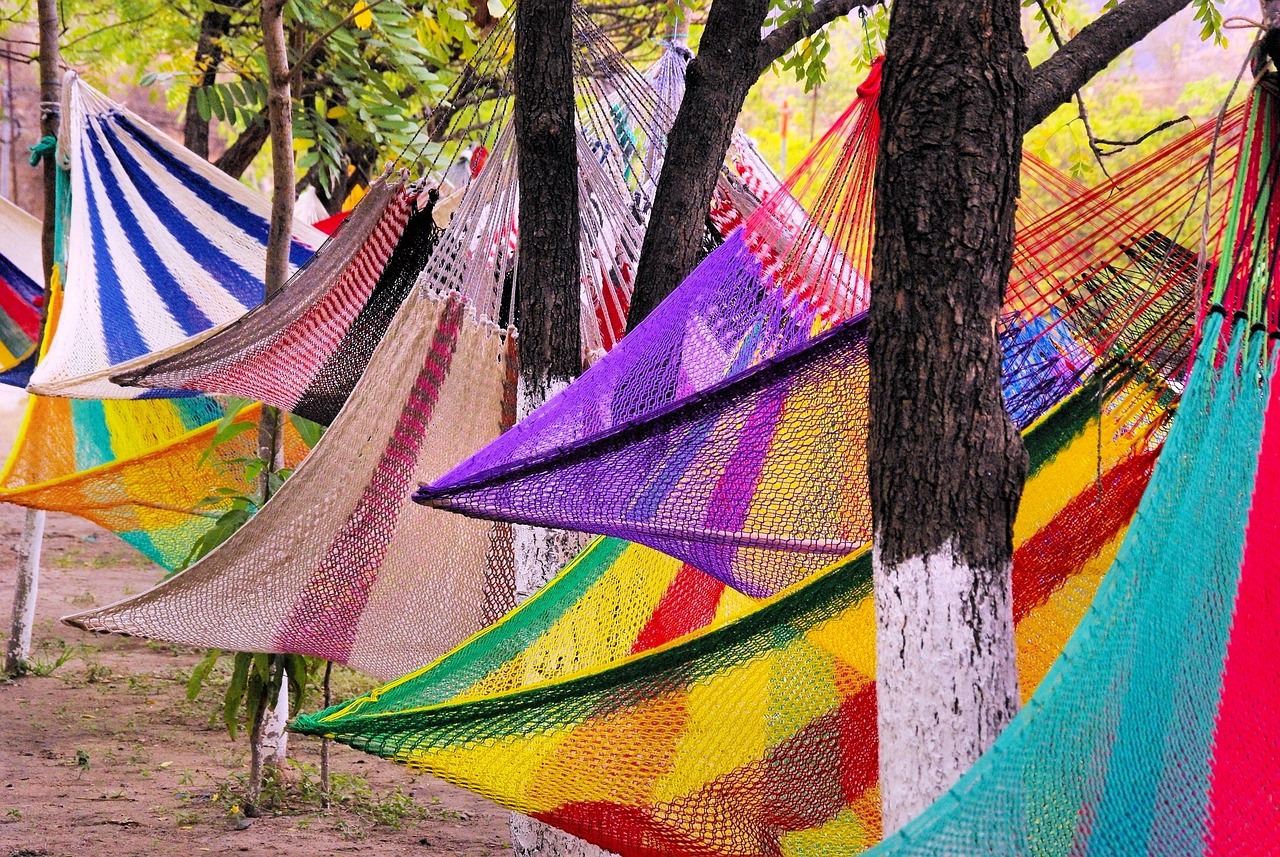
Some interpretations connect the name to words in the Chuj language itself or in neighboring Maya tongues, while others suspect that outsiders applied it and that it later became accepted by the people it described. This pattern is common across the region, where names given by rulers, missionaries, or rival groups sometimes stuck long enough to become a source of pride rather than an imposition.
Whatever its precise root, the name today carries a strong sense of belonging. To call oneself Chuj is to claim a place in a specific highland world, distinct from the Q’anjob’al, Jakaltek, and other Maya neighbors who share the same mountains. The name marks a boundary of identity as real as any ridge line, and community members wear it with quiet confidence.
The pride attached to the name is reinforced every time community members introduce themselves to outsiders or to one another. In a region where dozens of Maya identities overlap and intertwine, naming oneself precisely is a way of honoring a specific heritage. For the Chuj, the name is a small but powerful act of self-definition, a reminder that they are not simply highland Maya in general but a particular people with a particular history.
The Chuj Language and Its Place Among Maya Tongues
The Chuj language belongs to the large Maya family, and within it to a branch shared with several other highland tongues. It is closely related to Q’anjob’al and Jakaltek, forming part of a cluster whose speakers have lived side by side for centuries. Despite this closeness, Chuj is a language in its own right, with its own sounds, grammar, and vocabulary that are not simply interchangeable with those of its neighbors.
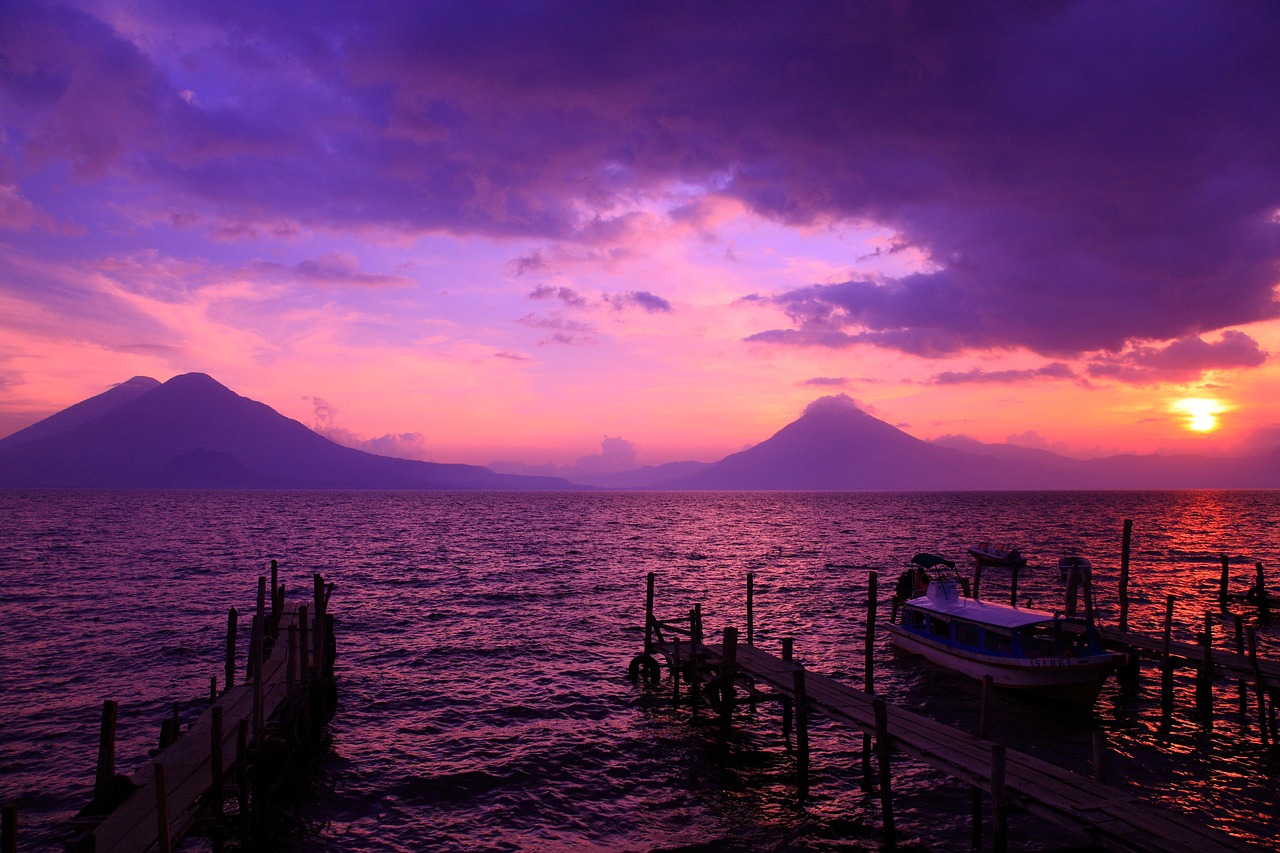
Spoken by tens of thousands of people, Chuj remains a living, daily language in its home communities. Children still learn it as a first tongue in many households, and it is heard in markets, fields, and ceremonies. At the same time, Spanish presses in from schools, media, and migration, and community members increasingly move between the two languages depending on the setting.
Efforts to write and teach Chuj have grown in recent decades, supported by Maya linguists and cultural organizations who see language as the heart of identity. Standardized alphabets, dictionaries, and school materials help anchor the tongue for new generations. For the Chuj, keeping the language alive is not a matter of nostalgia but a way of holding on to a distinct way of naming and understanding the world.
Bilingual education programs, community radio, and locally produced music have all become tools for keeping the language vital among the young. When children hear their own tongue sung, broadcast, and printed, it gains a prestige that pure survival cannot supply. These modern efforts show that language preservation is not only about the past but about giving the Chuj a confident voice in the present.
The Highland Homeland in the Sierra de los Cuchumatanes
The heartland of the Chuj lies in the rugged folds of the Sierra de los Cuchumatanes, one of the highest and most dramatic mountain ranges in Central America. Here the land rises steeply into cold, wind-swept country, then drops into deep valleys where warmer air allows different crops to grow. This vertical world, stacked in bands of climate from frost to near-tropical heat, has shaped every part of Chuj life.
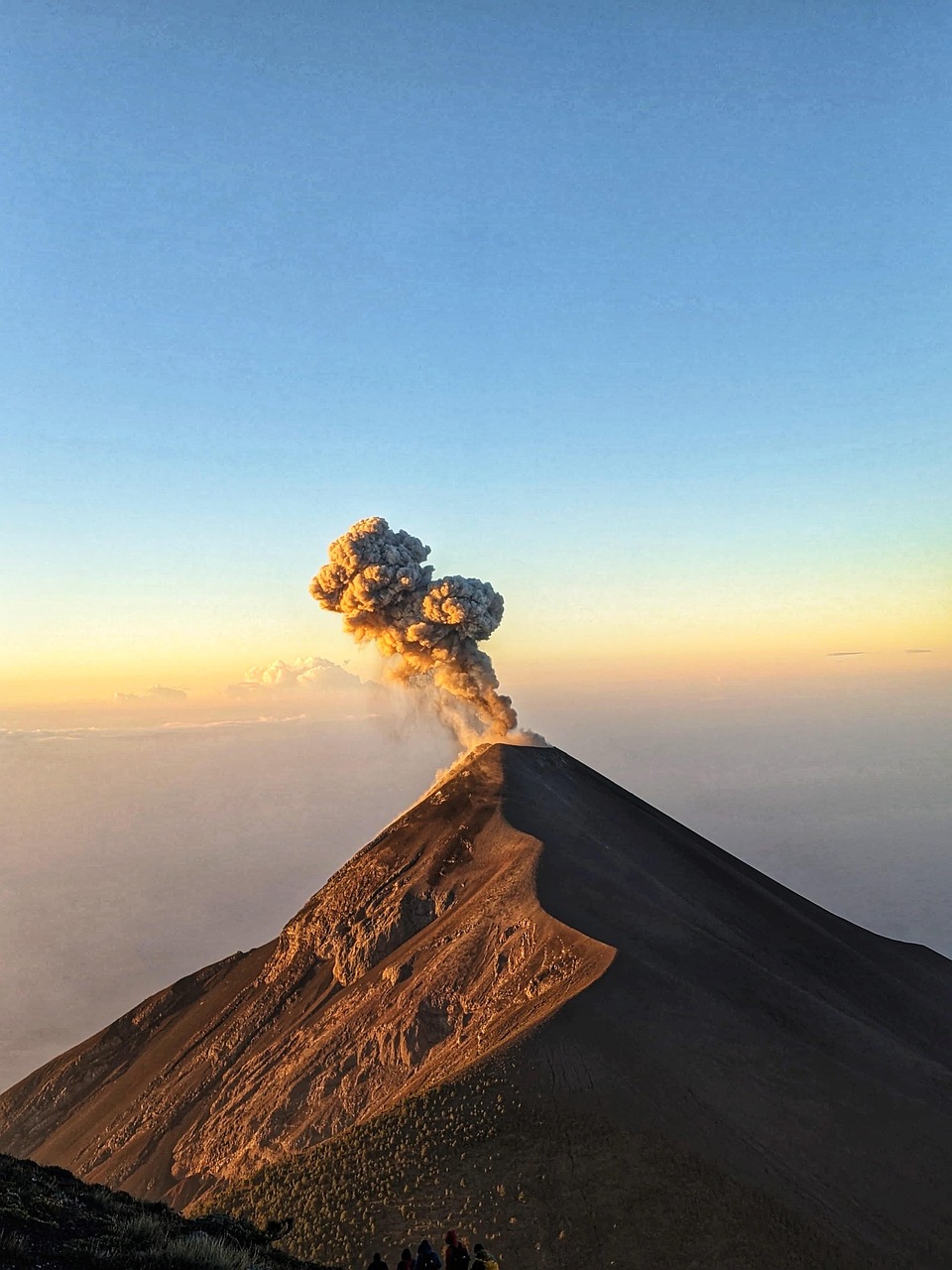
Communities cluster in municipalities scattered across this high terrain, connected by footpaths and winding roads that thread between peaks. Water from mountain springs and rivers feeds the fields and defines where villages can take root. The homeland is not a single flat expanse but a mosaic of microclimates, each with its own soils, its own timing for planting, and its own small differences in speech and custom.
For the Chuj, the mountains are more than scenery or obstacle. Particular peaks, caves, and springs carry sacred meaning, tied to stories and rituals passed down through generations. To live in this homeland is to live within a landscape that is at once demanding and deeply meaningful, a place where geography and identity are woven together as tightly as the threads of a highland weaving.
Travel through this country is slow and often difficult, and that isolation has helped preserve local traditions even as it has posed challenges for schools, clinics, and commerce. Yet the same remoteness that once cut communities off now draws admirers of the region’s rare beauty. For the Chuj, the homeland is both a fortress that shielded their culture and a source of the identity they carry wherever they go.
Farming, Maize and the Old Way of Life
For most of their history the Chuj have been farmers of the high country, and maize has stood at the center of their world. Corn is not merely food but the foundation of the calendar, the diet, and the spiritual life of the community. Fields are carved into slopes and valley floors, often worked by hand with tools and techniques refined over countless seasons of trial in a difficult climate.
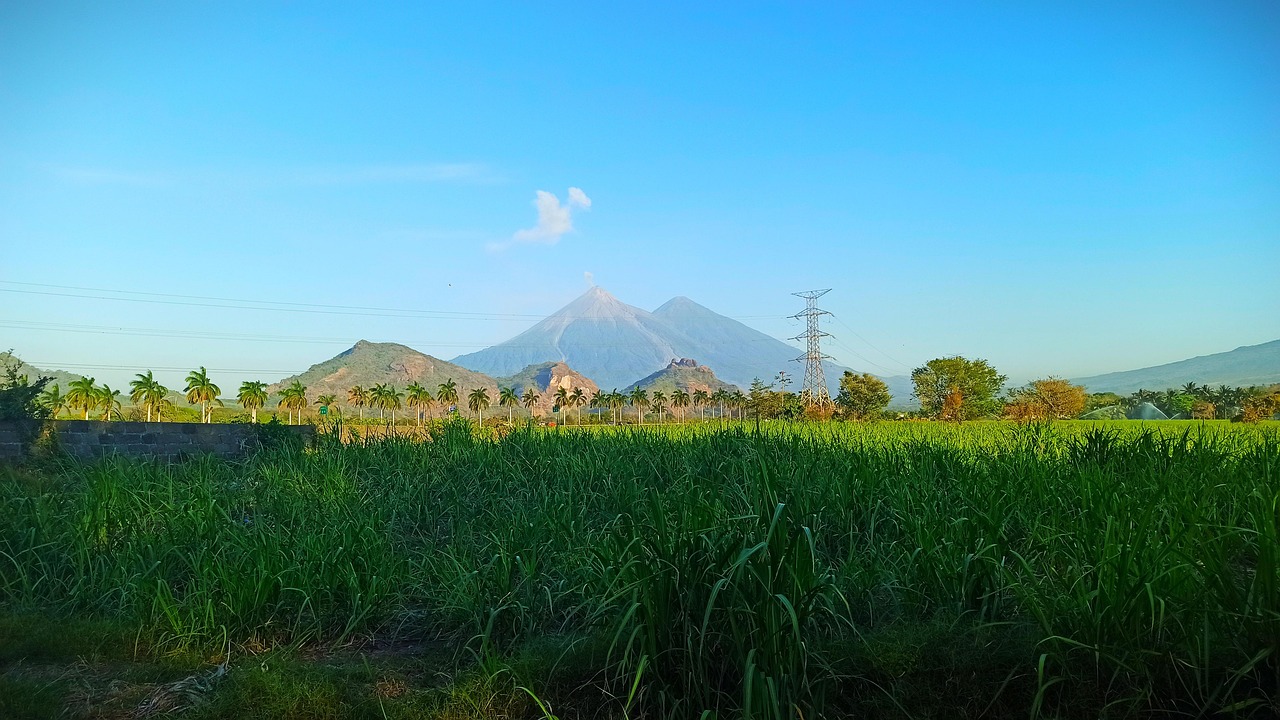
Alongside maize, families grow beans, squash, potatoes, and other crops suited to the cool highland air, rotating and combining them to keep the thin soils productive. Livestock such as sheep and small herds add wool, meat, and a measure of security against a bad harvest. The rhythm of clearing, planting, weeding, and harvesting has long set the pace of village life, binding neighbors together in cycles of shared labor.
This older way of life was never static, but it carried a deep continuity. Knowledge of when to plant, how to read the clouds, and which slopes favored which crops passed from parents to children as a living inheritance. Even as roads, markets, and migration have transformed the region, the memory and practice of highland farming remain a touchstone of what it has meant, for generations, to be Chuj.
Even families who have moved to town or abroad often keep a foothold in farming, returning for planting and harvest or sending money to keep ancestral plots in the family. This attachment to the land runs deeper than economics, tying people to the graves of their ancestors and the ceremonies performed on familiar ground. To let go of the maize field entirely would feel, for many Chuj, like letting go of a part of themselves.
Community, Kinship and Social Life
Chuj society is built around family, kinship, and the local community more than around any distant authority. Extended families form the basic unit of daily life, sharing land, labor, and obligations across generations. Ties of blood and marriage knit hamlets together, and a person’s standing rests heavily on their relationships, their reputation for fairness, and their willingness to take part in communal duties.
Villages have long governed much of their own affairs through systems of shared responsibility, in which men and women take on rotating roles and duties for the good of the whole. Elders hold particular respect, valued for their memory, their judgment, and their knowledge of custom. Decisions that affect the community are often reached through discussion and consensus rather than command, reflecting a strong sense of collective belonging.
This social fabric has proven remarkably durable. Through colonial rule, upheaval, and modern change, the Chuj have kept community life at the center of their identity. Mutual aid in times of planting, illness, or loss continues to bind neighbors, and the sense that one belongs first to a family and a village remains a defining feature of what it means to live as a Chuj person.
Women play an especially central role in holding this social world together, managing households, passing on language and custom, and often anchoring the local economy through weaving and market trade. Their labor, both visible and unseen, sustains the community from one generation to the next. In honoring the strength of its families, Chuj society honors the women whose work makes that strength possible.
Faith, Ritual and the Sacred Landscape
Religion among the Chuj blends the deep Maya spiritual tradition with the Catholicism introduced during the colonial era, producing a living faith that is neither purely one nor the other. Many communities honor Christian saints and observe the church calendar while also maintaining rituals rooted in far older understandings of the earth, the mountains, and the ancestors. The two streams flow together, sometimes in tension but often in a rich and practical harmony.
At the heart of Chuj spiritual life is a sense that the landscape itself is alive and sacred. Mountains, caves, and springs are treated as powerful places where the human and the more-than-human worlds meet. Ritual specialists, sometimes called day-keepers, guide ceremonies tied to the ancient Maya calendar, offering prayers, candles, and copal incense to seek balance, health, and good harvests for the community.
These practices are not relics but part of everyday reality for many families. Prayers accompany planting and harvest, illness and recovery, birth and death. Even as evangelical churches have gained ground in recent decades and reshaped some communities, the underlying conviction that the world is charged with spiritual meaning continues to run deep, coloring how many Chuj understand their place in the cosmos.
Traditional Dress and Enduring Customs
Among the most visible expressions of Chuj identity is traditional dress, especially the woven garments worn by women. Made on backstrap looms and decorated with distinctive patterns and colors, these clothes carry meaning far beyond appearance. Particular designs can signal a person’s home community, and the skill and care poured into each piece reflect values of patience, artistry, and belonging that run through Chuj life.
Customs surrounding birth, marriage, and death remain rich with ritual and social meaning. Ceremonies mark the passage from one stage of life to the next, often combining Catholic elements with older Maya practices. Godparenthood and other bonds of ritual kinship extend a family’s network of support and obligation, tying households together in webs of mutual care that reach across whole villages.
Everyday courtesy, respect for elders, and the language of formal greeting all form part of the fabric of tradition. These customs are taught less through instruction than through example, absorbed by children as they watch and take part in the life around them. In holding to them, the Chuj sustain a distinct way of being in the world, one that continues to set them apart from their highland neighbors.
Weaving and the Crafts of Highland Hands
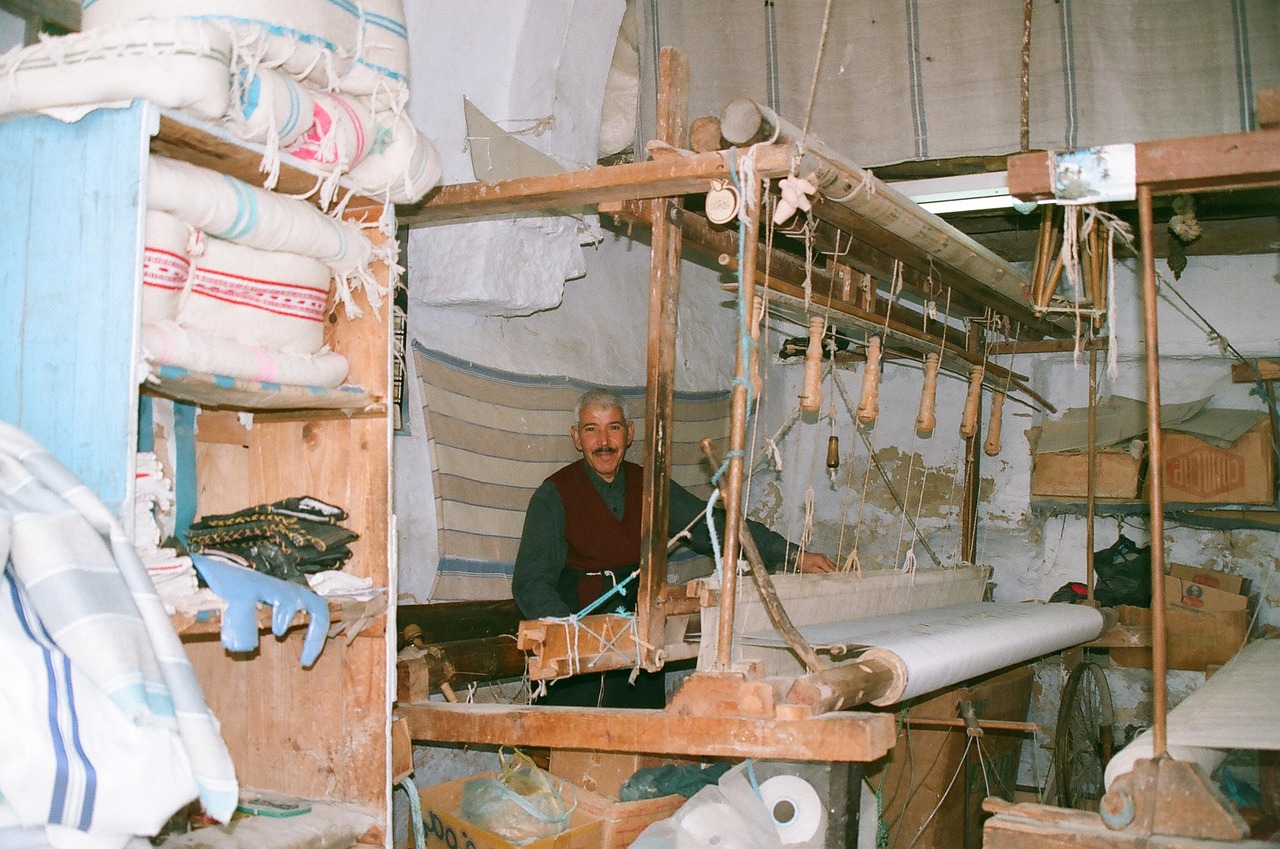
Weaving stands at the summit of Chuj craft, a skill passed from mother to daughter across generations. On simple backstrap looms tied to a post or tree and stretched by the weaver’s own body, women create textiles of striking complexity, working intricate patterns thread by thread. Each garment is the product of many hours of concentrated labor, and the finest pieces are treasured as expressions of both artistry and identity.
Beyond cloth, Chuj communities produce a range of practical crafts shaped by the materials of the highlands. Pottery, basketry, woodwork, and household tools are made by hand for daily use and for local markets. These goods reflect a long tradition of self-reliance, in which families provided much of what they needed from the resources around them and traded for the rest at regional market towns.
In recent years, some Chuj weavers and artisans have found new audiences beyond their home valleys, selling their work to visitors and wider markets. This can bring welcome income, but it also raises questions about how to protect designs and fair value. For many, the deeper meaning of craft remains unchanged, a way of keeping alive skills and patterns that carry the memory and pride of the community.
Maize, Beans and the Chuj Table
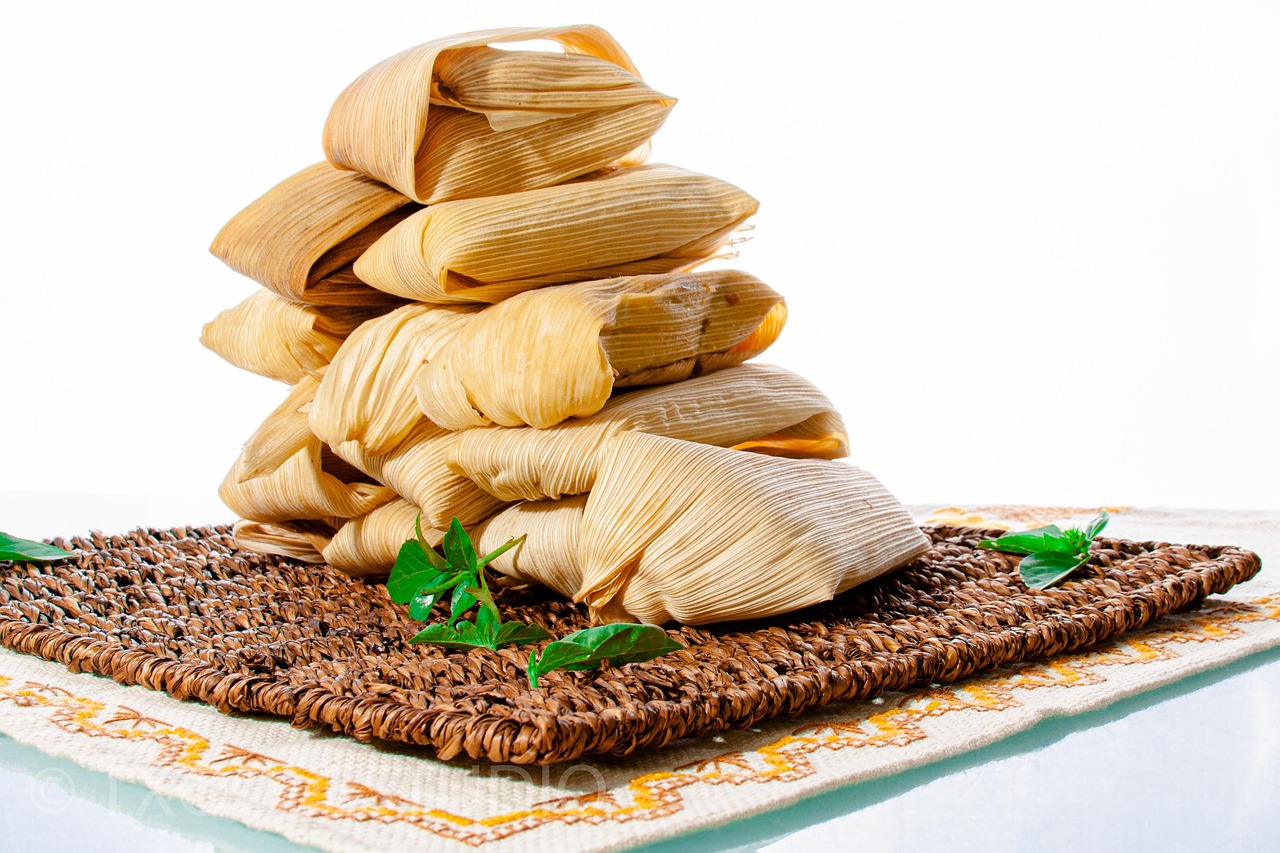
Food in Chuj households begins and ends with maize. Ground and shaped into tortillas eaten at nearly every meal, corn is also transformed into tamales, atole, and a variety of other dishes that anchor the daily diet. The labor of grinding and cooking, long carried out by women, is woven into the rhythm of the home, and the smell of tortillas on the griddle is among the most familiar signals of daily life.
Beans provide the essential companion to maize, supplying protein and forming, together with corn, the backbone of highland nutrition. Squash, chilies, herbs, and seasonal vegetables round out the table, while eggs and occasional meat mark special occasions. Simple, hearty, and suited to the cold climate, Chuj cooking makes the most of what the land and the market can provide.
Food is also deeply social. Sharing a meal cements bonds of kinship and hospitality, and festivals bring their own special dishes prepared in large quantities for the whole community. To offer food is to offer respect and welcome, and the preparation of festive meals draws families together in shared work. In this way the Chuj table nourishes not only the body but the ties that hold the community together.
Festivals, Markets and the Rhythm of the Year
The Chuj year is punctuated by festivals that blend religious devotion, community celebration, and the enduring pulse of the agricultural calendar. Patron-saint feasts fill the streets of highland towns with processions, music, and shared meals, drawing families in from scattered hamlets to worship, trade, and reconnect. These gatherings are among the high points of community life, awaited and remembered from year to year.
Market days serve a similar role on a smaller scale, turning town centers into lively crossroads where people meet to buy, sell, and exchange news. Beyond their economic purpose, markets are social events, places where relationships are maintained and where the wider Chuj world briefly comes together. The color and movement of a highland market capture the energy of a people rooted in place yet constantly in motion.
Celebrations tied to planting and harvest keep the sacred and the seasonal intertwined. Prayers for rain, thanks for a good crop, and rituals to protect the fields fold religious meaning into the practical business of survival. Through these festivals and gatherings, the Chuj mark the turning of the year and renew, again and again, the bonds that make them a community rather than merely a scattering of households.
Conquest, Survival and a Turbulent Past
The arrival of the Spanish in the sixteenth century brought profound upheaval to the Chuj, as it did to Maya peoples across the highlands. Conquest, disease, and forced resettlement reshaped communities, drawing them under colonial rule and the authority of the church. Yet the ruggedness of the Cuchumatanes offered a measure of shelter, and the Chuj managed to preserve much of their language, their customs, and their attachment to the land through centuries of outside control.
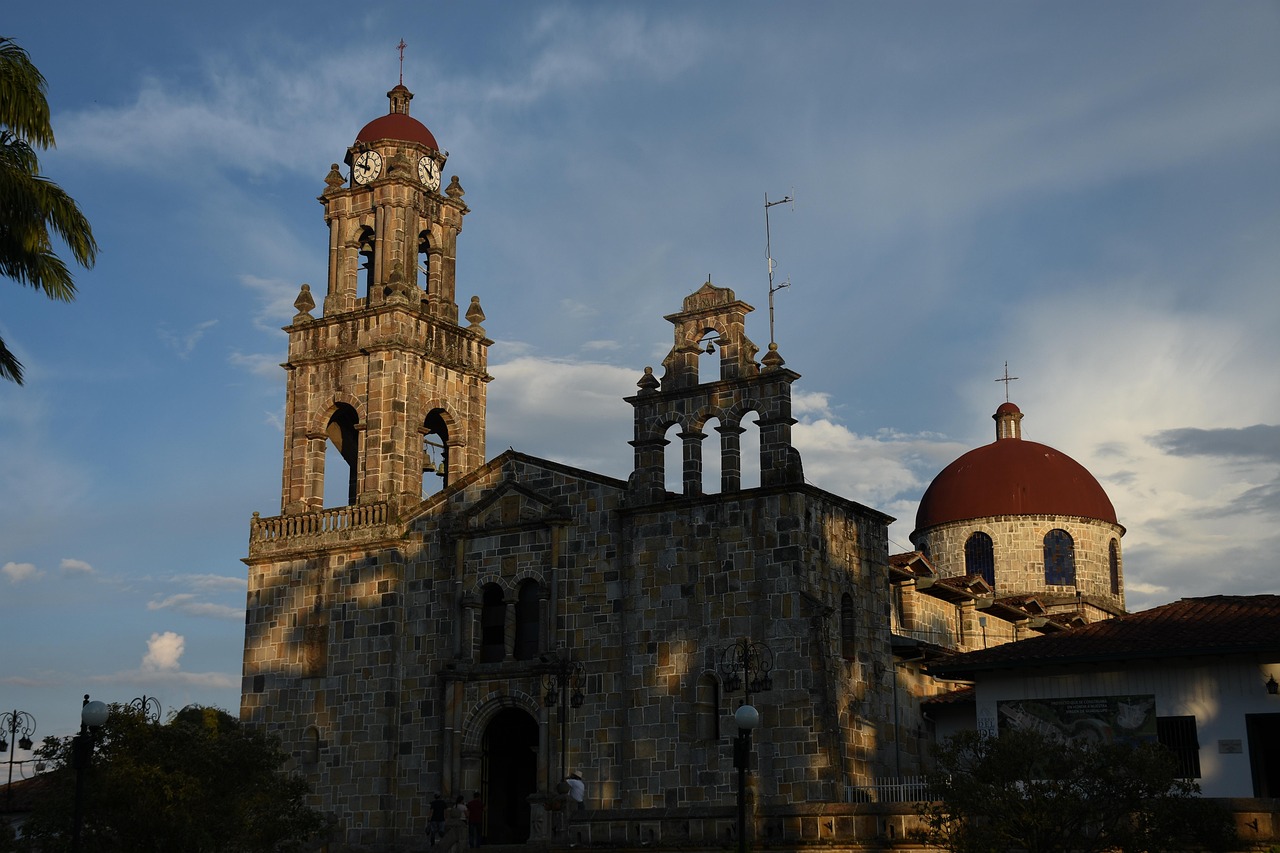
Independence and the rise of the modern state brought new pressures, from land loss to labor demands that pulled highland families toward distant plantations. Through it all, the Chuj held to their identity, adapting where they had to and resisting where they could. Their history is one of endurance, of a people repeatedly tested and repeatedly finding ways to remain themselves.
The late twentieth century brought some of the darkest chapters, as armed conflict swept the Guatemalan highlands and struck indigenous communities with particular cruelty. Many Chuj were displaced, some fleeing across the border to seek safety, and families carried the scars of loss for years afterward. That painful history still echoes today, but so does the resilience that carried the community through it, a quiet strength that continues to define the Chuj.
Those who returned after years of exile brought back new experiences and connections, further widening the horizons of highland communities. The memory of displacement lingers as both wound and lesson, sharpening the community’s determination to protect its land, its language, and its right to define its own future. From hardship, the Chuj have drawn a fierce commitment to endure on their own terms.
The Chuj People in the World Today
Today the Chuj remain a distinct and living people, rooted in their highland homeland even as their world grows larger and more connected. Roads, schools, mobile phones, and electricity have reached communities that were once remote, changing daily life and opening new possibilities while also introducing new pressures on language and custom. The challenge, as ever, is to embrace change without losing what makes the Chuj who they are.
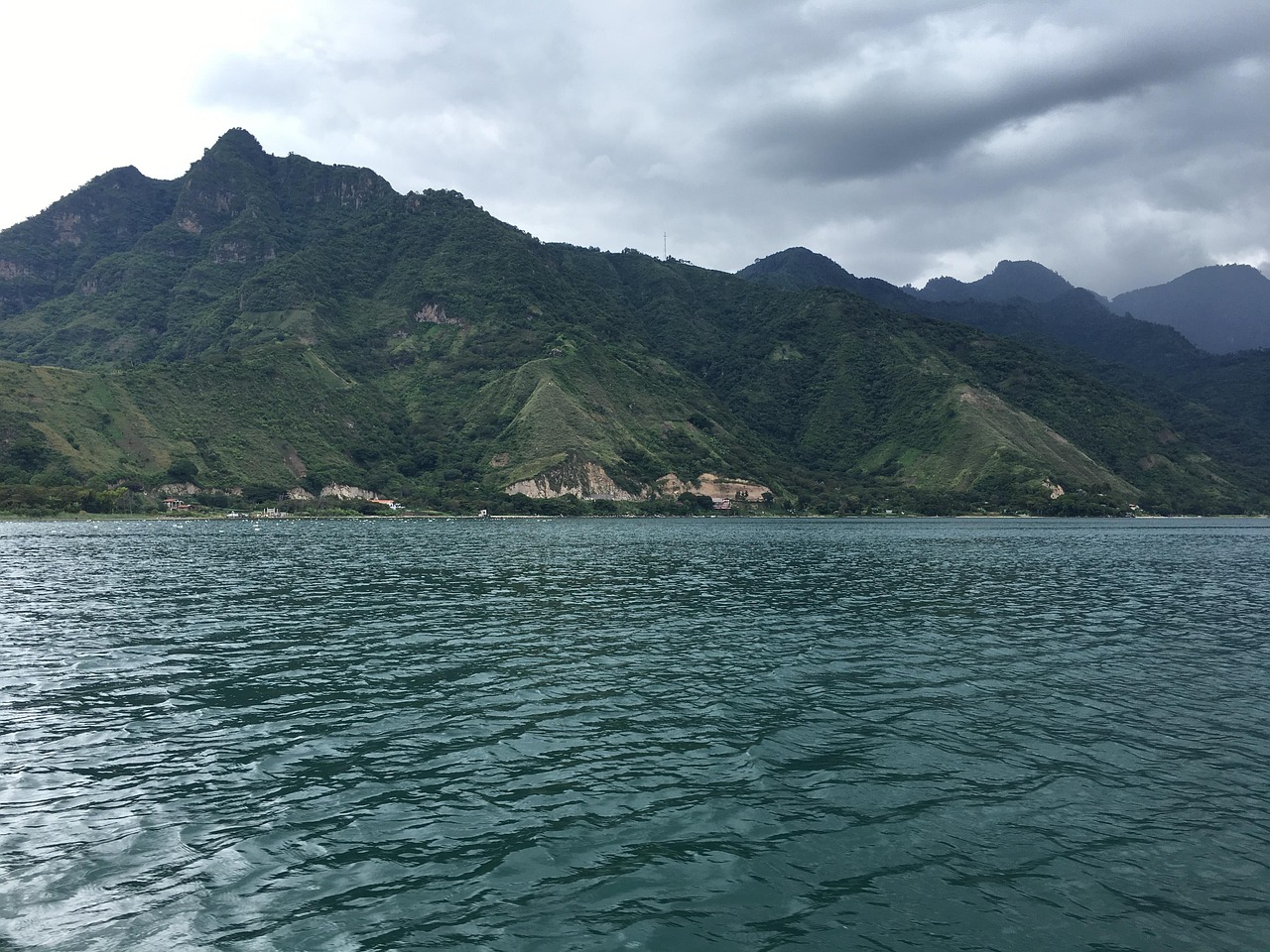
Migration has become a powerful force in Chuj life, with many traveling to Guatemalan cities or beyond in search of work. Money sent home reshapes households and villages, funding new homes and businesses while stretching families across great distances. This movement links the highland valleys to a wider world, creating communities that live in more than one place at once yet remain bound by shared origin.
Through all of this, a strong sense of Chuj identity endures. Cultural organizations, language efforts, and a growing pride in Maya heritage help sustain the traditions handed down through generations. Younger Chuj increasingly seek to honor their roots while making their way in a modern economy, carrying forward a story of survival and adaptation. The Chuj today stand as one of the many distinct peoples who give the Guatemalan highlands their remarkable human depth.
Related Peoples
Explore more of the distinct peoples of Mesoamerica and Central America:
- Meꞌphaa Speakers of the Guerrero Mountains and a Language That Stands Alone
- Garifuna Drummers and Cassava Bakers of the Central American Caribbean Coast
- Lenca Potters and River Defenders of the Honduran and Salvadoran Highlands
- K’icheʼ Maya, Guatemala’s Highland Nation of Maize and Memory
- Q’eqchiʼ Maya, a Rainforest People of Guatemala’s Land of True Peace
- Kaqchikel Maya, Guatemala’s Highland Rivals Who Reclaimed Their Freedom
- Mam Maya, a Mountain People of Guatemala’s Highest Frontier
- Tz’utujil Maya, a Lakeside People of Atitlán and Its Volcanoes
- Ixil Maya, Weavers and Survivors of Guatemala’s Mountain Triangle
- Q’anjob’al Maya, a Highland People Who Reached from the Cuchumatanes to America
You May Like
The Damara, an Ancient People of Namibia