Near the mouth of the mighty Congo River, where the second-longest river in Africa pours its vast flood into the Atlantic, there arose one of the most famous kingdoms of the continent. Its people were the Kongo, or Bakongo, a Bantu nation whose kingdom, centred south of the great river in what is now northern Angola and the western Congo, grew into a powerful and centralised state that dazzled the first Europeans to reach it and whose kings corresponded with the popes and monarchs of Renaissance Europe. Few African peoples entered the history of the wider world so early or so dramatically.
This is the story of the Bakongo and the kingdom they built on the lower river. It is a story of the Manikongo and his provinces, of matrilineal clans and villages, of the high god Nzambi and the ancestors and the nail-studded power figures called minkisi, of the velvety raffia cloth and the Congolese rumba, and of the cassava that feeds the people. It is also a story of an early embrace of Christianity and diplomacy with Europe, and of a kingdom broken by the Atlantic slave trade, told by a people spread today across three nations.
Contents
- The People of a Great Riverside Kingdom
- Kongo, Bakongo, and the Speakers of Kikongo
- Kikongo, a Language of the Lower River
- The Land Around the Mouth of the Congo
- The Manikongo, the Provinces, and the Kingdom
- Clans, Villages, and the Bonds of the Kongo
- The High God, the Ancestors, and the Minkisi
- The Nkisi, the Raffia Cloth, and the Ways of the Kongo
- Weavers, Carvers, and the Smiths of the Kingdom
- Cassava, the River, and the Table of the Kongo
- The Enthronement, the Dance, and the Feasts
- From the Kingdom of Kongo to the Modern Nations
- The Kongo of Three Modern Countries
The People of a Great Riverside Kingdom
Near the mouth of the mighty Congo River, where the second-longest river in Africa pours its vast brown flood into the Atlantic, there arose one of the most famous kingdoms of the continent. Its people were the Kongo, or Bakongo, a Bantu nation whose kingdom, centred south of the great river in what is now northern Angola and the western Congo, grew into a powerful and centralised state that dazzled the first Europeans to reach it and whose kings corresponded with the popes and monarchs of Renaissance Europe. Few African peoples entered the history of the wider world so early or so dramatically.
The Kongo are a Bantu people, part of the vast family whose ancestors spread across much of Africa, and they settled the fertile country of hills, valleys, and forest-savanna south of the lower Congo, building a society of farming villages that in time gathered under a single crown. From this base they created the Kingdom of Kongo, a realm of provinces, chiefs, and a capital, one of the great states of west-central Africa, rich on the trade of the region and organised with a sophistication that impressed all who encountered it.
Their story is one of a great kingdom that rose on the lower river, embraced Christianity and diplomacy with Europe in the fifteenth and sixteenth centuries, and was then slowly undermined and broken by the very Atlantic trade, above all the trade in enslaved people, that its contact with Europe unleashed. Today the Bakongo are a large people spread across three modern nations, heirs to the memory of a kingdom whose name still echoes through the history of Africa and the Atlantic world.
Kongo, Bakongo, and the Speakers of Kikongo
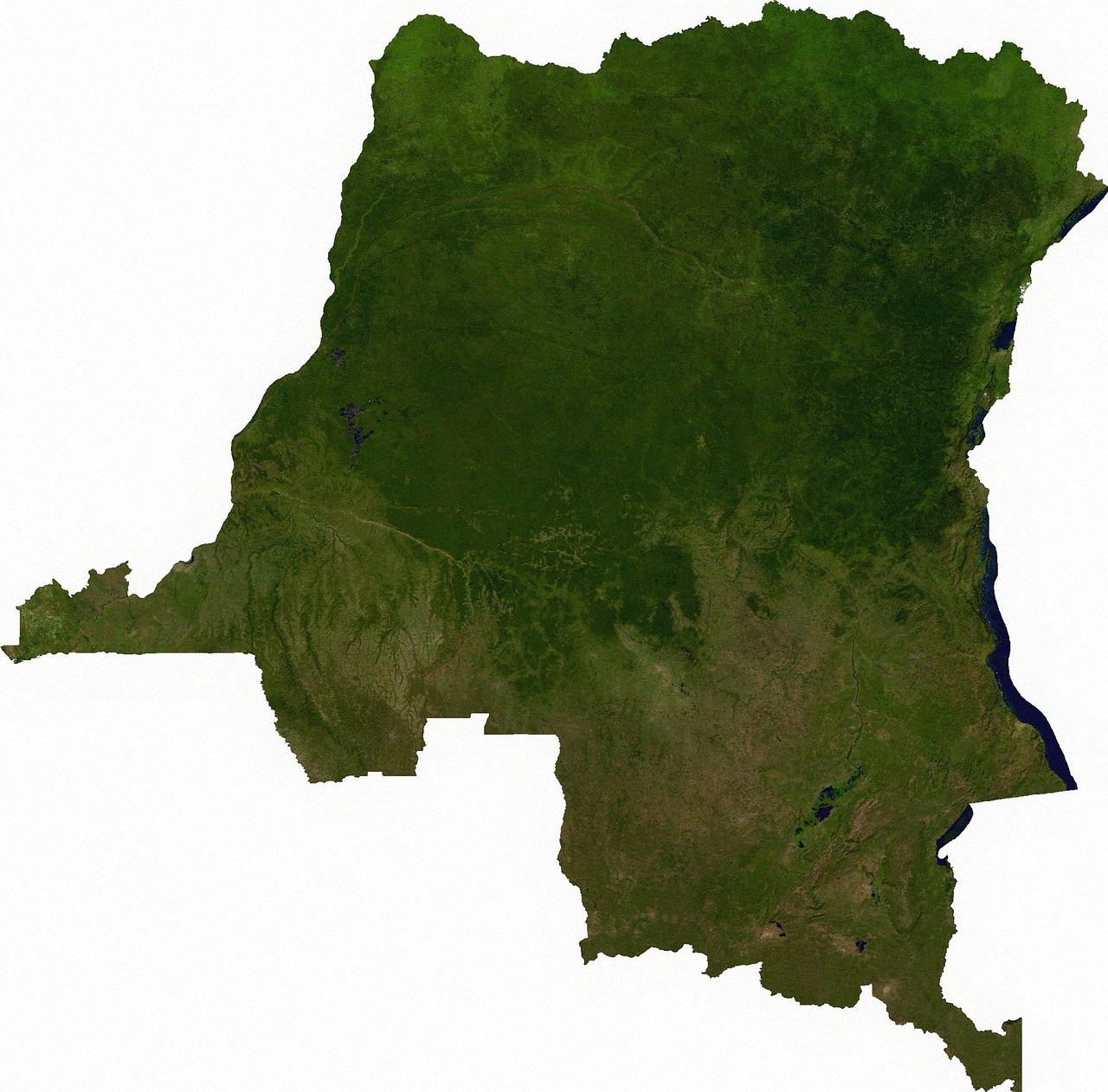
The people call themselves the Bakongo, the people of Kongo, a single person being a Mukongo, and their language Kikongo, all built with the prefixes of the Bantu tongue on the root Kongo, the name of their ancient kingdom and land. From this kingdom the name spread far, for it was given by Europeans to the great river on whose lower course the kingdom lay, and through the river to the two vast modern nations, the Democratic Republic of the Congo and the Republic of the Congo, that bear the name today.
The Bakongo are divided into a number of sub-groups and a great many clans and lineages, spread across the lands that once formed the kingdom and its neighbours, in the western Congo, the enclave of Cabinda, and above all in northern Angola, where they are one of the major peoples of the country. Each group and clan keeps its own local identity beneath the shared name, but all are bound by the common language, the common descent, and the memory of the great kingdom that once united them.
Beneath the many clans lies the deep unity of the Bakongo, one in language and conscious of their common origin in the old kingdom, and the name Kongo carries a weight of history unmatched by many, tied as it is to a state famous across the Atlantic world. In the single name Bakongo, the people of the lower river recognise their descent from one of the great kingdoms of Africa, and their kinship across the borders of three modern lands.

Kikongo, a Language of the Lower River
The Bakongo speak Kikongo, a Bantu language of the Niger-Congo family spoken across the lands of the old kingdom in Angola, the two Congos, and Cabinda, one of the important languages of west-central Africa. As a Bantu tongue it is built on the system of noun-classes characteristic of that great family, and it exists as a chain of related dialects across the wide Kongo country, understood among neighbours and shading gradually one into another across the region.
Kikongo holds a special place in the history of African languages, for it was one of the first Bantu languages to be written down, reduced to writing by missionaries at the court of the Christian kings of Kongo in the sixteenth century, and it acquired an early written form and religious literature centuries before most African languages were ever committed to paper. This early literacy, born of the kingdoms embrace of Christianity and its diplomacy with Europe, gave Kikongo a documented history reaching back five hundred years.
The language carries a deep oral heritage of proverbs, tales, songs, and the praise and history of the kingdom, and a simplified trade form of it, Kituba, spread widely as a common language along the river and the trade routes. Today Kikongo and its offshoots are spoken by many millions, and the language has even given words to the wider world, for terms carried across the Atlantic by enslaved Kongo people entered the speech of the Americas. In its early literacy and its wide reach, Kikongo is a language of real historical weight.

The Land Around the Mouth of the Congo
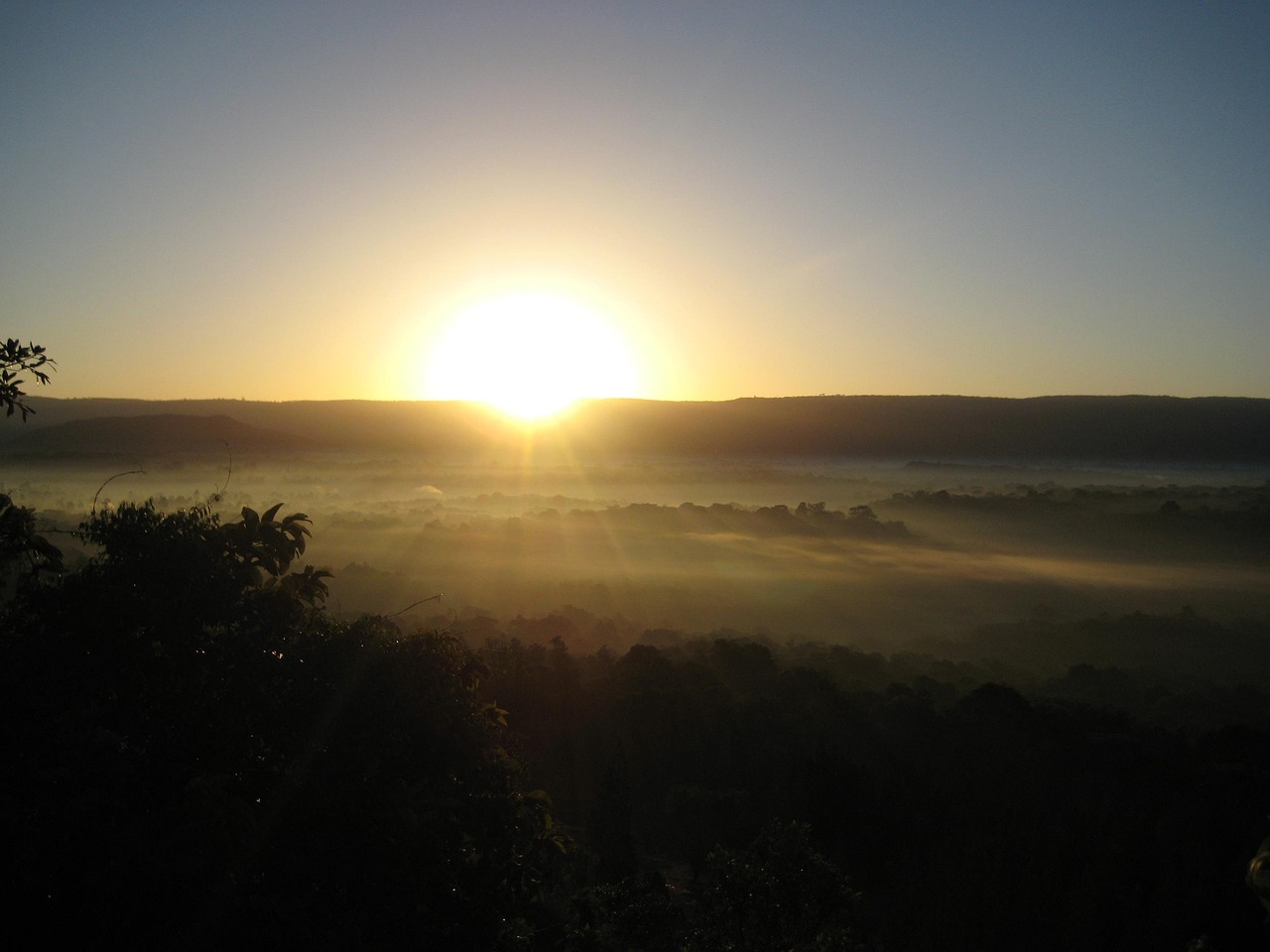
The Kongo homeland is the country around the lower course and the mouth of the great Congo River, a region of rolling hills, grassy valleys, and patches of forest lying south of the river in what is now northern Angola, the western Democratic Republic of the Congo, the Republic of the Congo, and the coastal enclave of Cabinda. It is a land of forest-savanna mosaic, neither the deep rainforest of the Congo basin nor open grassland, but a mixed and fertile country of woodland and field well suited to the farming of the people.
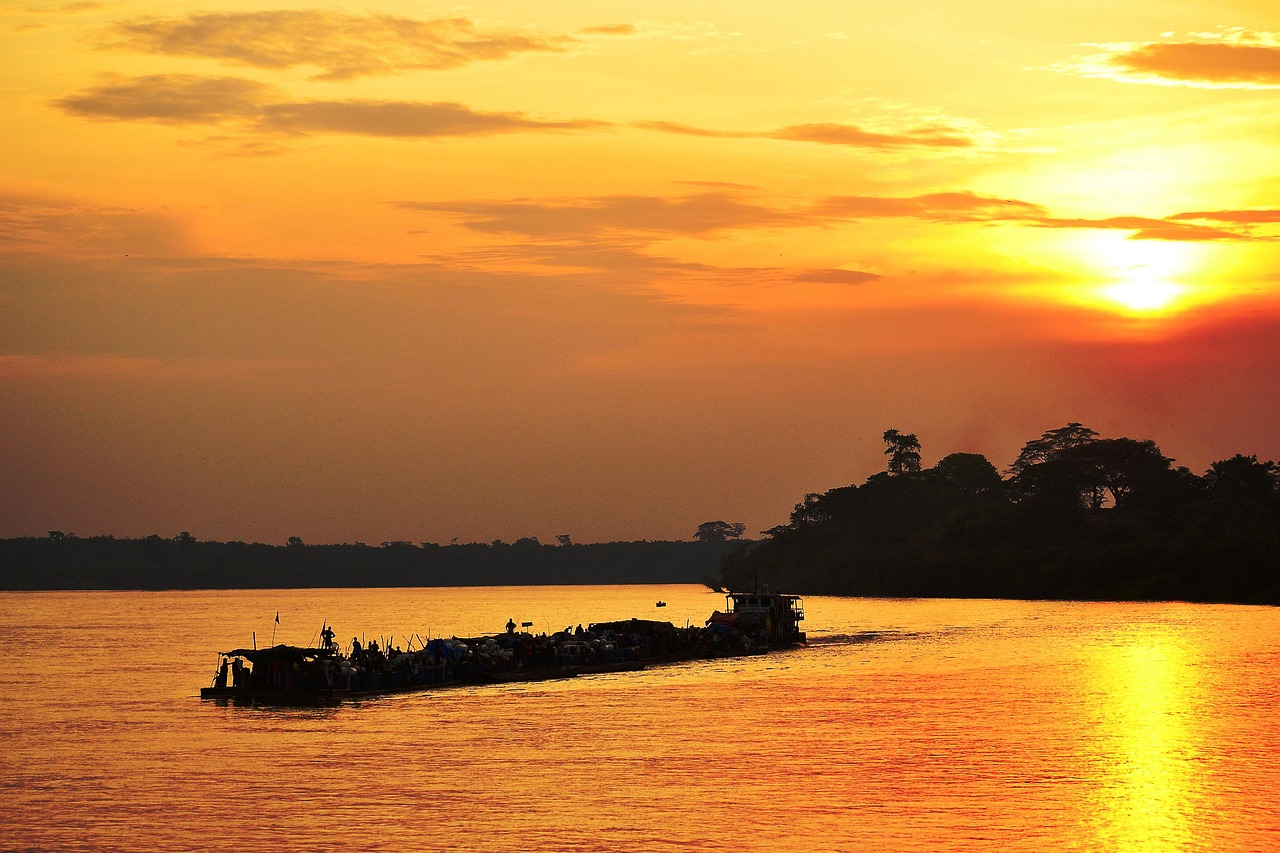
The great river dominates the region, the Congo, second only to the Nile in length among African rivers and by far the mightiest in the volume of its flow, pouring an immense flood of water down through a succession of great cataracts to the sea. The lower river, below the falls, was navigable to the ocean, and its mouth gave the kingdom its window onto the Atlantic, the point where the ships of Europe first arrived. Along the river and the coast lay the ports and the routes through which the trade of the kingdom flowed.
This was a fertile and well-watered land, with reliable rains and a warm climate, able to support a dense farming population on its hills and in its valleys, and the mix of forest and savanna gave the people both the crops of the field and the products of the woodland. The capital of the kingdom stood inland on a commanding height, and around it spread the provinces of a realm that reached from the coast into the interior. On this fertile country by the great river, the Bakongo built their kingdom.
The Manikongo, the Provinces, and the Kingdom
The old Kongo world was a centralised kingdom of real sophistication, crowned by the Manikongo, the king of Kongo, who ruled from his capital on a height inland, later renamed San Salvador after the kingdoms conversion to Christianity. The Manikongo governed through a structure of provinces, each under a governor, and a court of officials and nobles, and his authority, though hedged by custom and by the power of the provincial lords, reached across a broad realm. The kingdom raised revenue, administered justice, and fielded armies, and it used a currency of shell money for its trade.
The kingdom was divided into provinces governed by appointed officials, many of them royal appointees who could be moved and dismissed, giving the crown a reach greater than a system of hereditary chiefs alone would allow, though the great provincial lords retained much power and the succession to the throne was often contested among rival claimants. Below the provinces lay the districts and the villages, and a chain of authority ran from the king through the governors to the local headmen, binding the realm together.
Society under the kingdom was ordered into ranks, the royal lineage and the nobility who filled the offices of state, the free commoners who farmed and traded, the artisans, and, at the bottom, the enslaved, whose numbers and whose trade would grow catastrophically with the coming of the Atlantic commerce. The capital was a true town of many thousands, with its royal quarter, its churches after the conversion, and its markets. In the Manikongo, the provinces, and the court, the Bakongo built one of the great kingdoms of Africa.
Clans, Villages, and the Bonds of the Kongo
Kongo society was built on the clan and the lineage, and among the Bakongo descent was traced above all through the mother, in the matrilineal fashion, so that a person belonged to the clan of their mother and inherited position and property through the maternal line. This matrilineal reckoning, common among the peoples of the region, shaped inheritance, marriage, and the succession to office, and gave the mothers brother a place of special importance in the life of a child. The clans, spread across the land, tied the people into a web of kinship that crossed the divisions of province and village.
The village, a cluster of households under a headman, was the basic unit of daily life, set amid the fields and the woodland, and the villages were grouped into the districts and provinces of the kingdom. Within this order a person rose through birth, through the favour of the powerful, and through wealth and ability, and the nobility who filled the offices of the kingdom were distinguished from the free commoners who worked the land and from the enslaved who laboured beneath them. Marriage, sealed by the giving of bride-wealth, joined lineages and was the foundation of the family.
The values of Kongo society were those of a kingdom and a farming people, respect for the king, the chiefs, and the elders, the honouring of the ancestors and the clan, hospitality, and the bonds of kinship and village. The matrilineal clan gave a person their deepest identity and their network of support, and the ceremonies of birth, marriage, and death gathered the kin and renewed the bonds of the lineage. In clan, village, and kingdom, the Bakongo wove a society of real order and depth.
The High God, the Ancestors, and the Minkisi
The traditional religion of the Bakongo centred on a high creator God, Nzambi a Mpungu, the maker of all things, distant and supreme, and on a rich world of ancestral spirits and lesser powers that governed the affairs of daily life. Central to Kongo belief was a profound sense of the two worlds, that of the living and that of the dead, separated yet joined, often pictured as divided by water, and the dead, the ancestors, remained a living presence who watched over, blessed, and could trouble their descendants, and who had to be honoured and remembered.
The most famous expression of Kongo religion is the nkisi, the power object or charm, plural minkisi, in which a ritual specialist, the nganga, bound and activated spiritual force to heal, to protect, to punish wrongdoing, and to bind oaths. The most striking of these are the great wooden power figures studded with nails and blades, the nail-fetishes that have become famous in the museums of the world, each nail driven in to seal an agreement or to rouse the spirit to action. These objects, and the ritual knowledge of the nganga, gave people a means to deal with the unseen forces that shaped their fortunes.
In the fifteenth century the kingdom embraced Christianity, when the Manikongo and his court were baptised and Kongo became a Christian kingdom that built churches, corresponded with Rome, and produced its own saints and devout kings, blending the new faith with the old in a distinctive Kongo Christianity. Today most Bakongo are Christians, often in vigorous independent churches, some of them descended from prophetic movements born on Kongo soil, yet the old beliefs in the ancestors, the two worlds, and the power of the nkisi have never wholly faded.

The Nkisi, the Raffia Cloth, and the Ways of the Kongo
The most distinctive traditions of the Bakongo cluster around the world of the nkisi and the ritual arts, above all the great carved power figures, the nail-studded wooden statues into which the nganga bound spiritual force, and the carved staffs, ceremonial vessels, and figures that served the rites of the ancestors and the powers. The art of the Kongo, its serene carved figures, its expressive power objects, and its distinctive cross-shaped cosmogram marking the meeting of the worlds of the living and the dead, is among the great artistic traditions of Africa and has profoundly influenced the art of the wider world.
Textiles were another glory of the Kongo, above all the fine cloth woven from the fibres of the raffia palm, worked in intricate patterns and cut into a velvety pile so admired that it astonished European visitors, who compared it to the finest of their own fabrics. This raffia cloth clothed the nobility, served as a currency and a store of wealth, and was worked into the ceremonial dress and the mats and hangings of the great, a craft of extraordinary refinement.
Music and dance run through Kongo life, and the region is famous in the modern age as the home of Congolese rumba and the soukous that grew from it, styles that conquered the dance floors of Africa and the world, born of the deep Kongo tradition of song and rhythm. The drums, the songs, and the dances marked every celebration and rite, and the funerals in particular were great occasions of music and gathering. In carved figure, raffia cloth, and dance, the Bakongo kept their distinctive traditions.

Weavers, Carvers, and the Smiths of the Kingdom
The crafts of the Bakongo were among the most admired in all of Africa, and none more so than the weaving of raffia cloth, the fine textile made from the fibres stripped from the fronds of the raffia palm. On their looms the weavers produced cloth of intricate geometric pattern, and by a painstaking process of cutting and clipping they raised a soft velvety pile upon it, creating a fabric so fine that the Europeans who saw it likened it to velvet and damask. This raffia cloth was the great luxury and currency of the kingdom, clothing the nobility and marking wealth and rank.
Woodcarving was a supreme Kongo art, producing the serene ancestral figures, the nail-studded power objects, the carved staffs and scepters of authority, and the ceremonial vessels and pipes of the great, worked with a skill and expressiveness that place Kongo sculpture among the treasures of world art. The carvers served the courts, the shrines, and the ritual specialists, and their images of mother and child, of chiefs, and of the powers embodied the beliefs and the authority of the society.
The blacksmiths held an honoured and even sacred place, for the working of iron was tied in Kongo thought to the power of kingship itself, and the smith who forged the tools, the weapons, and the ceremonial iron was a figure of respect and mystery. Potters shaped the clay vessels of the household, and other artisans worked in ivory, in fibre, and in the many products of the forest and the field. In raffia cloth, carved figure, and forged iron, the crafts of the Bakongo adorned and served a great kingdom.

Cassava, the River, and the Table of the Kongo
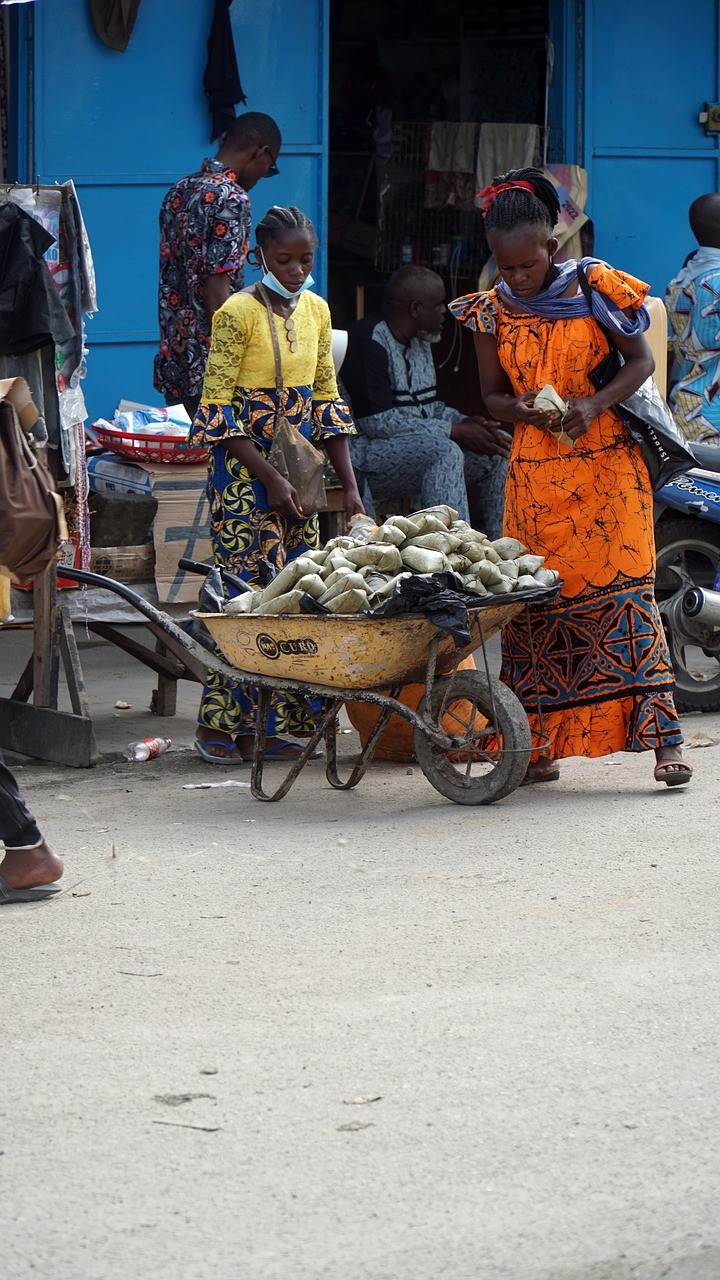
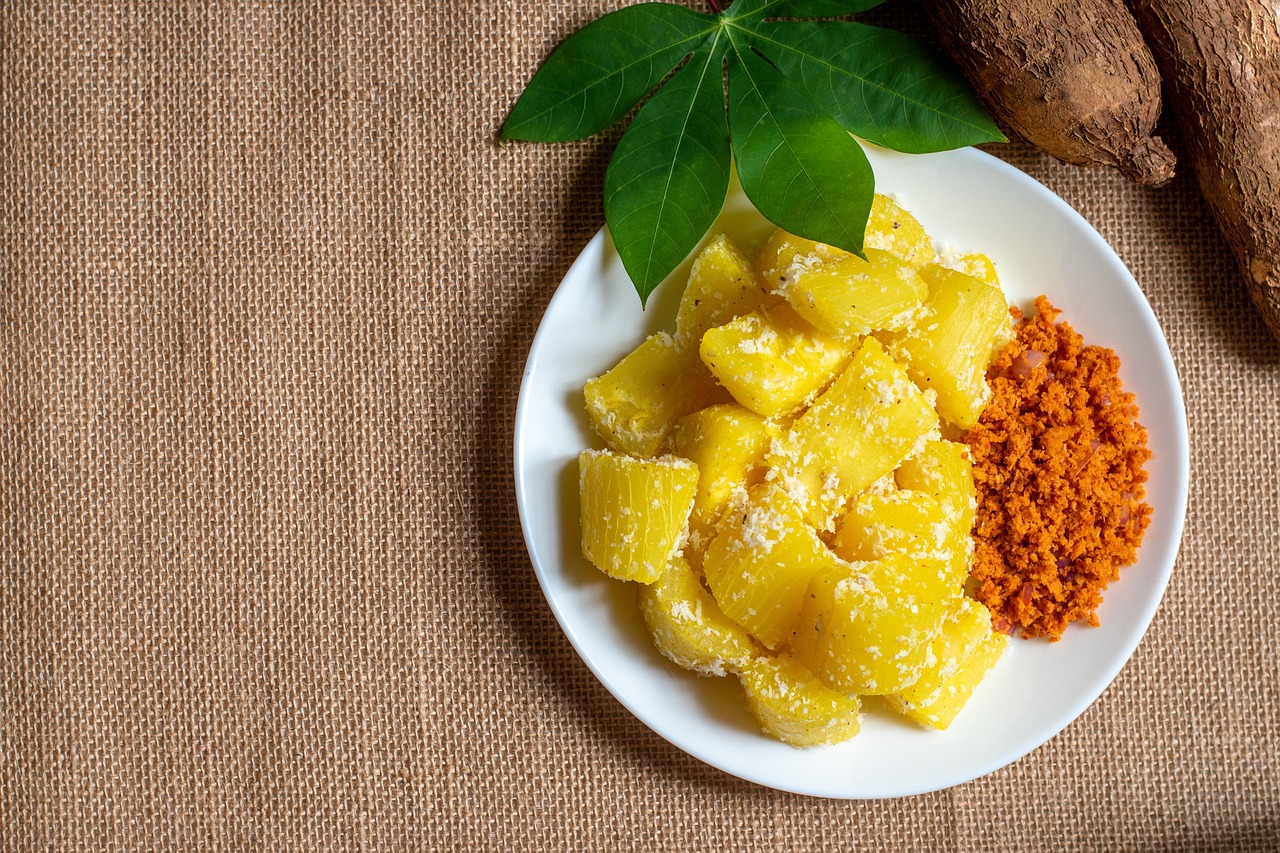
The food of the Bakongo is built above all on cassava, the starchy root that came from the Americas through the Atlantic trade and became, over the centuries, the great staple of the whole region, so thoroughly adopted that it is now the very foundation of the diet. The root is soaked, dried, and pounded into flour and cooked into the thick, dense paste that is the daily bread of the people, eaten with sauces and stews, and its leaves too are cooked as a nourishing green, so that the whole plant feeds the household.
Around the cassava the Bakongo built a diet of the field, the forest, and the river. Bananas and plantains, yams, groundnuts, beans, and a variety of greens and vegetables grew in the gardens and fields, and the oil palm gave the red palm oil that colours and enriches the cooking. From the great river and its tributaries came fish, fresh, smoked, and dried, a vital source of protein, and from the forest came game, mushrooms, wild fruits, and the edible caterpillars and grubs that are a valued delicacy of the region.
Meat from goats, chickens, and, on great occasions, larger animals graced the feasts, and palm wine, tapped from the oil palm, flowed at celebrations and in the daily sociability of the people. The sharing of a meal of cassava paste and a rich sauce of fish or greens expressed the deep Kongo values of hospitality and family. In cassava above all, with the fish of the river and the oil of the palm, the food of the Bakongo is the taste of the lower Congo.
The Enthronement, the Dance, and the Feasts
The grandest ceremonies of the old Kongo world were those of the kingship, above all the enthronement of a new Manikongo, an elaborate ritual in which the king was invested with the sacred emblems, the cap, the staff, and the regalia of his authority, and confirmed in his sacred role as the link between his people, the ancestors, and the powers. The installation of chiefs, the ceremonies of the court, and the rituals surrounding the sacred person of the king marked the public life of the kingdom with pageantry and solemnity.
The rites of the ancestors and the powers filled the religious calendar, the ceremonies conducted by the nganga to activate the minkisi, to heal, to protect, and to seek the blessing of the spirits, and the great gatherings for the honouring of the dead. The funerals in particular were, and remain, occasions of enormous importance, prolonged affairs of mourning, music, dance, and feasting that gather the whole lineage to honour the dead and to see them safely into the world of the ancestors, for the bond between the living and the dead lies at the heart of Kongo life.
With the coming of Christianity the Bakongo added the feasts of the church, kept with worship and celebration, and the vigorous independent and prophetic churches born on Kongo soil brought their own fervent gatherings of song and dance. The joyful ceremonies of birth, naming, and marriage, and the great celebrations of the community, ring with the music for which the Kongo are famous. Through the rites of kingship, ancestor, and church, the Bakongo mark the passages of life and the memory of their kingdom.

From the Kingdom of Kongo to the Modern Nations
The Kingdom of Kongo arose in the fourteenth century when, according to tradition, a conqueror from across the river founded a state that gathered the peoples of the lower Congo under a single crown, building a centralised realm with its capital on the inland height. By the time the Portuguese arrived by sea in 1483, Kongo was a powerful and well-organised kingdom, and its rulers, seeing opportunity in the newcomers, embraced Christianity and diplomacy, so that the Manikongo Afonso, baptised and devout, corresponded with the king of Portugal and the pope and sought to build a Christian kingdom in alliance with Europe.
This early and hopeful contact soured under the weight of the Atlantic slave trade, for the Portuguese demand for enslaved people drew Kongo into a devastating traffic that fed on war and raiding and undermined the kingdom from within, corrupting its politics and depopulating its lands. The kingdom struggled to control the trade and to preserve its independence, and after a catastrophic defeat by the Portuguese in the seventeenth century its central authority crumbled, though the throne and the memory of the kingdom endured in weakened form for generations more.
In the colonial partition of Africa the lands of the Bakongo were divided among the Portuguese in Angola, the Belgians in the Congo, and the French, cutting the people among different rulers, and a great prophetic and nationalist movement arose among them in the twentieth century in resistance to colonial rule. The Bakongo played a leading part in the coming of independence to Angola and the Congos. From the glory of the kingdom through the ruin of the slave trade to the modern nations, the Bakongo have carried a long and storied history.

The Kongo of Three Modern Countries
Today the Bakongo are a large people divided among three modern nations, with their greatest numbers in northern Angola, where they are one of the countrys major peoples, and large communities in the Republic of the Congo, around its capital Brazzaville, and in the western Democratic Republic of the Congo, around the great city of Kinshasa. Across these borders they remain conscious of their common origin in the old kingdom and bound by the Kikongo language and the shared heritage of their history, one of the great peoples of west-central Africa.
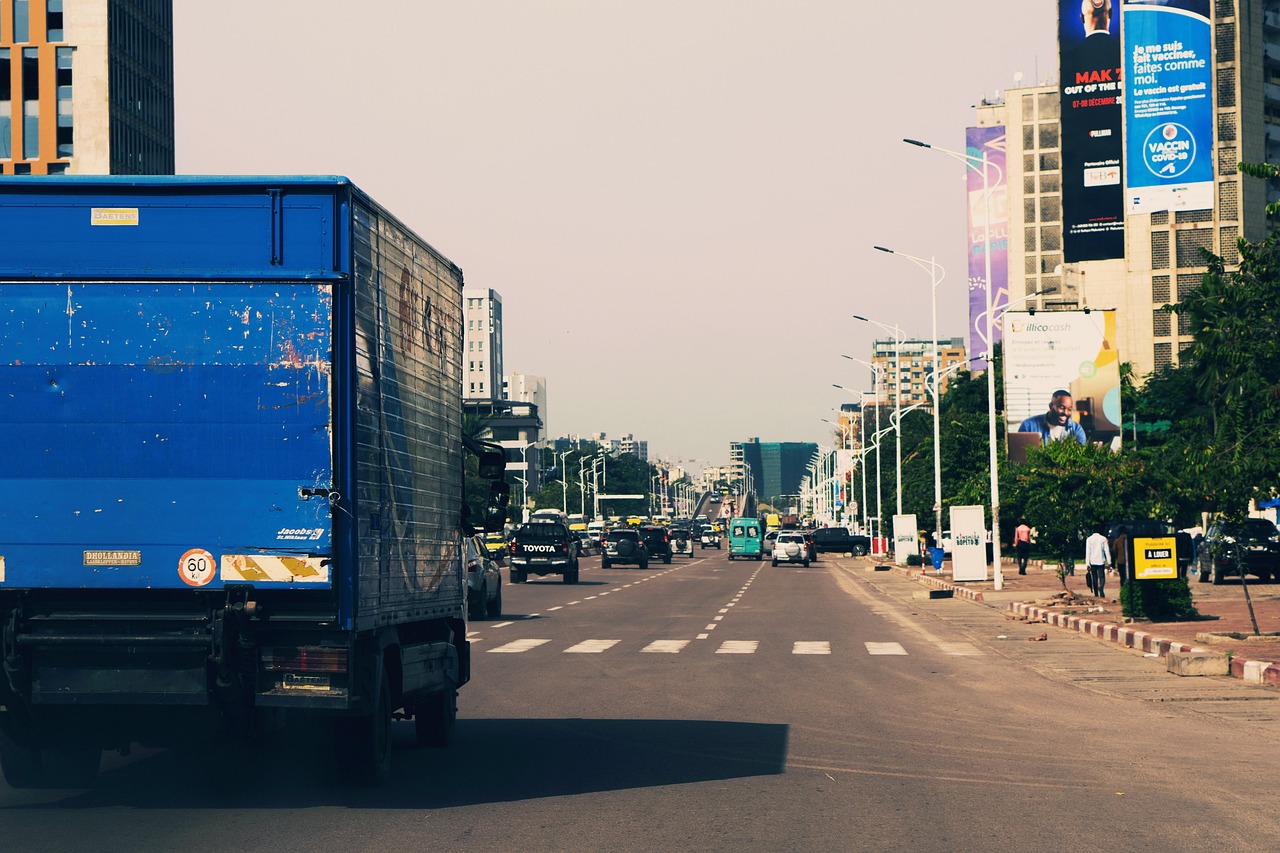
The modern history of the Bakongo has been marked by their prominence in the struggles and the turbulence of their nations, for they played leading roles in the movements for independence and in the politics that followed, and their lands have known the upheavals, conflicts, and hardships that have troubled the region. The vast cities of Kinshasa and Brazzaville, facing each other across the great river, are among the largest in Africa and are heartlands of a vibrant Kongo urban culture, above all in music.
Through all the changes of the modern age the culture of the Bakongo flourishes, and nowhere more gloriously than in music, for the Congolese rumba and soukous born of the Kongo tradition became the most influential popular music of the whole continent, carrying the Kongo sound across Africa and the world. The Kikongo language thrives, the memory of the kingdom endures as a source of pride, and the arts and beliefs of the people live on. Heirs to one of Africas most famous kingdoms, the Bakongo carry their heritage into the modern life of three nations.
Related Peoples of the Region
- Luba of the Southern Savanna and Their Empire of Sacred Kings and Memory Boards
- Kuba of the Kasai and Their Kingdom Where Everything Became Art
- Fang of the Equatorial Forest and Their Guardian Figures That Changed Modern Art
- Mongo of the Congo Rainforest and Their Epic of the Hero Lianja
- Chokwe of the Angolan Woodlands and Their Masks and Chairs of Carved Wonder
More Peoples of the World
You May Like
The Zaza, a Mountain People of Eastern Anatolia


3 thoughts on “Kongo of the Lower River and Their Kingdom That Wrote to the Pope”