Across the highlands and plains of the southern and central Horn of Africa spreads the largest single nation of the region, a people whose numbers, whose vast land, and whose ancient institutions place them among the great peoples of the continent. They are the Oromo, tens of millions strong, the most populous group in Ethiopia and a major presence in northern Kenya, herders and farmers of an enormous and varied country who once governed themselves through one of the most remarkable democracies the world has ever known.
This is the story of the Oromo and the world they built without kings. It is a story of the gadaa, the extraordinary system of age-grades and elected leaders that shared power peacefully across the generations, of the sky-god Waaqa and the great thanksgiving of Irreecha, of the long-horned cattle and the deep wells of the Borana, and of the coffee that was born in the Oromo forests and travelled to the whole world. It is also a story of conquest, suppression, and a long and continuing struggle for recognition, told by one of the great rising nations of modern Africa.
Contents
- The Largest Nation of the Horn of Africa
- Oromo, Galla, and the Reclaiming of a Name
- Afaan Oromoo, a Great Language of the Cushitic World
- The Highlands and Plains of Oromia
- The Gadaa, the Democracy of the Generations
- Clans, Age-Sets, and the Bonds of the Oromo
- Waaqa, the Sky God, and the Faiths of the Oromo
- Cattle, the Irreecha, and the Customs of the People
- Herders, Potters, and the Makers of Oromia
- Coffee, the Cow, and the Table of the Highlands
- Irreecha and the Great Thanksgiving by the Water
- From the Great Expansion to the Struggle for Recognition
- The Oromo in the Ethiopia of the Present
The Largest Nation of the Horn of Africa
Across the highlands and plains of the southern and central Horn of Africa spreads the largest single nation of the region, a people whose numbers, whose land, and whose ancient institutions make them one of the great peoples of the continent. They are the Oromo, tens of millions strong, the most populous group in Ethiopia and a major presence in northern Kenya, herders and farmers of a vast and varied country who once governed themselves through one of the most remarkable democratic systems the world has known.
The Oromo are a Cushitic people, speakers of a language rooted in the ancient African stock of the Horn, and their homeland stretches across an enormous swathe of the Ethiopian highlands and the lowlands around them. From the cool coffee forests of the southwest to the dry cattle plains of the south and the farming country of the centre, the Oromo adapted to every environment, and their spread across this great territory made them the demographic heart of the modern Ethiopian state.
Their story is one of a mobile, expanding, and self-governing people who in past centuries surged across much of the Horn, and who ordered their society not through kings but through the gadaa, a system of age-grades and elected leaders that shared power across the generations. It is also a story of later conquest and long struggle for recognition within the empire that absorbed them. To understand the Oromo is to understand both an ancient democracy and a modern people determined to claim their place.

Oromo, Galla, and the Reclaiming of a Name
The people call themselves Oromo, a name that in their own language carries the sense of the people or the free, and that binds together the many branches of a great and widespread nation. For centuries, however, outsiders and the imperial state called them by a different name, Galla, a term the Oromo themselves reject as an insult imposed from without. The reclaiming of the name Oromo, in place of the old and demeaning label, has been an important part of the peoples modern assertion of their identity and dignity.
The Oromo nation is made up of many great branches and confederacies, each with its own territory and character. The Borana and the Guji of the south, the Arsi of the southeast, the Macha of the west, the Tulama of the centre, and many others together make up the whole, sharing a common language and the heritage of the gadaa while keeping their own local identities. This division into many branches reflects the history of a people who spread across a huge land yet remained bound by a common tongue and common institutions.
Beneath the many branch-names lies the deep unity of the Oromo, expressed in the shared language, the shared traditions of the gadaa, and in recent times a powerful sense of common nationhood. The name Oromo has become a banner of that unity, gathering the scattered branches into a single people conscious of their numbers and their history. In insisting on their own name, the Oromo insist on being known as they know themselves, one of the largest and oldest nations of the Horn.
Afaan Oromoo, a Great Language of the Cushitic World
The Oromo speak Afaan Oromoo, also called Oromiffa, a language of the Cushitic branch of the great Afroasiatic family, related to Somali, Afar, and the other Cushitic tongues of the Horn. It is one of the most widely spoken languages in all of Africa, the mother tongue of tens of millions and a language of trade and communication across a broad region. For sheer number of speakers it ranks among the foremost African languages, and its importance has grown as the Oromo have asserted their place in Ethiopia.
For much of the twentieth century Afaan Oromoo was suppressed in favour of Amharic, denied a place in schools, government, and public life, and even forbidden in writing. Its speakers kept it alive in the home and the countryside through generations of official neglect, and its survival and flowering is one of the achievements of the Oromo national movement. In recent decades the language has been given the Latin alphabet, known as Qubee, and has blossomed in print, in schooling, and in the media of a self-governing Oromia.
The language carries a deep oral heritage of poetry, song, proverb, and the formal speech of the gadaa assemblies, where matters were debated and law was proclaimed aloud. The blessings of the elders, the praise-songs of celebration, and the great store of Oromo wisdom are all held in this tongue. Today Afaan Oromoo stands as one of the working languages of the Ethiopian federation and the proud vehicle of a resurgent people, its long suppression giving way to a new age of confidence.
The Highlands and Plains of Oromia
The Oromo homeland, known today as Oromia, is a vast and varied land that wraps around much of central and southern Ethiopia and reaches into northern Kenya. It is by far the largest region of Ethiopia, and its sheer diversity of landscape is remarkable, for it embraces cool green highlands, dense coffee forests, broad farming plateaus, and hot dry plains where only herders and their cattle can thrive. Few peoples command so wide a range of country, and this variety shaped the many ways of Oromo life.
In the well-watered highlands and the forests of the southwest the Oromo are settled farmers, and it is here, in the region long called Kaffa and its neighbours, that the coffee plant grows wild and gave the world its most famous drink. Across the central plateau lie the grain fields and the mixed farms, while to the south and southeast the land dries into the great pastoral country of the Borana and the Guji, where wealth is counted in cattle and life follows the search for grass and water across the plains.
This immense territory sits at the heart of the Ethiopian state, surrounding its capital and containing much of its best farmland and its coffee wealth. The Oromo adapted their institutions and their economy to each of its zones, from the intensive farming of the highlands to the far-ranging herding of the lowlands, and the management of scarce water in the dry south produced its own remarkable customs. In all its variety, Oromia is the broad and central homeland of the largest nation of the Horn.

The Gadaa, the Democracy of the Generations
The glory of the old Oromo world was the gadaa, one of the most sophisticated systems of self-government ever devised in Africa, a democracy built not on kings but on generations. Under the gadaa the men of the society passed together through a sequence of age-grades, each lasting eight years, moving step by step from youth through warriorhood to the responsibilities of rule and at last to the honoured status of retired elders. Power was held not for life but for a fixed term, and every eight years it passed peacefully to a new set of leaders.
At the head of the ruling grade stood elected leaders, the Abba Gadaa and his councillors, chosen for their wisdom and their capacity and answerable to the assembly of the people. Great gatherings met in the open air, often beneath a sacred tree, to debate the affairs of the nation, to proclaim and revise the law, and to settle disputes, and the decisions reached bound the whole society. The regular, peaceful handover of power every eight years, and the sharing of authority across the generations, gave the gadaa a stability and a fairness that astonished those who studied it.
The gadaa was far more than a government, for it ordered the whole of life, marking the passage of each man through his allotted grades and duties, regulating war and peace, and tying the social order to a sacred rhythm. Different Oromo branches kept their own gadaa systems, and among the Borana of the south the institution survived in its fullest form. In this remarkable arrangement the Oromo built an ordered, egalitarian society that governed a great nation for centuries without hereditary kings.
Clans, Age-Sets, and the Bonds of the Oromo
Oromo society is built on descent and on the age-system together, weaving the ties of clan and the ties of generation into a single fabric. Every Oromo belongs to a lineage and a clan that trace descent from common ancestors and that structure marriage, land, and mutual obligation, and the clans in turn belong to the great branches of the nation. Across this web of kinship runs the framework of the gadaa grades, which bound the men of each generation together as companions passing through life in step.
The values of the society were shaped by both the herding and farming worlds and by the ethic of the gadaa. Egalitarian in spirit, the Oromo prized the counsel of elders, the eloquence of the assembly, and the peaceful settling of disputes through mediation and customary law. Elaborate codes governed relations between the generations, between hosts and guests, and between the branches of the nation, and the blessing of elders was sought at every important step of life, for their word was believed to carry real power.
Family and community bound the people in daily life. Households were often large, hospitality was a sacred value, and cooperative labour and mutual aid helped families meet the demands of farming, herding, and the great expenses of ceremony. Marriage joined lineages in lasting alliance, and the rites of birth, initiation, marriage, and death gathered kin and neighbours together. Through clan and age-set, elder and assembly, the Oromo built a dense and resilient social order that held their great nation together across a vast land.
Waaqa, the Sky God, and the Faiths of the Oromo
The ancestral religion of the Oromo is the faith called Waaqeffanna, the worship of Waaqa, a single supreme God identified with the sky, the creator and sustainer of all things who upholds a moral order in the universe. Central to this faith is the idea of safuu, a sense of the right order and ethical balance of the world that human beings must respect, and the belief that Waaqa rewards truth and punishes wrong. Ritual experts and the elders of the gadaa mediated between the people and Waaqa, offering thanks and seeking blessing.
This monotheistic sky-worship was bound up with the sacred rhythms of the gadaa and with holy places in the landscape, above all the great Oda trees beneath which the assemblies met and prayers were offered. The most important of Waaqeffanna observances is the thanksgiving by the water, when the people gather to thank Waaqa for the passing of the dark rainy season and the coming of the bright harvest, carrying green grass and flowers as tokens of life and renewal. It is a faith deeply tied to nature, to gratitude, and to the moral order of the world.
Over the centuries many Oromo have embraced Islam and many others Christianity, so that today the nation is divided among Muslims, Orthodox and Protestant Christians, and followers of the old Waaqeffanna, often with the older beliefs surviving beneath the newer faiths. In the pastoral south and among some branches the ancestral religion remains strong, and in recent times there has been a revival of pride in Waaqeffanna as part of Oromo heritage. This layered religious life reflects the great size and diversity of the Oromo world.

Cattle, the Irreecha, and the Customs of the People
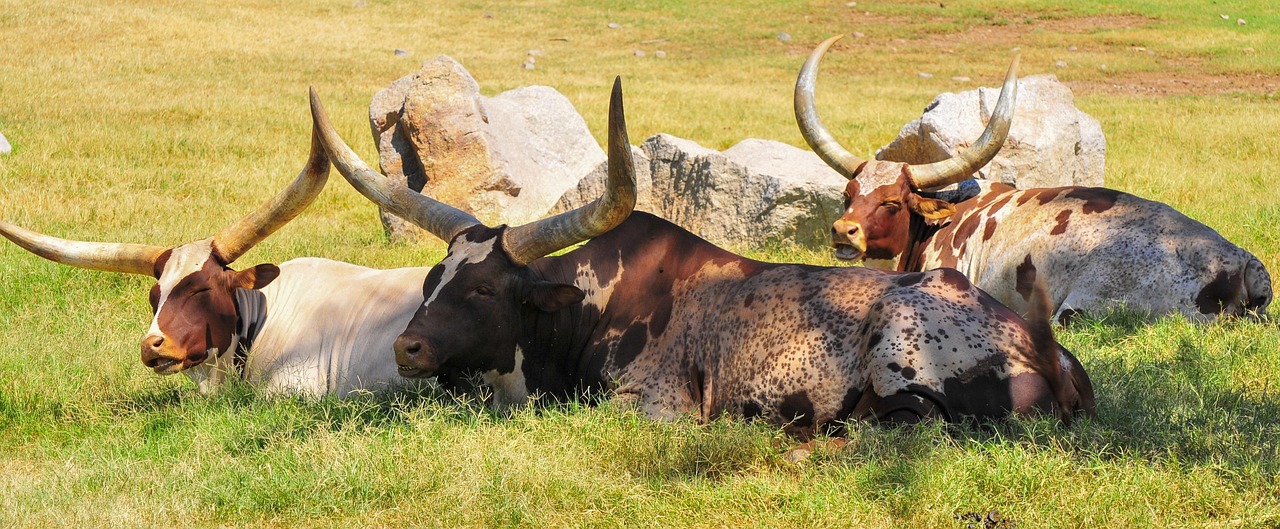
Cattle stand at the very centre of Oromo tradition, above all among the pastoral branches of the south, where a mans wealth, standing, and pride are measured in his herds. The long-horned cattle of the Borana are famous, and around them turns a whole world of custom, from the deep wells of the dry country, dug and worked by chains of singing men who pass the water up from far below, to the songs and blessings that accompany the life of the herd. Even among the farming Oromo, cattle keep a special honour as a sign of wealth and a store of value.
The great tradition of Oromo ceremonial life is the Irreecha, the thanksgiving festival at which the people gather by rivers and lakes and at sacred groves to give thanks to Waaqa. Dressed in their finest, carrying green grass and yellow flowers, they offer their gratitude for life and blessing, and the gathering becomes a vast celebration of Oromo identity and faith. Alongside it stand the rites of the gadaa, the ceremonies that mark the passage from one grade to the next and the handing over of power, occasions of blessing, feasting, and display.
Dress, song, and the customs of hospitality carry their own meaning. Distinctive hairstyles, beads, and ornaments mark stages of life and belonging, and the songs and dances of the different branches, from the rhythmic movements of celebration to the deep chants of the herders, express the spirit of the people. The blessing of elders, the welcome of the guest, and the elaborate courtesies of Oromo life all reflect a society in which respect, gratitude, and the bonds of community are held as the highest of values.

Herders, Potters, and the Makers of Oromia
The crafts of the Oromo reflect the great range of their country and their ways of life. Among the herders of the south the most essential crafts are those of the pastoral world, the making of wooden vessels and milk containers, the working of leather into ropes, bags, and garments, and the fashioning of the tools and gear of the cattle camp. The famous deep wells of the Borana are themselves a kind of collective craft, engineered and maintained across generations to draw water from far beneath the dry plains.
Among the settled farming Oromo the crafts of the village flourish. Potters, often women, shape the clay vessels for cooking, storage, and the serving of food and coffee, and weavers produce cotton cloth for the wraps and garments of daily and festival wear. Blacksmiths forge the ploughshares, hoes, and knives on which highland farming depends, and their skill with iron carries the usual aura of secret knowledge. Basketry, woodwork, and the decoration of gourds add beauty and utility to the household.
As across much of the Horn, many of these crafts were the work of particular occupational groups who, though their skills were indispensable, were often held at a social distance by the wider society. Yet their products clothed, fed, and equipped the Oromo world, from the milk-vessel of the herder to the coffee-pot of the farmhouse. In the union of the pastoral and the agricultural, the crafts of the Oromo mirror the double heritage of a people at home in both the cattle plain and the grain field.

Coffee, the Cow, and the Table of the Highlands
The food of the Oromo spans the range of their country, from the milk and meat of the herding south to the grain and enset of the farming highlands. Among the pastoralists, milk in all its forms, fresh, soured, and made into butter, is the great staple, prized and even ritually important, supplemented by the meat and blood of the herds on days of plenty. In the farming regions the table is built on grains such as barley, wheat, and the tiny teff, and on the starchy food made from the enset or false-banana plant that sustains much of the southern highlands.
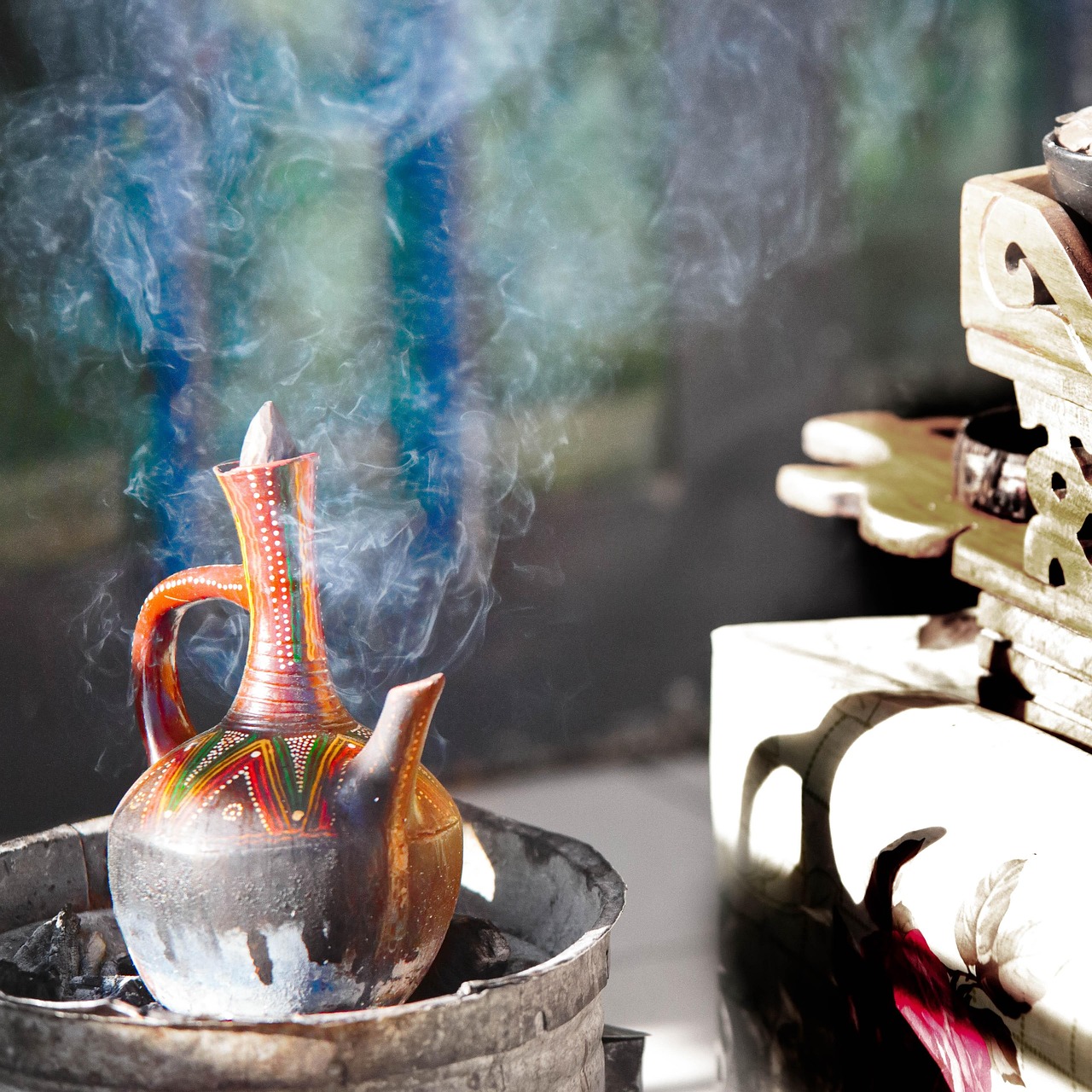
Coffee holds a place of unique honour, for the Oromo highlands of the southwest are the ancestral home of the coffee plant, and the drink is woven deep into the culture. Beyond the familiar brewed coffee, the Oromo prepare coffee in old and distinctive ways, roasting the beans with butter and spices or preparing the leaves and husks, and the offering of coffee is a central act of hospitality and ritual. To share coffee is to honour a guest and to mark the bonds of community and faith.
Butter, honey, and spiced stews enrich the Oromo table, and meat crowns the days of celebration and sacrifice. The generous feeding of guests is a point of honour, and the great ceremonies of the gadaa and the festivals of thanksgiving are marked by feasting on meat, milk, and the good things of the land. In its union of the pastoral and the agricultural, and above all in its ancient bond with coffee, the food of the Oromo expresses the richness and variety of their vast homeland.
Irreecha and the Great Thanksgiving by the Water
The greatest festival of the Oromo is Irreecha, the thanksgiving to Waaqa held at the turning of the seasons, when the dark and rainy months give way to the bright season of harvest. From across the land the people converge on the shores of sacred lakes and rivers and on holy groves, dressed in their finest and carrying fresh green grass and yellow flowers as offerings of gratitude and hope. There, amid singing, prayer, and rejoicing, they give thanks for the blessings of life, and in recent times Irreecha has grown into a vast gathering that celebrates not only faith but the whole identity of the Oromo nation.
The ceremonies of the gadaa punctuate the passage of the years with their own great festivals. Every eight years the solemn and joyful rites of the power transfer bring the people together to witness the handing over of authority from one grade to the next, occasions of blessing, feasting, and the reaffirmation of the ancient order. The initiations that carry each generation from one grade to the next are likewise marked by ceremony and celebration, binding the men of an age together as they move through life.
Alongside these distinctly Oromo festivals, the many Muslim and Christian Oromo share in the feasts of their faiths, the Sallah celebrations and the great days of the church, each kept with prayer, new clothes, and the sharing of food. The passages of family life, births, marriages, and funerals, gather kin and neighbours in celebration and mourning. Through Irreecha and the gadaa rites above all, the Oromo renew each year the bonds of faith, generation, and nationhood that unite their great and scattered people.

From the Great Expansion to the Struggle for Recognition
The Oromo have deep roots in the southern Horn of Africa, and their history was transformed in the sixteenth century by a great expansion that carried them across much of the region. Moving out from their earlier homeland in the south, organised through the discipline of the gadaa and its age-regiments, the Oromo spread over vast territories of the Ethiopian highlands and lowlands, settling new lands and absorbing or displacing other peoples. This great expansion reshaped the map of the Horn and established the Oromo across the enormous territory they hold today.
As they settled, the various Oromo branches developed in different ways, some remaining pastoralists governed by the classic gadaa, others becoming settled farmers, and some founding kingdoms of their own in the west and southwest where the older egalitarian order gave way to monarchy. For centuries the Oromo were a major force in the affairs of the region, sometimes rivals and sometimes partners of the highland Christian state, their warriors, traders, and leaders playing a great part in the history of Ethiopia.
In the late nineteenth century the expanding empire of Menelik conquered the Oromo lands and incorporated them into the modern Ethiopian state, often by force, and there followed a long period in which Oromo language and culture were suppressed and the people marginalised within the empire they had helped to make populous. The twentieth century saw the rise of a powerful Oromo national movement demanding rights, recognition, and self-rule, a struggle that has profoundly shaped modern Ethiopia and continues to define the place of the Oromo in the nation.
The Oromo in the Ethiopia of the Present
Today the Oromo are the largest ethnic group in Ethiopia, numbering many tens of millions, and they occupy Oromia, the vast self-governing region that surrounds the national capital and holds much of the countrys farmland and coffee wealth. After a long history of marginalisation, the Oromo have in recent decades won a central place in the life of the nation, their language flourishing, their culture celebrated, and their leaders rising to the highest offices of the Ethiopian state. The great Irreecha festival now draws immense crowds as a public celebration of Oromo identity.
This resurgence has come amid struggle and turbulence. Oromo protest movements played a decisive role in the political changes that swept Ethiopia in recent years, and the demands for greater rights, autonomy, and justice remain powerful and contested. The region has known both the excitement of a cultural and political revival and the pain of conflict, instability, and unmet expectations, as the Oromo seek to secure their place within, or their fuller autonomy from, the Ethiopian federation.
Through all these changes the deep inheritance of the Oromo endures. The gadaa, honoured now as one of Africas great indigenous democracies and recognised as a heritage of humanity, still functions among the Borana and lives in the pride of the whole nation. The coffee forests, the cattle herds, the Oromo language, and the thanksgiving by the water all continue as living things. Bearers of an ancient democracy and a vast and varied homeland, the Oromo carry their heritage forward as one of the great and rising nations of modern Africa.

Related Peoples of the Region
- Amhara of the Ethiopian Highlands and Their Empire That Never Bowed
- Somali of the Horn of Africa and Their Nation Bound by Word and Faith
- Maasai of the East African Plains and Their Cattle Given by the Sky God
- Swahili of the East African Coast and Their Civilisation Made by the Ocean
- Kikuyu of Mount Kenya and Their Land Given by God to the Children of Mumbi
- Baganda of the Great Lake and Their Kingdom on the Hills of Buganda
- Luo of Lake Victoria and Their Nilotic Journey Down the Nile to the Great Water
- Tigrayans of the Northern Highlands and Their Ancient Empire of Axum
More Peoples of the World
You May Like
The Zaza, a Mountain People of Eastern Anatolia


7 thoughts on “Oromo of the Ethiopian Highlands and Their Ancient Democracy of the Generations”