High on the great plateau that gives Zimbabwe its shape live the Shona, a people whose ancestors raised the finest stone buildings in sub-Saharan Africa. For more than a thousand years they have farmed the highveld, herded cattle, worked gold, and built kingdoms whose fame reached the traders of the Indian Ocean. Their walls of fitted granite, standing without mortar to this day, gave a modern nation its name and its enduring emblem of pride.
This account follows the Shona from their beginnings among the Bantu farmers of the plateau through the age of Great Zimbabwe and the kingdoms that grew from it, into their language, their villages, their faith in Mwari and the ancestors, and the crafts and music that still mark them out. It ends with the Shona of the present day, the largest people of their country, keeping the memory of the stone cities alive.
- The People of the Stone City
- Shona, vaShona, and the Speakers of ChiShona
- ChiShona, the Language of the Plateau
- The High Plateau of Zimbabwe
- The Kings, the Dynasties, and the Stone Cities
- Lineage, the Village, and the Bonds of the Shona
- Mwari, the Ancestors, and the Spirit Mediums
- The Mbira, the Stone, and the Dances of the Ancestors
- Builders, Carvers, and the Sculptors of the Stone
- Maize, the Grain, and the Table of the Plateau
- The Bira, the Rain Rites, and the Feasts
- From the Stone Cities to the Winning of Zimbabwe
- The Shona in Modern Zimbabwe
The People of the Stone City
On the high, healthy plateau that lies between the Zambezi and the Limpopo rivers, in the country that takes its name from their greatest monument, lives a people whose ancestors built the largest stone city in Africa south of the Sahara. They are the Shona, the great Bantu nation of Zimbabwe, whose medieval kingdoms grew rich on the gold of the plateau and the trade of the Indian Ocean, and whose masons raised the mighty walls of Great Zimbabwe, the House of Stone, that gave the modern nation its name. Among the peoples of the south, the Shona are the heirs of one of Africas great civilisations.
The Shona are a Bantu people, part of the vast family whose ancestors spread across much of Africa, and they are in fact a broad grouping of related peoples, the Zezuru, the Karanga, the Manyika, the Korekore, the Ndau, and others, who share the ChiShona language and a common culture and who together form the great majority of the people of Zimbabwe. Settling the plateau in ancient times, they became farmers, herders, miners, and traders, and from among them arose the kingdoms whose stone monuments still astonish the world.
Their story is one of a people who built cities of stone and empires of gold, who traded their gold and ivory to the Swahili coast and beyond to India and China, whose civilisation rose and fell across the centuries, and who in the modern age won their freedom in a long liberation war and gave their new nation the name of the House of Stone. To understand the Shona is to understand the builders of Great Zimbabwe, a people at the heart of the history of the southern plateau.

Shona, vaShona, and the Speakers of ChiShona
The people are known as the Shona, and their language ChiShona, and they are called too the vaShona, the people of Shona, though the name in its modern, unifying sense is relatively recent, applied in the colonial era to the cluster of closely related peoples of the Zimbabwean plateau who shared a common language and culture. Before this wider name took hold, the people knew themselves above all by the names of their particular groups, the Karanga of the south, the Zezuru of the centre, the Manyika and Ndau of the east, and the Korekore of the north.
These groups, dialects of a single language and branches of a single culture, together make up the Shona nation, the great majority of the people of Zimbabwe, and beneath the shared name lie the many clans, each with its totem, the mutupo, an animal or a part of the body by which people know their descent and by which they may not marry within the clan. The reciting of the totem and the clan-praises is a matter of deep identity, and to greet a person by their totem is to honour them.
The name Shona thus gathers a family of related peoples into a single great nation, heirs together of the stone cities and the gold kingdoms of the plateau, and the wider name has grown into a proud identity uniting the majority of Zimbabwe. In the name Shona, the many groups and clans of the high plateau recognise their common language, their common culture, and their shared descent from the builders of the House of Stone.

ChiShona, the Language of the Plateau
The Shona speak ChiShona, a Bantu language of the Niger-Congo family, and it is by far the most widely spoken language of Zimbabwe, the mother tongue of the great majority of its people and an official language of the country, spoken also across the border in Mozambique. It exists as a cluster of closely related dialects, the Zezuru of the centre, the Karanga of the south, the Manyika and the Ndau of the east, and the Korekore of the north, which shade into one another and together form the single ChiShona tongue, its central Zezuru dialect the basis of the standard written form.
ChiShona carries a rich oral heritage of proverbs, folktales, riddles, and above all the poetry of the clan-praises and the songs of the people, and the language is famous for its intimate bond with music, for the great tradition of the mbira is inseparable from the sung poetry that accompanies it in the ceremonies of the ancestors. The proverbs of the Shona, dense with wisdom and allusion, are prized as the mark of an eloquent speaker.
With the coming of the missionaries the language was reduced to writing, and ChiShona developed a written literature, a place in schooling and the churches, and a lively modern presence in the press, in music, and in the daily life of the nation. Today it flourishes as the great language of Zimbabwe, spoken alongside English and Ndebele. In its proverbs, its praises, and its bond with the music of the mbira, ChiShona is the living voice of the people of the plateau.

The High Plateau of Zimbabwe
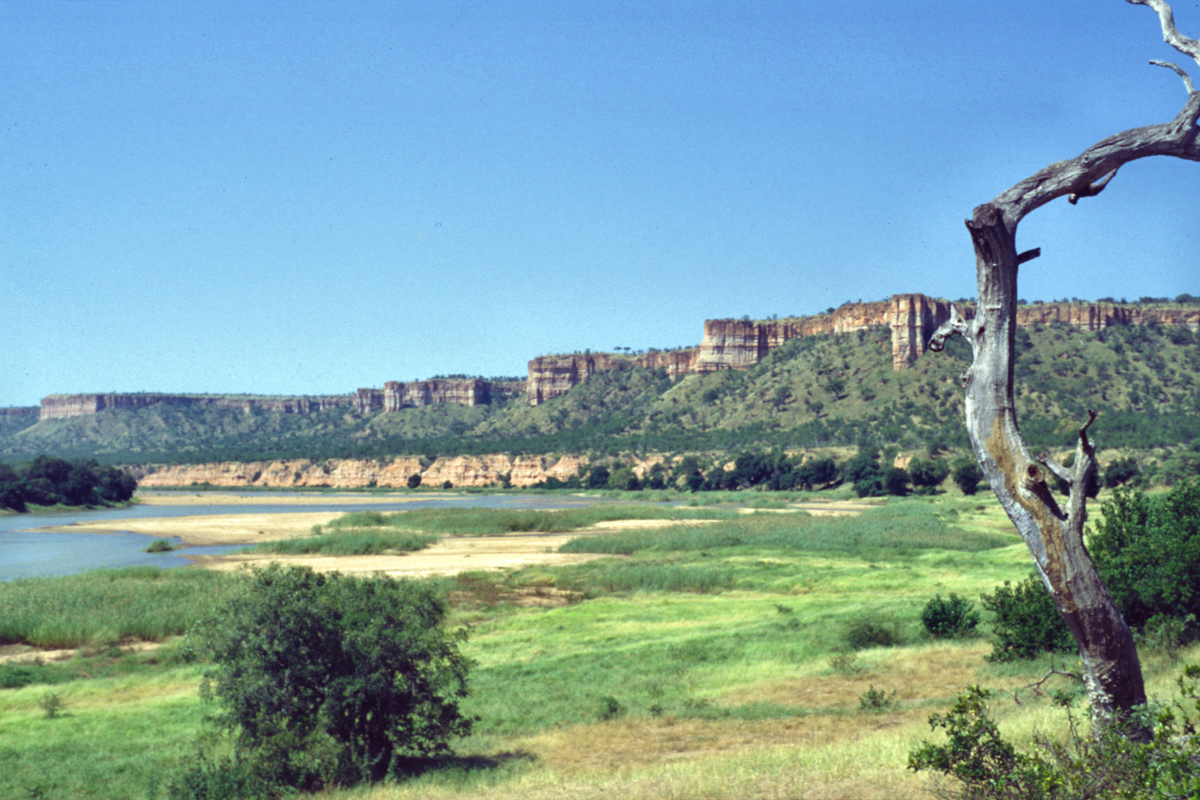
The Shona homeland is the high plateau of Zimbabwe, the broad, healthy tableland that rises between the great rivers Zambezi to the north and Limpopo to the south, a country of open grassland and wooded savanna lifted high enough above the lowlands to escape the worst of the tropical heat and the fevers, a temperate and fertile country well suited to farming, to cattle, and to the dense population that built the kingdoms of stone. The high central spine of the plateau, the veld, was the heart of the Shona world.
This was a country rich in the things that made civilisations, for beneath its soil lay the gold that the Shona mined and traded to the coast and the world, and above it grew the grass for the cattle and the land for the grain, while the rivers and the rains, gathered in two clear seasons, watered the fields. To the east the plateau rises to the green mountains of the Manica highlands on the Mozambique border, and to the south and the edges it falls away to the hot, dry lowveld of the great river valleys.
The landscape is dotted with the granite hills and the great balancing boulders, the kopjes, that are so characteristic of the country and that provided both the stone for the builders and the sacred places of the ancestors and the rain-spirits, and it was near such hills that the stone cities rose. On this high, temperate, and gold-rich plateau, watered by the rains and grazed by the cattle, the Shona built their villages, their kingdoms, and the great stone city that gave their land its name.
The Kings, the Dynasties, and the Stone Cities
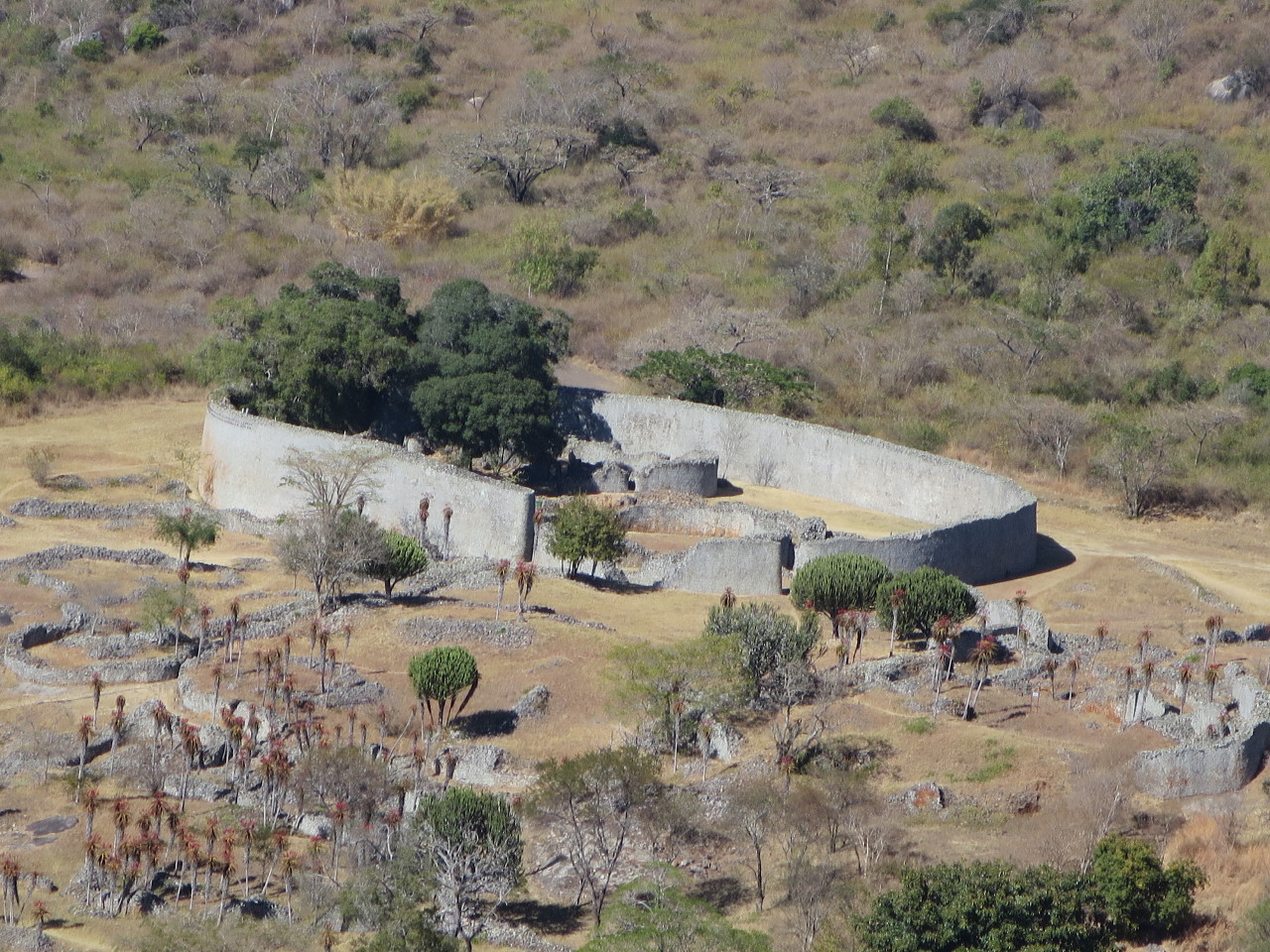
The old Shona world produced a succession of kingdoms and empires that were among the greatest of the African interior, built on the gold of the plateau and the long-distance trade to the Indian Ocean. The first and most famous was the kingdom whose capital was Great Zimbabwe, the House of Stone, a city of massive dry-stone walls, towers, and enclosures built without mortar in the medieval centuries, the largest ancient stone structure south of the Sahara, whose ruler grew rich on the export of gold and ivory to the Swahili traders of the coast and whose city may have held many thousands of people at its height.
When Great Zimbabwe declined, its power passed to successor states, above all the empire of the Mutapa in the north, whose ruler the Portuguese called the Monomotapa, a kingdom famous in Europe as a land of gold, and the state of the Rozvi in the southwest, whose kings, the Changamire, ruled a powerful empire and drove the Portuguese from the plateau. These kingdoms were ruled by sacred kings whose authority was bound up with the ancestors and the spirits of the land, and who governed through chiefs, courts, and the tribute of gold, cattle, and grain.
Beneath the kings and their courts lay the chiefdoms, the villages, and the lineages, the ordinary Shona living by their fields, their cattle, and, for many, the mining and washing of the gold that made the kingdoms rich, and bound to their chiefs and their kings by loyalty, tribute, and the ties of the ancestors. The stone-walled centres, the gold trade, and the sacred kingship were the pillars of this world. In the stone cities, the gold empires, and the sacred kings, the old Shona world was built.
Lineage, the Village, and the Bonds of the Shona
Shona society was built on the lineage, the village, and the chiefdom, woven together into an order rooted in descent and the honouring of the ancestors. Descent was reckoned through the father, and every Shona belonged to a clan marked by its totem, the mutupo, an animal or object by which people knew their kinship and within which they might not marry, and the reciting of the totem and the clan-praises was a matter of deep identity and pride. The clans and lineages, spread across the plateau, tied the people into a web of kinship.
The village, a cluster of homesteads set amid the fields and the granite hills, was the setting of daily life, under a headman and grouped into the chiefdoms of the wider society, and cattle stood at the centre of wealth and standing, the currency of the bride-wealth, the roora, that joined lineages in marriage, and the food of ceremony and the link with the ancestors. A man of many cattle and a full granary was a man of standing, and the granary and the herd were the measure of a prosperous homestead.
The values of Shona society joined the reverence for the ancestors and the chiefs to the bonds of the clan and the honouring of cattle and the grain, and the whole society was ordered around the lineage, the totem, and the spirits of the dead who watched over the living. Respect for elders and chiefs, the courtesies of a ceremonious people, and the marking of every passage of life carried the values of the nation. In the lineage, the totem, the village, and the chiefdom, the Shona wove a resilient society on the plateau.

Mwari, the Ancestors, and the Spirit Mediums
The traditional religion of the Shona centred on a supreme creator God, Mwari, also called Nyadenga, the lord of the sky, a high and majestic being worshipped above all through the famous oracle shrines in the Matopo Hills, where the voice of Mwari was heard from the rocks and where messengers came from across the land to seek rain, guidance, and blessing. Mwari was the giver of rain and fertility, and the shrines of the Matopos were among the great religious centres of the whole region, drawing pilgrims and petitioners of many peoples.
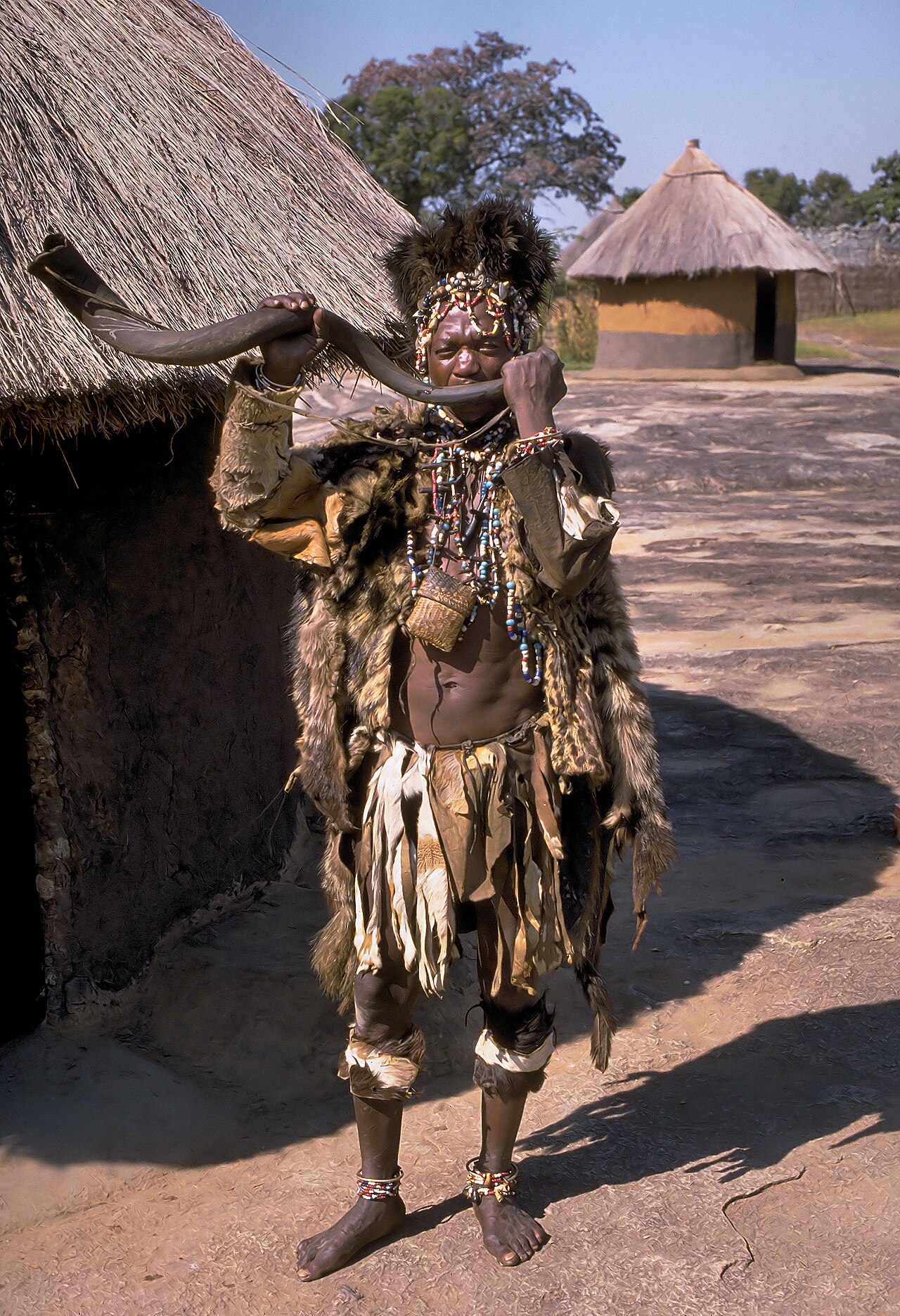
Between the high God and the people, and closer to daily life, stood the ancestors, and above all the great spirits of the land, the mhondoro, the royal ancestral lions who guarded the chiefdoms and the fertility of the country, and who spoke through their mediums, the svikiro, men and women possessed by the ancestral spirits who conveyed their will, guarded the traditions, and guided the people in the great matters of rain, war, and the land. The spirit medium was a figure of immense authority, and the mhondoro mediums would play a great part even in the modern liberation war.
The family ancestors, the vadzimu, watched over their own descendants and were honoured in the ceremonies of the homestead, and the diviner and healer, the nanga, mediated with the spirit world, read the causes of misfortune, and commanded the medicines of the plateau. With the coming of the missionaries many Shona became Christians, yet the reverence for Mwari, the mhondoro, and the ancestors, and the authority of the spirit mediums, have never faded, and the two worlds live side by side in Shona life.
The Mbira, the Stone, and the Dances of the Ancestors
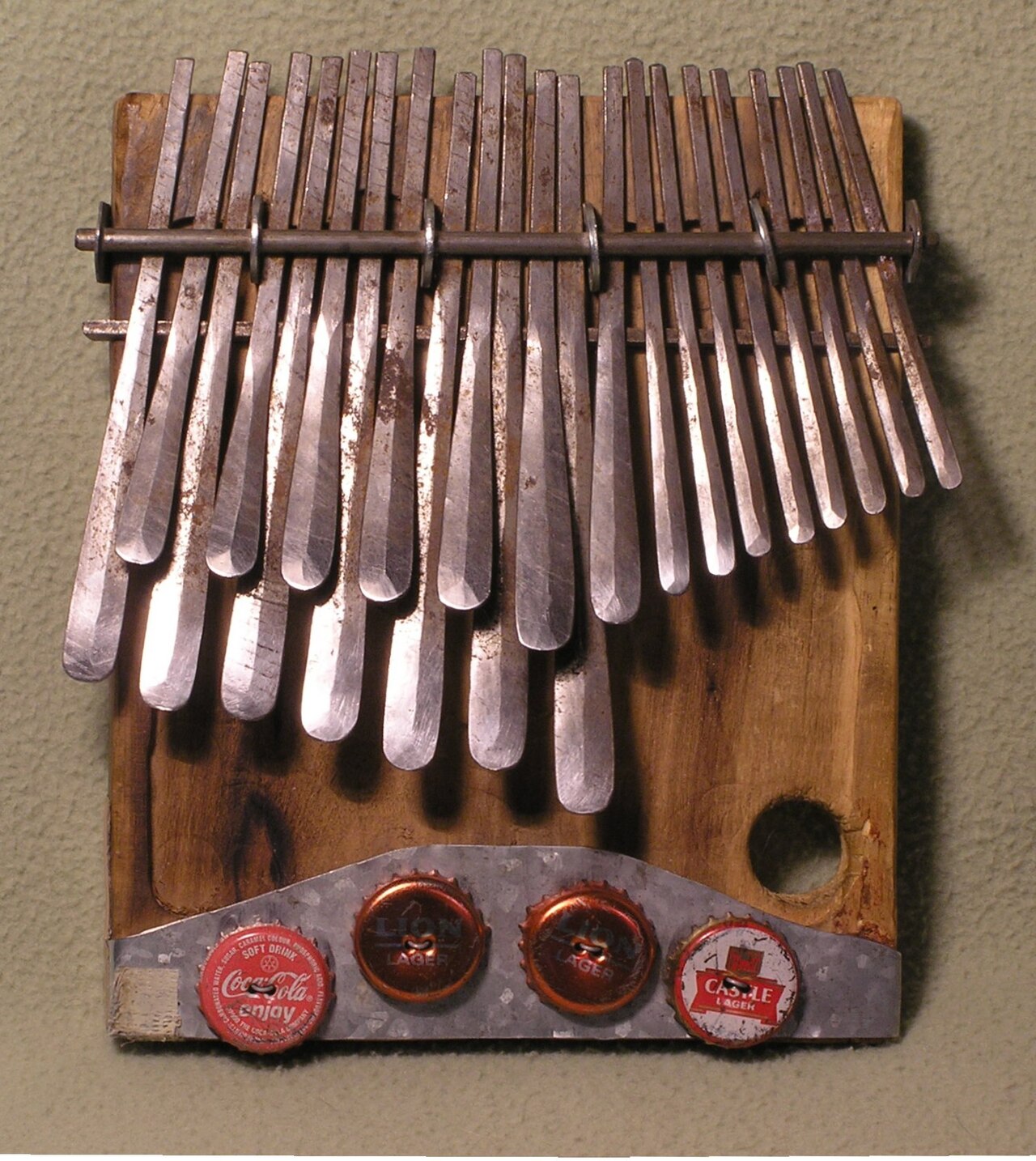
The supreme tradition of the Shona is the music of the mbira, the thumb-piano of metal keys mounted on a wooden soundboard and played within a great gourd resonator, whose shimmering, interlocking melodies are among the most beautiful and distinctive sounds in Africa. The mbira dzavadzimu, the mbira of the ancestors, is above all a sacred instrument, played through the night at the bira ceremonies to call down the ancestral spirits, whose mediums fall into possession to the music, so that the mbira is at once a musical art, a form of prayer, and the very voice by which the living speak with the dead.
The stone-carving tradition, ancient in the walls of Great Zimbabwe and the soapstone birds that crowned them, lives on in the modern Shona stone sculpture that has won fame across the world, the serene and powerful figures carved from the hard stones of the plateau by a school of Shona artists whose work fills the galleries and gardens of many lands, a living continuation of a tradition reaching back to the builders of the House of Stone.
Dance, song, and the poetry of the clan-praises fill the ceremonial life of the people, above all the dances of the bira and the spirit ceremonies, and the drumming, hand-clapping, and singing that accompany the mbira. Dress, the courtesies of a ceremonious people, and the marking of every passage of life with its proper custom carry the values of the nation. In the sacred mbira, the carved stone, and the dance of the ancestors, the Shona keep the great traditions of the plateau.
Builders, Carvers, and the Sculptors of the Stone
The crafts of the Shona are crowned by the working of stone, an art reaching back to the medieval masons who raised the mighty dry-stone walls of Great Zimbabwe without a drop of mortar, fitting the shaped granite blocks so skilfully that the walls have stood for many centuries, and who carved the famous soapstone birds that crowned the sacred enclosures and became the emblem of the nation. This ancient mastery of stone lives on today in the celebrated Shona stone sculpture, and the carvers of the plateau, working the serpentine and other hard stones into flowing figures of great power, have made Shona sculpture one of the most admired art forms of modern Africa.
The smiths of the old Shona world were masters of both iron and gold, forging the hoes, the weapons, and the tools of iron on which farming and war depended, and working the gold that was mined and washed across the plateau into ornaments and into the wire and beads of trade, for the gold of the Shona was famous across the Indian Ocean world. The making of the mbira, with its careful forging and tuning of the metal keys, was a fine and specialised craft.
The women were the potters, shaping and firing the clay vessels of the household and the great pots for grain and beer, and they wove the grasses and reeds into the baskets and mats of daily use, and adorned the walls of their houses with painted and moulded decoration. The carving of wood into the headrests, the stools, and the vessels of the home, and the working of hides and beads, filled the crafts of the people. In carved stone, forged iron and gold, and shaped clay, the crafts of the Shona built and adorned a great civilisation.
Maize, the Grain, and the Table of the Plateau
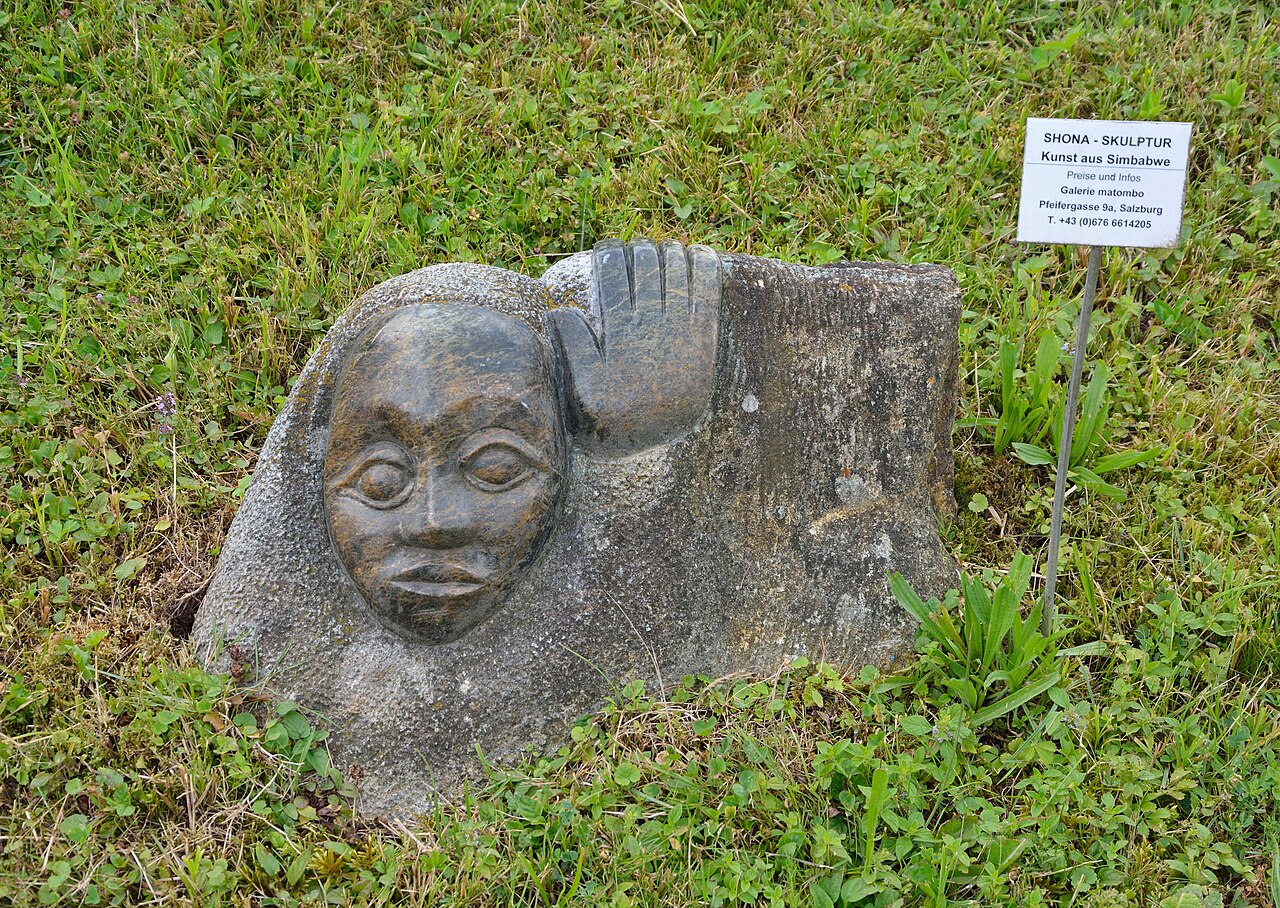
The food of the Shona is the food of a people of the grain field and the herd, and its foundation is sadza, the thick, stiff porridge made from maize meal, cooked to a firm consistency and eaten with the hand, dipped into the relish of vegetables, meat, or beans that accompanies it, the daily bread of Zimbabwe eaten at nearly every meal. Before maize became dominant the older grains, the small millets and sorghum, filled the same place, and these traditional grains remain important, above all for the brewing of the sacred beer.
Around the sadza the Shona grew and gathered the relishes and the other foods of the plateau, the leafy greens, the pumpkins, the beans, the groundnuts whose paste enriches many a dish, and the wild fruits, mushrooms, and the edible caterpillars, above all the mopane worm that is a prized delicacy of the region. Cattle, goats, and chickens provided the meat, the beast slaughtered above all for ceremony and the honouring of the ancestors, while milk added its nourishment to the diet.
The great traditional drink was the beer brewed from the small grains, thick, nourishing, and mildly alcoholic, brewed by the women and central to every gathering and, above all, to the ceremonies of the ancestors, for the beer of the seven days was offered to the spirits at the bira and poured out to the dead. The sharing of sadza and relish, and of the ancestral beer, expressed the deep values of Shona hospitality and the bond with the ancestors. In sadza, the small grains, and the sacred beer, the food of the Shona is the taste of the plateau.
The Bira, the Rain Rites, and the Feasts
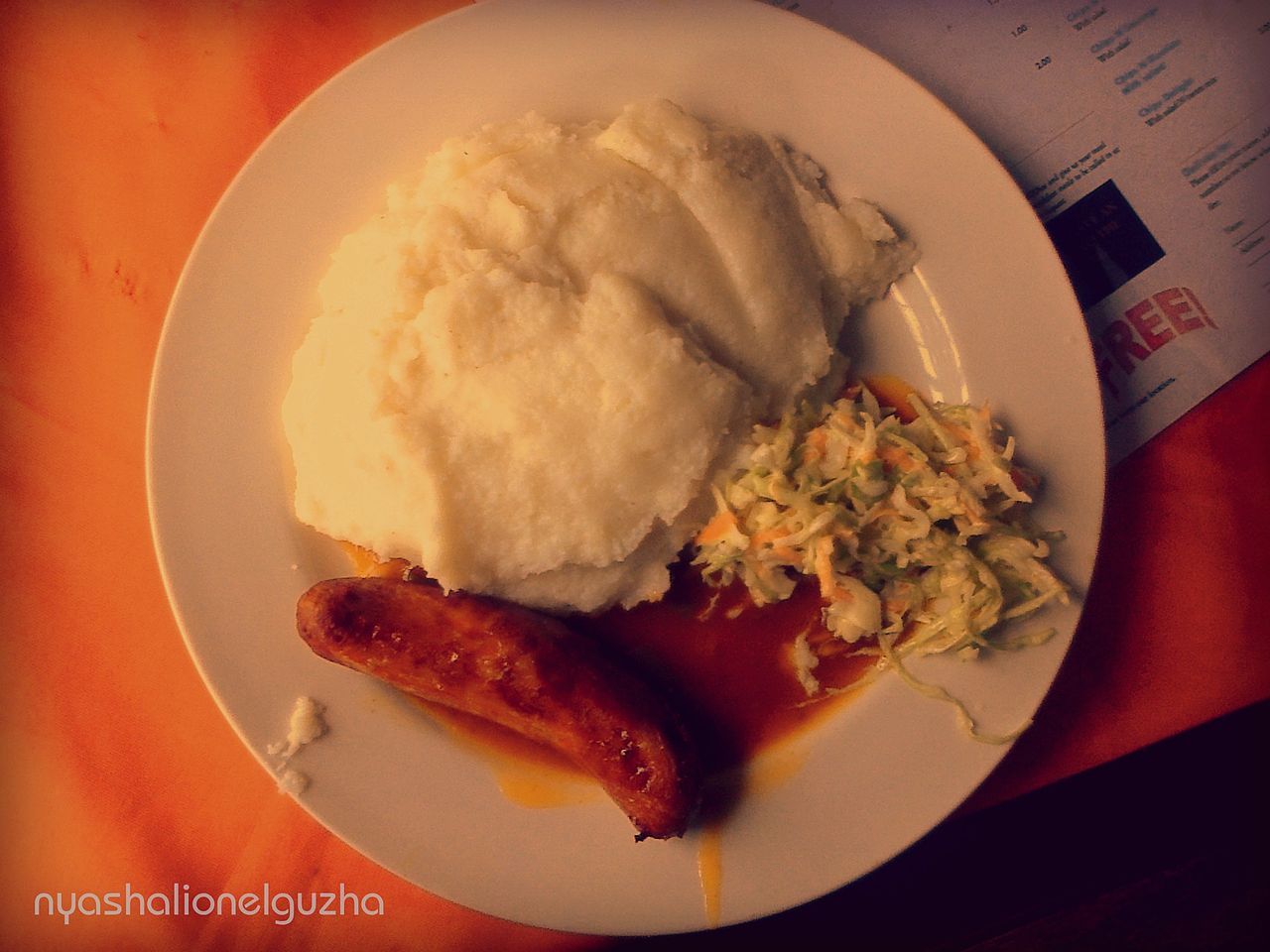
The great ceremonies of the Shona are those of the ancestors, and none is more central than the bira, the all-night ceremony at which the family and the community gather to call down the ancestral spirits through the music of the mbira, the drumming, the hand-clapping, and the singing that continue through the night until a spirit medium falls into possession and the ancestor speaks with the living, giving guidance, settling troubles, and renewing the bond between the generations. The bira, at once a feast, a ritual, and a communion with the dead, is the beating heart of Shona ceremonial life.
The rituals of the land and the rain filled the religious calendar, above all the ceremonies to seek rain from Mwari and the mhondoro, the spirits of the land, and the rites that opened the planting and gave thanks for the harvest, binding the fertility of the plateau to the ancestors and the high God. The kurova guva, the ceremony held some time after a death to bring the spirit of the departed home to join the ancestors and take its place among the guardians of the family, was among the most important of all the rites.
The passages of family life, births, marriages, and funerals, gathered kin and community with the brewing of beer, the slaughter of the beast, feasting, song, and dance, and the great weddings set the cattle of the bride-wealth flowing between lineages. With the coming of Christianity the Shona added the feasts of the church. Through the bira, the rites of rain and the ancestors, and the ceremonies of family and faith, the Shona mark the passages of life and keep their communion with the dead.
From the Stone Cities to the Winning of Zimbabwe
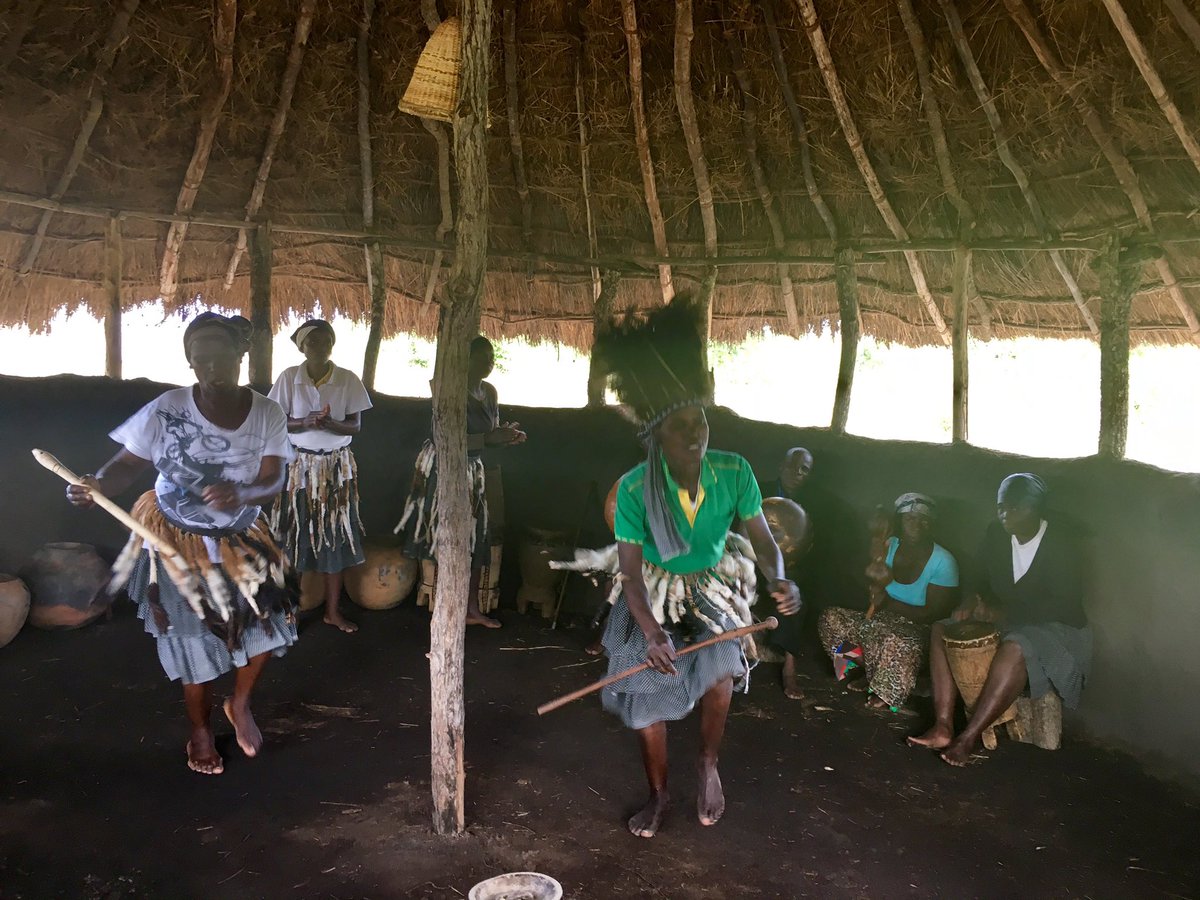
The story of the Shona reaches far back into the first millennium, when Bantu-speaking farmers settled the plateau and began to trade gold and ivory with the Swahili merchants of the coast. Out of that commerce rose Great Zimbabwe, whose stone walls still stand as the mark of a wealthy and centralised kingdom that dominated the region between the twelfth and fifteenth centuries. When its power waned, its people and its ideas did not vanish but moved north and west, carrying the arts of building and rule into new lands.
From the ruins of that first greatness grew fresh kingdoms. The Mutapa state, known to Portuguese traders as Monomotapa, controlled the gold routes of the northern plateau, while later the Rozvi under the Changamire dynasty drove out those same foreigners and held the highveld with disciplined armies. For centuries these Shona polities balanced trade and warfare, sending gold to the Indian Ocean and guarding the passes that led up onto their high home.
The nineteenth century brought harder trials, first the incoming Ndebele who settled the southwest, and then the columns of the British South Africa Company, who claimed the land as Rhodesia. In 1896 and 1897 the Shona and Ndebele rose together in the war remembered as the First Chimurenga, a revolt inspired in part by the mhondoro spirit mediums who called on the ancestors to expel the settlers. That rising was crushed, but its memory endured.
The long struggle resumed in the guerrilla war of the 1960s and 1970s, the Second Chimurenga, in which mediums such as Nehanda were again invoked to bless the fighters. In 1980 the country won its independence and took the name Zimbabwe from the stone city of its ancestors, a deliberate act of memory that tied the new nation to the builders of the past.

The Shona in Modern Zimbabwe
Today the Shona are the largest people of Zimbabwe, making up roughly four out of every five citizens and shaping much of the nation’s public life. Their language is heard in parliament, in churches, on the radio and in the popular music that fills the townships, and their names mark the towns and provinces of the modern state. From farmers on the plateau to teachers and traders in the cities, the Shona remain the demographic heart of the country their ancestors named.
Modern life has drawn many away from the old villages toward Harare, Bulawayo and the mining towns, and a wide diaspora now labours in South Africa, Britain and beyond, sending money home to relatives on the land. Economic hardship and years of political turmoil have tested families, yet the ties of lineage and the duty to kin still bind the scattered together across great distances.
Even amid change the older ways keep their place beside the new. Christianity is widely followed, often woven together with the honouring of ancestors, and the bira and the rites of Mwari continue in the countryside. Mbira music, once nearly driven out by missionaries, has found new life among young performers who carry it onto world stages as a proud emblem of who the Shona are.
The stone walls of Great Zimbabwe still rise above the plateau, a national monument and a source of quiet pride, printed on the country’s money and its coat of arms. In them the Shona of today read the achievement of their forebears, a reminder that the builders of the stone cities were their own, and that the plateau has been a home worth defending for a thousand years and more.
Related Peoples of the Region
- Zulu of the Green Hills and Their Kingdom Forged by Shaka
- Xhosa of the Eastern Cape and Their Clicking Tongue and Rite of Manhood
- Basotho of the Mountain Kingdom and the Nation Moshoeshoe Forged
- Ndebele of the Highveld and Their Painted Homes
- Tswana of the Kalahari Plateau and the Kgotla
- Swazi of Eswatini and the Kingdom of the Two Rulers
More Peoples of the World
You May Like
The Zaza, a Mountain People of Eastern Anatolia


4 thoughts on “Shona of the Zimbabwe Plateau and Their Cities of Stone”