On the northern tip of Newfoundland, along a windswept coastline facing the frigid waters of the Strait of Belle Isle, sit the grass-covered remains of a small cluster of buildings unlike anything else ever confirmed in the Americas. Nearly 500 years before Christopher Columbus reached the Caribbean, Norse voyagers had already crossed the North Atlantic and built a temporary settlement on this remote Canadian shore.
L’Anse aux Meadows is, to date, the only site in the Americas confirmed through archaeological excavation to have been built by Norse explorers, offering physical proof of a transatlantic voyage that, for centuries, existed only in Icelandic sagas most historians assumed were more legend than history.
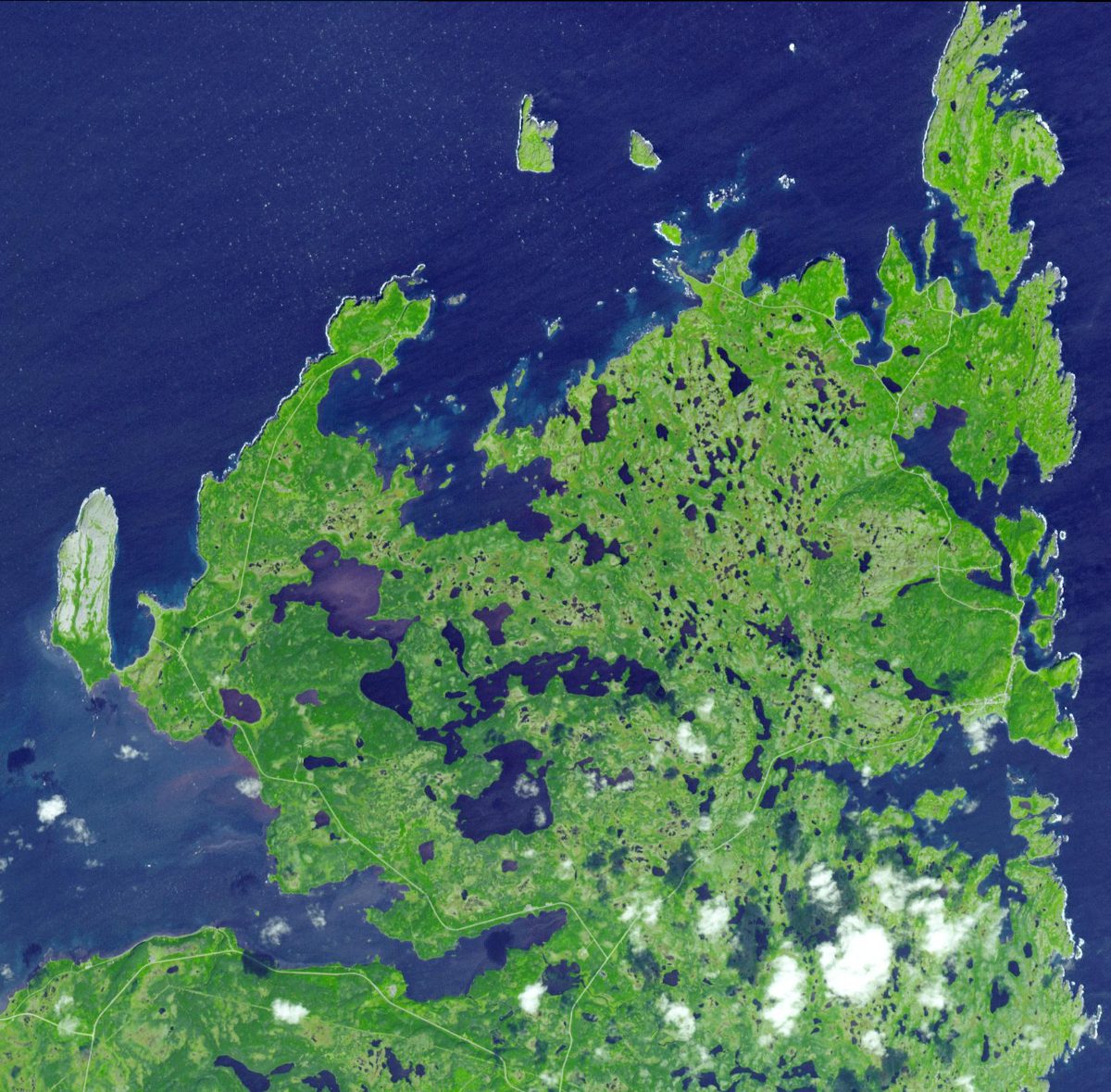
Table of Contents
- The Only Confirmed Viking Site in North America
- Ingstad, a Norwegian Explorer, and a Farmer’s Memory
- Sod Houses on the Edge of Newfoundland
- Was This Leif Erikson’s Vinland
- Norse, Not Viking: A Note on Language and Names
- Iron, Nails, and the Proof That Convinced Skeptics
- Butternuts That Prove They Went Even Farther South
- Encounters With the Indigenous Peoples Already Here
- Why the Norse Settlement Failed
- UNESCO Status and Visiting Newfoundland’s Viking Coast
- Nearby Places
The Only Confirmed Viking Site in North America
Radiocarbon dating and, more recently, a highly precise tree-ring and solar-event dating method, have placed the construction of L’Anse aux Meadows to around 1021 CE, making it, at the time of that discovery, the earliest confirmed date for any European presence anywhere in the Americas, predating Columbus’s 1492 voyage by nearly 500 years.
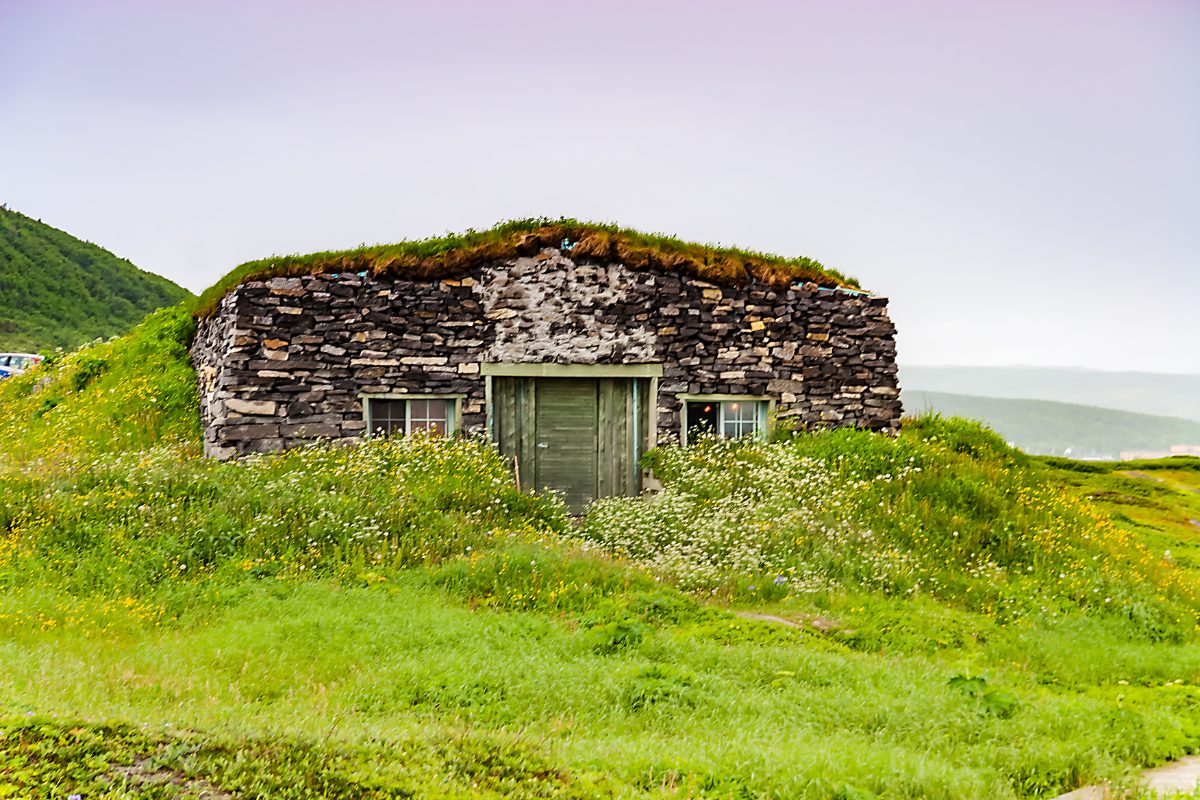
The settlement itself was small, consisting of eight structures including turf-walled halls, workshops, and a smithy, arranged along a terrace above a small brook, likely housing somewhere between 30 and 160 people at any given time, according to different archaeological estimates based on the size and number of the buildings.
Rather than a permanent colony, most archaeologists now interpret L’Anse aux Meadows as a seasonal base camp, used for ship repair, resource gathering, and as a staging point for further exploration southward along the coast, rather than a settlement intended for permanent, long-term habitation.
The precise 1021 CE dating was established using a technique that identifies a distinct radiocarbon signature in tree rings linked to a known solar storm event, allowing researchers to date wood recovered from the site with a level of precision rarely possible in archaeology, down to the exact calendar year in which the wood was cut.
This dating breakthrough, published in 2021, confirmed what archaeologists had suspected for decades based on artifact typology and earlier radiocarbon estimates, while also providing the most precise date ever established for any pre-Columbian European activity anywhere in the Americas.
Ingstad, a Norwegian Explorer, and a Farmer’s Memory
The site’s modern rediscovery is credited to Norwegian explorer and writer Helge Ingstad and his wife, archaeologist Anne Stine Ingstad, who spent years searching the eastern coast of North America in the 1960s for physical evidence to support the Icelandic sagas describing Norse voyages to a land the sagas called Vinland.
In 1960, a local resident of the small Newfoundland fishing village of L’Anse aux Meadows, George Decker, showed Helge Ingstad a series of unusual grass-covered mounds near the shore that local tradition had vaguely associated with earlier, unspecified inhabitants, a tip that led directly to the site’s identification and its subsequent excavation.
Anne Stine Ingstad led extensive archaeological excavations at the site between 1961 and 1968, recovering artifacts and structural evidence that ultimately confirmed the buildings were of Norse origin, a discovery that reshaped the accepted historical timeline for European contact with the Americas almost overnight.
The Ingstads’ work at L’Anse aux Meadows came after years of research tracing historical and geographical clues from the Icelandic sagas, combined with careful study of ocean currents, prevailing winds, and plausible sailing routes a Norse expedition departing from Greenland might reasonably have followed to reach North America.
Their eventual success in locating and excavating a genuine Norse site fundamentally validated a category of historical evidence, the sagas, that many mainstream historians had previously treated with considerable skepticism regarding their reliability as sources for actual pre-modern transatlantic voyages.
Sod Houses on the Edge of Newfoundland
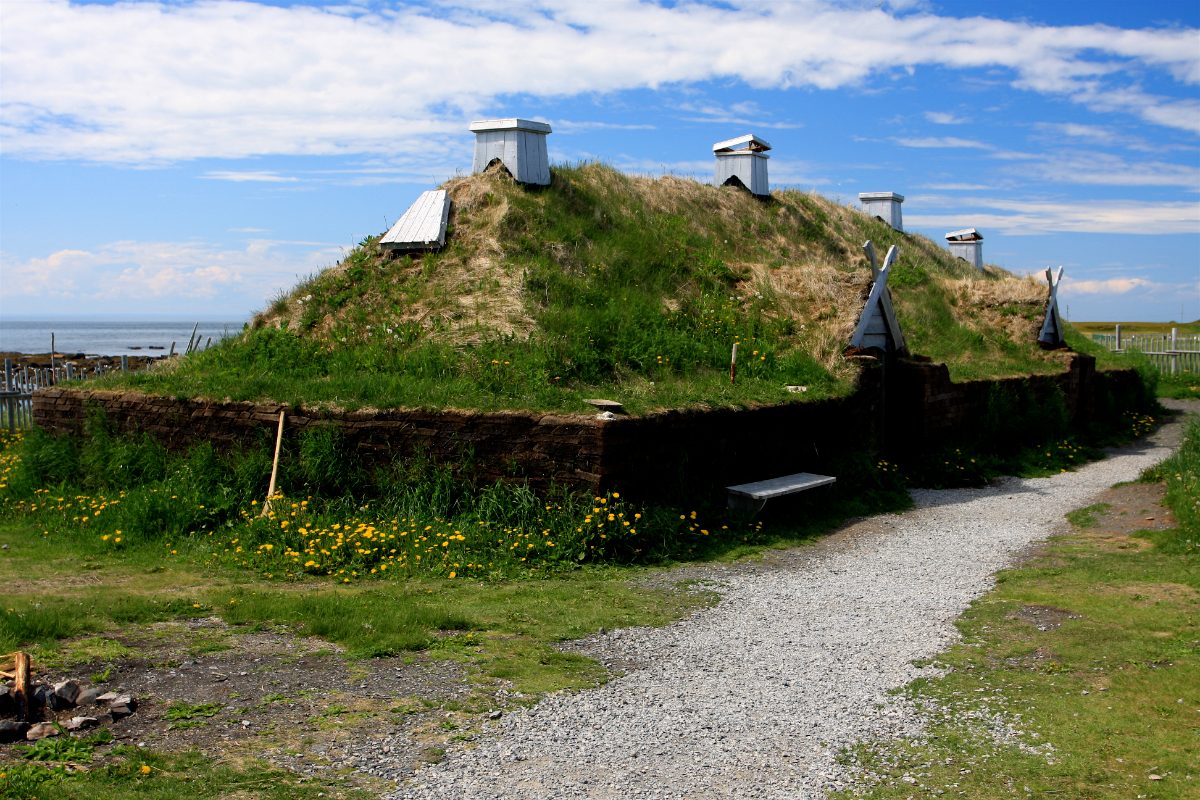
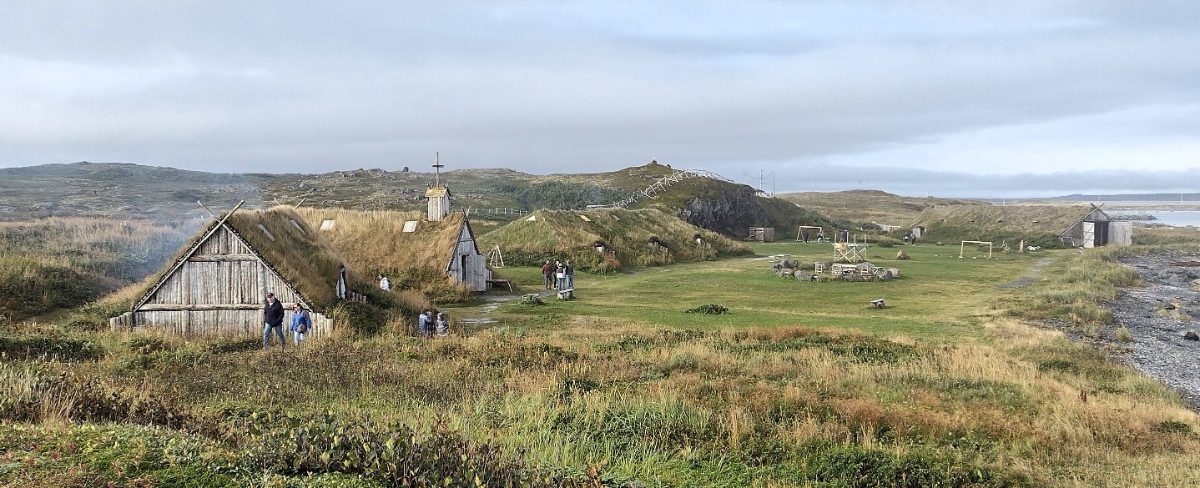
The Norse buildings at L’Anse aux Meadows were constructed using a turf and sod construction technique closely resembling building methods used in Norse settlements in Iceland and Greenland during the same period, featuring thick, insulating walls suited to the site’s harsh, windswept climate.
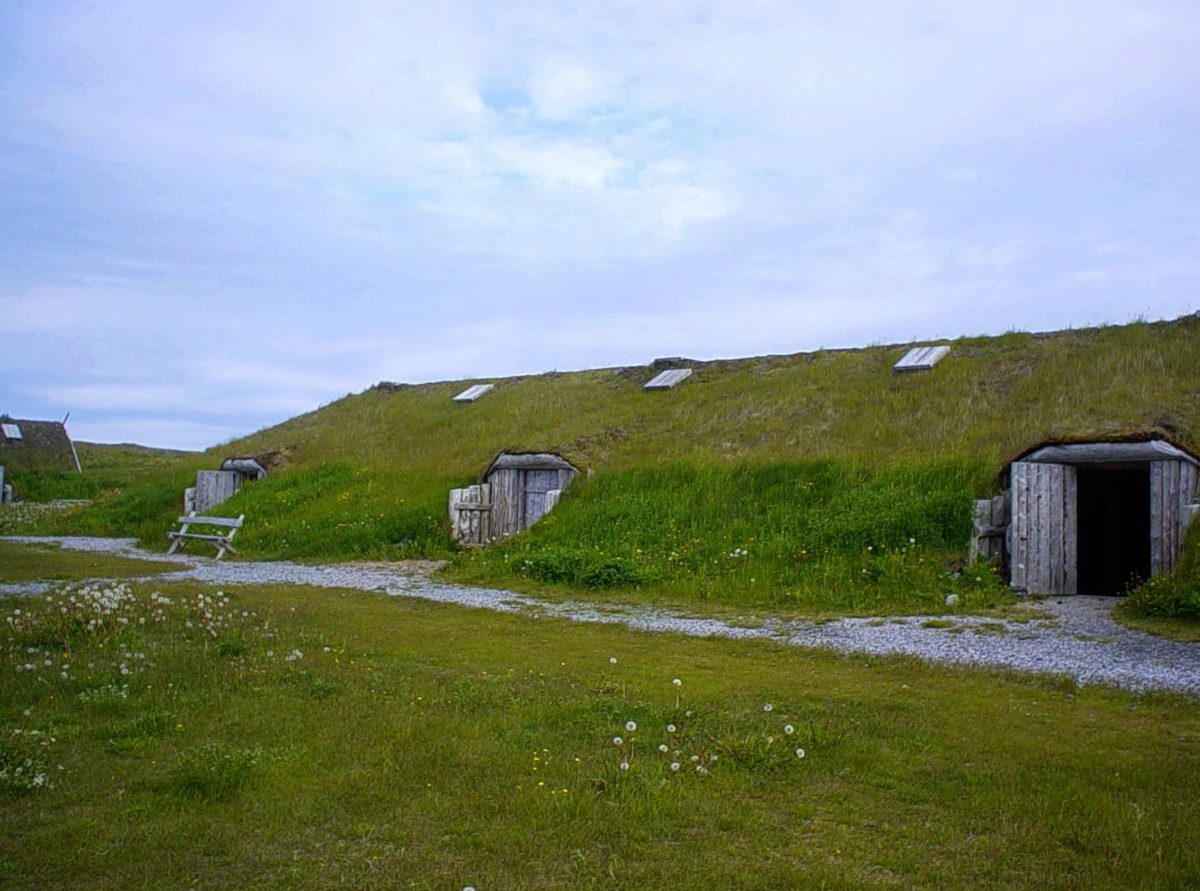
Excavators identified several distinct structures, including a large hall likely used for communal living and sleeping, smaller outbuildings probably used for storage or specialized crafts, and a separate smithy where iron smelting and metalworking took place, evidenced by slag and other metallurgical byproducts recovered from the site.
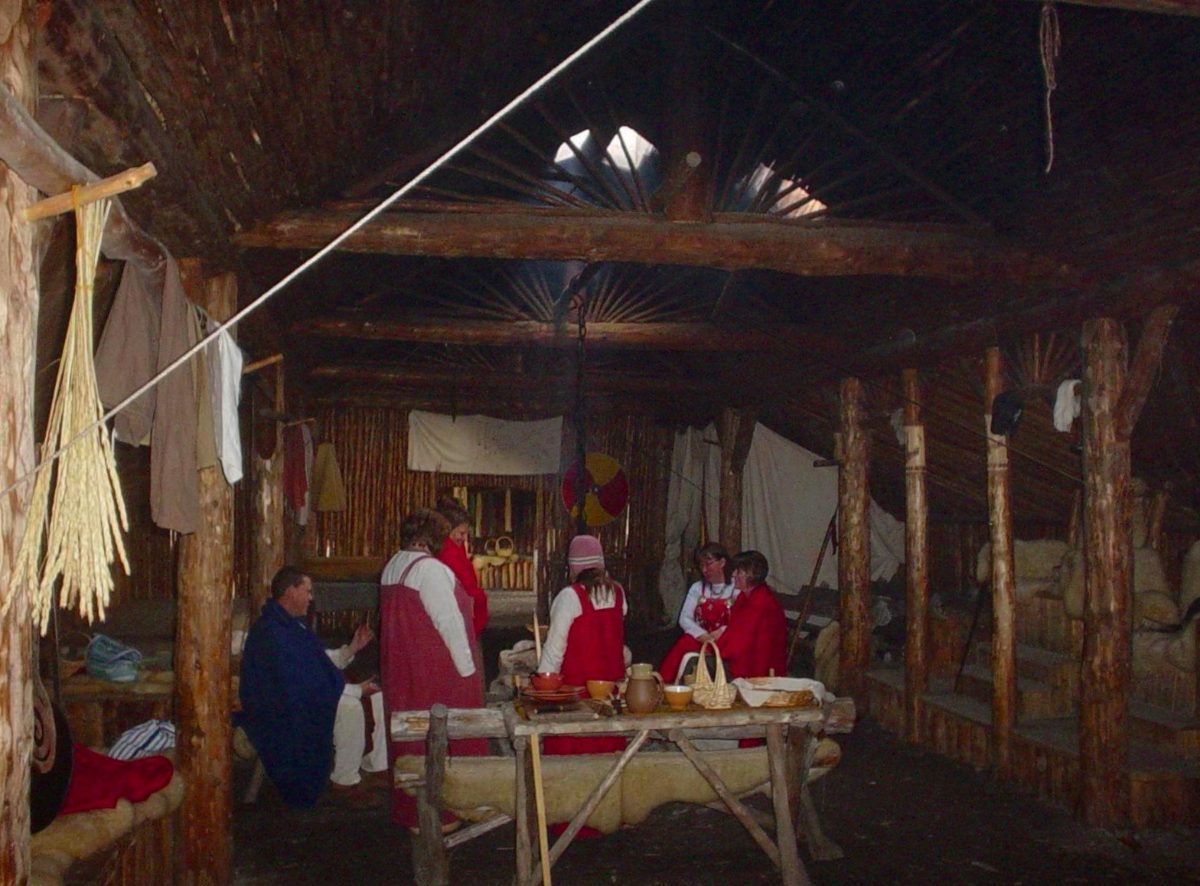
Today, Parks Canada maintains a set of carefully researched reconstructed buildings near the original excavated foundations, using the same turf construction techniques documented archaeologically, giving visitors a tangible sense of what the original Norse structures likely looked like, without disturbing the fragile original remains themselves.
Turf construction, while unfamiliar to visitors from many other parts of the world, was a highly practical and well-established building method throughout the North Atlantic Norse world, offering excellent insulation against extreme cold using locally abundant materials in landscapes, like Newfoundland, Iceland, and Greenland, where large timber was often scarce.
Archaeologists carefully documented the postholes, hearth locations, and wall foundations of each structure before any reconstruction work began, ensuring that the modern replica buildings at the site reflect the best available archaeological evidence rather than speculative guesswork about Norse building techniques.
Was This Leif Erikson’s Vinland
Icelandic sagas, particularly the Saga of the Greenlanders and the Saga of Erik the Red, describe Norse voyages led by Leif Erikson and other explorers to a land called Vinland, described as having wild grapes, valuable timber, and a milder climate than Greenland or Iceland, somewhere to the west across the North Atlantic.
L’Anse aux Meadows itself does not match every detail described in the sagas, particularly the claims of wild grapes, since Newfoundland’s climate is generally too cold to support wild grape cultivation. This has led most historians to conclude that L’Anse aux Meadows likely served as a gateway or base camp within a broader Vinland exploration region, rather than representing the entirety of the Vinland described in the sagas.
Whether or not L’Anse aux Meadows was the specific settlement led by Leif Erikson himself cannot be confirmed through archaeology alone, since no inscriptions or written records directly identifying its inhabitants have been recovered. What the site does confirm, beyond any reasonable doubt, is that Norse explorers reached this exact stretch of Newfoundland coastline and built a functioning base sometime around the year 1021.
Some historians have proposed that the broader Vinland region described in the sagas may have encompassed a considerable stretch of the northeastern North American coastline, with L’Anse aux Meadows serving as a northern gateway or repair station rather than the singular, specific settlement referenced in every saga passage describing Leif Erikson’s activities.
Norse, Not Viking: A Note on Language and Names
The people who built L’Anse aux Meadows spoke Old Norse, the shared North Germanic language of medieval Scandinavia, from which modern Icelandic, Norwegian, Swedish, Danish, and Faroese all eventually descended. Unlike so many of the ancient American cultures explored elsewhere in this series, Old Norse is exceptionally well documented, preserved in a substantial body of surviving medieval manuscripts, sagas, and legal texts.
Modern Icelandic remains close enough to Old Norse that native Icelandic speakers today can still read medieval saga manuscripts with relatively modest difficulty, giving historians studying L’Anse aux Meadows an unusually direct linguistic and literary connection to the voyagers who once lived there, a rare situation compared to most other sites covered in this series.
It’s worth noting that ‘Viking’ technically refers to the specific activity of raiding or seaborne expedition rather than to Norse people generally. Most historians now prefer the broader term ‘Norse’ to describe the society, culture, and settlers responsible for building L’Anse aux Meadows, since the settlement itself appears to reflect exploration and resource gathering rather than any raiding activity.
Place names throughout the North Atlantic Norse world, including in Iceland, the Faroe Islands, and parts of Scotland’s Northern Isles, still preserve substantial Old Norse vocabulary today, offering linguists an unusually rich body of comparative material to draw on when interpreting saga-era accounts connected to sites like L’Anse aux Meadows.
Iron, Nails, and the Proof That Convinced Skeptics
The archaeological case for the Norse origin of L’Anse aux Meadows rests on a combination of structural and artifact evidence that closely matches confirmed Norse sites elsewhere in the North Atlantic. Excavators recovered a bronze cloak pin of a style specifically associated with Norse dress, a soapstone spindle whorl used in Norse-style textile production, and iron boat rivets consistent with Norse shipbuilding techniques.
Perhaps most conclusively, excavators found clear evidence of iron smelting at the site’s smithy, including bog iron ore and slag byproducts, a technology entirely unknown among the indigenous peoples of the region during this period and unmistakably tied to Norse metallurgical practice imported directly from Scandinavia and Iceland.
This combination of architectural style, artifact typology, and metallurgical evidence proved decisive in convincing initially skeptical historians and archaeologists that the site genuinely represented a Norse settlement, rather than a misidentified indigenous site, as some critics had initially proposed before the full body of evidence was assembled.
The absence of any comparable iron-working technology among the indigenous cultures of the region during this period made the smithy discovery at L’Anse aux Meadows particularly significant, since it provided a category of evidence that could not plausibly be explained by any alternative, non-Norse interpretation of the site.
Butternuts That Prove They Went Even Farther South
Among the more intriguing discoveries at L’Anse aux Meadows are butternuts and a piece of worked butternut wood, found in archaeological layers securely associated with the Norse occupation of the site. Butternut trees do not grow naturally anywhere near Newfoundland, requiring a considerably warmer climate found no closer than the St. Lawrence River valley or areas of New Brunswick, hundreds of kilometers to the south.
This evidence strongly suggests that the Norse explorers based at L’Anse aux Meadows traveled considerably farther south along the North American coastline than the base camp itself, gathering resources from regions matching more closely the warmer, grape-friendly landscape described in the Vinland sagas, before returning north to their more established camp.
The butternut evidence has become one of the most important pieces of the puzzle connecting L’Anse aux Meadows to the broader saga accounts of Vinland exploration, even though the precise southern extent of Norse coastal exploration in North America remains undetermined and continues to be a subject of ongoing archaeological interest.
Some researchers have speculated that the same expeditions responsible for gathering butternuts may have also encountered the wild grapes described in the sagas somewhere along the St. Lawrence River valley or the Maritime provinces, regions where wild grape species do grow naturally, lending further support to the idea that Vinland encompassed a considerably broader area than the L’Anse aux Meadows site alone.
Encounters With the Indigenous Peoples Already Here
The Icelandic sagas describe encounters, sometimes peaceful trade and sometimes violent conflict, between Norse explorers and indigenous peoples they called the Skraelings, a term whose exact meaning and connotation remains debated among historians and linguists studying the sagas.
Archaeological evidence at L’Anse aux Meadows itself does not include any confirmed direct evidence of these encounters, though the broader historical and archaeological record of the region indicates that Indigenous peoples, including ancestors of the Beothuk, Mi’kmaq, and other groups, had inhabited Newfoundland and the surrounding Maritime region for thousands of years before any Norse presence arrived.
Saga accounts of conflict with local indigenous populations are sometimes cited by historians as one plausible contributing factor in the Norse decision to ultimately abandon their North American exploration efforts, alongside the practical challenges of maintaining such a distant outpost so far from their established settlements in Greenland and Iceland.
Some archaeologists studying the broader region have proposed that additional, still-undiscovered Norse activity sites may exist along the Atlantic coast of Canada or the northeastern United States, though more than six decades of searching since the Ingstads’ original discovery have not yet produced another confirmed Norse settlement anywhere in the Americas.
Why the Norse Settlement Failed
L’Anse aux Meadows appears to have been used for only a relatively short period, likely spanning less than a decade based on the archaeological evidence, before being abandoned entirely by its Norse inhabitants, who left few visible signs of a hurried or violent departure.
Several factors likely contributed to the settlement’s abandonment: the sheer distance and logistical difficulty of maintaining supply lines back to Greenland and Iceland, the reportedly tense or hostile relations with local indigenous populations described in the sagas, and the simple fact that the Norse Greenland colonies themselves, already operating at the outer edge of viable Norse settlement, had limited surplus population or resources to sustain a distant North American outpost indefinitely.
Unlike most of the other abandoned settlements explored throughout this series, no environmental catastrophe, conquest, or internal collapse appears to explain why L’Anse aux Meadows was given up. It seems, instead, to have simply been a calculated and ultimately practical decision by a small, resource-constrained society operating at the very limits of its logistical reach.
Comparisons are sometimes drawn between the abandonment of L’Anse aux Meadows and the eventual, more gradual decline of the Norse Greenland colonies themselves in the following centuries, both cases illustrating the practical limits facing small, resource-constrained Norse communities attempting to sustain settlements at the outer edges of their known world.
UNESCO Status and Visiting Newfoundland’s Viking Coast
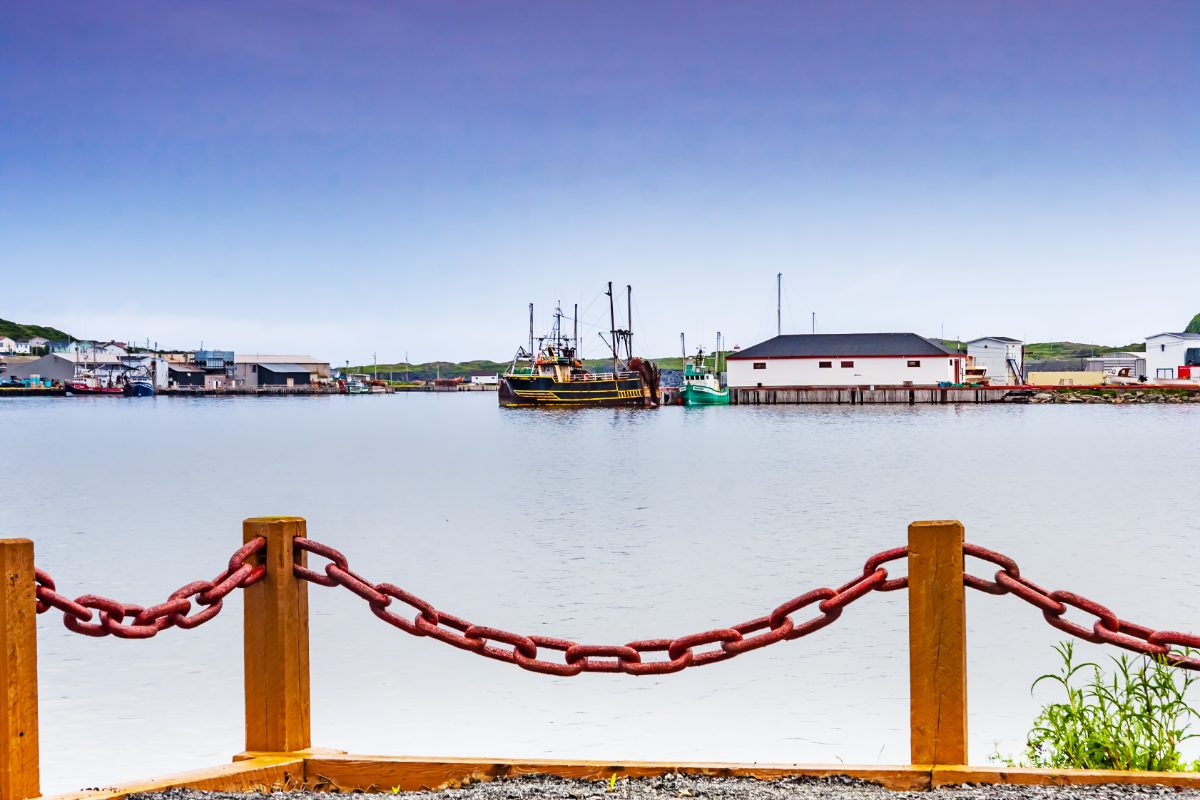
L’Anse aux Meadows was designated a UNESCO World Heritage Site in 1978, among the very first sites in the world to receive that designation, recognizing its unparalleled significance as physical proof of pre-Columbian European contact with the Americas.
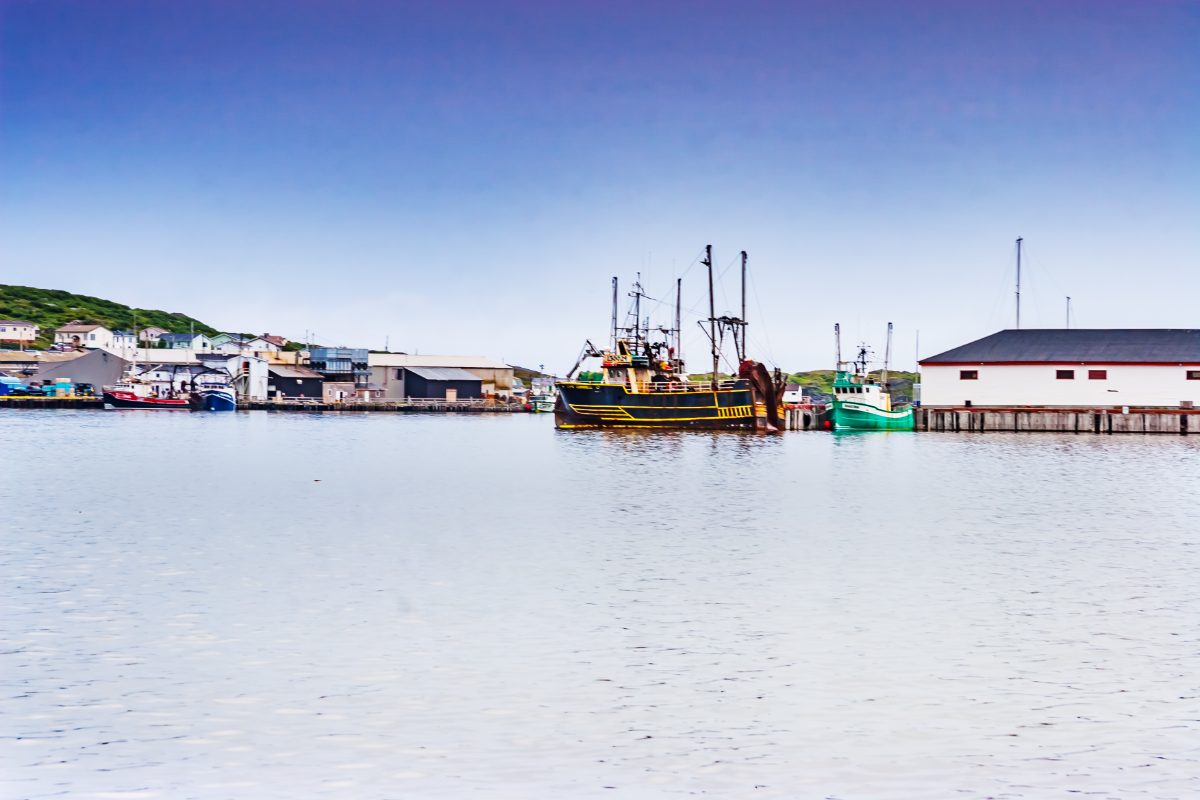
Parks Canada now manages the site as a National Historic Site, offering guided tours of the original excavated foundations alongside the reconstructed sod buildings, staffed seasonally by costumed interpreters who demonstrate Norse-era crafts and daily activities for visitors.

Nearby, a separate attraction called Norstead offers an additional recreated Viking-age village experience, including a full-size Norse ship replica, complementing the more strictly archaeological presentation found at the UNESCO-protected site itself and giving visitors multiple ways to engage with this remote chapter of transatlantic history.
Ongoing archaeological research in the region continues, including periodic surveys aimed at determining whether additional Norse-era activity sites might exist along the Newfoundland coastline beyond the immediate area already excavated at L’Anse aux Meadows itself.
Nearby Places
L’Anse aux Meadows stands apart from the other North American sites explored in this series, connected not by geography but by its shared status as physical evidence of ancient human movement, ambition, and settlement across the continent.
- Cahokia, the great Mississippian city that was near its peak population around the same era the Norse briefly settled Newfoundland
- Poverty Point, the Louisiana earthworks built more than two millennia before any Norse ship reached North American shores
- Serpent Mound, the Ohio effigy earthwork whose builders remain a subject of ongoing debate much like the full extent of Norse exploration
Closing Thoughts
L’Anse aux Meadows occupies a strange, singular place in the history of the Americas: a settlement abandoned so completely and so quickly that it left almost no lasting mark on the continent’s subsequent history, and yet it stands as the only confirmed physical proof that Europeans reached these shores centuries before Columbus. Sometimes the most historically significant places are not the ones that lasted, but the ones that happened at all.
You May Like

Mafra, the Palace a King Built From a Vow