Type 2 diabetes is one of the fastest-spreading chronic diseases in the world and is largely related to lifestyle. It arises when the body’s ability to regulate blood sugar is impaired, and if left untreated it wears down many organs, from the eyes to the kidneys, from the nerves to the vessels. Its most hopeful aspect is that, with the right nutrition and lifestyle changes, it can usually be prevented, delayed, and even brought under control. In this article I explain in detail what type 2 diabetes is, which organs it affects and how, its relationship with nutrition, the role of fats, and how it can be managed by natural means.
- What is type 2 diabetes?
- What are the symptoms?
- Which organs does it affect?
- Causes and risk factors
- Its relationship with nutrition
- Natural foods that balance blood sugar
- The place of fats in diabetes
- What should be done by natural means?
- When should medical treatment begin?
- Prevention and daily life

What is type 2 diabetes?
The carbohydrates we eat turn into glucose, that is, simple sugar, with digestion and pass into the blood. The hormone called insulin is the key that lets this sugar enter the cells and turn into energy. In type 2 diabetes, either the body cannot produce enough insulin or the cells do not respond properly to the insulin it produces; this is called insulin resistance. As a result, sugar cannot enter the cells and builds up in the blood.
This buildup may not cause a noticeable discomfort in the short term, but in the long term the high sugar in the blood causes silent damage throughout the body. Its difference from type 1 diabetes is that type 2 usually develops in adulthood, slowly over the years, and largely depending on lifestyle. This is also what makes it preventable and manageable.
Diabetes also has a stage that is not yet considered a disease: if blood sugar is above normal but still below the diabetes threshold, this is called “prediabetes.” This stage is actually an opportunity, because with simple lifestyle changes made at this point the disease can be prevented entirely. Unfortunately, most people with prediabetes are unaware of their condition, and when they take no precautions they progress to full diabetes over the years. That is why, if you are in a risk group, getting your blood sugar measured regularly is very valuable even if you have no complaints.
What are the symptoms?
Type 2 diabetes advances insidiously, and its symptoms usually appear gradually. Among the most common are excessive thirst, frequent urination, a constant feeling of hunger, unexplained weight loss, fatigue, and weakness. Blurred vision, numbness and tingling in the hands and feet, slow-healing wounds, and frequently recurring infections are also important signs.
The slow development of these symptoms causes most people not to notice their disease for years. That is why regular blood sugar control is of great importance, especially for those with a family history of diabetes, those who are overweight, and those who live sedentary lives. Early diagnosis is the most effective way to prevent organ damage.
Which organs does it affect?
The real danger of diabetes is that, over the years, the high sugar in the blood wears down the vessels and nerves. The fine vessels in the eyes can be damaged, leading to vision loss. If the tiny vessels that do the filtering work of the kidneys deteriorate, kidney failure may develop. When the nerves are damaged, numbness, pain, and loss of sensation appear, especially in the feet.
The heart and vessels are also at great risk; diabetes seriously increases the risk of heart attack and stroke. That is why diabetes and high blood pressure are often seen together and feed each other. The coexistence of high blood pressure and diabetes multiplies the load on the vessels. When circulation and nerve problems in the feet come together, the “diabetic foot” picture, in which even small wounds can worsen, may develop.
The common point of all these complications is the slowly accumulating effect of years of high blood sugar. The longer and higher the blood sugar stays, the more likely organ damage is. The reverse is also true: when sugar is well controlled, most of these complications either never appear or are greatly delayed. This is exactly why the goal of diabetes management is not only to lower today’s sugar but to provide protection spanning years.
Causes and risk factors
Several factors play a role in the development of type 2 diabetes. Excess weight, and especially fat that accumulates around the waist, is the strongest factor triggering insulin resistance. A sedentary life, excessive sugar and refined carbohydrate consumption, genetic predisposition, advancing age, sleep irregularity, and chronic stress are among the other important risk factors.
The fact that most of these factors are modifiable shows the preventable nature of the disease. You cannot choose your genes, but you can manage your weight, your movement, and your nutrition. Type 2 diabetes is often the result of years of accumulated habits; this also offers the chance to reverse it by changing those habits.
It is also worth explaining why waist fat is so important. Unlike the fat under the skin, the visceral fat that wraps around the organs in the abdominal cavity constantly releases inflammatory substances into the blood and impairs the effect of insulin. That is why, of two people at the same weight, the one whose fat collects in the waist area has a markedly higher diabetes risk. The good news is that this type of fat is also the fat that melts fastest with movement and dietary changes; so even a small weight loss provides a disproportionately large benefit.
Its relationship with nutrition
In no disease does nutrition play as central a role as in diabetes. Because what directly determines blood sugar is what you eat. The key concept here is how fast foods raise blood sugar. Sugary drinks, white bread, white rice, and pastries raise blood sugar quickly to a peak; these sharp ups and downs both tire the insulin system over time and cause you to feel hungry again in a short while.

By contrast, fibrous, whole-grain, and protein-rich foods release sugar slowly and evenly. That is why, in diabetes management, “how much” you eat matters as much as “with what and how” you eat it. The same amount of carbohydrate, taken together with fiber and protein, raises blood sugar much less. Eating meals at regular intervals and avoiding long fasts also reduces sugar fluctuations.
Even the order of eating makes a difference. In the same meal, eating the vegetables and protein first and leaving the carbohydrate for last softens the blood sugar rise. Because the fiber and protein that reach the stomach first slow down the absorption of the sugar that comes after. Similarly, eating fruit not alone but together with a handful of nuts allows the sugar to be released more steadily. These small adjustments are practical ways to keep blood sugar under control without banning any food entirely.
Portion control should not be ignored either. Even a healthy food raises blood sugar when eaten in excess. Using a smaller plate, avoiding a second portion, and waiting for the feeling of fullness together prevent excess calories and excess sugar. Diabetes management is not a list of bans but an art of balance.
Natural foods that balance blood sugar
The right food choices can be as effective as medication in balancing blood sugar. Fibrous legumes such as oats, lentils, chickpeas, and beans release sugar slowly and keep you full for a long time. Green leafy vegetables are low in carbohydrate, fibrous, and nourishing; reserving most of the plate for them provides satiety while raising blood sugar almost not at all. Cinnamon is traditionally considered a blood sugar balancer and is said to soften the post-meal sugar rise a bit when added to dishes.

Whole grains should take the place of white-flour products; whole wheat, bulgur, buckwheat, and oats are good options. Nuts such as walnuts, almonds, and hazelnuts provide both healthy fat and fiber and serve as a snack in place of sugary products. Low-sugar fruits, for example strawberries and apples, are a balanced choice thanks to their fiber content. The common feature of these foods is that they give sugar to the blood gradually rather than suddenly.
Sour foods such as vinegar and lemon are also thought to soften the blood sugar rise somewhat when taken with a meal. Fermented dairy products such as yogurt and kefir provide protein and support gut health, indirectly contributing to sugar balance. What matters is not to look for a single “miracle food”; it is to build a holistic dietary pattern that contains fiber, protein, and healthy fat in balance. No single food can fix a broken diet on its own.
The place of fats in diabetes
In diabetes too, there is a big misconception about fats: it is thought that one must avoid all fats. Yet fat is an essential nutrient for the body and should be part of nutrition under all conditions. Moreover, an important advantage of fat is that it raises blood sugar almost not at all; unlike carbohydrate, fat does not turn into glucose when digested. That is why a healthy fat added to a meal can slow the blood sugar rise.
The digestive system excretes fat it does not need or that is unsuitable in structure without absorbing it; the body does not store fat by force, it uses it according to its needs. The important thing is not to cut fat but to choose its source correctly. Fats from sources such as olive oil, avocado, walnuts, hazelnuts, and fish support insulin sensitivity and reduce inflammation. What really needs to be limited are the spoiled fats in processed foods and fried items.
Especially the omega fatty acids in fish are a valuable support against cardiovascular disease, the most feared consequence of diabetes, by protecting vessel health. So in diabetes, instead of fearing fat, keeping the right fat on your plate in the right amount is the healthiest approach.
Here it is worth pointing out a common trap: most products sold as “sugar-free” or “diabetic” are not innocent. When the sugar is removed, extra starch, refined flour, or unhealthy fat is usually added to these products; as a result they can still raise blood sugar. Learning to read labels is the only way to see what such products really contain. Often a natural food consumed in its whole form is much safer than a processed product labeled “diabetic.”
What should be done by natural means?
In the early stages of type 2 diabetes and even before it, lifestyle changes can return blood sugar to normal. The first step is to lose weight; losing even a small part of the excess weight markedly reduces insulin resistance. The second step is regular movement: walking allows the muscles to use blood sugar even without insulin, so exercise acts almost like a natural sugar-lowering agent.
Reducing refined sugar and flour, increasing fiber intake, putting meals in order, and getting enough sleep can also be at least as effective as medication. Stress management is important too, because chronic stress increases the hormones that raise blood sugar. When these changes are applied together, their effects grow dramatically.
The power of movement in diabetes deserves a special mention. Even a short walk taken after a meal markedly reduces that meal’s effect on blood sugar; because working muscles use the sugar directly as fuel. Resistance exercises, that is, light weight work, increase muscle mass and thereby enlarge the body’s capacity to store sugar. So when both aerobic movements such as walking and muscle-strengthening exercises are done together, diabetes management becomes much easier.
The role of sleep is also often skipped. Insufficient and irregular sleep disrupts the hormones that regulate blood sugar and increases insulin resistance. A regular sleep schedule is a factor that most people do not notice but that has a real effect on blood sugar. Likewise, smoking accelerates the complications of diabetes by impairing vessel health; quitting is one of the most valuable steps that can be taken.
When should medical treatment begin?
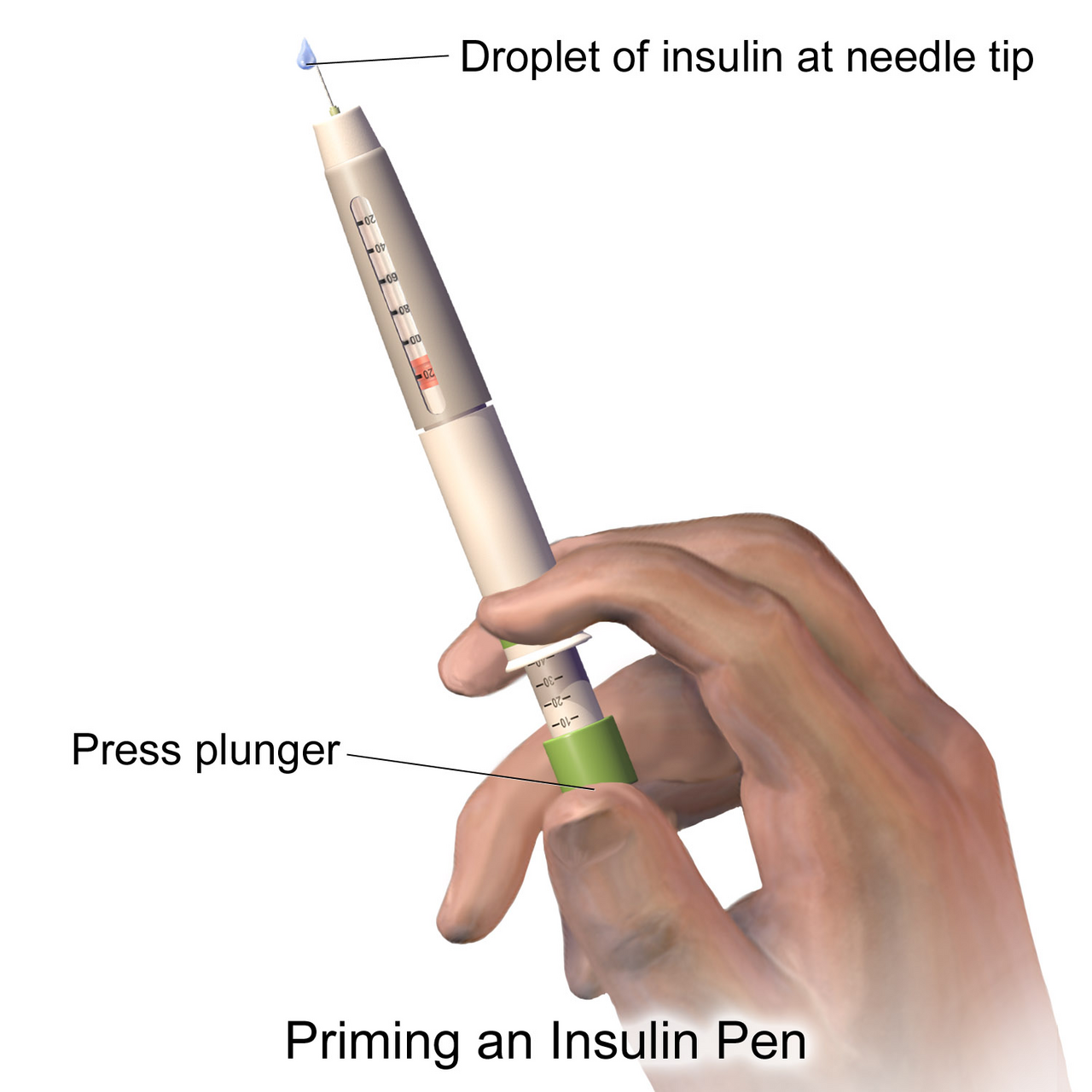
Natural methods are powerful, but they are not always enough on their own. If blood sugar does not reach target values within a certain time with lifestyle changes, or if it is very high from the start, drug therapy comes into play. In this case, starting the drug at the right time, not postponing it, prevents organ damage. Treatment usually begins with pills that regulate blood sugar; insulin can be added when needed.
Here too one must not pit the two against each other. Using medication does not mean giving up healthy eating and movement; on the contrary, lifestyle changes reduce the need for medication and may open the way to stopping the drug entirely in some people. A physician must decide, by looking at the measurements, when and how treatment should begin.
Diabetes drugs have different ways of working; some slow the absorption of sugar, some help the body use insulin better, and some make excess sugar be excreted in the urine. Which drug is right for you is a personal decision and is determined by your age, your weight, your kidney status, and accompanying illnesses. One of the most common mistakes is stopping the drug on one’s own once blood sugar improves; yet the sugar is normal because the drug controls it. The decision to change treatment should always be made together with the physician.
Prevention and daily life
Type 2 diabetes is a largely preventable disease. Reserving half of the plate for vegetables, replacing white-flour products with whole grains, switching sugary drinks to water, reducing portions, and staying active during the day can delay the development of the disease for years or prevent it entirely. These habits also keep at bay problems that walk alongside it, such as high blood pressure.
Those with a family history of diabetes do not have to submit to their fate. Genetic predisposition increases the risk, but whether the disease appears or not is largely determined by lifestyle. If, of two siblings carrying the same genes, one is active and eats a balanced diet while the other lives a sedentary, sugar-heavy life, the diabetes risk of the two can be polar opposites. This shows that control is largely in your hands.
For people with diabetes, regular blood sugar monitoring, foot care, and eye checks are of vital importance. Regular follow-up is the invisible but most important part of diabetes management. A simple diary kept at home lets you see how a meal or a habit affects your sugar and makes the meetings you have with your physician much more productive. As a result, type 2 diabetes, frightening as it seems, is actually one of the diseases you can have the most say over. The control you establish over your plate, your movement, and your sleep is directly reflected in your blood sugar. This article is for general information; for personal diagnosis and treatment, be sure to consult your physician.