Hypertension, that is, high blood pressure, is often called the “silent killer” because it usually goes on for years without giving any symptoms. This condition, which affects billions of people worldwide, quietly wears down the heart, the vessels, the kidneys, and the brain. The good news is this: hypertension is one of the conditions most manageable through nutrition and lifestyle, and in its early stage it can often be balanced without medication. In this article I explain in detail what high blood pressure is, which organs it affects and how, its relationship with nutrition, and how it can be balanced through natural means.
- What is hypertension?
- What are the symptoms?
- Which organs does it affect?
- Causes and risk factors
- Its relationship with nutrition
- Natural foods that balance blood pressure
- The place of fats in hypertension
- What should be done by natural means?
- When should medical treatment begin?
- Small but effective changes in daily life
What is hypertension?
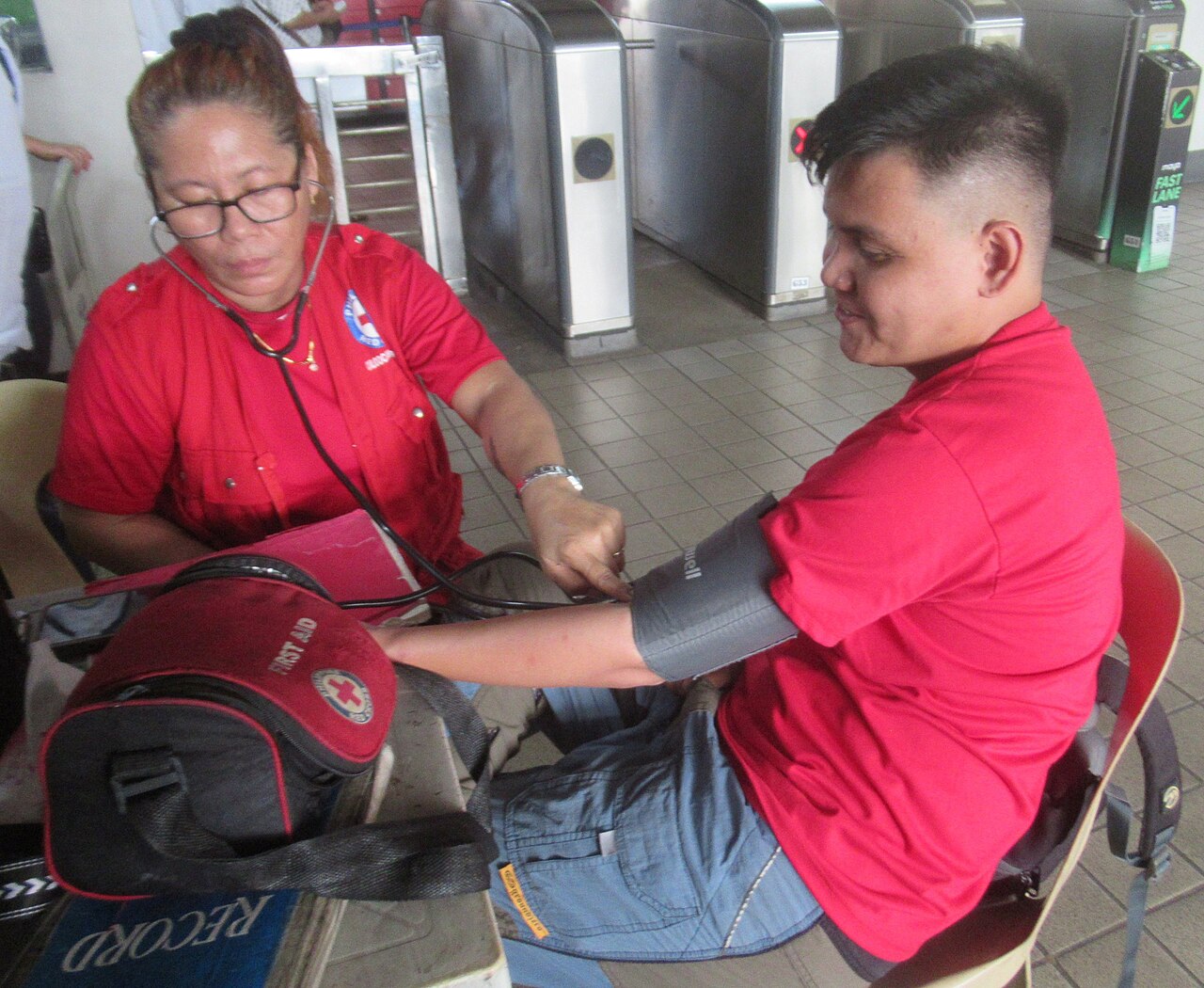
Blood pressure is the pressure the heart applies to the vessel walls as it pumps blood into the vessels. This pressure is expressed with two numbers: the higher pressure at the moment the heart contracts, and the lower pressure when it relaxes. If these values consistently stay above the limits accepted as normal, we speak of hypertension. A single high reading does not mean disease; what matters is the pressure staying permanently high.
The problem is that when vessels are constantly exposed to high pressure, they harden over time, lose their elasticity, and become damaged. This process advances silently over the years; most people learn that their blood pressure is high only during a health check, or unfortunately after a heart attack or stroke. That is why regular measurement is of vital importance.
It is also normal for blood pressure to fluctuate during the day. When you wake up in the morning, when you are stressed, after drinking coffee, or while moving, the values can rise temporarily. That is why it is not right to panic over a single reading; for a diagnosis, the average of several readings taken on different days, while rested, is the basis. When measuring blood pressure at home, doing it while seated, with your arm at heart level and after resting for a few minutes, gives the most reliable result. Wrong technique can show an unnecessarily high value and alarm you.
What are the symptoms?
The most dangerous aspect of hypertension is that it usually gives no symptoms. Still, when blood pressure rises markedly, some signs may appear: a headache that becomes more pronounced in the mornings, tightness in the nape area, dizziness, palpitations, ringing in the ears, nosebleeds, and shortness of breath. Blurred vision and fatigue may also be seen.
However, the absence of these symptoms should not reassure you. Many people live for years with high blood pressure and no complaints at all. For exactly this reason, regular blood pressure monitoring is essential, especially after the age of forty or for those with a family history of high blood pressure.
Sometimes blood pressure rises so much that it turns into an urgent picture called a “hypertensive crisis.” If it is accompanied by a severe headache, vision disturbance, chest pain, shortness of breath, or confusion, this is a situation that requires emergency medical help without losing time. It is important to distinguish this extreme case from everyday mild rises; one is a chronic process managed with patience, while the other is an emergency in which minutes matter.
Which organs does it affect?
High blood pressure affects not only the vessels but, through them, many organs in a chain. The heart comes first: forced to work against high pressure, the heart muscle thickens, tires over time, and may progress toward heart failure. The brain is the second major target; if the damaged vessels become blocked or rupture, a stroke occurs.
The kidneys are also seriously affected, because the tiny vessels that filter the blood are harmed by high pressure, and kidney failure may develop. The fine vessels in the eyes can be damaged, leading to vision loss. In short, hypertension is a systemic problem that threatens every part of the body that has a blood vessel.
The common point of all this organ damage is that it all develops slowly and silently. The vessels resist high pressure for years, but at a certain point they reach the limit of what they can bear. That is why hypertension is likened to a “time bomb”: even if you have no complaints today, uncontrolled high blood pressure continues to wear down your organs in the background. Early intervention can prevent most of this damage and even halt what has already begun. For this reason, managing hypertension is not just about lowering a number, but an investment in protecting your future health.
Causes and risk factors
In the vast majority of cases there is no single clear cause; instead, several factors come together. Genetic predisposition, advancing age, excessive salt consumption, excess weight, a sedentary life, excessive alcohol, smoking, and chronic stress are the most important factors. In some cases, an underlying cause such as kidney disease or a hormonal disorder is present.
The fact that most of these risk factors are modifiable explains why hypertension is considered so “manageable.” You cannot change your age or your genes, but you can change your plate, your movement, and your habits.
The role of stress is also often underestimated. Chronic tension keeps the body constantly in “danger” mode; this speeds up the heartbeat and narrows the vessels, raising the pressure. A one-off stress is temporary, but living under constant high stress prepares the ground for blood pressure to stay permanently high. Sleep irregularity and snoring with breathing pauses through the night are also important risk factors that most people do not notice.
Its relationship with nutrition
The link between hypertension and nutrition is extremely strong. At the center of this relationship is sodium, that is, salt. To balance the sodium in the blood, the body retains water; more salt means more water, which increases the volume in the vessels and therefore the pressure. Most people’s daily salt intake is far above what the body needs, and most of this salt comes from ready-made and processed foods.
Opposite salt stands potassium. Potassium balances the effect of sodium and helps the vessels relax. The DASH dietary approach, which stands out in scientific studies and is widely recommended (quote: the “Dietary Approaches to Stop Hypertension” research program), is based on exactly this logic: reducing salt and increasing foods rich in potassium, magnesium, and fiber. This approach highlights a plate dominated by vegetables, fruit, whole grains, and legumes.
Alongside salt, the relationship of sugar and refined carbohydrates with blood pressure is increasingly emphasized. Excess sugar leads to weight gain and insulin resistance, indirectly raising blood pressure. Sugary drinks are especially insidious in this respect; sugar taken in liquid form reaches high amounts without being noticed and gives no feeling of fullness. So a blood-pressure-friendly diet means not only “less salt” but also “less processed sugar.”
Moving away from processed foods is actually the most practical way to reduce salt, sugar, and harmful fats all in one move. Because most packaged products contain these three together. When you turn to cooking with fresh ingredients in the kitchen, you also regain control over how much salt and sugar you consume.
Natural foods that balance blood pressure
The right foods make a real difference on blood pressure. Banana, spinach, potato, dried apricot, and legumes, which are rich in potassium, balance the effect of sodium. Beets and green leafy vegetables contain natural nitrates; in the body these turn into compounds that relax the vessels, easing blood flow and lowering pressure. Garlic is traditionally regarded as blood-pressure-friendly, and in many studies its vessel-relaxing effect is mentioned; consumed regularly and in moderate amounts, it is thought to slightly reduce resistance in the vessels.
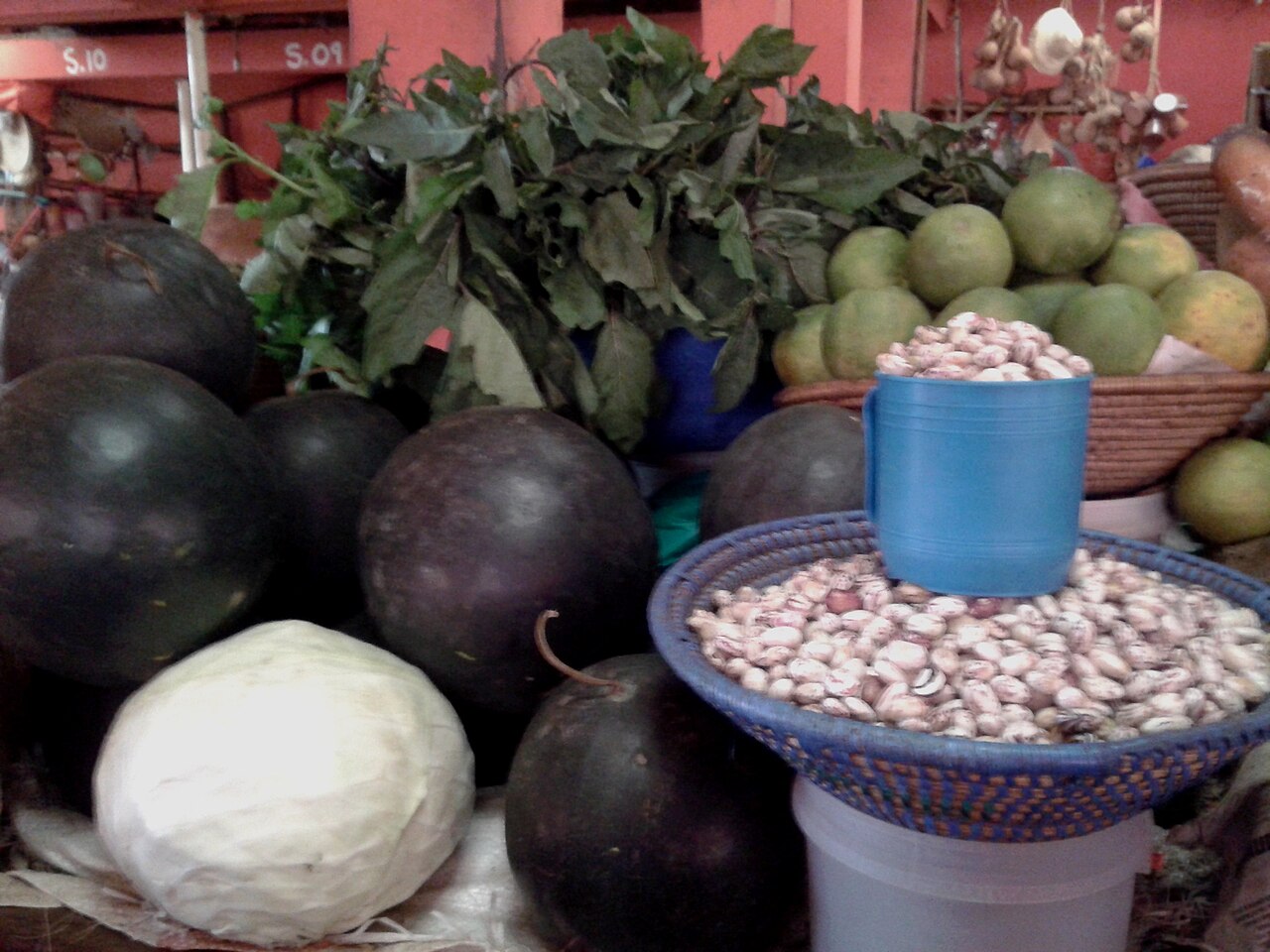
Fibrous grains such as oats, and fruits rich in antioxidants such as strawberries and pomegranate, also support vessel health. The common feature of these foods is that they are natural, unprocessed, and rich in potassium and fiber. The more you add color to your plate, the more you help to balance your blood pressure.
Magnesium is also a quiet hero in blood pressure balance; pumpkin seeds, almonds, dark leafy greens, and whole grains are good sources. This mineral helps the muscles in the vessel wall relax and, as a deficiency unnoticed by many, can negatively affect blood pressure. Instead of tea, some herbal teas, for example hibiscus, are traditionally considered mild blood-pressure reducers, but one must not forget that these do not replace medication and are supportive.
The place of fats in hypertension
There is a misconception about fats that has persisted for years: it is thought that one must avoid all fats. Yet fat is an indispensable nutrient for the body and should be part of nutrition under all conditions. From the building of cell membranes to hormone production, from the absorption of fat-soluble vitamins to the health of the nervous system, many vital functions depend on fat. The important thing here is not to cut fat, but to choose the right fat.
The digestive system can excrete fat that is in excess of need or unsuitable in structure without absorbing it; the body does not store fat by force, it processes it according to its needs. That is why healthy fats from sources such as olive oil, hazelnuts, walnuts, avocado, and fish support vessel elasticity and provide indirect benefit to blood pressure by reducing inflammation. What really needs to be limited are the spoiled fats in processed foods and fried items.
Here it is worth mentioning a common mistake: most products marketed as fat-free contain extra sugar and starch to make up for the flavor lost when the fat is removed. As a result, the product thought to be “light” can become more harmful to blood pressure and vessel health than its full-fat version. Natural, quality fat consumed in its whole form is generally healthier than a refined, processed “fat-free” product. What matters is taking fat without overdoing the amount, from the right source and in a natural form.
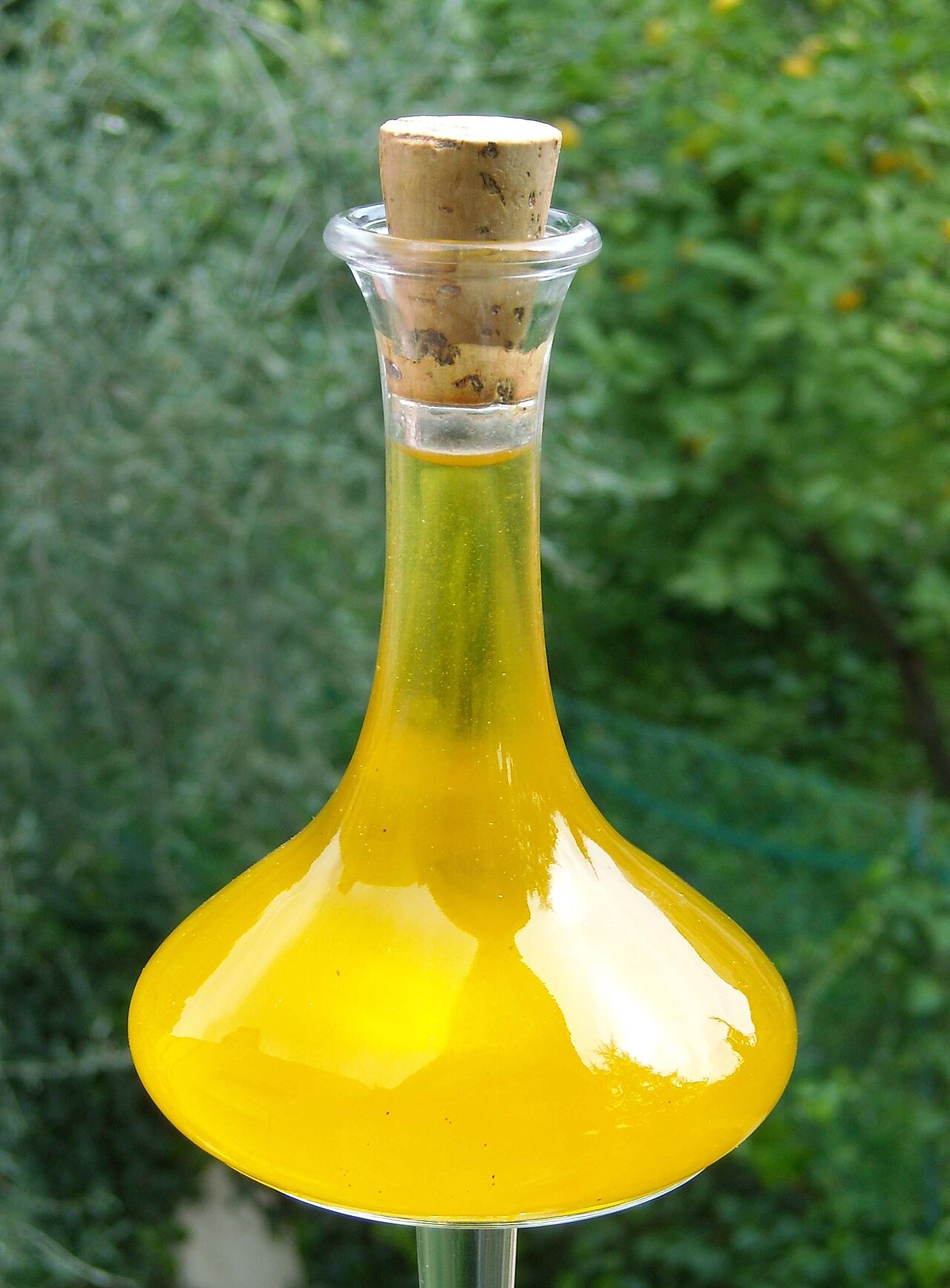
Especially the omega fatty acids in fish and the monounsaturated fats in olive oil are valuable for vessel health. An important part of the positive effect of a Mediterranean-style diet on blood pressure comes from these fat sources. So instead of fearing fat, keeping it on your plate while watching its source and quality is the most correct approach.
What should be done by natural means?
In the early and mild stages of hypertension, the right lifestyle changes can return blood pressure to normal without the need for medication. The first step is to reduce salt; cutting down especially on ready-made food, pickles, tomato paste, chips, and processed meat makes a big difference. The second step is regular movement: even half an hour of brisk walking a day can lower blood pressure markedly.
Losing excess weight, limiting alcohol, quitting smoking, and establishing a sleep routine can also be at least as effective as medication. Stress management should not be ignored either; breathing exercises and relaxation techniques reduce the way chronic tension reflects onto blood pressure. When these changes are applied together, their effects multiply.
The type of movement also matters. Regular aerobic exercises such as brisk walking, swimming, cycling, and light running are the activities that strengthen the heart and vessels the most. Aiming for five days a week, half an hour a day, is an achievable start for most people. Since long hours spent sedentary are a risk factor on their own, even standing up and walking for a few minutes often during the day helps. The effect of exercise on blood pressure becomes measurable within weeks when done regularly.
Water consumption should not be overlooked either. Enough water helps the kidneys excrete excess sodium and keeps the blood volume in balance. By contrast, excessive caffeine and energy drinks can raise blood pressure temporarily; that is why attention to their amount is needed.
When should medical treatment begin?
Natural methods are powerful, but they are not always enough on their own. When blood pressure rises above a certain threshold, when it cannot be brought under control within a few months with lifestyle changes, or when damage begins in organs such as the heart and kidneys, drug therapy comes into play. In this case, starting medication at the right time, not postponing it, saves lives.
What matters here is not to pit the two against each other. Using medication does not mean giving up healthy eating and movement; on the contrary, lifestyle changes keep the drug dose low and, in some cases, open the way to stopping the drug entirely. A physician must decide when and how treatment should begin.
Blood pressure drugs are not of a single type; there are various groups that work through different mechanisms. Some relax the vessels, some make the body excrete excess water and salt, and some lighten the heart’s load. Which drug is right for you is determined by your age, accompanying illnesses, and the course of your blood pressure. That is why a drug that works well for your neighbor may not suit you; drug choice is entirely personal.
The most common mistake when starting a drug is stopping it on one’s own once blood pressure returns to normal. Yet the value is normal because the drug lowers the blood pressure; when it is stopped, the pressure usually rises again. The decision to continue or reduce treatment should be made by looking at the measurements and under a physician’s supervision. As lifestyle changes become permanent, your physician may consider gradually reducing the dose. Drugs may have side effects too, but these are usually very small next to the risk of heart attack and stroke that uncontrolled blood pressure would cause. When you experience a side effect, what should be done is not to stop the drug but to report it to your physician; usually adjusting the dose or switching to a different group solves the problem. Thinking of treatment as teamwork, that is, you, your nutrition, and your physician working together, gives the best result.
Small but effective changes in daily life
Managing hypertension does not require a radical change of life; small and sustainable steps yield big results over time. Not putting a salt shaker on the table, reading labels to notice hidden salt, choosing the stairs instead of the elevator, not neglecting to drink water during the day, and reserving half of the plate for vegetables are a few of these.
Measuring blood pressure regularly at home and noting the values is also the key to control; because you cannot manage what you cannot measure. A simple blood pressure diary kept at home also makes the meetings you have with your physician much more productive. Noting the values you measure morning and evening, what you ate that day, and how you felt allows you to see over time which habit affects your blood pressure how. This awareness is often the strongest source of motivation; because seeing with your own eyes that a small change reflects in the values makes it easier to sustain that change.
Finally, it is useful to see hypertension not as an enemy but as a warning your body sends you. When you take this warning into account and arrange your nutrition and lifestyle, not only your blood pressure but also your heart, vessels, kidneys, and general health benefit. Remember, hypertension is a condition that lasts a lifetime but can be balanced comfortably with the right habits. This article is for general information; for personal diagnosis and treatment, be sure to consult your physician.



2 thoughts on “Hypertension (High Blood Pressure): The Silent Threat and Its Link to Nutrition”