The Dutch are a people who built their country with their own hands, wresting it from the sea and defending it against the water for a thousand years. From this constant struggle against nature came a culture of pragmatism, cooperation, tolerance, and commercial genius that, in a single astonishing century, turned a small, wet, resource-poor corner of Europe into one of the richest and most influential societies on earth. The story of the Netherlands is the story of how engineering, trade, art, and a stubborn devotion to freedom of conscience combined to produce a nation far greater than its size, whose ideas about money, tolerance, and the management of water still shape the modern world.
Who the Dutch Are
The Dutch are the people of the Netherlands, a Germanic-speaking nation of around seventeen million living in one of the most densely populated countries in Europe. They speak Dutch, a Germanic language closely related to German and English, and are known for a distinctive national character that prizes directness, equality, thrift, practicality, and an easygoing tolerance. The Dutch are famously blunt, valuing plain speaking over ceremony, and famously consensual, having developed over centuries a culture of negotiation and compromise that their own language calls the polder model, after the cooperative effort required to manage their reclaimed land.
In This Article
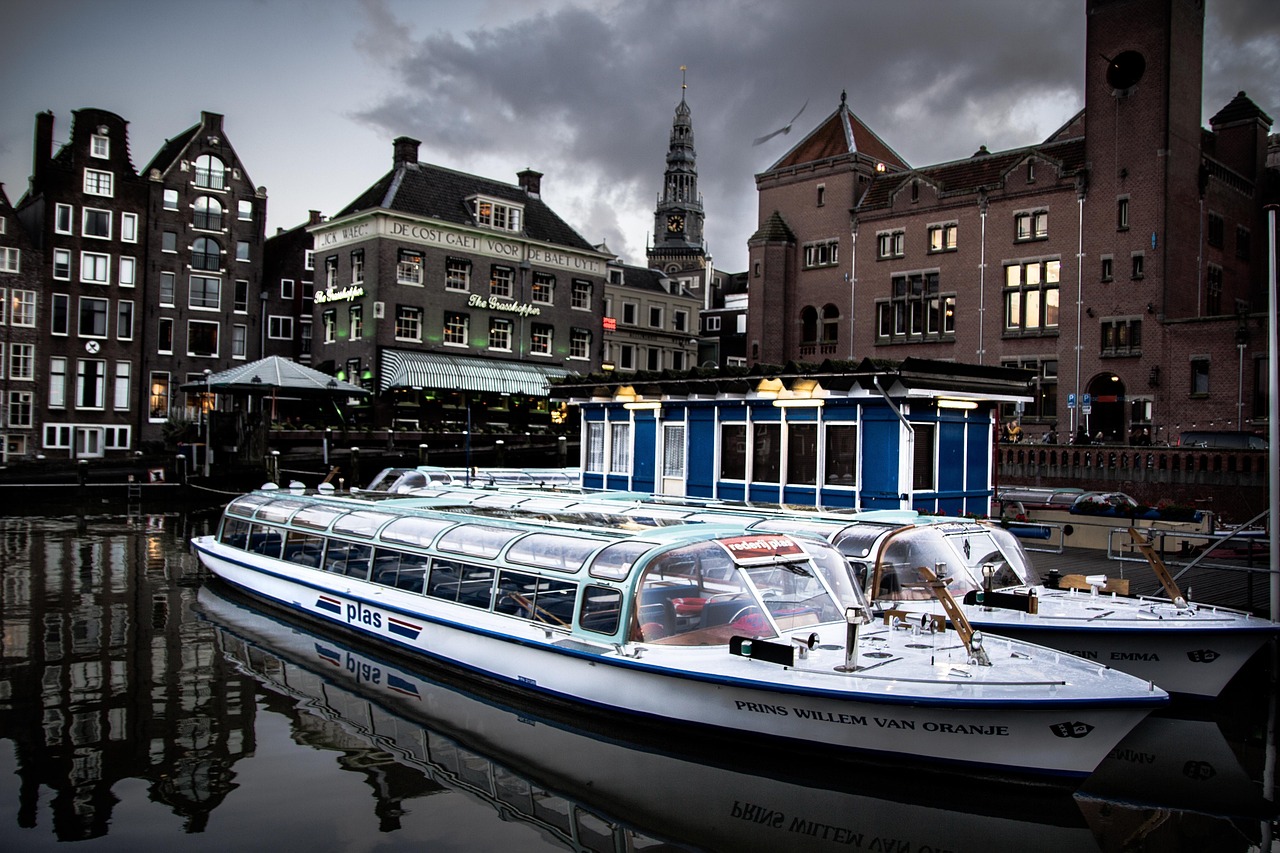
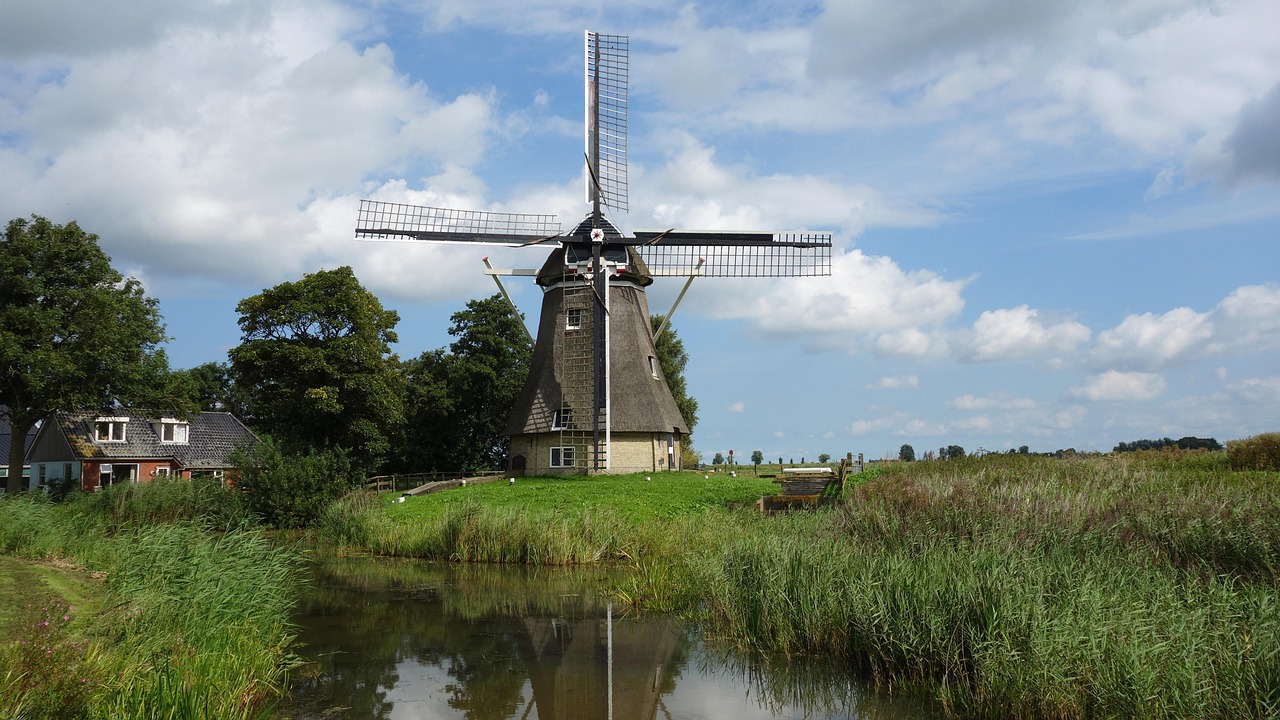
The relationship between the Dutch and water is the central fact of their existence. A large part of the Netherlands lies at or below sea level, and the country very name means the low countries. For centuries the Dutch have built dikes, dug canals, and pumped out water with windmills and later with engines to create the flat, fertile fields called polders. The saying that God created the world but the Dutch created the Netherlands captures a literal truth, and the endless collective effort of holding back the sea bred habits of cooperation and engineering ingenuity that run through the whole of Dutch culture.
From the Low Countries to a Nation
The region that became the Netherlands was for much of its history part of larger realms, a collection of prosperous trading provinces and cities within the lands of the dukes of Burgundy and later the Habsburg empire of Spain. The Low Countries grew wealthy on trade, cloth, and shipping, and their towns, governed by merchants, developed a tradition of local self-rule and civic pride. By the sixteenth century this was one of the most urbanized and commercial regions in Europe, and into it came the Protestant Reformation, which would set the provinces on a collision course with their Catholic Spanish rulers.
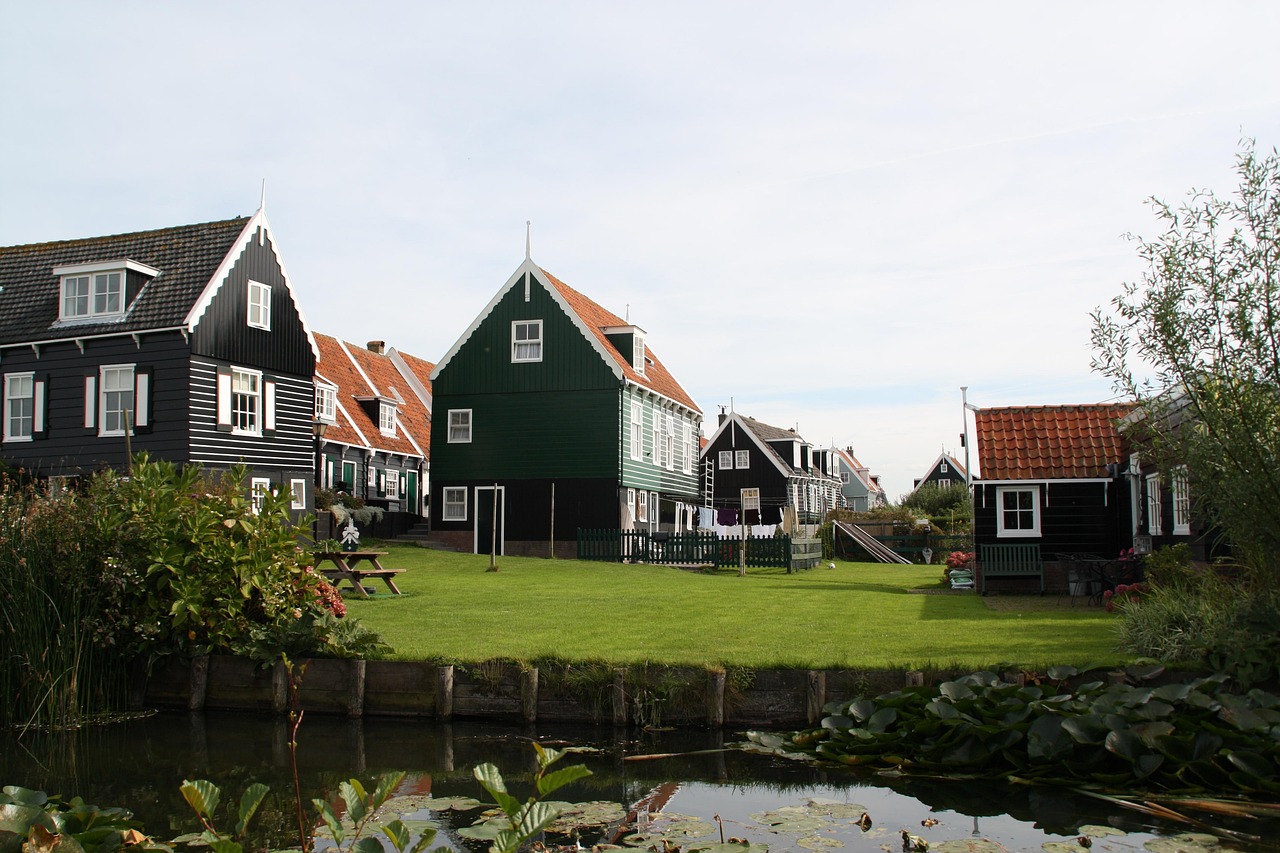
The result was the Dutch Revolt, a long and bitter struggle for independence that began in the later sixteenth century. Led initially by William of Orange, the northern provinces rose against Spanish rule and against religious persecution, and after decades of warfare known as the Eighty Years War they secured their independence as the Dutch Republic, formally recognized in 1648. This new state, the United Provinces, was a rarity in an age of kings: a republic, governed by its towns and provinces, with no monarch and an unusual degree of religious toleration. That founding struggle for freedom of conscience became central to how the Dutch understood themselves.
The Golden Age
The seventeenth century was the Dutch Golden Age, one of the most remarkable bursts of prosperity and creativity in European history. The young republic became the dominant trading and financial power of the world. Dutch ships carried the commerce of the globe, and the Dutch East India Company, founded in 1602, became the first multinational corporation and one of the most powerful commercial enterprises ever to exist, with its own fleets, armies, and territories across Asia. Amsterdam became the financial capital of the world, home to the first modern stock exchange, and the Dutch pioneered techniques of banking, insurance, and finance that underpin capitalism to this day.
This honesty about Dutch achievement requires acknowledging its darker foundations. The wealth of the Golden Age was built in part on a far-flung colonial empire and on deep involvement in the transatlantic slave trade, in which Dutch merchants trafficked hundreds of thousands of enslaved Africans, as well as on the often brutal exploitation of colonized peoples in the East Indies and elsewhere. The same commercial dynamism that produced great art and prosperity at home rested on coercion and suffering abroad, a contradiction that modern Dutch society has increasingly come to confront and debate.
Painters of Light and Daily Life
The Golden Age produced one of the supreme schools of painting in the history of art. With a wealthy merchant class eager to buy pictures for their homes rather than only churches or palaces, Dutch artists turned to the world around them, painting landscapes, seascapes, still lifes, and above all the ordinary life of ordinary people with unprecedented realism and tenderness. The light of the low countries, falling across flat land and wide skies, became a subject in itself.
The greatest of these painters rank among the immortals of art. Rembrandt van Rijn explored the human face and soul with a depth few have equaled, his portraits and self-portraits charting a lifetime of feeling. Johannes Vermeer painted quiet domestic scenes suffused with luminous light, among them the famous Girl with a Pearl Earring. Frans Hals captured the vitality of his sitters, and a host of other masters recorded the landscapes, taverns, and households of their age. Two centuries later the Netherlands produced another giant, Vincent van Gogh, whose passionate, turbulent work helped found modern art. Dutch painting gave the world a new way of seeing the dignity and beauty of everyday life.
Tolerance and the Free Mind
The Dutch Republic was, by the standards of its time, an extraordinary haven of tolerance and free thought. Its relative openness drew refugees, dissenters, and thinkers from across Europe seeking freedom from persecution, among them the philosopher Spinoza, born in Amsterdam to a Jewish family that had fled the Iberian Peninsula, and the French philosopher Descartes, who chose to live and work in the Netherlands. Dutch printers published books that were banned elsewhere, and the country became a center of the European Enlightenment and of the free exchange of ideas.
This tradition of tolerance, rooted in the practical recognition that a trading society of many faiths must learn to coexist, became a lasting feature of Dutch identity. In the modern era it has made the Netherlands famous for socially liberal policies and an open, pragmatic approach to questions that divide other societies. The Dutch tendency to seek workable compromise rather than rigid principle, to live and let live, and to value individual freedom alongside collective responsibility traces directly back to the merchant republic and its hard-won lessons about how diverse people can prosper together.
Engineering the Land and Sea
No people on earth have mastered the management of water as the Dutch have. The endless work of building dikes, draining lakes, reclaiming land, and defending the coast has made the Netherlands the world authority on water engineering. After a catastrophic flood in 1953 killed nearly two thousand people, the Dutch built the Delta Works, a vast system of dams, sluices, and storm barriers that ranks among the greatest engineering achievements of the modern age, protecting the low-lying land from the sea.
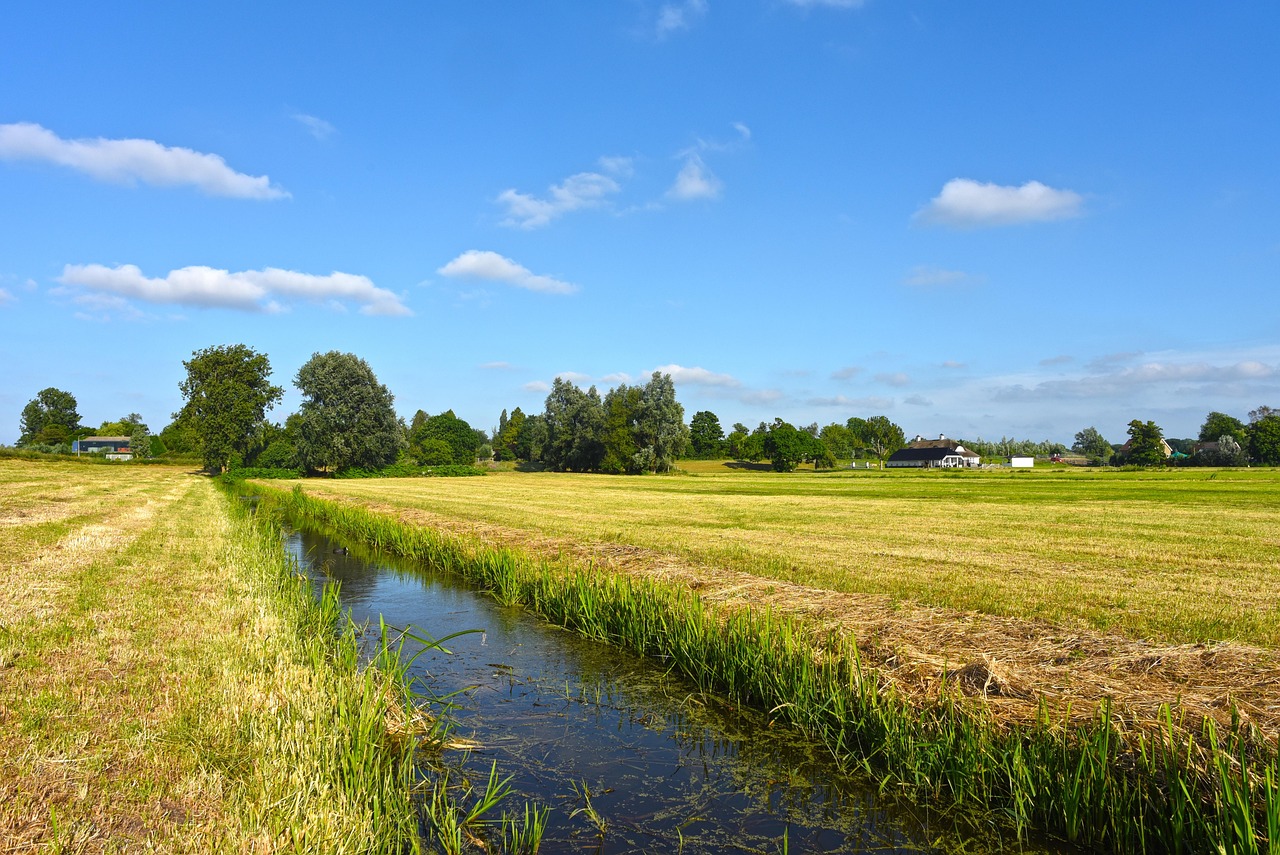
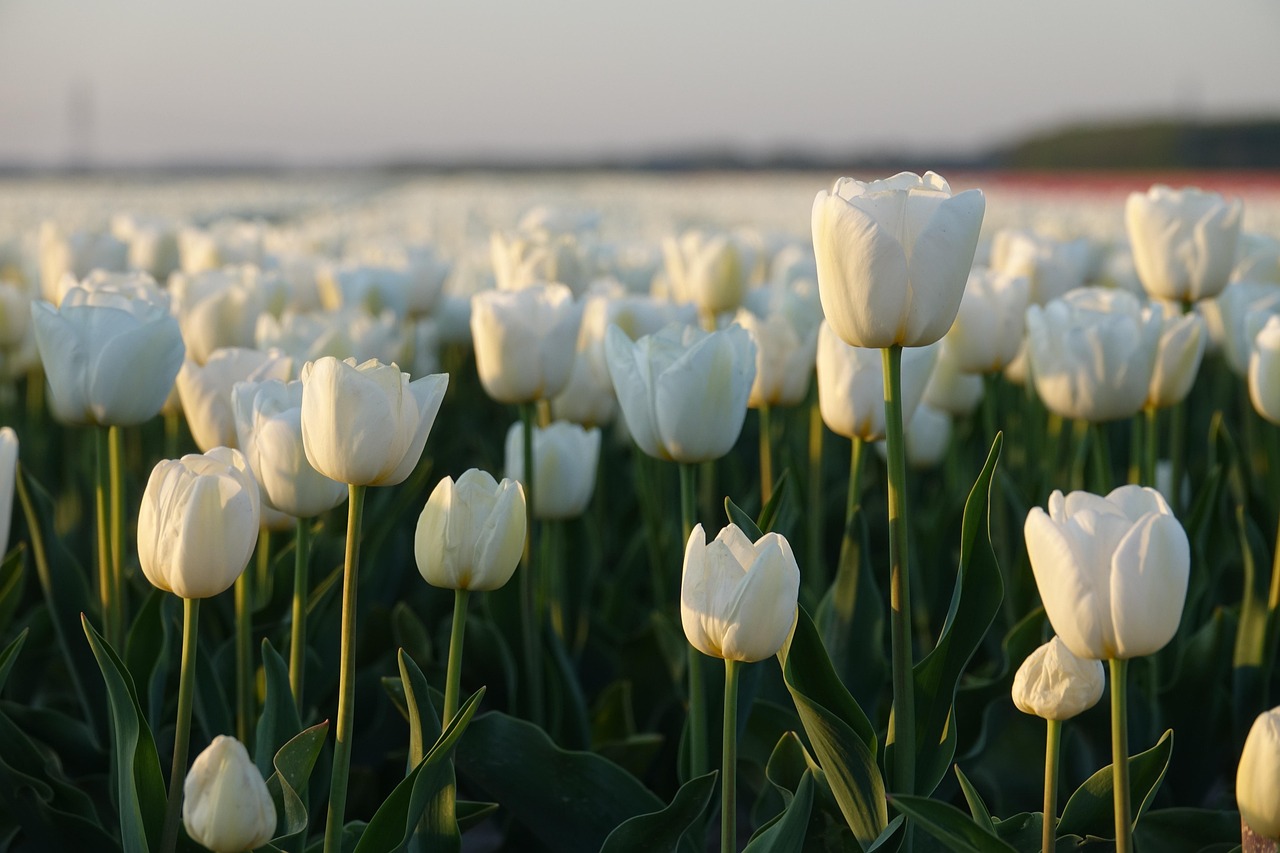
This expertise has become a global export, with Dutch engineers advising on flood defense and land reclamation around the world, work that grows ever more important in an age of rising seas. The same practical genius shows in Dutch agriculture, which despite the country small size makes it one of the largest exporters of food and flowers in the world, and in the famous tulip trade, whose seventeenth-century speculative bubble, tulip mania, is still cited as the first great financial mania in history. The Dutch landscape itself, with its windmills, canals, dikes, and geometric polders, is a human creation, a testament to the patient remaking of nature that defines the nation.
The Dutch Language and a Reach Beyond Europe
Dutch is a West Germanic language, sitting linguistically between German and English, and is spoken not only in the Netherlands but also in the northern half of Belgium, where it is known as Flemish, and in former colonies and territories around the world. Its most striking offspring is Afrikaans, the language that developed among Dutch settlers in southern Africa and is today spoken by millions there, a living reminder of the global reach of Dutch expansion. Dutch place names dot the map far from Europe, from Brooklyn and Harlem in New York, once the colony of New Amsterdam, to towns and regions across what were once Dutch possessions in Asia, the Caribbean, and Africa.
The Dutch have long been among the most internationally minded of peoples, a necessity for a small trading nation dependent on the wider world. Their famous command of foreign languages, especially English, their openness to other cultures, and their habit of looking outward across the seas all flow from centuries as merchants and seafarers. This outward orientation, combined with a strong sense of their own distinct identity, has made the Dutch influential well out of proportion to their numbers, in commerce, in diplomacy, and in the spread of ideas.
A Nation of Innovators
The practical, inventive cast of the Dutch mind has produced a long line of figures who advanced human knowledge. In the seventeenth century Antonie van Leeuwenhoek, grinding his own lenses, became one of the first to observe microorganisms and is often called the father of microbiology, while Christiaan Huygens made fundamental discoveries in astronomy, physics, and the measurement of time. The same era saw Dutch advances in cartography that helped map the world, and Dutch mapmakers and globe-makers were the finest of their day.
That spirit of innovation continues into the modern world, where the Netherlands punches far above its weight in science, technology, and design. Dutch companies and researchers have remained at the forefront of fields from microchip manufacturing to agriculture and water management, and Dutch design, in everything from graphics to furniture to urban planning, is admired worldwide for its clean functionality. The combination of practicality, openness to new ideas, and a willingness to experiment, all forged in the centuries-long project of building and defending their improbable country, remains the hallmark of the Dutch contribution to the modern world.
Everyday Dutch Life
For all their global reach, the Dutch are deeply attached to the small comforts and rituals of everyday life, captured by their famous word gezelligheid, a sense of cozy, convivial warmth shared among friends and family that has no exact translation. Dutch sociability tends to be informal and egalitarian, suspicious of pretension and grand displays of wealth, reflecting a Calvinist heritage that prized modesty and hard work. The bicycle is woven into daily existence, with more bicycles than people in the country, and the flat, well-ordered cities are designed around them.
Dutch cuisine is hearty and unpretentious, built around dairy, bread, vegetables, and the sea, with the country famed cheeses, such as Gouda and Edam, exported across the globe. Festivals punctuate the calendar, from the exuberant national celebration of Kings Day, when the whole country dresses in orange and takes to the streets and canals, to the winter traditions surrounding Saint Nicholas. Underlying it all is a culture that values balance, a healthy work-life rhythm, and the quiet pleasures of ordinary life, the same down-to-earth sensibility that the painters of the Golden Age captured on canvas four centuries ago.
The Dutch in the World Today
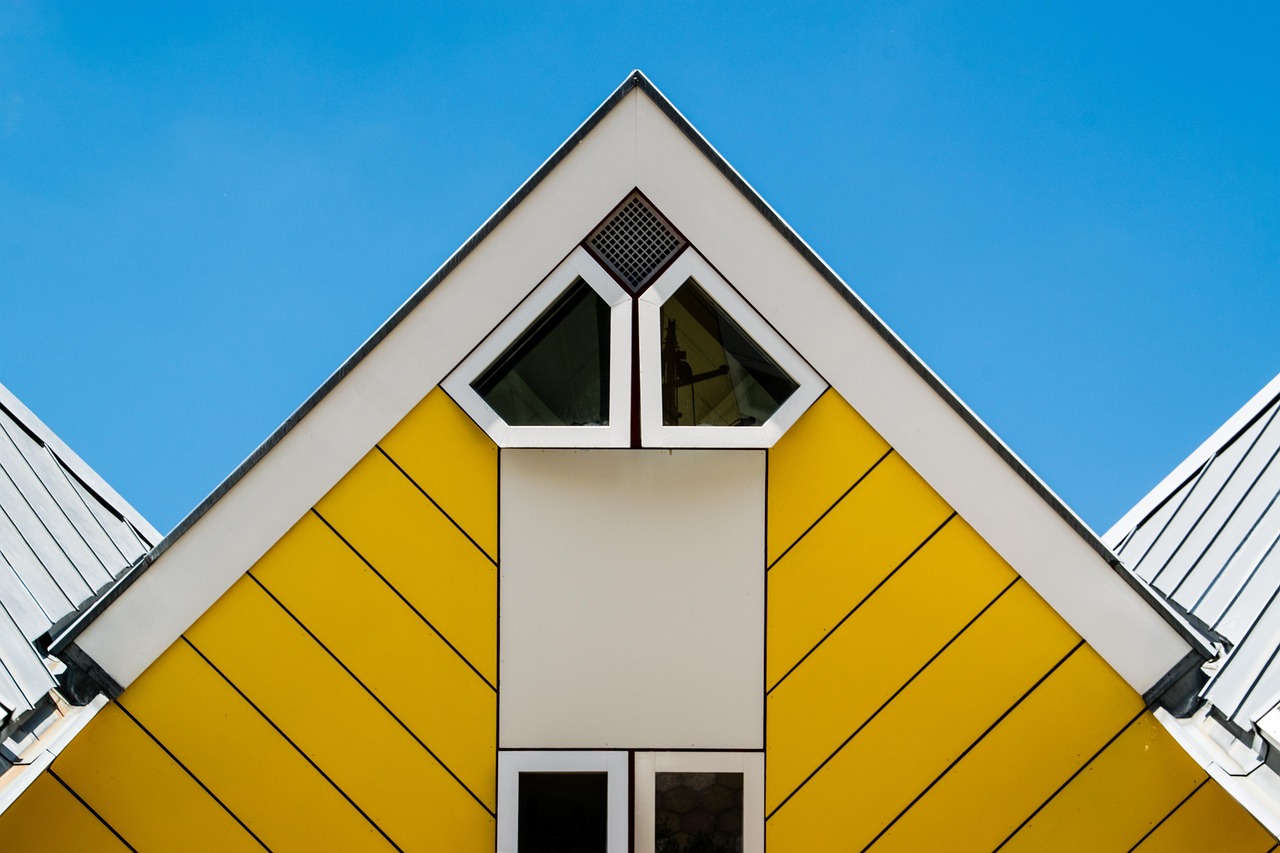
Modern Netherlands is a prosperous, highly developed constitutional monarchy and a founding member of the European Union, consistently ranked among the happiest, healthiest, and most prosperous societies on earth. It remains a major trading nation, home to the largest port in Europe at Rotterdam, and a center of finance, agriculture, design, and technology. The Dutch are famous as one of the most multilingual peoples in the world, with near-universal command of English, and as enthusiastic cyclists whose flat, orderly cities are built around the bicycle.
The Netherlands today wrestles, like much of Europe, with questions of immigration, integration, and how to reckon honestly with the colonial and slaving past that helped build its wealth. Yet the enduring character of the Dutch remains recognizable across the centuries: practical, tolerant, commercially shrewd, devoted to freedom and to consensus, and bound together by the shared, unending task of living below the sea. From the canals of Amsterdam to the paintings of Rembrandt, from the world first stock exchange to the great dams that hold back the ocean, the Dutch have given the world an example of how a small nation, through ingenuity and cooperation, can shape the course of human affairs far beyond its borders.
You May Like
The Zaza, a Mountain People of Eastern Anatolia