The Poles are a people who have repeatedly lost their state and refused to lose their nation. Positioned on the great open plain of central Europe, with few natural barriers between powerful and often hostile neighbors, among them the Russians and the Germans, Poland has been partitioned out of existence, occupied, devastated, and reborn, and through every catastrophe the Poles preserved their language, their Catholic faith, and an unyielding sense of who they are. Their history is a study in survival and resilience, in the power of culture to outlast the collapse of the state, and in a fierce love of freedom that has shaped not only Poland but, at decisive moments, the whole of Europe.
Who the Poles Are
The Poles are a West Slavic people, the largest of that group, numbering around thirty-eight million within Poland and many millions more in one of the largest diasporas in the world, with great Polish communities in the United States, Britain, Germany, and beyond. They are bound together by the Polish language, by an exceptionally deep attachment to Roman Catholicism, and by a shared historical memory in which the experiences of partition, occupation, and resistance loom large. Few peoples have so thoroughly fused national identity with religious faith and with the act of remembering a painful past.
In This Article
- Who the Poles Are
- The Birth of a Kingdom
- The Polish-Lithuanian Commonwealth
- The Partitions and the Vanished State
- Catastrophe in the Twentieth Century
- Faith, Solidarity, and the Fall of Communism
- The Polish Spirit and Its Achievements
- The Polish Language and the Bonds of Memory
- Cities of Stone and Memory
- The Poles Today
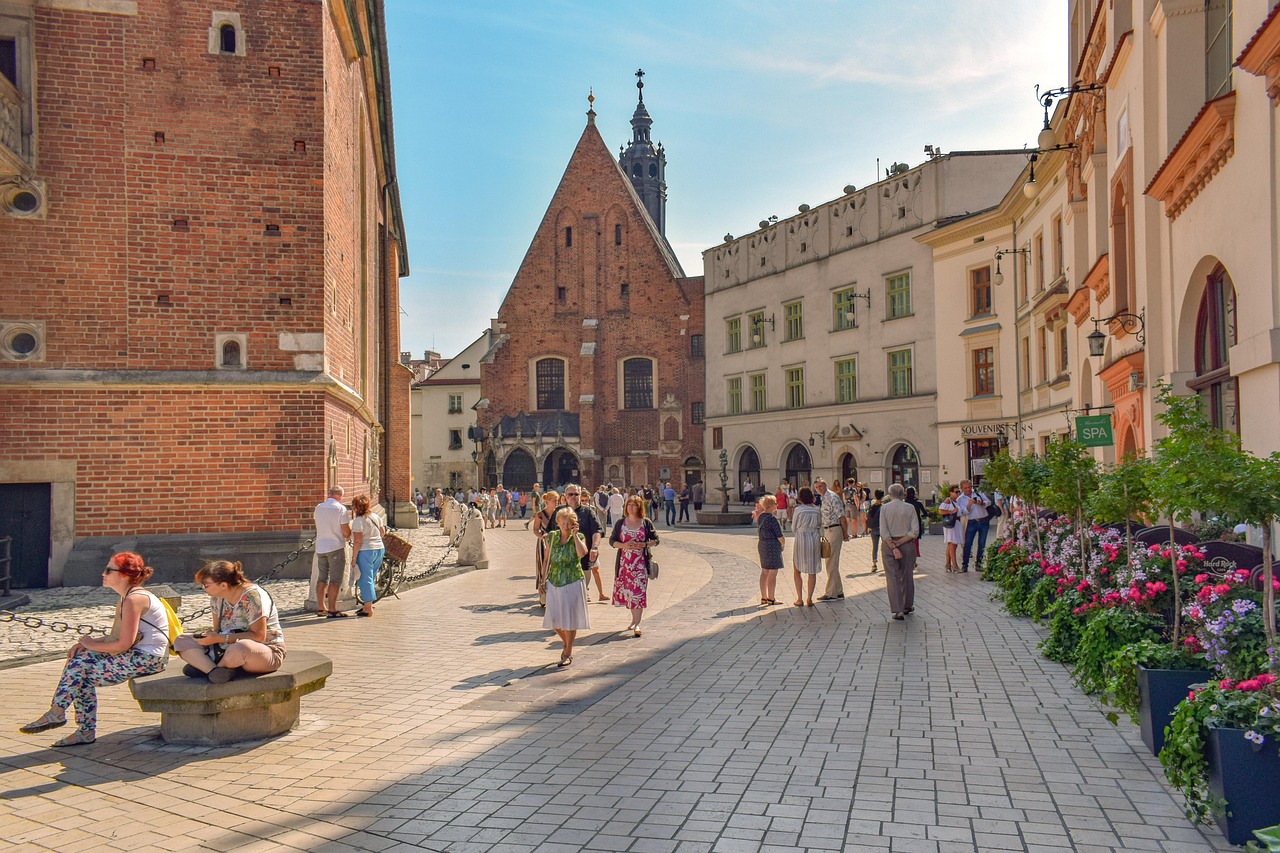
Poland today is a largely homogeneous nation, a condition that is itself a product of the terrible upheavals of the twentieth century, which destroyed the country once vast Jewish community and redrew its borders, moving whole populations westward. For most of its history, by contrast, Poland was strikingly diverse, a realm of Poles, Jews, Lithuanians, Ukrainians, Germans, and others, famed for a degree of religious tolerance unusual in its age. The modern Polish nation carries the memory of both that lost multicultural world and the catastrophe that ended it.
The Birth of a Kingdom
The Polish state traces its origins to the tenth century, when the ruler Mieszko the First, of the Piast dynasty, united the Slavic tribes of the region and, in the year 966, accepted Christianity, an event Poles regard as the founding moment of their nation and its decisive turn toward the Latin, Western Christian world rather than the Orthodox East. This choice tied Poland culturally to Rome and to western Europe, a bond that would shape its identity ever after and that distinguishes it sharply from its eastern Slavic neighbors.
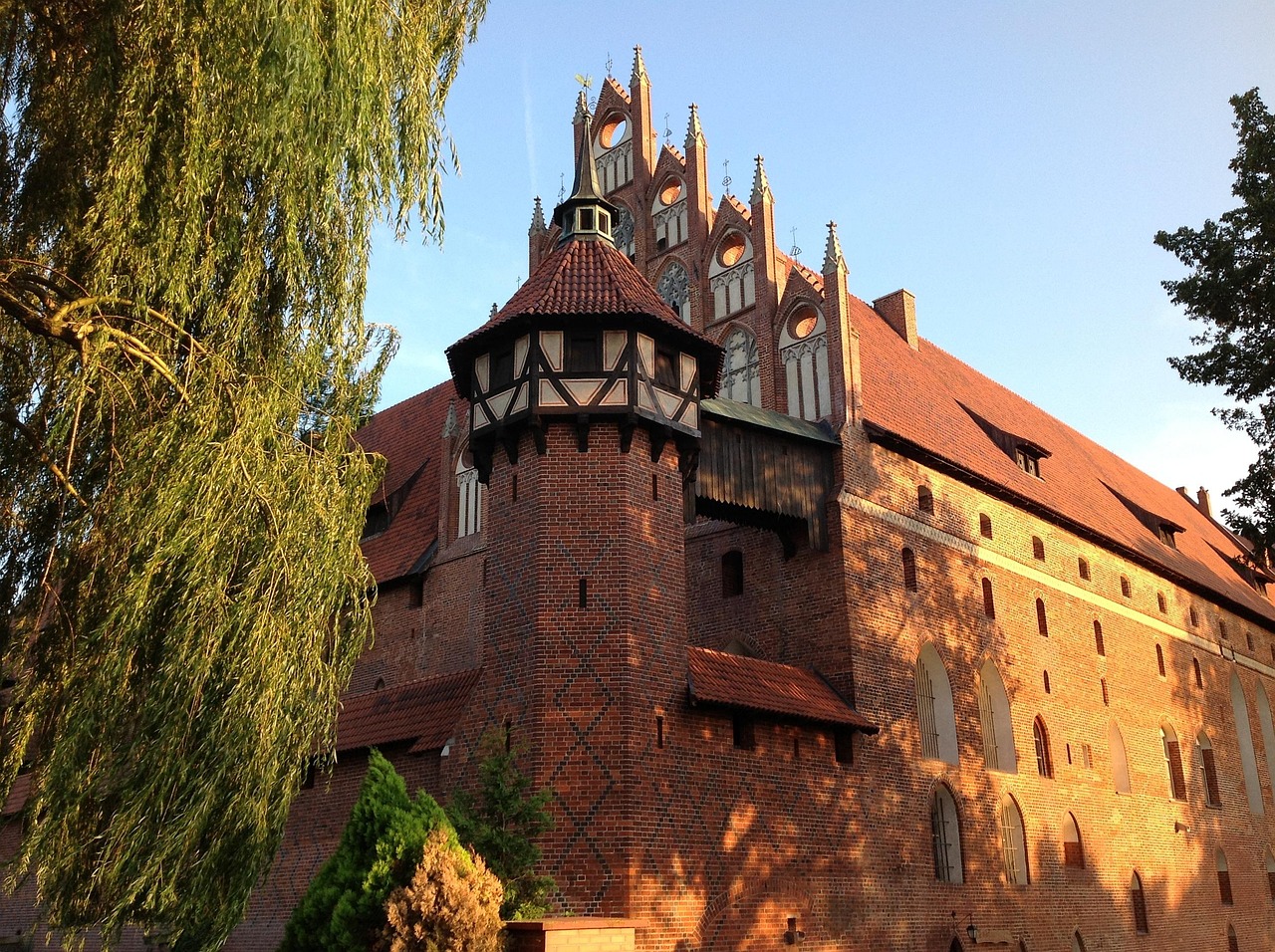
Over the following centuries the Piast kings consolidated the realm, faced invasions including the Mongol incursions of the thirteenth century, and contended with the aggressive expansion of the Teutonic Knights, a crusading military order that carved out a state along the Baltic. The great brick fortress of Malbork stands today as a monument to that long struggle. By the late medieval period Poland had grown into a substantial kingdom, and through a momentous dynastic union it was about to become something far larger and more remarkable.
The Polish-Lithuanian Commonwealth
In 1386 the union of Poland with the Grand Duchy of Lithuania, sealed by a royal marriage, created one of the largest and most distinctive states in Europe. At its height the Polish-Lithuanian Commonwealth stretched from the Baltic almost to the Black Sea, a vast, multiethnic, multireligious realm that for a time was among the most powerful states on the continent. In 1410, at the Battle of Grunwald, the combined Polish and Lithuanian forces shattered the power of the Teutonic Knights in one of the largest battles of medieval Europe.
The Commonwealth was politically extraordinary. It developed a system sometimes called a noble democracy, in which a large class of nobility elected the king and exercised broad rights through their assemblies, an unusual diffusion of power in an age of rising absolutism elsewhere. It was also, by the standards of its time, notably tolerant, offering refuge to Jews fleeing persecution in western Europe, so that Poland became the great heartland of Jewish life and learning for centuries. Yet the same noble liberties that made the Commonwealth distinctive eventually paralyzed its government, and as its powerful neighbors grew stronger and more centralized, the once-mighty state slid toward weakness and vulnerability.
The Partitions and the Vanished State
In the late eighteenth century the unthinkable happened. In a series of three partitions between 1772 and 1795, the neighboring powers of Russia, Prussia, and Austria carved up the entire Polish-Lithuanian Commonwealth among themselves, and Poland disappeared from the map of Europe altogether. For one hundred and twenty-three years there was no Polish state. The Poles became subjects of three different empires, their language and culture often suppressed, their hopes repeatedly raised and crushed in failed uprisings against their occupiers.
This experience of statelessness is central to understanding the Poles. Deprived of a country, they invested their national identity all the more fiercely in what could not be partitioned: the language, the Catholic Church, the literature, the memory of the lost Commonwealth, and the dream of independence. The great Romantic poets of the nineteenth century, above all Adam Mickiewicz, became national prophets, keeping the idea of Poland alive in verse. Poles fought in revolutions and wars across Europe, often under the slogan for your freedom and ours, and emigres preserved the cause abroad. When Poland finally regained independence after the First World War in 1918, it was the culmination of more than a century of refusal to accept that the nation had ceased to exist.
Catastrophe in the Twentieth Century
The reborn Polish state had barely two decades of independence before it was engulfed by the worst catastrophe in its history. In 1939 Poland was invaded from the west by Nazi Germany and from the east by the Soviet Union, the opening act of the Second World War, and the country was once again wiped from the map and subjected to brutal occupation. Honesty about Polish history requires confronting the full horror of what followed, for Poland became the central killing ground of the war in Europe.
The German occupation aimed at the destruction of Polish nationhood, the murder of its leaders and intelligentsia, and above all the annihilation of its Jews. The Nazis built their largest death camps on occupied Polish soil, among them Auschwitz, where over a million people, the great majority of them Jews from across Europe, were murdered. Poland three-million-strong Jewish community, the largest in the world and a vital part of the country life for centuries, was almost entirely destroyed in the Holocaust. Millions of non-Jewish Poles also died under occupation. The Poles mounted fierce resistance, including the largest underground movement in occupied Europe and the heroic, doomed Warsaw Uprising of 1944, after which the Germans systematically razed the capital to the ground. The scale of death and destruction Poland suffered in those years is almost beyond comprehension, and it remains the defining trauma of the modern nation.
Faith, Solidarity, and the Fall of Communism
Liberated from German occupation only to fall under Soviet domination, Poland spent more than four decades as a communist state, its politics controlled from Moscow. Yet the Poles never fully accepted this order, and once again it was culture and faith that sustained resistance. The Catholic Church remained a powerful independent institution and a refuge for national feeling, and its prestige soared in 1978 when a Polish cardinal, Karol Wojtyla, was elected Pope John Paul the Second, the first non-Italian pope in centuries. His triumphant return visits to his homeland electrified the nation and gave it courage.
Out of this ferment grew Solidarity, the independent trade union led by the electrician Lech Walesa that became a mass movement of millions and the first successful challenge to communist rule in the Soviet bloc. Despite the imposition of martial law, Solidarity endured, and in 1989 Poland led the way out of communism, holding the partly free elections that began the collapse of Soviet power across eastern Europe. The Poles can fairly claim to have struck the first decisive blow that brought down the Iron Curtain, a fitting role for a people who had spent two centuries fighting for freedom.
The Polish Spirit and Its Achievements
For all the suffering in their history, the Poles have made extraordinary contributions to civilization. In science, the astronomer Nicolaus Copernicus transformed humanity understanding of the universe by placing the sun at the center, and Marie Sklodowska Curie, born in Warsaw, became the first person to win Nobel Prizes in two different sciences for her pioneering work on radioactivity. In music, Frederic Chopin elevated the piano to new heights and wove the rhythms of Polish folk dances into works of universal beauty, becoming a national symbol.
Polish literature has produced multiple Nobel laureates and a tradition of moral seriousness forged in the nation hard history. Polish folk culture, with its vivid costumes, paper-cuts, music, and the rituals of the Catholic year, remains strong, and Polish cuisine, hearty and warming against the cold, from pierogi dumplings to rich soups and sausages, is cherished at home and carried abroad by the diaspora. Above all, the Poles are known for a culture of hospitality, of deep family bonds, and of a patriotism tempered by humor and endurance, qualities honed by centuries of having to hold the nation together by will alone.
The Polish Language and the Bonds of Memory
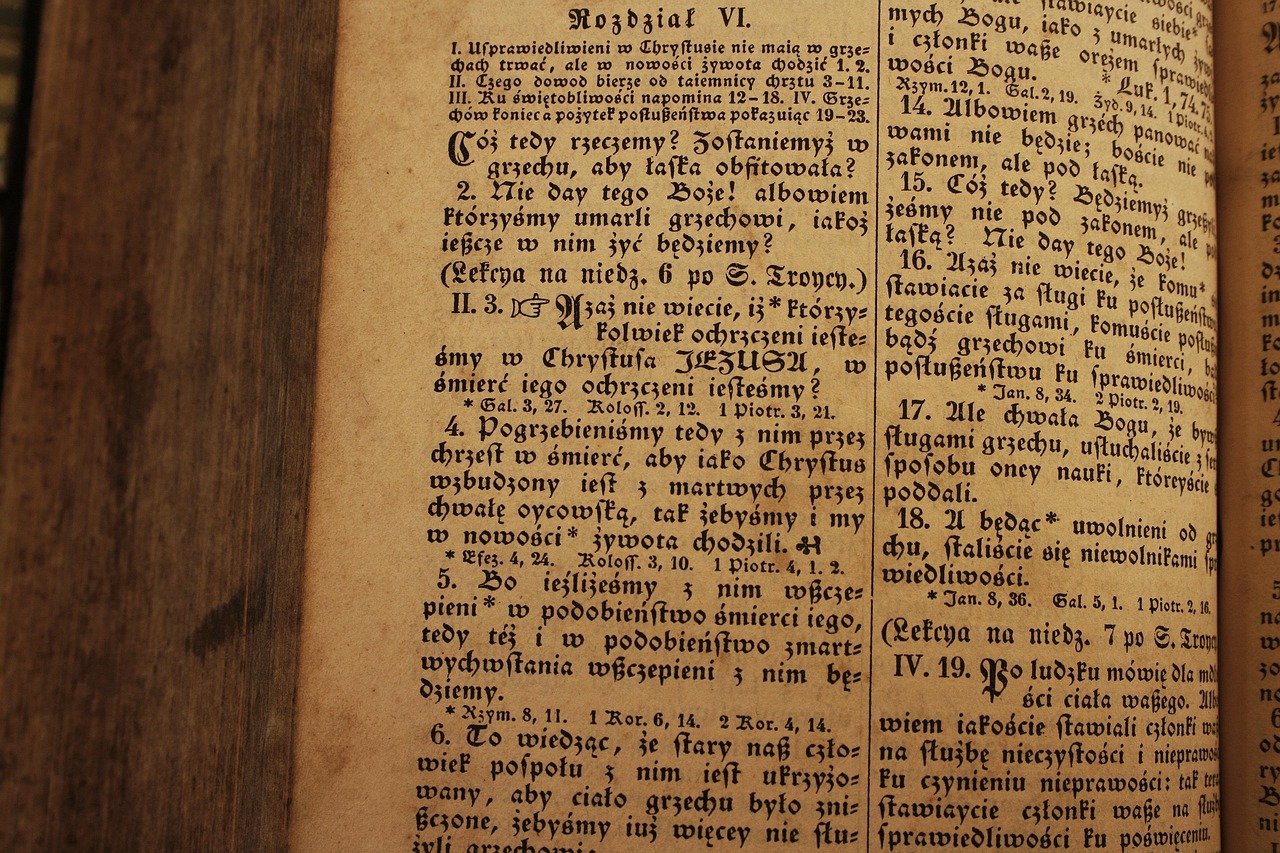
The Polish language is the great vessel of national identity, a West Slavic tongue written in the Latin alphabet with a distinctive array of accents and clusters of consonants that give it its characteristic sound. Through the long years of partition and occupation, when the very name of Poland was banned from official life, the language carried the nation forward, taught in secret, cherished in poetry, and passed from one generation to the next as the surest proof that Poland still existed. To speak Polish was, for generations, an act of quiet defiance, and the reverence Poles feel for their language and its literature flows directly from that history.
That literature has long served as the conscience and memory of the nation. The Romantic poets of the nineteenth century cast themselves as prophets of a suffering people, and the tradition of writing that bears witness to historical truth continued through the twentieth century, producing poets and novelists of the first rank, several of them honored with the Nobel Prize. For the Poles, remembering is itself a duty, and the careful keeping of historical memory, of victories and defeats, of heroism and martyrdom, is woven into the national character as deeply as it is into the literature.
Cities of Stone and Memory
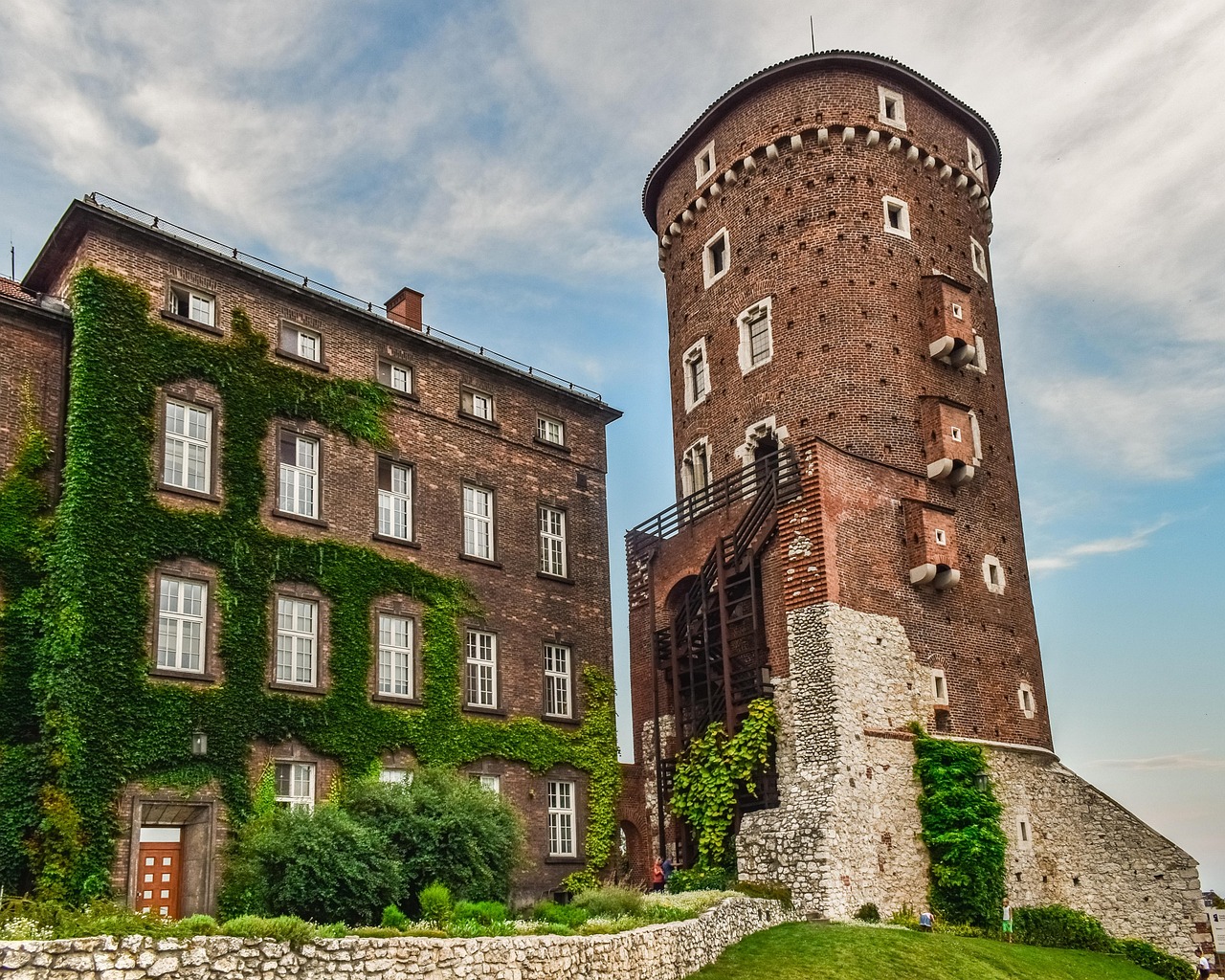
Poland cities tell the nation story in stone. Krakow, the ancient royal capital, survived the Second World War largely intact and preserves one of the most beautiful medieval old towns in Europe, crowned by the Wawel hill with its castle and cathedral where Polish kings were crowned and buried. Its great market square, university, and churches make it the cultural and spiritual heart of the country, a living museum of a thousand years of Polish history.
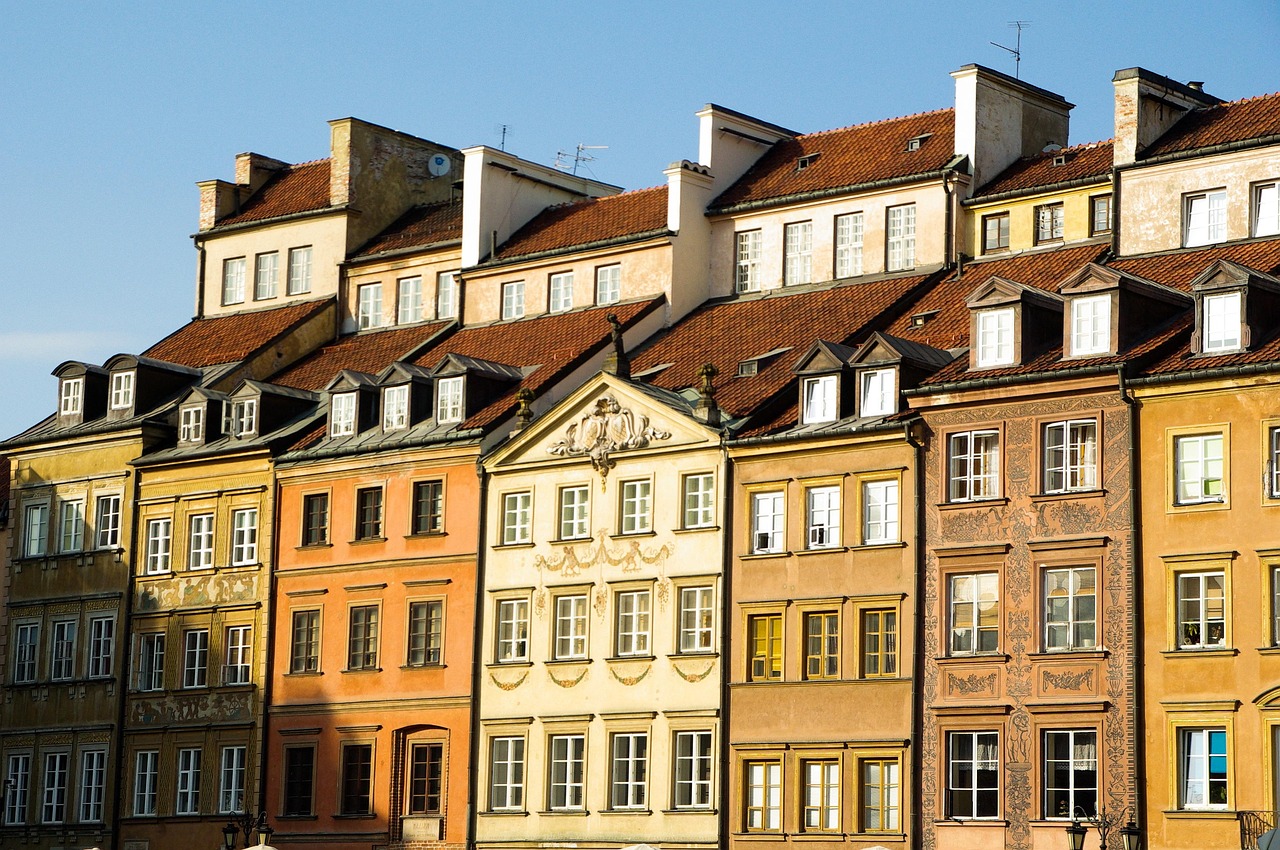
Warsaw tells the opposite and equally Polish story, that of destruction and rebirth. Reduced to rubble by the Germans after the 1944 uprising, the capital was painstakingly rebuilt, its old town reconstructed so faithfully from old paintings and plans that it has been recognized as a monument to the will of a people to restore what was taken from them. Gdansk on the Baltic, where the Second World War began and where Solidarity was born, and the historic towns scattered across the countryside, each carry their own layer of this long national drama. To travel through Poland is to read its history written across its landscape, in castles and churches, in ruins and reconstructions, in the monuments to those who fell.
The Poles Today
Since the fall of communism, Poland has transformed itself into a vibrant democracy and one of the fastest-growing economies in Europe, joining the European Union in 2004 and becoming a significant power within it. Polish cities have been rebuilt and revitalized, Warsaw rising from its wartime ruins into a modern capital, and millions of Poles have traveled, worked, and studied across the open borders of Europe, while many who emigrated in harder times have returned to a prosperous homeland.
Modern Poland continues to debate its direction, its relationship with the rest of Europe, the role of the Church in public life, and how to remember the immense traumas of its past, including the difficult task of honestly reckoning with the fate of its Jewish citizens. Yet the underlying story is one of remarkable resilience. The Poles are a people who were erased from the map and reappeared, who lost their capital and rebuilt it, who endured occupation and emerged free, and who have always understood that a nation lives first in the hearts, the language, and the memory of its people. That stubborn, hard-won survival is the essence of what it means to be Polish.
You May Like
The Zaza, a Mountain People of Eastern Anatolia


4 thoughts on “Poland and the People Who Would Not Vanish”