Across the far north of Europe, where dense boreal forest dissolves into open tundra and the sun circles the horizon without setting in midsummer before vanishing for weeks in deep winter, live the Sami — the only people recognized as Indigenous to the European Union. Their homeland, which they call Sapmi, stretches in a broad arc across the northern reaches of Norway, Sweden, and Finland and continues eastward onto the Kola Peninsula of Russia. To much of the outside world the Sami remain little more than a footnote, sometimes reduced to a postcard of reindeer, snow, and brightly colored costume. The reality is far richer: a living, internally diverse culture with extraordinarily deep roots, a distinct family of languages unrelated to those of their neighbors, and a long, frequently painful history of pressure, adaptation, and survival that continues to shape their lives today.
This is an attempt to tell their story honestly — neither romanticizing the Sami as timeless children of nature nor flattening them into victims of history, but presenting them as a people with agency, complexity, and a future they are actively shaping.
Who the Sami Are and Where They Come From
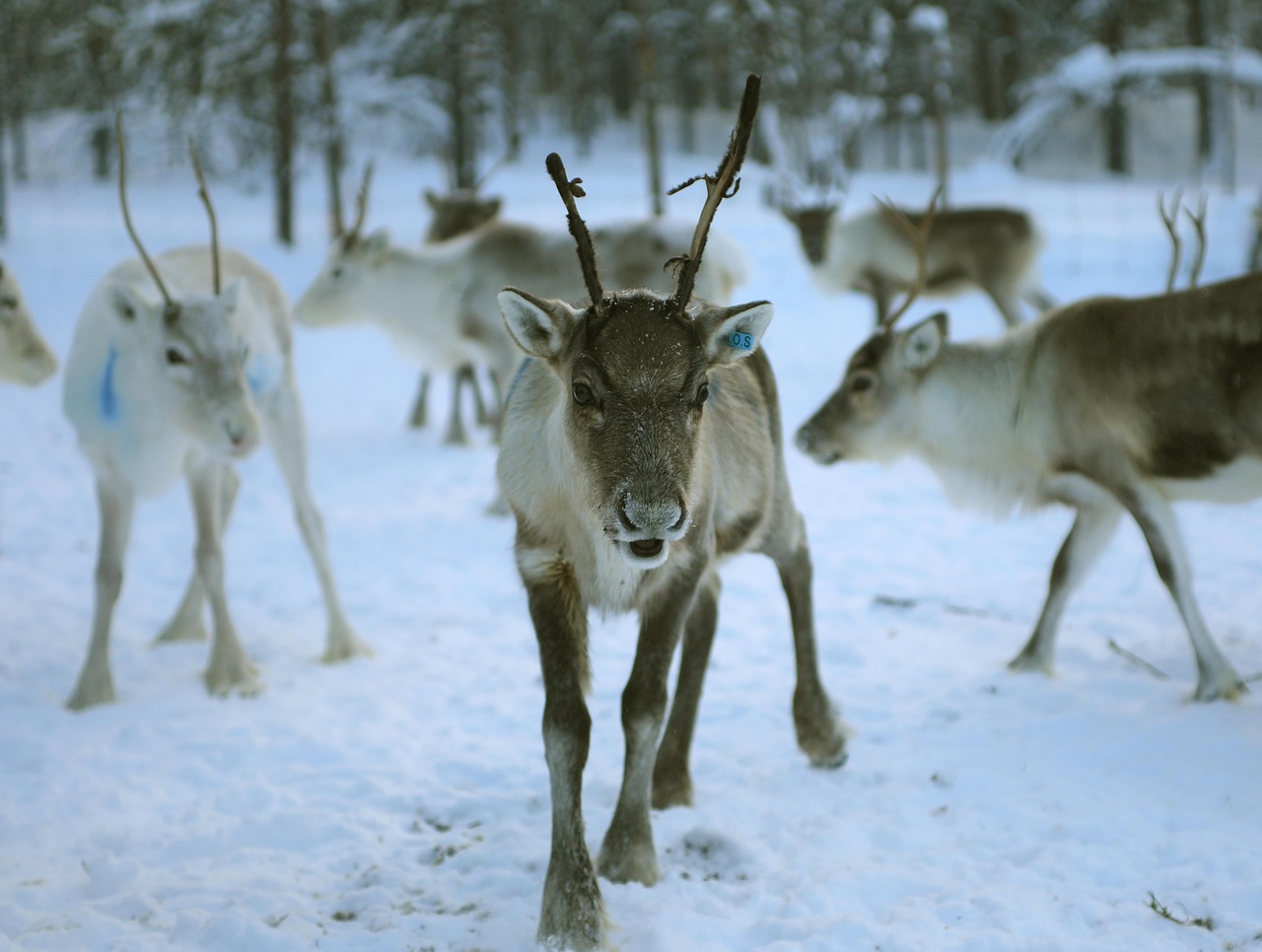
The Sami are an Indigenous people of northern Fennoscandia, the region encompassing the northern parts of the Scandinavian Peninsula and adjacent areas. They are not a single uniform nation but rather a constellation of related communities spread across an enormous territory, speaking several distinct languages and historically pursuing markedly different ways of life depending on the land and water around them. This internal diversity is essential to understanding them. Some communities lived primarily as coastal fishers along the deep fjords of the Norwegian shore, hauling in cod and hunting seals; others were forest dwellers who hunted, trapped, and fished the lakes and rivers of the interior; and a smaller but culturally prominent group practiced the mobile reindeer herding that has come to symbolize Sami identity in the popular imagination.
Crucially, reindeer herding on a large scale, with families following domesticated herds across long seasonal migrations, became the dominant image of Sami life only relatively recently in their long history. For most of the past, the majority of Sami were not nomadic herders at all but settled or semi-settled fishers and hunters. Recognizing this corrects a common misconception and restores the true variety of Sami experience.
The older external name for the Sami was “Lapps,” and their territory was long labeled Lapland by outsiders. Today most Sami regard that term as outdated and at times derogatory, preferring Sami for themselves and Sapmi for their homeland. This shift in naming is more than cosmetic; it reflects a profound change in which a people once described almost entirely through the words and categories of outsiders have increasingly insisted on defining themselves, in their own languages and on their own terms.
How Deep Their Roots Run
Estimating how far back a people stretches is always a delicate matter, and the Sami are no exception. According to most archaeologists, human groups have lived in the European Arctic since the retreat of the last Ice Age glaciers, roughly ten thousand years ago, moving northward and following the wild reindeer herds as the newly uncovered land became habitable. Whether those earliest post-glacial hunters can be considered the direct ancestors of todays Sami is a question scholars approach with real caution, because identity and ancestry are not the same thing, and ten thousand years is a vast span across which populations mixed, moved, and transformed.
Genetic and linguistic research together suggests that the population and culture we now recognize as Sami took shape gradually over thousands of years, blending older Arctic hunting populations with later arrivals and absorbing influences from the south and east. The Sami carry some genetic markers that are unusual in the wider European context, which has long fascinated researchers, though scientists are careful to stress that this points to a complex history rather than to any simple notion of an isolated, unchanging ancient race. What can be stated with reasonable confidence is that the Sami have inhabited their northern lands far longer than the modern nation-states that now divide them among four countries, and that their presence in the far north long predates the southern Scandinavian kingdoms that would later seek to rule them.
Traces from the Distant Past
The northern landscape holds quiet but eloquent evidence of long human presence. Across Sapmi, archaeologists have documented ancient hunting pits dug to trap wild reindeer, arrangements of stones whose purpose was ceremonial or practical, and the foundations of dwellings used by mobile communities over many centuries. Among the most evocative traces are the rock carvings and paintings found at sites scattered through northern Scandinavia, depicting elk, reindeer, bears, boats, and human figures engaged in hunting and ritual. The carvings at Alta in northern Norway, internationally recognized for their importance, span thousands of years and offer a rare window into the worldview of the Arctics early inhabitants, showing how central the hunt and the animal world were to their understanding of existence.
Scholars are careful not to assign every prehistoric site directly to the Sami, since the people who made many of these images may predate any clearly definable Sami identity, and attributing ancient art to a modern group is fraught with difficulty. Nevertheless, the broad continuity of life in the region — the hunting of reindeer, the reliance on fishing, the seasonal movement across a demanding landscape — forms a thread that connects the deep past to the historically documented Sami way of life. The land itself, with its sacred sites known as sieidi where offerings were once left, became a kind of living archive of belief and memory, marked by generations who treated certain rocks, springs, and rock formations as charged with spiritual power.
How They Made Their Living
For most of their history the Sami were not farmers tied to fixed fields but people of movement, adaptation, and intimate ecological knowledge. The classic image of the reindeer herder following the animals between seasonal pastures is real and important, but it describes only one strand of Sami life and, as noted, became dominant relatively late. Coastal Sami depended heavily on the sea, fishing for cod and other species, hunting seals and other marine mammals, and practicing small-scale farming and animal husbandry where the short growing season permitted. Inland and forest Sami hunted wild reindeer, elk, and fur-bearing animals, fished the abundant lakes, and gathered what the land offered, long before large-scale domesticated herding developed into the organized system later generations would know.
Sami craft, known as duodji, reflects this resourceful and respectful relationship with the land. Tools, clothing, knives, sledges, and containers were fashioned from reindeer antler, bone, sinew, and hide, from birch wood and root, and from other materials the environment provided, with little wasted. Duodji was never mere decoration but a fusion of beauty and function, the skill passed down through families and judged by both its usefulness and its artistry. The brightly colored traditional garment associated with the Sami, the gakti, varied in cut, color, and ornament from region to region and even from family to family, so that a knowledgeable eye could once read a persons home district, and sometimes their marital status, from the details of their dress.
Then there is the joik, one of the oldest continuous song traditions in Europe. A joik is not a song about a person, animal, or place so much as an attempt to evoke or capture its very essence in sound; the singer does not sing about a reindeer or a loved one but, in a sense, sings the reindeer or the loved one into presence. This distinctive, often haunting vocal art was for centuries condemned by missionaries as pagan, and its survival into the present is itself a testament to cultural endurance.
Pressures, Conflicts, and Survival
The Sami rarely fought large organized wars in the manner of the southern kingdoms; their history is instead one of steady, grinding pressure from expanding states that sought to tax, convert, settle, and ultimately assimilate them. From the medieval period onward, the crowns of Norway, Sweden, Denmark, and Russia competed to extend their authority over the northern peoples and the valuable trade in furs and other goods. Sami communities sometimes found themselves taxed by more than one crown simultaneously, squeezed between rival powers with little regard for the people caught in the middle. Missionaries arrived to suppress the old religion, confiscating and burning the sacred drums of the noaidi and condemning traditional practices.
The most damaging chapter came with the deliberate assimilation policies pursued in the nineteenth and twentieth centuries. In several countries, Sami children were taken into boarding schools where they were discouraged or outright forbidden from speaking their own languages, punished for their heritage, and pressed toward cultural conformity with the dominant population. Government programs in this era were sometimes underpinned by the pseudoscientific racial thinking of the time, which ranked peoples and treated the Sami as inferior; there were episodes of intrusive physical measurement and study that are now remembered with justified anger. Land was taken or restricted, traditional herding routes were severed by hardening national borders, and dams, mines, forestry, and infrastructure projects encroached on grazing grounds.
These policies inflicted lasting harm, and their effects ripple through Sami communities to this day in lost language, disrupted families, and intergenerational trauma. Yet it would be a mistake to portray the Sami as merely passive victims. Communities adapted in countless ways, resisted quietly by keeping language and custom alive at home, and eventually organized politically to demand recognition and redress. The story of the modern Sami is in large part the story of that organized reclamation.
The Languages and Their Fragile Present
The Sami languages belong to the Uralic family, which makes them distant relatives of Finnish, Estonian, and Hungarian rather than of the Germanic Norwegian and Swedish spoken by their neighbors. This linguistic kinship places the Sami within a great northern family of peoples whose ancestral languages spread across vast distances long ago, and it sets them apart sharply from the Indo-European speakers who surround them. Importantly, there is not one Sami language but a group of them — most commonly counted as around nine or ten distinct languages — and several of these are not mutually intelligible, so that a speaker of one variety may be unable to understand a speaker of another.
Northern Sami is by far the most widely spoken, accounting for the large majority of all Sami speakers, while others survive with only a few hundred or even a handful of speakers, and some have fallen silent within living memory or hang by the thinnest of threads. Many Sami languages are formally classified as endangered, a direct and bitter legacy of the assimilation era when speaking them was punished and shamed out of a generation. The more encouraging side of the story is a determined and increasingly successful revival. Sami-language preschools using immersion methods, schools, newspapers, radio, television, films, dictionaries, and standardized orthographies have all developed, and a younger generation in several communities is actively reclaiming languages that their grandparents were pressured to abandon. The outcome remains uncertain for the smallest languages, but the effort is real, sustained, and in some cases genuinely turning the tide.
Stories and Beliefs
Sami spiritual tradition, before widespread Christianization, centered on an intimate and reciprocal relationship with the natural and spirit worlds. The cosmos was understood as layered, with realms above and below the world of the living, and inhabited by spirits and powers tied to animals, weather, landscape, and the dead. Certain places — particular rocks, mountains, springs, and rock formations called sieidi — were regarded as sacred, and offerings were left there to ensure good hunting, fishing, or fortune. The central religious figure was the noaidi, a specialist who, with the aid of a ceremonial drum painted with symbols and a state of trance, was understood to travel between the worlds to heal, divine, and mediate between the human community and unseen forces.
Retold here only in broad outline and entirely in my own words, the old worldview imagined animals such as the bear as beings deserving of special respect, surrounded by elaborate ritual when hunted. Many traditional stories explain the origins of natural features, account for the behavior of animals, or warn of the very real dangers of the long, dark, freezing winter and the consequences of arrogance or disrespect toward nature. Such tales frequently carry practical wisdom about survival and about living in balance with a harsh environment. As with most oral traditions, these stories existed in many local variants, and a great deal was lost, suppressed, or transformed during centuries of religious change and persecution. What survives today is preserved partly in scholarly collections compiled by folklorists and partly in the living memory of communities now working deliberately to keep it alive.
People the Sami Have Given the World
The Sami population is small, yet it has produced figures of genuine note, particularly in the cultural sphere. Nils-Aslak Valkeapaa, a Sami artist, musician, poet, and writer from the Finnish side of Sapmi, became one of the most influential cultural voices of his people in the twentieth century, helping to bring joik and Sami literature to a far wider audience and embodying a confident, modern Sami artistic identity. Mari Boine, a Norwegian Sami musician, has earned lasting international recognition for fusing the traditional joik with contemporary musical forms, turning what missionaries once tried to silence into a celebrated art on the world stage.
Beyond the arts, the establishment of elected Sami parliaments in Norway, Sweden, and Finland has raised a generation of advocates, administrators, and political leaders who give the people a formal voice in the states that govern them. The Sami have also produced respected figures in sport, scholarship, and public life, including academics who have helped document and revitalize their own languages and traditions. Where I am not certain of a specific individuals details — their exact achievements, dates, or biography — I have deliberately left them out rather than risk attaching invented facts to real people, which would dishonor both them and the reader.
The Sami Today
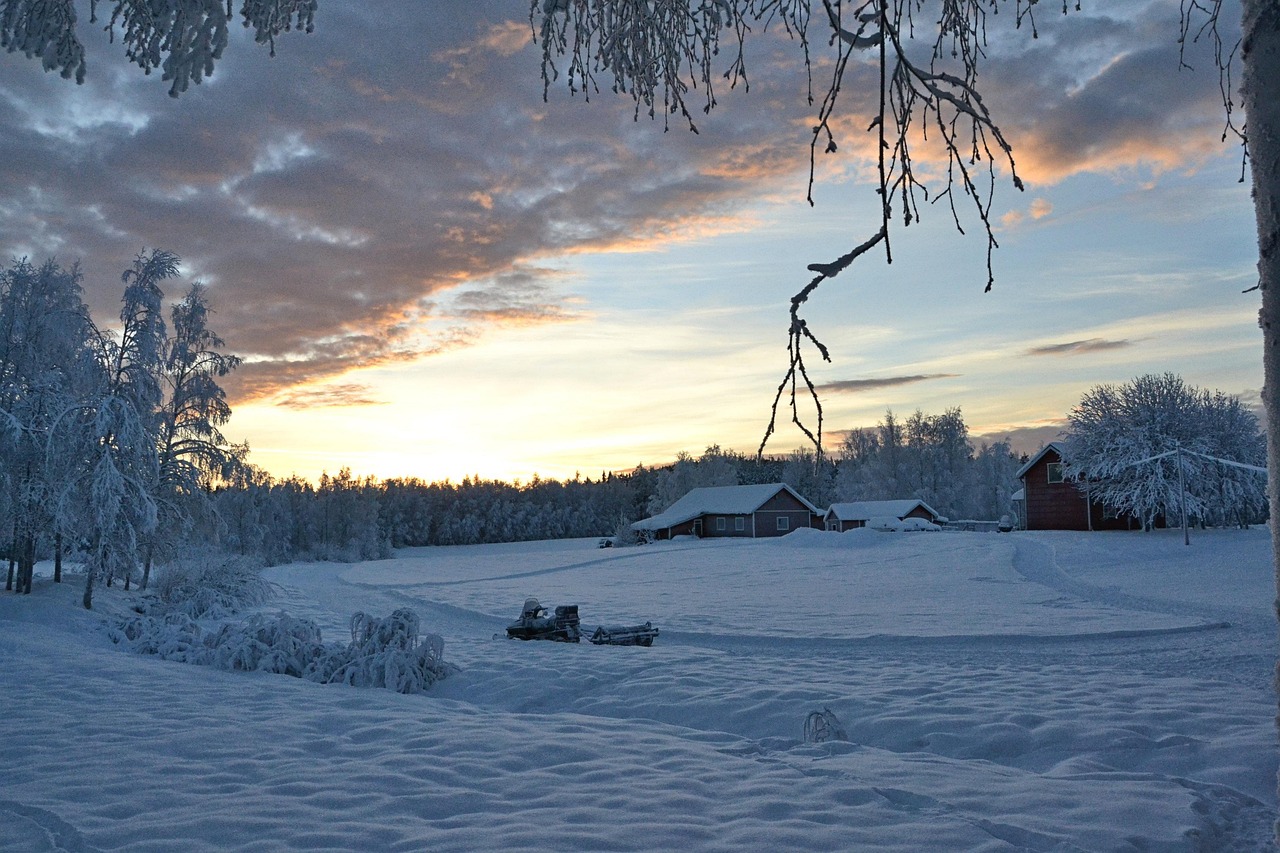
Today the Sami are usually estimated to number somewhere in the range of fifty thousand to one hundred thousand people, though precise figures are genuinely difficult to establish because Sami identity is self-defined, censuses have historically been unreliable or even hostile, and many people of Sami descent were pressured into hiding or abandoning their heritage during the assimilation era and are only now reclaiming it. The largest share of the population lives in Norway, with significant communities in Sweden and Finland and a smaller, more vulnerable population in Russia.
Modern Sami life is as varied as the people themselves. Some continue to herd reindeer, an occupation now thoroughly entangled with legal rights, complex regulations, the growing threat of climate change to the Arctic environment, and intense competition over land with mining, wind power, forestry, and tourism. Many others live entirely ordinary urban and professional lives — as teachers, doctors, engineers, artists, and civil servants — while maintaining their identity through language, craft, festivals, traditional dress worn on special occasions, and active political engagement. The elected Sami parliaments give the people a recognized institutional voice, even as debates continue about how much real power and self-determination those bodies should hold.
A broad cultural revival in language, music, film, literature, and the visual arts has gathered remarkable momentum over recent decades, and a new generation increasingly wears its Sami identity with pride rather than concealment. The Sami connection to the Arctic also links them, in spirit and in shared concerns, to other northern Indigenous peoples across Siberia and the wider circumpolar world — among them the reindeer-herding Tuvans and the Sakha of the Russian Far North — who face strikingly comparable questions of land, language, climate, and survival.
The story of the Sami is, in the end, a story of endurance in one of the harshest inhabited environments on Earth, and of a people steadily and successfully reclaiming the right to define themselves after centuries of being defined by others. They remind us that Europe is older, stranger, and more diverse than its tidy national borders would suggest, and that some of the continents most distinctive and resilient cultures have always lived, and continue to thrive, at its furthest edges.
\n
More Peoples of the World
\n
This article is part of our Peoples of the World series, exploring fascinating and overlooked cultures around the globe. Explore the other peoples in the collection:
\n
- The Basque
- The Ainu
- The Maori
- The Amazigh (Berbers)
- The Sorbs
- The Sakha (Yakuts)
- The Welsh
- The Tuvan
- The Mari
\n
You May Like
The Zaza, a Mountain People of Eastern Anatolia


8 thoughts on “Who Are the Sami, Europe’s People of the Far North”