The Norwegians are a people shaped by one of the most dramatic landscapes on earth, a long, narrow country of towering mountains, deep fjords, and a coastline so jagged and indented that, if stretched out straight, it would reach much of the way around the world. For most of their history they were a hardy, scattered folk of farmers, fishermen, and seafarers, wresting a living from a sliver of habitable land between the high mountains and the cold sea, often poor and frequently overshadowed by their more powerful Scandinavian neighbors. And yet from this rugged northern land came the Vikings who terrified medieval Europe, the explorers who were first to reach the South Pole and who pioneered the crossing of the polar ice, and, in the modern age, one of the wealthiest, most equal, and most contented societies the world has ever known. The story of the Norwegians is a story of endurance and transformation, of a small people who turned the hardships of an unforgiving land into a civilization admired across the globe, and who, having spent centuries as the junior partner in unions with others, finally claimed their own independent place among the nations only a little over a hundred years ago.
A People of Fjord and Mountain
The Norwegians are the people of the Kingdom of Norway, a North Germanic people closely related to the Swedes and Danes, numbering around five million in their homeland with a large diaspora abroad, above all in the United States, where the descendants of Norwegian emigrants number in the millions. They speak Norwegian, a language so close to Swedish and Danish that the three are largely mutually intelligible, part of the shared Scandinavian heritage that binds the Nordic peoples together even as each guards its own identity. Norway stretches enormously from south to north, reaching far above the Arctic Circle, so that its northern reaches lie in the land of the midnight sun in summer and the long polar night in winter, while its southern cities enjoy a milder, more temperate climate.
In This Article
- A People of Fjord and Mountain
- The First Norwegians
- The Viking Age
- Unification and the Coming of Christianity
- The Long Night of Foreign Union
- The Awakening and the Birth of a Nation
- Conquerors of the Poles
- Occupation and Resistance
- Oil and the Transformation of a Nation
- Two Tongues and a National Voice
- Friluftsliv and the Love of Nature
- Light, Cold, and the Norwegian Spirit
- The Sami and the Far North
- The Norwegians in the World Today
- An Enduring People

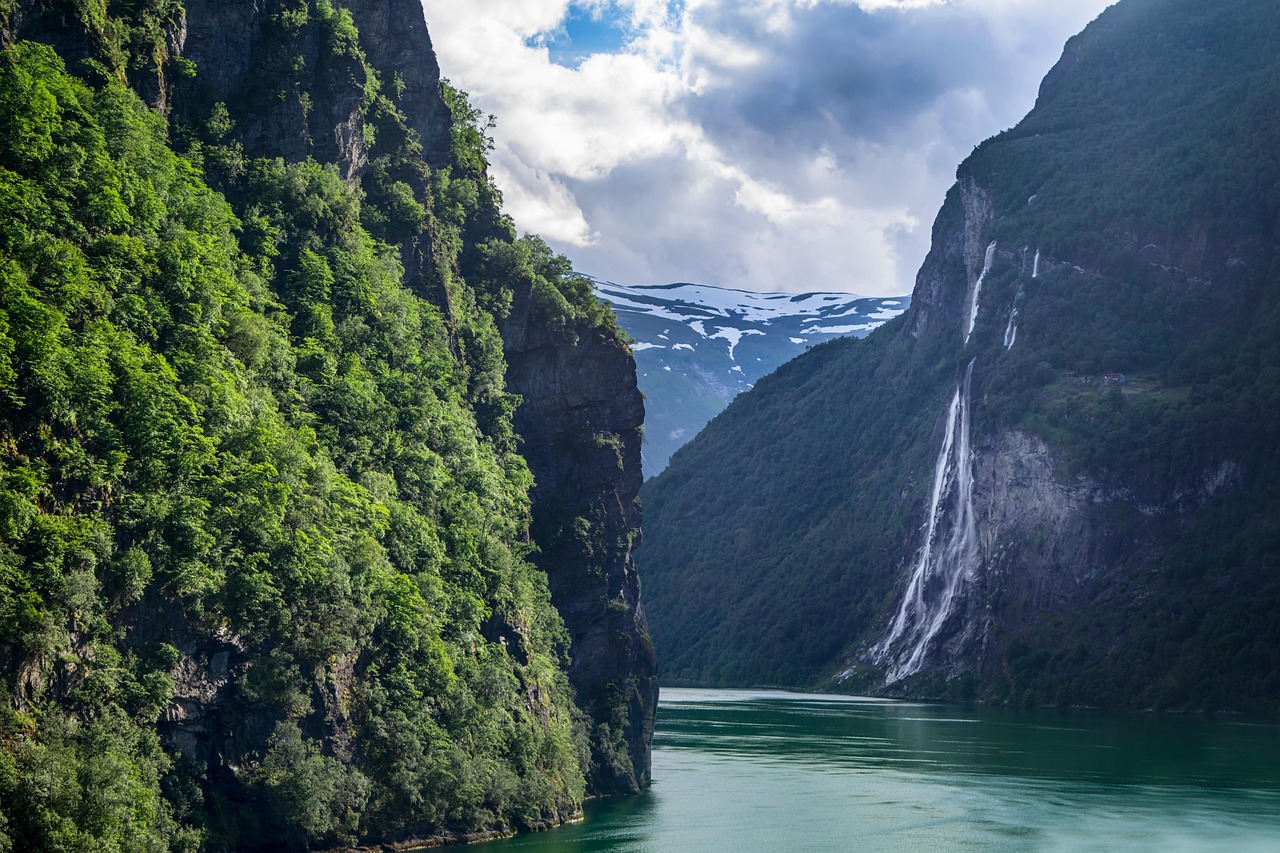
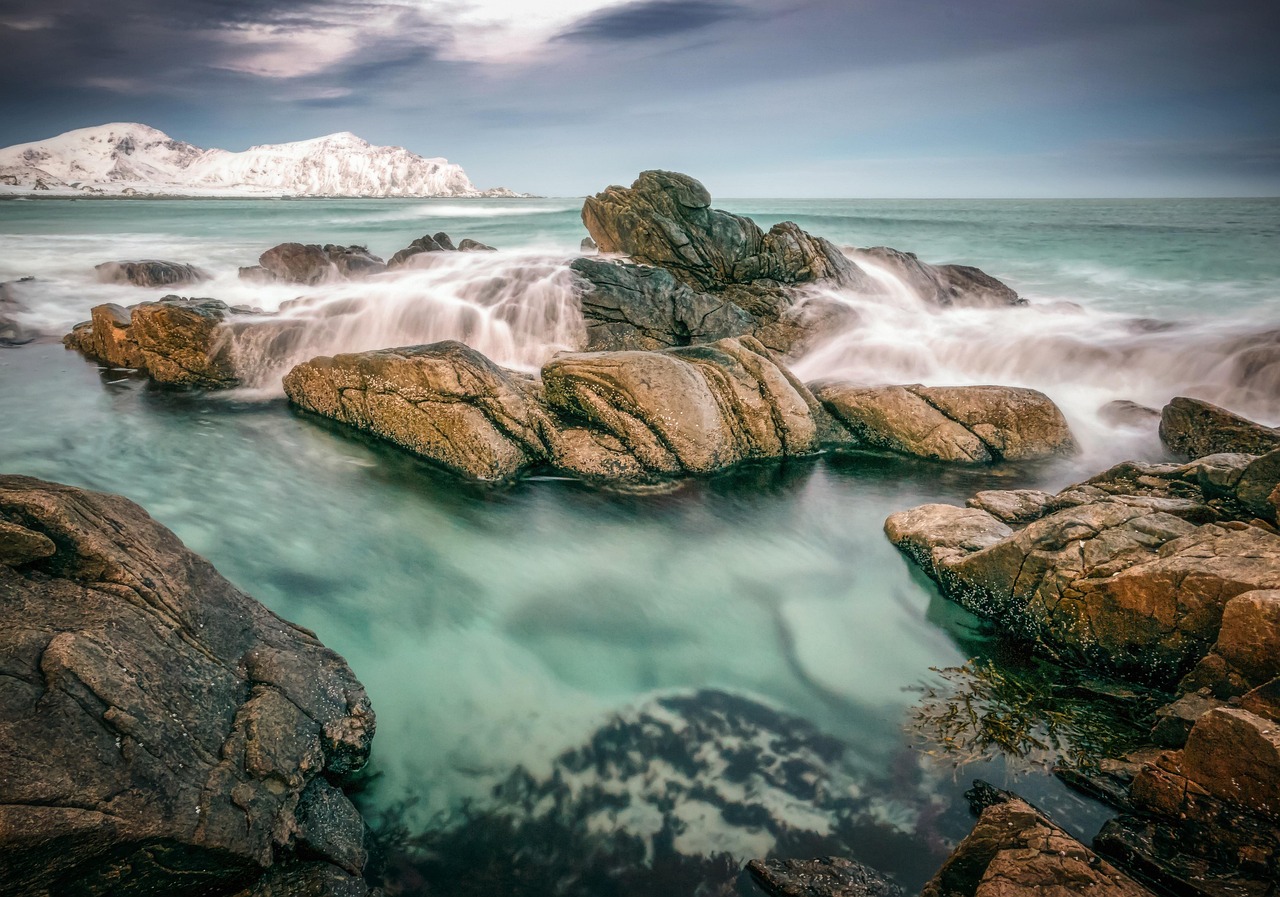
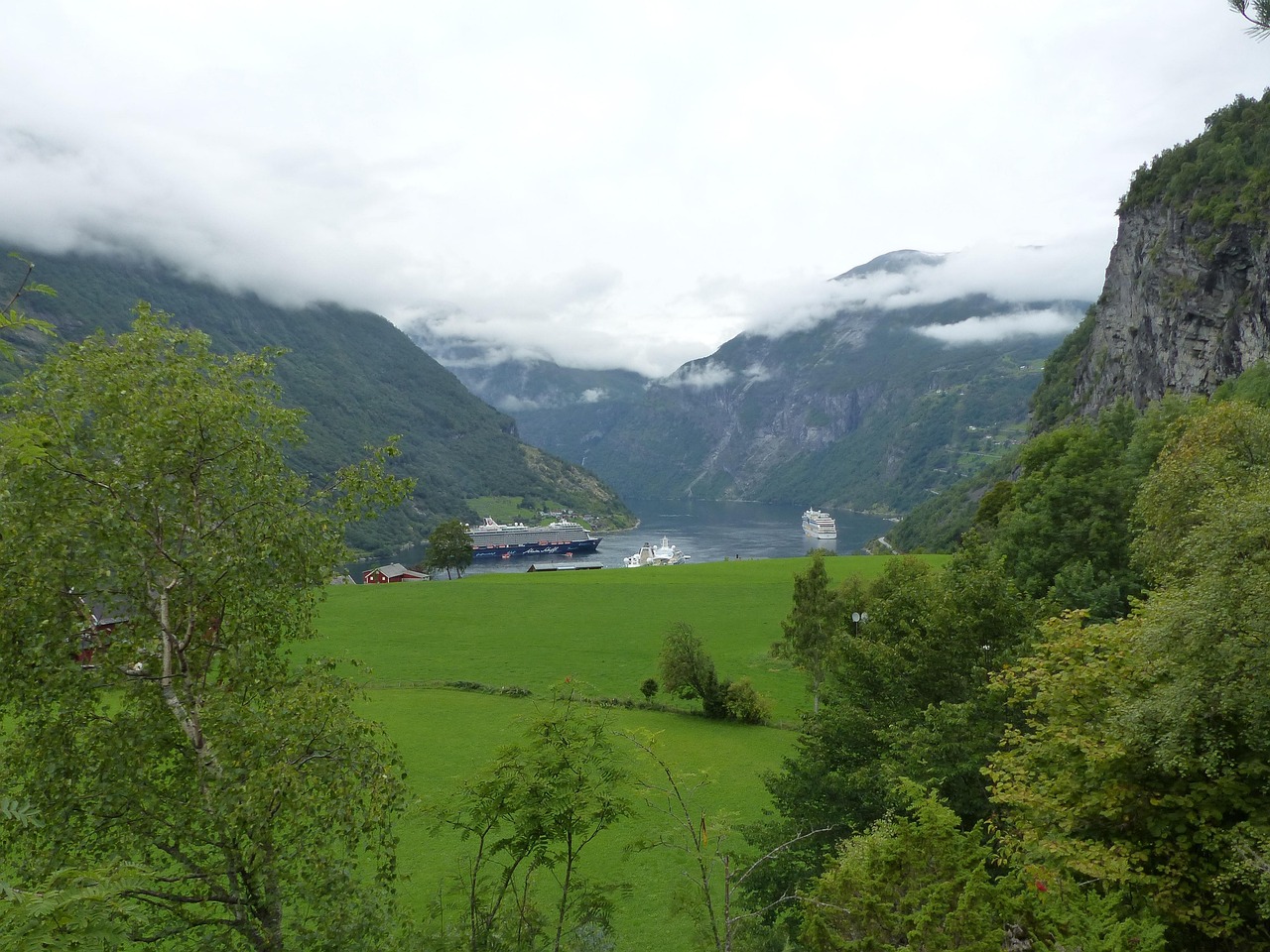
No people have been more profoundly shaped by their geography than the Norwegians. Norway is a land of extremes, of high mountain plateaus and glaciers, of valleys carved by ancient ice, and above all of the fjords, the deep, sea-flooded glacial valleys that cut far inland between sheer walls of rock and rank among the most spectacular landscapes on the planet. Only a small fraction of Norway is arable, and for most of history its people lived in small, isolated communities tucked into the valleys and along the shores, separated from one another by mountains and water and connected mainly by boat. This isolation bred self-reliance, a fierce attachment to the local community and homestead, and a deep, almost spiritual bond with nature that remains central to Norwegian identity to this day.
The sea has been the other great shaper of the Norwegian people. With so little farmland, Norwegians turned to the ocean for their livelihood, becoming fishermen, sailors, traders, and explorers, and the long coastline with its sheltering islands became both their highway and their larder. The cold, rich waters off the coast teemed with cod and herring, and fishing sustained coastal communities for centuries, while the seafaring tradition that began with the Vikings made Norway, in time, one of the great maritime nations of the world. To understand the Norwegians is to understand a people poised between the mountains at their back and the sea before them, drawing their character and their living from both.
The First Norwegians
People have lived along the Norwegian coast since the end of the last Ice Age, when hunter-gatherers followed the retreating ice and the migrating reindeer northward into a newly opened land more than ten thousand years ago. These earliest inhabitants lived from hunting, fishing, and gathering along the shores, and over the millennia they were joined by the spread of farming, which took root wherever the narrow strips of arable land allowed. Bronze Age and Iron Age communities left behind burial mounds, rock carvings, and the traces of settled farming life, and gradually a distinct Norse-speaking culture developed across the region, sharing in the wider world of the ancient Scandinavians.
By the early medieval period Norway was a patchwork of small kingdoms and chieftaincies, each centered on a fertile valley or stretch of coast, ruled by local lords and bound by the intricate ties of kinship, honor, and feud that governed Norse society. Free farmers gathered at regional assemblies, the things, to settle disputes and make law according to ancient custom, an early tradition of popular participation and the rule of law that, as in the rest of Scandinavia, left a lasting mark on the political culture. It was a society without the rigid feudal hierarchies of much of continental Europe, one in which the independent farmer who owned his own land held an honored place, and the memory of this freedom would echo through Norwegian history.
The Viking Age
The Norwegians, like their Scandinavian kin, exploded onto the world stage during the Viking Age, that astonishing period from the late eighth to the eleventh century when Norse seafarers raided, traded, explored, and settled across an enormous reach of the world. The Vikings of Norway turned their dragon-prowed longships westward across the open Atlantic, and their voyages rank among the greatest feats of seamanship in human history. They raided and then settled the islands of Scotland, the coasts of Ireland, where they founded Dublin, and large parts of England, leaving a deep imprint on the language and population of the British Isles.
But the Norwegian Vikings pressed farther still, into the empty spaces of the North Atlantic. They settled the Faroe Islands and then Iceland, which became a thriving Norse commonwealth and the great repository of Old Norse literature, the sagas and poems that preserve the memory of the age. From Iceland they pushed on to Greenland, where they established colonies that endured for centuries, and from Greenland, around the year 1000, the explorer Leif Erikson reached the shores of North America, building a settlement at a place they called Vinland, some five centuries before Columbus. This Norse reach across the Atlantic, from the fjords of Norway to the coast of Canada, was an achievement of extraordinary daring, accomplished in open wooden boats across the stormiest of seas.
The Viking Age was not only one of raiding and exploration but of a rich and distinctive culture. The Norse religion, with its pantheon of gods led by Odin and Thor, its myths of creation and of the doom of the gods at Ragnarok, and its warrior ideal of courage in the face of certain fate, found its fullest literary expression in the works later written down in Iceland. Norse art, with its intricate interlaced animal ornament, adorned ships, weapons, and jewelry, and the Viking ships themselves, sleek, flexible, and superbly seaworthy, were masterpieces of design whose excavated remains still astonish. For all the violence with which the Vikings are associated, they were also traders, settlers, poets, and craftsmen, and the Norwegians remember the age as the heroic dawn of their national story.
Unification and the Coming of Christianity
According to tradition, Norway was first united into a single kingdom around the late ninth century by the king Harald Fairhair, who, the sagas say, subdued the petty kings and chieftains and brought the land under one crown. The process of unification was in reality long, gradual, and often violent, and the consolidation of a stable kingdom took generations. Hand in hand with unification came the slow, contested conversion of Norway to Christianity over the tenth and eleventh centuries, a transformation associated above all with two warrior-kings, Olaf Tryggvason and Olaf Haraldsson, the latter of whom fell in battle and was later venerated as Saint Olaf, becoming the patron saint of Norway and a powerful symbol of the Christian kingdom.
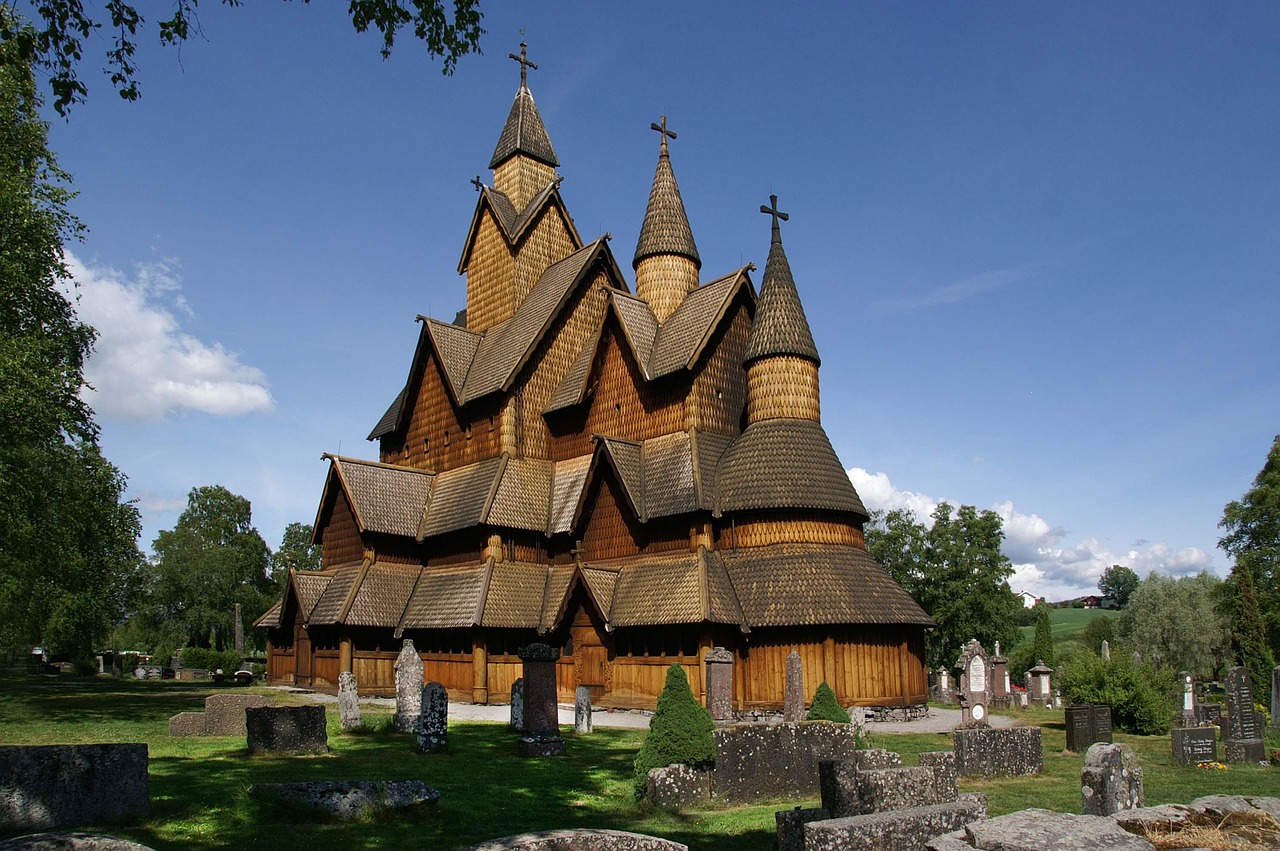
With Christianity came churches, and Norway developed one of its most distinctive cultural treasures, the stave church, a form of medieval wooden church built with a framework of vertical posts and adorned with carvings that often blended Christian imagery with the older Norse decorative tradition. Once numerous across the land, a precious handful of these stave churches survive today, among the oldest wooden buildings in Europe and unique monuments to the meeting of the pagan and Christian worlds in medieval Norway. The high Middle Ages saw Norway reach a peak of power and reach, its kings ruling an Atlantic realm that included Iceland, Greenland, and the northern isles of Britain, before the calamities of the later medieval period brought this age of greatness to an end.
The Long Night of Foreign Union
The fourteenth century brought catastrophe to Norway. The Black Death, the great plague that swept Europe around the middle of the century, struck Norway with particular ferocity, killing perhaps half or more of the population and devastating the country in a way from which it took generations to recover. Farms lay abandoned, villages emptied, and the institutions of the kingdom were gravely weakened. In this enfeebled state, Norway was drawn into union with its more powerful neighbors, and for more than four centuries it would cease to be an independent power, becoming the junior partner in unions ruled from abroad.
First came the union of the Scandinavian kingdoms, and then a long and intimate union with Denmark that lasted some four hundred years, from the late fourteenth to the early nineteenth century. During this long period, ruled from Copenhagen, Norway was very much the lesser partner. Danish became the written language of government, church, and the educated classes, the Norwegian aristocracy faded, and the country was governed as a dependency of the Danish crown. Yet Norway never lost its distinct identity. The Norwegian language lived on in the speech of the common people, especially in the isolated valleys and along the coast, and the memory of the medieval kingdom, of Saint Olaf and the age of greatness, endured as a quiet undercurrent of national feeling waiting to be reawakened.
The turning point came amid the upheavals of the Napoleonic Wars. In 1814, as a consequence of Denmark having backed the losing side, Norway was ceded to the king of Sweden. But the Norwegians, seizing the moment, refused simply to be handed from one master to another. In a burst of national feeling, an assembly of Norwegian notables met at Eidsvoll and, on the seventeenth of May 1814, adopted a remarkably liberal and democratic constitution, one of the most progressive in Europe at the time, and declared Norway an independent kingdom. Although Sweden swiftly compelled Norway into a union under the Swedish crown, the Norwegians were allowed to keep their new constitution, their own parliament, and a large measure of self-government. That constitution, and the day of its signing, the seventeenth of May, became the cornerstone of modern Norwegian national identity, celebrated to this day as the national holiday with a fervor and joy unmatched in Europe.
The Awakening and the Birth of a Nation
The nineteenth century was, for the Norwegians, an age of national awakening. Under the loose union with Sweden, in which Norway governed its own internal affairs, a powerful movement of cultural and political nationalism gathered strength. Norwegians set about rediscovering and celebrating their distinct heritage, collecting the folk tales and legends of the countryside, studying the old Norse sagas, and even constructing a new written language, drawn from the rural dialects, to stand alongside the Dano-Norwegian of the towns, a linguistic project that has left modern Norway with two official written forms of its language to this day.
This cultural flowering produced figures of world stature who gave Norway a voice on the global stage even before it regained full independence. The playwright Henrik Ibsen, with dramas such as A Doll’s House and Peer Gynt, became one of the founders of modern theater and one of the most performed playwrights in the world. The composer Edvard Grieg wove the melodies and moods of Norwegian folk music into works that carried the sound of Norway to concert halls everywhere. The painter Edvard Munch, with his haunting and pioneering works, above all the iconic image of The Scream, helped found modern expressionism. That so small and, until recently, so overlooked a nation should produce such a constellation of artistic genius in a single century is a testament to the depth of the national awakening.
The growing confidence and distinct interests of Norway eventually made the union with Sweden untenable. In 1905, after rising tension and a peaceful but determined assertion of Norwegian will, the union was dissolved, and Norway became, for the first time in more than five hundred years, a fully independent, sovereign nation once more. The Norwegians chose to remain a monarchy, inviting a Danish prince to become their king, and entered the twentieth century as a free people, masters of their own destiny at last. The peaceful achievement of independence, without war, remains a source of deep national pride.
Conquerors of the Poles
In the decades around its independence, Norway astonished the world with a series of feats of polar exploration that drew directly on the seafaring and survival skills honed over centuries in its harsh northern environment. Norwegians became the foremost polar explorers of the age, and their exploits captured the imagination of the world. Fridtjof Nansen, scientist, explorer, and later humanitarian statesman, pioneered new techniques of polar travel and made a daring attempt to reach the North Pole by deliberately freezing his specially designed ship into the Arctic ice and drifting with it, a feat of scientific daring that made him a national hero.
The most famous of all was Roald Amundsen, the supreme polar explorer of his era, who in 1911 led the first expedition ever to reach the South Pole, beating a British party in one of the great dramas of exploration, and who later was among the first to traverse the Northwest Passage and to reach the North Pole region by air. These Norwegian explorers, with their meticulous preparation, their mastery of skis and dogs and cold-weather survival, and their cool courage, embodied a national ideal, and their achievements gave the young nation a heroic modern chapter to set beside the age of the Vikings. The Norwegian bond with ice, snow, and the polar wilderness, and the national passion for skiing and the outdoor life, found its grandest expression in these conquests of the ends of the earth.
Occupation and Resistance
An honest account of the Norwegians must include the ordeal of the Second World War, which tested the nation as nothing had since the Black Death. Despite Norway declared neutrality, Nazi Germany invaded in 1940, and after a brave but ultimately hopeless resistance, the country fell under a harsh German occupation that lasted five long years. The king and government escaped to continue the fight from exile in Britain, and at home the occupation was administered with the help of a Norwegian collaborator whose very name, Quisling, entered the languages of the world as a synonym for traitor.
Yet the occupation also produced enduring stories of courage. A determined resistance movement carried out sabotage, intelligence work, and defiance, and Norwegian saboteurs achieved one of the most celebrated feats of the war when they crippled a heavy-water plant that was vital to Germany nuclear research, an act dramatized many times since and credited with helping to thwart German atomic ambitions. The fishing boats that ferried refugees and agents across the North Sea to Britain, the so-called Shetland bus, became legendary. The war years cost Norway dearly and left deep scars, including the persecution and deportation of its small Jewish community to the death camps, a tragedy modern Norway has come to confront with honesty. But the experience of occupation and resistance also forged a powerful national solidarity and a lasting commitment to collective security that would reshape Norwegian foreign policy in the decades that followed.
Oil and the Transformation of a Nation
For all its later wealth, Norway entered the modern era as a relatively poor country by Western European standards, its people having endured generations of hardship that drove hundreds of thousands to emigrate, above all to America, in search of a better life. The transformation of Norway from a modest nation on the northern fringe into one of the richest countries on earth is one of the most remarkable economic stories of modern times, and it turned, above all, on a single discovery: oil.
In the late 1960s, vast reserves of oil and natural gas were discovered beneath the North Sea off Norway coast, and the country found itself, almost overnight, in possession of enormous natural wealth. What the Norwegians did with that wealth is as significant as the discovery itself, and it reflects the deep values of their society. Rather than squander the windfall, they managed it with extraordinary prudence and foresight, treating the oil as the common property of the whole nation and channeling the revenues into a vast sovereign wealth fund, among the largest in the world, intended to benefit not only the present generation but generations yet unborn. This careful, collective stewardship of a natural windfall, designed to avoid the corruption and inequality that oil has brought to so many other lands, allowed Norway to build a society of remarkable prosperity, security, and equality, and stands as a model of how a nation might turn sudden riches into lasting common good.
Two Tongues and a National Voice
The Norwegian language tells the story of the nation in miniature. After centuries of union with Denmark, the written language of educated Norway was essentially Danish, and one of the projects of the nineteenth-century national awakening was to reclaim a truly Norwegian form of writing. The result was unusual: Norway today has two official written standards, one evolved from the Dano-Norwegian of the towns and the other constructed from the rural dialects in a deliberate effort to root the written language in the speech of the common people. Norwegians learn both, and the relationship between them remains a lively and sometimes politically charged feature of national life, a living reminder of the long struggle to define a distinct Norwegian identity after centuries under foreign rule.
Spoken Norwegian, meanwhile, is famous for its wealth of dialects, which vary strikingly from valley to valley and region to region, and which Norwegians use with pride rather than smoothing them away into a single standard. This celebration of local speech reflects the deep Norwegian attachment to the local community and the home district, a legacy of the centuries when mountains and fjords kept communities apart. As in the rest of Scandinavia, Norwegians are also highly fluent in English, connecting their small language community to the wider world while cherishing the tongue that carries their own heritage.
Friluftsliv and the Love of Nature
If any single value defines the Norwegians, it is their profound bond with nature, captured in the cherished concept of friluftsliv, literally open-air life, the idea that time spent outdoors in nature is essential to a good and healthy human existence. For Norwegians, the mountains, forests, fjords, and coasts are not merely scenery but a birthright and a way of life, and the love of hiking, skiing, fishing, and simply being in the wild runs through every level of society, from the humblest citizen to the royal family. Skiing in particular is woven into the national soul; Norwegians like to say they are born with skis on their feet, and the sport, which originated in these northern lands, is a source of intense national pride and identity.
This deep connection to nature is reflected, as in Sweden, in a traditional right of public access that allows everyone to roam, camp, and gather in the open countryside, and in the widespread love of the simple cabin, the hytte, to which Norwegian families retreat to live close to nature, often without the comforts of modern life, as a cherished antidote to the pressures of the modern world. The Norwegian ideal of a good life is, to a striking degree, an outdoor life, lived in close communion with the wild and beautiful land, and this bond shapes everything from how Norwegians spend their leisure to their strong environmental consciousness and their sense of stewardship over their extraordinary natural heritage.
Light, Cold, and the Norwegian Spirit
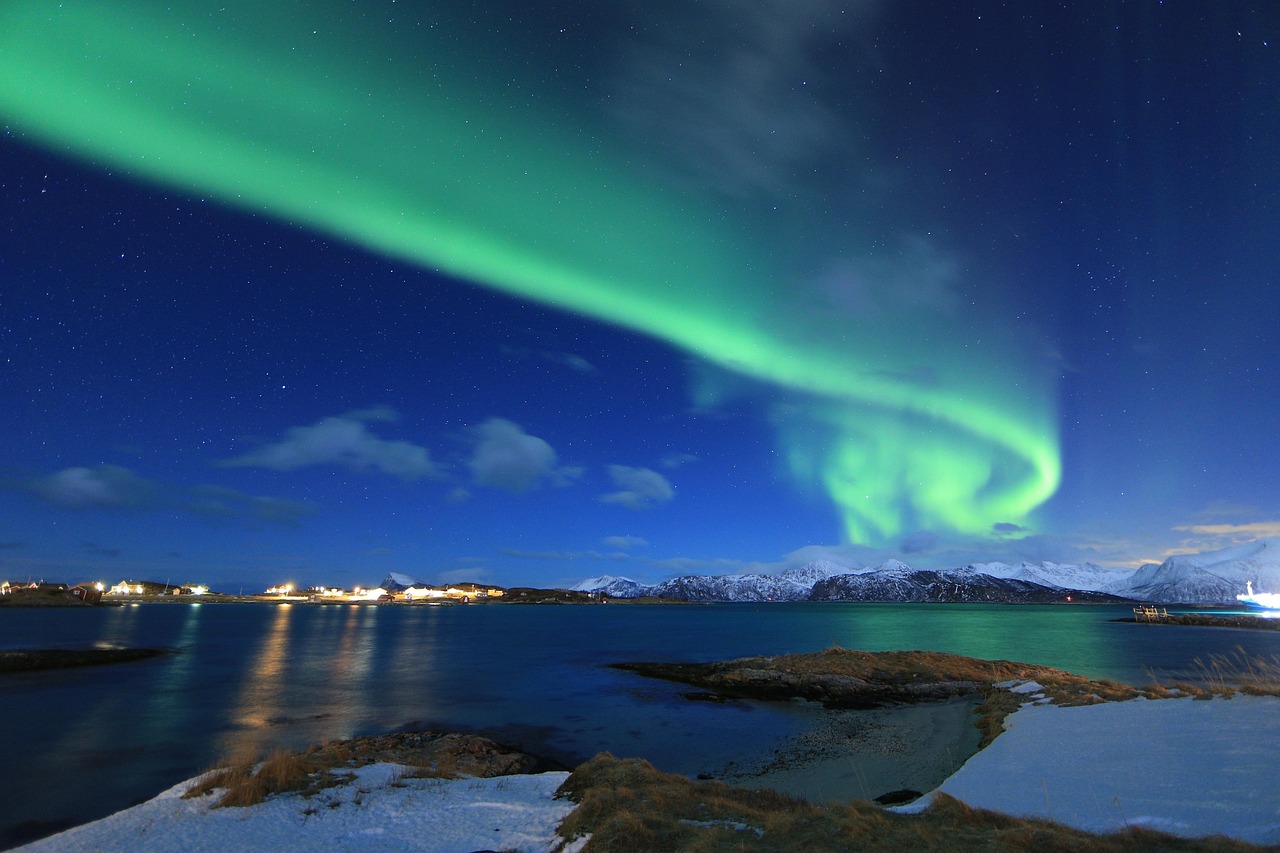
Like all the peoples of the far north, the Norwegians live by the dramatic rhythm of light and darkness, and their culture bears its imprint. In the long, dark winters, Norwegians cultivate a warmth and coziness against the cold, gathering by firelight, and they have learned not merely to endure the winter but to embrace it, throwing themselves into skiing and the celebration of the snow-covered landscape rather than retreating from it, an attitude often summed up in the saying that there is no such thing as bad weather, only bad clothing. In the far north, the long polar night is balanced by the summer of the midnight sun, when the sun never sets and the land is bathed in endless light, and by the spectacle of the northern lights shimmering across the winter sky.
Norwegian culture prizes equality, modesty, and a quiet, unpretentious decency, values that resemble those of the other Scandinavian peoples and that, as elsewhere in the region, can sometimes shade into a discomfort with boastfulness or standing out. Norwegians are often reserved on first acquaintance, valuing honesty, reliability, and personal space, but this reserve typically conceals warmth and deep loyalty. The national day, the seventeenth of May, reveals another side of the Norwegian character entirely, as the normally undemonstrative people pour into the streets in their finest traditional costumes, the bunad, waving flags and celebrating their constitution and their nationhood with an outpouring of unembarrassed joy and pride that astonishes visitors and expresses the deep love Norwegians bear for their hard-won independence.
The Sami and the Far North
As with neighboring Sweden, an honest account of Norway must recognize that the Norwegians have never been the sole inhabitants of their land. In the far north live the Sami, the indigenous people of Arctic Scandinavia, whose ancestors herded reindeer and lived across these northern regions long before the Norwegian state extended its authority over them. As Norway consolidated its hold on the north, the Sami came under Norwegian rule, and their modern history includes a long and painful period of forced assimilation, when the Norwegian state actively suppressed the Sami language and culture and pressured the Sami to abandon their identity and become Norwegian, a policy that caused lasting harm and whose effects are still felt.
In recent decades Norway has moved to confront and make amends for this history. The Sami are now recognized as an indigenous people with rights to their language and culture and with their own elected parliament, and there has been a real revival of Sami pride and identity. Yet difficult questions remain, over land and reindeer-herding rights, over the impact of resource development on traditional ways of life, and over the full reckoning with past injustice. The presence of the Sami, and the related Sami people who live across the borders in Sweden, Finland, and Russia, is a reminder that the Norwegian nation, like all nations, was built in part through the absorption of others, and that its story is richer and more complex than a simple tale of a single people.
The Norwegians in the World Today
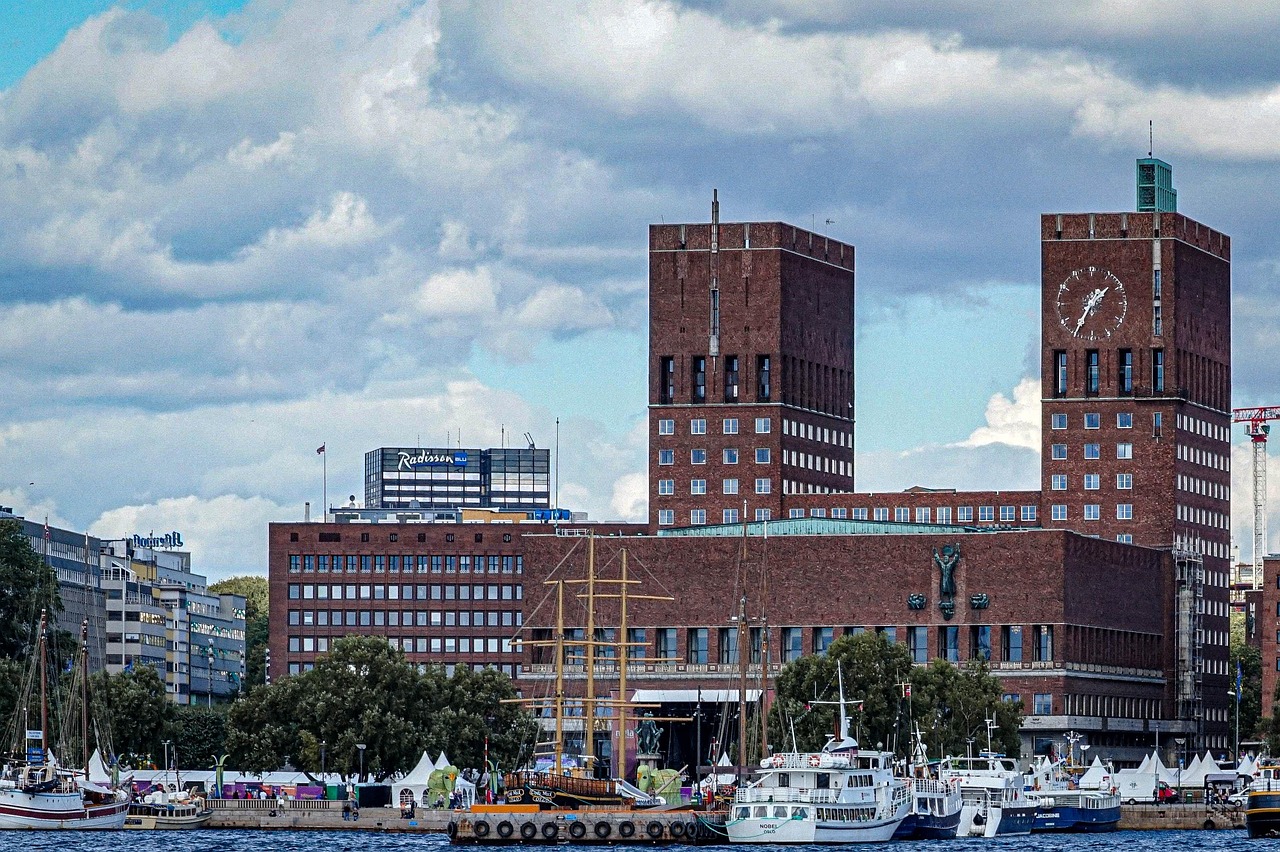
Modern Norway is one of the most prosperous, equal, and well-functioning societies on earth, regularly ranked at or near the very top of international measures of human development, quality of life, and happiness. Its oil wealth, prudently managed for the common good, funds a comprehensive welfare state with excellent health care, education, and social protection, while its strong democratic institutions, low levels of corruption, and deep commitment to equality have created a society of remarkable stability and trust. A constitutional monarchy with a beloved and notably down-to-earth royal family, Norway combines material wealth with a cultural insistence on modesty and a continuing closeness to nature.
On the world stage, Norway has carved out a role far larger than its size would suggest, drawing on the humanitarian traditions and commitment to international cooperation that grew from its own history. It has been a notable peacemaker and mediator in international conflicts, a generous contributor to humanitarian aid and development, and a leading voice on environmental questions, and the awarding of the Nobel Peace Prize in Oslo each year gives Norway a unique place in the moral life of the world. Having chosen, unlike its Nordic neighbors, to remain outside the European Union in a pair of closely fought referendums, Norway charts its own course, deeply engaged with Europe and the world yet jealous of the independence it waited so long to regain.
Norway faces the challenges of its age, among them the need to manage the eventual decline of the oil that built its modern wealth, the pressures of immigration and integration that it shares with the rest of Europe, and the responsibility, as a major exporter of fossil fuels, to reconcile that role with its environmental ideals and its bond with the natural world. But it approaches these challenges from a position of enviable strength, with deep reserves of wealth, social cohesion, and institutional trust, and with the same qualities of prudence, resilience, and quiet idealism that have carried the Norwegians through their long history.
An Enduring People
The Norwegians are, in the end, a people who turned the hardships of a magnificent but unforgiving land into one of the great success stories of the modern world. They are the descendants of Vikings who crossed unknown oceans in open boats and of farmers and fishermen who wrested a hard living from rock and sea, and they became the explorers who conquered the poles and the architects of one of the wealthiest and fairest societies ever built. They spent centuries as the overlooked junior partner in the realms of others, never quite losing their distinct identity, before reclaiming their independence and finding, in the twentieth century, a prosperity and a global voice their ancestors could scarcely have imagined.
Through all the turns of their history, certain qualities have remained constant: a profound bond with nature, a love of freedom and independence, a commitment to equality and the common good, and a resilience born of life in a demanding northern land. To understand the Norwegians is to understand how a small people, long poor and long overshadowed, drew strength from their fjords and mountains and from the cold, rich sea, and built upon that hard foundation a civilization of explorers and artists, of prudent stewards and generous peacemakers, that stands today as one of the quiet wonders of the modern world. Their story, like that of the land that shaped them, is one of severe beauty and enduring strength, and it is far from over.
You May Like
The Zaza, a Mountain People of Eastern Anatolia


One thought on “How a Hard Northern Land Made the Norwegians Who They Are”