On a gentle hill south of Weimar, at the end of a long avenue, stands a delightful rococo palace that was the summer retreat of the dukes of Saxe Weimar. Belvedere Palace, built in the 1720s, is surrounded by a large park with an orangery, a Russian garden and woodland paths, and it offers a charming counterpoint to the classical seriousness of Weimar.
Part of the UNESCO World Heritage Site Classical Weimar, the palace houses a museum of rococo art, while the surrounding buildings are home to a famous music school. Together, palace, park and music make Belvedere a place of beauty and harmony.
In this article we will explore Belvedere from its baroque origins to its gardens, its orangery and its musical life, and we will finish with practical tips for your visit.
In This Article
- A Rococo Retreat Above Weimar
- The Belvedere Park
- A Panorama of the Palace
- Duke Ernst August and the Building of Belvedere
- The Russian Garden
- Rococo Treasures
- Belvedere in Summer
- Paths Through the Park
- The Orangery
- Baroque Architecture
- The West Wing and the Music School
- Belvedere on Video
- Visiting Belvedere Today
A Rococo Retreat Above Weimar

Approaching Belvedere along the avenue from Weimar, you see a graceful palace with a central dome and two wings, surrounded by small pavilions.
Its pale walls and elegant roofline give it a light, festive appearance, perfectly suited to its role as a summer residence.
What makes Belvedere special is its combination of rococo architecture, a varied park and a living musical tradition.
The approach along the straight Belvedere avenue, lined with old trees, has been admired since the eighteenth century, and it remains one of the most pleasant walks or bicycle rides from the centre of Weimar.
The palace sits on a slight rise, so that from its terraces you can look back toward the town and the surrounding hills of Thuringia.
Belvedere is part of a ring of palaces and parks around Weimar, including Tiefurt and Ettersburg, which together show how the ducal family used the landscape for pleasure and retreat.
The Belvedere Park
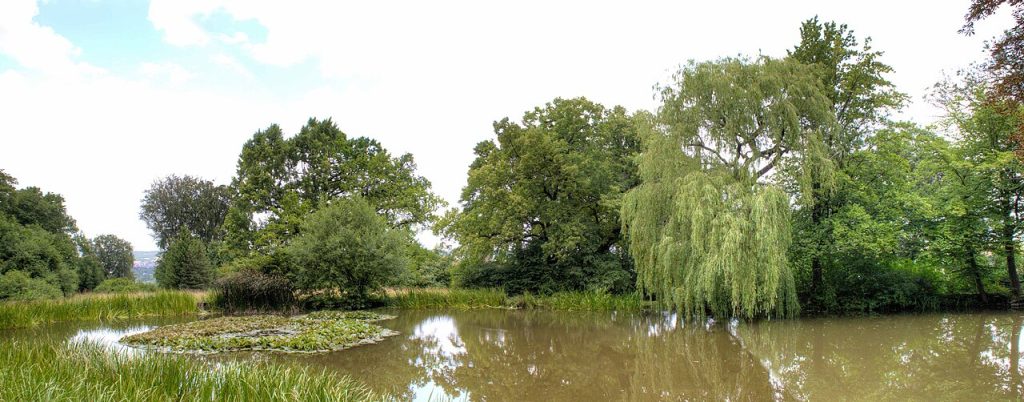
Around the palace stretches a large park, originally laid out as a baroque garden and later transformed into a landscape park.
Paths lead through woodland, meadows and gardens, revealing views of the palace and the surrounding countryside.
The park is a favourite place for walks and is especially lovely in spring and autumn.
Over the centuries, the park was shaped by several generations of the ducal family, each adding new features and adapting the garden to the tastes of their time.
Today it combines formal areas near the palace with natural landscapes further away, offering a varied experience for visitors.
Garden historians value Belvedere as an example of how baroque gardens were transformed in the late eighteenth and nineteenth centuries under the influence of the English landscape style.
A Panorama of the Palace
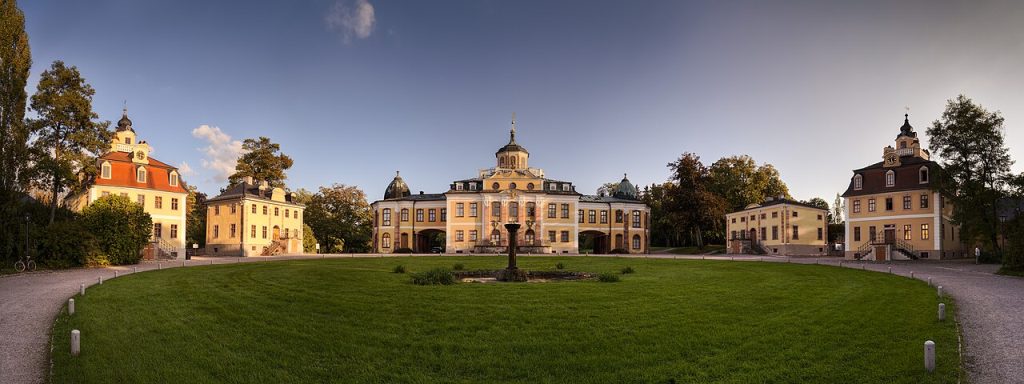
From the meadows around the palace, you can see the full composition of the main building, its wings and the pavilions arranged around it.
This harmonious ensemble reflects the baroque love of symmetry and order.
The panorama is one of the most beautiful views in the Weimar area.
The small pavilions around the main building once housed members of the court and guests, creating a little village of elegance around the duke’s residence.
This arrangement was typical of baroque pleasure palaces, where the main building was surrounded by smaller structures that together formed a complete court.
From the edge of the park, the view stretches across fields and woods toward the hills, a reminder of the rural setting that the dukes enjoyed.
Duke Ernst August and the Building of Belvedere

The palace was built between 1724 and 1732 for Duke Ernst August I of Saxe Weimar, a passionate builder and hunter.
The architect Gottfried Heinrich Krohne, who also worked at Heidecksburg, designed the palace in the late baroque style.
Ernst August used Belvedere for hunting parties, festivities and as a retreat from the formal life of the court.
Ernst August was known for his love of display and his many building projects, and Belvedere was one of his favourite creations.
Hunting was a central pastime of the court, and the forests around Belvedere provided ample game for the duke and his guests.
After his death, his successors continued to use the palace as a summer residence, adapting its interiors and gardens over time.
Krohne’s work at Belvedere shows the influence of Dresden baroque, which was admired throughout central Germany at the time.
The palace was later used by Grand Duke Carl Friedrich and Grand Duchess Maria Pavlovna as a summer residence, and they added many of the features that visitors enjoy today.
The Russian Garden

One of the most charming features of the park is the Russian Garden, created for Grand Duchess Maria Pavlovna, the Russian princess who married into the Weimar family in 1804.
It was designed to remind her of the gardens of her childhood at Pavlovsk near Saint Petersburg, with flower beds, arbours and a garden theatre.
The Russian Garden has been carefully restored and is one of the most romantic corners of Belvedere.
Maria Pavlovna was deeply attached to her Russian homeland, and the garden was a way of bringing a piece of it to Weimar.
She was also a generous patron of the arts and of charity, and she is still remembered fondly in Weimar today.
The garden theatre, a small open air stage framed by hedges, was used for performances and remains one of the most charming spots in the park.
Rococo Treasures

Inside the palace, the Rococo Museum displays porcelain, faience, glass and furniture from the eighteenth century.
The rooms themselves are decorated with stucco and painted panels, creating a perfect setting for the collections.
The museum gives a vivid picture of the elegant lifestyle of the Weimar court in the age of rococo.
The collection includes fine pieces from Meissen and other famous porcelain manufactories, as well as faience from Thuringian workshops.
The museum also explains the role of luxury objects in court life, showing how porcelain and glass were used for dining, display and gifts.
The intimate rooms are a pleasure to explore, and their windows offer lovely views over the park and the surrounding countryside.
Some rooms preserve their original decoration, giving a rare glimpse of a rococo interior in Thuringia.
Belvedere in Summer
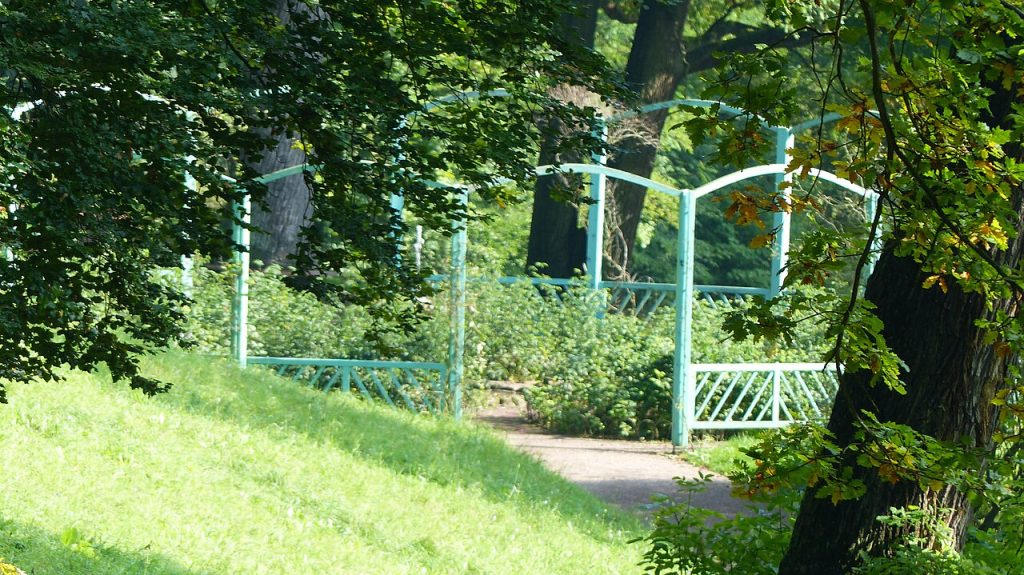
In summer, the park is full of flowers and greenery, and the orangery plants are brought outside to decorate the gardens.
Concerts and events bring life to the palace and its surroundings on warm evenings.
Many visitors combine a walk in the park with a coffee in the palace cafe.
On warm days, the shade of the old trees and the scent of the orangery plants make the park a perfect place to escape the heat.
Summer evenings are especially lovely, when the low sun lights up the facade and the gardens fill with the sound of music from the school.
Paths Through the Park

Winding paths lead through the park, passing ponds, groves and garden buildings.
Each turn reveals a new view, a hallmark of the English landscape style.
The park connects with the surrounding countryside, making it a perfect place for longer walks.
Along the paths you will find small garden buildings, grottoes and benches, each placed to create a particular view or mood.
In early summer, the meadows of the park are full of wildflowers, while in autumn the woods glow with gold and red.
A walk around the park takes about an hour, but many visitors linger much longer, discovering quiet corners and enjoying the views.
The Orangery

Belvedere has one of the largest historic orangeries in Germany, built to shelter citrus trees and exotic plants through the winter.
The orangery collection includes hundreds of plants, some of them centuries old, which are placed in the gardens during the summer months.
The long orangery buildings form an elegant courtyard that is one of the highlights of a visit.
The citrus trees were a symbol of luxury and princely status, and their cultivation required great skill and care from the court gardeners.
Today the orangery is still a working garden, and visitors can see gardeners caring for the historic plants and learn about the history of orangery culture.
In spring and autumn, the moving of the large plants in and out of the orangery is a special event that attracts many visitors.
Some of the plants in the collection are more than two hundred years old, making them living witnesses of the history of the court.
Baroque Architecture

The main palace building is crowned by a central dome and decorated with pilasters, sculptures and elegant windows.
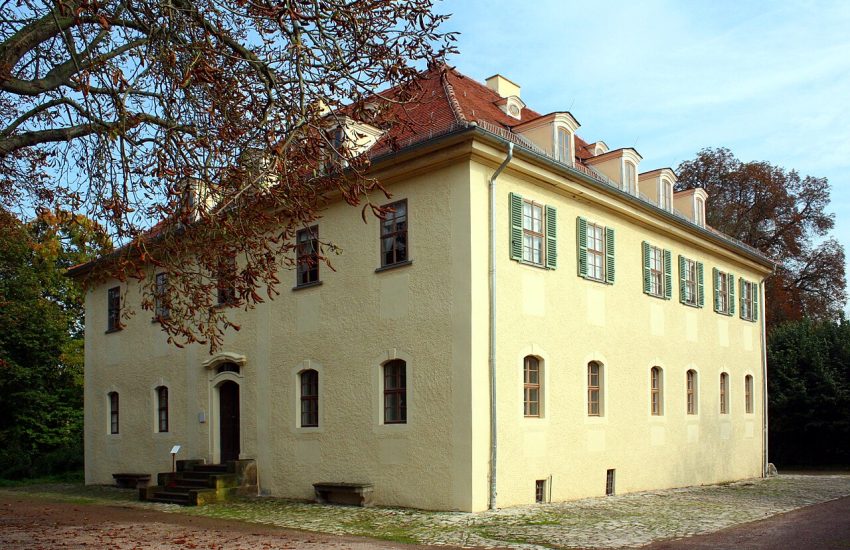
Small pavilions arranged around it housed guests and members of the court.
The overall composition reflects the late baroque taste for harmony and festivity.
Inside the main building, a central hall under the dome connects the different rooms and offers views over the park.
The decoration of the rooms reflects the light and playful spirit of rococo, with pastel colours, stucco ornament and elegant furniture.
The sculptures and decorative vases around the palace add to the festive atmosphere and frame views of the building from the gardens.
The terrace in front of the palace offers fine views over the gardens and is a lovely spot to pause during a visit.
The West Wing and the Music School
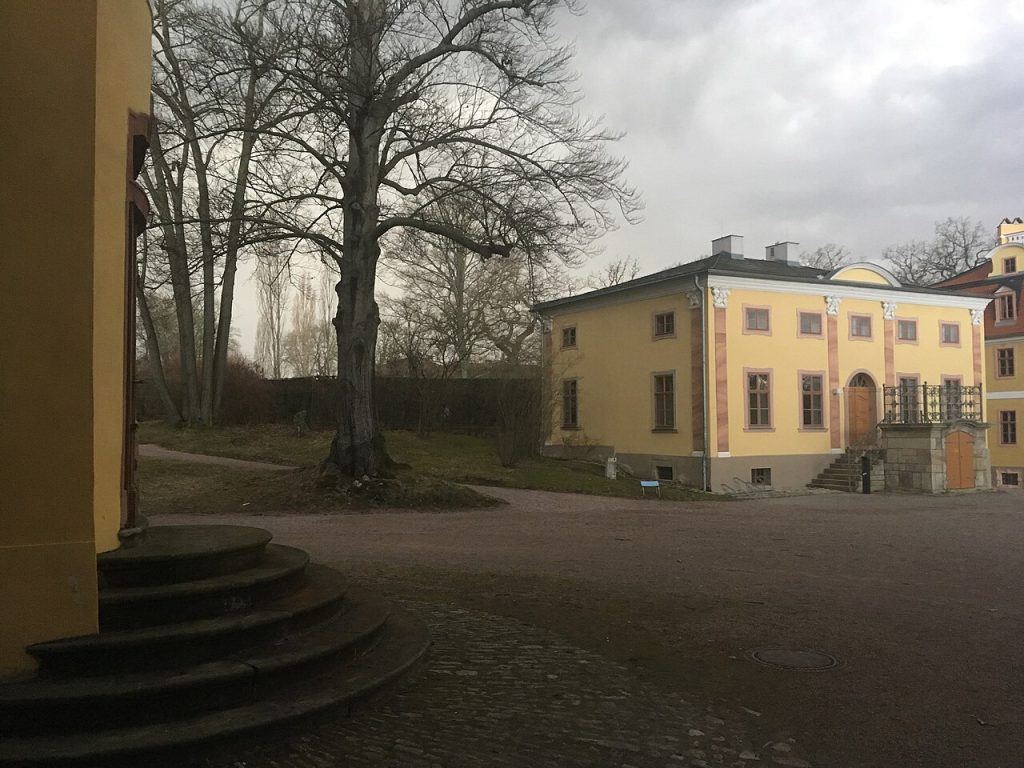
The cavalier houses and wings around the palace are home to the Belvedere Music School, a renowned school for musically gifted young people.
Students from around the world study and live here, and their music often fills the park.
This musical life continues the tradition of the Weimar court, which was famous for its music in the time of Bach and Liszt.
The music school was founded in the twentieth century and has trained many successful musicians, keeping alive Weimar’s long musical tradition.
Johann Sebastian Bach worked as court organist in Weimar, and later Franz Liszt made the city a centre of new music, so the presence of the school at Belvedere continues a remarkable heritage.
Students often perform concerts at the palace and in Weimar, giving visitors the chance to hear young talent in a historic setting.
Belvedere on Video

For a look at the palace and park, the video below presents Belvedere Palace in Weimar.
Watch for the orangery, the Russian Garden and the palace.
If the video inspires you, read on for practical tips.
The video also shows the setting of the palace on its hill above the town.
Visiting Belvedere Today

Belvedere Palace and the Rococo Museum are open from spring to autumn, while the park can be visited throughout the year.
The palace lies about four kilometres south of Weimar and can be reached by bus, bicycle or a pleasant walk along the Belvedere avenue.
Plan at least half a day to see the palace, the orangery and the park, and combine your visit with the City Palace and Tiefurt House.
Concerts by the music school students are a lovely way to end a visit.
There is a cafe at the palace, and the park offers many places for a picnic on a sunny day.
Whenever you visit, Belvedere offers a delightful combination of rococo elegance, garden art and music, a perfect complement to the classical sights of Weimar.
View the location on Google Maps
Palaces Nearby
If you have enjoyed this palace, central Germany holds more remarkable residences. Here are two more well worth adding to your journey:
- Weimar City Palace – the residence of the dukes of Saxe Weimar, at the heart of classical Weimar.
- Tiefurt House – the country retreat of Duchess Anna Amalia and her court of muses.
You May Like
Tiefurt House and the Muses Court of Duchess Anna Amalia


