In the saguaro forests of the Sonoran Desert, across what is now southern Arizona and northern Sonora, live the Tohono O’odham, the Desert People. For untold generations they have mastered life in one of the driest lands of North America, farming the floodwaters of the summer storms and gathering the fruit of the great cactus.Each summer they harvest the saguaro to make a ceremonial wine that calls down the rains and marks their new year, guided by the himdag, the O’odham way, and by I’itoi, their Elder Brother of the sacred mountain. Renowned basket-weavers whose homeland is now cut by an international border, the O’odham carry an ancient desert heritage into the present.
The Tohono O’odham on Film
Contents
- Origins
- The Name
- The Language
- The Homeland
- The Old Way of Life
- Society and Community
- Religion and Belief
- Traditions
- Crafts
- Food
- Festivals
- History
- Today
Origins
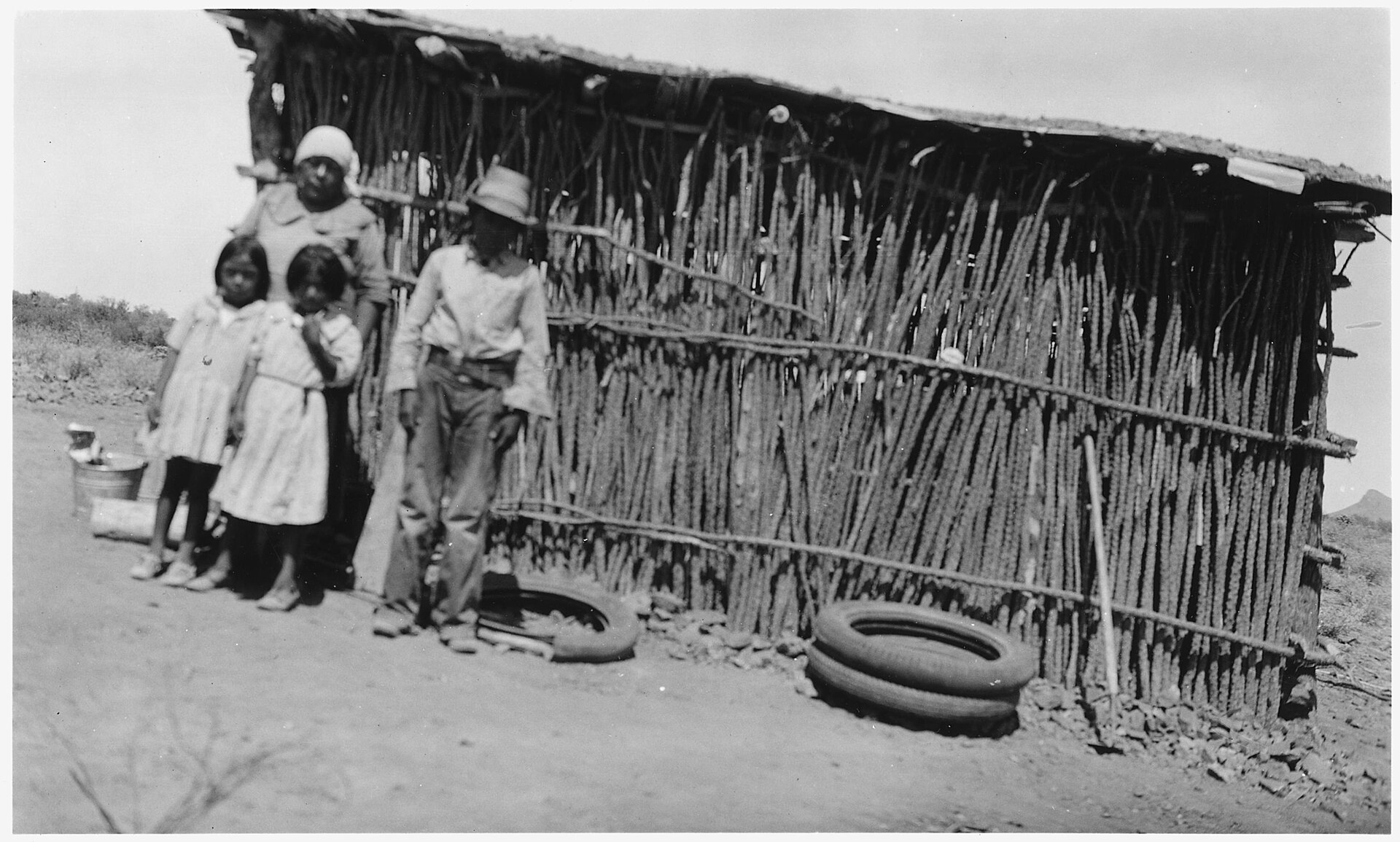
The Tohono O’odham, whose name means the Desert People, are an Indigenous nation of the Sonoran Desert, living in what is now southern Arizona and the neighbouring Mexican state of Sonora. For countless generations they have made their home in one of the hottest and driest regions of North America, mastering the art of survival in the desert.
They are close kin to the Akimel O’odham, the River People, and the Hia C-eḍ O’odham, the Sand People, all speakers of related O’odham languages. Once known to outsiders as the Papago, a name they have set aside, the Tohono O’odham have lived in and around their desert homeland since long before the coming of Europeans.
The Name

The people call themselves Tohono O’odham, the Desert People, distinguishing themselves from their river-dwelling and sand-dwelling relatives. The older name Papago, given by outsiders and derived from a word for their tepary beans, is now generally rejected in favour of their own name.
Today the Tohono O’odham Nation holds a large reservation in southern Arizona, the second largest in the United States, with its seat at Sells, together with communities across the border in Sonora. Their traditional land straddles the international boundary that now divides it.
The Language

The Tohono O’odham speak O’odham, a language of the Uto-Aztecan family, closely related to the speech of the Akimel O’odham and more distantly to Nahuatl and other tongues of Mexico. It remains widely spoken, and is taught and used in the communities of the nation.
The language carries the songs, oratory and traditions central to O’odham life, including the ceremonial songs of the rains and the harvest. Alongside English and, in Mexico, Spanish, the O’odham language endures as a vital marker of the identity of the Desert People.
The Homeland
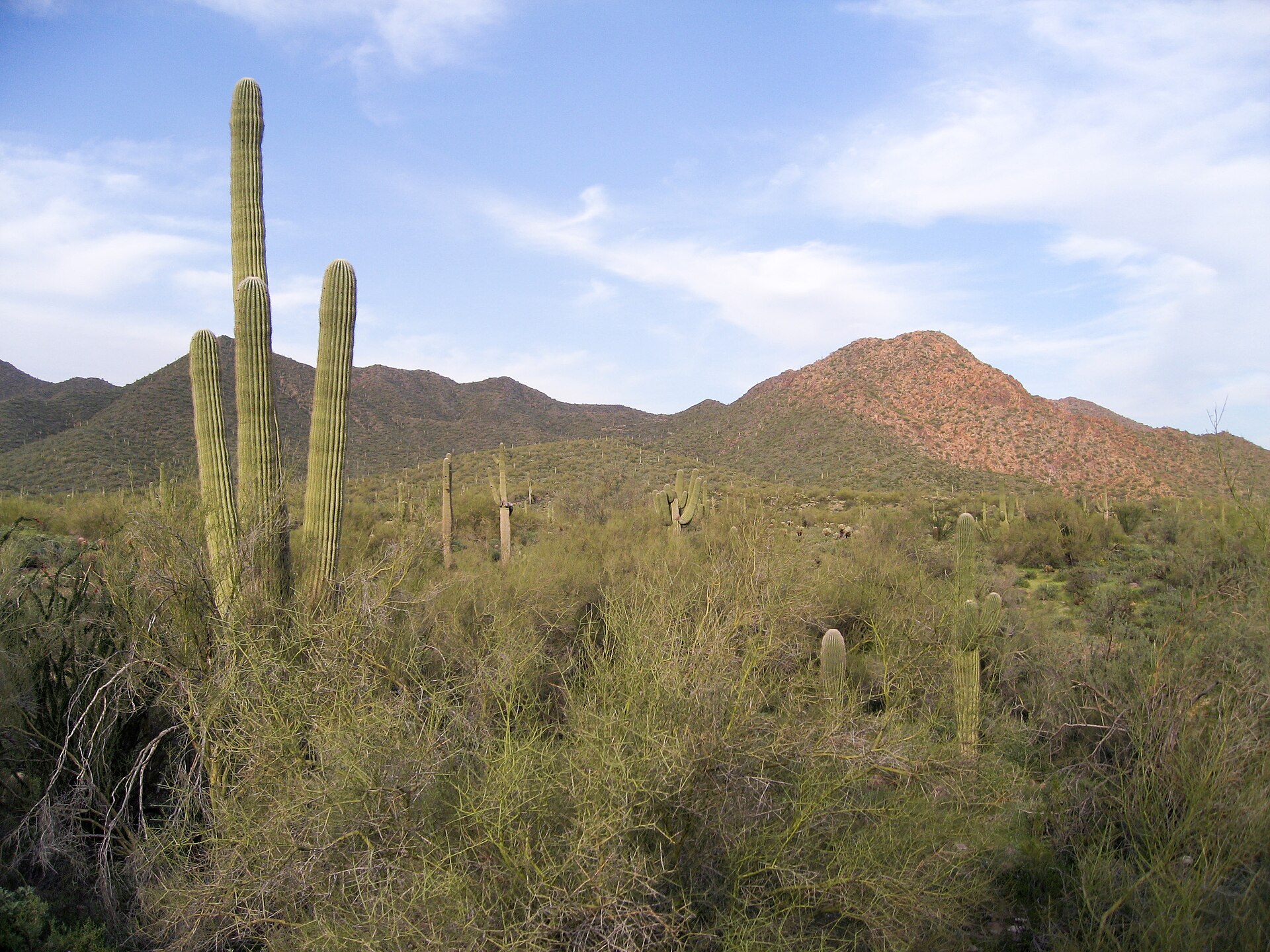
The Tohono O’odham homeland is the Sonoran Desert, a land of saguaro and organ-pipe cactus, mesquite, creosote and desert grasses, cut by dry washes and ringed by rugged mountains. Among its landmarks is Baboquivari Peak, the sacred mountain the O’odham revere as the home of I’itoi, their creator and Elder Brother.
This is a country of great heat and little rain, where the summer monsoon brings brief, violent storms that fill the washes and green the desert. The O’odham knew this land intimately, its plants, its waters and its seasons, and built a way of life finely tuned to the rhythms of the desert.
The Old Way of Life

The Tohono O’odham were farmers of the desert, practising a remarkable form of floodwater agriculture in which they planted at the mouths of washes to catch the runoff of the summer rains. In these fields they grew tepary beans, drought-hardy corn, squash and devil’s claw, crops suited to the desert’s brief wet season.
Alongside farming they gathered the wild foods of the desert, above all the fruit of the saguaro, the buds of the cholla, mesquite pods and agave, and hunted and traded across the region. This combination of floodwater farming and desert gathering, moving between summer field villages and winter mountain camps, sustained the Desert People.
Society and Community

Tohono O’odham society was organised into villages of related families, led by a headman and a council that governed by consensus, with a keen sense of community and cooperation demanded by desert life. The whole is bound together by the himdag, the O’odham way, a set of values and practices that guide right living.
Today the Tohono O’odham Nation governs itself through an elected government based at Sells, one of the larger tribal nations in the United States. The community continues to draw on the himdag and on traditional structures even as it engages with the modern world and the challenges of a divided border.
Religion and Belief
Traditional O’odham religion centres on I’itoi, the Elder Brother and creator who is said to dwell in a cave on the sacred Baboquivari Peak, and on a world of songs, dreams and ceremonies tied to the desert and the rains. The famous Man in the Maze design, showing a figure at the entrance of a labyrinth, represents the journey of life in O’odham thought.
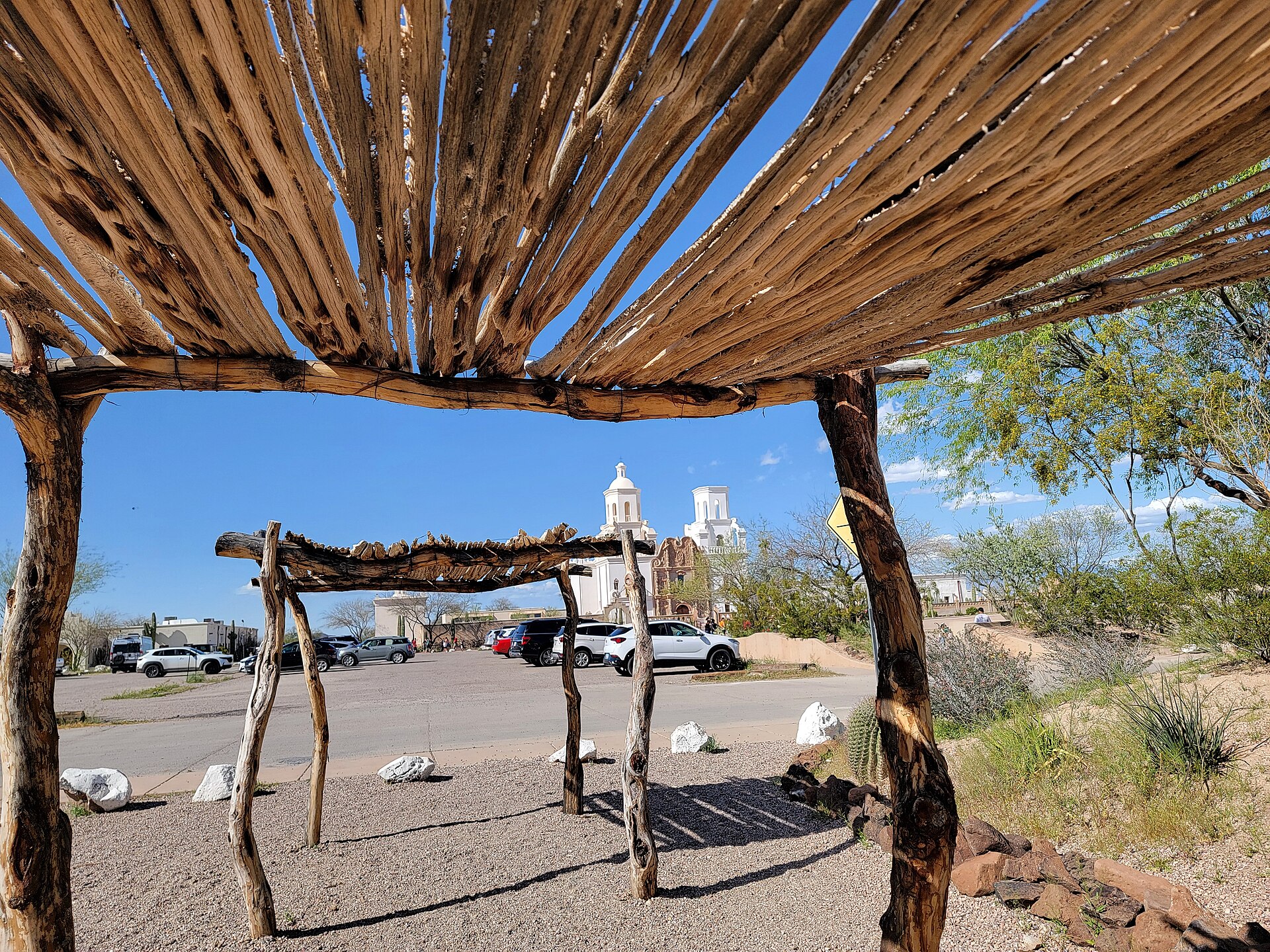
From the time of the Spanish missions, many O’odham became Catholic, and the beautiful mission of San Xavier del Bac, the White Dove of the Desert, stands on their land near Tucson. O’odham Catholicism blends with older belief, and the ceremonies of the rains and the harvest continue alongside the church.
Traditions

The central tradition of the Tohono O’odham is the saguaro harvest and the wine feast that follows it. Each summer, families gather the ripe fruit of the towering saguaro cactus, boiling it into syrup, and from this is made a ceremonial wine used in the nawait, the rain-bringing feast that marks the O’odham new year and calls down the monsoon.
Other traditions include the women’s game of toka, a vigorous field game played with sticks and a ball, and the songs and dances that accompany the seasons. Through the saguaro harvest, the wine feast and these customs, the O’odham renew their bond with the desert and its cycles.
Crafts
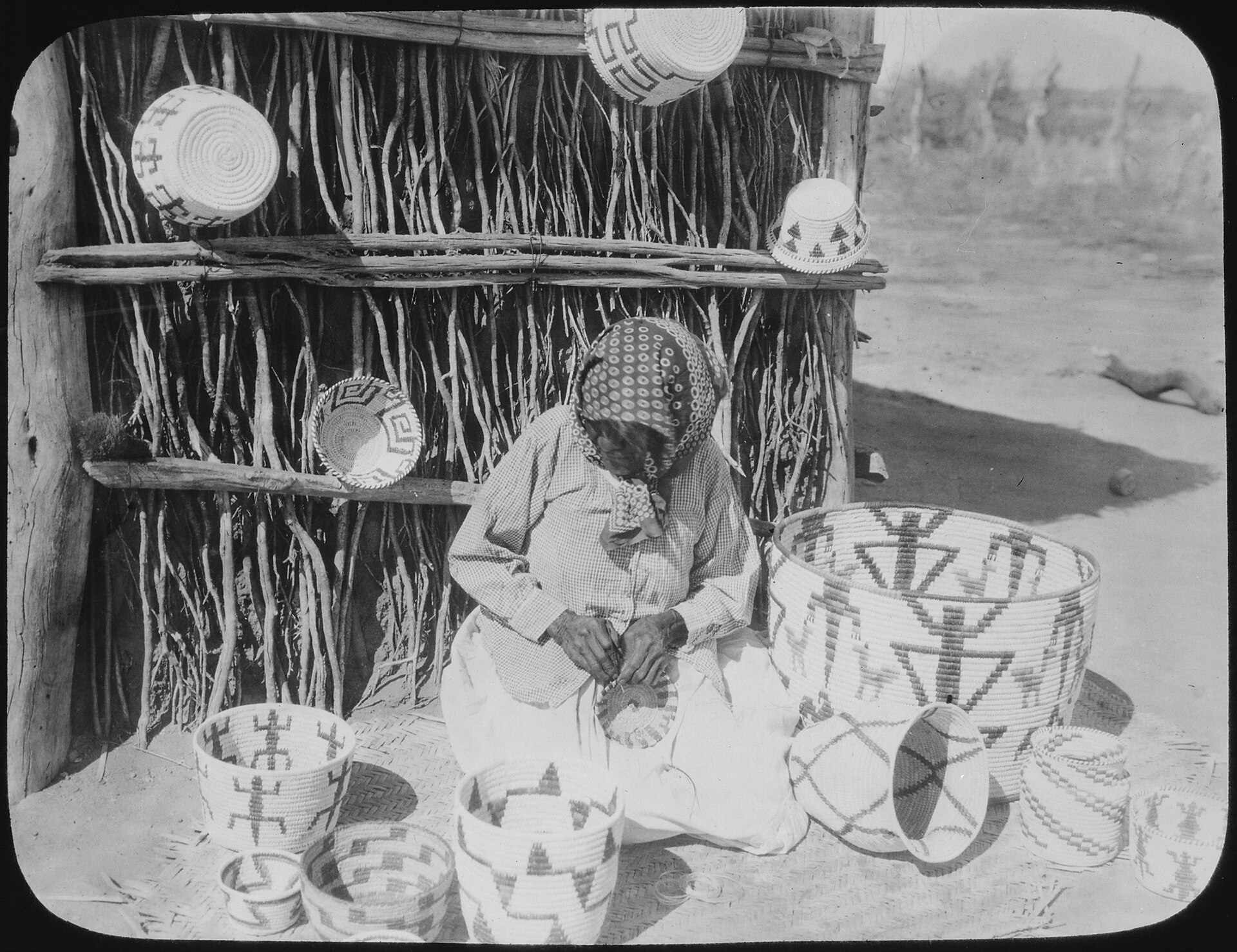
The Tohono O’odham are among the most celebrated basket-weavers of North America, coiling baskets of bear grass, yucca and the black fibre of the devil’s claw into intricate designs, including the Man in the Maze. Their baskets are prized both for use and as works of art.
Beyond basketry the O’odham made pottery, worked with the plants and materials of the desert, and produced the tools and ornaments of daily and ceremonial life. This craftwork, drawn from the sparse resources of the desert, reflects the ingenuity and artistry of the Desert People.
Food
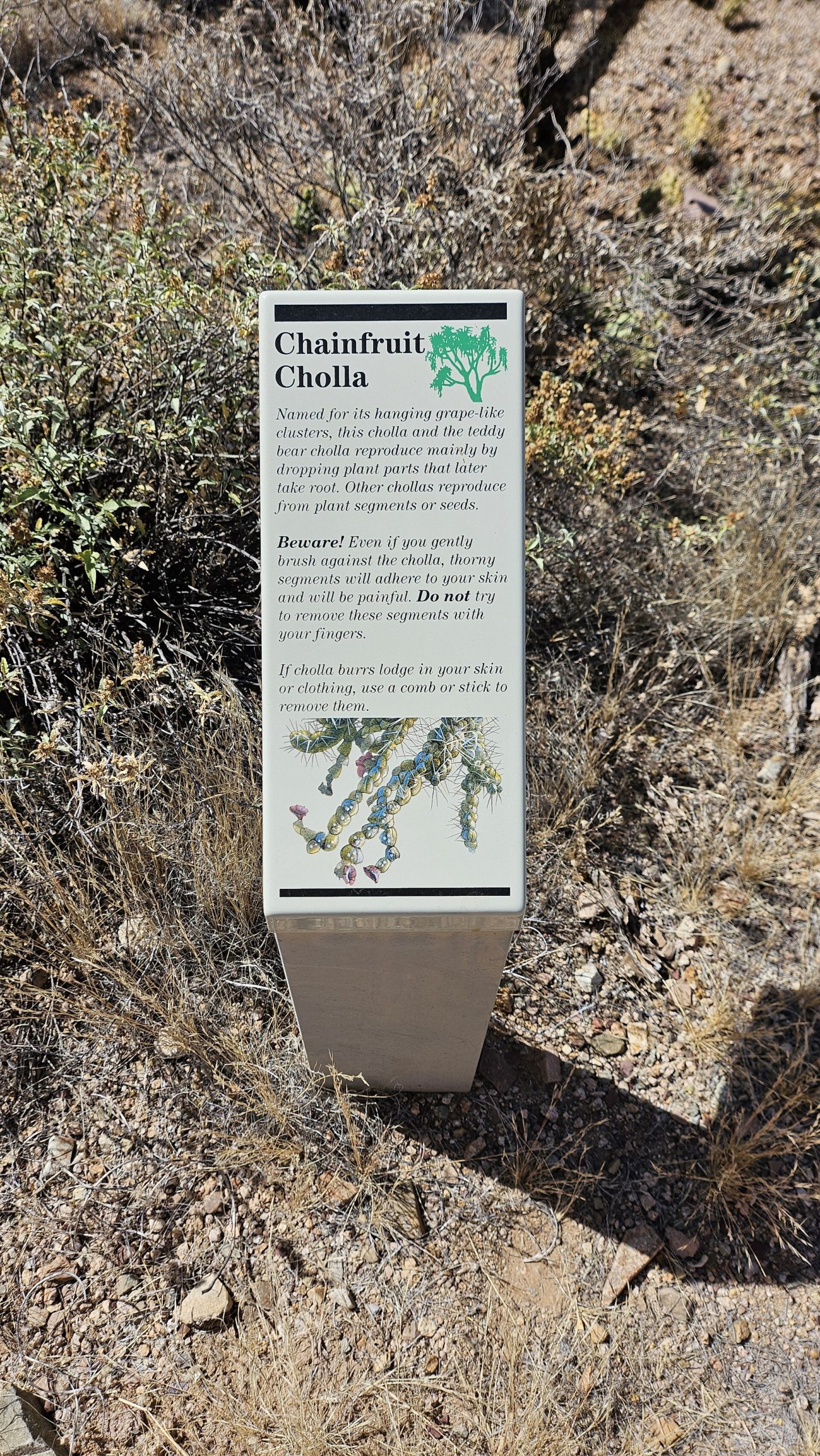
The traditional foods of the Tohono O’odham are the crops of their floodwater fields and the wild harvest of the desert: tepary beans, corn and squash, the fruit and syrup of the saguaro, the buds of the cholla cactus, mesquite-pod flour and roasted agave. These foods are well suited to the desert and to the bodies of a desert people.
In modern times, the loss of these traditional foods and the shift to processed diets contributed to high rates of diabetes among the O’odham, and a strong movement has arisen to revive traditional desert foods and farming. This return to tepary beans, cholla and the saguaro is both a cultural and a health renewal.
Festivals

O’odham communal life is marked by the ceremonies of the saguaro harvest and the wine feast, by feast days of the Catholic calendar, and by social gatherings filled with music and dance. The lively accordion-based music known as waila, or chicken scratch, is played at celebrations and dances across the nation.
These gatherings, blending Indigenous tradition with influences absorbed over centuries, bring the community together and reaffirm the bonds of kinship and the himdag. Through them the O’odham celebrate and sustain their identity as the Desert People.
History

The O’odham have lived in the Sonoran Desert for many centuries, and from the seventeenth century they encountered Spanish missionaries and settlers, some becoming Catholic while others resisted. The land later passed to Mexico and then, with the Gadsden Purchase of 1854, was divided by the new border between the United States and Mexico, cutting through the heart of O’odham country.
Under American rule the Papago reservation was established, and the O’odham struggled to retain their land and water in a thirsty region. In modern times the border has become a source of hardship, dividing families and communities and bringing the pressures of migration and enforcement onto O’odham land.
Today

Today the Tohono O’odham number some tens of thousands, most enrolled in the Tohono O’odham Nation in Arizona, with communities also in Sonora, Mexico. They govern themselves, run schools, enterprises and health programmes, and work to protect their land, water and traditions in a demanding environment.
The O’odham language, the saguaro harvest, basket-weaving, waila music and the himdag continue to anchor the identity of the Desert People, and a revival of traditional desert foods is under way. Masters of life in the Sonoran Desert, the Tohono O’odham carry an ancient and resilient heritage into the modern age.
Related Peoples of the Region
- Muscogee Creek Towns, Councils, and the Long Road to Oklahoma
- Ojibwe Anishinaabe Life Around the Great Lakes and Wild Rice Waters
- The Metis, the Buffalo Hunters of the Red River
- The Choctaw, People of the Sacred Mound
- The Mikmaq, First People of the Atlantic Coast
- The Wampanoag, People of the First Light
- The Aleut, Sea Hunters of the Aleutian Islands
- The Xavante, Warriors of the Brazilian Cerrado
More Peoples of the World
- A Fifth of Humanity, the Story of the Han Chinese
- How the Maori Sailed Across the Pacific to Reach New Zealand
- Zulu of the Green Hills and Their Kingdom Forged by Shaka
- The People Who Never Vanished, the Story of the Maya
- Long Before the Arabs Came, North Africa Belonged to the Amazigh
- The People Who Emerged Into This World, the Story of the Navajo
- Meet the Ainu, an Indigenous People at Japan’s Northern Edge
You May Like
The Damara, an Ancient People of Namibia