On the shores of southeastern Massachusetts, on Cape Cod and the islands of Martha`s Vineyard and Nantucket, live the Wampanoag, the People of the First Light. Farmers of corn and beans, fishers of the tidal waters and makers of wampum from the quahog shell, they have dwelt where the sun first strikes the land for thousands of years.It was the Wampanoag grand sachem Massasoit who allied with the Pilgrims of Plymouth and shared the harvest remembered as the first Thanksgiving, and his son Metacom who later led a desperate war against the colonies. Survivors of epidemic, war and centuries of loss, the Wampanoag today have even brought their silenced language back to life.
The Wampanoag on Film
Contents
- Origins
- The Name
- The Language
- The Homeland
- The Old Way of Life
- Society and Community
- Religion and Belief
- Traditions
- Crafts
- Food
- Festivals
- History
- Today
Origins
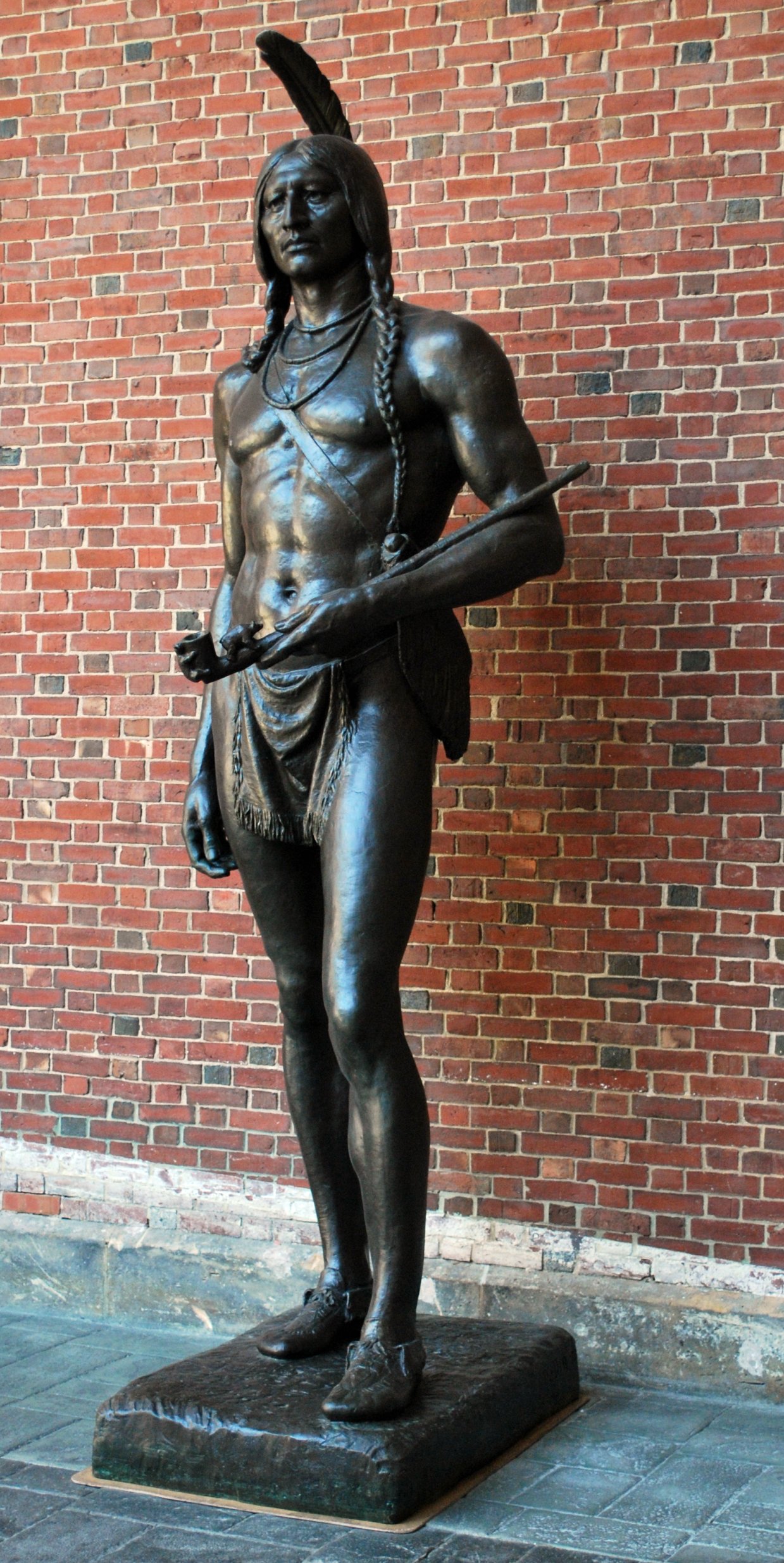
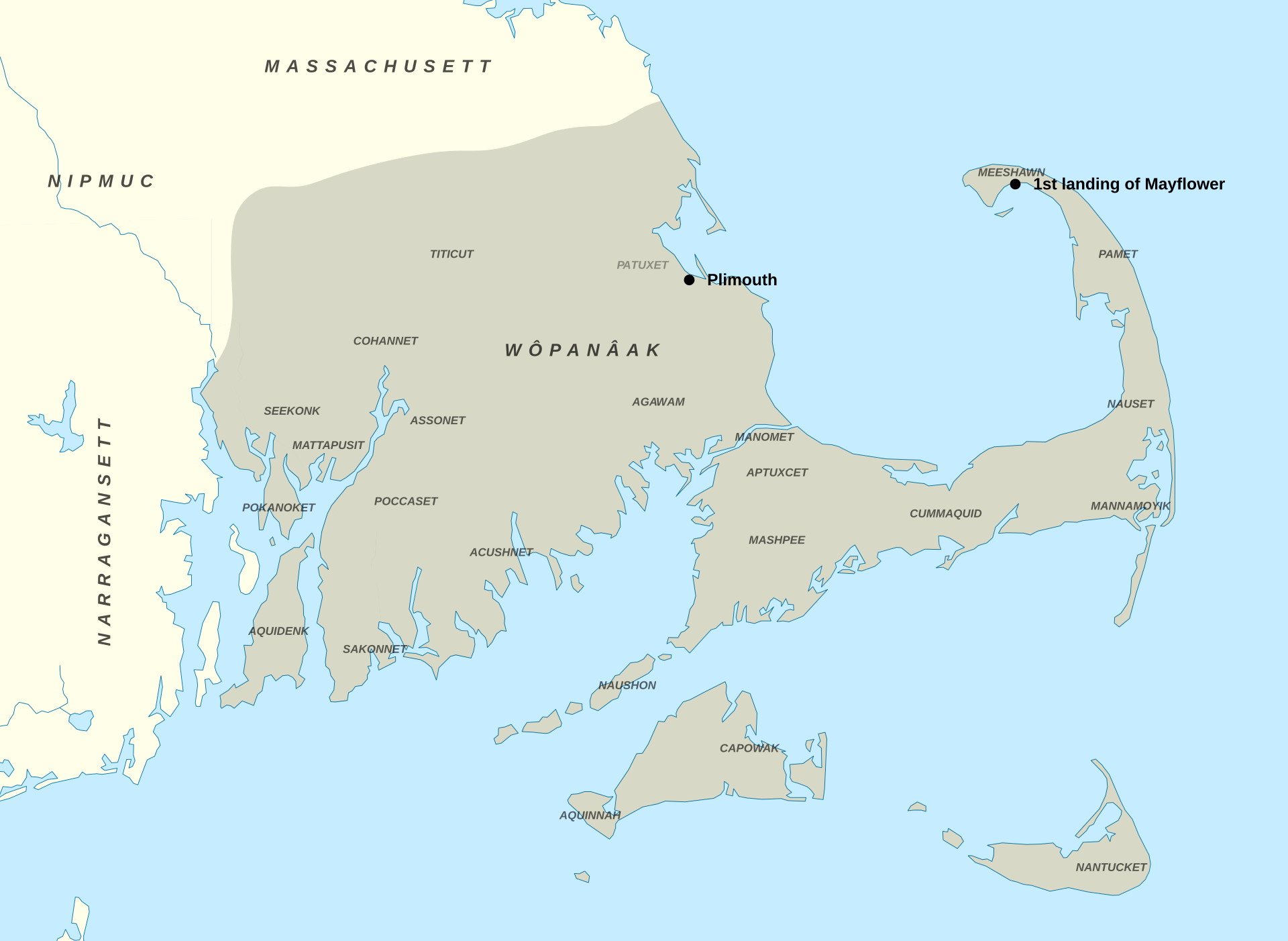
The Wampanoag are an Algonquian people of southeastern New England, whose homeland embraced what is now southeastern Massachusetts and eastern Rhode Island, including Cape Cod and the islands of Martha’s Vineyard and Nantucket. Their name is often translated as the People of the First Light, or People of the Dawn, for they dwell where the sun first strikes the mainland.
Long before the arrival of Europeans, the Wampanoag lived as a confederacy of villages across this coastal country, farming, fishing and hunting through the seasons. They are best known to the wider world as the people who met the Pilgrims at Plymouth, but their history stretches back many thousands of years.
The Name

The people call themselves Wampanoag, and their language Wôpanâak, part of the Massachusett group of Algonquian tongues. The nation was once a confederacy of many communities, each led by a sachem, united under a grand sachem.
Today the Wampanoag are represented above all by two federally recognised nations, the Mashpee Wampanoag on Cape Cod and the Wampanoag Tribe of Gay Head, or Aquinnah, on Martha’s Vineyard, together with other communities. Their heartland remains the coast and islands of southeastern Massachusetts.
The Language
The Wampanoag language, Wôpanâak, fell silent as a spoken tongue in the nineteenth century, but it left an unusually rich written record, including a full translation of the Bible made in the colonial era. In a remarkable achievement, the Wampanoag have in recent decades reclaimed and revived their language from these documents.
The Wôpanâak Language Reclamation Project has brought the language back into use, teaching new speakers and raising children with Wôpanâak once more. This revival, drawing on centuries-old texts, is among the most celebrated efforts of Indigenous language reclamation in North America.
The Homeland

The Wampanoag homeland is a country of coast and forest, of sandy Cape Cod, the clay cliffs of Aquinnah, tidal estuaries, ponds and woodlands. The sea and its shellfish beds, the rivers full of fish, and the fertile coastal soils together sustained the people.
This was a land of great natural abundance, where the Wampanoag moved with the seasons between planting grounds, fishing places and hunting territories. Their intimate knowledge of this homeland, its tides, its harvests and its game, underlay a way of life finely adapted to the New England coast.
The Old Way of Life

The Wampanoag were farmers as well as fishers and hunters, cultivating the Three Sisters of corn, beans and squash in coastal gardens, and gathering the rich harvest of the sea. Shellfish such as clams and quahogs, fish taken in weirs and nets, and the game of the woodlands filled out the diet.
They lived in dome-shaped houses called wetuash, framed with saplings and covered with bark or mats, and travelled the waters in dugout canoes. This seasonal round of farming, fishing and hunting, moving between summer and winter grounds, defined the traditional Wampanoag way of life.
Society and Community
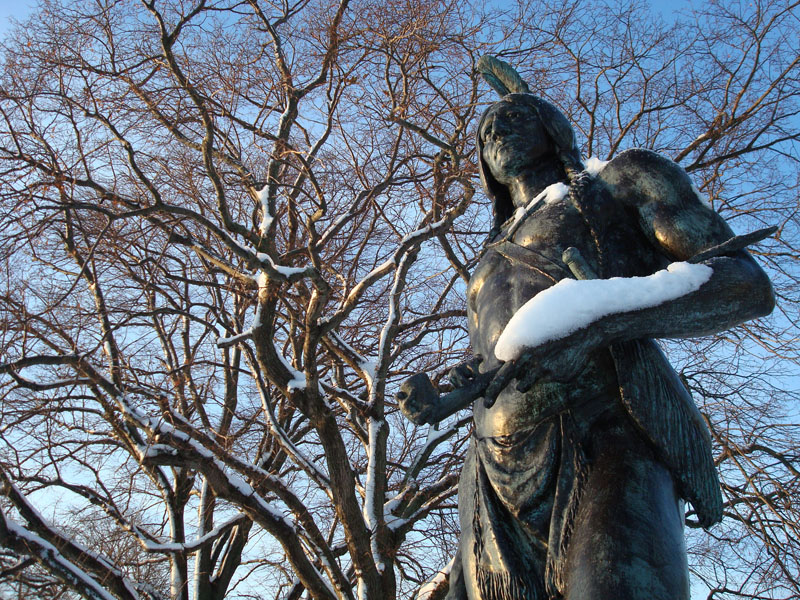
Wampanoag society was organised into villages led by sachems, both men and women, who governed with the counsel of their people and were united under a grand sachem. In the early seventeenth century the grand sachem Massasoit, of the Pokanoket, led the confederacy and famously allied with the newly arrived Pilgrims of Plymouth.
A generation later his son Metacom, called King Philip by the English, led a great and desperate war against the expanding colonies in 1675 and 1676. The defeat of the Wampanoag and their allies in King Philip’s War was a catastrophe, yet the people endured, and their communities survived into the present day.
Religion and Belief
Traditional Wampanoag belief centred on a creator and a world alive with spirit, honoured through ceremony, thanksgiving and respect for the land and its creatures. The giving of thanks for the harvest and the gifts of the world was woven into the rhythm of the year.
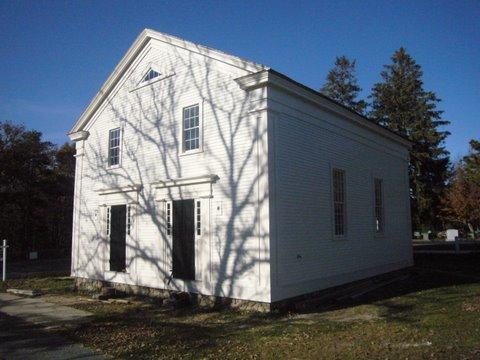
In the colonial era many Wampanoag adopted Christianity, gathering in so-called praying towns, and historic churches such as the Old Indian Meeting House at Mashpee remain treasured landmarks. Today Wampanoag spiritual life blends Christian faith with a revival of traditional ceremony and thanksgiving.
Traditions

Wampanoag tradition is expressed in the gatherings now known as powwows, in song, drumming and dance, and in the wearing of regalia adorned with the designs of the people. The honouring of the seasons, above all through ceremonies of thanksgiving, remains central to Wampanoag life.
Storytelling carries the history and teachings of the nation, and the memory of Massasoit, Metacom and the events of the seventeenth century runs deep. Through these traditions the Wampanoag sustain their identity and pass it to new generations.
Crafts
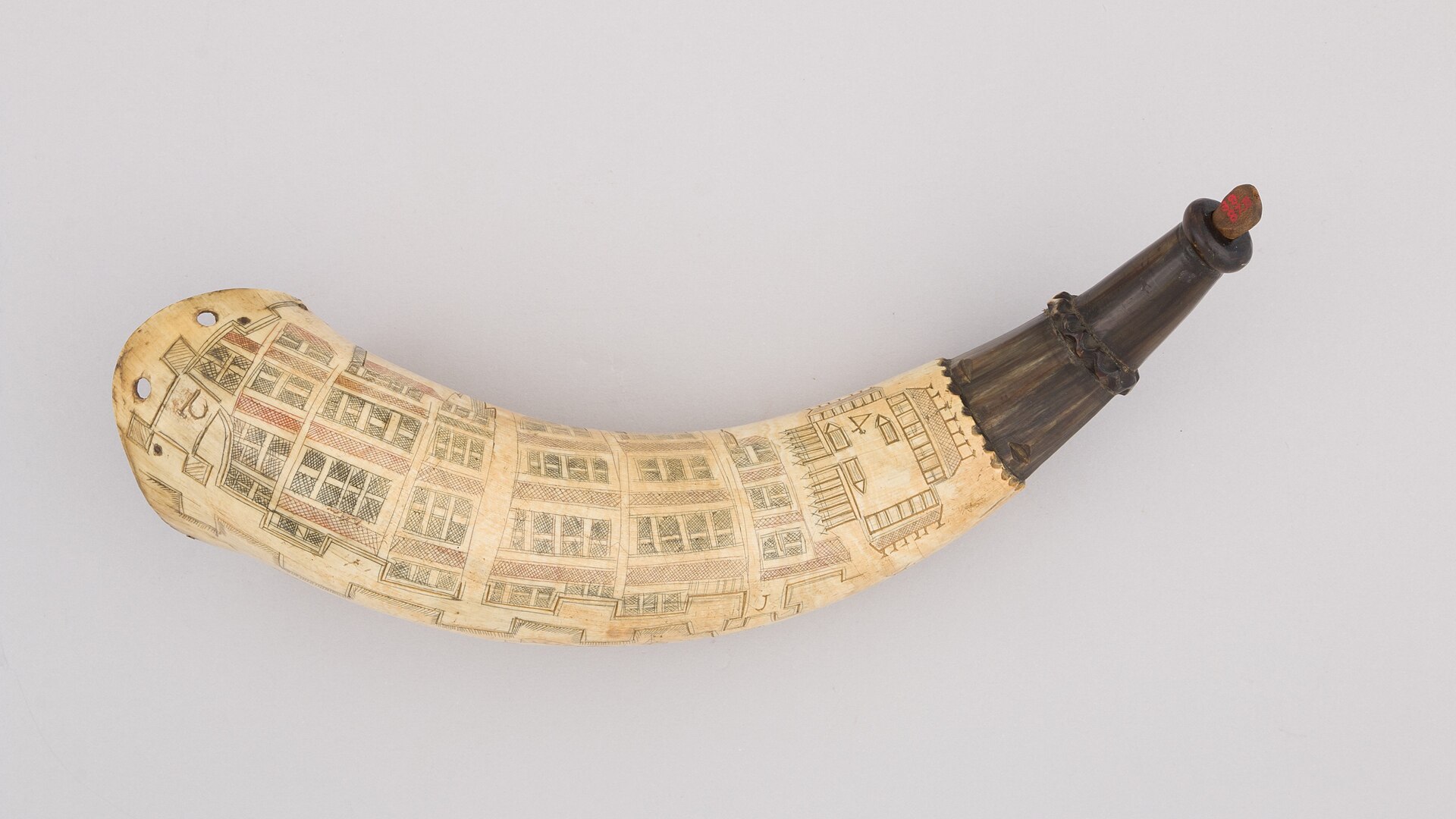
The Wampanoag are especially associated with wampum, the beads made from the purple and white parts of the quahog and whelk shells of their coast. Wampum, strung into belts and ornaments, served as a record of agreements, a mark of honour and a medium of exchange across the northeastern world.
Beyond wampum the Wampanoag made dugout canoes, wove baskets and mats, worked wood, bone and stone, and crafted the tools and ornaments of coastal life. This material culture, drawn from the sea and the forest, remains a proud part of Wampanoag heritage.
Food
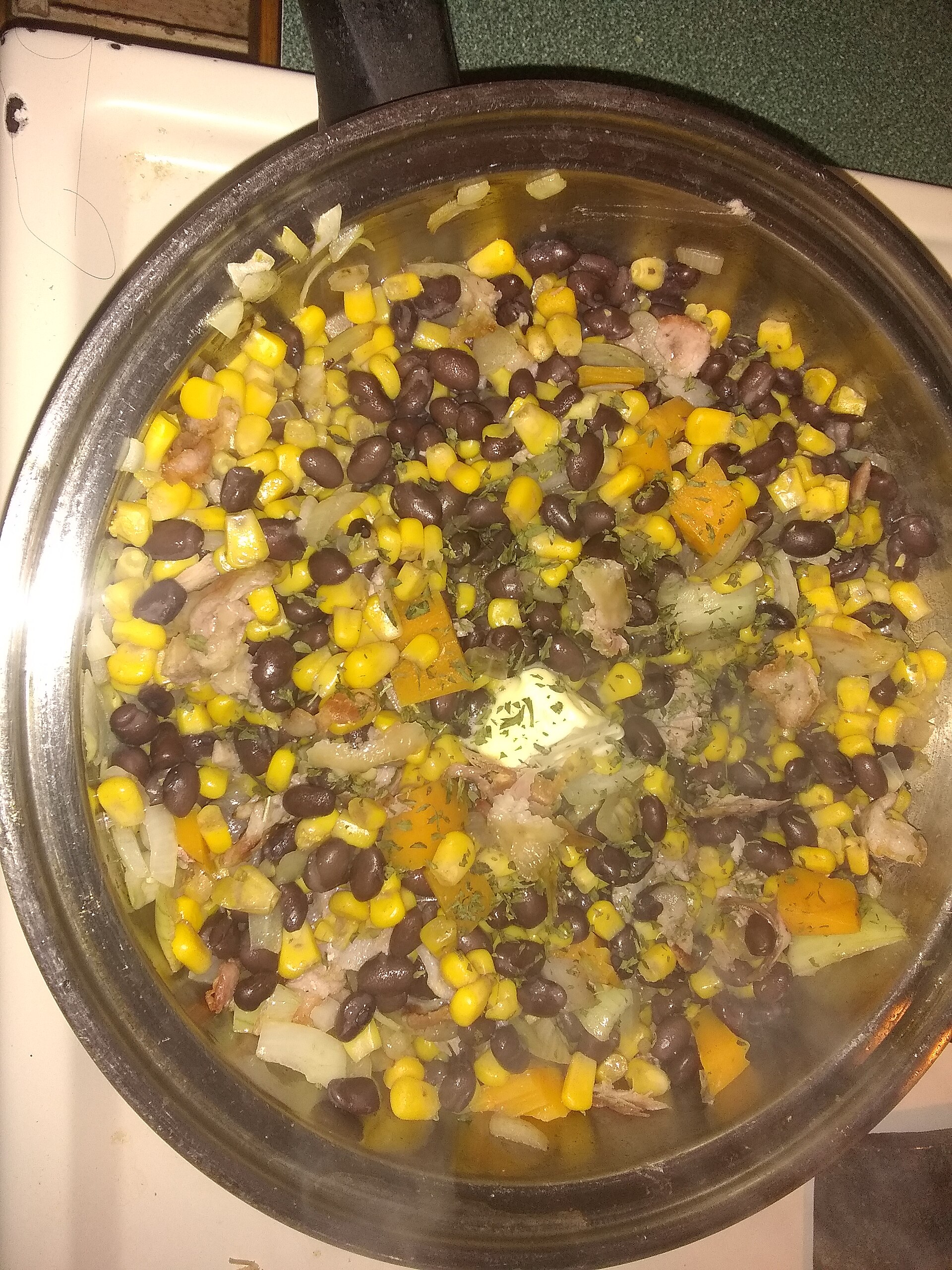
Wampanoag food came from the meeting of land and sea. The Three Sisters, corn, beans and squash, provided the foundation, often combined in the dish of corn and beans known as succotash, a word of Wampanoag origin. Cornmeal breads and porridges were everyday fare.
From the sea came clams, quahogs, oysters, lobster and fish, gathered and cooked in the shore feasts that gave rise to the New England clambake. Game, berries, nuts and maple sugar completed a rich and varied diet that reflected the abundance of the Wampanoag homeland.
Festivals

The Wampanoag gather for powwows and celebrations through the year, above all the annual Mashpee Wampanoag powwow, one of the oldest in the country, which brings together the people for drumming, dancing, feasting and the renewal of community bonds. Such gatherings are high points of the Wampanoag calendar.
Ceremonies of thanksgiving, held at the harvest and other seasons, honour the gifts of the land and the sea in the spirit of the people’s ancient traditions. These festivals celebrate Wampanoag heritage and affirm the enduring life of the nation.
History
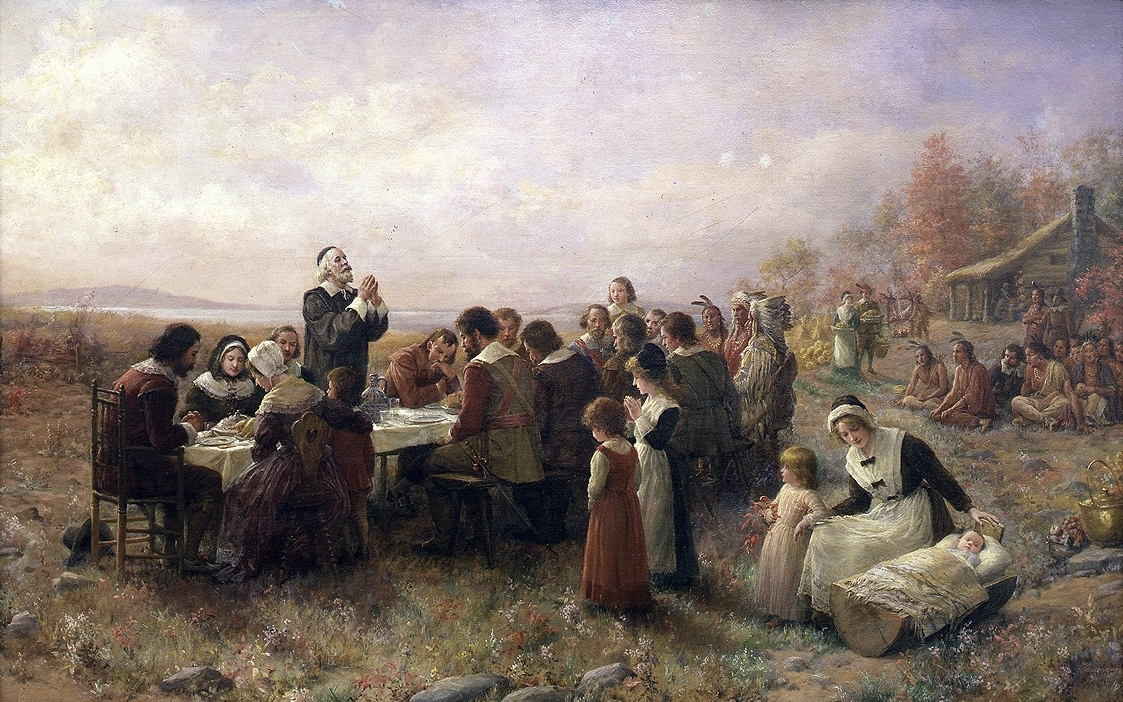
The Wampanoag suffered terribly even before the Pilgrims came, when epidemics introduced by earlier European contact swept their coast around 1616 to 1619. In 1621 the grand sachem Massasoit made an alliance with the Plymouth colonists, and the harvest celebration they shared is remembered as the first Thanksgiving.
Colonial expansion soon strained these relations, and in 1675 to 1676 Metacom led King Philip’s War, whose defeat devastated the Wampanoag. Through centuries of loss, dispossession and pressure to assimilate, the people held on, and in recent decades the Mashpee and Aquinnah Wampanoag have won federal recognition as sovereign nations.
Today
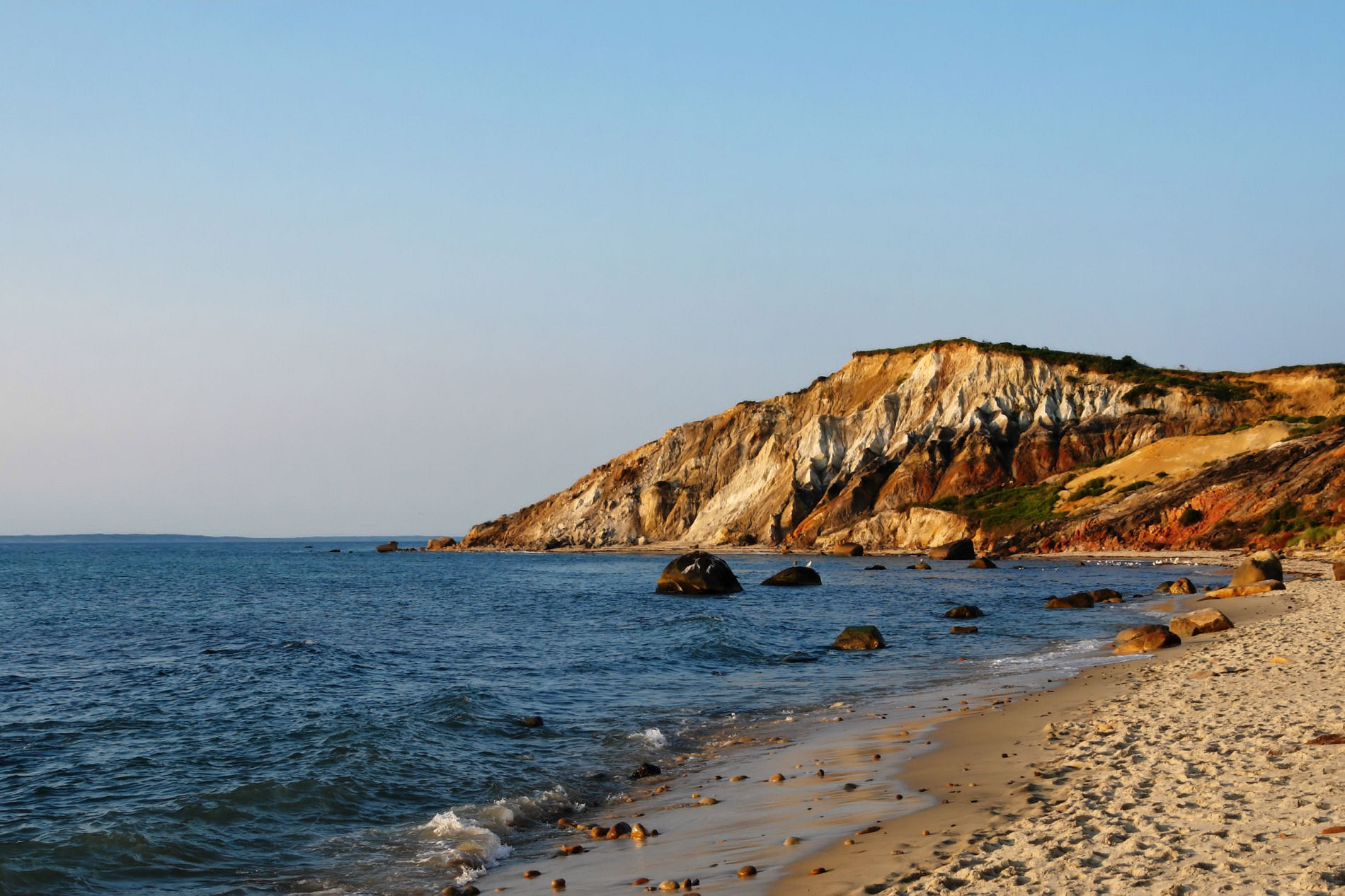
Today the Wampanoag live in their historic communities on Cape Cod, at Aquinnah on Martha’s Vineyard and elsewhere in southeastern Massachusetts, governing themselves as recognised nations. They work to protect their lands and waters, to strengthen their communities and, remarkably, to bring their language back to life.
The revival of Wôpanâak, the great Mashpee powwow, the wampum tradition and the memory of Massasoit and Metacom continue to anchor Wampanoag identity. As the People of the First Light, whose meeting with the Pilgrims helped shape American memory, the Wampanoag carry a resilient and living heritage into the present.
Related Peoples of the Region
- Guna: Islanders Who Govern Their Own Corner of Panama
- Inside the Haudenosaunee Confederacy and Its Great Law of Peace
- The Nation That Never Surrendered: Inside Seminole Country
- Muscogee Creek Towns, Councils, and the Long Road to Oklahoma
- Ojibwe Anishinaabe Life Around the Great Lakes and Wild Rice Waters
- The Metis, the Buffalo Hunters of the Red River
- The Choctaw, People of the Sacred Mound
- The Mikmaq, First People of the Atlantic Coast
More Peoples of the World
- A Fifth of Humanity, the Story of the Han Chinese
- How the Maori Sailed Across the Pacific to Reach New Zealand
- Zulu of the Green Hills and Their Kingdom Forged by Shaka
- The People Who Never Vanished, the Story of the Maya
- Long Before the Arabs Came, North Africa Belonged to the Amazigh
- The People Who Emerged Into This World, the Story of the Navajo
- Meet the Ainu, an Indigenous People at Japan’s Northern Edge
You May Like
The Damara, an Ancient People of Namibia