Across the forests, lakes, and rivers of the upper Great Lakes and out toward the northern plains live the Ojibwe, known also as the Chippewa and counted among the Anishinaabe, one of the largest Indigenous nations on the continent. Guided by an ancient prophecy to the place where food grows upon the water, they built a way of life around the wild rice beds, the fish-filled lakes, and the birchbark canoe, spreading across a homeland so vast it spans several states and provinces and an international border.
Theirs is a story of migration and expansion, of mastery of the woodland waterways, of a central role in the fur trade, and of a stubborn persistence that kept most of the nation in or near its homeland when so many others were removed. What follows traces the Ojibwe from their migration traditions through their language, homeland, economy, clans, and spiritual life to the fur trade, the treaties, and the thriving Anishinaabe nation of today.
Contents
- The People of the Great Lakes Woodlands
- Anishinaabe, the Original People
- Anishinaabemowin, a Great Algonquian Tongue
- A World of Lakes, Forests, and Rivers
- Wild Rice, Fish, and the Seasonal Round
- Clans, Bands, and the Doodem
- The Midewiwin and a World Full of Spirit
- Sugar Camps, Naming, and the Ways of Life
- Birchbark, Beadwork, and Quillwork
- Manoomin and the Foods of the Woodlands
- Powwows, Ceremonies, and the Gathering of the People
- The Fur Trade, Treaties, and Removal Resisted
- The Anishinaabe in the Modern World
The People of the Great Lakes Woodlands
Across the forests, lakes, and rivers surrounding the upper Great Lakes live the Ojibwe, one of the largest and most widespread Indigenous nations in North America. Known also as the Chippewa in the United States and as part of the broader Anishinaabe peoples, they occupy a homeland stretching from the eastern woodlands deep into the northern plains, spanning what are now several American states and Canadian provinces.
The Ojibwe belong to the Anishinaabe, a group of closely related peoples that also includes the Odawa (Ottawa) and Potawatomi, together remembered as the Council of Three Fires. Their own migration traditions tell of a long journey westward from the Atlantic coast, guided by prophecy to the place where food grows upon the water, the wild rice beds of the Great Lakes region that became their heartland.
That migration story anchors Ojibwe identity. Following a sacred shell that rose from the waters to lead them, the people moved gradually inland over generations, settling at last in the lake country where wild rice, fish, and game were abundant. The prophecy and the journey remain central to how the Ojibwe understand who they are and how they came to their homeland.
By the time of European contact the Ojibwe were expanding, a vigorous and numerous people spreading across the lakes and forests and, in time, out onto the edge of the plains. Their adaptability, their command of the waterways, and their central place in the fur trade would make them one of the most influential nations of the northern interior.
The sheer scale of Ojibwe country sets the nation apart, for few Indigenous peoples came to occupy so broad a sweep of the continent. From the woodlands around the eastern lakes to the prairie margins in the west, the Anishinaabe adapted to a range of environments while remaining recognizably one people, a testament to both their numbers and the strength of their shared identity.

Anishinaabe, the Original People
The Ojibwe call themselves Anishinaabe, a word often translated as the original people or the good people, expressing a sense of themselves as human beings living in the way intended for them. The term embraces not only the Ojibwe but their close relatives, marking a shared identity, language, and worldview across a broad family of peoples.
The name Ojibwe itself has several proposed meanings, one common explanation linking it to the puckered seam of their distinctive moccasins, though the people’s own preferred self-designation remains Anishinaabe. In the United States the form Chippewa became common in treaties and official documents, an anglicized version of the same name that persists in many tribal names to this day.
This abundance of names reflects both the size of the nation and its long, complicated encounter with outsiders who rendered its name in many ways. French, British, and American records each left their own spellings, while the Ojibwe continued to know themselves, first and last, as Anishinaabe.
To be Anishinaabe was to belong to a people defined by a shared language, a shared set of teachings, and a shared relationship to the land and waters of the Great Lakes. That identity has proven remarkably durable, uniting scattered communities across a vast territory and two modern nations under a single ancient name.
Anishinaabemowin, a Great Algonquian Tongue
The Ojibwe language, Anishinaabemowin, belongs to the Algonquian family, the widespread group of languages that once stretched across much of the northern and eastern part of the continent. Within that family it is its own distinct language, spoken in a range of dialects across the Ojibwe homeland, and it remains one of the most widely spoken Indigenous languages north of Mexico.
Anishinaabemowin is a richly complex language, built on intricate verbs that can express in a single word what English requires a whole sentence to convey. It draws fine distinctions between animate and inanimate things in a way that reflects a worldview in which many more beings are understood to be alive and related than European languages assume.
The language carries the teachings, stories, and ceremonies of the Anishinaabe, and much of the traditional knowledge is inseparable from it. The great cycles of stories, the names of places and beings, and the language of prayer all live within Anishinaabemowin, so that its survival is bound up with the survival of the culture itself.
Though pressured heavily by the assimilation policies of both the United States and Canada, Anishinaabemowin has fared better than many Indigenous languages, sustained by a large population and by determined revitalization work. Immersion schools, language programs, and a new generation of speakers are working to ensure that this great Algonquian tongue continues to be heard across the lakes.
A World of Lakes, Forests, and Rivers
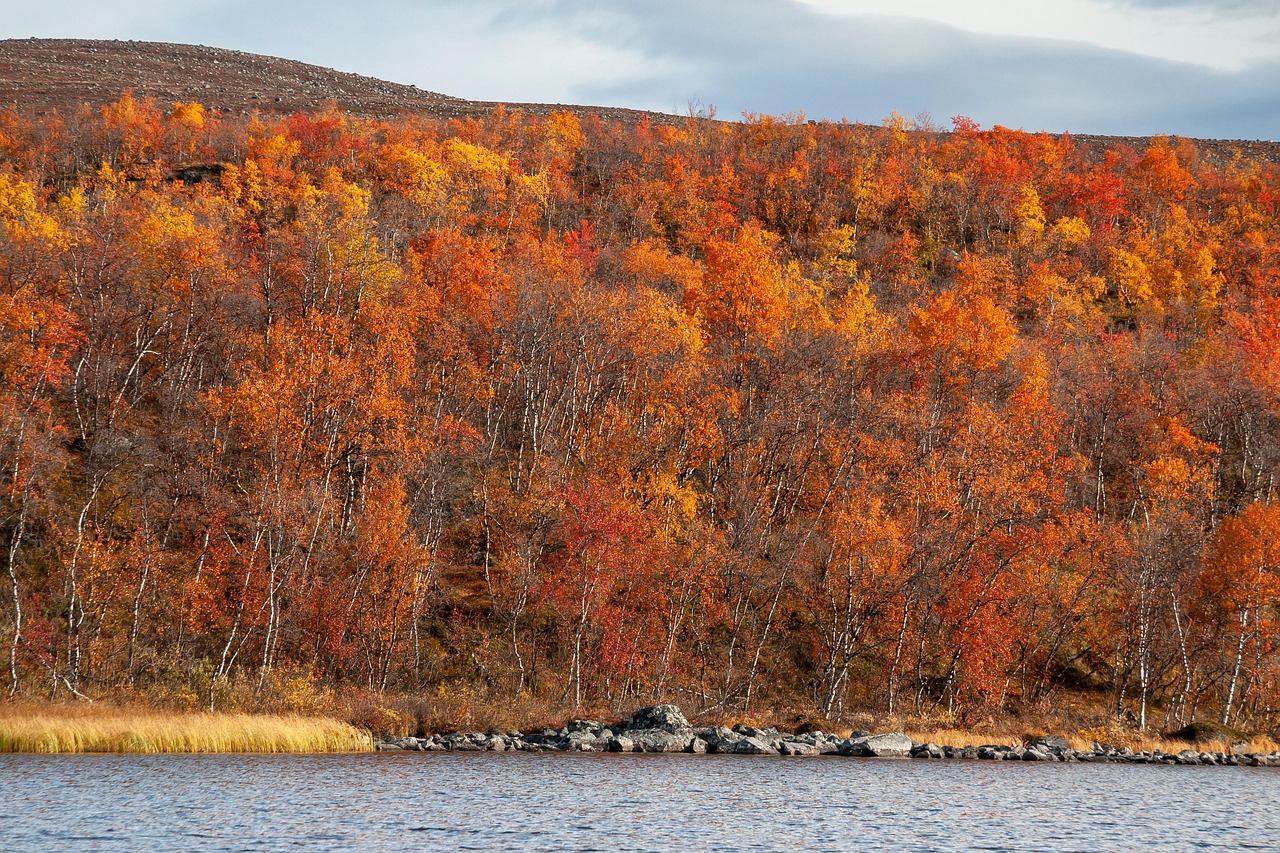
The Ojibwe homeland is a country of water. Around the upper Great Lakes, especially Lake Superior, and across the thousands of smaller lakes, rivers, and wetlands of the region, the Ojibwe built a way of life attuned to the rhythms of the northern woodlands. Forests of birch, pine, maple, and other trees blanketed the land, home to deer, moose, beaver, and countless other creatures.
This was a landscape made for travel by water, and the birchbark canoe, light enough to carry between lakes yet sturdy enough for open water, unlocked its full potential. Networks of lakes and rivers became highways, allowing the Ojibwe to range widely for hunting, fishing, gathering, and trade across an immense territory.
The seasons governed everything. Spring brought the running of the maple sap and the making of sugar; summer meant fishing and gardening; autumn was the time of the wild rice harvest; and winter was for hunting and trapping in the snowbound forests. This seasonal round moved families among a succession of camps, each suited to the resources of its time of year.
As the Ojibwe expanded, some bands moved onto the prairies to the west, adopting elements of Plains life, while others remained in the deep woods and lakes. The homeland thus came to embrace a range of environments, but its heart remained the lake country where the wild rice grew and the migration prophecy had been fulfilled.

Wild Rice, Fish, and the Seasonal Round
The old Ojibwe economy was a masterful use of a rich but seasonal environment. Wild rice, manoomin, gathered from the shallow lakes and rivers each autumn, was the staple that gave the region its abundance and its sacred significance, harvested from canoes by knocking the grains into the hull with wooden sticks. It could be stored through the winter and sustained the people through the lean months.
Fishing was equally central. The lakes teemed with whitefish, sturgeon, trout, and other species, taken with nets, spears, and hooks throughout the year and preserved by drying and smoking. In a land so laced with water, fish were a dependable foundation of the diet, and certain fishing sites drew people together in large seasonal gatherings.
Hunting and gathering rounded out the food quest. Deer, moose, and smaller game provided meat and hides, while the forests yielded berries, roots, and medicinal plants, and the maple groves gave sugar each spring. The Ojibwe read their environment with deep knowledge, moving through the year in a practiced round that matched effort to the season’s offerings.
This way of life supported a mobile, resilient society organized into bands that came together and dispersed with the seasons. The abundance of the lakes and forests, wisely harvested, freed time for ceremony, storytelling, and the rich social and spiritual life for which the Anishinaabe are known.
The wild rice harvest in particular was a communal event of great importance, drawing families to the rice lakes each autumn to gather manoomin from their canoes. The work was governed by careful custom, ensuring that enough grain was left to reseed the beds, a practice that reflected the Ojibwe conviction that the rice was a gift to be honored rather than a resource to be exhausted.

Clans, Bands, and the Doodem
Ojibwe society was organized around the clan system, the doodem, in which each person inherited membership through their father in a clan named for an animal, such as crane, loon, bear, marten, or catfish. These clans crossed the boundaries of the many scattered bands, binding the far-flung Ojibwe into a single people and providing a framework of kinship, obligation, and identity.
Each clan was associated with particular roles and qualities, so that leadership, war, teaching, healing, and other functions were linked to specific clans. A person meeting another Ojibwe from a distant band could locate them at once within this shared system, finding kin among strangers through the common language of the doodem.
Political organization was decentralized, built on autonomous bands led by chiefs whose authority rested on respect, generosity, and wisdom rather than coercion. Decisions were reached through discussion and consensus, and leaders guided rather than commanded, a flexible system well suited to a mobile people spread across an enormous territory.
This combination of a unifying clan system and locally autonomous bands gave the Ojibwe both cohesion and adaptability. They could act as a great people bound by common identity while allowing individual communities the freedom to respond to their own circumstances, a balance that served them well through centuries of change.
The Midewiwin and a World Full of Spirit
Ojibwe spiritual life rested on a profound sense of a world alive with spirit. The Anishinaabe understood themselves as living among many other beings, human and other-than-human, all bound in relationships of respect and reciprocity, and Gichi-Manidoo, the Great Mystery or Great Spirit, stood as the ultimate source of the sacred power that pervaded creation.
At the heart of Ojibwe religion was the Midewiwin, the Grand Medicine Society, a sacred organization dedicated to healing, long life, and the preservation of religious knowledge. Its members progressed through degrees of learning, receiving teachings recorded on birchbark scrolls in a system of pictographs that preserved sacred knowledge across generations.
Dreams, visions, and the guidance of spirit helpers played a central role in individual spiritual life, and young people often sought such guidance through fasting and quest. The relationship between people and the beings of the natural world was governed by respect and gratitude, expressed in offerings and in careful, honorable conduct toward animals, plants, and places.
Storytelling carried much of this spiritual world, especially the great cycle of tales about Nanabozho, the trickster and cultural hero whose adventures explained the shape of the world and taught the lessons of Anishinaabe life. Told in winter, these stories wove together humor, wisdom, and the sacred, transmitting the worldview of the people to each new generation.
The birchbark scrolls of the Midewiwin represent one of the few Indigenous writing traditions of the region, a system of pictographs that encoded songs, teachings, and the sacred history of the society. Guarded by initiated members and read as aids to memory and instruction, these scrolls allowed complex religious knowledge to be preserved and transmitted with precision across the generations.

Sugar Camps, Naming, and the Ways of Life
Ojibwe tradition was woven through the seasonal round and the milestones of life. Each spring the sugar camps drew families to the maple groves to tap the trees and boil the sap into sugar, a time of both hard work and joyful gathering that marked the turning of the year and the renewal of the food supply.
The stages of an individual life were marked by tradition and ceremony. Children received names in ceremonies that connected them to the spirit world and to a namesake who would watch over them, and the passage into adulthood, the making of a family, and the honoring of the dead all followed forms handed down through the generations.
Respect for elders and for the teachings lay at the center of Anishinaabe values, often expressed through the framework of the Seven Grandfather Teachings, which enjoin wisdom, love, respect, bravery, honesty, humility, and truth. These teachings provided a moral compass, guiding conduct and shaping the character the community sought to cultivate in its members.
Many of these traditions endured through the disruptions of colonization and continue in Ojibwe communities today. The sugar camps, the naming ceremonies, the winter stories, and the ethical teachings remain living practices, carrying the wisdom of the Anishinaabe forward into contemporary life.
Birchbark, Beadwork, and Quillwork
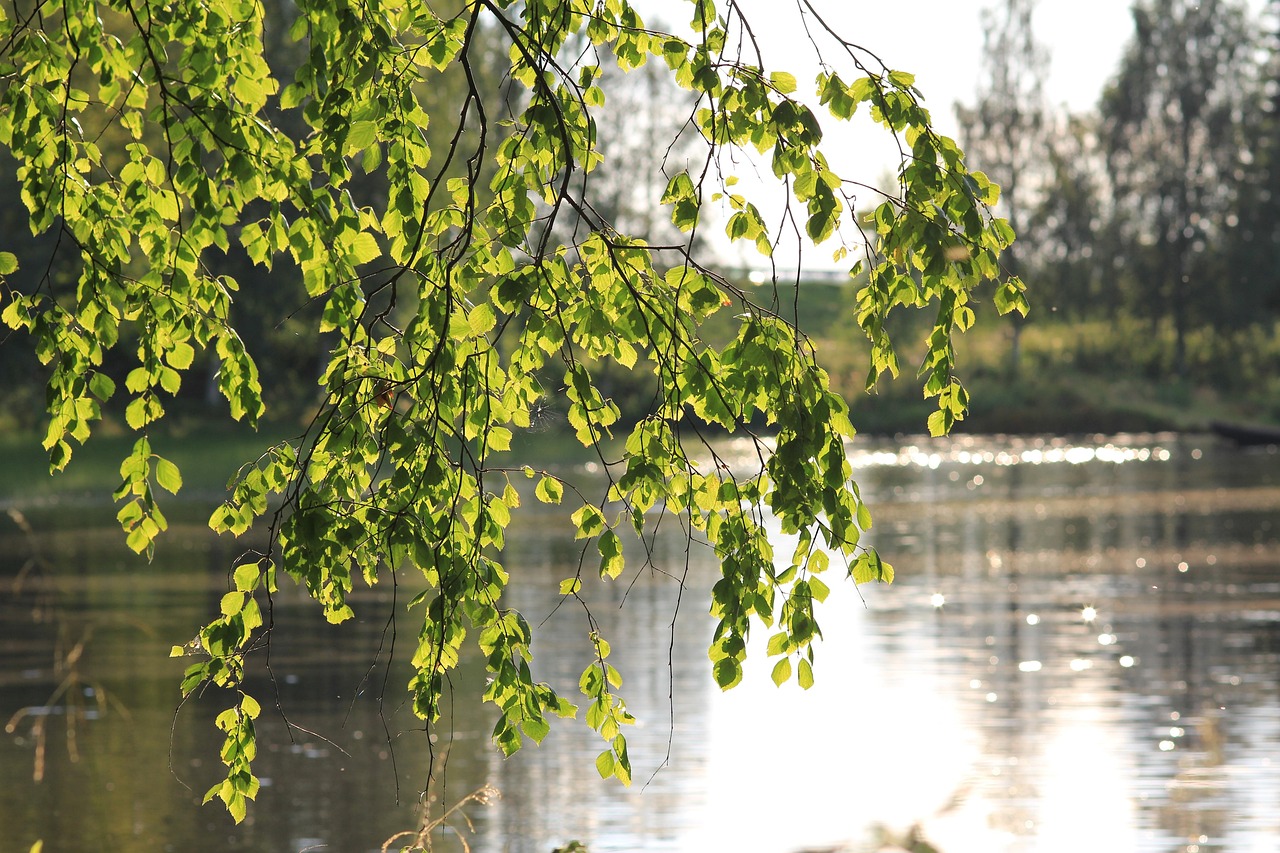
The Ojibwe were skilled artisans, and birchbark was their signature material. From it they made the light, elegant canoes that defined their world, along with containers, storage boxes, and the sacred scrolls of the Midewiwin, and they perfected a distinctive art of biting delicate patterns into folded thin bark. Birchbark, harvested with care and respect, was the versatile foundation of Anishinaabe material culture.
Decorative arts flourished as well. Before the arrival of glass beads, the Ojibwe practiced fine quillwork, using dyed porcupine quills to adorn clothing and objects in intricate designs. When trade beads arrived, Ojibwe women developed a celebrated beadwork tradition, especially the flowing floral patterns that became a hallmark of Great Lakes Native art.
These floral beadwork designs, worked onto clothing, bandolier bags, moccasins, and other items, are among the most beautiful and recognizable of all Native American arts. They combined older design sensibilities with new materials, producing a distinctive style that spread across the region and remains a proud tradition today.
Weaving, woodwork, and other crafts filled out a rich material culture suited to the woodland life. Practical and beautiful at once, Ojibwe crafts expressed both a deep knowledge of the natural materials of the homeland and an artistic sensibility that turned everyday objects into things of lasting beauty.
Manoomin and the Foods of the Woodlands
Food and identity are inseparable for the Ojibwe, and no food is more central than manoomin, the wild rice that the migration prophecy identified as the food growing on the water. Harvested each autumn from canoes and then dried, parched, and stored, wild rice was both a staple and a sacred gift, treated with reverence and central to ceremony as well as sustenance.
Fish from the countless lakes provided the other great foundation of the diet, taken in every season and preserved for the winter. Whitefish, trout, sturgeon, and many other species were caught with nets and spears, and important fishing sites became gathering places where large numbers of people came together to harvest the bounty.
Maple sugar sweetened the Ojibwe table and served as a seasoning and a valued trade good, made each spring in the sugar camps. Berries, wild plants, and game added further variety, and the combination of rice, fish, sugar, and the harvest of forest and lake made for a varied and nourishing diet drawn entirely from the homeland.
Today the wild rice harvest remains a cherished tradition and a matter of deep cultural importance, and the Ojibwe have taken active roles in protecting the rice beds from pollution and development. Manoomin is not merely food but a living link to the prophecy, the homeland, and the identity of the Anishinaabe.

Powwows, Ceremonies, and the Gathering of the People
Ojibwe communal life gathers around ceremony and celebration, from the sacred rites of the Midewiwin to the great social gatherings of the powwow. Powwows, though shared widely among Native peoples today, are important occasions for the Ojibwe to come together, dance in beautiful regalia, drum, sing, and reaffirm the bonds of community and identity.
The drum holds special significance, regarded as a sacred instrument whose beat carries prayer and unites the dancers and singers gathered around it. Powwow dancing, in its many styles, and the songs that accompany it, express both continuity with the past and the living vitality of Anishinaabe culture in the present.
Seasonal and ceremonial gatherings punctuate the year, from the spring sugar camps to the autumn rice harvest and the winter storytelling season, each drawing families and communities together. These occasions mix the practical work of the seasonal round with the renewal of social and spiritual bonds, weaving the community together across time.
Contemporary gatherings also serve to pass on language, teachings, and traditions to the young, ensuring that the culture is transmitted through participation as well as instruction. In the drumming, dancing, and feasting of these events, the Anishinaabe reaffirm who they are and carry their heritage forward with pride.

The Fur Trade, Treaties, and Removal Resisted
The Ojibwe became central players in the fur trade that reshaped the northern interior from the seventeenth century onward. Positioned at the heart of the lake country, they traded furs to the French and later the British, acquiring firearms, metal tools, and other goods, and their command of the canoe routes made them essential partners and formidable powers in the region.
The trade brought wealth and influence but also devastating disease, dependency, and conflict, including long wars with the Dakota to the west as the Ojibwe expanded. Through it all they maintained their independence and their central role, adapting to the changing world while holding to their identity and their homeland.
The nineteenth century brought a flood of treaties as the United States and Canada sought Ojibwe land. Through these agreements the Ojibwe ceded vast territories but, crucially, reserved rights to hunt, fish, and gather on the ceded lands, rights that would be fought over and ultimately upheld in the courts generations later. Unlike many nations, many Ojibwe communities avoided removal and remained in or near their homeland.
That persistence in place is a defining feature of Ojibwe history. Spread across so many communities and so vast a territory, and sustained by their treaty rights and their deep attachment to the land, the Ojibwe entered the modern era still rooted in the lakes and forests of their ancestors, a nation that had bent but never broken.
The treaty rights the Ojibwe reserved would become the subject of bitter disputes in the twentieth century, as the exercise of fishing and gathering rights on ceded lands met fierce opposition. That the courts ultimately upheld these rights vindicated generations of Ojibwe insistence that the treaties meant what they said, and affirmed a sovereignty the nation had never surrendered.

The Anishinaabe in the Modern World
Today the Ojibwe are among the most numerous Indigenous peoples in North America, with many bands and reservations across the northern United States and reserves throughout Canada. Their communities govern themselves, manage their lands and resources, and sustain a vibrant cultural and political life across an enormous territory spanning an international border.
Treaty rights have been at the center of modern Ojibwe life, and hard-won court victories have affirmed their rights to hunt, fish, and gather on ceded lands, rights the Ojibwe have exercised and defended with determination. These rights are both a practical resource and a powerful expression of the sovereignty and continuity of the Anishinaabe.
Cultural revitalization flourishes across Ojibwe country. Language immersion programs, the continuation of the wild rice harvest and sugar camps, the practice of the Midewiwin and other ceremonies, and the vibrant art of beadwork and birchbark all carry the tradition forward. The Seven Grandfather Teachings continue to guide communities seeking to raise their children in the Anishinaabe way.
What endures is a great and resilient people, bound by a common language and identity across a vast homeland, who followed a prophecy to the food that grows on the water and never let it go. Rooted in the lakes and forests, sustained by wild rice and treaty rights and ancient teachings, the Anishinaabe carry their heritage forward as one of the enduring nations of the continent.
Related Peoples of the Eastern Woodlands
You May Like
The Damara, an Ancient People of Namibia