Where the mountains of southeastern Alaska drop straight into a cold, salmon-filled sea, and where cedar and spruce crowd a coast drenched in rain, live the Tlingit, the people of the tides. Among the maritime nations of the Northwest Coast they stand out for their fierce independence, their staggering wealth drawn entirely from the sea, and an artistic tradition that produced some of the most powerful sculpture in the Indigenous world. They built a complex, rank-ordered society without ever planting a field, sustained instead by the endless bounty of salmon and the towering forests of red cedar.
This is the story of a people who met Russian, British, and American empires as equals and traders rather than as subjects, who wove clan crests into monumental poles and priceless robes, and who transformed the abundance of a wild coast into honor through the great ceremony of the potlatch. What follows traces the Tlingit from their origins on the rainforest coast through their language, homeland, economy, society, religion, and art to their enduring presence in Alaska today.
Contents
- A People of the Northern Rainforest Coast
- Lingit, the People of the Tides
- A Tongue of the Na-Dené World
- Fjords, Forests, and the Inside Passage
- Salmon, Cedar, and the Wealth of the Sea
- Clans, Moieties, and the House Groups
- Spirits, Shamans, and the Living World
- The Potlatch and the Weight of a Name
- Masters of Wood, Copper, and the Chilkat Loom
- A Table Set by the Sea
- Ceremonies That Renew the Clans
- Traders, Empires, and a Fight for the Coast
- The Tlingit in the Modern World
A People of the Northern Rainforest Coast
Along the fjords, islands, and dense temperate rainforest of southeastern Alaska and the northern edge of British Columbia live the Tlingit, one of the great maritime nations of the Northwest Coast. Their name for themselves, Lingit, means simply the people, and for thousands of years they have made their home where mountains plunge into a cold, salmon-rich sea. It is a land of towering cedar and spruce, of glaciers and rain, and of a coastline so productive that it supported one of the most complex societies in Native North America.
The Tlingit trace their presence on this coast into deep antiquity, and their oral histories recall migrations down great rivers and across the mountains to reach the sea. Archaeology confirms a very long human occupation of the region, with the Tlingit and their ancestors drawing wealth from the salmon runs, the cedar forests, and the abundant marine life for millennia before any European ship appeared on the horizon.
Unlike the farming peoples of the interior and the Southwest, the Tlingit built their wealth without agriculture. The sea and the rivers were so generous that hunting, fishing, and gathering alone could sustain permanent towns, support a class of nobles and commoners, and free the time and resources needed for an extraordinary flowering of art and ceremony. This was affluence drawn entirely from a wild but bountiful environment.
That combination of setting and abundance shaped everything about Tlingit life. A people surrounded by cedar became master woodworkers; a people fed by salmon organized their year around the runs; and a people living in a dramatic, spirit-filled landscape developed a rich cosmology to match. To understand the Tlingit is to begin with this coast of rain, forest, and sea.
Lingit, the People of the Tides
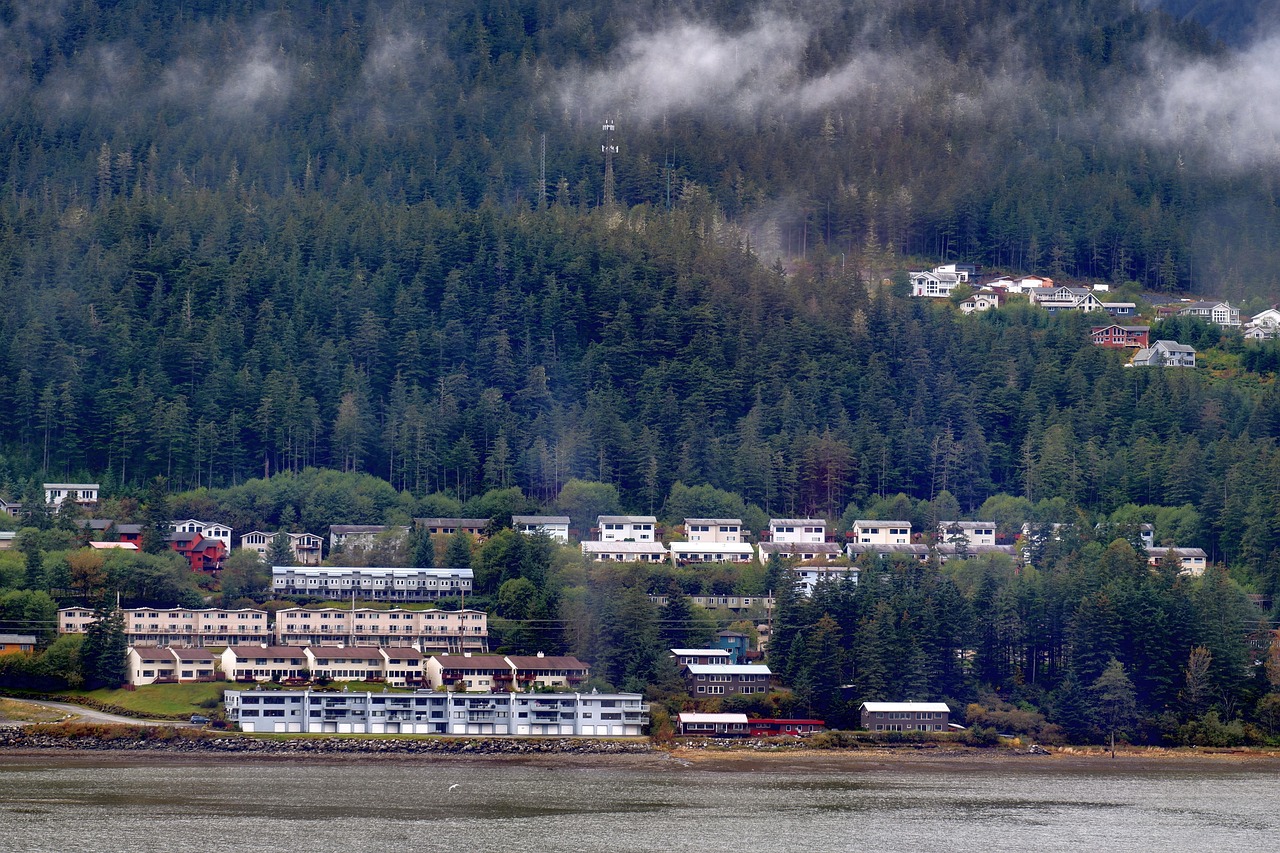
The word Tlingit, more accurately Lingit, carries the sense of human being or people, and it defines a nation bound together by a shared language and a shared social order rather than by a single central authority. The Tlingit were never a unified state; they were a network of independent communities, or kwaans, each occupying a stretch of coast and river, yet all recognizably part of one cultural world.
That world was tied intimately to water. The Tlingit reckoned their homeland in terms of the tides, the runs of fish, and the sea routes that linked their villages. Great oceangoing canoes carved from single cedar logs connected communities up and down the coast, carrying trade, news, guests, and warriors across waters that were highway and larder at once.
The name also marks a distinction the Tlingit drew sharply between themselves and their neighbors. To the south lived the Haida and Tsimshian, related in culture but distinct in speech; to the interior lay Athabaskan peoples with whom the Tlingit traded and sometimes fought. The Tlingit stood as their own people, proud of their language, their crests, and their command of the coast.
Even the outside world eventually had to reckon with the name. As Russian, British, and American traders arrived, they learned that these were not a people to be easily dominated, and the name Tlingit came to stand for a nation that defended its independence and its identity with striking determination.
A Tongue of the Na-Dené World
The Tlingit language belongs to the Na-Dené family, distantly related to the Athabaskan languages of the interior and, more remotely, to Navajo and Apache far to the south. Yet within that family Tlingit stands alone as its own branch, so distinct that it is not mutually intelligible with any other language and represents a wholly separate tongue rather than a dialect of anything else.
It is a language of remarkable complexity, especially in its sound system, which includes an unusually large inventory of consonants that outsiders find extremely difficult to master. Its verbs are intricate, packing layers of meaning into single words, and its structure reflects a way of perceiving the world quite different from that of European languages.
Like so many Indigenous languages, Tlingit suffered grievously under the assimilation policies of the twentieth century, when children were punished for speaking it in schools and the chain of transmission from elder to child was nearly broken. By the late twentieth century fluent speakers had dwindled to a small and aging number, and the language stood at serious risk.
In response, the Tlingit have mounted determined revitalization efforts, developing writing systems, immersion programs, recordings, and classes to carry the language forward. Younger generations are learning it once more, and while its survival is not guaranteed, the community’s commitment to keeping this singular Na-Dené tongue alive is fierce and sustained.
Because Tlingit belongs to the far-flung Na-Dené family, its study has fascinated linguists interested in the ancient peopling of the Americas, for the family’s scattered branches hint at deep historical connections across the continent. Some scholars have even proposed links between Na-Dené and languages of Siberia, a reminder that the story of Tlingit reaches back toward the earliest human journeys into the New World.
Fjords, Forests, and the Inside Passage
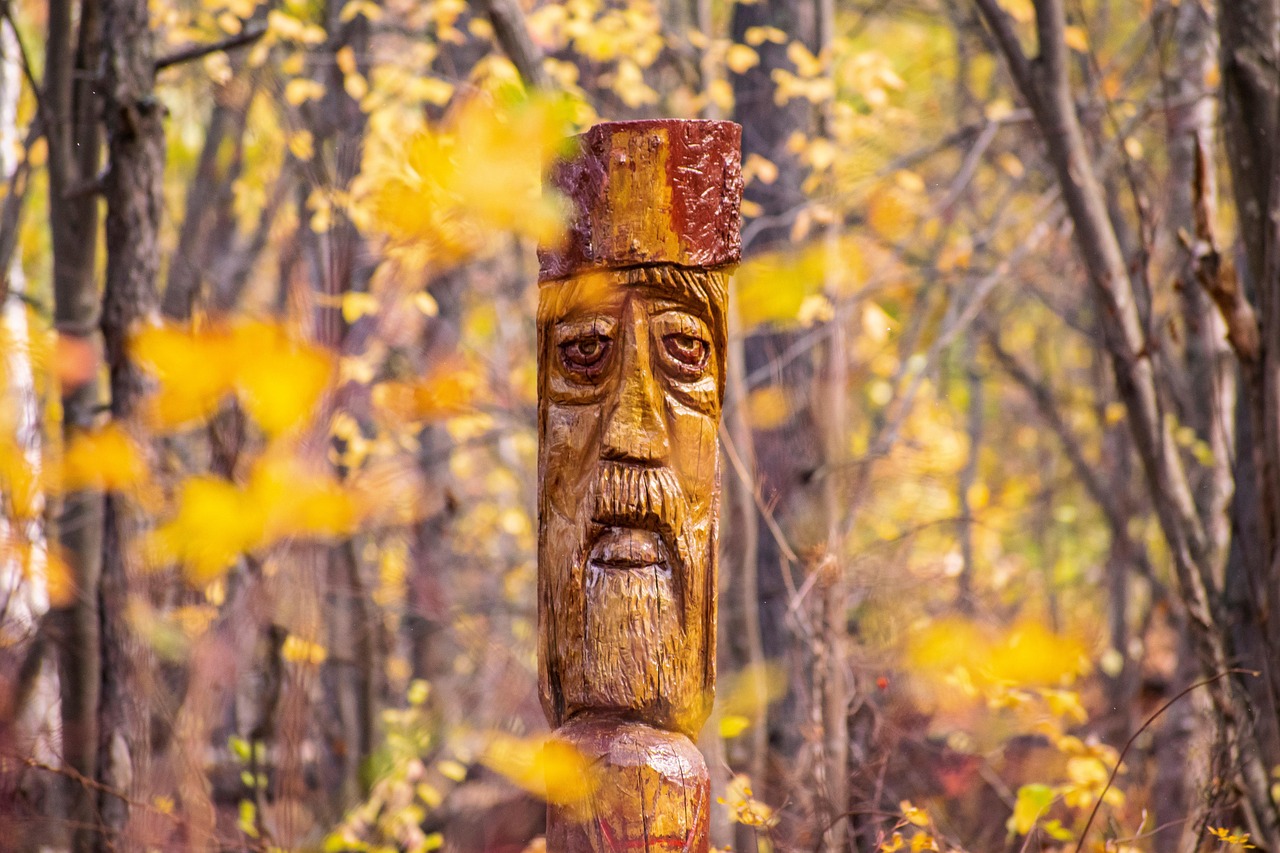
The Tlingit homeland stretches along the panhandle of southeastern Alaska and into the adjacent coast, a labyrinth of islands, deep fjords, and the sheltered waterway known today as the Inside Passage. Behind the shore rise steep, glacier-crowned mountains cloaked in temperate rainforest, and everywhere the land is cut by rivers that fill each year with returning salmon.
This is one of the wettest inhabited regions of North America, and the rain feeds a forest of gigantic western red cedar, Sitka spruce, and hemlock. Cedar in particular was the tree of life for the Tlingit, providing wood for houses and canoes, bark for clothing and baskets, and the raw material for the monumental art for which the coast is famous.
The sea and rivers defined the boundaries of Tlingit territory as much as the mountains did. Each community controlled specific fishing streams, hunting grounds, berry patches, and stretches of shore, and these resource rights were owned, inherited, and defended as valuable property. The map of Tlingit country was a map of who held rights to which salmon stream and which stretch of coast.
It was a spectacular but demanding homeland, generous in summer and harsh in the dark, wet winters. Mastering it required deep knowledge of tides, weather, and the timing of the runs, and the Tlingit accumulated that knowledge across countless generations, turning a rugged coast into the foundation of a wealthy and sophisticated civilization.

Salmon, Cedar, and the Wealth of the Sea
The old Tlingit economy rested on the astonishing productivity of the northern coast. Salmon, returning by the millions to spawn each year, were caught in weirs and traps, then dried and smoked in vast quantities to see families through the winter. Halibut, herring, seal, sea otter, shellfish, and eulachon, a small oily fish rendered for its prized grease, added to a diet of extraordinary richness.
Because the sea gave so freely, the Tlingit could store great surpluses and live in permanent winter towns of large cedar-plank houses, each sheltering an extended family group. The summer months were spent at fishing and gathering camps, harvesting and preserving food, and the winter was given over to ceremony, art, storytelling, and the elaborate social life that surplus made possible.
Wealth was central to Tlingit life, but it was measured in a particular way. Beyond food, prestige goods such as coppers, blankets, carved objects, and slaves marked rank and status, and the ability to accumulate and then ceremonially give away wealth was the very measure of a leader’s greatness. Abundance was not merely enjoyed; it was displayed, distributed, and transformed into honor.
This was a society of nobles, commoners, and slaves, of owned resources and inherited privilege, all built on the foundation of the salmon run and the cedar forest. Few hunting-and-gathering peoples anywhere developed such social complexity, and the Tlingit did it by mastering one of the richest coastlines on earth.
The eulachon, or candlefish, deserves special mention in this economy of abundance. Arriving in enormous spring runs, it was rendered into a nutritious oil that could be stored for years and traded far inland, and control of the best eulachon streams was a source of great wealth. In a coastal world already rich beyond most others, this small fish added yet another layer of prosperity.

Clans, Moieties, and the House Groups
Tlingit society was organized with great precision. Every person belonged, through their mother, to one of two great divisions, or moieties, known as Raven and Eagle (in some areas Wolf). One had to marry into the opposite moiety, and this rule structured relationships, ceremonies, and obligations across the whole society. Beneath the moieties lay the clans, and beneath the clans the house groups that formed the basic units of daily life.
Each clan owned an inheritance far richer than mere land. It held crests, the emblematic animals and beings displayed on totem poles, house fronts, and regalia; it held songs, names, stories, and ceremonial privileges; and it held the rights to particular resources. This intangible property was as real and as jealously guarded as any material wealth, and its ownership was validated through public ceremony.
Rank pervaded everything. Within the house group there were nobles of high birth, commoners, and slaves taken in war or trade, and a person’s standing shaped their marriage, their seat at a feast, and their role in ceremony. Yet rank carried obligation as well as privilege, for the high-born were expected to be generous, dignified, and worthy of their inherited names.
The clan house itself, a great structure of cedar planks holding an extended family, was the theater of this social world. Within it the fire burned, the food was stored, the crests were displayed, and the generations lived together, so that architecture, kinship, and property were bound into a single, tightly woven order.
Spirits, Shamans, and the Living World
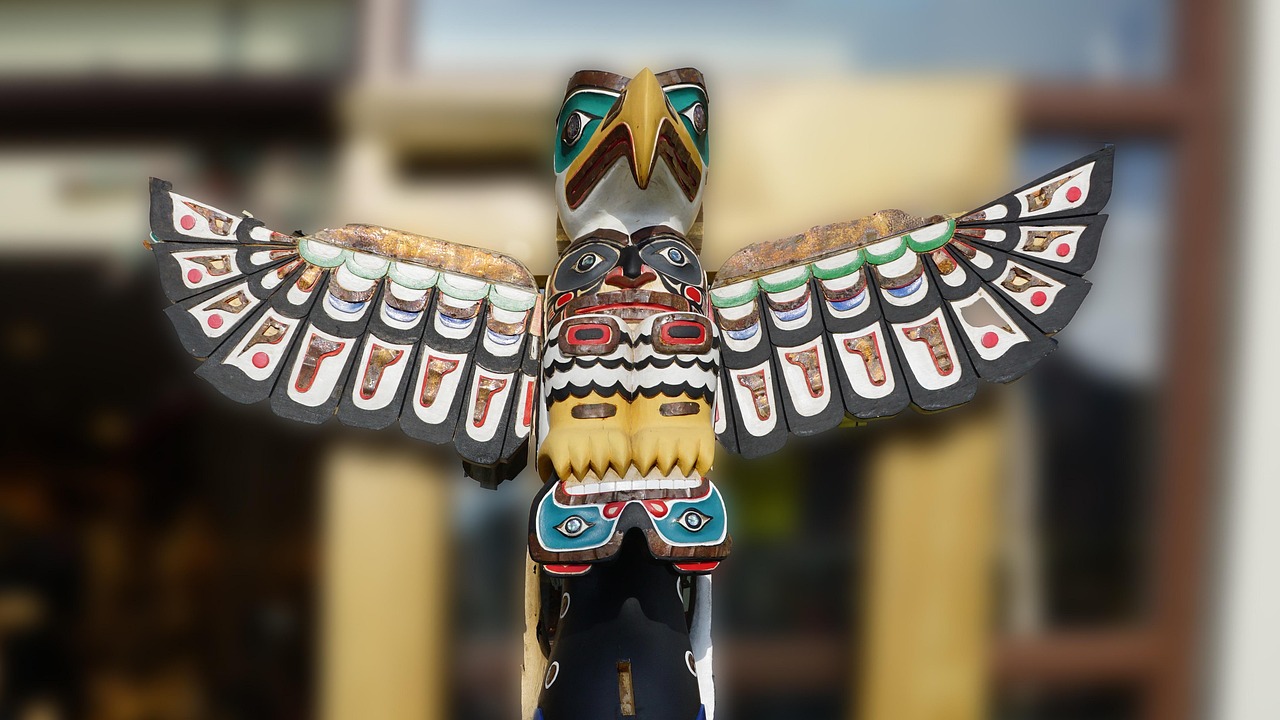
The Tlingit lived in a world saturated with spiritual power. Animals, natural forces, and places possessed spirits, and the boundary between human and non-human beings was understood as permeable, crossed in myth, in ritual, and in the transformations that fill Tlingit stories. Raven, the great trickster and transformer, looms over this cosmology as the being who shaped the world and brought light to it.
Central to Tlingit religious life was the shaman, or ixt’, a specialist who acquired and controlled spirit helpers and used their power to heal the sick, foretell events, control weather, and combat witchcraft. Shamans underwent rigorous ordeals to gain their powers, and their carved masks, rattles, and other paraphernalia are among the most striking works of Tlingit art.
The relationship between people and the animals they depended on was deeply ceremonial. Salmon, in particular, were treated with respect and gratitude, for they were believed to be beings who offered themselves to humans and who must be honored if they were to return. Proper conduct toward the natural world was not sentiment but a practical necessity, woven into the moral order.
Death, ancestry, and the crests linked the living to the spirit world as well. Ceremonies for the dead, the raising of memorial poles, and the display of clan crests all affirmed the continuity between past and present generations, binding the Tlingit into a cosmos in which the human community was only one part of a vast, animate whole.

The Potlatch and the Weight of a Name
No institution defined Tlingit life more than the potlatch, the great ceremonial feast at which a clan validated its status by hosting guests and distributing wealth on a lavish scale. Held to mark deaths, the raising of memorial poles, the bestowing of names, and the assumption of hereditary titles, the potlatch was the mechanism by which the entire social order was publicly affirmed.
At a potlatch the hosts fed their guests, displayed their crests and treasures, told their histories, and gave away vast quantities of goods, from blankets and coppers to canoes and food. The guests, drawn from the opposite moiety, served as witnesses whose acceptance of the gifts confirmed the hosts’ claims to rank, names, and privileges. Generosity, not hoarding, was the true source of prestige.
The giving of names was among the most solemn of these acts. Hereditary names carried the history and honor of a clan, and to receive one at a potlatch was to take on the weight of all who had borne it before. In this way names, like crests and songs, were living property passed carefully across the generations under the eyes of assembled witnesses.
When colonial governments banned the potlatch in the late nineteenth and early twentieth centuries, they struck at the very heart of Tlingit society. The ceremonies continued in secret, and when the bans were finally lifted the potlatch revived, a testament to how essential it remained to Tlingit identity and to the ordering of their world.
The colonial attack on the potlatch reflected a profound misunderstanding, for outsiders saw only the giving away of goods and judged it wasteful, missing entirely its role as the foundation of law, memory, and social order. What looked like extravagance was in fact the very machinery by which the Tlingit recorded history, settled claims, and bound their society together.
Masters of Wood, Copper, and the Chilkat Loom
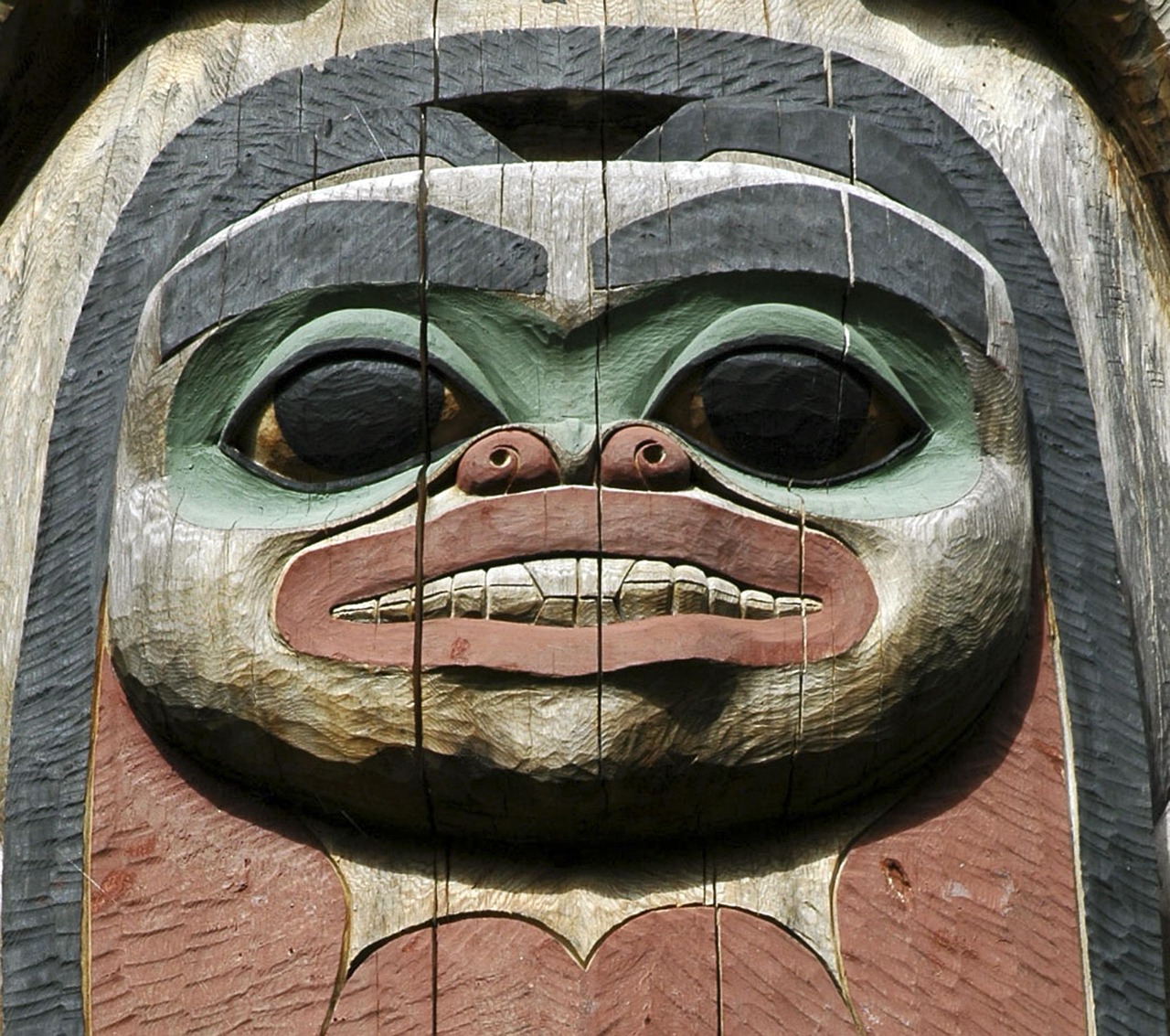
The Tlingit are counted among the supreme artists of Native North America, and their art is inseparable from their social order, for it existed above all to display the crests and privileges of the clans. Working cedar with tools of stone, shell, and later iron, Tlingit carvers produced totem poles, house posts, feast dishes, canoes, and boxes bent from single planks, all rendered in the powerful, stylized formline design of the Northwest Coast.
Totem poles, the best-known of these works, were not objects of worship but heraldic monuments, recording the crests, histories, and claims of the clans that raised them. Read by those who knew their meaning, a pole was a genealogy and a legal document carved in cedar, proclaiming to all who saw it the identity and standing of its owners.
Among the most prized of Tlingit arts was the Chilkat blanket, woven from mountain-goat wool and cedar bark into intricate crest designs. Worn by the high-born in ceremony, these robes took a weaver the better part of a year to complete and stood as the very emblem of nobility and wealth. Fine baskets, carved rattles, and worked copper rounded out a dazzling material culture.
This artistry has never died. Contemporary Tlingit carvers, weavers, and metalworkers continue the old traditions, raising new poles, weaving new Chilkat robes, and carrying the formline style into the present. Their work stands both as living heritage and as some of the most admired Indigenous art in the world.
The formline style that governs Tlingit art, with its flowing ovoids and U-forms shaping every creature and crest, is one of the most sophisticated design systems ever developed by any people. To read it fluently is to see not merely decoration but a visual language in which each element carries meaning, identifying clans, telling stories, and asserting rights across the surfaces of poles, boxes, and robes.
A Table Set by the Sea
Tlingit foodways centered, above all, on salmon, taken in five species as they crowded the rivers each year and preserved by drying and smoking for the long winter. Alongside it came halibut, herring and their roe, cod, seal, sea lion, and shellfish gathered from the tidal flats, a marine bounty that few other peoples could match.
The small eulachon fish held a special place, so rich in oil that it could be burned like a candle and so valued for its rendered grease that the trails along which it was traded to the interior were known as grease trails. Eulachon oil was a staple, a trade good, and a mark of hospitality, dipped into at feasts and given as a treasured gift.
From the forest and shore the Tlingit gathered berries in great quantity, along with roots, seaweed, and the inner bark of certain trees, and hunted deer, mountain goat, and other game in the mountains. Berries were preserved in oil or dried into cakes, adding sweetness and variety to a diet built on fish and sea mammals.
Food was never merely sustenance among the Tlingit; it was the currency of hospitality and status. To host a feast, to serve rich foods in abundance, and to send guests home satisfied was to demonstrate the wealth and greatness of a clan, so that the coast’s abundance was continually transformed into honor at the feasting fire.

Ceremonies That Renew the Clans
The Tlingit ceremonial calendar reached its height in the winter, when the summer’s work of gathering food was done and the great houses filled with feasting, dancing, and the display of clan treasures. Ceremonies marked the milestones of life and lineage, from mourning the dead to raising memorial poles, bestowing names, and celebrating the standing of the clans.
Dance and song were at the center of these gatherings. Performers wore carved masks and crest regalia, moving to the beat of drums in dances that dramatized clan histories and encounters with the spirit world. To witness such a performance was to see a clan’s mythic charter brought to life before the assembled guests, a fusion of art, history, and law.
Reciprocity ran through it all. Because the two moieties depended on one another, ceremonies always involved the opposite side as guests, witnesses, and honored participants, so that no clan could affirm itself alone. This constant exchange of hospitality and honor knit the scattered communities of the coast into a single moral and social order.
Today these ceremonies continue and, in many places, have flourished anew. Gatherings such as the biennial celebrations that bring together Tlingit, Haida, and Tsimshian dancers draw thousands, reaffirming clan identities and the vitality of a ceremonial tradition that colonial bans failed to extinguish.
Traders, Empires, and a Fight for the Coast
European contact came in the eighteenth century, as Russian, Spanish, British, and American ships arrived in pursuit of the sea otter, whose lustrous fur commanded fabulous prices in China. The Tlingit, shrewd traders long accustomed to commerce, drove hard bargains and grew wealthy on the trade, even as the newcomers brought disease that ravaged their communities.
The Russians who established themselves on the coast found the Tlingit formidable adversaries. In 1802 the Tlingit destroyed the Russian post at Sitka, and though the Russians returned in force and prevailed in a hard-fought battle in 1804, the Tlingit never regarded themselves as a conquered people, maintaining their independence and their control of trade throughout the Russian period.
When the United States purchased Alaska in 1867, the Tlingit found themselves under a new authority that had bought their land without their consent, a grievance that would echo for generations. The decades that followed brought missionaries, canneries, and assimilation policies, including the schooling that punished the Tlingit language and the bans that targeted the potlatch.
Yet the Tlingit adapted and organized. In the early twentieth century they founded the Alaska Native Brotherhood, one of the earliest Native civil rights organizations, and pressed claims that eventually helped shape the landmark Alaska Native Claims Settlement Act of 1971. Theirs is a history not of defeat but of persistent, strategic resistance.

The Tlingit in the Modern World
Today the Tlingit remain a vital presence in southeastern Alaska, numbering in the tens of thousands and organized through tribal governments, Native corporations established under the 1971 settlement, and cultural institutions that steward their heritage. Communities such as Juneau, Sitka, and Hoonah carry forward a Tlingit identity centuries deep.
Cultural revival is everywhere in evidence. Language programs work to raise a new generation of speakers, carvers raise new totem poles, weavers recreate the Chilkat robes, and the great ceremonies gather the clans as they have for millennia. Museums and cultural centers, many Tlingit-run, protect and interpret the art and history of the coast.
The Tlingit also remain active stewards of their homeland, engaged in the management of the fisheries and forests that have sustained them since time out of mind, and in ongoing efforts to protect sacred sites and repatriate ancestral objects. Their long tradition of treating resources as owned and cared-for property finds new expression in modern conservation and self-governance.
What endures is a people who met empires on their own terms and never surrendered their sense of who they were. Rooted in a coast of rain and cedar and salmon, bound by clan and crest and a singular language, the Tlingit carry an extraordinary inheritance into the twenty-first century, as proud and as distinct as ever.
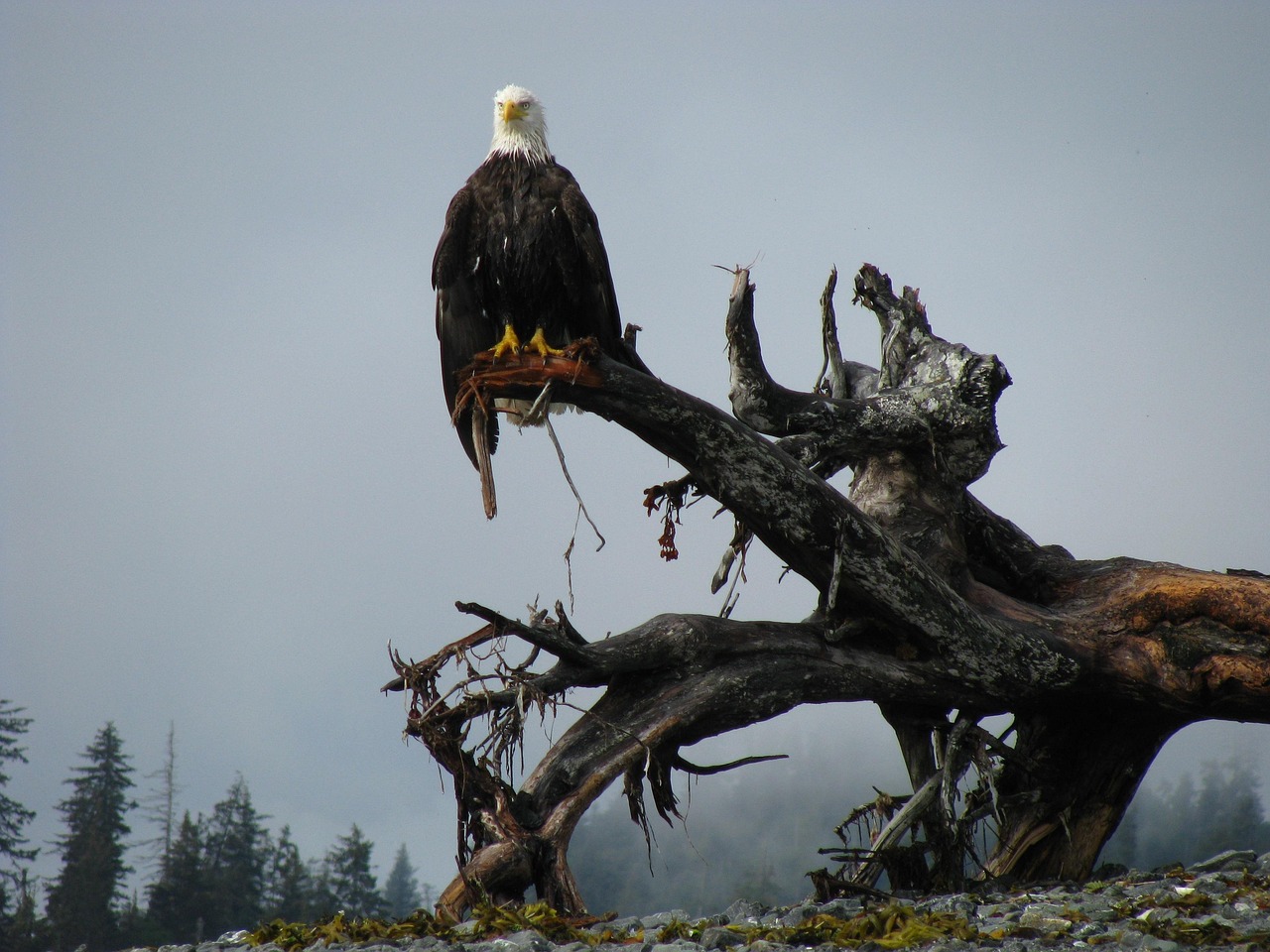
Related Peoples of the Northwest Coast
You May Like
The Zaza, a Mountain People of Eastern Anatolia