On the tallgrass prairies where the eastern woodlands give way to the Great Plains, the Osage built one of the most powerful nations of the mid-continent. Tall, formidable, and famed for their command of a vast territory across Missouri, Kansas, Arkansas, and Oklahoma, they lived between two worlds, farming the river bottoms and riding out to hunt buffalo on the open grass. Their society mirrored the cosmos itself, divided into the Sky People and the Earth People whose union was believed to make life possible.
Theirs is also one of the most extraordinary stories in American history: a nation removed to rocky hills that turned out to sit atop a fortune in oil, briefly making the Osage among the wealthiest people on earth, and then targeted in a murderous conspiracy to steal that wealth. What follows traces the Osage from their origins among the Dhegiha Sioux through their language, homeland, economy, society, religion, and art to the oil era, the Reign of Terror, and the self-governing nation they are today.
Contents
- From the Ohio Valley to the Prairie Edge
- The Children of the Middle Waters
- A Dhegiha Siouan Tongue
- Prairie, River, and the Tallgrass Country
- Farmers, Hunters, and Riders of the Plains
- Sky People, Earth People, and the Clans
- A Cosmos of Sky and Earth
- Dances, Names, and the Ways of the People
- Ribbonwork, Beadwork, and the Blanket
- Corn from the Bottoms, Meat from the Herd
- The In-Lon-Schka and the Gathering of the Districts
- Removal, Oil, and the Reign of Terror
- The Osage Nation in the Present Day
From the Ohio Valley to the Prairie Edge
The Osage are a people of the mid-continent, whose homeland once stretched across the tallgrass prairies and wooded river valleys of what are now Missouri, Kansas, Arkansas, and Oklahoma. Powerful, tall, and famed for their bearing, they dominated a vast territory at the edge of the eastern woodlands and the Great Plains, a borderland where forest gave way to endless grass.
Their own traditions and the historical record place the Osage among the Dhegiha Sioux, a group of related peoples that also includes the Ponca, Omaha, Kaw, and Quapaw. These nations are believed to have migrated westward from the Ohio Valley region in the distant past, splitting apart as they moved until the Osage settled along the rivers that bear their influence to this day.
By the time Europeans recorded them, the Osage had built a formidable position, controlling trade and hunting across an enormous swath of the mid-continent and holding their own against neighbors on every side. They combined the settled village life of the eastern farmers with the mounted buffalo hunting of the Plains, straddling two worlds and drawing strength from both.
This dual character defined the Osage. They planted corn along the river bottoms and rode out onto the prairie to hunt buffalo, they lived in substantial villages yet ranged far in pursuit of game, and they met the arrival of French traders as a nation to be reckoned with. Their story is one of power, adaptation, and, later, one of the strangest turns of fortune in American history.

The Children of the Middle Waters
The name Osage is a French rendering, by way of other Native languages, of the people’s own name for themselves: Wazhazhe. It refers to one of the great divisions of the nation, and over time the French pronunciation hardened into the Osage by which the world now knows them. As with so many peoples, the familiar name is an outsider’s echo of a deeper self-understanding.
In their own telling, the Osage are children of the middle waters, a people whose origins and identity are bound to the sky above and the earth below, to the meeting of celestial and terrestrial powers. Their society was organized to reflect this cosmic order, divided into halves representing sky and earth, so that the very structure of the nation mirrored its understanding of the universe.
The Wazhazhe were only one part of the whole, and the full name of the people encompassed the several great divisions that together made up the nation. To be Osage was to belong to a specific division, a specific clan, and a specific place within an intricate order that assigned every group its role in ceremony and daily life.
The persistence of the name Wazhazhe, carried forward in the Osage language and in the nation’s own institutions, marks a people who have held tightly to their identity across centuries of enormous change. The French name opened the door to the outside world; the Osage name kept the inner world intact.
A Dhegiha Siouan Tongue
The Osage language belongs to the Dhegiha branch of the Siouan family, closely related to Kaw, Omaha, Ponca, and Quapaw, and more distantly to the Lakota and Dakota tongues of the northern Plains. Yet Osage is its own distinct language, not a dialect of any other, with its own sounds, structures, and rich vocabulary shaped by the prairie world its speakers inhabited.
Like other Siouan languages, Osage builds meaning through complex verbs and a grammar quite unlike English, and it carries within it the names, concepts, and cosmology of the Osage people. Much of Osage religious and ceremonial knowledge is encoded in the language, so that to lose the tongue would be to lose access to the deepest layers of the tradition.
The twentieth century dealt the language heavy blows, as boarding schools, English-only pressures, and the disruptions of the modern era eroded the number of fluent speakers until only a handful of elders remained. For a time it seemed the language might follow so many others into silence, a loss the Osage were determined to prevent.
In recent decades the Osage Nation has invested heavily in language revitalization, creating an orthography, developing teaching materials and immersion programs, and even producing digital tools to bring the language to a new generation. It is a deliberate, well-funded effort to ensure that Osage continues to be spoken, and that the knowledge it carries survives.
Prairie, River, and the Tallgrass Country
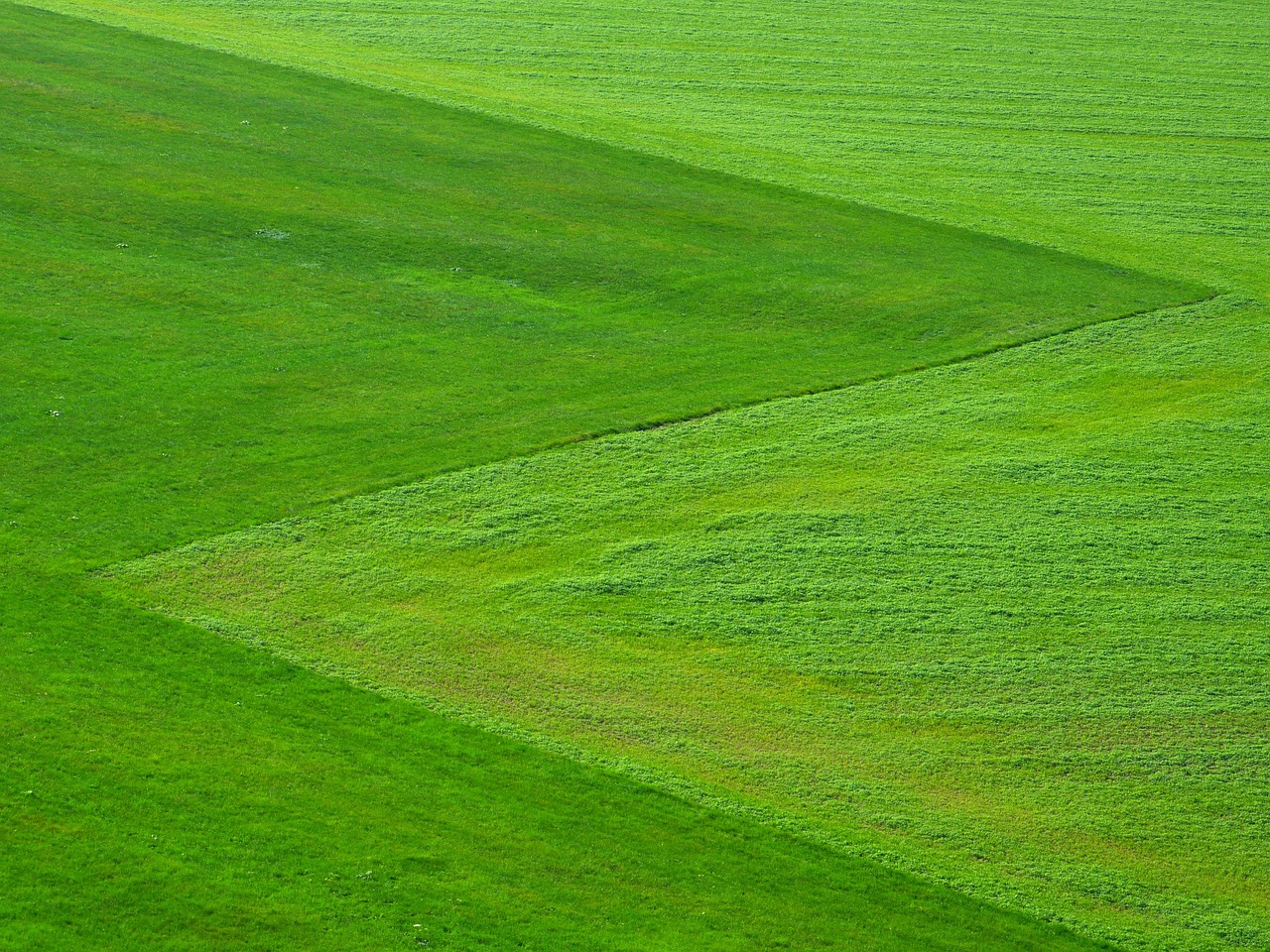
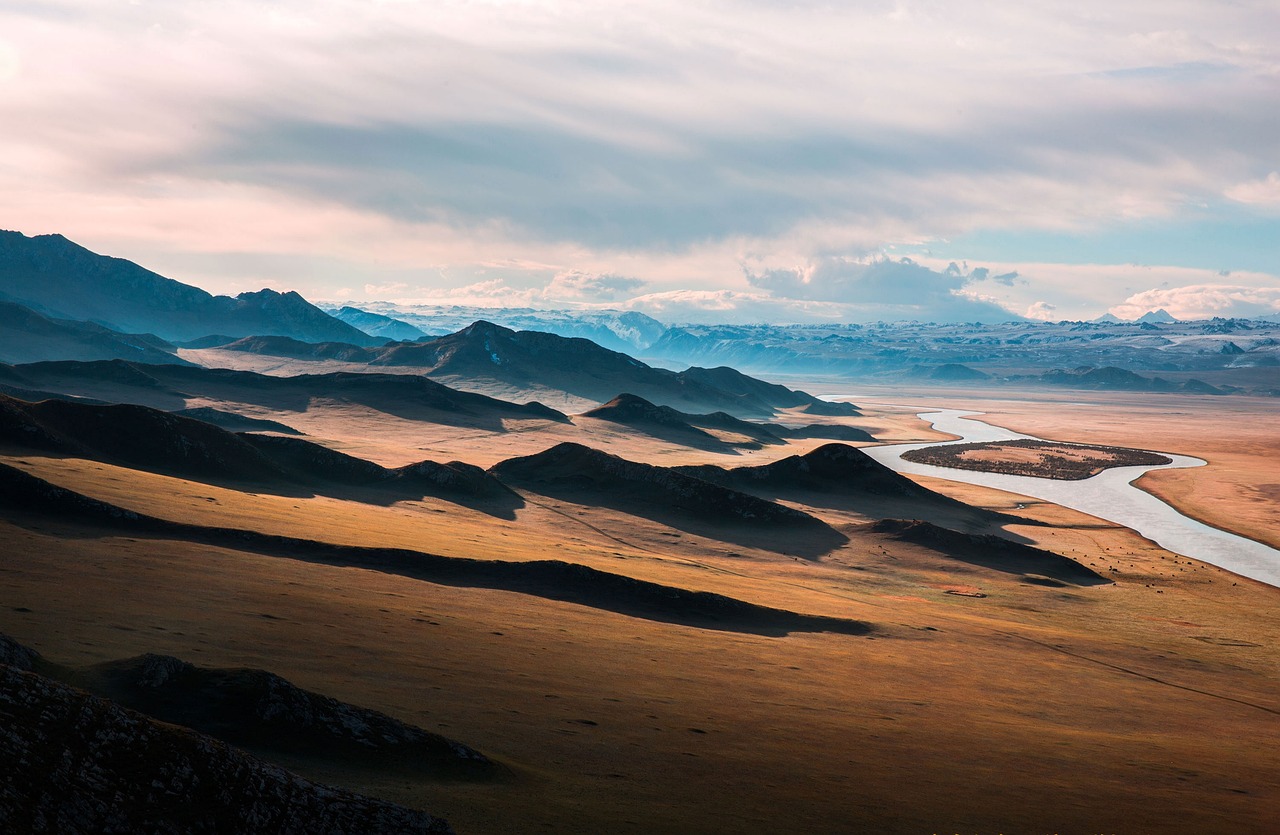
The Osage homeland lay at one of the great ecological seams of North America, where the eastern woodlands met the tallgrass prairie. Rivers wound through wooded bottomlands rich in game and good for farming, while beyond them stretched the open grasslands, home to the buffalo herds on which the nation partly depended. It was a country of remarkable abundance and variety.
The tallgrass prairie itself was a sea of grass, in places tall enough to hide a rider on horseback, teeming with bison, elk, deer, and smaller game. This grassland was not empty wilderness but a managed landscape, shaped over centuries by deliberate burning that kept the woods at bay and drew the grazing herds. The Osage read this country with an expert eye.
Control of such a homeland made the Osage powerful. They dominated the confluence of major rivers and the trade routes that ran along them, positioning themselves as middlemen and gatekeepers between the French to the east and the peoples of the Plains to the west. Their territory was both larder and highway, and they guarded it fiercely.
When they were later removed to a reservation in what became Oklahoma, the Osage found themselves once again in tallgrass country, in the rocky, hilly land of the Osage Hills. It was rugged and, at first glance, poor for farming, a fact that would prove, through an extraordinary twist, to make them among the wealthiest people on earth.
The irony of the Osage removal became legendary. Sent to land that white settlers had judged too rocky and barren to covet, the Osage found themselves, within a generation, sitting atop one of the richest oil fields in the country, a reversal of fortune so complete that it reads almost like a parable about the false certainties of those who dispossessed them.

Farmers, Hunters, and Riders of the Plains
The old Osage economy balanced two ways of life. Along the rivers they farmed, planting corn, beans, and squash in the fertile bottomlands and living in permanent villages of substantial lodges. This agricultural base gave them stability and stored food, anchoring the nation in place through much of the year.
But the Osage were also great hunters, and twice a year they left their villages for extended buffalo hunts out on the prairie, taking the herds that provided meat, hides, and countless materials for daily life. The adoption of the horse transformed these hunts, extending their range and their power, and making the Osage formidable on the open grassland.
This combination gave the Osage an unusual resilience. When crops failed or game grew scarce in one sphere, the other could take up the slack, and the seasonal rhythm of planting, hunting, and returning to the villages structured the year. It was a way of life finely tuned to a homeland that offered both rich soil and vast herds.
Trade further enriched the nation. Positioned between European markets and Plains peoples, the Osage traded furs, horses, and captives, and controlled the flow of European goods into the interior. This commercial power, backed by military strength, allowed them to dominate their region well into the era of European contact.
Sky People, Earth People, and the Clans
Osage society was built on a profound dualism. The nation was divided into two great halves, the Sky People and the Earth People, representing the celestial and terrestrial forces whose union was believed to make life possible. Every clan belonged to one half or the other, and the two divisions were bound together in a relationship of complementary opposition that ordered ceremony, marriage, and daily affairs.
Within these halves lay a system of clans, each with its own responsibilities, symbols, and roles in the great ceremonies. When the Osage laid out a village, the arrangement of lodges reflected this cosmic order, with the Sky People and Earth People occupying their appointed sides, so that the physical community was a map of the spiritual universe.
Leadership reflected the same balance. The nation recognized hereditary chiefs drawn from each division, and important decisions required the participation of both halves, ensuring that no single faction could act alone. This carefully balanced structure gave the Osage a stable and enduring political order.
The whole system expressed a deep Osage conviction that harmony arose from the proper joining of opposites, of sky and earth, of the divisions of the people, of the forces of the cosmos. Society was not merely a practical arrangement but a living enactment of the order of the universe, renewed in every ceremony and every village layout.
This dual structure was not a mere abstraction but touched every part of life, from how a village was laid out to who could marry whom and which clan performed which rite. A person raised within it absorbed from childhood a sense that the world itself was balanced between complementary forces, and that the health of the community depended on keeping those forces in their proper relationship.
A Cosmos of Sky and Earth
Osage religion centered on the great powers of the cosmos, above all Wah’Kon-Tah, the mysterious life force that animated all things. The union of sky and earth, of the celestial and terrestrial, was understood as the source of life itself, and the elaborate divisions of Osage society were designed to reflect and honor this fundamental principle.
Ritual life was intricate and demanding, overseen by learned elders who held the sacred knowledge, the long recitations, prayers, and ceremonies that constituted the tradition. This knowledge was organized into degrees, acquired gradually over a lifetime, so that the fullest understanding rested with a few honored keepers who had devoted themselves to the ancient learning.
The Osage saw the human community as responsible for maintaining right relations with these cosmic powers, and their ceremonies aimed at securing life, health, and success in hunting and war. Careful attention to the proper words and acts was essential, for the order of the universe depended on the correct performance of the rites.
In the nineteenth and twentieth centuries new religious currents reached the Osage, including the Native American Church and its use of peyote, which many embraced alongside or in place of older practices, as well as Christianity. Yet the deep Osage sense of a cosmos ordered by the union of sky and earth continued to shape how the people understood their place in the world.

Dances, Names, and the Ways of the People
Osage tradition wove ceremony deeply into the fabric of life. Personal names were bestowed in sacred rituals that placed the child within a clan and a division, tying individual identity to the cosmic order of the nation. Naming was no casual matter but a solemn act that granted a place in the community and its relationship to the powers of sky and earth.
Dance stood at the heart of Osage communal life, and the great ceremonial dances gathered the people to renew their bonds and honor their traditions. Regalia rich with beadwork, ribbonwork, and feathers marked these occasions, and the movements and songs carried meanings understood by all who shared in the tradition. To dance was to participate in the living identity of the nation.
Warfare, too, had its rituals and honors, for the Osage were a martial people whose warriors earned distinction and status through their deeds. War ceremonies, mourning rites, and the recognition of achievement all followed established forms, binding the individual’s exploits into the larger story and structure of the people.
Many of these traditions endured through the upheavals of removal and modernization, adapting to new circumstances while preserving their essential meaning. The Osage carried their ceremonial life forward, and the persistence of naming, dance, and the old honors testifies to the tenacity with which they held to who they were.
Ribbonwork, Beadwork, and the Blanket
The Osage are renowned for a distinctive artistry, above all in ribbonwork, the intricate appliqué of brightly colored ribbons cut and folded into bold geometric patterns and sewn onto clothing and blankets. This craft, developed in the era of trade in European ribbons, became a signature Osage art, adorning the garments worn on ceremonial occasions with dazzling color and precise design.
Beadwork likewise flourished, decorating clothing, moccasins, and accessories with careful patterns that carried both beauty and meaning. Osage women, the principal artists in these media, developed a refined aesthetic that set their work apart and made Osage regalia among the most striking on the southern Plains.
The Osage blanket, worn wrapped about the body, became an emblem of the people, often finished with ribbonwork borders and worn with pride at gatherings. Together with fingerwoven sashes, worked hides, and other traditional goods, these crafts expressed a strong sense of identity and an eye for elegance that endured through great change.
In the era of Osage wealth these arts flourished as never before, for prosperity allowed the purchase of fine materials and the commissioning of elaborate work. The tradition continues today, as Osage artists carry ribbonwork and beadwork forward, keeping alive a visual heritage that is unmistakably their own.
What distinguishes Osage ribbonwork is its bold geometry and its disciplined symmetry, achieved entirely by hand through the careful cutting and folding of ribbon into mirrored patterns. A finished blanket border could take weeks of exacting work, and to wear such a piece at the In-Lon-Schka was to carry the labor, skill, and identity of the family that made it.
Corn from the Bottoms, Meat from the Herd
Osage foodways drew on both halves of their world. From the river bottoms came corn, beans, squash, and pumpkins, cultivated in the fertile soil and stored against the seasons, while the prairie yielded buffalo, elk, deer, and smaller game taken on the great hunts. This blend of farmed and hunted foods gave the Osage a varied and reliable diet.
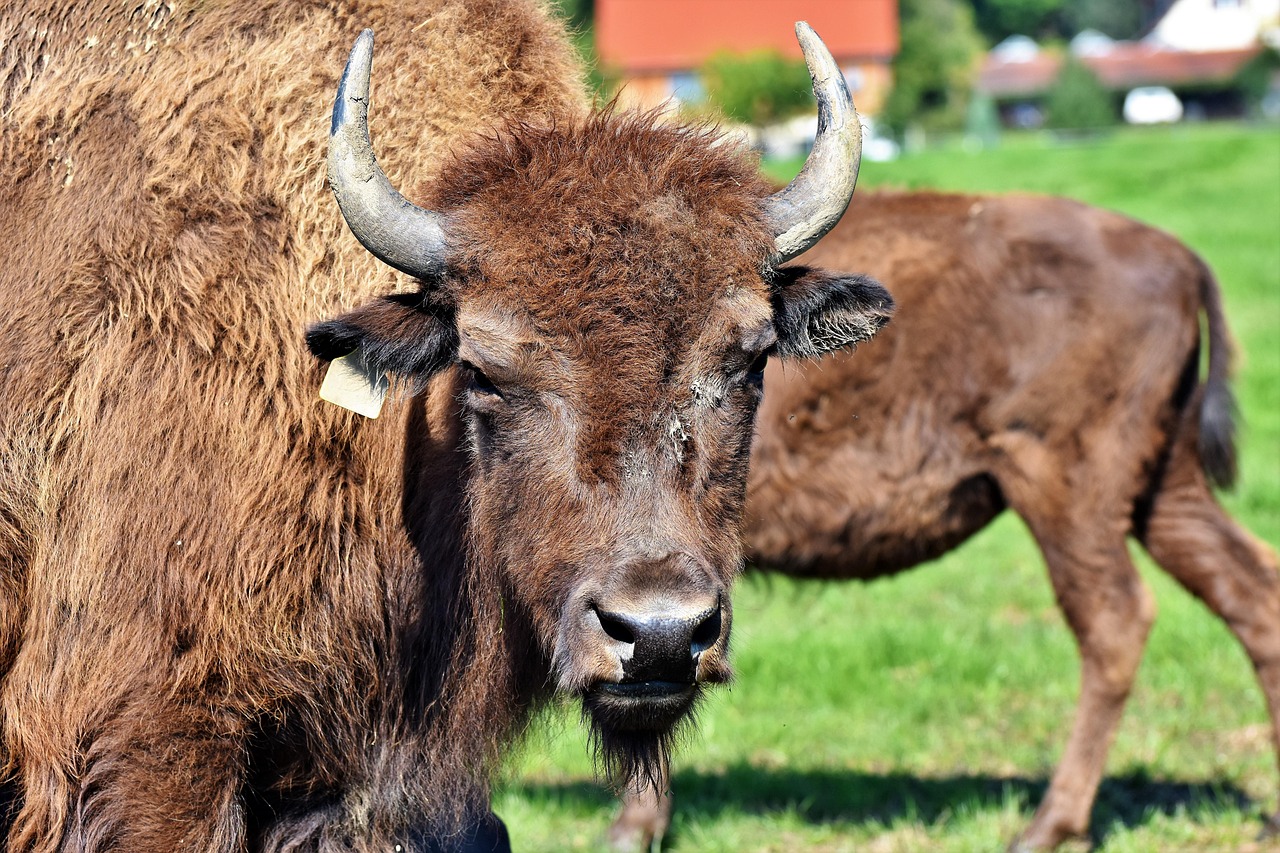
Buffalo was the centerpiece of the hunt, providing not only meat but the raw materials of daily life, and the seasonal hunts were organized expeditions that fed the nation and reinforced its way of life. Dried meat and rendered fat, combined into portable and long-lasting provisions, sustained the people during travel and through the lean months.
Corn, meanwhile, tied the Osage to the eastern farming tradition, and the grain was prepared in many forms, boiled, roasted, dried, and ground, and shared at gatherings and ceremonies. Wild plants, roots, and berries gathered in their seasons added further variety, rounding out a cuisine built on the abundance of prairie and river.
The rhythm of Osage eating followed the rhythm of the year, from planting through the summer and fall hunts to the winter stores. It was a foodway suited to a people who lived between two worlds, drawing sustenance from the settled fields and the open grasslands alike.

The In-Lon-Schka and the Gathering of the Districts
The great ceremonial event of Osage life today is the In-Lon-Schka, a cycle of dances held each June across the Osage districts, the ceremonial heart of the nation’s year. Rooted in a dance tradition received in the nineteenth century and made wholly their own, the In-Lon-Schka gathers Osage families to honor their heritage, their ancestors, and their identity as a people.
Each of the Osage districts hosts the dances in turn, and the event centers on a drum and the male dancers who move to its beat, resplendent in regalia rich with ribbonwork, beadwork, and feathers. Roles within the ceremony carry deep responsibility and honor, passed within families and marking the continuity of the community across generations.
The In-Lon-Schka is far more than a performance; it is a reaffirmation of Osage identity, a gathering that brings scattered families home and renews the bonds of kinship and tradition. Feasting, giveaways, and the honoring of individuals accompany the dancing, weaving together the social fabric of the nation.
That this ceremony continues to draw the Osage together each year is a powerful testament to the endurance of their culture. Through removal, wealth, tragedy, and modernization, the drum has kept beating, and the districts have kept gathering, carrying the living tradition forward into the present.
Removal, Oil, and the Reign of Terror
The nineteenth century brought the Osage a familiar sequence of pressure and loss, as they ceded their vast homeland through a succession of treaties and were confined at last to a reservation in northeastern Oklahoma. Yet the Osage negotiated shrewdly, purchasing their reservation outright and, crucially, retaining the mineral rights to the entire territory as a communal asset held by the nation.
That decision proved momentous. When enormous oil deposits were discovered beneath the Osage Hills in the early twentieth century, the mineral rights, divided among the tribal members as headrights, made the Osage extraordinarily wealthy, among the richest people per capita in the world during the 1920s. Oil royalties flowed to Osage families in a sudden and dizzying tide of money.
This wealth attracted predators. In the notorious Reign of Terror of the 1920s, Osage people were murdered and defrauded by outsiders scheming to seize their headrights, in a conspiracy that claimed many lives before federal investigators finally intervened. It was one of the darkest episodes in the nation’s history, a tragedy born directly of the wealth beneath their land.
Through it all the Osage endured, defending their rights, reforming the systems that had left them vulnerable, and preserving their nation. The oil wealth, for all the danger it brought, also gave the Osage resources to sustain their institutions, and the memory of the Reign of Terror remains a solemn part of how the nation understands its own past.
The scale of the injustice is difficult to overstate, for the murders were only the most violent expression of a broader system of guardianships and swindles designed to separate the Osage from their wealth. The federal investigation that finally exposed the conspiracy became one of the earliest major cases for the young Bureau of Investigation, and the episode left a lasting mark on how the Osage regarded the outside world.

The Osage Nation in the Present Day
Today the Osage Nation, headquartered at Pawhuska in Oklahoma, governs a large membership and manages the mineral estate that has shaped so much of its modern history. The nation reorganized its government in the twenty-first century, adopting a new constitution and broadening participation, and it operates businesses, services, and cultural programs on behalf of its people.
Cultural preservation is a central commitment. The Osage have invested heavily in reviving their language, sustaining the In-Lon-Schka and other ceremonies, and maintaining museums and archives that steward their history and art. Ribbonwork, beadwork, and other traditions continue to flourish, carried forward by a new generation of artists and keepers.
The nation also confronts the complex legacy of the oil era, from the ongoing management of headrights to the memory of the Reign of Terror, a history that has drawn renewed public attention in recent years. The Osage themselves have long known this story, and they tell it as part of a larger narrative of resilience and survival.
What stands out is the Osage capacity to endure and adapt without losing themselves. From powerful lords of the mid-continent to a removed and then suddenly wealthy nation, and through tragedy to a self-governing people today, the Osage have carried their language, their ceremonies, and their sense of a cosmos ordered by sky and earth into the modern world, unmistakably themselves.
Related Peoples of the Great Plains
You May Like
The Damara, an Ancient People of Namibia