In the rivers and woodlands of the American Southeast, the Muscogee built one of the most sophisticated societies of the region, a confederacy of many towns bound together into a powerful political and ceremonial union. Often known as the Creek, they were farmers and townspeople whose settlements lined the waterways of the interior South, governed through councils and united around the sacred fire. Theirs was a settled civilization with roots reaching deep into the ancient past of the Southeast.
This article traces the Muscogee world from the making of their confederacy and the meaning of their names through their language, homeland, society, beliefs, crafts, food, and celebrations, and on through a history of prominence, forced removal, and renewal into a living present. It is the story of a people who ruled a southeastern homeland of towns and councils, endured the trauma of expulsion to a distant land, and rebuilt themselves into one of the great Native nations of today.
Contents
- A Confederacy of Southeastern Towns
- The Name and the Confederacy
- Language of the Confederacy
- Homeland in the Southeast
- The Old Way of Life
- Towns, Clans, and Councils
- The Sacred Fire and Belief
- Traditions Carried Through Removal
- Craft and Material Culture
- Corn and the Food of the Towns
- The Green Corn Ceremony and Celebration
- A History of Prominence and Removal
- The Muscogee Today
A Confederacy of Southeastern Towns
In the woodlands and river valleys of the American Southeast, the Muscogee built one of the most complex and influential societies of the region. Often known in English as the Creek, they were not a single tribe but a confederacy of many towns, drawn from diverse origins and bound together into a powerful political and cultural union. Their towns dotted the rivers of the interior Southeast, and their confederacy was among the great powers of the region in the centuries before removal.
The Muscogee were farmers and townspeople, living in permanent settlements organized around central plazas and ceremonial grounds, cultivating the rich bottomlands, and governing themselves through councils that balanced the autonomy of individual towns against the unity of the whole. Theirs was a settled, agricultural civilization with deep roots in the mound-building cultures that had flourished across the Southeast for many centuries.
As a confederacy, the Muscogee incorporated towns of different backgrounds and even different languages, united by a shared political structure and a common ceremonial life. This capacity to absorb and integrate diverse communities gave the confederacy both strength and complexity, and it made the Muscogee a formidable presence in the shifting world of the colonial Southeast.
To understand the Muscogee is to understand a sophisticated society of towns and councils, a rich ceremonial tradition centered on the sacred fire, and a history of adaptation, resistance, and survival that carried the people from their southeastern homeland through the trauma of removal to a vigorous present in a new land.
The Muscogee were counted among the group of southeastern nations that colonial observers came to describe with a label meant to signal their settled, agricultural, town-based way of life. However that label is judged today, it reflected the genuine sophistication of a society built on farming, formal councils, and an elaborate ceremonial calendar, a civilization deeply rooted in the ancient traditions of the region.
The Name and the Confederacy
The people are known by two names in English, and the relationship between them tells part of their story. The name Creek was applied by British colonists, apparently derived from the many waterways along which the towns were situated, and it became the common English label for the confederacy. The name Muscogee, closer to the people’s own designation, has increasingly been embraced as the proper name of the nation and its core people.
The confederacy itself was a union of towns rather than a single ethnic group, and it included communities of varied origins and languages that had come together over time. The dominant language gave the confederacy its Muscogee identity, but other towns within the union spoke different tongues, reflecting the confederacy’s character as an inclusive political structure that bound diverse peoples into a common body.
Towns were traditionally distinguished by their ceremonial roles, and the confederacy balanced the interests and autonomy of its member towns through councils and shared observances. This structure allowed the Muscogee to act with unity when needed while preserving the identity and self-governance of the individual towns that composed the whole, a flexible arrangement suited to a complex society.
Today the name Muscogee is carried with pride by the nation that descends from the confederacy, asserting a continuous identity that reaches back through removal to the ancient towns of the southeastern homeland. Both names remain in use, but the reclaiming of the Muscogee name reflects the assertion of the people’s own voice in defining who they are.

Language of the Confederacy
The Muscogee language belongs to the Muskogean family, a group of related tongues spoken across much of the Southeast by the peoples of the region. It was the dominant language of the confederacy and the medium of its councils, ceremonies, and oral traditions, though other languages were also spoken within the union of towns, reflecting the diverse origins of its member communities.
The language carried the ceremonies, the oral histories, the town names, and the accumulated knowledge of the people, and to speak it was to participate fully in the life of the confederacy. Its structure and vocabulary encoded a distinctive way of understanding the world, and fluency was the medium through which the values and traditions of the towns were transmitted from one generation to the next.
The upheavals of removal and the pressures of the surrounding society took a heavy toll on the language, as did later schooling that discouraged its use, and the number of fluent speakers declined over the generations. Yet the language survived the trauma of forced relocation and the long adjustment to a new homeland, carried by families and communities determined to preserve it.
The Muscogee Nation has undertaken determined efforts to sustain and revitalize the language, developing programs, classes, and materials aimed at raising new speakers and treating the language as essential to the identity and continuity of the people. This work is understood as a matter of cultural survival, for the language holds knowledge and ways of thinking that could not be replaced if it were lost.

Homeland in the Southeast
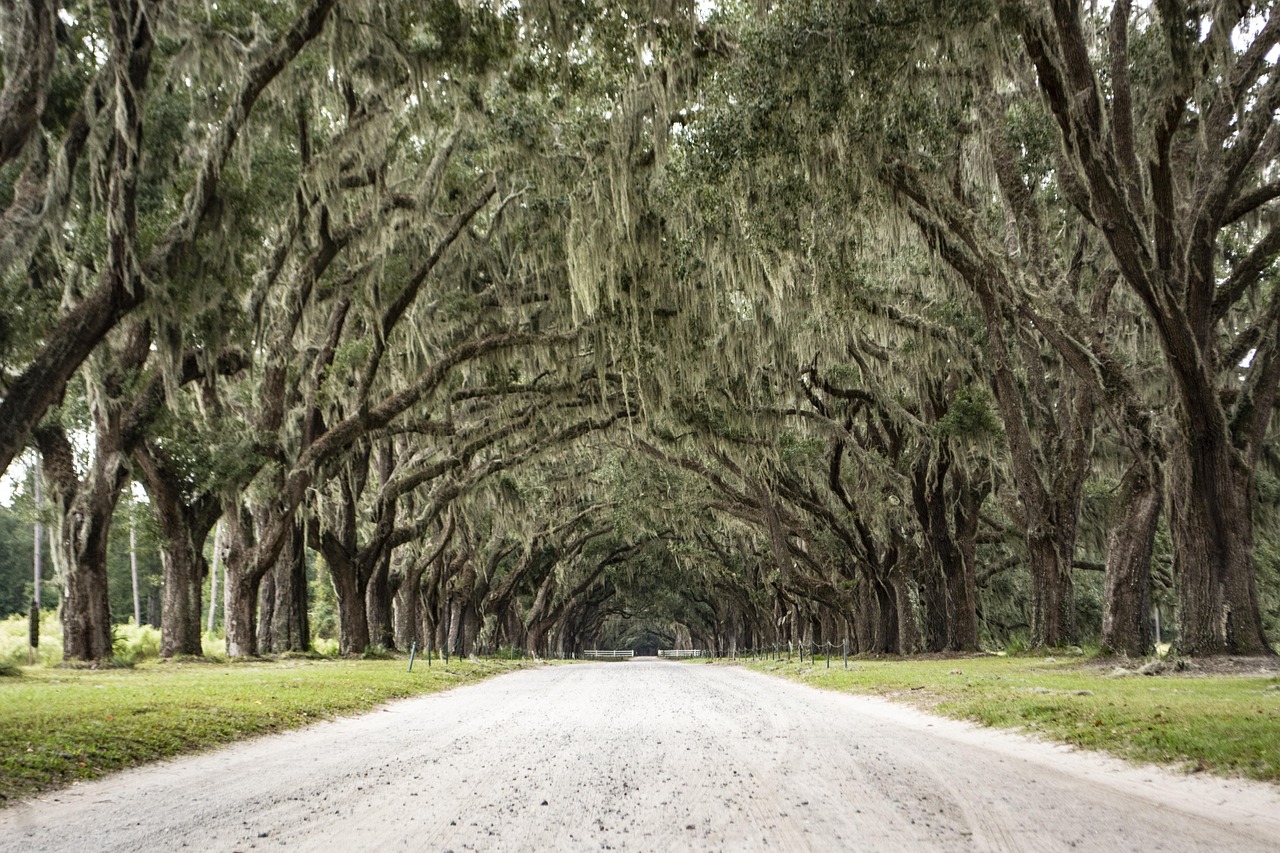
The original homeland of the Muscogee lay across the interior Southeast, in the country of rivers, forests, and fertile bottomlands that would become the states of the American South. The towns were built along the waterways, whose rich soils supported the agriculture on which the people depended and whose waters provided fish, transport, and a focus for settlement. This was a green and abundant land, well suited to the settled, farming life of the confederacy.
The landscape was one of woodlands and river valleys, of forests that yielded game and materials and of clearings where the towns raised their crops. The mild climate and long growing season of the Southeast supported a productive agriculture, and the abundance of the land underlay the density of settlement and the complexity of the society that the Muscogee built upon it.
The towns were the fundamental units of this homeland, each a distinct community with its own plaza, its ceremonial ground, and its surrounding fields, situated along the rivers that gave the region its character. The Muscogee relationship with this land was intimate and enduring, and the rivers, forests, and sacred places of the homeland were woven into the identity and the memory of the people.
This deep attachment to the southeastern homeland would make the trauma of removal all the more profound. The forced departure from the rivers and forests that had sustained the towns for generations was a wound that the Muscogee carried with them into their new land, and the memory of the old homeland remained a powerful element of their identity long after they had been compelled to leave it.

The Old Way of Life
The Muscogee way of life was built around the town and the field, a settled, agricultural existence rooted in permanent communities. Each town was organized around a central plaza and a ceremonial ground, with the dwellings of the townspeople clustered nearby and the fields spread across the fertile bottomlands. This was a life of farming, hunting, and gathering, structured by the seasons and the ceremonial calendar of the town.
Agriculture was the foundation of subsistence, with corn, beans, and squash forming the core of the crops that the people raised in the rich riverside soils. Farming was supplemented by hunting in the surrounding forests, which supplied deer and other game, and by fishing in the abundant rivers and by the gathering of wild plants. The combination gave the Muscogee a secure and varied subsistence in a generous land.
The town was a close-knit community, and life within it followed patterns of cooperation, kinship, and shared ceremony. Labor was divided along lines of gender, with women managing much of the agriculture and the household and men engaged in hunting, warfare, and the councils of the town. The rhythm of the year moved between the demands of the fields and the observances of the ceremonial calendar.
The swamps, rivers, and forests of the homeland shaped this life, providing both resources and the setting for the towns. The Muscogee knew their country intimately, and their settled, agricultural existence, organized around the town and its ceremonies, gave their society a stability and complexity that set it among the most sophisticated of the Native peoples of the Southeast.

Towns, Clans, and Councils
Muscogee society was organized around the town and the clan, two overlapping structures that together gave the confederacy its cohesion. The town was the fundamental political and ceremonial unit, a self-governing community with its own council, its own plaza, and its own ceremonial ground, and the confederacy was in essence a union of these towns bound by shared interests and observances.
Clans, traced through the maternal line, cut across the towns and tied individuals into a wider network of kinship that extended throughout the confederacy. Clan membership carried important obligations and governed matters such as marriage and the resolution of disputes, and the matrilineal clan system gave women a central place in the structure of the society, anchoring the household and shaping social life.
Governance rested on councils in which the leaders and elders of the town deliberated on matters of common concern, reaching decisions through discussion and consensus. Towns were traditionally grouped into two ceremonial divisions associated with peace and war, an arrangement that structured relationships among them and reflected the balance the confederacy sought between harmony and the demands of conflict.
This layered structure of town, clan, and council gave the Muscogee a flexible and effective system of governance, one that balanced the autonomy of the individual town against the unity of the confederacy. It allowed diverse communities to act together while preserving their distinct identities, and it underlay the strength and complexity of Muscogee society through the centuries of its prominence.

The Sacred Fire and Belief
At the heart of Muscogee spiritual life was the sacred fire, a symbol and living presence of profound importance that burned at the center of the ceremonial ground. The fire was understood as a connection to the powers that governed the world, and its tending and renewal were central to the religious life of the town. Around it the great ceremonies unfolded, and its meaning ran through the whole of Muscogee belief.
The most important ceremony was the annual observance of renewal held at the height of the growing season, a multi-day gathering that marked the ripening of the crops, the renewal of the sacred fire, and the moral and spiritual cleansing of the community. During this ceremony old fires were extinguished and the sacred fire rekindled, quarrels were set aside, and the town was renewed in body and spirit. It was the high point of the ceremonial year.
Muscogee belief understood the world as animated by powers that had to be respected and kept in balance, and the ceremonies sought to maintain the harmony between the human community and these forces. Purity, balance, and the proper observance of ritual were central concerns, and the ceremonial ground with its sacred fire was the setting where the community renewed its relationship with the sacred.
This spiritual framework was inseparable from the life of the town, giving meaning to the agricultural cycle, the passage of the seasons, and the bonds of the community. The sacred fire and the ceremonies that surrounded it lay at the very center of Muscogee identity, and their continued observance became a powerful thread of continuity carried through removal into the new homeland.
The extinguishing and rekindling of the fire dramatized the central Muscogee idea of renewal, the belief that the community and the world could be cleansed of accumulated wrongs and begun afresh. This annual regeneration was not merely symbolic but understood to restore the proper balance of things, and it bound the moral life of the people to the turning of the agricultural year.

Traditions Carried Through Removal
The traditions of the Muscogee were carried in ceremony, story, song, and the practices of the town, transmitted from one generation to the next through participation in the life of the community. Oral tradition preserved the narratives of origin, the histories of the towns, the teachings that guided conduct, and the sacred knowledge tied to the ceremonial ground and the sacred fire. These traditions anchored the identity of the people and their sense of belonging.
The ceremonial grounds were the focus of this traditional life, and the annual observances of renewal were the great occasions for the transmission and reaffirmation of the culture. The clans and the town councils held particular responsibilities, and the elders carried the knowledge that guided the community, ensuring that the traditions were preserved and passed on within the structures of the town.
The trauma of removal threatened to sever these traditions, tearing the people from the sacred grounds and homeland to which so much of their ceremonial life was tied. Yet the Muscogee carried their traditions with them, reestablishing their ceremonial grounds in the new land and rekindling the sacred fires that connected them to their ancestors and their identity. The continuity of ceremony across removal was a remarkable achievement of cultural survival.
Everyday customs of kinship, hospitality, and respect carried as much weight as the great ceremonies, forming a cultural inheritance that shaped conduct and character. Through the disruptions of removal and the pressures that followed, the Muscogee held fast to the essential core of their traditions, adapting to a new homeland while preserving the ceremonies and values that made them who they were.

Craft and Material Culture
The material culture of the Muscogee reflected their settled, agricultural life and their place within the rich traditions of the Southeast. They were skilled potters, working clay into vessels for cooking, storage, and ceremony, and their pottery drew on the deep ceramic traditions of the region that reached back to the mound-building cultures of earlier centuries. These vessels served the daily and ceremonial needs of the town.
Basketry was another important craft, with baskets woven from river cane and other materials in intricate patterns, used for gathering, storage, and the processing of food. The working of these materials was a skilled art passed down through the generations, and the finest baskets combined utility with beauty, reflecting the aesthetic sensibility of their makers.
Beadwork and the decoration of clothing and regalia gave expression to identity and status, and over time the incorporation of trade beads and cloth produced distinctive styles that adorned the garments worn for ceremony and celebration. The regalia of the ceremonial ground carried meaning in its every detail, and its making was an important expression of the culture.
These craft traditions endured through removal and continue among Muscogee artisans today, who carry forward the pottery, basketry, and beadwork of their ancestors. The making of these objects keeps alive skills and aesthetics developed over generations, connecting contemporary makers to the deep artistic heritage of the southeastern homeland and affirming the continuity of the culture.
Corn and the Food of the Towns
Agriculture was the foundation of Muscogee subsistence, and corn stood at its center, the staple crop around which the agricultural year and much of the ceremonial life revolved. Grown in the fertile bottomlands along with beans and squash, corn provided the bulk of the diet and carried deep significance, celebrated in the great annual ceremony that marked the ripening of the crop and the renewal of the community.
The rich soils and long growing season of the Southeast made for a productive agriculture, and the Muscogee raised abundant harvests that supported their dense town settlements. Corn was prepared in many forms, ground into meal and cooked in a variety of ways, and it was stored against the leaner months, providing security through the cycle of the year. The companion crops of beans and squash rounded out a balanced diet.
Farming was supplemented by hunting and gathering, which drew on the abundant resources of the forests and rivers. Deer were an important source of meat and hides, fish came from the plentiful waterways, and wild plants, nuts, and fruits added variety to the diet. The combination of agriculture, hunting, fishing, and gathering gave the Muscogee a secure and varied subsistence.
The centrality of corn to both diet and ceremony expressed the deep bond between the Muscogee and their agricultural way of life. The annual ceremony of renewal, timed to the ripening of the corn, wove the growing of food into the spiritual life of the community, and this fusion of agriculture and ceremony lay at the heart of the settled civilization the Muscogee built.

The Green Corn Ceremony and Celebration
The great celebration of the Muscogee year was the annual ceremony of renewal held at the ripening of the corn, an observance of profound importance that brought the town together in days of ritual, feasting, dancing, and reconciliation. It marked the beginning of a new year, the renewal of the sacred fire, and the moral and spiritual cleansing of the community, and it stood at the center of the ceremonial life of the confederacy.
During this observance the old fires of the town were extinguished and the sacred fire rekindled, and the people renewed themselves through fasting, purification, and the setting aside of old quarrels. Debts and grievances were forgiven, and the community began the new year cleansed and reunited. Dancing and song filled the ceremonial ground, and the gathering reaffirmed the bonds of kinship and the shared identity of the town.
This ceremony was far more than a harvest celebration; it was a spiritual and social renewal that lay at the heart of Muscogee identity. Its observance expressed the values of balance, purity, and community that ran through the culture, and its continuation across the trauma of removal was a powerful sign of the endurance of the people and their traditions.
Beyond this central ceremony, the ceremonial grounds hosted the dances and gatherings that punctuated the year, occasions of celebration and community that strengthened the bonds of the town. These traditions endure among the Muscogee today, and the ceremonial grounds remain living centers of a culture that carried its most sacred observances from the southeastern homeland into the new land.

A History of Prominence and Removal
The Muscogee were among the great powers of the colonial Southeast, a populous and sophisticated confederacy that navigated the rivalries of competing European empires with considerable skill. Their towns traded, negotiated, and at times fought with the newcomers, and the confederacy maintained its prominence through a combination of diplomacy, strength, and the capacity to adapt to a rapidly changing world. For a long period they held their ground as a formidable presence in the region.
As pressure on their lands mounted, the Muscogee faced painful internal divisions over how to respond, and a bitter conflict erupted among them over the question of accommodation to the encroaching order. This civil strife, compounded by outside intervention, brought great suffering and loss of land, and it weakened the confederacy at a critical moment as the demand for their territory intensified.
The culmination of this pressure was the forced removal of the Muscogee from their southeastern homeland, part of the broader expulsion of the southeastern peoples that drove them westward to distant territory. The journey was one of terrible hardship, marked by suffering, hunger, exposure, and death, and it tore the people from the rivers, forests, and sacred grounds that had sustained their towns for generations. Removal was a catastrophe that scarred the collective memory of the nation.
In the new land the Muscogee set about rebuilding, reestablishing their towns, their councils, and their ceremonial grounds, and rekindling the sacred fires that connected them to their past. Through the trauma of removal and the long adjustment that followed, the confederacy endured, carrying its institutions and its identity into a new homeland and laying the foundation for the nation that survives today.

The Muscogee Today
The Muscogee endure today as a large and vigorous nation based in Oklahoma, the successor to the confederacy that was removed from the southeastern homeland. The Muscogee Nation is among the most populous of the Native nations, with its own government, courts, institutions, and enterprises, and it asserts its sovereignty as a distinct people with a continuous history reaching back through removal to the ancient towns of the Southeast.
Cultural continuity remains central to Muscogee life, and the ceremonial grounds sustain the traditions carried from the homeland, with the sacred fires still tended and the annual observances of renewal still kept. Efforts to teach the language, preserve the ceremonies, and pass on the crafts and stories reflect a determination to carry the inheritance of the ancestors forward into a future shaped by modern realities.
The nation has also asserted its rights with notable success, and recent legal developments have reaffirmed the enduring nature of Muscogee sovereignty over its territory, a landmark recognition of treaty commitments long overlooked. These assertions of nationhood reflect the confederacy’s long tradition of navigating a changing world while holding to its identity and its claims.
To speak of the Muscogee today is to speak of a thriving nation engaged in the ongoing work of self-determination. Their history, from prominence in the Southeast through the catastrophe of removal to renewal in a new land, has become the foundation of a confident present, and the identity forged across those centuries continues to shape a future the Muscogee are determined to define for themselves.

Related Peoples of the Southeast
The Muscogee shared the woodlands of the Southeast with other nations whose histories of the town, the field, and the trauma of removal ran parallel to their own. To read about their fellow peoples of the Southeast, explore these related profiles:
You May Like
The Damara, an Ancient People of Namibia



One thought on “Muscogee Creek Towns, Councils, and the Long Road to Oklahoma”