Across the arid mesas and river valleys of the American Southwest, the Pueblo peoples have maintained one of the oldest continuous ways of life in North America. Living in compact villages of adobe and stone, some inhabited for many centuries, they built a settled, agricultural, deeply ceremonial existence in a land where water is scarce and survival demands ingenuity. Theirs is a world of the farming village, the sacred dance, and an ancient bond with a demanding homeland.
This article traces the Pueblo world from the meaning of their name and the diversity of their peoples through their languages, homeland, architecture, society, ceremonies, arts, food, and celebrations, and on through a history of endurance into a living present. It is the story of communities that carried an ancient tradition through conquest and pressure with exceptional fidelity, guarding their sacred ways while keeping their villages alive into the modern age.
Contents
- The Village Peoples of the Southwest
- The Name and the Many Peoples
- A Diversity of Languages
- Homeland in the Arid Southwest
- The Ancient Way and the Adobe Village
- Society and Village Governance
- The Ceremonial World
- Traditions Held Close
- Pottery and the Arts of the Village
- Corn and the Food of the Desert
- Dances and the Ceremonial Year
- A History of Endurance
- The Pueblo Today
The Village Peoples of the Southwest
Among the peoples of the American Southwest, the Pueblo stand apart for the depth of their roots and the remarkable continuity of their way of life. For many centuries they have lived in permanent villages of stone and adobe, farming the arid land, practicing an intricate ceremonial life, and maintaining a settled, communal existence in a region where survival demanded ingenuity and cooperation. Theirs is one of the longest continuous cultural traditions in North America.
The word Pueblo, given by Spanish colonists, means village or town, and it reflects the most striking feature of these peoples to outside eyes: their compact, often multistory settlements of mud-brick and stone, some of them continuously inhabited for many generations. Yet the term covers a number of distinct peoples who speak several unrelated languages and maintain their own identities, united less by common origin than by a shared pattern of settled village life.
The Pueblo peoples are the descendants of the ancestral builders whose spectacular cliff dwellings and great houses still stand across the Southwest, and they carry forward a heritage of agriculture, architecture, and ceremony reaching deep into the past. This continuity, maintained through centuries of upheaval, gives their culture a distinctive weight and resilience.
To understand the Pueblo is to understand a people who built enduring communities in a demanding land, who wove their spiritual life into every season and every task, and who held fast to their traditions through conquest and pressure, carrying an ancient way of life into a vigorous present.

The Name and the Many Peoples
The name Pueblo is not an ethnonym in the usual sense but a Spanish word for a village or town, applied by colonists to the settled peoples they encountered because of their distinctive compact settlements. Over time it came to serve as a collective label for these communities, even though they were and are a number of separate peoples with their own names, languages, and identities.
Far from forming a single nation, the Pueblo peoples speak languages belonging to several distinct groups, some entirely unrelated to one another. A village in one region might speak a tongue wholly unintelligible to the inhabitants of another, and the various communities maintained their own traditions and governance. What united them was not descent from a common ancestor but a shared way of life built around the farming village.
Each community had and has its own name for itself in its own language, expressing a distinct identity rooted in its particular place and history. The collective term Pueblo is therefore a convenience that groups together peoples who are internally diverse, and the communities themselves maintain a strong sense of their individual identities alongside any broader shared heritage.
Today the name is embraced as a marker of a proud tradition, attached to the villages and communities that carry forward the ancient settled life of the Southwest. The Pueblo peoples use it while also asserting their individual names and identities, claiming both the shared heritage and the distinctiveness of each community.

A Diversity of Languages
The linguistic landscape of the Pueblo world is strikingly varied, reflecting the fact that these communities are separate peoples rather than a single nation. Several distinct language groups are represented among the villages, some belonging to different families and mutually unintelligible, so that neighboring communities might speak tongues as different from each other as unrelated languages elsewhere in the world. This diversity is one of the clearest signs of the independent histories of the villages.
Within each community, the language carried the ceremonies, songs, prayers, and oral traditions that lay at the heart of Pueblo life. Much of the most sacred knowledge was, and often remains, closely guarded, transmitted orally within the community and not shared with outsiders. Language was thus not merely a means of everyday communication but the vessel of a community’s spiritual and cultural inheritance.
As elsewhere in Native North America, the languages faced severe pressure through schooling and the dominance of the surrounding society, and the transmission from elders to the young was strained. Yet the Pueblo tradition of guarding sacred knowledge and maintaining tight-knit communities helped many of these languages endure better than some others, though the challenge of keeping them vital remains real.
Pueblo communities have undertaken determined efforts to sustain their languages, treating them as essential to the ceremonies and identity that define each village. Because so much of Pueblo religious life depends on the spoken word, the preservation of the languages is understood as inseparable from the survival of the culture itself, a matter of the deepest importance.

Homeland in the Arid Southwest
The Pueblo homeland lies across the arid and semi-arid country of the Southwest, above all in the region of the upper Rio Grande and the surrounding mesas and canyons, where the villages cluster along the river and atop the high tablelands. This is a country of dramatic beauty and real hardship, a land of mesas, deserts, and mountains, where water is scarce and precious and the growing of crops demands both skill and constant attention.
The villages were sited with care, often on defensible mesa tops or along the reliable waters of the river, in places that combined access to farmland with security and the resources needed for a settled life. The Pueblo relationship with this land was intimate and enduring, for many communities have occupied the same sites for a very long time, building and rebuilding their adobe and stone dwellings across the generations.
Water was the central concern of Pueblo existence, and the management of scarce moisture through careful farming techniques was essential to survival. The seasonal rhythms of the desert, the coming of the rains, and the cycle of planting and harvest governed the life of the villages and were woven deeply into their ceremonies, which sought above all to ensure the rain and the fertility on which everything depended.
The landscape itself was sacred, its mountains, springs, and formations understood as the dwelling places of powerful beings and the settings of the community’s origin narratives. The Pueblo did not merely inhabit their homeland but belonged to it in a profound sense, their identity bound up with particular places held to be holy and central to who they were.

The Ancient Way and the Adobe Village
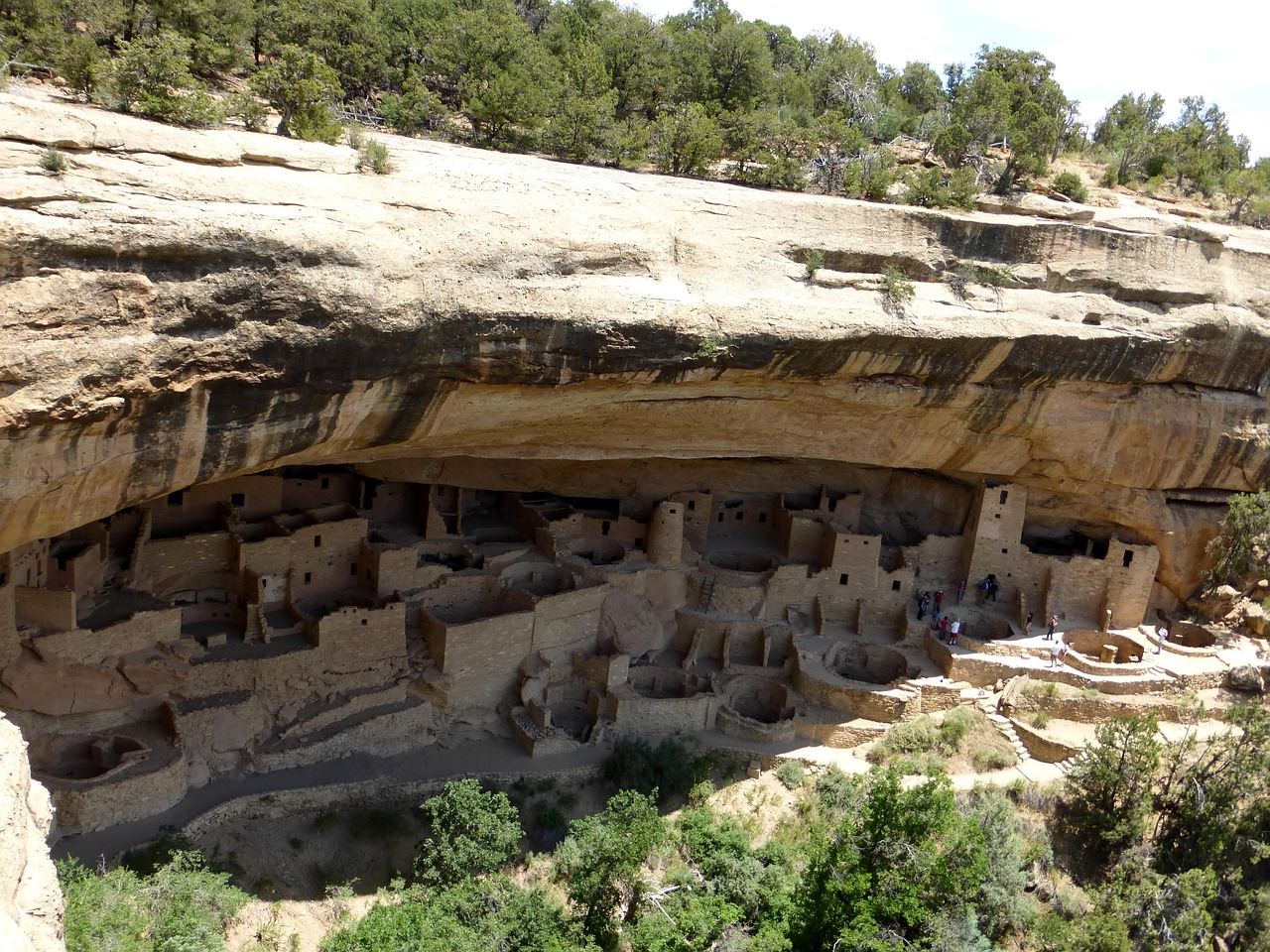
The Pueblo way of life is among the most ancient continuous traditions in North America, reaching back through the ancestral builders whose remarkable cliff dwellings and great houses still stand across the Southwest. These earlier communities constructed elaborate multistory settlements in sheltered canyon alcoves and on open ground, mastering the art of building in stone and earth and developing the settled, agricultural life that their descendants carried forward.
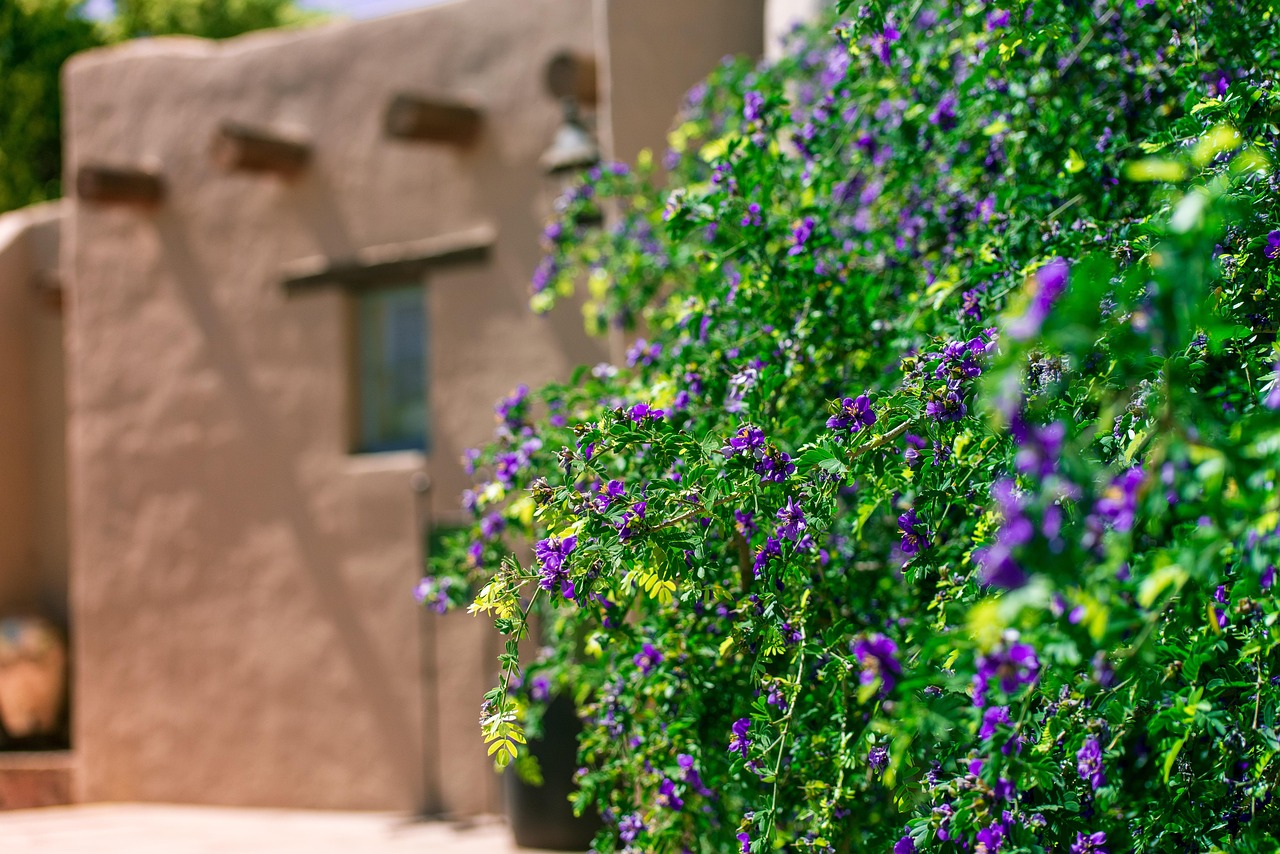
The characteristic Pueblo dwelling was built of adobe, sun-dried mud brick, or of stone plastered with earth, and the villages often rose several stories high, with rooms stacked and terraced in compact, interconnected blocks. These structures were entered in earlier times through the roofs by ladders, a design that offered security, and they housed the community in a dense, communal arrangement that expressed the closely knit nature of Pueblo society.
Central to the village was the kiva, a ceremonial chamber, often partly underground, that served as the focus of religious life and the setting for sacred observances. The kiva embodied the spiritual heart of the community, and its presence reflected the inseparability of daily life and ceremony in the Pueblo world. Around it the life of the village turned through the ceremonial and agricultural year.
This settled, architectural, deeply communal life set the Pueblo apart from the more mobile peoples of the plains and deserts around them. Rooted in permanent villages, sustained by farming, and organized around an intricate ceremonial calendar, the Pueblo built a way of life of extraordinary stability and endurance, one that has persisted through centuries of change.
The construction of these adobe villages was a communal achievement renewed across the generations, for the mud plaster required regular maintenance and the growing community added rooms as it needed them. The result was an organic architecture that grew and changed with the life of the village, its terraced blocks rising and shifting over time while preserving the essential form that had served the Pueblo for centuries.

Society and Village Governance
Pueblo society was organized around the village community, a tightly knit body in which the individual was embedded in a dense web of kinship, clan, and ceremonial obligation. Clans, often traced through the maternal line in many communities, structured social life and carried particular responsibilities, and membership in a clan tied a person into a network of relatives and duties that extended throughout the village and shaped daily existence.
Governance combined religious and civil authority in ways that reflected the centrality of ceremony to Pueblo life. Religious leaders and societies held great influence, and the ceremonial calendar and the offices attached to it were bound up with the direction of communal affairs. Alongside these traditional structures, the villages later incorporated additional offices, but the underlying authority of the ceremonial leadership remained profound.
The values of cooperation, restraint, and the subordination of individual ambition to the good of the community ran deep in Pueblo society. In a world where survival depended on collective effort and where the ceremonies that ensured rain and fertility required the participation of all, the harmony and cohesion of the village were prized above personal distinction, and behavior that disrupted communal life was strongly discouraged.
This emphasis on community and continuity gave Pueblo society a remarkable stability and helped it endure through the pressures of the centuries. The village, with its clans, its ceremonial societies, and its shared obligations, provided a durable framework within which the ancient way of life could be maintained and passed on intact from one generation to the next.
The Ceremonial World
Religion permeated every aspect of Pueblo life, and the ceremonial calendar governed the rhythm of the year in a way that few other cultures matched. The central concern of much Pueblo ceremony was the ensuring of rain and fertility in a land where water was scarce and the success of the crops meant the difference between plenty and hardship. Through elaborate observances the communities sought to maintain the harmony between the human world and the powers that governed the rain, the sun, and the earth.
Among the most distinctive elements of Pueblo religion were the katsinam, powerful spirit beings associated with rain, fertility, and the ancestors, who were honored in ceremonies in which masked dancers embodied them. These observances brought the sacred beings into the life of the village, and they were surrounded by deep meaning and strict protocol, forming a central pillar of the ceremonial year in many communities.
The kiva served as the setting for much of this sacred life, a chamber in which the ceremonial societies conducted their observances and prepared for the public dances and rituals. Much Pueblo religious knowledge was, and remains, carefully guarded within the community, protected from outsiders and transmitted only to those with the proper standing and responsibility.
This intricate ceremonial life was not separate from the practical business of survival but inseparable from it, for the ceremonies were understood to sustain the rain, the crops, and the well-being of the community. Religion, agriculture, and the very identity of the village were bound together in a single, integrated whole that gave Pueblo life its distinctive depth and coherence.

Traditions Held Close
The traditions of the Pueblo peoples were preserved with a care and secrecy that reflected the sacredness of much of their knowledge. Ceremonies, songs, prayers, and the offices of the religious societies were transmitted orally within the community, often restricted to those who held the proper standing, and guarded from the eyes of outsiders. This protectiveness was itself a survival strategy, shielding the core of Pueblo life from the pressures that sought to change it.
Oral tradition preserved the narratives of origin, the accounts of how the people emerged into this world and came to their villages, and the teachings that governed conduct and belief. These stories, tied to specific sacred places in the landscape, anchored the community in its homeland and explained its relationship to the powers that shaped its world. To know them was to understand one’s place in the order of things.
The clans and ceremonial societies each held particular bodies of knowledge and particular responsibilities within the ceremonial year, ensuring that the traditions were maintained and passed on intact. The integration of tradition into the ongoing life of the village, rather than its treatment as a thing apart, was central to its remarkable persistence across the centuries.
This deep continuity is among the most striking features of the Pueblo world. Through conquest, missionization, and sustained pressure to abandon their ways, the Pueblo communities held fast to their traditions, often maintaining them alongside outward accommodations to the surrounding society. The result is a living heritage of extraordinary antiquity, carried forward within the tight-knit communities that have guarded it so carefully.
Pottery and the Arts of the Village
The Pueblo peoples are celebrated for their arts, and above all for their pottery, which ranks among the great artistic traditions of Native North America. Working without the potter’s wheel, Pueblo potters built their vessels by hand, coiling ropes of clay and smoothing them into form, then decorating the surface with intricate painted designs drawn from a rich vocabulary of pattern and symbol. Each community developed its own distinctive styles, recognizable in shape, color, and design.
Pottery served both practical and ceremonial purposes, used for storing grain and water, for cooking, and for observances, and the finest pieces were works of art as much as tools. The traditions of particular villages, passed down through generations of potters, gave rise to celebrated styles that continue to be produced and prized, and the revival and refinement of these traditions in modern times has brought renown to individual artists and their communities.
Beyond pottery, the Pueblo excelled in weaving, in the working of turquoise and shell into jewelry, and in other crafts that combined beauty with meaning. Textiles, ornaments, and ceremonial objects reflected both the aesthetic sensibility and the spiritual world of the makers, and the arts were woven into the life of the village rather than set apart from it.
These artistic traditions endure with particular vitality among the Pueblo today. Pottery in especially has become both a cherished cultural practice and a source of livelihood, with renowned artists carrying forward the styles of their communities and innovating within them. The arts remain a living link to the ancestors and a proud expression of Pueblo identity.
The knowledge of gathering the right clay, of tempering and shaping it, of firing the vessels, and of preparing the mineral and plant paints was passed from mother to daughter across the generations. This transmission of skill within families and communities preserved the distinctive traditions of each village, so that an expert eye can still identify the origin of a piece by its form and design.

Corn and the Food of the Desert
Agriculture lay at the very heart of Pueblo life, and corn above all was the foundation of both diet and belief. In a dry land where farming demanded skill and constant care, the Pueblo developed sophisticated techniques for coaxing crops from the arid soil, planting varieties of corn adapted to the conditions and managing the scarce water with great ingenuity. Corn was not merely food but a sacred substance, central to ceremony and to the identity of the people.
Alongside corn, the Pueblo grew beans and squash, the companion crops that together formed a balanced and productive agricultural system, as well as other plants suited to the desert. The careful management of these crops, the timing of planting to the seasons and the rains, and the storage of the harvest against lean times represented an accumulated agricultural wisdom of great depth, essential to survival in an unforgiving environment.
The dry-farming and irrigation techniques the Pueblo developed allowed them to sustain permanent villages where a less skillful people would have failed. This mastery of desert agriculture was the material foundation of the settled Pueblo life, and it was surrounded by the ceremonies that sought to ensure the rain and fertility on which the crops depended.
Corn appeared in the Pueblo diet in countless forms, ground into meal and prepared in many ways, and it carried deep symbolic meaning in ceremony and prayer. The bond between the people and this sacred plant expressed the larger truth of Pueblo life, in which the growing of food, the practice of religion, and the identity of the community were fused into a single whole.

Dances and the Ceremonial Year
Celebration in the Pueblo world was inseparable from the ceremonial calendar, and the great dances that marked the turning of the year were among the most important events in the life of the village. These observances, tied to the seasons, the crops, and the sacred beings, brought the whole community together in acts that were at once religious, social, and profoundly meaningful, sustaining the harmony between the people and the powers that governed their world.
The public dances, in which the community gathered to witness and participate, gave visible form to the ceremonial life that otherwise unfolded within the kivas. Dancers in elaborate regalia embodied sacred beings or enacted the themes of rain, fertility, and thanksgiving, and the rhythm of drum and song filled the village plaza. These were not performances for entertainment but sacred acts essential to the well-being of the community.
The ceremonial year followed the agricultural cycle, with observances timed to the planting, the growth, and the harvest of the crops, and to the solstices and other turning points of the seasons. Each community maintained its own calendar of dances and ceremonies, and participation in them was a central obligation and privilege of village life, binding the people together in shared purpose.
Some of these observances remain closed to outsiders, guarded within the community, while others are open to visitors on certain occasions. In either case they express the enduring vitality of Pueblo ceremonial life, and the continued practice of the ancient dances stands as one of the clearest signs that the traditions of the villages remain very much alive.

A History of Endurance
The history of the Pueblo peoples is a story of remarkable endurance across centuries of pressure. Long before European arrival, their ancestors built the great cliff dwellings and towns whose ruins still astonish visitors, developing a sophisticated agricultural civilization in the arid Southwest. When these earlier centers were eventually abandoned, likely under the strain of prolonged drought and other pressures, the people relocated and carried their way of life forward into the villages that endure today.
The arrival of Spanish colonists brought profound challenges, including the imposition of colonial authority, demands for labor and tribute, and pressure to abandon the traditional religion in favor of a new faith. The Pueblo endured harsh treatment under this regime, and their ceremonial life came under sustained attack, driving much of it underground where it was maintained in secret.
In response to this pressure, the Pueblo communities mounted a remarkable coordinated uprising that succeeded, for a time, in expelling the colonists from the region altogether, a rare and striking instance of Native peoples uniting to reclaim their homeland. Though colonial authority was later reestablished, the revolt won important concessions and demonstrated the determination of the Pueblo to preserve their way of life against overwhelming odds.
Through the changes of subsequent centuries, including the transfer of the region to new governments and continued pressures on their land and traditions, the Pueblo communities held together with exceptional cohesion. Their strategy of guarding their sacred traditions while accommodating outward demands allowed them to preserve the core of their culture, and they emerged into the modern era with their villages, languages, and ceremonies remarkably intact.

The Pueblo Today
The Pueblo peoples endure today as a number of distinct communities, most of them in New Mexico and Arizona, each a self-governing entity with its own leadership, lands, and traditions. Many of the villages remain occupied on their ancient sites, some continuously inhabited for a very long time, and they maintain their ceremonial calendars, their languages, and their governance with a continuity that reaches deep into the past, asserting their sovereignty as peoples with an ancient claim to their homelands.
Cultural continuity is the hallmark of Pueblo life, and the villages sustain their ceremonies, their arts, and their languages with notable vitality. The dances continue in the plazas, the potters carry forward the styles of their communities, and the sacred knowledge is guarded and transmitted as it has been for generations. This living continuity, more than any revival, defines the Pueblo present.
Challenges remain real, from the pressures on scarce water and land to the economic difficulties common to many Native communities and the ongoing work of protecting sacred sites and traditions. The Pueblo navigate these with the same emphasis on community and continuity that has sustained them through the centuries, balancing engagement with the modern world against the preservation of their distinctive way of life.
To speak of the Pueblo today is to speak of living communities that have carried an ancient tradition into the present with exceptional fidelity. Their villages, their ceremonies, and their arts remain vital, and the deep continuity of their culture, maintained through conquest and pressure, stands as one of the most remarkable achievements of endurance in the history of the continent.

Related Peoples of the Southwest
The Pueblo share the deserts and mesas of the Southwest with other peoples whose histories are closely interwoven with their own. To read about their neighbors in the region, explore these related profiles:
You May Like
The Damara, an Ancient People of Namibia