Across the high peaks and dry basins of Utah and Colorado live the Ute, who call themselves the Nuche, the people, and who gave their name to the state of Utah. Hunters and gatherers of the mountains for countless generations, they were among the first peoples of the West to master the horse.Mounted, they ranged far onto the Plains to hunt buffalo and became a powerful presence in the mountain West, guided by leaders such as the diplomat Ouray. Keepers of the beloved spring Bear Dance, unique to their people, the Ute endured dispossession and removal to carry a proud heritage into the present.
The Ute on Film
Contents
- Origins
- The Name
- The Language
- The Homeland
- The Old Way of Life
- Society and Community
- Religion and Belief
- Traditions
- Crafts
- Food
- Festivals
- History
- Today
Origins
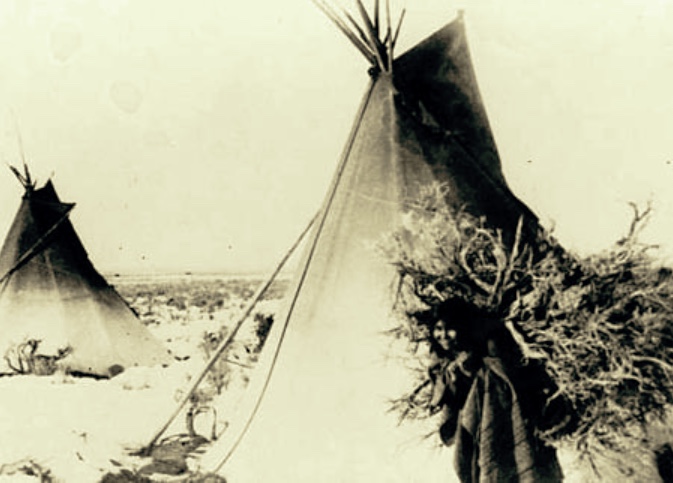
The Ute are an Indigenous people of the Rocky Mountains and the Great Basin, whose homeland stretched across present-day Utah, which is named for them, and Colorado, reaching into New Mexico, Wyoming and Nevada. They call themselves Nuche, or Núuchi-u, meaning the people, and they are among the oldest continuous inhabitants of this high, rugged country.
For countless generations the Ute lived as hunters and gatherers of the mountains, plateaus and desert basins, organised into bands that ranged across a vast territory. Superbly adapted to a land of high peaks and dry valleys, they became one of the most far-ranging and resilient peoples of the American West.
The Name
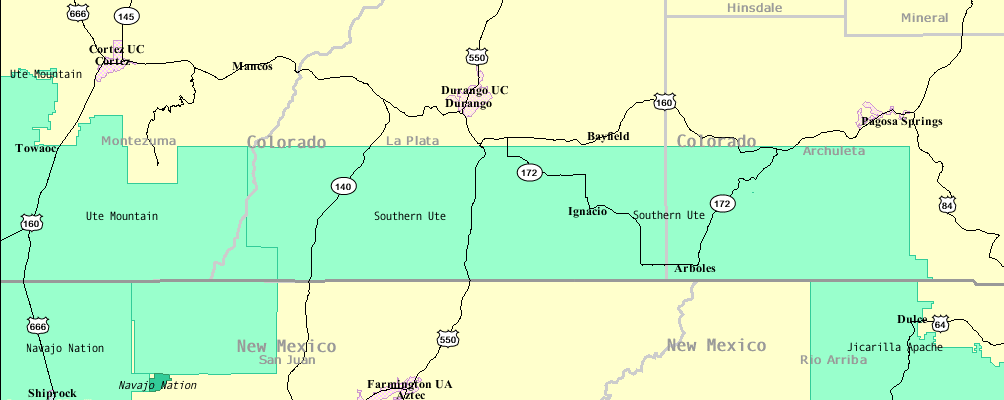
The people call themselves Nuche, the people, and the name Ute, from which the state of Utah takes its name, is the form by which they are widely known. They were traditionally divided into a dozen or so bands spread across the mountains and basins of their homeland.
Today the Ute are organised in three federally recognised tribes: the Northern Ute of the Uintah and Ouray Reservation in Utah, and the Southern Ute and the Ute Mountain Ute of Colorado. Their communities lie among the mountains and mesas of the Four Corners country and the Wasatch and Uinta ranges.
The Language

The Ute speak a Numic language of the Uto-Aztecan family, part of the Southern Numic branch, related to the languages of the Paiute, Shoshone and, more distantly, the peoples of Mexico. The language is shared, in dialects, across the Ute bands.
Though English has become dominant, the Ute language survives, spoken by elders and taught to the young in efforts to keep it alive. It carries the songs of the Bear Dance and the Sun Dance and the oral traditions that hold the history and knowledge of the Nuche.
The Homeland

The Ute homeland is a country of high mountains, forested plateaus, red-rock mesas and dry intermontane basins, from the peaks of the Colorado Rockies and the Uinta and Wasatch ranges to the deserts of the Great Basin. Landmarks such as Sleeping Ute Mountain in Colorado hold deep meaning for the people.
This was a land of great extremes, of snowbound winters in the high country and hot, arid summers in the basins, demanding mobility and skill. The Ute knew its every resource, moving with the seasons between the mountains and the valleys, and their identity is bound to this dramatic western landscape.
The Old Way of Life
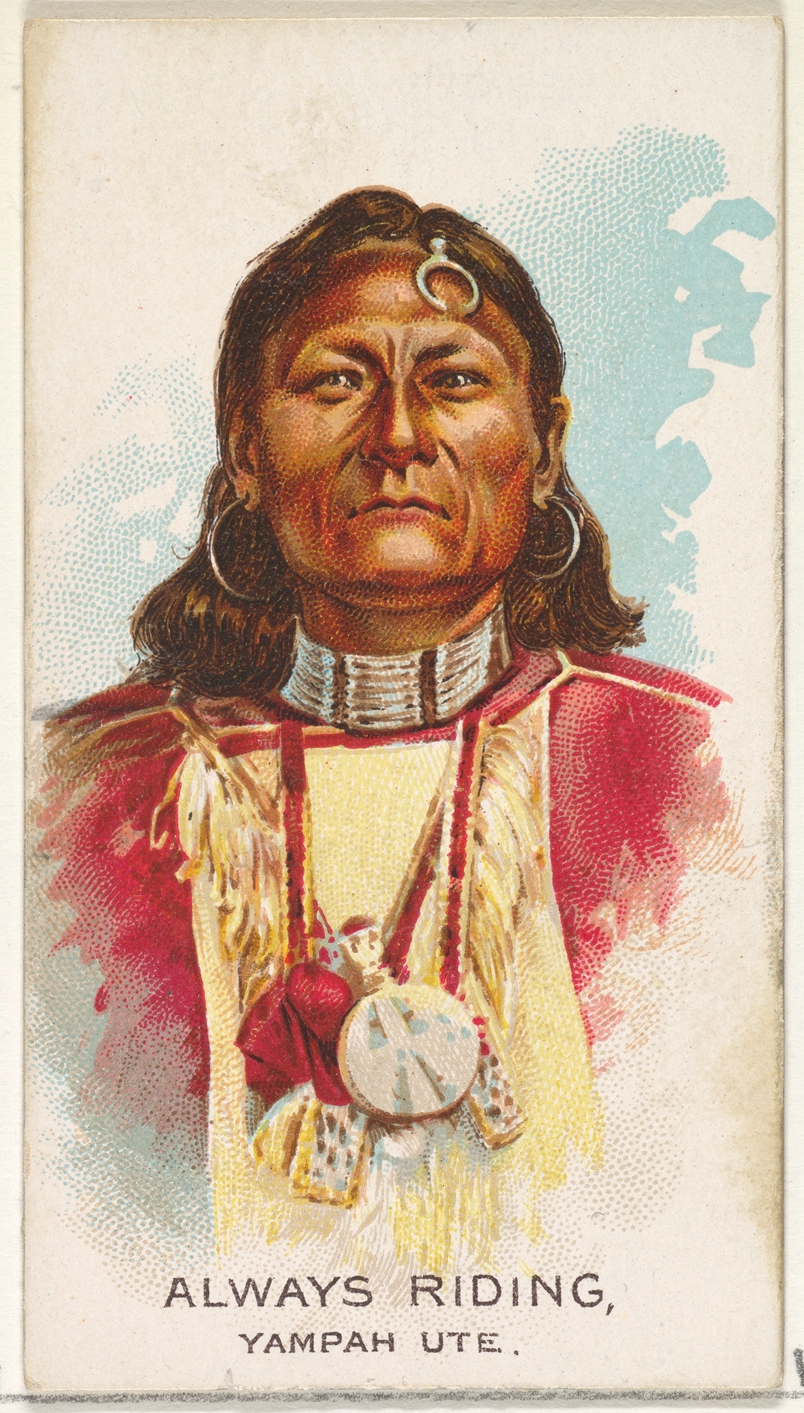
The Ute were hunters and gatherers, taking deer, elk, mountain sheep, antelope and rabbits, fishing the mountain streams, and gathering pine nuts, seeds, roots and berries according to the season. The pinyon pine nut, harvested in autumn, was an especially important food.
The Ute were among the first peoples of the region to acquire horses from the Spanish, and by the seventeenth century the horse had transformed their way of life. Mounted, they ranged far onto the Plains to hunt buffalo, traded and raided across a vast area, and became a powerful presence in the mountain West.
Society and Community
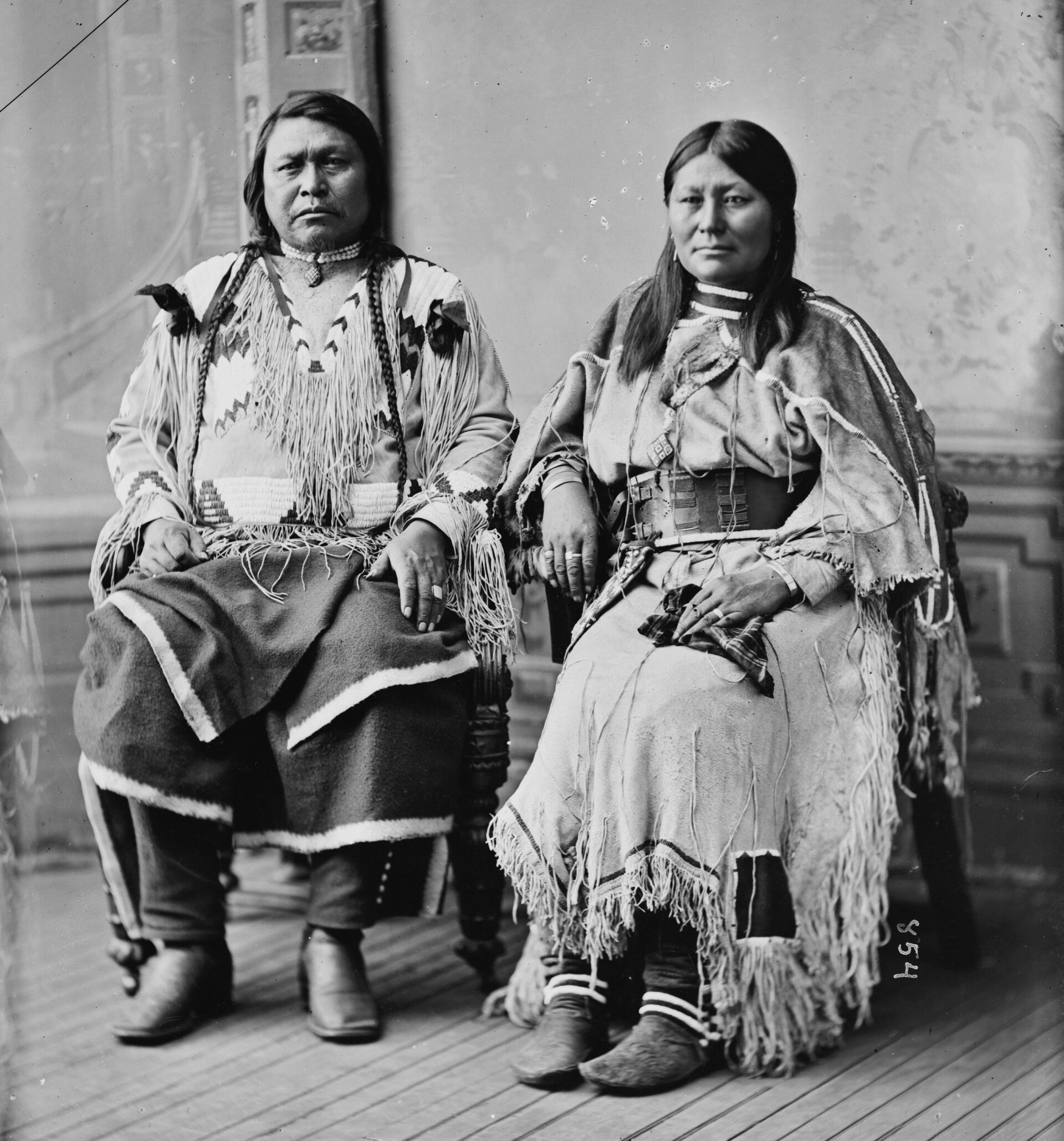
Ute society was organised into bands, each led by a headman and governed by consensus, coming together for great ceremonies and hunts. With the coming of the horse, some bands grew larger and more mobile, and leaders of skill and diplomacy rose to prominence.
The most famous of Ute leaders was Ouray, a Southern Ute chief of the nineteenth century, renowned as a diplomat who negotiated with the United States on behalf of his people in a time of great pressure. The bands endured through the upheavals of the reservation era, and today the Ute govern themselves through their three tribal nations.
Religion and Belief

Ute religious life centres on ceremony, song and a deep relationship with the natural and spirit worlds. The Sun Dance, adopted from the Plains peoples, is a major summer ceremony of renewal, sacrifice and healing, held in a special lodge and central to the spiritual life of the Ute.
Alongside the Sun Dance, older beliefs in spirits, in the power of dreams and in the healing of medicine people endure, and the ceremonies of the seasons bind the community to the land. Christianity has also reached the Ute, and their spiritual life today blends old and new.
Traditions

The oldest and most distinctive Ute tradition is the Bear Dance, held in spring, a ceremony unique to the Ute that celebrates the waking of the bear and the renewal of the year. Danced to the sound of a notched rasp, it is an occasion of courtship, social gathering and communal joy.
The Bear Dance and the Sun Dance, together with songs, stories and the rituals of the life cycle, carry the heritage of the Ute from one generation to the next. Through these ceremonies, above all the beloved Bear Dance, the Nuche renew their identity and their bonds each year.
Crafts

The Ute are noted for their beadwork, decorating clothing, moccasins, cradleboards, bags and horse gear with intricate designs in glass beads, a craft that flourished especially in the horse era. Fine beaded regalia remains a proud mark of Ute artistry.
The Ute also worked leather and hide, made basketry and, in earlier times, the tools and implements of a hunting and gathering life. This craftwork, blending older traditions with the materials and influences of the Plains and the traders, expresses the aesthetic sense of the Ute.
Food

The traditional Ute diet came from the hunt and the harvest of wild foods: deer, elk, antelope, mountain sheep and rabbits, and, after the horse, the buffalo of the Plains, together with fish from the streams. Pine nuts, seeds, roots, berries and other wild plants filled out the diet.
Meat was dried for the winter, and the autumn pinyon harvest was a vital communal activity, gathering the nourishing nuts that helped the people through the cold months. This mixed diet of game and wild plants sustained the Ute across the seasons of their mountain and basin homeland.
Festivals

The Ute calendar is marked by the great ceremonies, above all the spring Bear Dance and the summer Sun Dance, which bring the community together for days of dancing, feasting and renewal. These gatherings are the high points of Ute communal life.
Today the Ute also hold powwows and cultural celebrations, blending their own traditions with the wider powwow culture of Native North America, featuring drumming, dancing and regalia. Through these festivals the Ute celebrate their heritage and strengthen the bonds of the nation.
History

The Ute dominated the mountain West for generations, their power greatly enhanced by the horse, until the pressure of American expansion in the nineteenth century. Through a series of treaties, often broken, they lost much of their vast homeland, and the diplomacy of leaders such as Ouray could only slow the tide.
The conflict known as the Meeker incident in 1879 was followed by the removal of the White River and Uncompahgre Utes from Colorado to reservations in Utah, a bitter chapter of dispossession. Confined to reservations, the Ute nonetheless preserved their ceremonies, their language and their identity through the hard decades that followed.
Today

Today the Ute number many thousands, organised in the Northern Ute, Southern Ute and Ute Mountain Ute tribes across Utah and Colorado. They govern themselves and manage their lands and resources, and the Southern Ute in particular have prospered through the careful management of energy and other enterprises.
The Bear Dance and Sun Dance, the Ute language, beadwork and the memory of Ouray and the old mountain life continue to anchor Ute identity. Among the oldest peoples of the Rockies and the Great Basin, and once masters of the mounted West, the Ute carry a proud heritage into the modern age.
Related Peoples of the Region
- Ojibwe Anishinaabe Life Around the Great Lakes and Wild Rice Waters
- The Metis, the Buffalo Hunters of the Red River
- The Choctaw, People of the Sacred Mound
- The Mikmaq, First People of the Atlantic Coast
- The Wampanoag, People of the First Light
- The Aleut, Sea Hunters of the Aleutian Islands
- The Xavante, Warriors of the Brazilian Cerrado
- The Tohono O’odham, Desert People of the Saguaro
More Peoples of the World
- A Fifth of Humanity, the Story of the Han Chinese
- How the Maori Sailed Across the Pacific to Reach New Zealand
- Zulu of the Green Hills and Their Kingdom Forged by Shaka
- The People Who Never Vanished, the Story of the Maya
- Long Before the Arabs Came, North Africa Belonged to the Amazigh
- The People Who Emerged Into This World, the Story of the Navajo
- Meet the Ainu, an Indigenous People at Japan’s Northern Edge
You May Like
The Damara, an Ancient People of Namibia