Across the immense boreal forests and barren tundra of northeastern Quebec and Labrador, in a homeland they call Nitassinan, live the Innu, an Algonquian people not to be confused with the Arctic Inuit. For thousands of years they followed the great caribou herds across this northern land, hunters of one of the harshest environments in Canada.Bound to the Caribou Master who keeps the herds, wearing painted caribou-skin coats and gathering for the makushan feast and the shaking tent, the Innu lived free on the land until the twentieth century settled them into villages. Through the flooding of their lands and long struggle, they hold fast to their language, their drum and their bond with the caribou.
The Innu on Film
Contents
- Origins
- The Name
- The Language
- The Homeland
- The Old Way of Life
- Society and Community
- Religion and Belief
- Traditions
- Crafts
- Food
- Festivals
- History
- Today
Origins
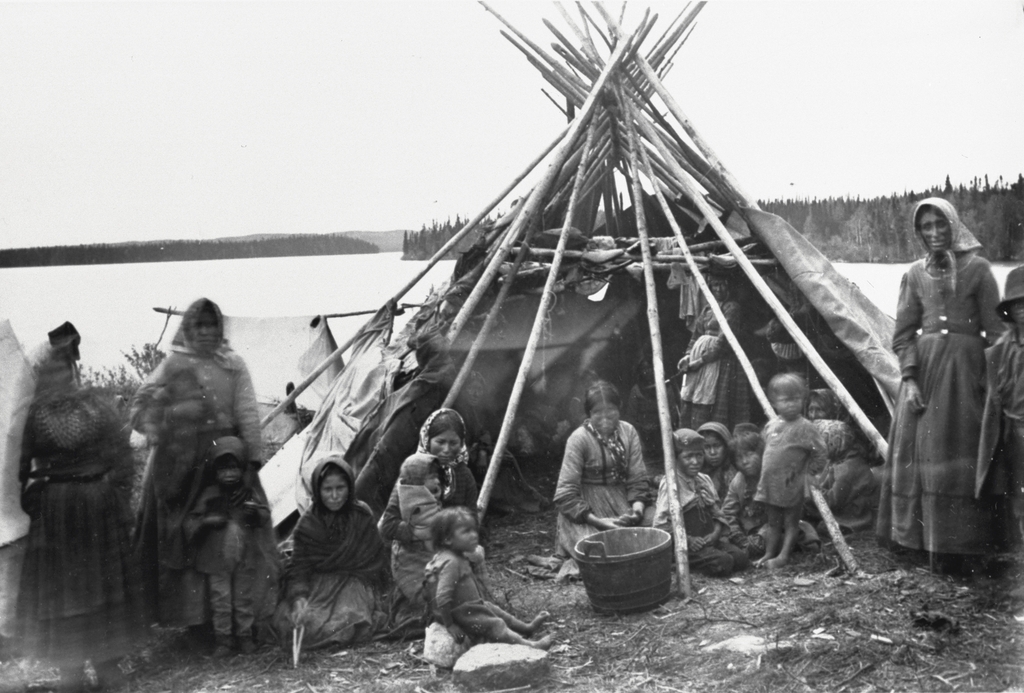
The Innu are an Algonquian people of the eastern subarctic of Canada, living across a vast homeland they call Nitassinan, spread through the interior and coast of what is now northeastern Quebec and Labrador. They should not be confused with the Inuit, a wholly different people of the Arctic coast; the Innu are a forest and tundra people of the boreal interior.
For thousands of years the Innu lived as nomadic hunters of the great northern forests and barrens, following the caribou and the seasons across an immense and demanding land. Their name means simply the people, and they are among the oldest inhabitants of this northern country.
The Name
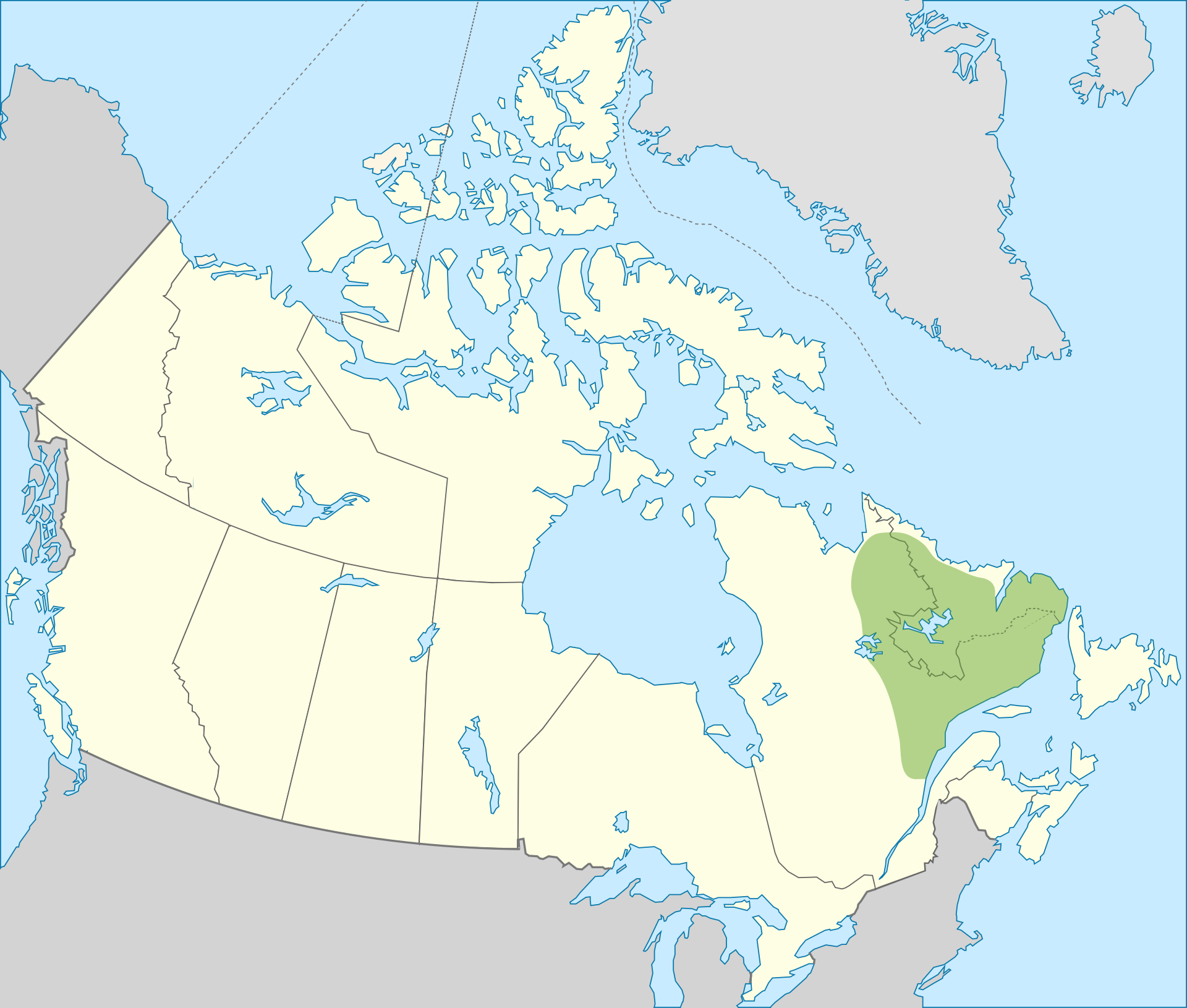
The Innu are traditionally divided into two main groups, the Montagnais of the southern boreal forest near the St Lawrence, and the Naskapi of the northern tundra and taiga, though both share a common language and culture. The older name Montagnais, meaning mountain people, was given by the French.
The Innu homeland, Nitassinan, stretches across the Côte-Nord of Quebec and the interior of Labrador, and their communities include Uashat, Pessamit, Mashteuiatsh, Sheshatshiu and Natuashish. Their country is one of the largest traditional territories of any people in eastern Canada.
The Language

The Innu speak Innu-aimun, an Algonquian language closely related to Cree and to the speech of the Naskapi, part of a great chain of related tongues across the Canadian north. It remains widely spoken, one of the more vigorous Indigenous languages of eastern Canada.
Innu-aimun carries the rich oral tradition of the people, the hunting songs, the stories of Tshakapesh and other heroes, and the knowledge of the land and the caribou. Though French and English are also used, the Innu language remains central to the identity and daily life of the people.
The Homeland

Nitassinan, the Innu homeland, is a country of boreal forest, taiga, barren tundra, countless lakes and rivers, and long, harsh winters. In the south lie the spruce forests near the St Lawrence; in the north, the open barrens across which the great caribou herds migrate.
This is a land of extremes, of deep snow and bitter cold, of black flies and brief summers, across which the Innu moved in small groups in search of game. Their intimate knowledge of this immense territory, its waters, its animals and its seasons, lay at the heart of a way of life finely adapted to the north.
The Old Way of Life
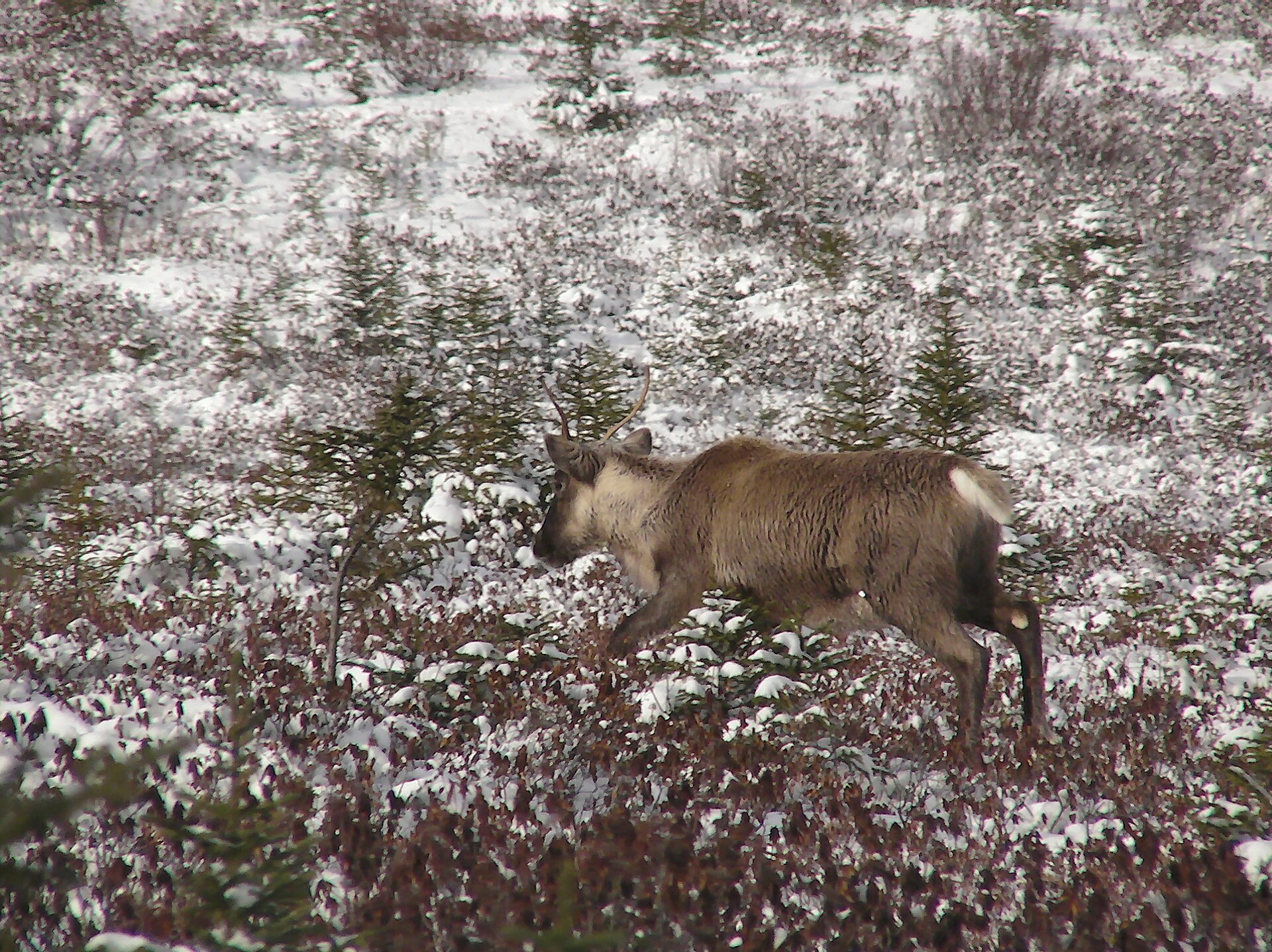
The Innu were nomadic hunters, and above all hunters of the caribou, which provided meat, hides for clothing and shelter, and bone and antler for tools. They also hunted moose, beaver, bear, hare and waterfowl, fished the lakes and rivers, and gathered berries in season.
Moving with the seasons, the Innu travelled by canoe in summer and by snowshoe and toboggan in winter, living in conical tents of birchbark or, later, canvas, and gathering in larger camps for communal hunts and ceremonies. This mobile life, following the caribou across Nitassinan, defined the traditional Innu world.
Society and Community
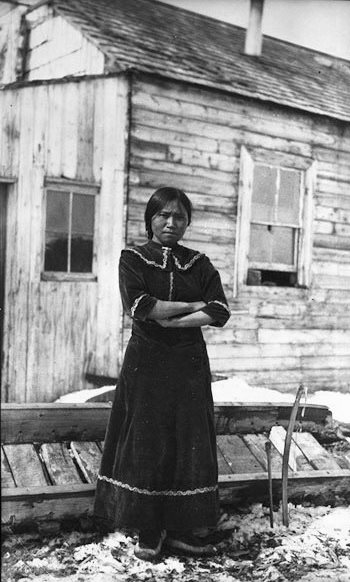
Innu society was organised into small, flexible hunting groups of related families, coming together in larger gatherings in summer or for great caribou hunts. Leadership was informal, resting on skill in hunting, knowledge and the respect of others, in keeping with the demands of a mobile life.
The hunting group, led by an experienced hunter, was the basic unit, and generosity and the sharing of meat were fundamental values. In the twentieth century the Innu were settled into permanent villages, a profound and often painful change, yet the bonds of kinship and the ethic of sharing endured.
Religion and Belief

Innu spiritual life centred on the animals of the hunt and the spirit powers that governed them, above all the Caribou Master, Papakassik, keeper of the herds, who had to be honoured and respected for the hunt to succeed. Hunters wore beautifully painted caribou-skin coats to show respect to the animals and their master.
The shaking tent, in which a shaman communed with the spirits, was a central rite, and dreams, drumming and the feast known as makushan bound the people to the spirit world and the caribou. Christianity later spread among the Innu, but the old relationship with the caribou and the spirits of the land endures.
Traditions
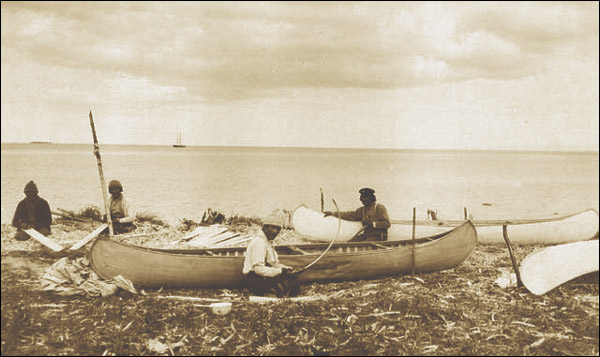
Innu tradition is expressed in drumming, singing and the making of the objects of a hunting life, and above all in the deep relationship with the caribou. The painted caribou-skin coats, the drum known as the teueikan, and the songs of the hunt carried the values and beliefs of the people.
Storytelling preserved the history and teachings of the Innu, and the makushan feast, at which the marrow of caribou bones was shared, honoured the animal and the hunt. Through these traditions the Innu maintained their bond with the land and the caribou across the generations.
Crafts

Innu craftwork served the needs of a mobile northern life. They made snowshoes and toboggans for winter travel, birchbark and later canvas tents, and canoes for the summer rivers, together with the tools, containers and clothing of the hunt.
The finest expression of Innu art was the painted caribou-skin coat, adorned with intricate designs in red and other colours, worn to honour the caribou. Women also worked hides, made beadwork and decorated clothing, and the tea doll, stuffed with tea for the journey, is a well-known Innu craft.
Food
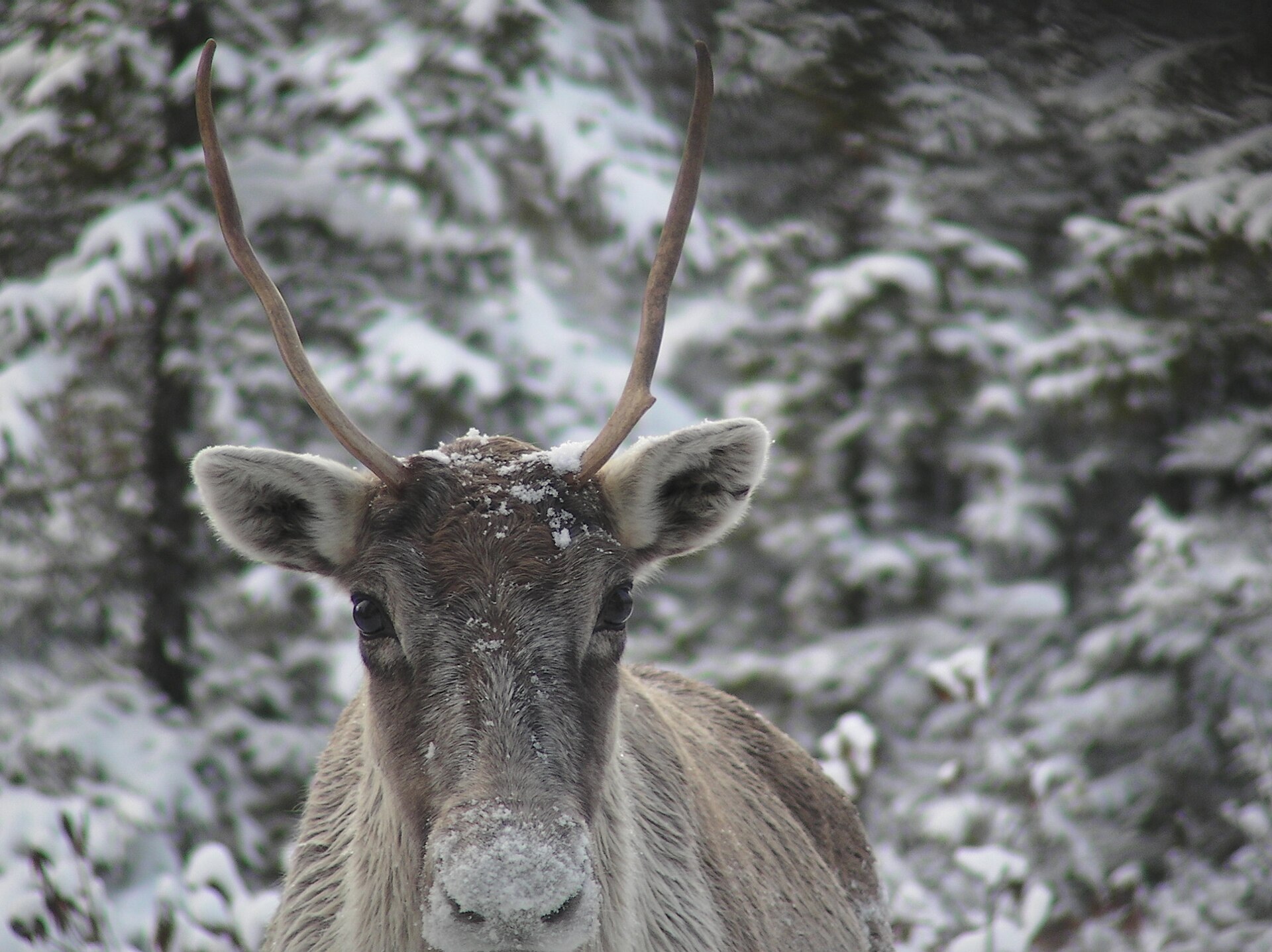
The Innu diet was built above all on caribou, whose meat, fresh, dried or as marrow, was the mainstay of life, supplemented by moose, beaver, bear, hare, fish, waterfowl and berries. Little grew in the harsh north, so the people depended almost wholly on hunting and fishing.
Meat was dried and stored against times of scarcity, and the whole animal was used, nothing wasted. The makushan, a feast centred on caribou-bone marrow, was a special occasion of sharing and thanksgiving, and traditional foods remain important to the Innu today.
Festivals

Innu communal life was marked by the gatherings of summer, when scattered hunting groups came together to renew ties, hold ceremonies, feast and celebrate. The makushan and other feasts, with drumming, singing and dancing, were high points of the year.
Today the Innu also gather for cultural celebrations, and the Innu Nikamu music festival at Maliotenam has become a major event celebrating Innu and wider Indigenous music and culture. Through these festivals, old and new, the Innu affirm their identity and bring their communities together.
History
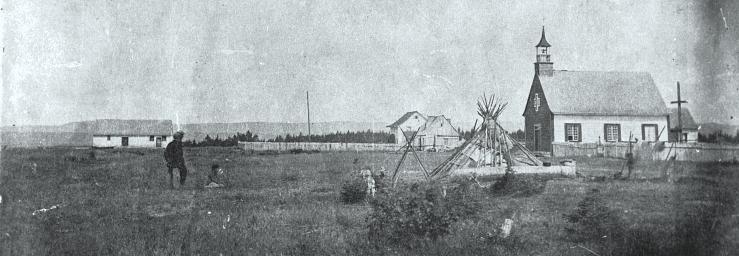
For thousands of years the Innu lived as free hunters of Nitassinan, encountering French traders and missionaries from the seventeenth century but keeping to their nomadic life on the land. Only in the twentieth century were they settled, often under pressure, into permanent villages, a wrenching change that brought serious social problems, seen most tragically at Davis Inlet.
The building of great hydroelectric projects, which flooded ancestral hunting lands, and the use of Innu territory for low-level military flight training, provoked determined Innu protest in the late twentieth century. Through these struggles the Innu have asserted their rights to their land and worked to heal their communities and renew their culture.
Today

Today the Innu number more than twenty-five thousand, living mainly in their communities across the Côte-Nord of Quebec and in Labrador, and pursuing land claims and self-government. Many still hunt and travel on the land, keeping alive the relationship with the caribou even as they engage with the modern world.
The Innu language, the caribou hunt, the drum and the songs, and events such as the Innu Nikamu festival continue to anchor the identity of the people. Hunters of the great northern forests and barrens, the Innu carry an ancient bond with Nitassinan and the caribou into the present age.
Related Peoples of the Region
- The Metis, the Buffalo Hunters of the Red River
- The Choctaw, People of the Sacred Mound
- The Mikmaq, First People of the Atlantic Coast
- The Wampanoag, People of the First Light
- The Aleut, Sea Hunters of the Aleutian Islands
- The Xavante, Warriors of the Brazilian Cerrado
- The Tohono O’odham, Desert People of the Saguaro
- The Ute, Horse People of the Mountain West
More Peoples of the World
- A Fifth of Humanity, the Story of the Han Chinese
- How the Maori Sailed Across the Pacific to Reach New Zealand
- Zulu of the Green Hills and Their Kingdom Forged by Shaka
- The People Who Never Vanished, the Story of the Maya
- Long Before the Arabs Came, North Africa Belonged to the Amazigh
- The People Who Emerged Into This World, the Story of the Navajo
- Meet the Ainu, an Indigenous People at Japan’s Northern Edge
You May Like
The Damara, an Ancient People of Namibia