At the edge of the half timbered old town of Celle, surrounded by a moat and a green park, stands a white palace with four corner towers that was for centuries the seat of the dukes of Brunswick Luneburg. Celle Palace combines Renaissance and baroque architecture, and it holds two remarkable treasures: a richly decorated Renaissance chapel and the oldest baroque theatre in Germany still in regular use.
The palace is also linked to a tragic royal story, that of Queen Caroline Matilda of Denmark, a British princess who lived here in exile and died young. Today it houses a residence museum that brings the history of the Guelph dynasty to life.
In this article we will explore Celle Palace from the dukes who built it to its chapel, its theatre and its royal exile, and we will finish with practical tips for your visit.
In This Article
- A White Palace Beside a Half Timbered Town
- The Dukes of Brunswick Luneburg
- The Moat and the Towers
- The State Rooms
- Halls and Apartments
- Baroque Decoration and Craftsmanship
- Queen Caroline Matilda in Exile
- Staircases and Courtyard
- The Oldest Baroque Theatre in Germany
- The Portal and the Facades
- The Renaissance Palace Chapel
- Celle Palace on Video
- Visiting Celle Palace Today
A White Palace Beside a Half Timbered Town
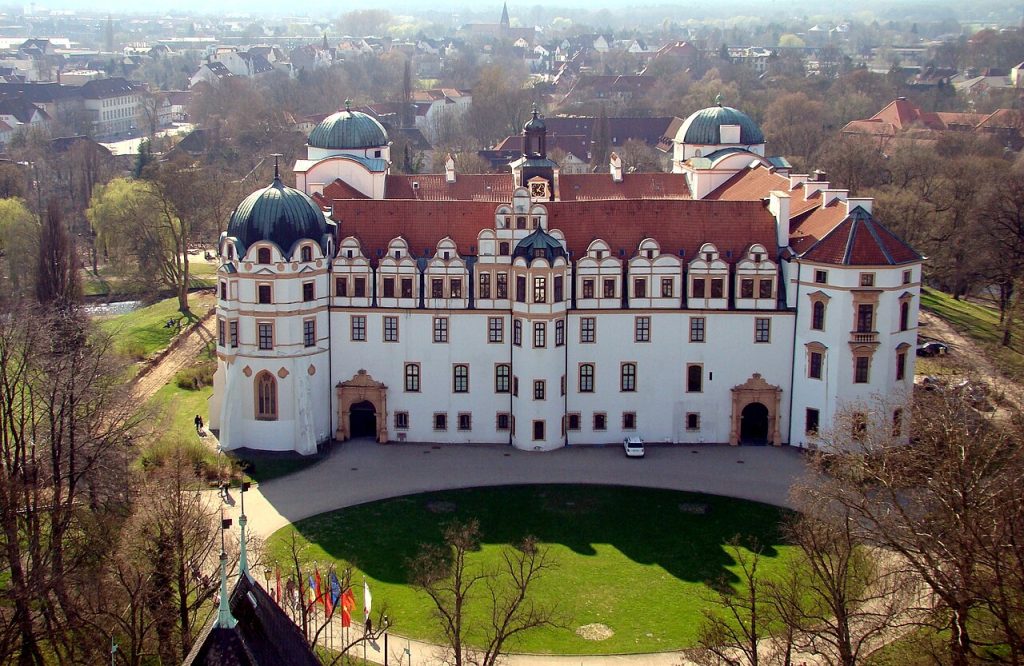
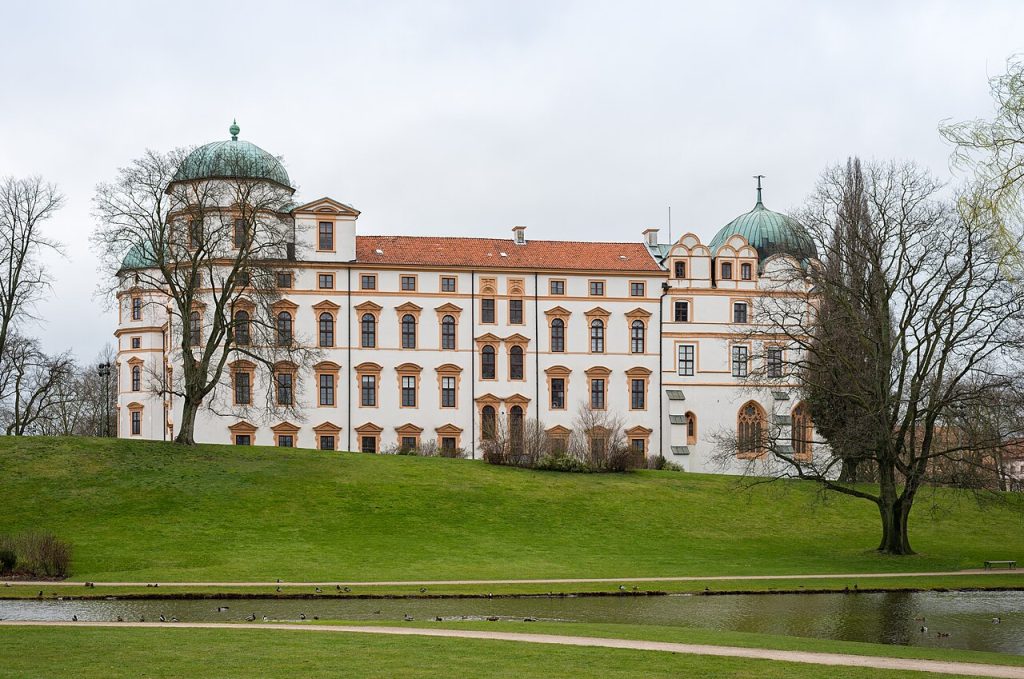
Approaching Celle Palace through the park, you see its white facades and four corner towers rising behind the moat. The building forms a square around an inner courtyard, its walls decorated with pilasters and window frames.
Celle’s old town, with more than four hundred half timbered houses, is one of the most beautiful in Germany, and the palace stands at its western edge.
What makes Celle special is the combination of a picturesque town, a stately palace and its unique theatre and chapel.
The Dukes of Brunswick Luneburg
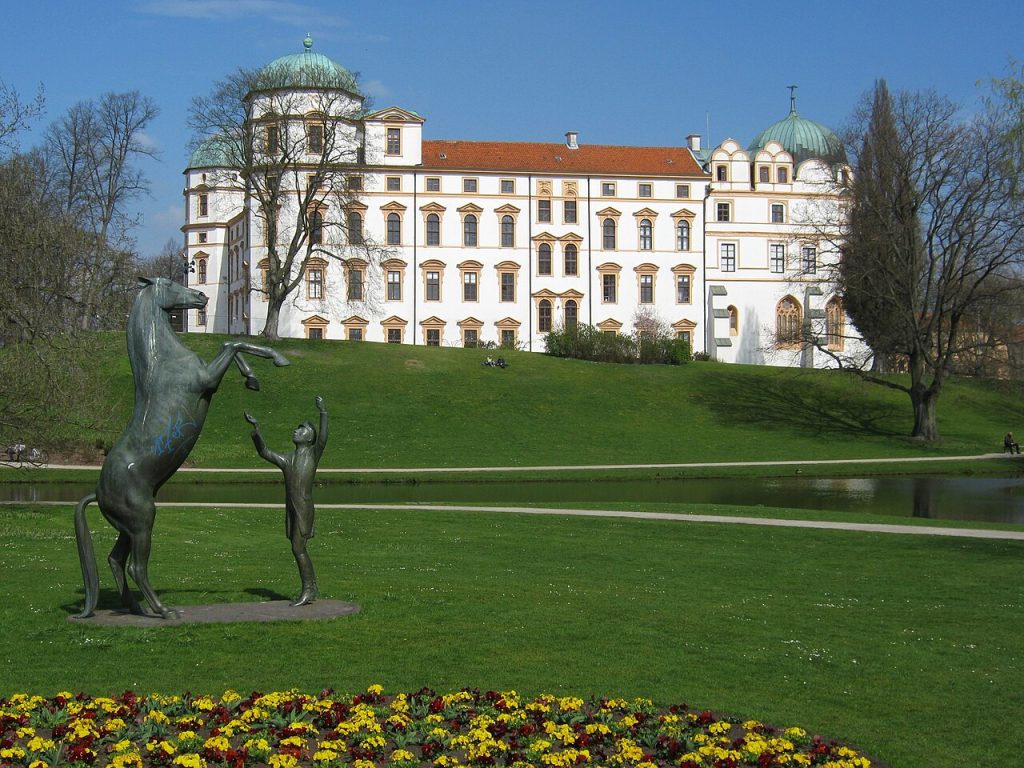
Celle was the residence of the dukes of Brunswick Luneburg, a branch of the Guelph dynasty, from the fourteenth century until 1705.
The last duke, Georg Wilhelm, transformed the palace into a baroque residence, adding elegant state rooms and the theatre.
When he died, Celle passed to his nephew, the elector of Hanover, who later became King George I of Great Britain, and the court moved to Hanover.
The Moat and the Towers
The palace is surrounded by a moat, a reminder of its origins as a medieval castle. Bridges lead across the water to the entrance.
The four corner towers, with their distinctive caps, give the palace its recognisable silhouette and recall the Renaissance phase of its history.
The park around the moat offers pleasant walks and fine views of the palace from every side.
The State Rooms
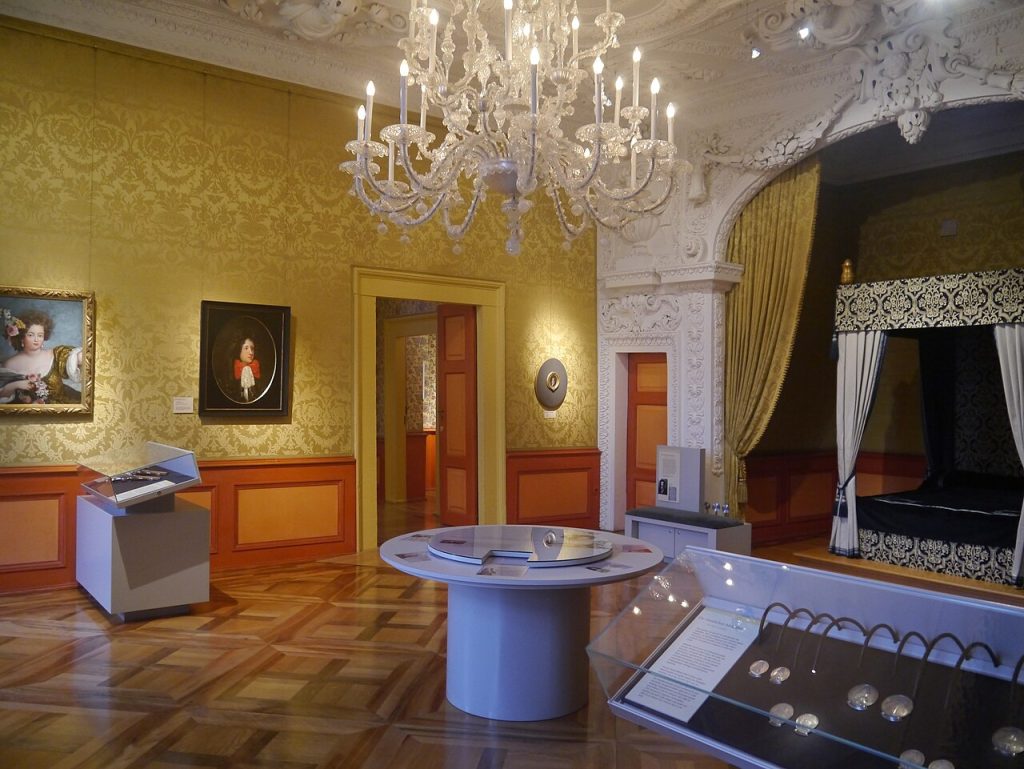
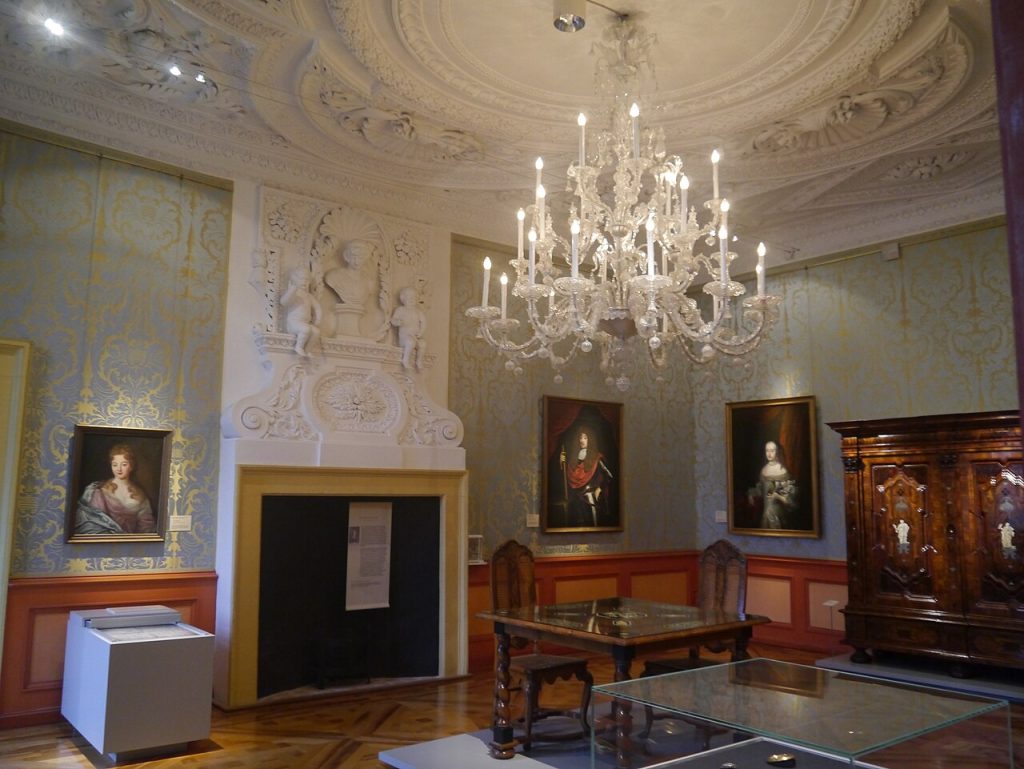
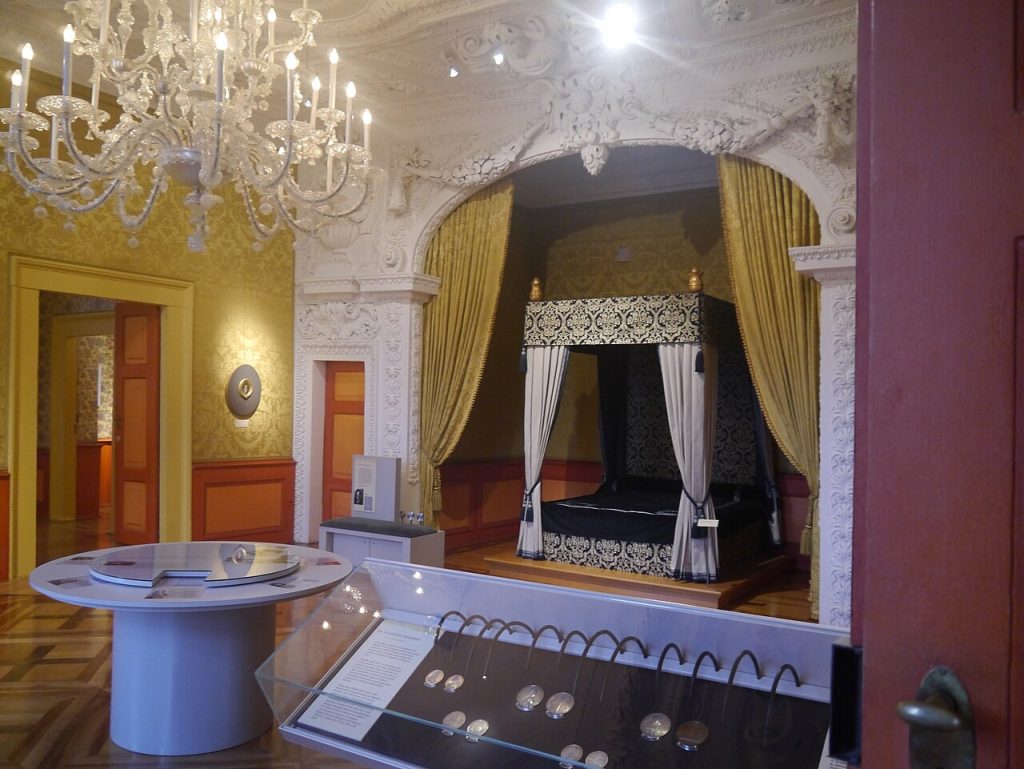
Inside, the palace preserves state rooms from the baroque period, with stucco ceilings, painted decoration and fine furniture.
These rooms were created for Duke Georg Wilhelm and his wife, Eleonore d Olbreuse, a French noblewoman who brought French taste to the court.
Guided tours lead through the rooms, explaining the life of the court and the history of the dynasty.
Halls and Apartments
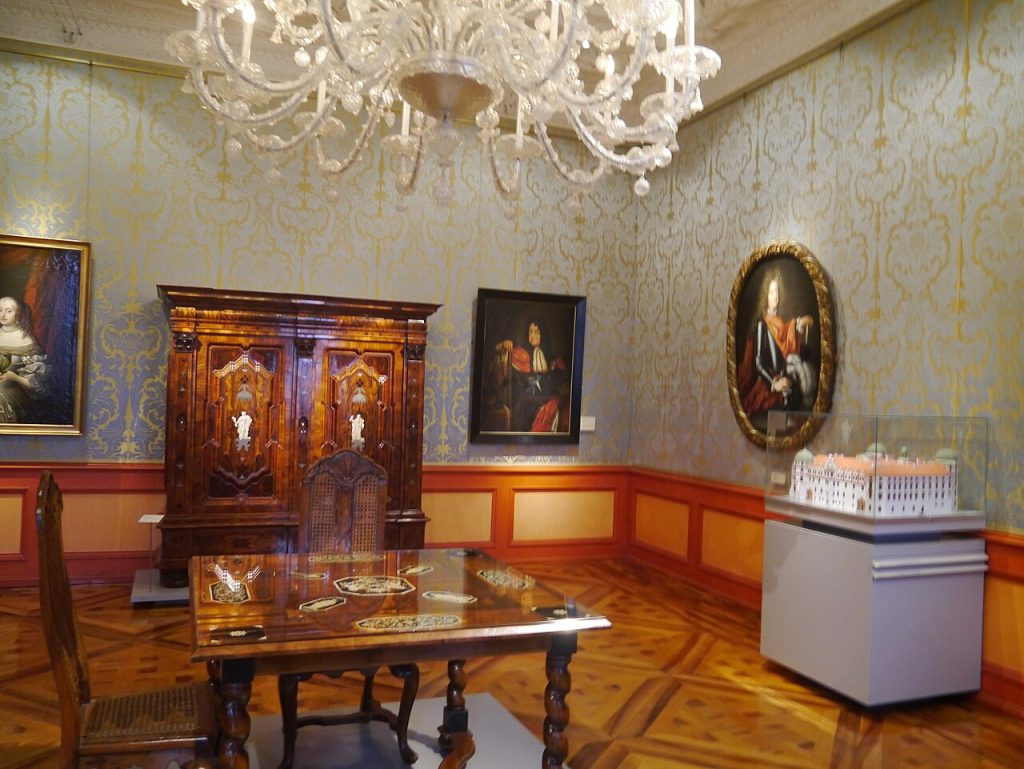
Beyond the state rooms, the palace includes apartments and halls that were used by later members of the Hanoverian royal family.
Many rooms have been restored with historic furnishings, creating an authentic atmosphere.
Portraits of the Guelph rulers introduce visitors to the family that ruled Celle, Hanover and Great Britain.
Baroque Decoration and Craftsmanship
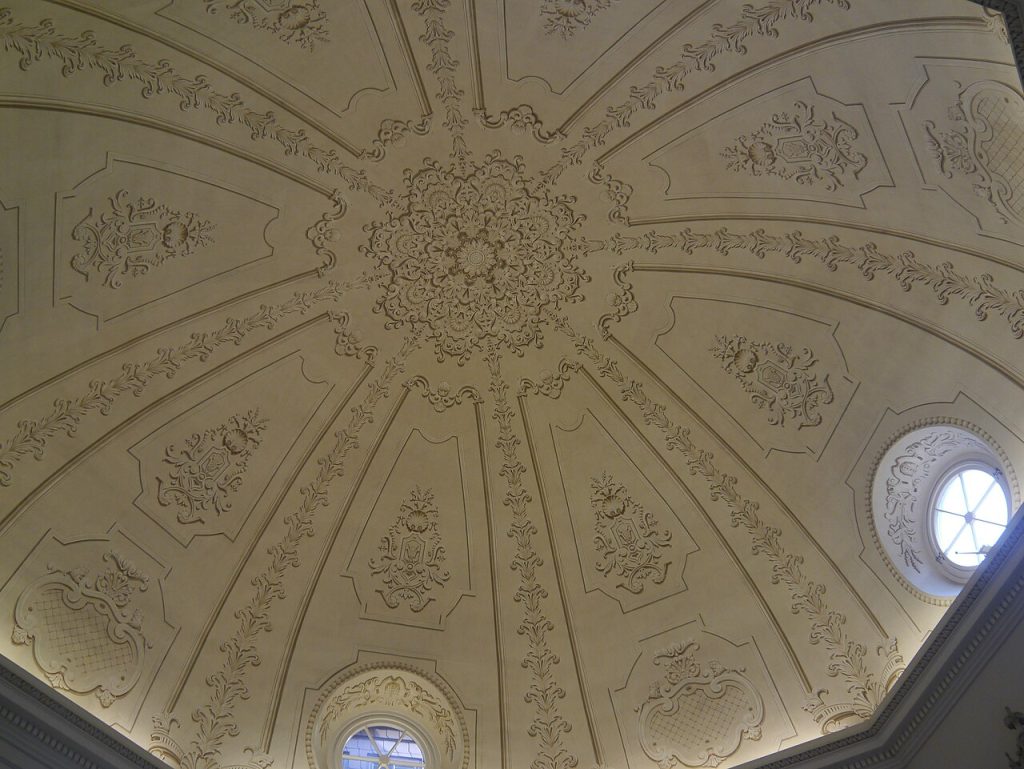
The stucco ceilings of the state rooms were created by Italian craftsmen working for the duke, and their elaborate ornament shows the high standard of baroque decoration in northern Germany.
Painted panels, carved doors and fine parquet floors complete the interiors.
Taking time to look at the details reveals the wealth and taste of the Celle court.
Queen Caroline Matilda in Exile
One of the most touching stories of Celle Palace is that of Caroline Matilda, sister of King George III of Great Britain, who became queen of Denmark at the age of fifteen.
After a scandalous affair with the royal physician Johann Friedrich Struensee, who was executed in 1772, she was divorced and sent into exile at Celle.
She lived in the palace for a few years, separated from her children, and died in 1775 at the age of only twenty three. Her story is remembered in the palace museum.
Staircases and Courtyard
Inside the palace, staircases connect the different floors and wings, and some preserve their historic decoration.
The inner courtyard, surrounded by the four wings, is a calm and enclosed space with facades from different building periods.
From the courtyard you can see how the medieval castle was transformed over centuries into a baroque residence.
The Oldest Baroque Theatre in Germany
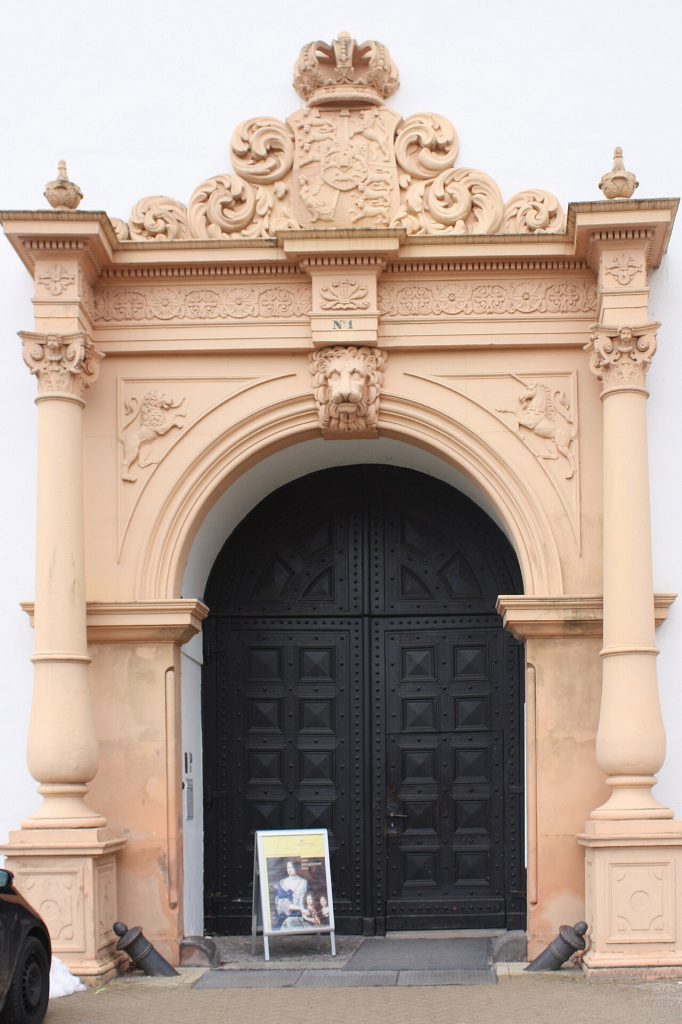
The palace theatre at Celle was built in 1674 for Duke Georg Wilhelm and is the oldest baroque theatre in Germany still in regular use.
Its intimate auditorium, with tiers of boxes decorated in red and gold, seats a few hundred spectators and creates a close relationship between actors and audience.
Today the theatre has its own company and a full programme of plays, making it a living part of the cultural life of Celle.
The Portal and the Facades
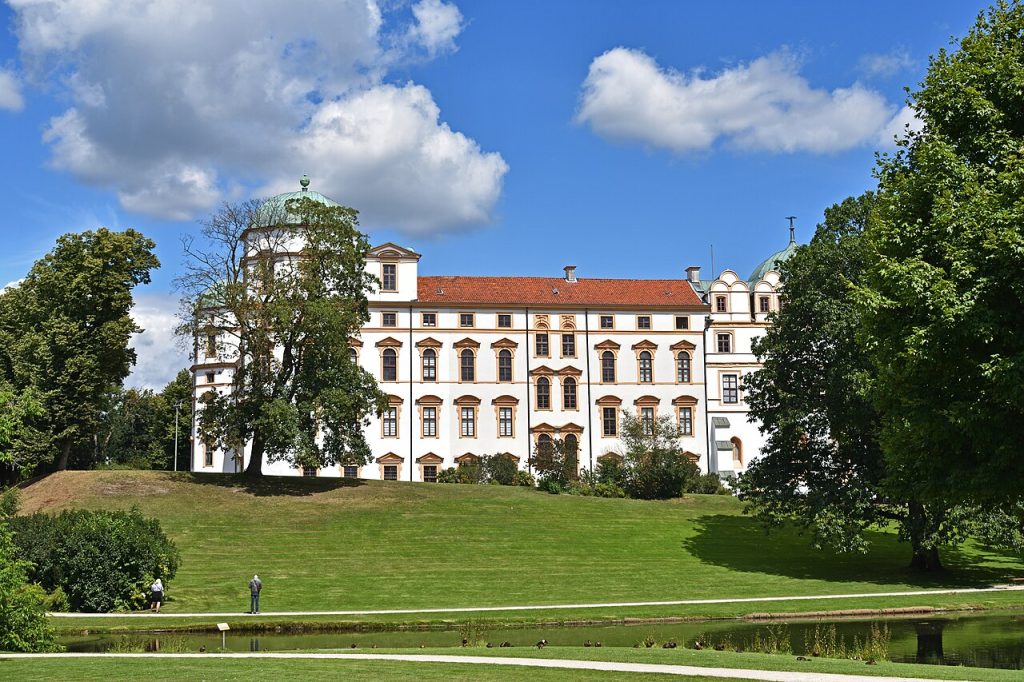
The main portal of the palace is decorated with sculpture and the arms of the dukes, marking the entrance to the residence.
The facades combine Renaissance and baroque elements, reflecting the long history of the building.
The white walls and dark roofs give the palace an elegant and harmonious appearance.
The Renaissance Palace Chapel
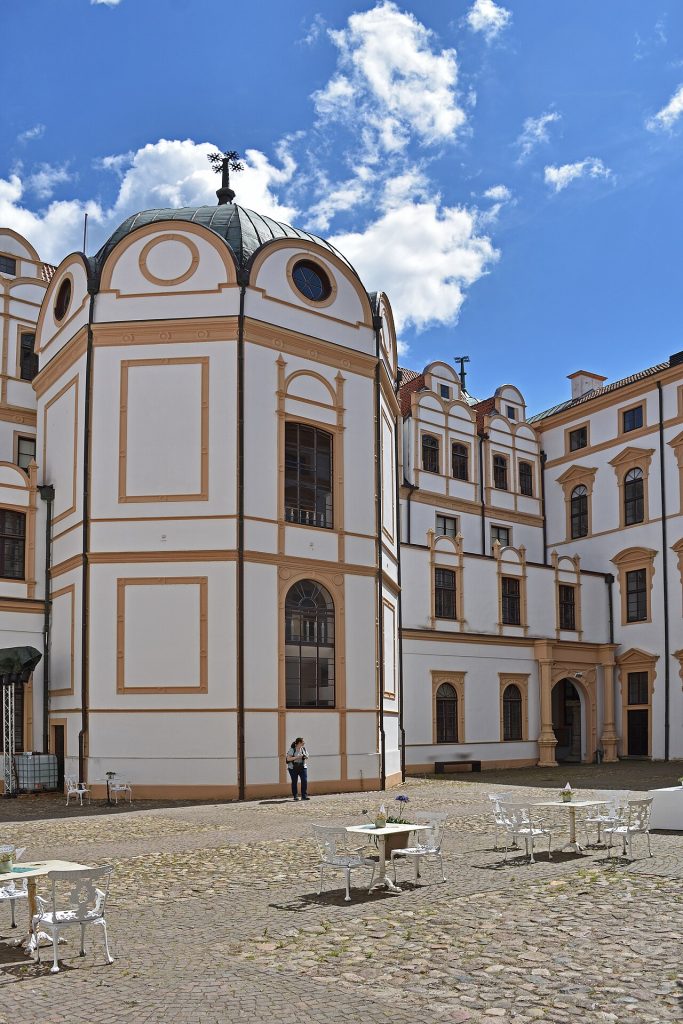
The palace chapel is one of the most important Renaissance interiors in northern Germany. Completed in the 1560s and 1570s, it was one of the first Protestant court chapels.
Its walls and ceiling are covered with paintings by Flemish artists, and its richly carved furnishings create an atmosphere of great splendour.
The chapel has been preserved almost unchanged for more than four centuries and is a highlight of any visit.
Celle Palace on Video
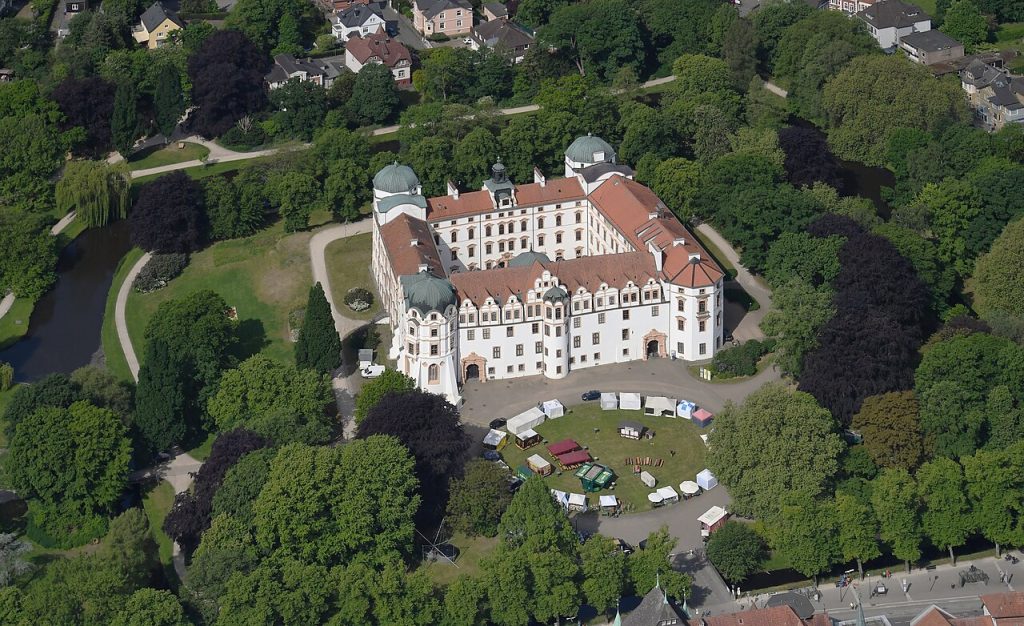
For a look at the palace and its rooms, the video below presents Celle Palace.
Watch for the white facades, the courtyard and the historic interiors.
If the video inspires you, read on for practical tips.
Visiting Celle Palace Today
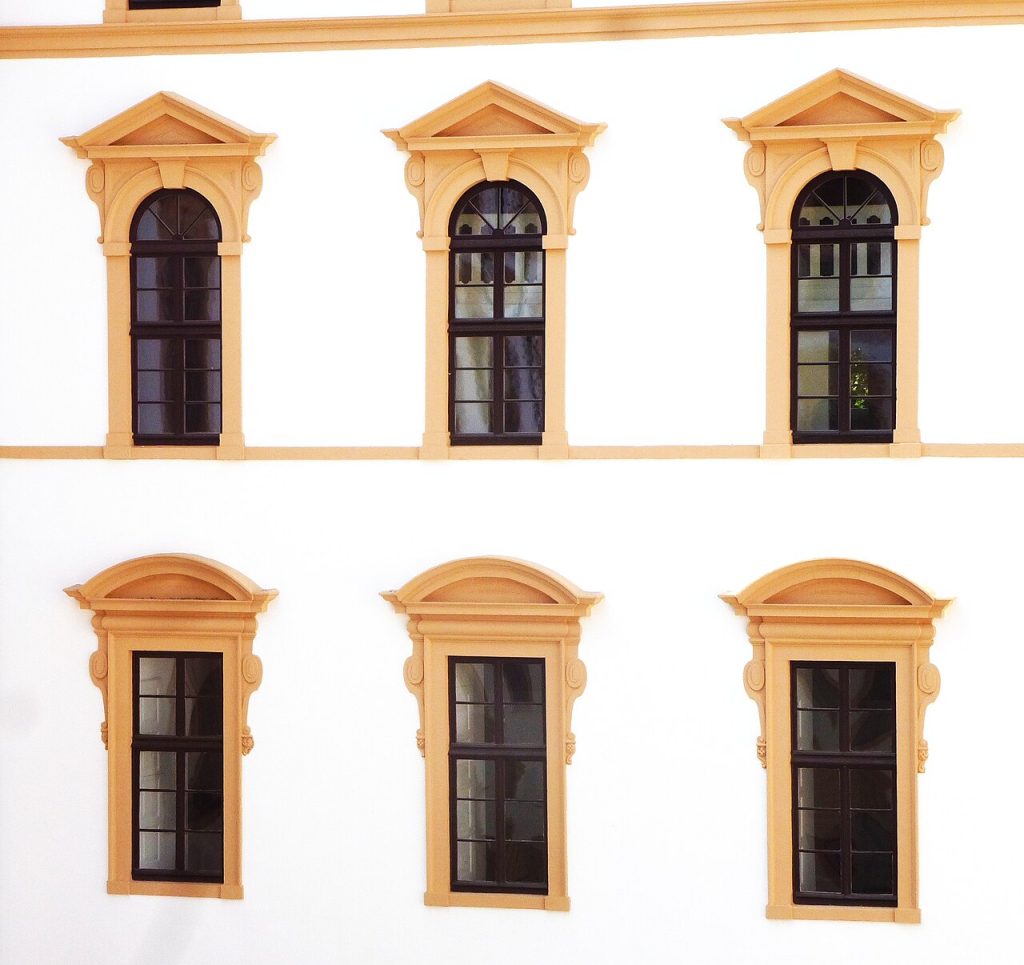
Celle Palace houses the Residence Museum, which can be visited with guided tours of the state rooms, the chapel and the theatre.
Celle lies about forty kilometres northeast of Hanover and is easy to reach by train.
Plan to combine the palace with a walk through the old town, with its half timbered houses, and perhaps an evening performance in the palace theatre.
Celle pairs well with Herrenhausen in Hanover and with Buckeburg Palace to the west.
View the location on Google Maps
Palaces Nearby
If you have enjoyed this palace, northern Germany holds more remarkable residences. Here are two more well worth adding to your journey:
- Herrenhausen Palace – the palace and Great Garden of the electors of Hanover.
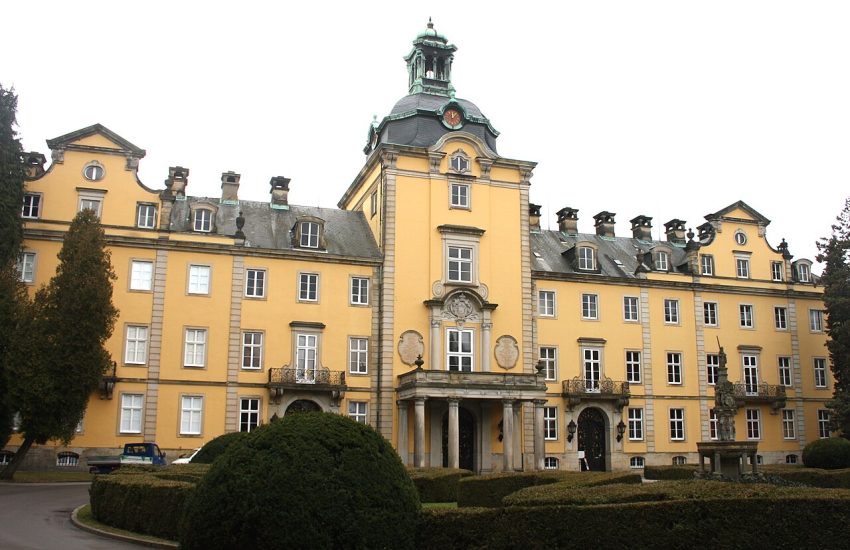
- Buckeburg Palace – the residence of the princes of Schaumburg Lippe with its famous Golden Hall.
You May Like


One thought on “Celle Palace and the Oldest Baroque Theatre in Germany”